Modern UAV Training: How measurement technology is changing the industry
In today’s rapidly developing world of technology, UAV (unmanned aerial vehicle, or unmanned aerial vehicle) training is becoming increasingly important. Thanks to modern drone-based measurement systems, many industries are gaining new opportunities for data collection and analysis. From construction to agriculture to environmental protection, UAVs are becoming an indispensable working tool. In this post, we’ll take a look at how training in UAV measurement technology can change the face of various sectors, offering precise, fast and cost-effective solutions to everyday challenges.
Introduction to UAV technology
UAV, or unmanned aerial vehicle, technology is gaining popularity in various sectors. Familiarity with this technology and the role and responsibilities of UAV operators are becoming crucial for companies looking to keep up with modern trends.
What are unmanned aerial vehicles?
UAV stands for Unmanned Aerial Vehicles, or unmanned aerial vehicles. An unmanned aerial vehicle operator (UAVO) is the person responsible for controlling these devices. They are flying devices that can be controlled remotely or operate autonomously. UAVs vary in size and functionality, from small drones used in photography to large machines used in the military.
The main advantages of UAVs are their ability to provide real-time data, their ease of maneuverability and their ability to reach hard-to-reach places. Drones are used in a wide range of fields, from environmental monitoring to rescue operations.
In the future, UAVs could become standard in many industries, helping to manage resources more efficiently and improve safety. They are also key in the development of measurement technologies.
History and development of UAVs
The history of UAVs dates back to the early 20th century. The first uses were for military purposes, but over time their use has expanded into other fields.
In the 1980s, UAVs began to be used in civilian sectors, mainly for photography and filming. The breakthrough came with the development of GPS and sensor technology, which enabled more precise drone control.
UAVs are now being used extensively in various industries. Developments in technology are making drones more advanced and accessible, to both professionals and amateurs. Compared to traditional aircraft, UAVs offer greater flexibility and variety of applications, from recreational to professional. Drone operators manage these aircraft in a manner similar to airline pilots, highlighting their robustness and technological capabilities.
Types of aircraft
Unmanned aerial vehicles (UAVs) can be divided into several categories, depending on their design and propulsion. The most common types of UAVs include multi-rotors, airframes, helicopters and hybrids.
- Multicopters, also known as multicopters, are highly maneuverable and easy to operate, making them ideal for surveys of point objects or small areas.
- Airframes, on the other hand, resemble classic airplanes and feature very long flight times, making them perfect for tasks requiring long-term monitoring.
- Helicopters, while more complicated to operate and requiring frequent maintenance, can stay in the air longer than multicopters, which is beneficial for missions requiring stability and precision.
- Hybrids combine features of airframes and multi-rotors, making them easy to control and capable of taking off in difficult terrain, offering versatility and flexibility in a variety of applications.
UAV drone equipment
UAV drones can be equipped with different types of sensors to collect data under different conditions and for different purposes. The most common equipment includes cameras, radar and temperature sensors.
- RGB cameras, which capture the visible light spectrum, are an essential tool for creating terrain maps with accurate color reproduction.
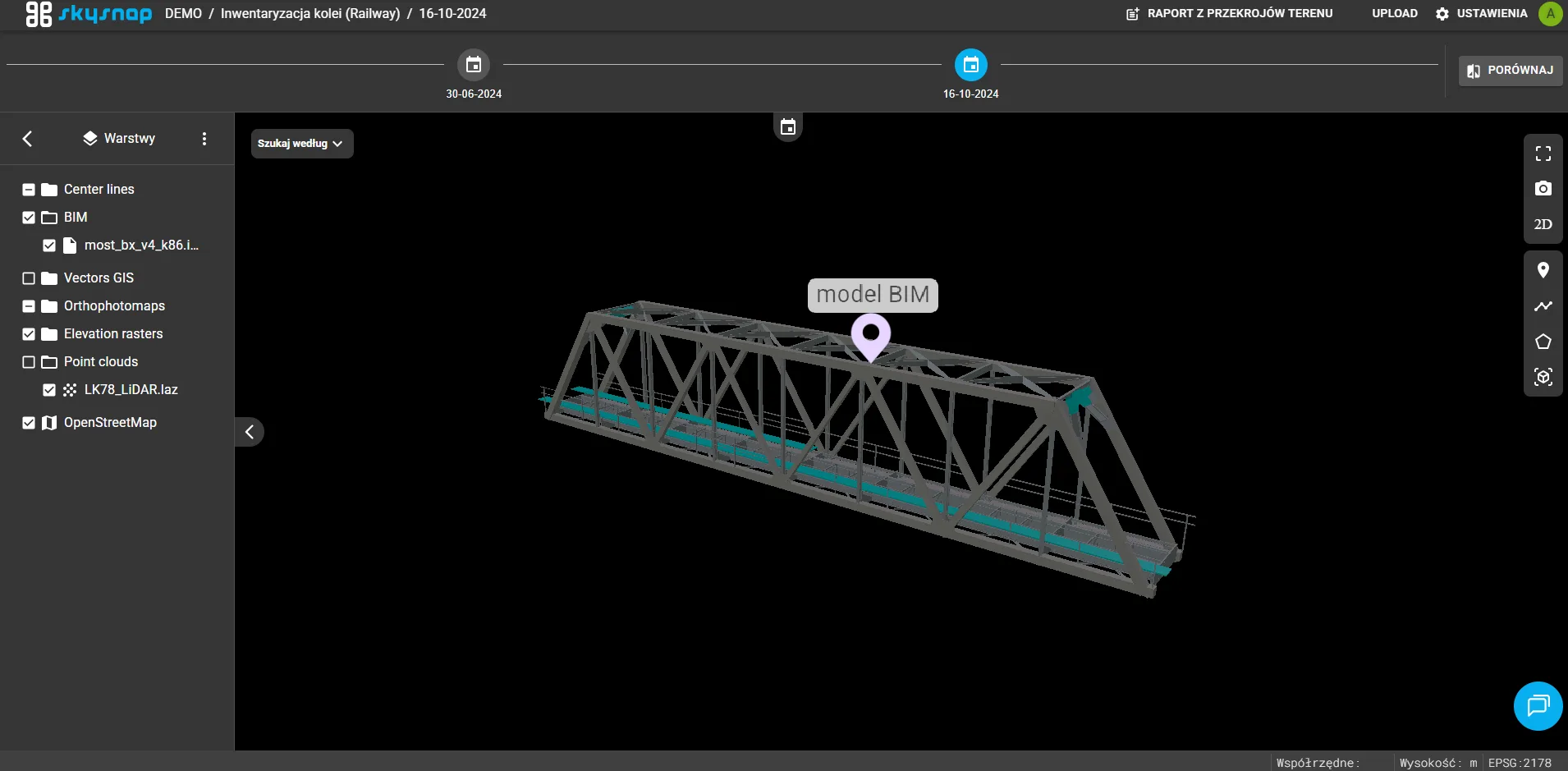
- LIDAR, which works on the principle of laser reflection, allows the creation of precise 3D models, which is extremely useful in construction and surveying.
- Multispectral and hyperspectral sensors make it possible to analyze vegetation and monitor crop health, which is crucial in precision agriculture. With such equipment, UAV drones become versatile tools capable of performing complex tasks in a variety of industries.
UAV applications in measurement
UAVs are widely used in measurement technology, offering precise and cost-effective solutions. With sensors and cameras, drones can collect data in hard-to-reach areas.
The use of drones in surveying includes 3D mapping, environmental monitoring and infrastructure inspection, among others. However, an amendment to regulations on flying drones has introduced restrictions on flying over buildings. This requires obtaining a license and maintaining minimum distances from buildings, which affects drone operations in both urban and rural areas.
Using UAVs in surveying is also greener, as it minimizes the need for heavy equipment and reduces the environmental footprint.
Modern measurement technologies
Measurement technologies are developing rapidly, and UAVs play a key role in this. Modern measurement systems rely on advanced sensors and software to collect data with unprecedented precision.
The role of sensors and sensors
Sensors and sensors play a key role in UAV technology, enabling the collection of a variety of data. These can include optical, thermal or LIDAR cameras.
- Optical sensors enable the creation of high-quality images and videos that are used in visual analysis.
- Thermal imaging sensors allow temperature monitoring, which is useful in industrial inspections and environmental monitoring.
- LIDAR is a technology that produces precise 3D maps, facilitating spatial planning and analysis.
Sensor technology in UAVs offers new opportunities for data collection and analysis, contributing to more efficient measurement processes.
Integration with software
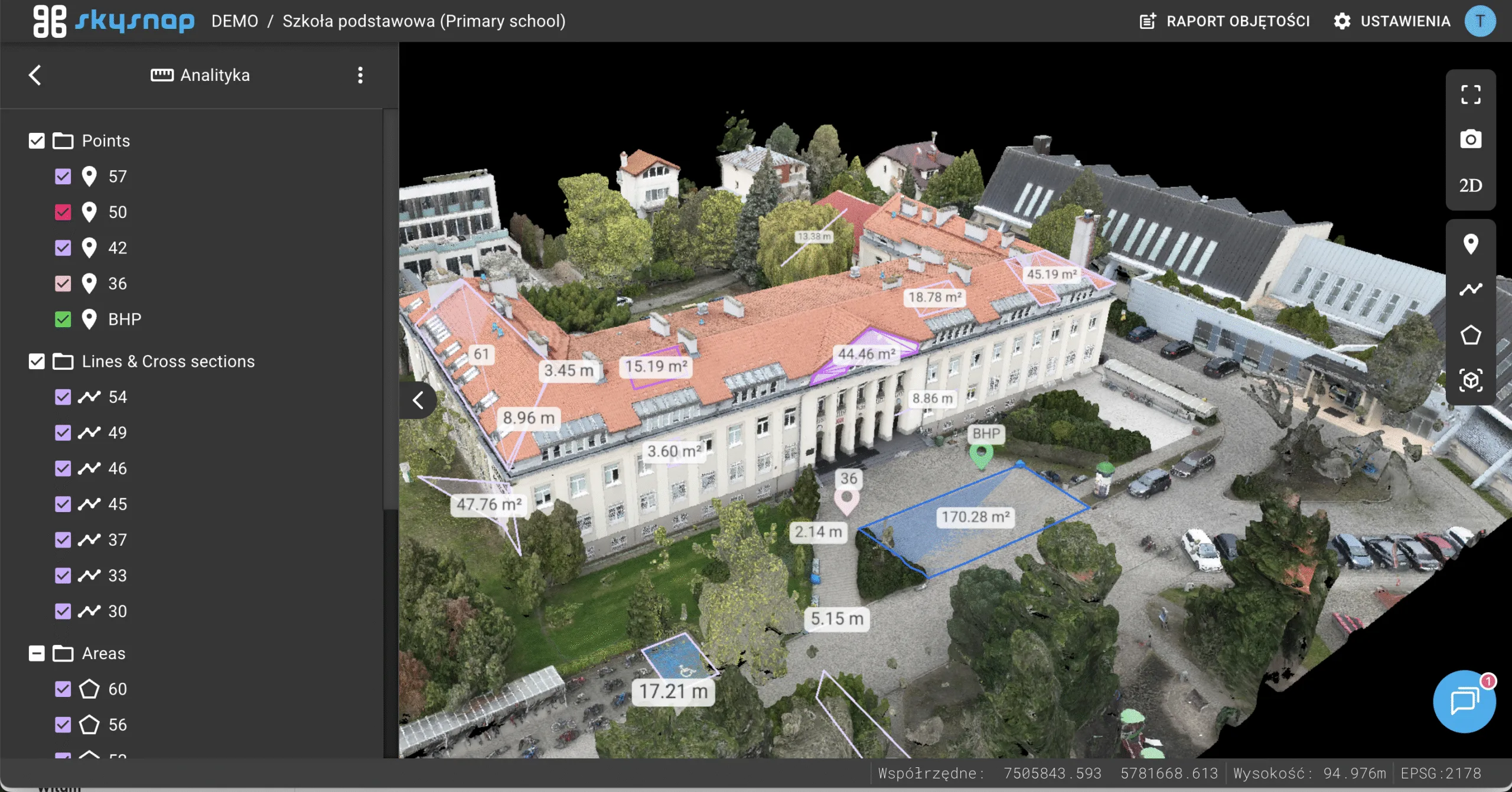
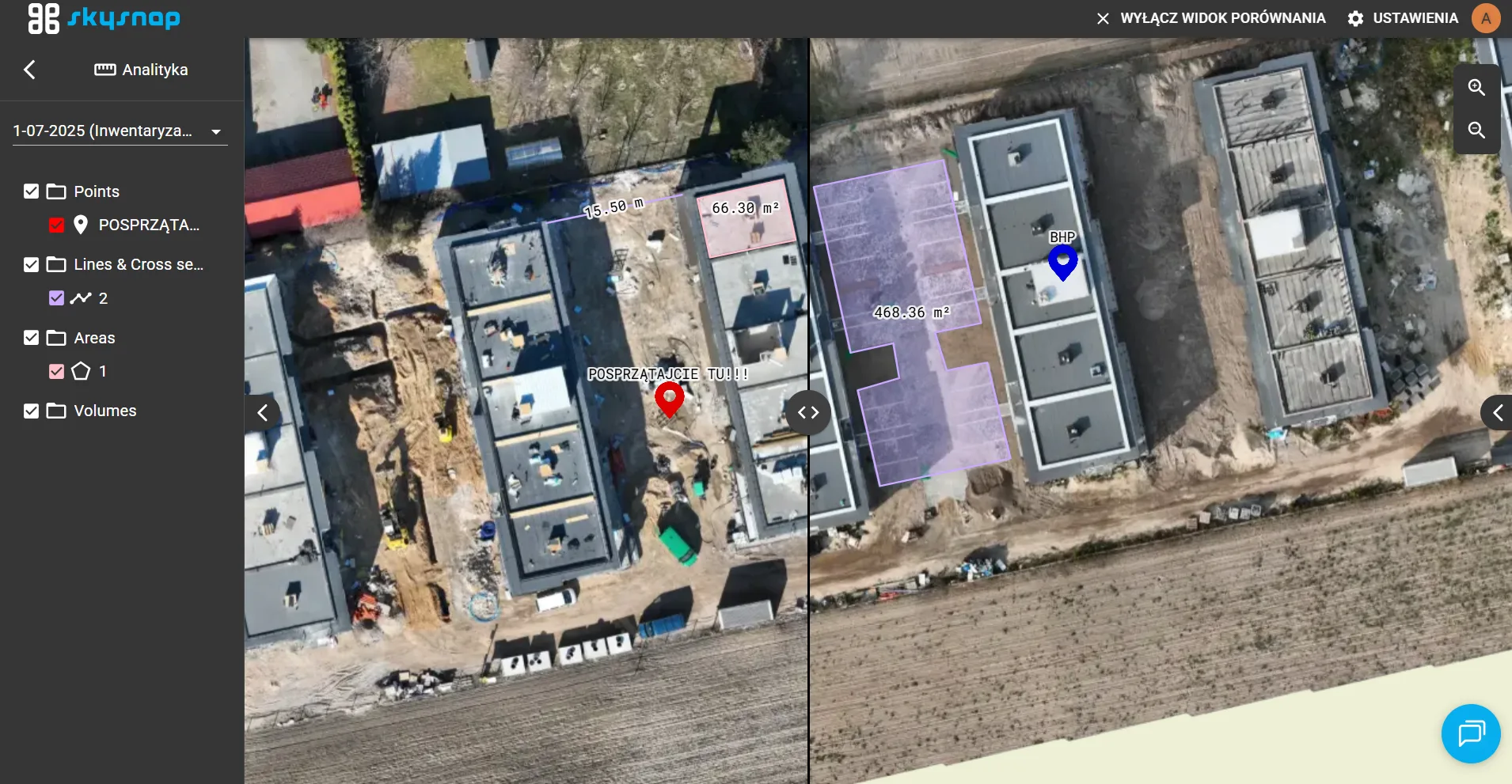
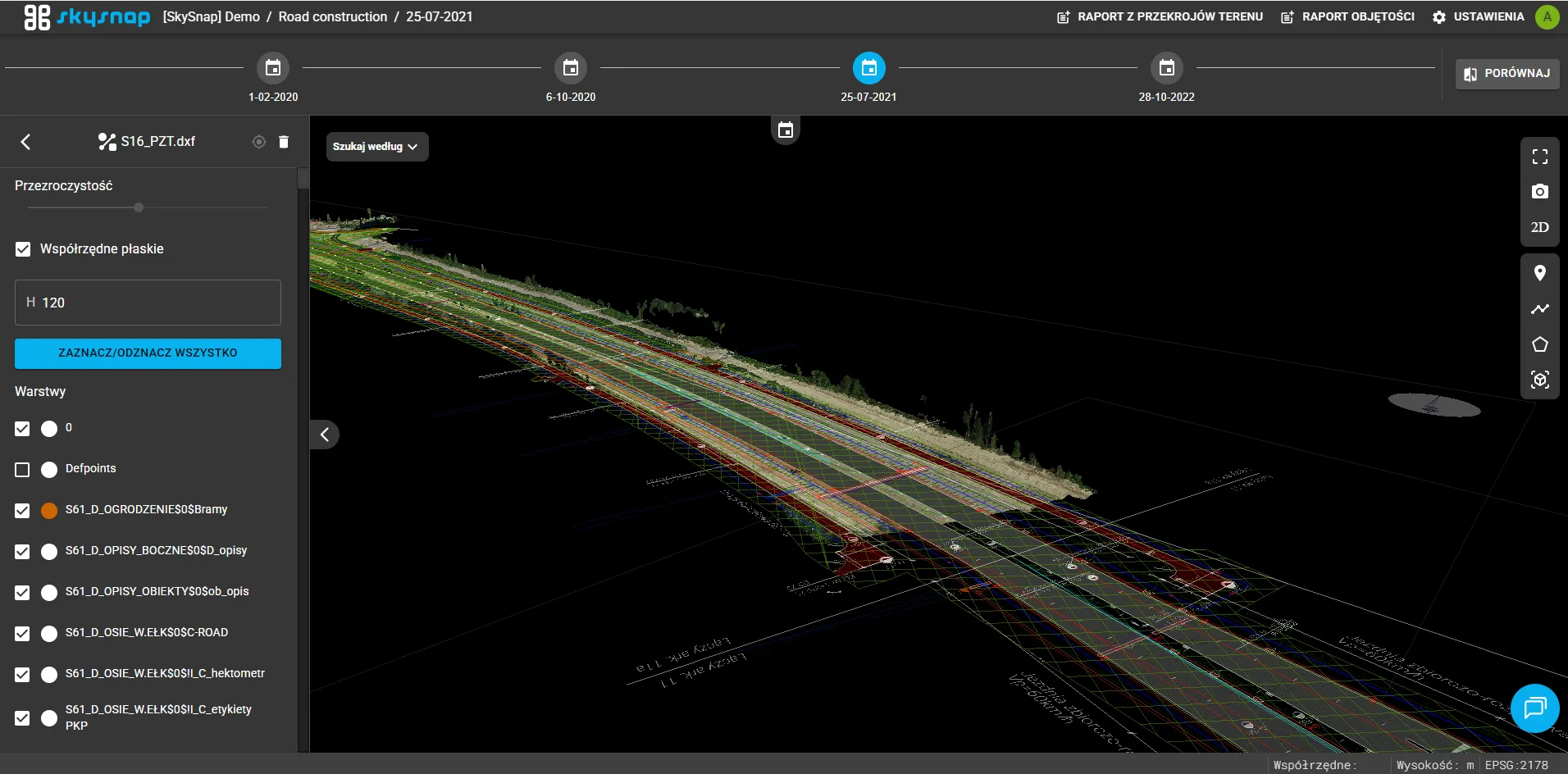
Integration of drones with advanced software is key to the effective use of measurement technology. Software enables real-time data analysis and data transfer to relevant systems.
- UAVs collect data using their sensors.
- The collected data is sent to analytical software.
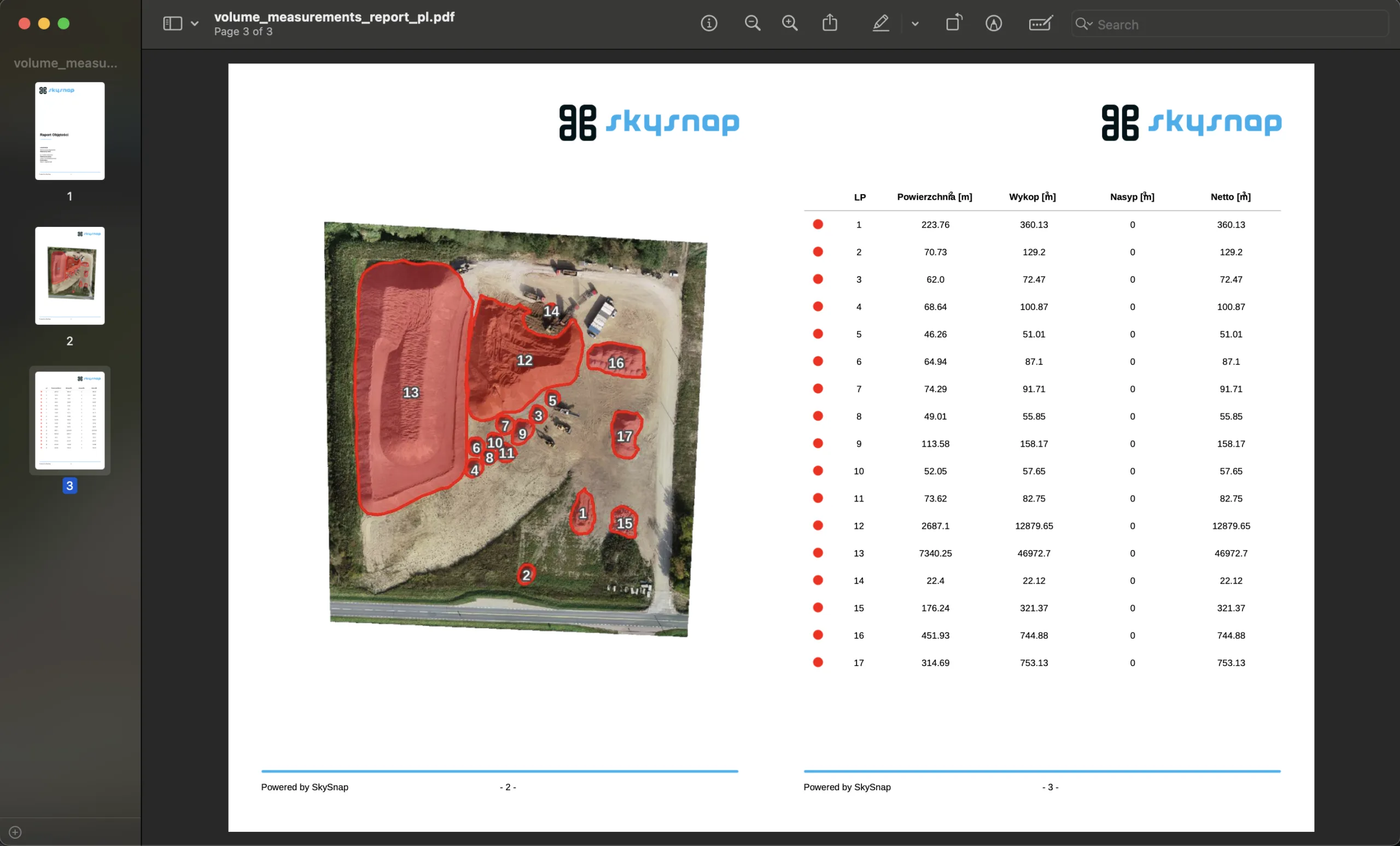
- The software processes the data, generating reports and visualizations.
This makes it possible to react quickly to changes and make decisions based on current data. Integration with software increases the efficiency and precision of measurements.
Examples of modern measurements
Modern drone-based measurement systems are used in many sectors. Here are some examples:
- Agriculture: UAVs allow crop monitoring and plant health analysis to help optimize yields.
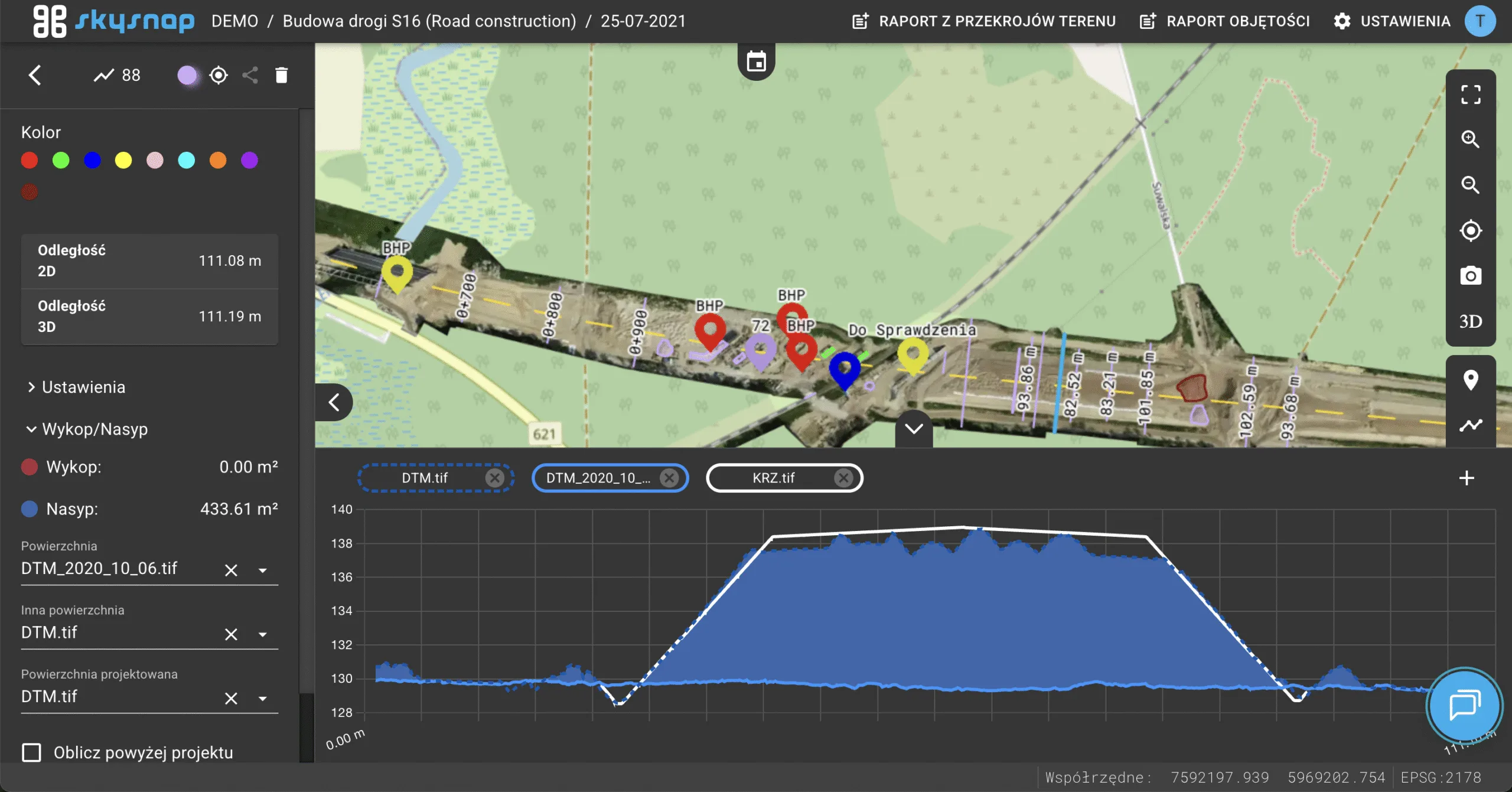
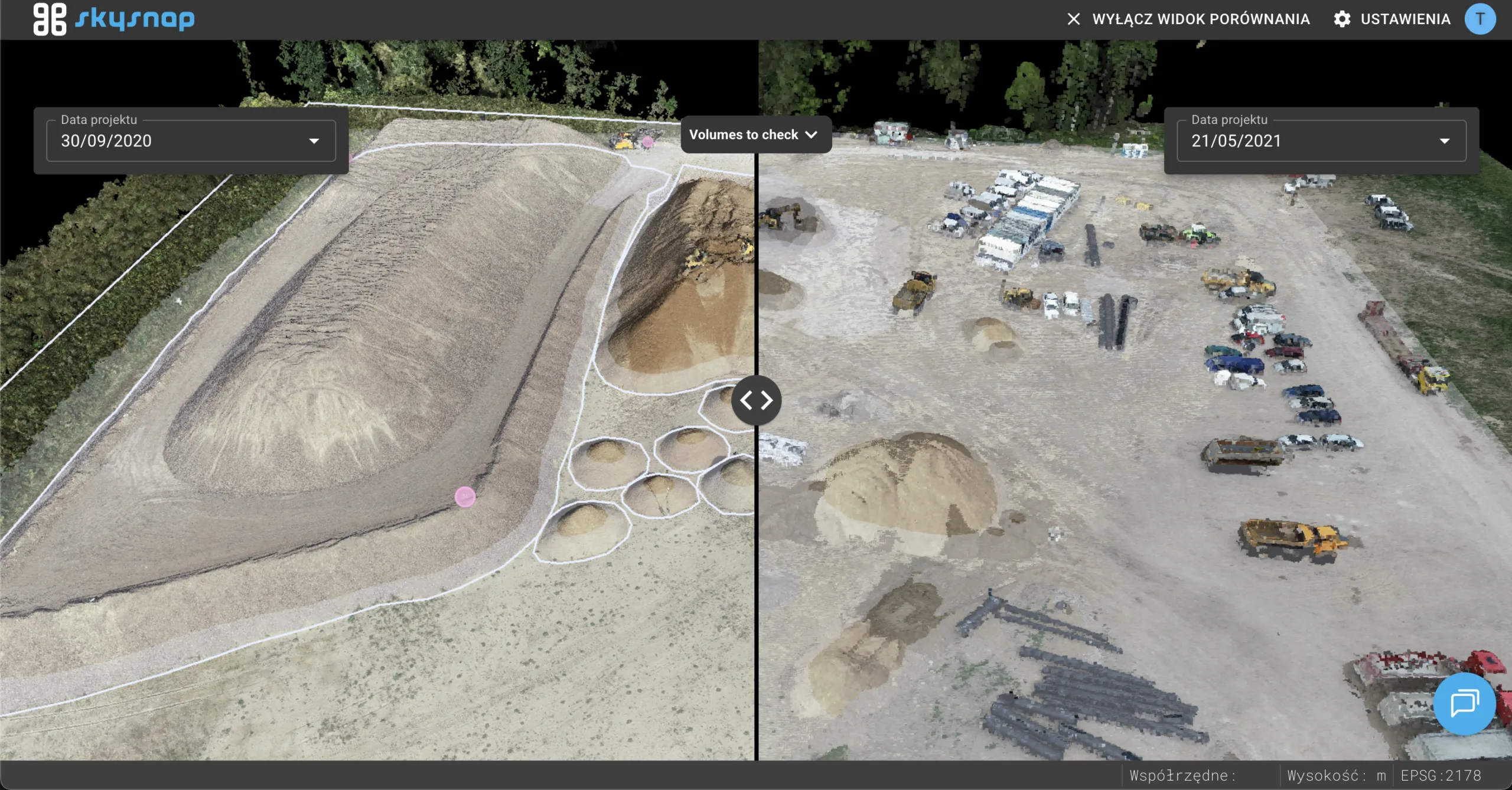
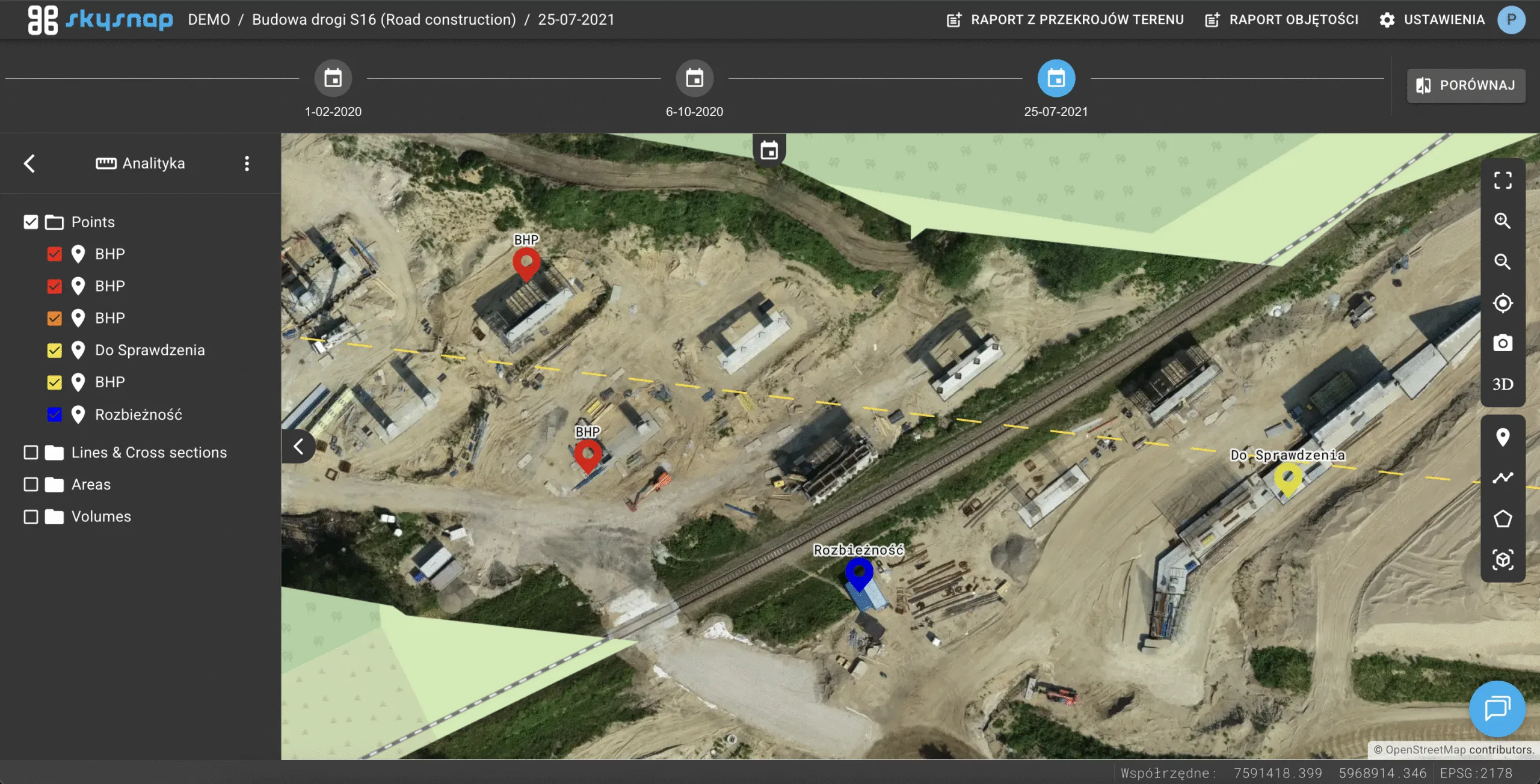
- Construction: Drones are being used to create 3D models of construction sites and to inspect structures, making the work safer and more efficient.
- Environmental protection: UAVs make it possible to monitor natural areas and track changes in ecosystems, which is crucial for conservation.
Each of these applications demonstrates how modern measurement technologies can support the development and management of various sectors of the economy.
UAV’s impact on the industry
The introduction of UAVs into measurement processes is changing the way many industries operate on a daily basis. From increased efficiency to cost savings, drones are having a significant impact on technological and operational developments.
Changes in measurement processes
UAVs have revolutionized traditional surveying processes, bringing new standards of precision and efficiency. Thanks to the capabilities of drones, many complex tasks can be completed faster and more cheaply.
- Traditional measurement methods often required large numbers of personnel and equipment.
- Drones reduce the need for survey crews to be physically present, which increases safety and reduces costs.
- UAVs enable fast and accurate large-scale data collection, which improves the quality of analysis and reports.
These changes mean that companies can better manage their resources and execute projects more efficiently. Drone operations comply with night regulations and standards to ensure safety and efficiency during flights.
Efficiency and time savings
Efficiency and time savings are among the biggest advantages of using UAVs for measurements. Thanks to drones, processes that previously took days or weeks can be completed in a matter of hours.
- Rapid data collection: Drones can take measurements in a short period of time, reducing project time.
- Reducing the need for physical presence: UAVs can operate autonomously, reducing the need to involve personnel in the field.
- Reduced operating costs: Less time and resources required for surveying means lower costs for companies.
- Different types of flight operations: Drones can perform different types of flights, such as BVLOS (beyond visual line-of-sight) flights and flights within visual line-of-sight, which require special pilot qualifications and coordination with air traffic control authorities.
With these advantages, UAVs are becoming an indispensable tool in many industries, offering new opportunities and making companies more competitive.
New opportunities and challenges
While UAVs offer many benefits, their introduction also comes with new challenges. Companies need to be ready to adapt and evolve to realize the full potential of this technology.
- Regulations: Many countries are legislating the use of UAVs, requiring companies to comply with the new standards.
- Data security: Collecting large amounts of data requires effective systems to process and protect it.
- Training and knowledge: Employees must be properly trained to use modern measurement technologies effectively.
Despite these challenges, UAVs offer unlimited opportunities for growth and innovation in various sectors.
UAV technology training
Training on UAV technology is crucial for companies that want to realize the full potential of drones. Training offerings are diverse and tailored to different levels of participants.
What does a typical training session look like?
A typical UAV training course includes both theory and practice. Participants gain knowledge of drone operation, safety principles and applications in various industries.
- Theory: Discuss the basic principles of UAVs, types of drones and their applications.
- Practice: Participants learn how to control drones by conducting simulated flights and collecting data.
- Data analysis: Learning to process and analyze data collected with drones.
This training is essential to take full advantage of the opportunities offered by UAV technology and to ensure the safety and efficiency of operations.
Requirements and certifications
Participation in UAV technology training often comes with certain requirements and certifications. Certifications validate the skills and knowledge needed to operate drones.
- Basic requirements: Knowledge of safety rules and laws regarding UAV use.
- Certificates: Awarded upon completion of training and passing an exam, these certify drone operation skills.
- Continuous improvement: Participants must regularly update their knowledge to keep up with technological developments and regulatory changes.
These certifications are important to ensure the safety and quality of services provided using UAVs.
Flight safety
Flight safety is one of the most important aspects of performing drone flights. To ensure safety, flight regulations such as Visual Line of Sight (VLOS) and Beyond Visual Line of Sight (BVLOS) must be followed.
- VLOS means that the pilot must have the drone in sight, which is a basic requirement for most operations.
- BVLOS allows you to fly out of sight, but requires special ratings and advanced equipment such as obstacle detection and avoidance systems.
In addition, regulations regarding safe distance from people and objects must also be followed to minimize the risk of collisions and ensure safety in the airspace. Regular training and knowledge updates on regulations are crucial for any drone operator to perform their tasks safely and legally.
Traffic management
Air traffic management is a key aspect of performing drone flights. The Polish Air Navigation Services Agency (PAŻP) is responsible for air traffic management in Poland.
- In order to fly a drone, you must obtain permission from the PAZP and comply with flight regulations.
- In addition, you should also use apps such as DroneTower, which allows you to coordinate flights and check information about other claimed drone flights.
With such tools, drone operators can avoid collisions and ensure safe execution of airspace operations. Air traffic management is not only a matter of compliance with regulations, but also a matter of responsibility for the safety of all airspace users.
Trends and the future of training
UAV training is evolving to meet the growing demands of the market. In the future, new trends can be expected to influence the way we learn this technology.
- New technologies in training: The use of VR and AR simulations that enable realistic training without the need to physically fly.
- Online training: Increasingly, training will take place remotely, making it more accessible.
- Specialized courses: Course offerings will become increasingly diverse, tailored to specific industries and UAV applications.
Training will be key in preparing employees to effectively use UAVs in various sectors.
The future of measurement technology
The future of UAV-based measurement technology looks promising. Increased innovation and technological development of drones are opening up new prospects for many industries.
UAV technological development
The development of UAV technology is dynamic, and drones are becoming more advanced and accessible. It is worth noting that a UAV is just one component of an unmanned aerial system (UAS), which also includes ground systems and other components. The future holds even more capabilities and innovations in measurement and data analysis.
- Miniaturization: Drones will become smaller and more maneuverable, making them easier to use in hard-to-reach places.
- Increased autonomy: The development of artificial intelligence will allow the introduction of more autonomous drones, which will increase operational efficiency.
- New materials: The introduction of lighter and more durable materials will increase drone performance and range.
These innovations will contribute to even greater efficiency and precision in data collection.
Potential innovations
Potential innovations in UAV technology include the development of new applications and technologies that could revolutionize the way we use drones.
- Integration with IoT: Connecting drones to the Internet of Things will enable better communication and data management.
- Medical applications: UAVs can be used to transport medicines or perform rescue operations in hard-to-reach areas.
- Develop new AI algorithms: These will enable more efficient data processing and improve drone autonomy.
These innovations offer new opportunities that can revolutionize various industries and the way they operate.
Anticipated changes in the industry
Anticipated changes in the UAV-related industry will affect many sectors, from construction to agriculture. The future will see further development of the technology and its integration into everyday processes.
- Increasing demand: More and more industries will use UAVs in their operations, which will increase demand for UAV specialists.
- Regulatory changes: New regulations will shape how drones are used, which will require companies to adapt.
- New business models: Companies will need to develop new strategies to take full advantage of the opportunities offered by UAV technology.
These developments indicate the dynamic growth of the industry and new opportunities that will shape the future of measurement technology.

Free E-book
Learn what services to offer, who to sell them to, and how to write an effective offer email. Ready-made templates, tips and examples of campaigns that really work.
Table of Contents:
Do you like the article? Share it with others!
Do you like the article? Share it with others!
Tips, news, insights
Related articles
Check out our articles and get the latest industry news.