Introduction to topographic drones: How they work and why they are important
In today’s technological world, topographic drones are gaining popularity as tools that are revolutionizing the way we conduct land surveys. Thanks to their precision and versatility, topographic drones are becoming an invaluable aid in fields such as construction, agriculture and urban planning. Unlike traditional surveying methods, these modern devices offer fast and accurate data that can be analyzed almost in real time. In this article, we will take a closer look at how topographic drones work and why their importance in various sectors of the economy continues to grow. Get ready to discover the fascinating possibilities these high-tech machines bring.
Introduction to Topographic Drones
Topographic drones are becoming increasingly important in various sectors of the economy. Their precision and versatility make them indispensable in modern surveying methods. In this section, we will take a closer look at the definition and history of drone use, as well as discuss their popularity in the field of topography.
What are topographic drones?
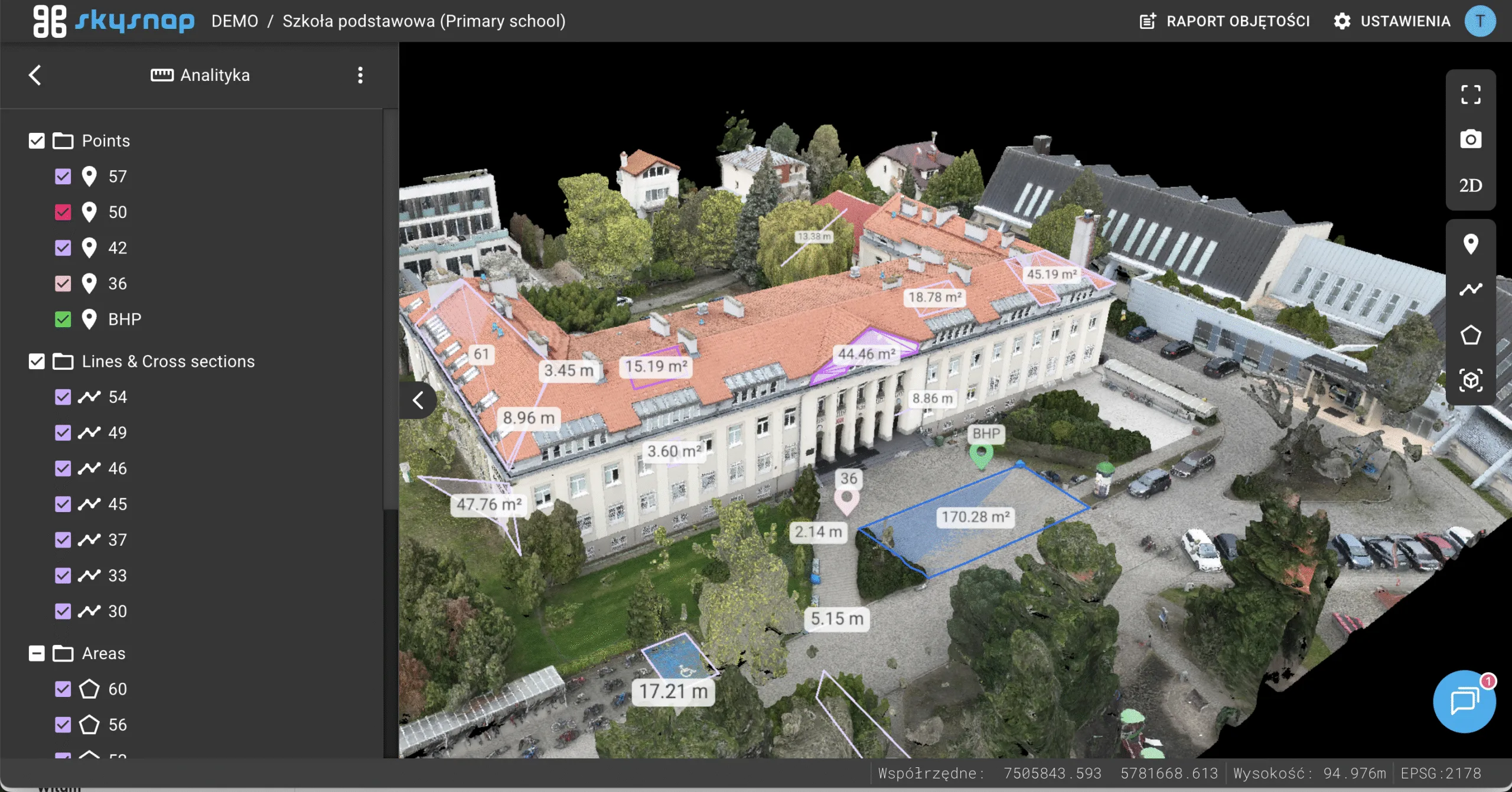
Topographic drones are unmanned aerial vehicles equipped with advanced surveying technologies. Their main task is to collect geographic data, which is crucial for creating accurate terrain maps. With LIDAR cameras and sensors, these drones are able to obtain detailed images and 3D models of the earth.
These devices are equipped with GPS systems, allowing for precise navigation. Drones can perform tasks that previously required considerable time and manpower. Their role in modern topography cannot be overestimated.
In summary, topographic drones are high-tech tools that have revolutionized the way we take geographic measurements, offering precision and speed that traditional methods have not been able to achieve.
History of drone use
The history of drones began many decades ago, but it is only in recent years that they have gained popularity in civilian applications. They were initially used in the military, but their potential was quickly seen in other fields.
In the 21st century, drones have been widely used in the film and photography industry. Over time, thanks to the development of technology, they began to be used in topography. Drones have become a tool for surveying large areas quickly and accurately.
Today, topographic drones are an indispensable component in many industries, and their use continues to expand. Their history shows how quickly technology can change the way we work.
Popularity of drones in topography
Drones in topography have gained popularity due to their versatility and precision. Compared to traditional surveying methods, they offer much more detailed and faster data.
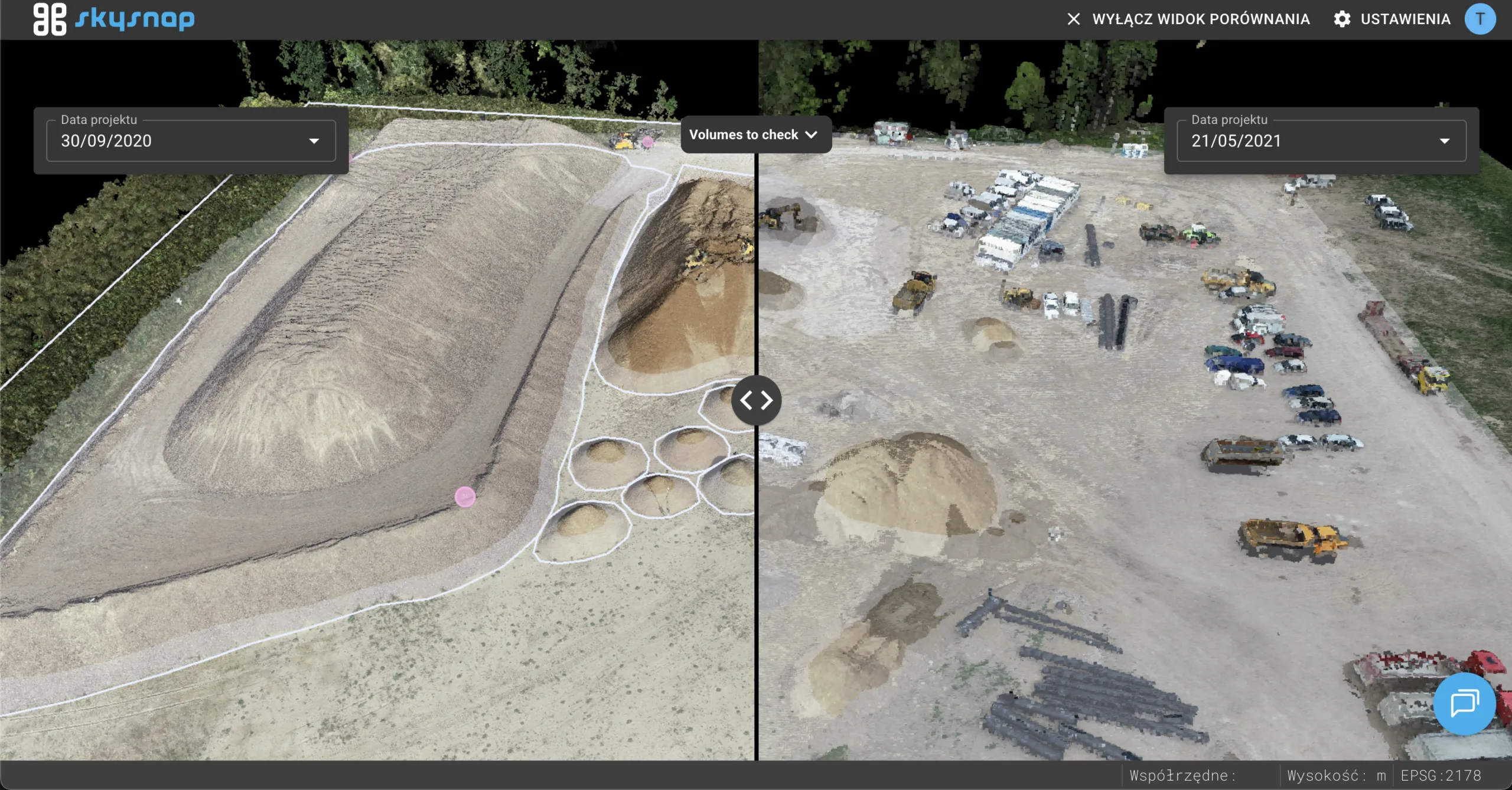
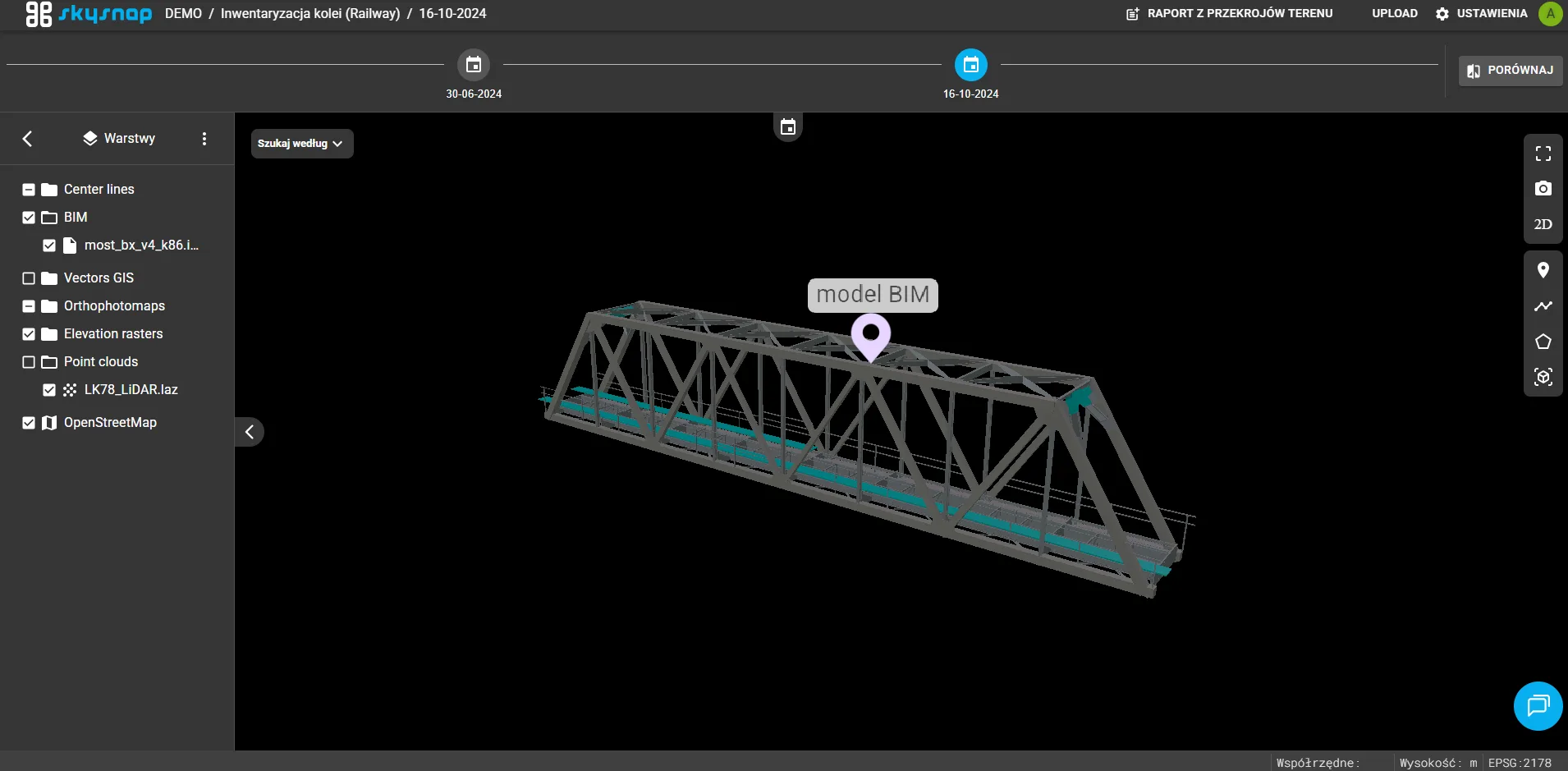
Drones allow the mapping of hard-to-reach areas, which is particularly important in geological surveys or infrastructure planning. Using technologies such as LIDAR, drones can create detailed 3D models.
Their popularity in topography is constantly growing due to the possibilities they offer, as well as the constant development of technology that makes them even more efficient.
How Topographic Drones Work
Topographic drones are advanced devices that combine various technologies to provide accurate geographic data. In this section, we will discuss the technology behind the drones, the process of mapping terrain, and methods of data collection and analysis.
The technology behind the drones
Topographic drone technology is based on advanced navigation and measurement systems. The basic components are high-resolution cameras and LIDAR sensors that enable accurate terrain mapping.
The drones are equipped with GPS and inertial systems, allowing them to precisely track their flight trajectories. This allows them to accurately depict even the most complex landscapes.
Ultimately, it is the combination of advanced technology and precision equipment that makes topographic drones indispensable in modern surveying and terrain mapping methods.
Site mapping process
Mapping an area with drones is done in several steps:
- Mission planning: Determine the area to be mapped and plan the flight route.
- Data collection: The drone performs flight, collecting data using cameras and sensors.
- Data processing: Once the mission is completed, the data is processed to create detailed maps or 3D models.
The process is fast and efficient, making drones an ideal tool for tasks that were previously time-consuming and costly.
Data collection and analysis
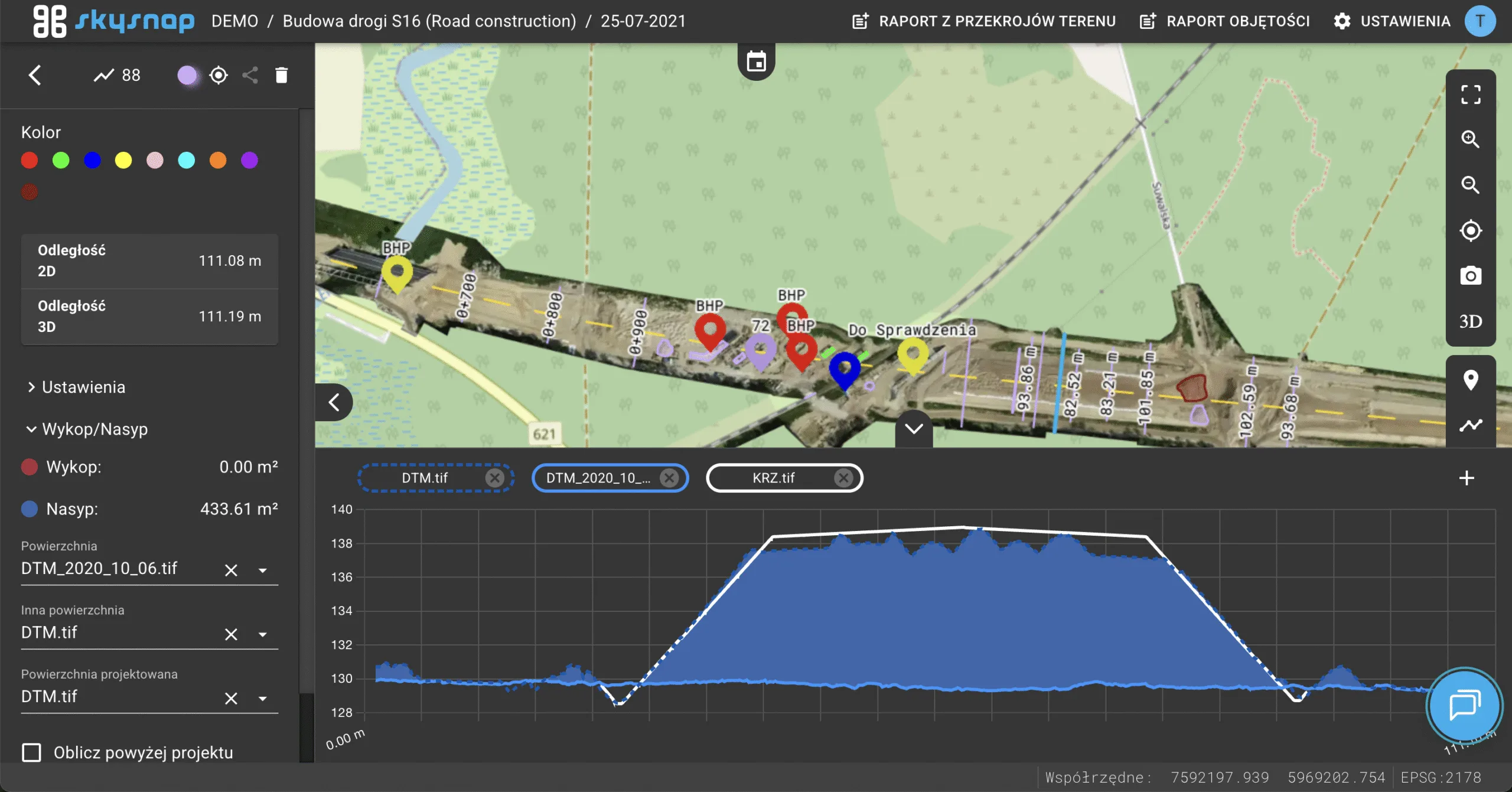
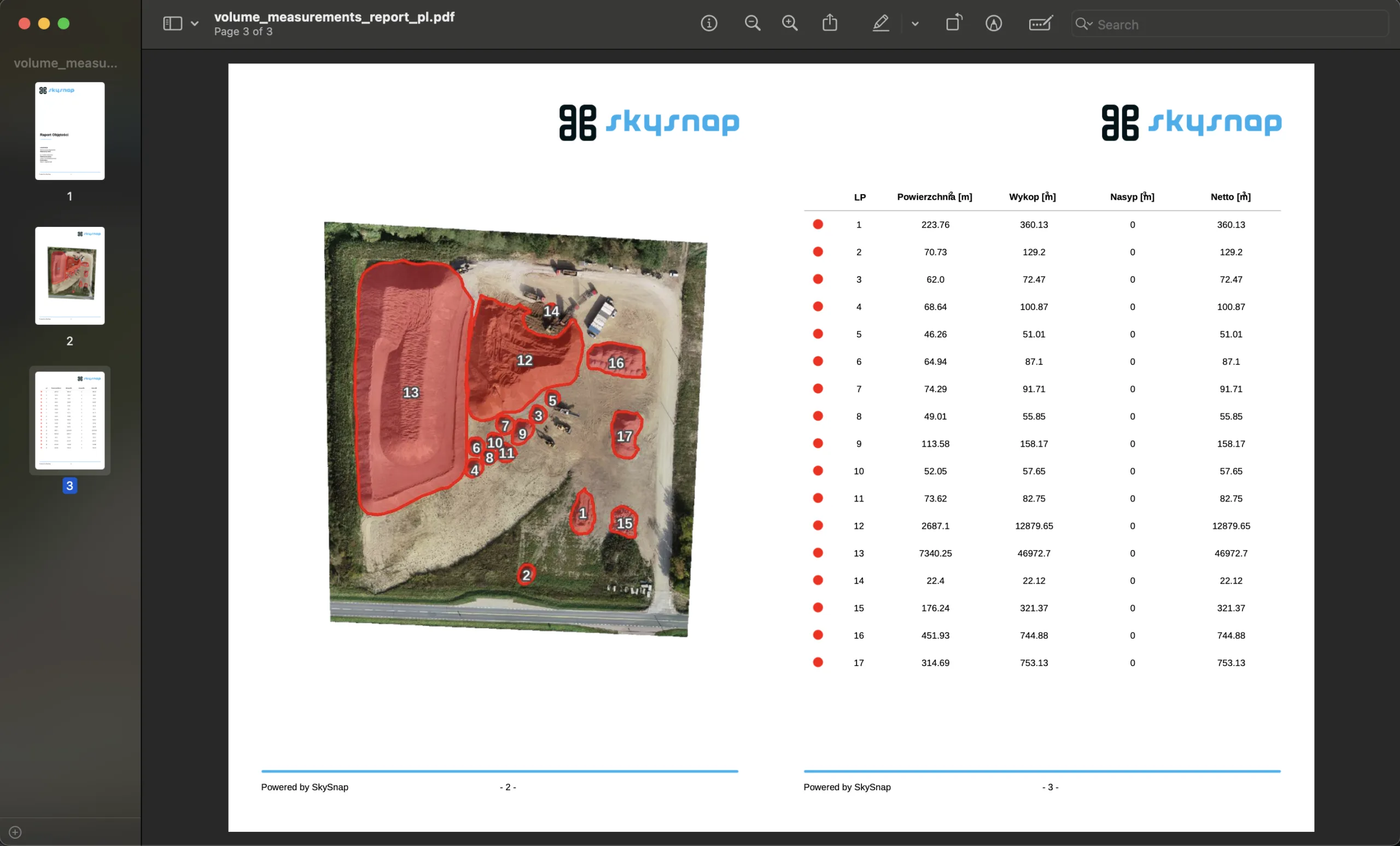
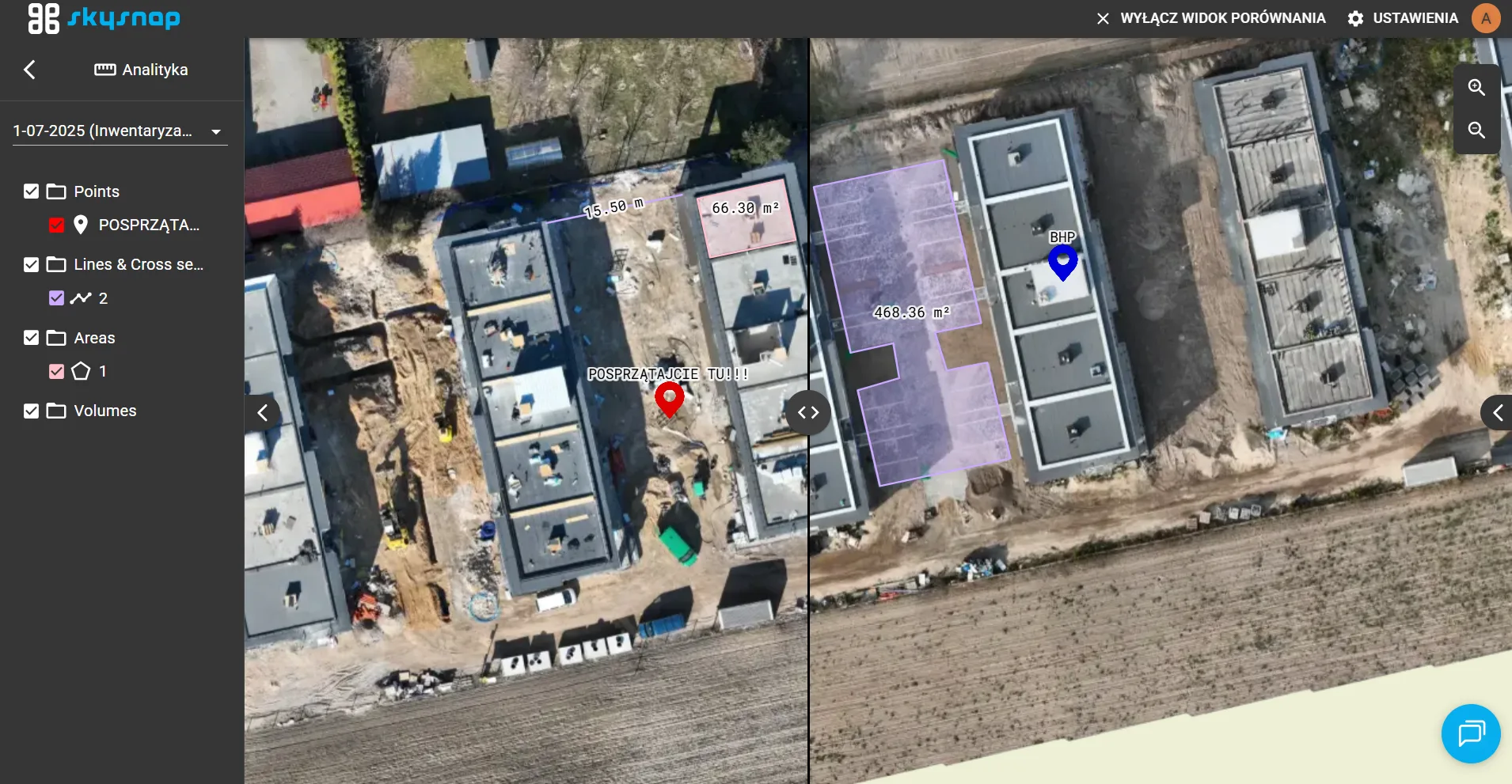
Topographic drones collect data that is then analyzed to produce accurate terrain models. This data includes imagery and elevation measurements to create detailed maps.
Data analysis is carried out using specialized software that processes the information and generates results that can be used for further research or planning. This makes the analysis process not only fast, but also accurate.
With topographic drones, data analysis has become much more accessible and precise, which is of great importance in many industries.
Advantages of Topographic Drones
Topographic drones offer many advantages that make them attractive compared to traditional surveying methods. In this section, we will discuss their precision and accuracy, their speed and efficiency, and their ability to reduce operating costs.
Precision and accuracy of measurements
One of the greatest strengths of topographic drones is their precision. With advanced sensors and cameras, the drones are able to take accurate measurements, which are crucial in creating precise maps.
Compared to traditional methods, where measurements can be subject to errors, drones offer much greater accuracy. This allows for the creation of more detailed terrain models, which is invaluable for project planning and implementation.
The precision of topographic drones makes them indispensable in situations where every detail matters.
Speed and efficiency of work
Topographic drones significantly increase the speed and efficiency of work. Thanks to their autonomous flight capabilities, they can quickly cover large areas, significantly reducing the time needed to collect data.
Traditional measurement methods are time-consuming and manpower-intensive. Drones, with their autonomy and advanced technology, eliminate these limitations.
As a result, drone projects can be completed much faster, saving time and resources.
Reduction of operating costs
Topographic drones help reduce operating costs. They make it possible to reduce the number of employees needed to carry out surveys and shorten the time needed to complete projects.
The costs associated with traditional surveying methods can be significant, especially for large projects. Drones can significantly reduce these costs, making them a more economical solution.
Reduction of operating costs is one of the main advantages of topographic drones, which makes them increasingly popular in various industries.
The Future of Topographic Drones
Topographic drones certainly have a bright future ahead of them. In this section, we will discuss new technologies that can be applied to drones, the possibilities for the development of this industry and their impact on the future of topography.
New technologies in drones
New technologies that are being introduced into topographic drones are significantly increasing their functionality and precision. Examples include advanced LIDAR sensors and artificial intelligence technologies that allow for even more accurate terrain mapping.
AI technology enables drones to analyze and interpret data autonomously, increasing their autonomy and efficiency. Combined with modern communication systems, drones can become even more reliable tools.
The future of topographic drones looks promising, thanks to continued technological advances that are opening up new possibilities and applications.
Opportunities for industry growth
The development of the topographic drone industry is opening up many new opportunities. Thanks to innovations, drones can be used in an increasingly diverse range of applications, from construction to agriculture.
The industry has the potential for further growth, especially in the context of sustainability and efficient resource management. Drones can become key tools in these areas, offering solutions that are both efficient and cost-effective.
The development of topographic drone technology is a future that is already paying dividends, with its full potential still to come.
Impact of drones on the future of topography
Drones are having a huge impact on the future of topography. They are making land surveys faster, more precise and available on a larger scale.
As these technologies evolve, drones could completely change the way we view land mapping. They could become the industry standard, eliminating the need for traditional surveying methods.
The impact of drones on the future of topography is undeniable, and their role in this field will only grow.
Practical Applications of Topographic Drones.
Topographic drones are widely used in various sectors. In this section, we will discuss their use in the construction sector, agriculture, and geological and environmental surveys.
Construction and engineering sector
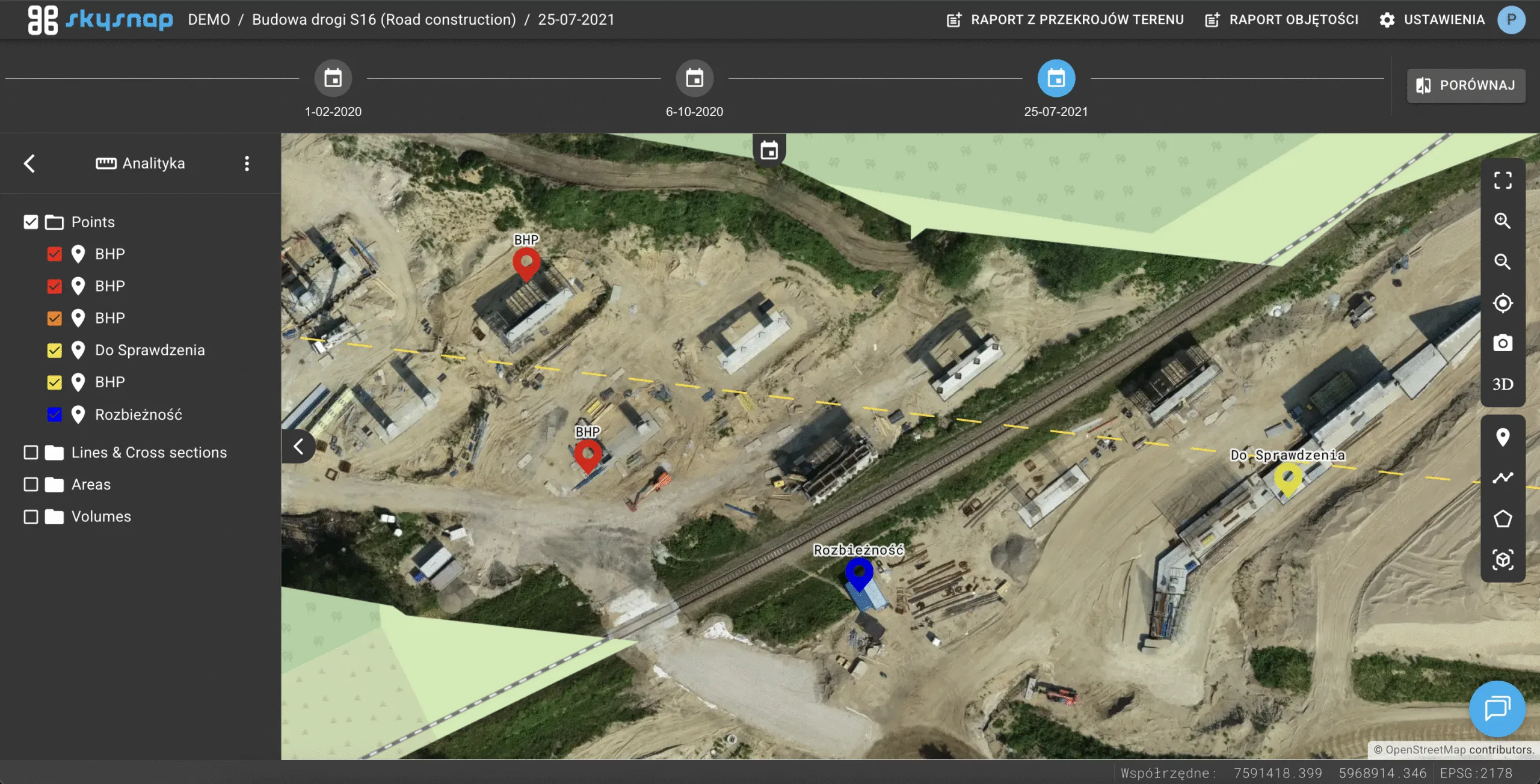
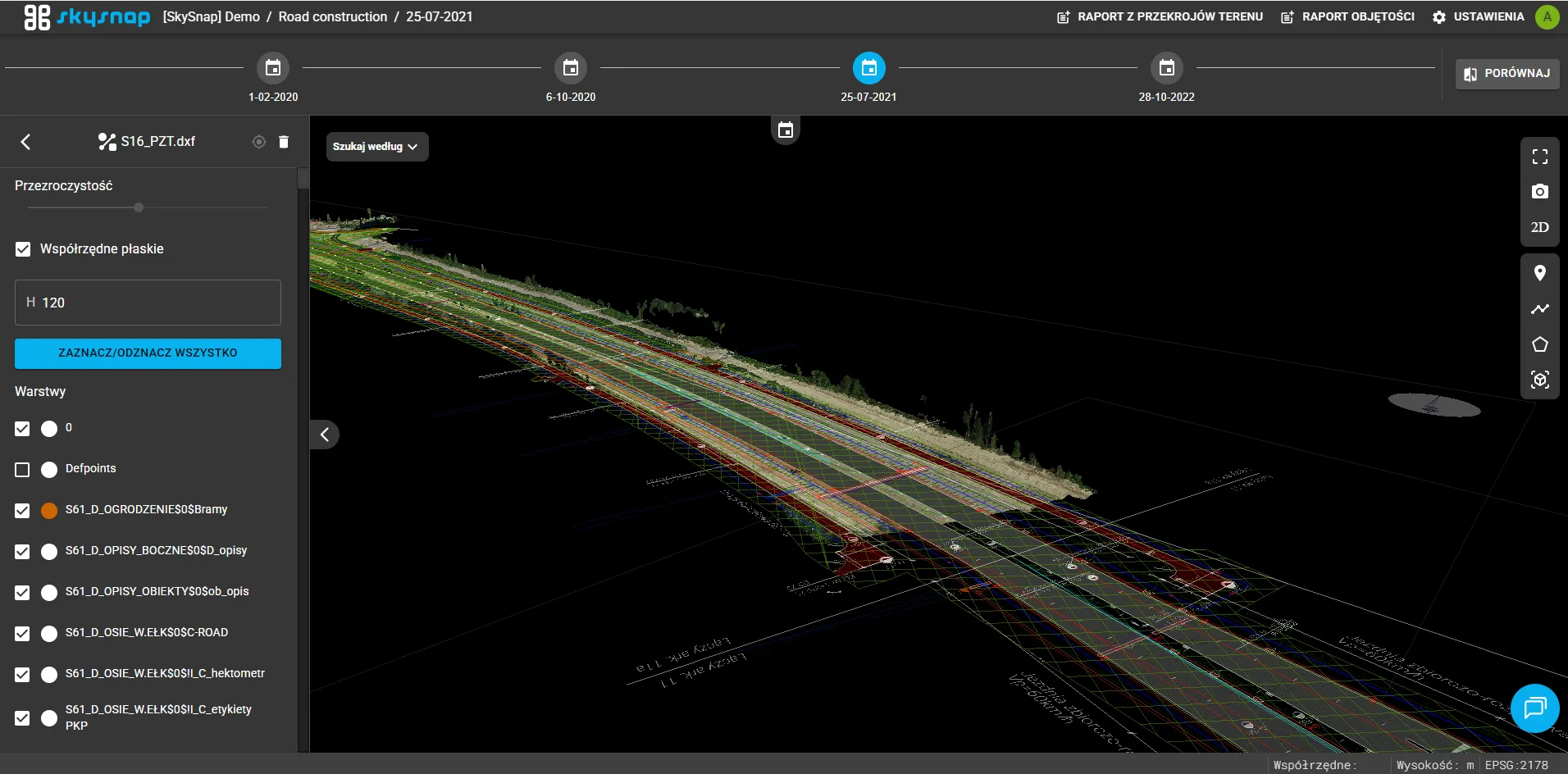
In the construction sector, topographic drones have become an integral part of the project planning and execution process. They allow for accurate mapping of construction sites, which is crucial for effective project management.
Drones allow for quick and accurate measurements, allowing for better planning of construction work. This helps avoid costly mistakes and delays.
Their use in engineering brings tangible benefits, from cost savings to increased work efficiency.
Application in agriculture
Agriculture is another field where topographic drones have found wide application. They allow monitoring the condition of crops, which is crucial for optimizing agricultural production.
Drones can provide detailed data on soil moisture, plant health or areas requiring irrigation. This allows farmers to make more informed decisions.
The use of drones in agriculture brings benefits in terms of both efficiency and sustainable resource management.
Geological and environmental studies
Topographic drones are also extremely useful in geological and environmental studies. They allow accurate mapping of areas, which is crucial for understanding environmental dynamics and urban planning.
Thanks to drones, it is possible to quickly obtain data from hard-to-reach locations, which greatly facilitates research. As a result, geological and environmental studies become more comprehensive and efficient.
Their application brings benefits in the form of better understanding and protection of the environment.
Free E-book
Learn how to prepare a mission step-by-step, avoid raid mistakes and create accurate orthophotos and 3D models. The perfect guide before your first commercial assignments.
Table of Contents:
Do you like the article? Share it with others!
Do you like the article? Share it with others!
Tips, news, insights
Related articles
Check out our articles and get the latest industry news.