How are drones revolutionizing the creation of maps for design purposes?
Drones, once mainly associated with toys and playthings for tech enthusiasts, are now playing a key role in many industries, including mapping for design purposes. Thanks to their ability to quickly and accurately gather data from the air, engineers and architects are gaining new opportunities in planning and implementing construction projects. Unmanned aerial vehicles equipped with advanced cameras and sensors allow the creation of detailed 3D maps that significantly speed up the design process and provide accuracy that is difficult to achieve with traditional methods. In this article, we take a look at how drones are changing the face of design mapping and the benefits they bring in the context of modern developments.
Modern Technologies in Mapmaking
In the field of project mapping, new technologies are playing a key role, speeding up and facilitating mapping processes. The introduction of drones into the industry has opened the door to innovative mapping methods that were previously unattainable.
Impact of Drones on the Industry
- Fast and precise aerial data collection
- Versatility and flexibility – adapting to different projects
- High-resolution photos and videos
- Real-time monitoring of construction progress
Comparison with Traditional Methods
| Method | Accuracy | Costs | Realization Time |
|---|---|---|---|
| Traditional Mapping | Medium | High | Long |
| Drone Mapping | High | Low | Short |
Traditional mapping methods often require significant financial resources and are time-consuming. Drones, with their mobility and advanced technology, offer a much more efficient solution.
With drones, hard-to-reach areas can be mapped, which is often problematic for traditional methods. Drones offer not only time savings, but also cost reductions, which is crucial in the context of budget constraints.
Through comparisons with traditional methods, it is clear that drones bring significant benefits that can be crucial to a project’s success.
The Future of Mapping with Drones
The future of mapping with drones looks promising thanks to the rapid development of technology. New opportunities are emerging with each new generation of drones, which are becoming more advanced and precise.
In the future, drones may become an integral part of every stage of design. The development of artificial intelligence and machine learning will further enhance the ability to analyze data collected by drones.
Drones will also be able to integrate with other technologies, such as augmented reality, enabling even more advanced and interactive design analysis.
Benefits of Drone Use
The use of drones in the creation of maps for design purposes brings many benefits that can significantly affect the efficiency and quality of construction projects. Drones offer precise and fast data collection, which translates into better organization of work.
Accuracy and Efficiency
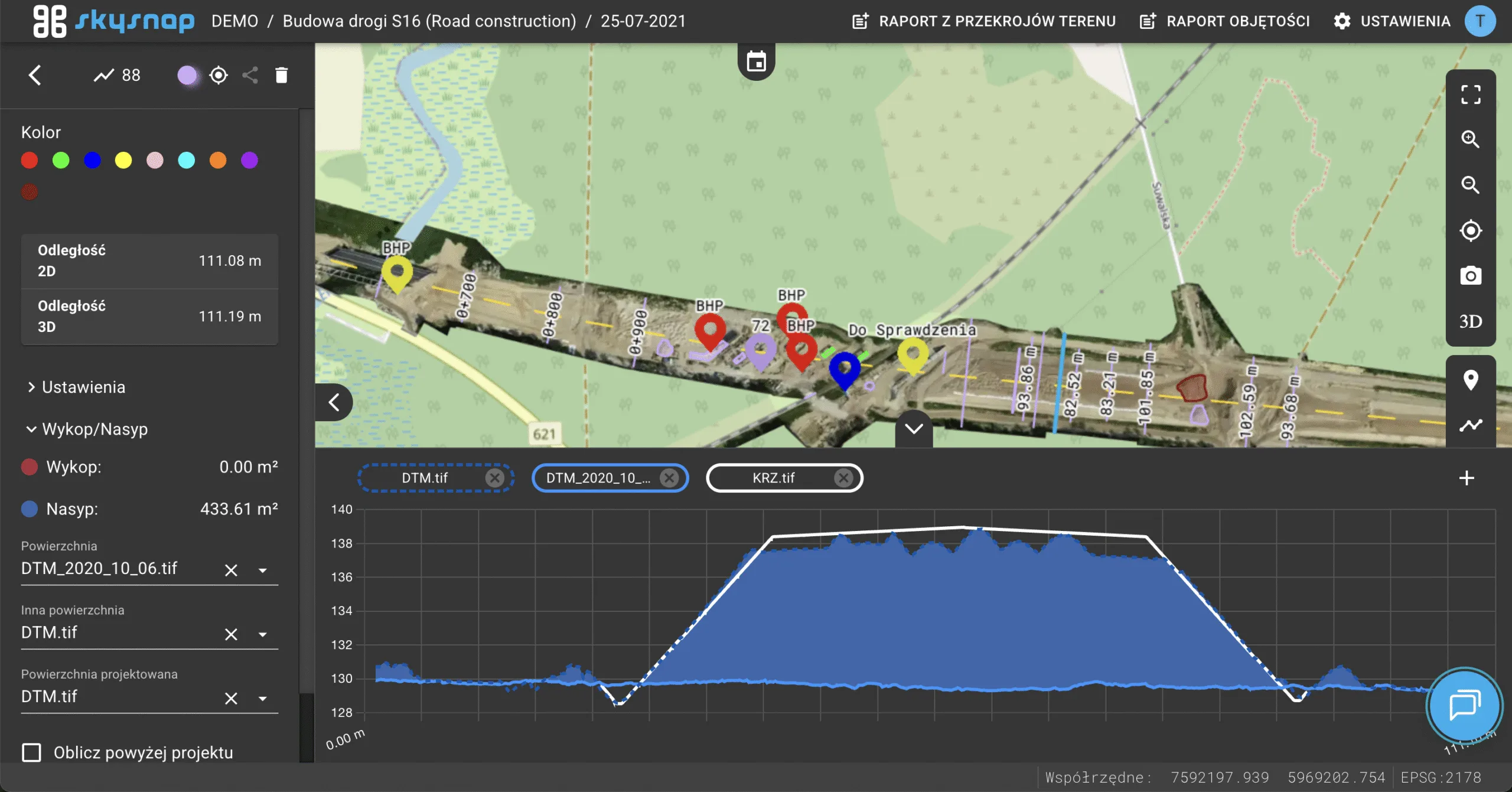
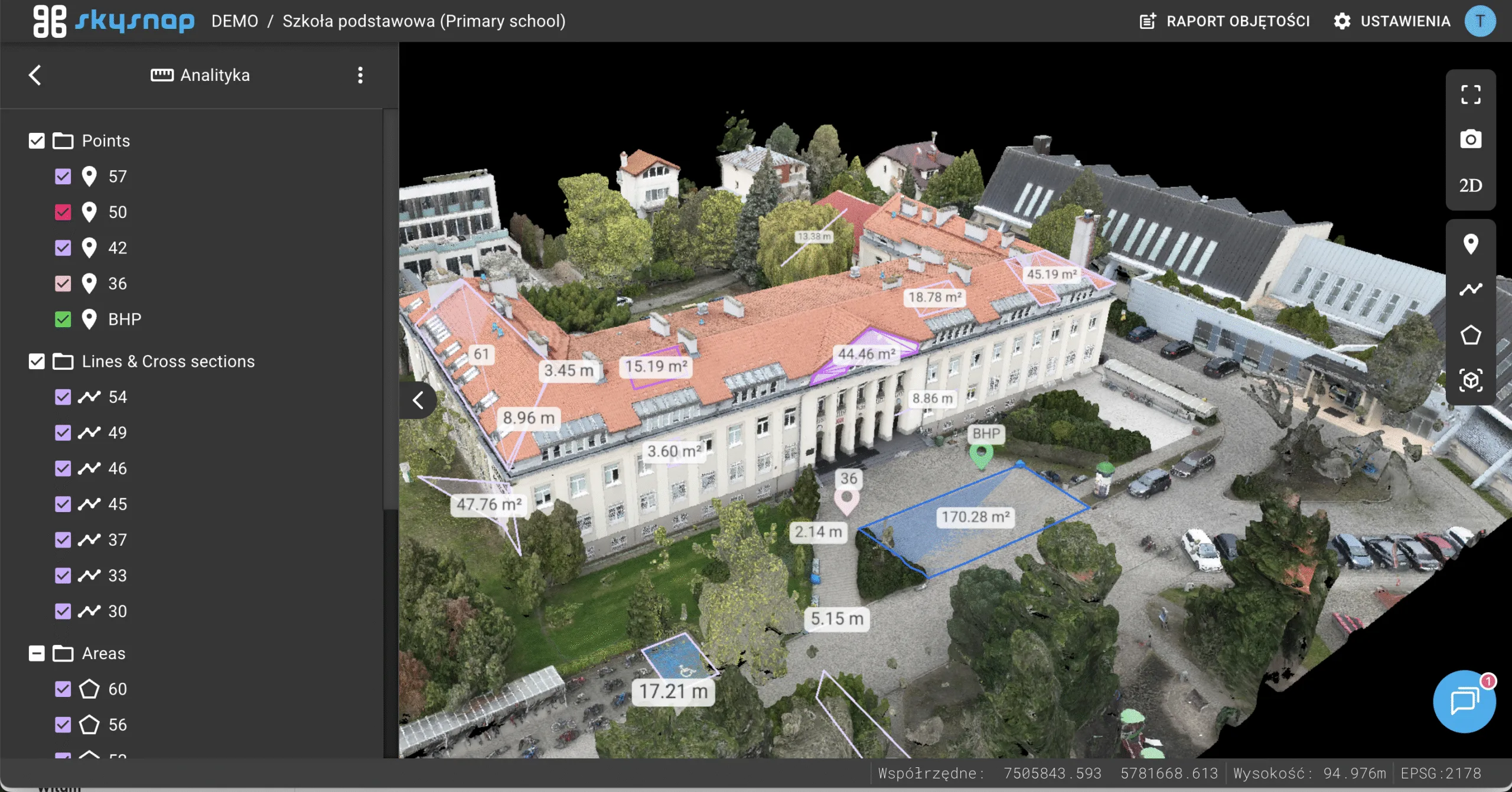
Drones offer unprecedented accuracy in mapping, which is crucial for precise project planning. Their advanced cameras and sensors allow the creation of detailed 3D maps.
Precise data provided by drones significantly reduces the risk of errors in projects, which has a direct impact on their success. This enables better management of resources and control over costs.
The efficiency of the drones also allows for faster completion of the planning phase, which is crucial for projects with tight schedules.
Cost and Time Reduction
One of the biggest advantages of drones is their ability to reduce the cost and time of projects. Drones can collect data quickly and cheaply, which is a significant advantage over traditional methods.
The financial benefits of using drones cannot be underestimated. Lower operating costs allow for better budget management, which is important for any investment.
Reduced project turnaround time also means faster returns on investment, which is crucial for entrepreneurs and investors.
E-commerce Applications
Drones also have applications in e-commerce, where they can be used to map warehouse locations and optimize delivery routes. Their ability to collect data quickly allows for better logistics planning.
With drones, it is also possible to create interactive maps for customers, which can increase engagement and satisfaction with online shopping.
In e-commerce, drones can also support the analysis of shopping behavior data to better tailor offers to customers.
Drone Mapping Process
Drone mapping is a process consisting of several key steps that are necessary to obtain accurate and reliable data. The process includes preparation, data collection and data processing.
Mission Preparation and Planning
- Analysis of project needs: Identify the mapping area and project objectives.
- Selecting the right equipment: Adapting the drone to the specific task, taking into account cameras and sensors.
- Flight route planning: Prepare a detailed route plan, taking into account weather conditions and regulations.
- Pre-launch testing: Checking the technical condition of the drone and training the operator.
Preparing for a drone mapping mission requires diligence and precision to ensure the safety and effectiveness of the operation.
Data Collection and Analysis
During the mission, the drone takes a series of photos and measurements, which are then analyzed. GPS technology provides accurate positioning, which is crucial for precise mapping.
Data analysis involves checking the quality and completeness of the data before proceeding further. This is a key moment that determines the final accuracy of the map.
The drones can also collect data in real time, allowing them to monitor the progress of the mission in real time and make any adjustments.
Processing and Visualization
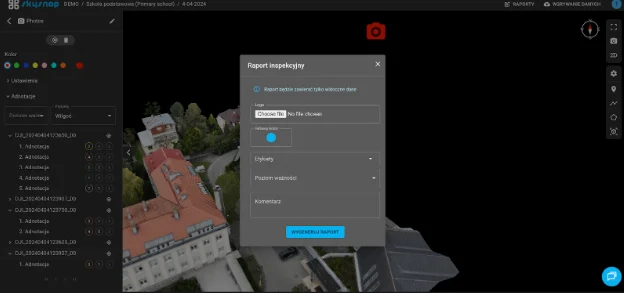
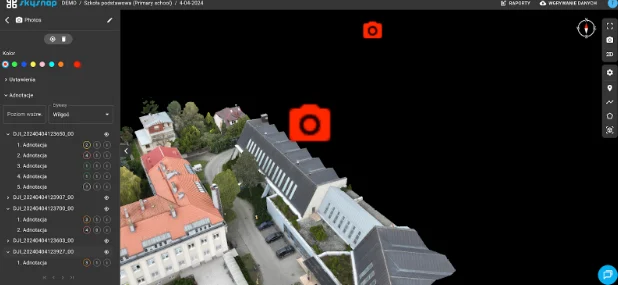
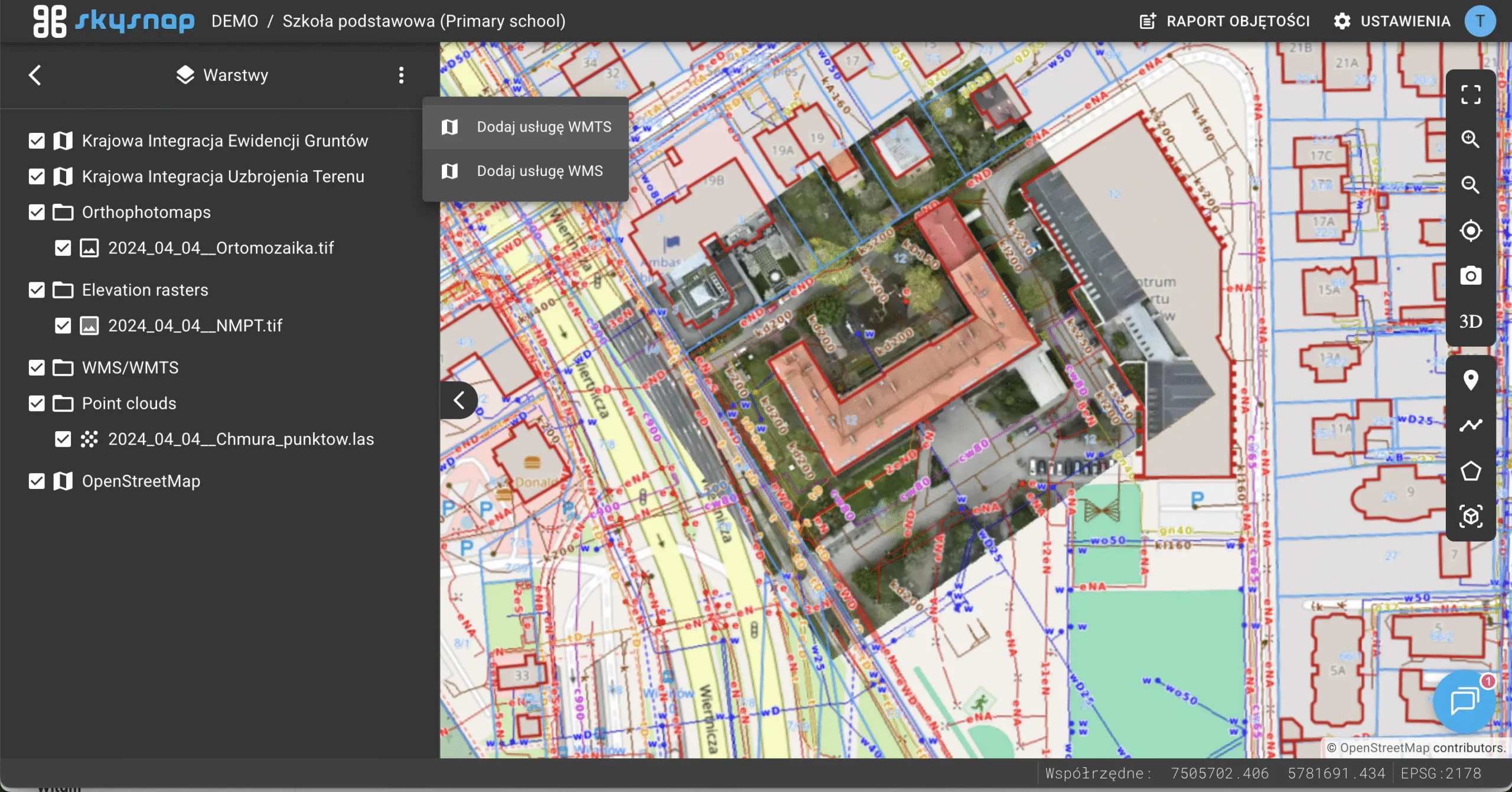
Once the data is collected, the processing stage follows. Advanced software is used for this, which allows the creation of detailed maps and 3D models.
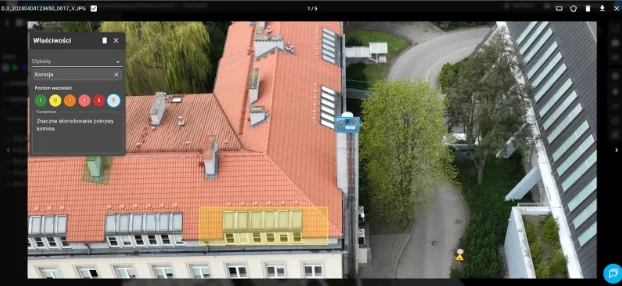
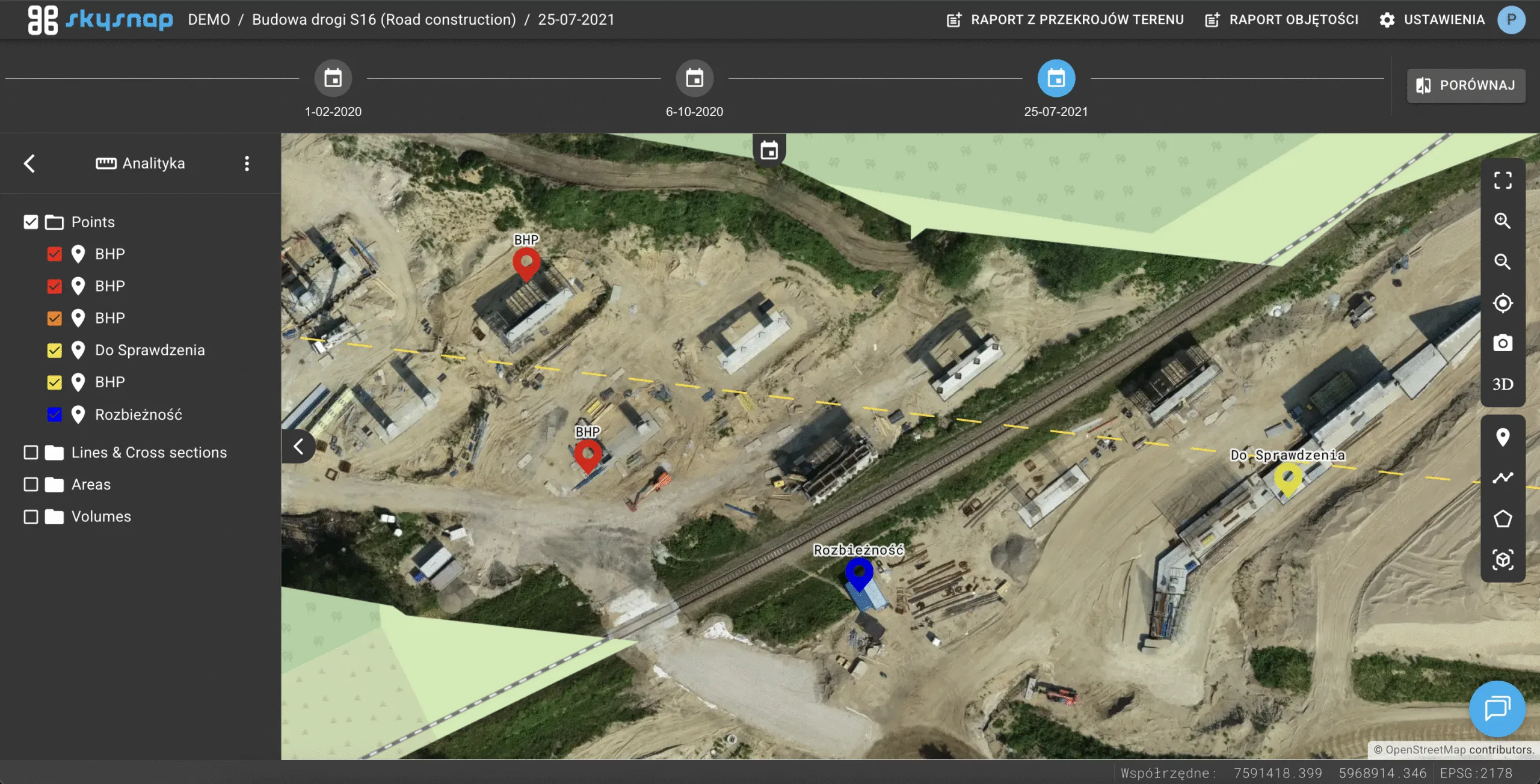
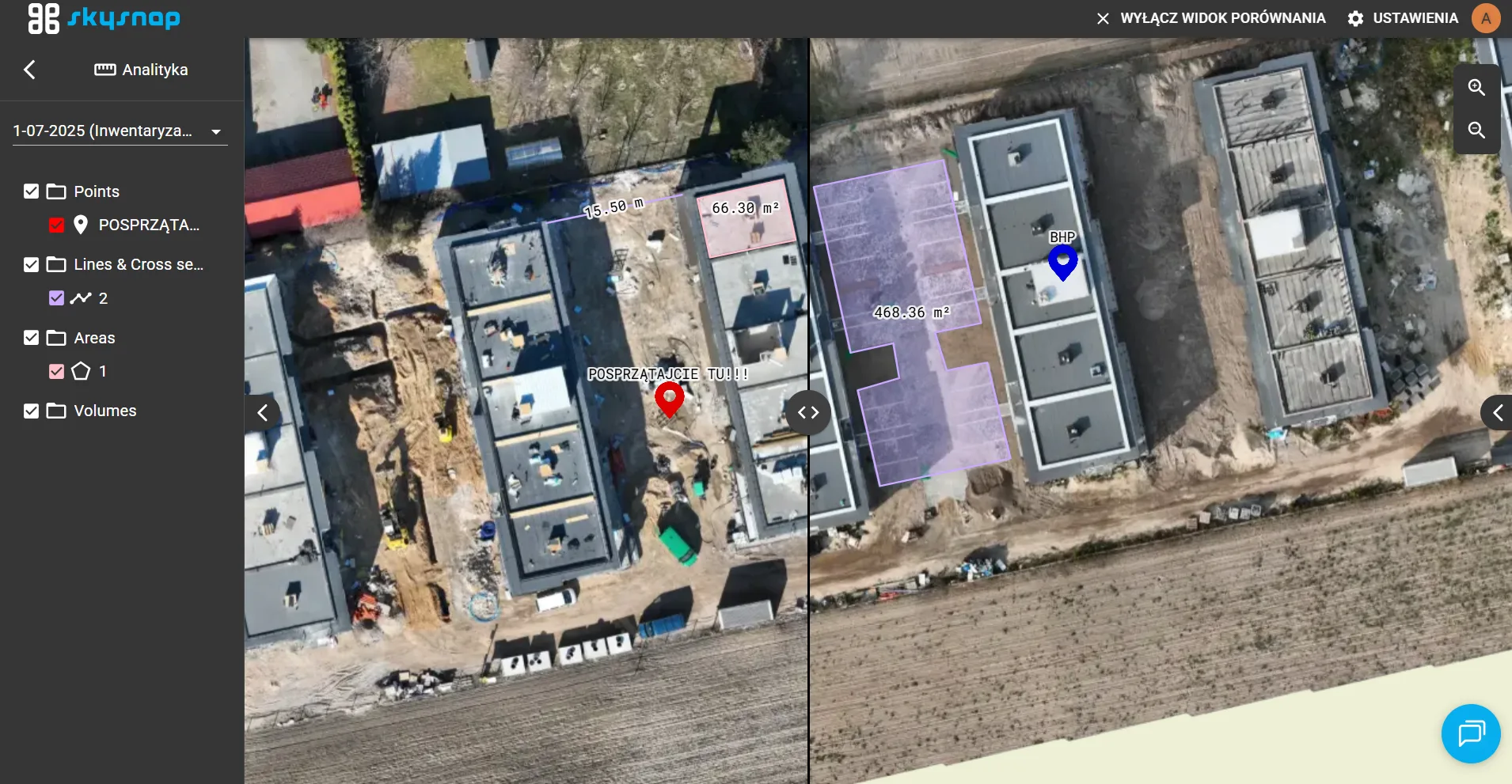
The processed data is then visualized in the form of maps, which are ready for further use in projects. These visualizations can be analyzed by engineers and architects to optimize plans.
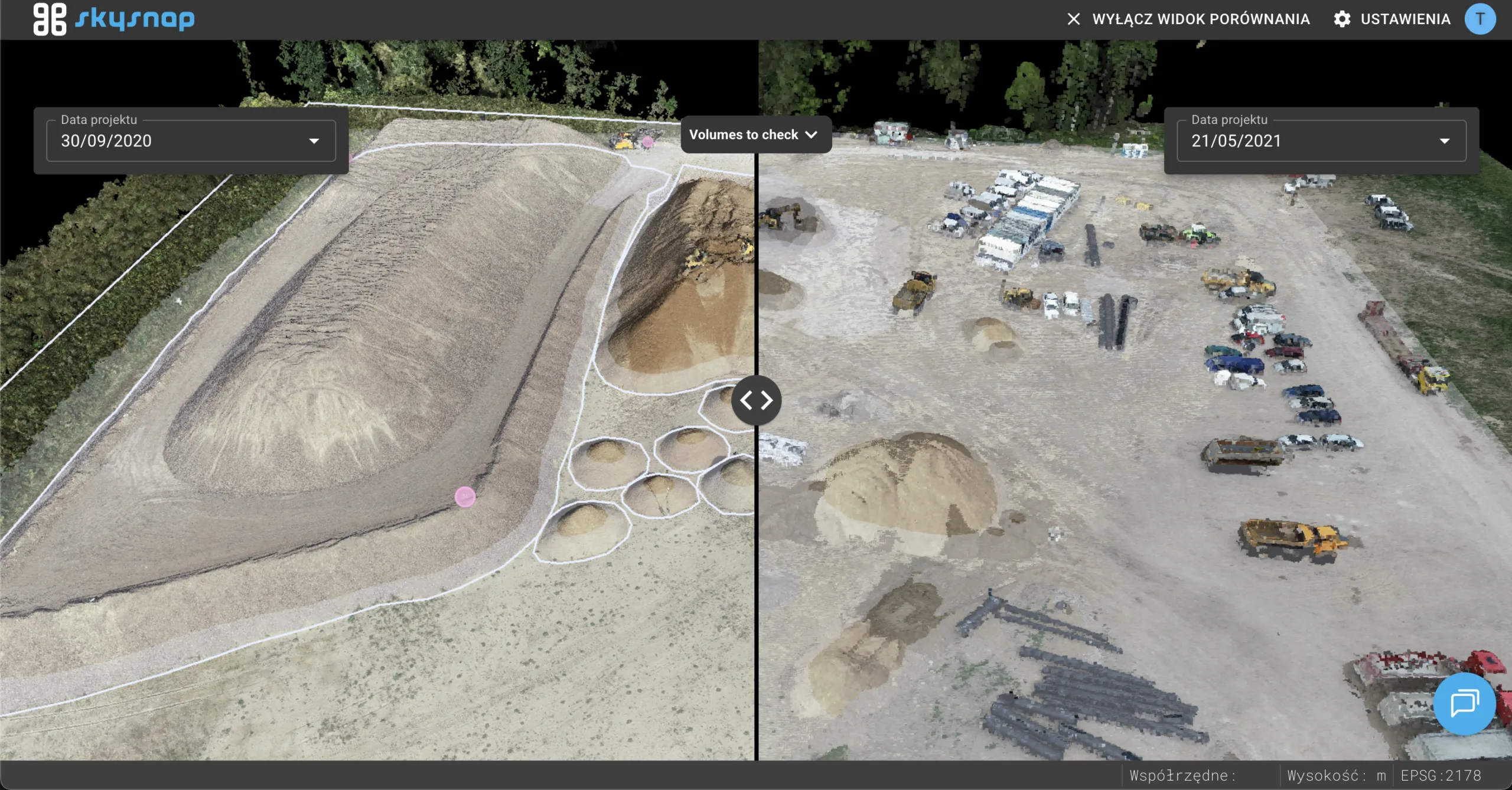
Data visualization allows for a better understanding of the topography of a site, which is crucial for accurate project planning and implementation.
Challenges and Solutions
Although drones offer many benefits, their use comes with some challenges that must be overcome. These problems include regulatory issues, security and technological complexities.
Regulatory Problems and Safety
One of the main challenges associated with drone use is complying with regulations on their use. Many countries have strict regulations on drone flights.
Safety of drone operations is key and requires proper training for operators. Non-compliance can lead to fines, which is a significant risk for companies using the technology.
It is also important to monitor weather conditions, which can affect flight safety and the quality of the data collected.
Technology Solutions
To overcome drone challenges, companies are investing in modern technology. Flight management and data processing software is becoming increasingly sophisticated.
Technological innovations also include the development of autonomous drones that can operate without direct operator supervision, making operations more efficient.
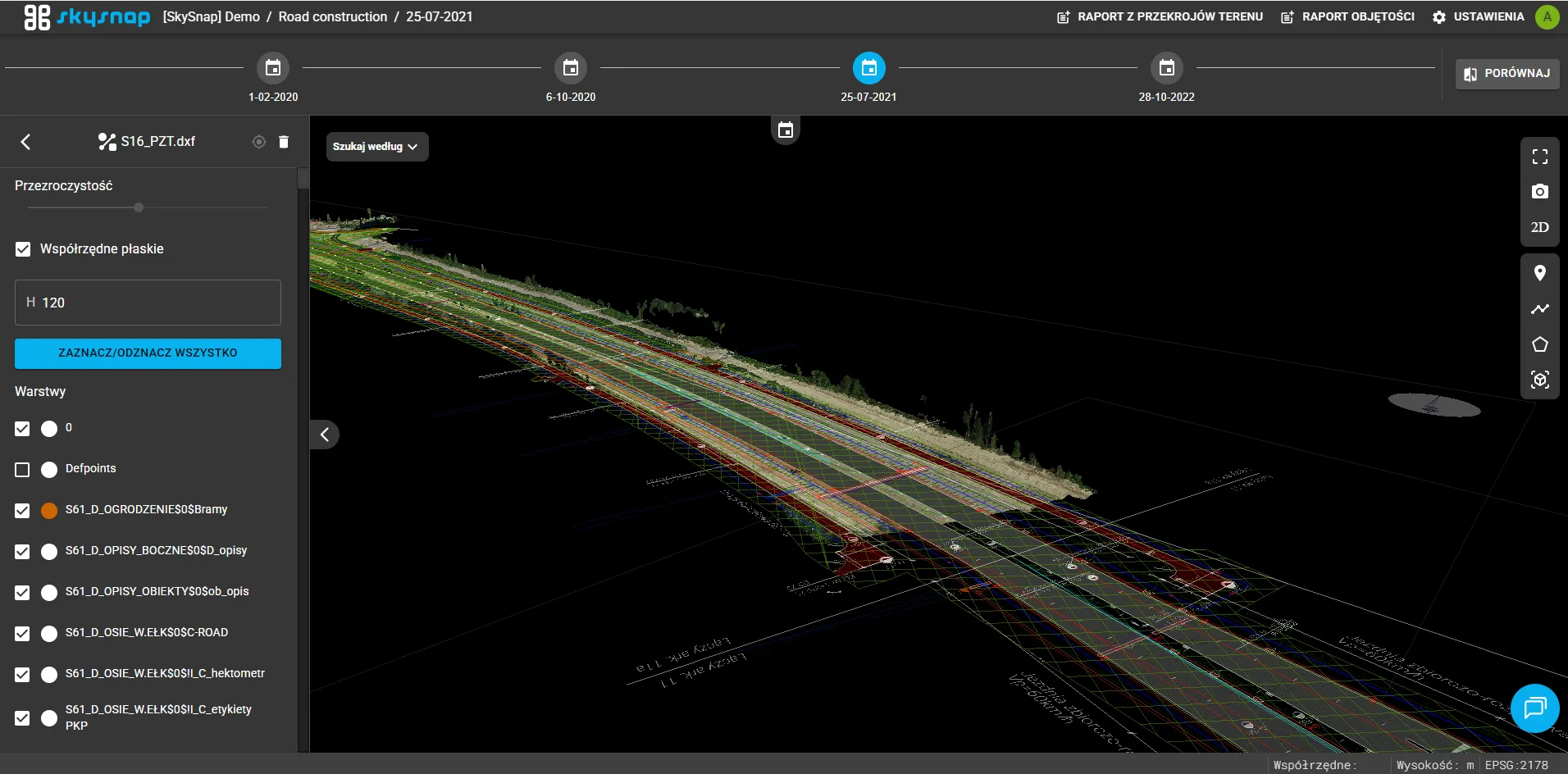
Modern solutions also enable better integration of data collected by drones with other systems used in projects.
Examples of Successful Projects
Many companies around the world have successfully implemented drones into their mapping processes. These examples show how drones can impact the efficiency and quality of projects.
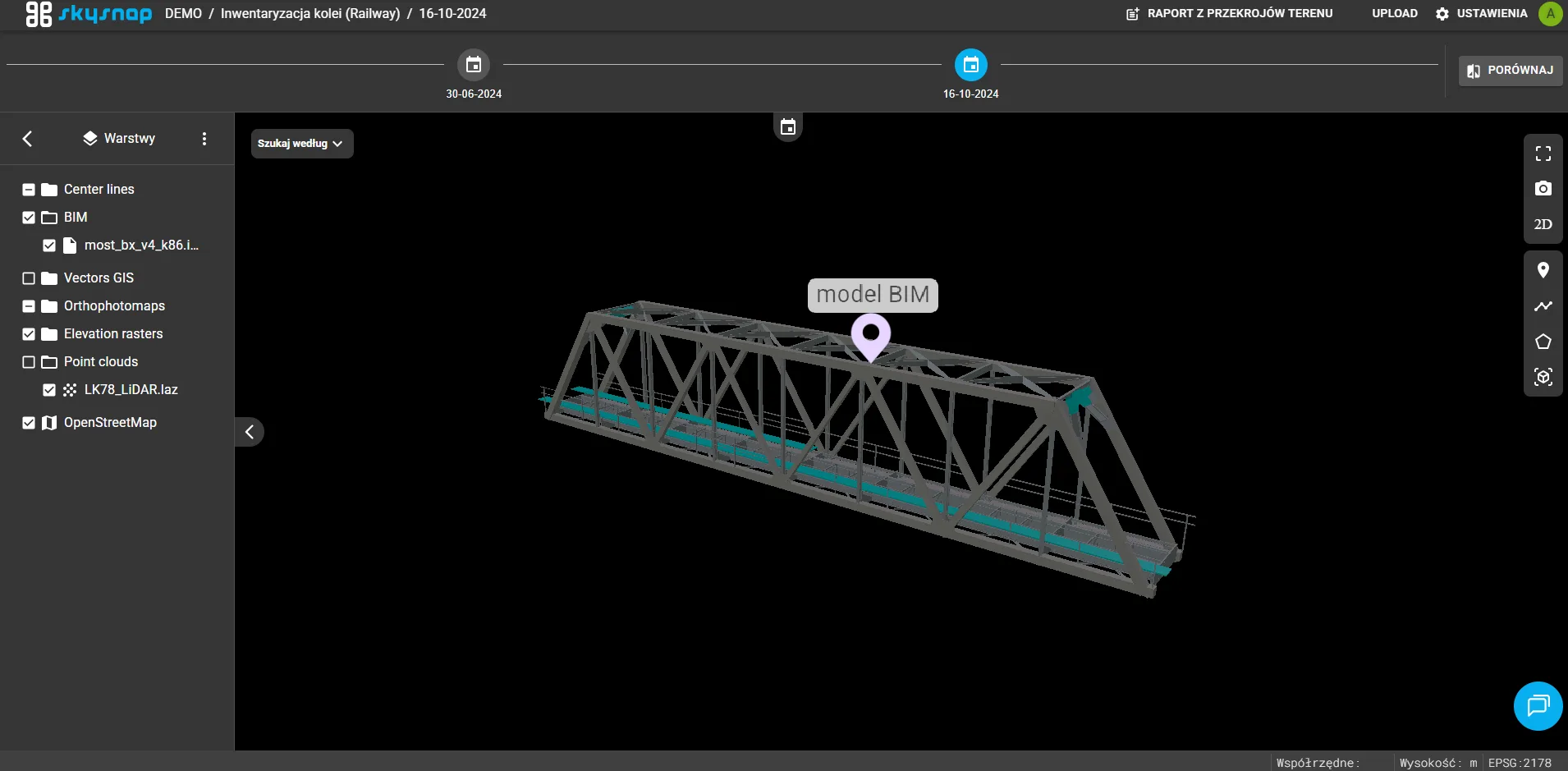
- Bridge construction: Drones have been used to map the terrain and monitor the progress of bridge construction, allowing projects to be completed faster.
- Urban planning: Drones have provided detailed data for spatial analysis of cities, which has improved planning and infrastructure development.
- Precision agriculture: The use of drones for crop monitoring and soil analysis has brought significant benefits to farmers, increasing yields and optimizing resources.
Inspiration for Entrepreneurs
Drones offer entrepreneurs new opportunities for business development and implementation of innovative strategies. Their use can bring competitive advantages and open doors to new markets.
Growing Your Business with Drones
Drones can become a key component of your company’s growth strategy. Using them in construction or logistics projects can increase operational efficiency.
- Invest in training: Provide your employees with the proper training to realize the full potential of drones.
- Analyze trends: Track developments in drone technology and adapt your business strategy to new opportunities.
- Partnerships with innovators: Partner with technology companies to better implement cutting-edge solutions.
Innovative Mapping Strategies
Innovative mapping strategies using drones can bring tangible benefits to your business. Creating interactive maps and visualizations can increase customer engagement.
- Take advantage of 3D data: Create realistic 3D models for clients to better showcase your designs.
- Process automation: Invest in mapping automation software, which will reduce project time and costs.
- Personalized solutions: Offer customized solutions to customers using data collected by drones.
Creating New Opportunities in E-commerce
Drones can also support e-commerce development, opening up new opportunities for online businesses.
- Delivery Optimization: Use drones to plan delivery routes and monitor warehouses to increase logistics efficiency.
- Interactive Experiences: Create interactive maps for customers, increasing customer engagement and purchase satisfaction.
- Analyze customer behavior: Use drone data to analyze and better tailor your offerings to meet customer needs.

Free E-book
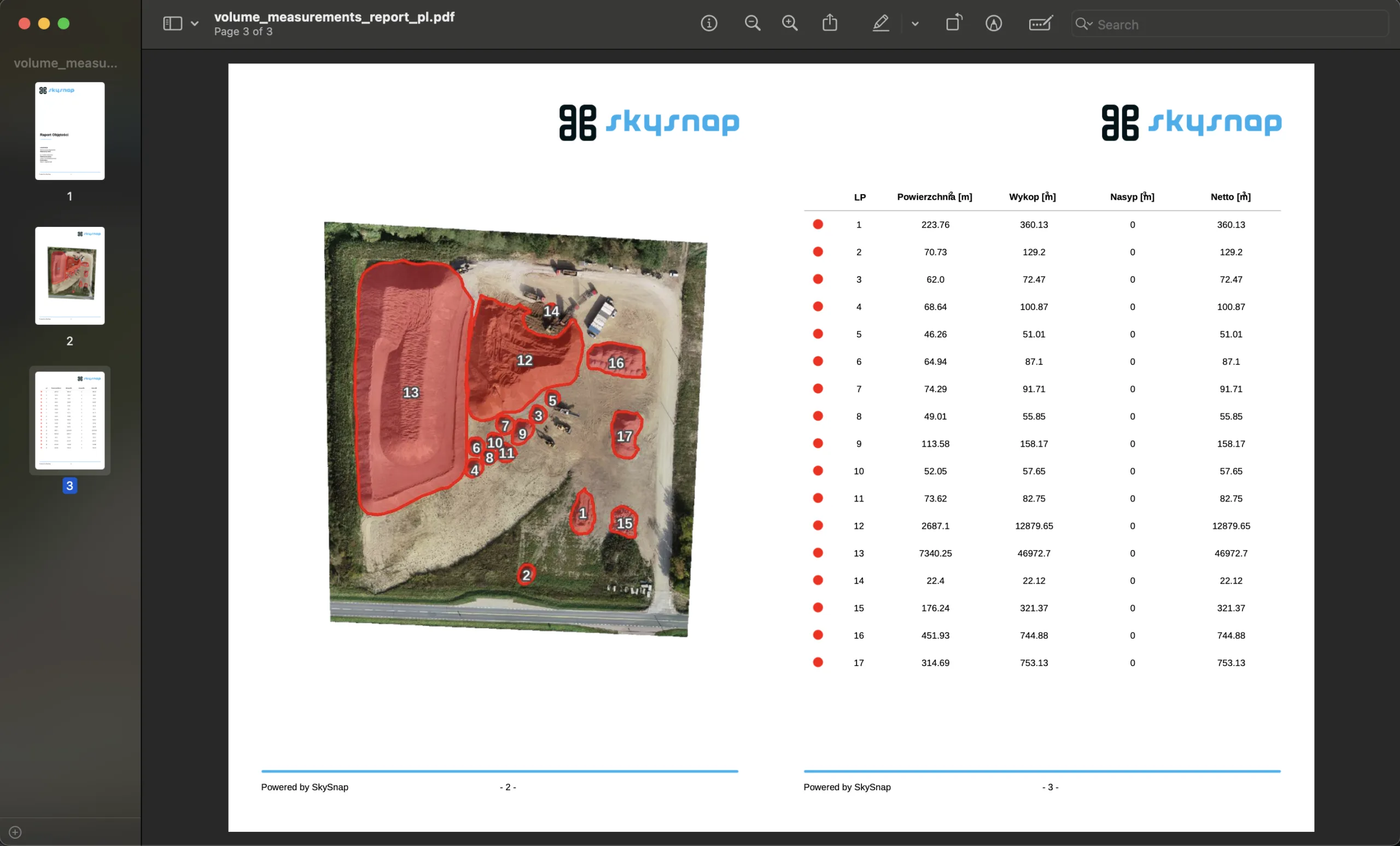
Measuring the volume of materials, aggregates and earthworks on a construction site is one of the most important uses of drones. Why? Because it’s time and money! Download our short e-book and learn how you can monetize your passion with drones.
Table of Contents:
Do you like the article? Share it with others!
Do you like the article? Share it with others!
Tips, news, insights
Related articles
Check out our articles and get the latest industry news.