How drones are changing surveillance: Modern technology in practice
In today’s world, modern technologies are increasingly entering the field of monitoring and surveillance. Drones – unmanned aerial vehicles – are becoming a key tool in this field, offering entirely new possibilities.
They allow precise and fast monitoring of large areas, which was previously difficult, expensive or even impossible. In this post, you’ll see how drones are changing the way surveillance is conducted, and the benefits and challenges they present.
Evolution of drone technology
Drones have come a long way – from military applications to widespread use in the civilian sector. Developments in technology have made them inexpensive, versatile and extremely effective.
History and development of drones
The history of drones begins in the early 20th century, when the first prototypes were used for military purposes.
Initially, these devices were large, expensive and difficult to access.
Over time, advances in technology have enabled miniaturization, cost reductions and increased aviation capabilities.
In the 1990s, drones began to be used commercially – revolutionizing photography, surveillance and many other industries. Today, they have become a standard tool in surveillance and terrain analysis.
Breakthroughs in drones
In recent decades, drones have gained a number of innovative features:
- autonomous navigation systems,
- advanced cameras and sensors,
- AI technologies that enable real-time data analysis.
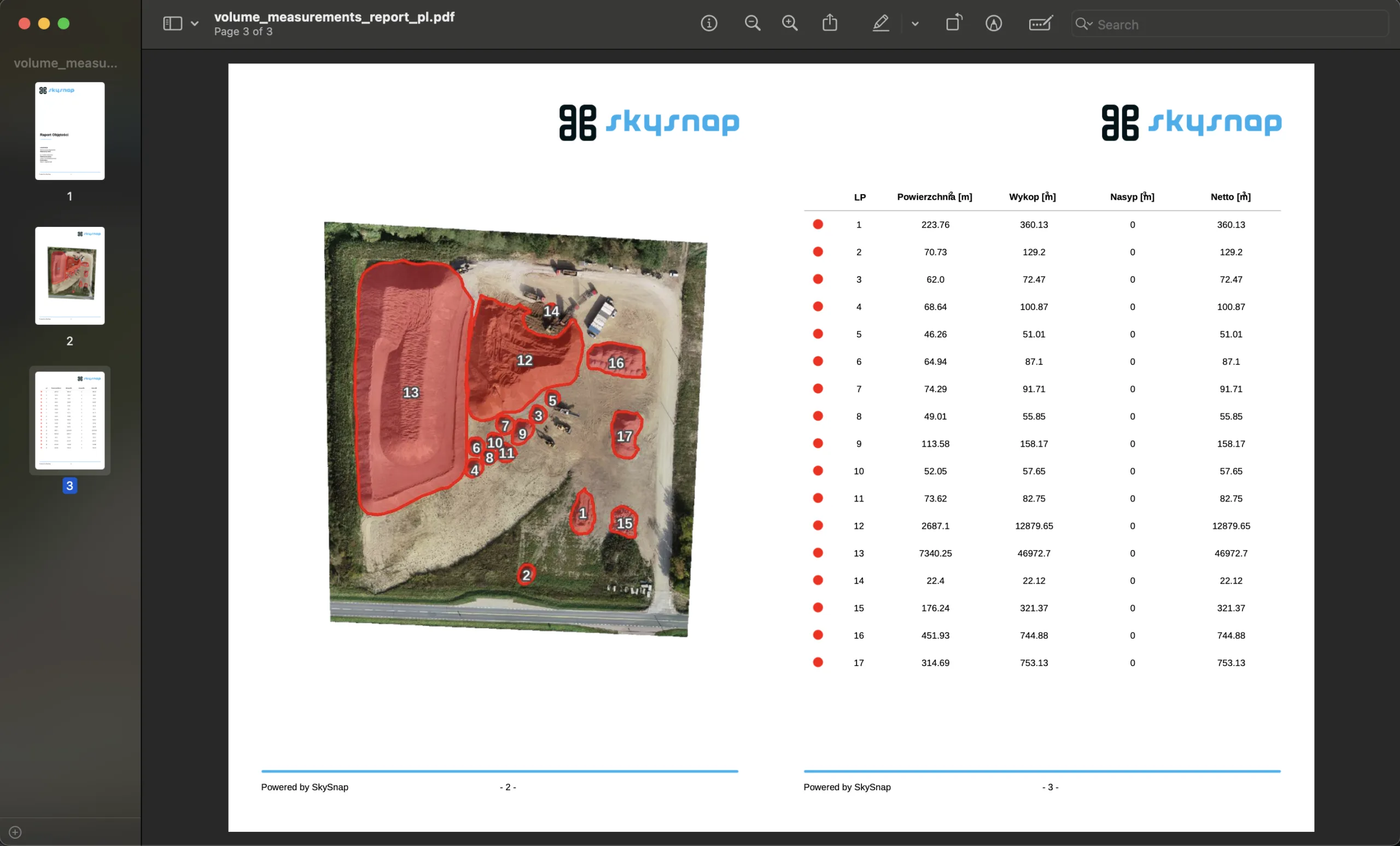
As a result, drones have become devices capable of performing precise, complex and demanding tasks, such as in surveying, rescue and infrastructure surveillance.
Use of drones in various sectors
Drones are used in many sectors today:
- Agriculture – crop monitoring and irrigation,
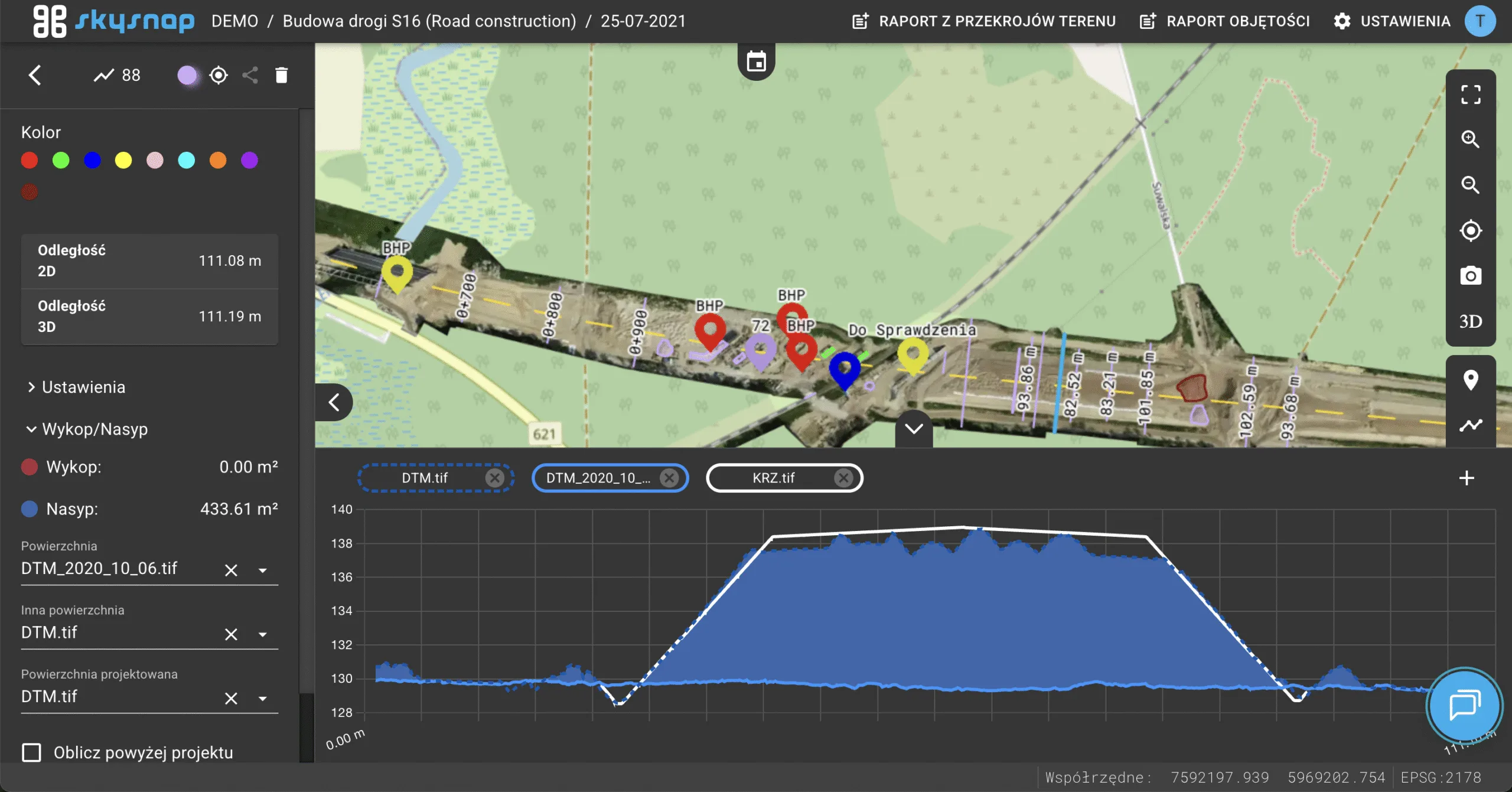
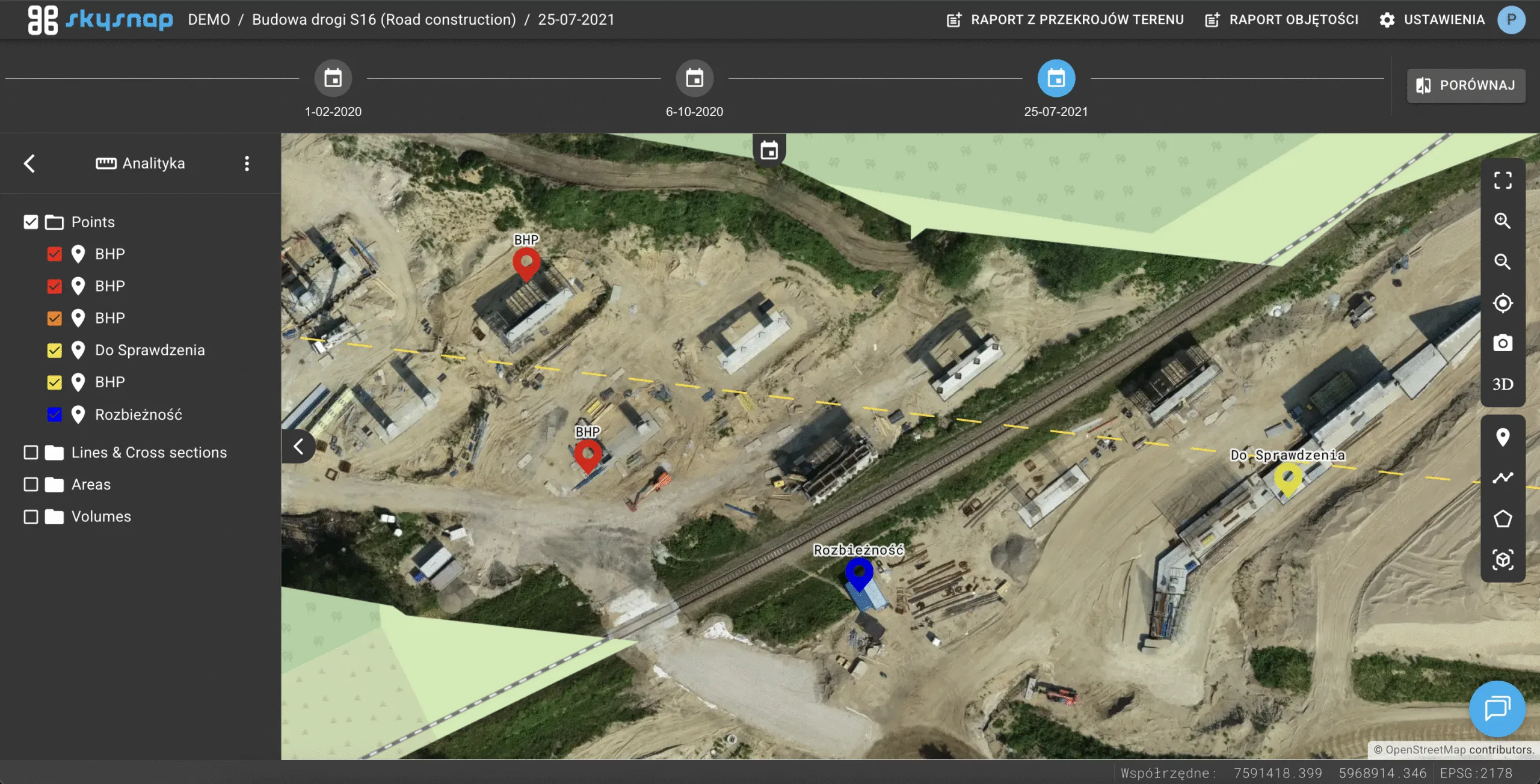
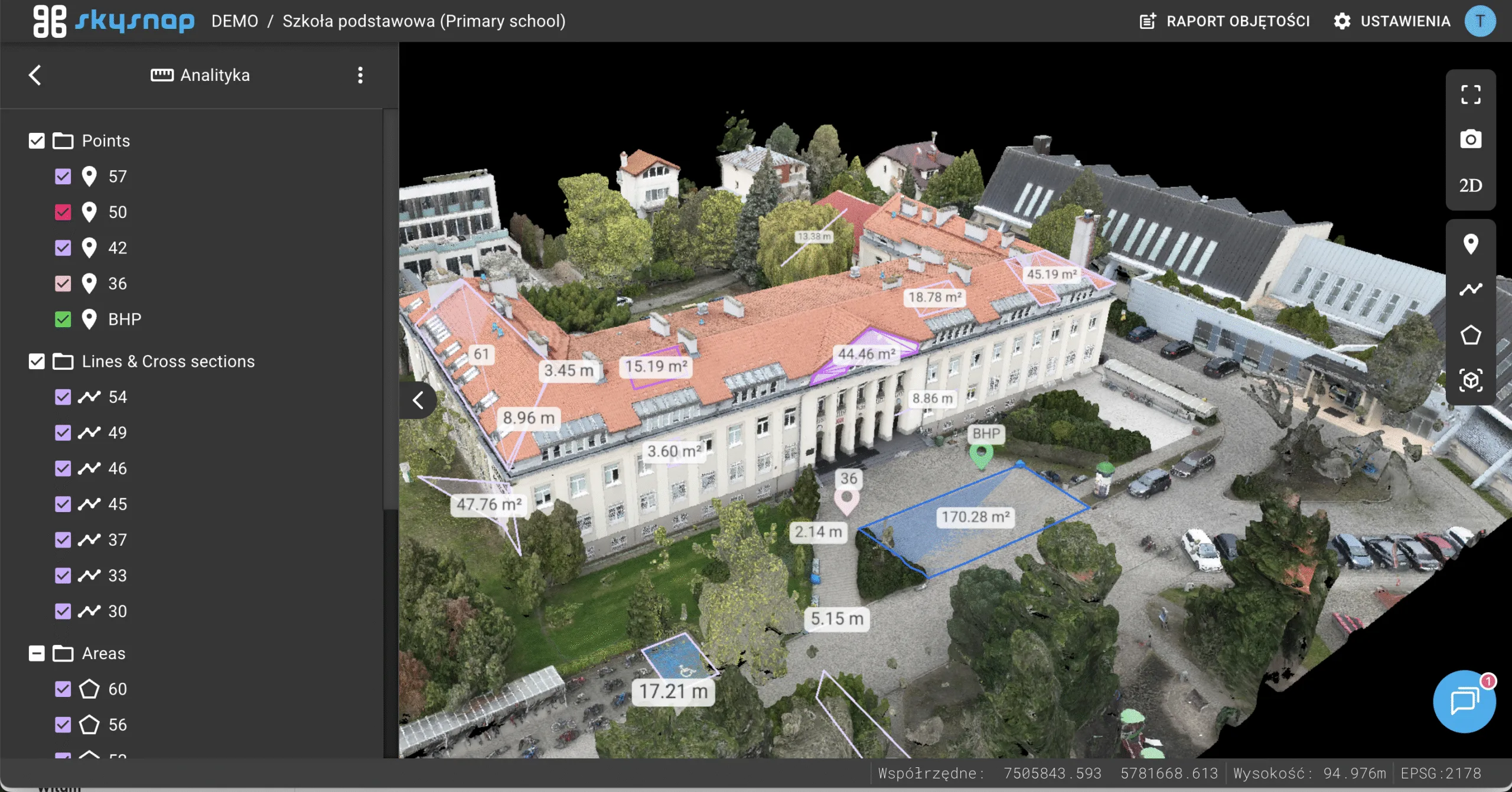
- Construction – inspections of structures and sites,
- Energy – inspection of power lines,
- Film and photography – aerial shots.
Their versatility makes them one of the most important tools of modern surveillance.
Use of drones in surveillance
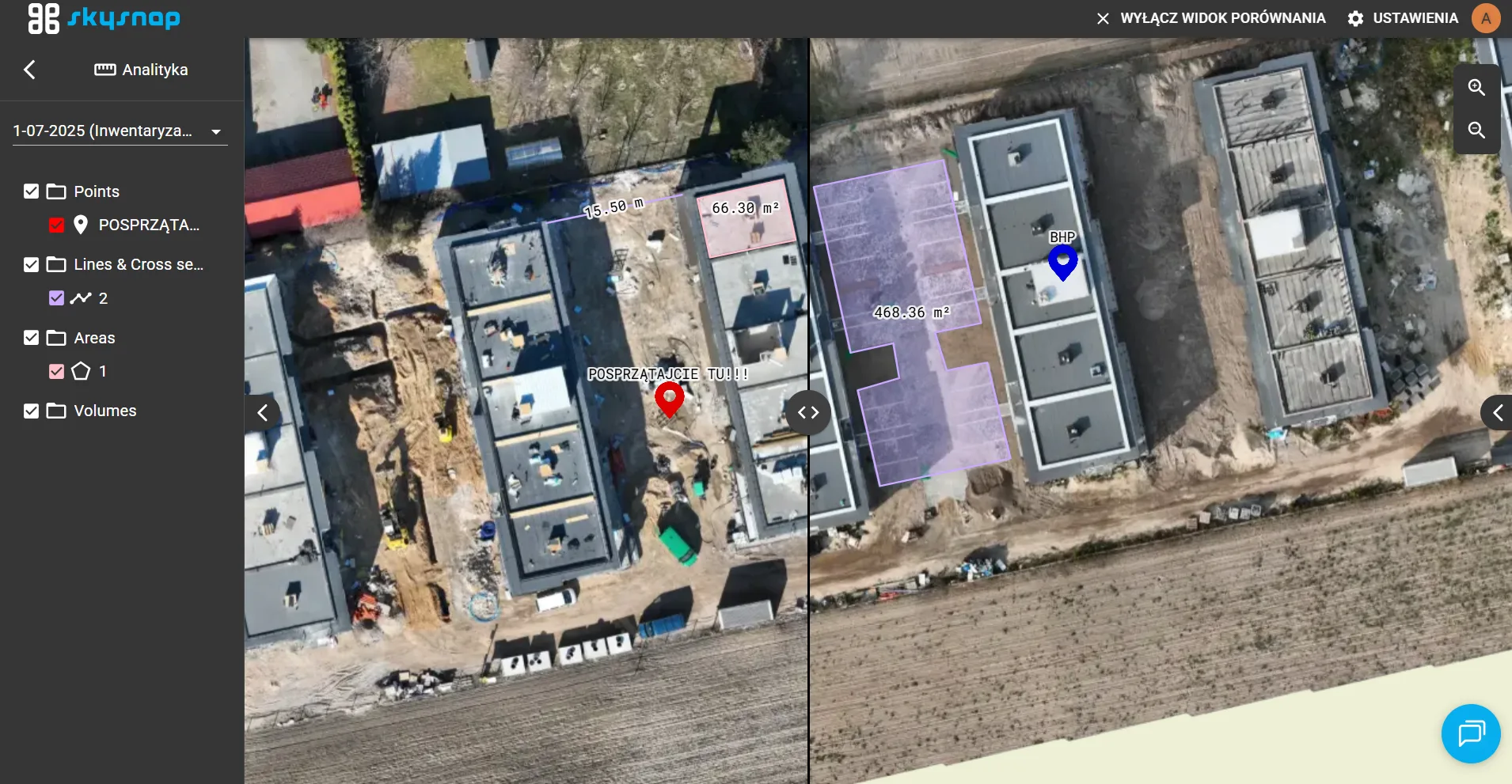
Drones have completely changed the way surveillance is carried out – both in cities and in agriculture and infrastructure.
Drones in city surveillance
In cities, drones allow:
- traffic monitoring,
- Crowd management at large events,
- rapid response to threats.
Drones equipped with thermal imaging cameras detect anomalies, such as fires, infrastructure damage, or installation hazards.
They also support police operations, enabling them to securely track suspects without committing a lot of resources.
Use of drones in agriculture
In agriculture, drones have introduced a new level of surveillance:
- Crop and plant condition monitoring,
- Field mapping and irrigation analysis,
- location of diseases, pests or drought,
- livestock observation.
This allows farmers to optimize costs, increase yields and respond more quickly to problems.
Supervision of infrastructure and facilities
Drones are a key tool in inspections:
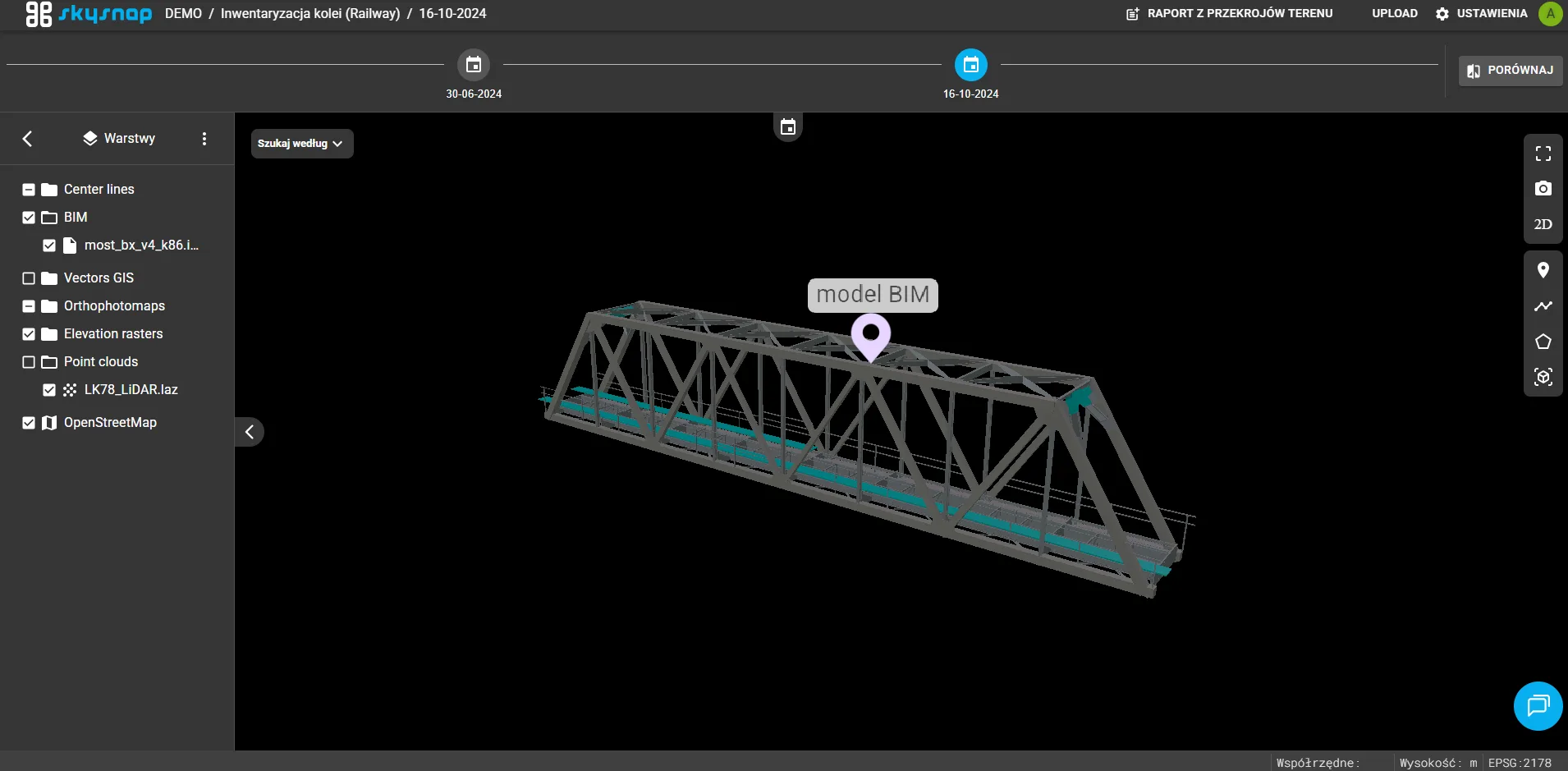
- bridges,
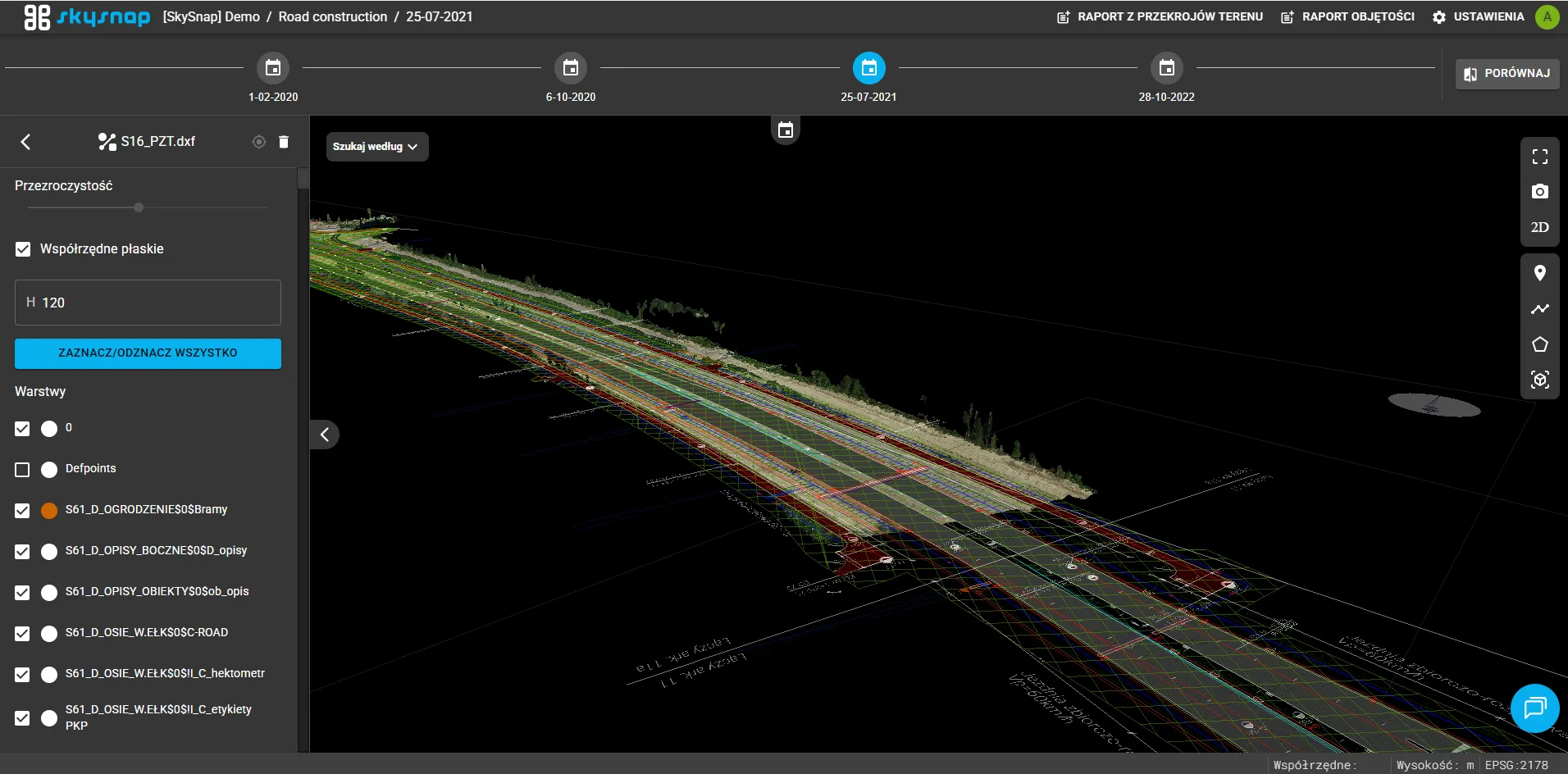
- roads,
- power lines,
- industrial facilities.
They enable fast, accurate and safe condition assessments, eliminating risks to workers.
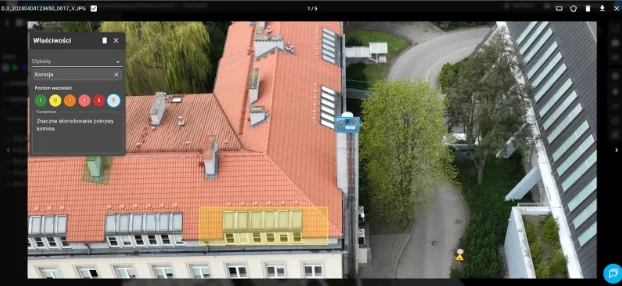
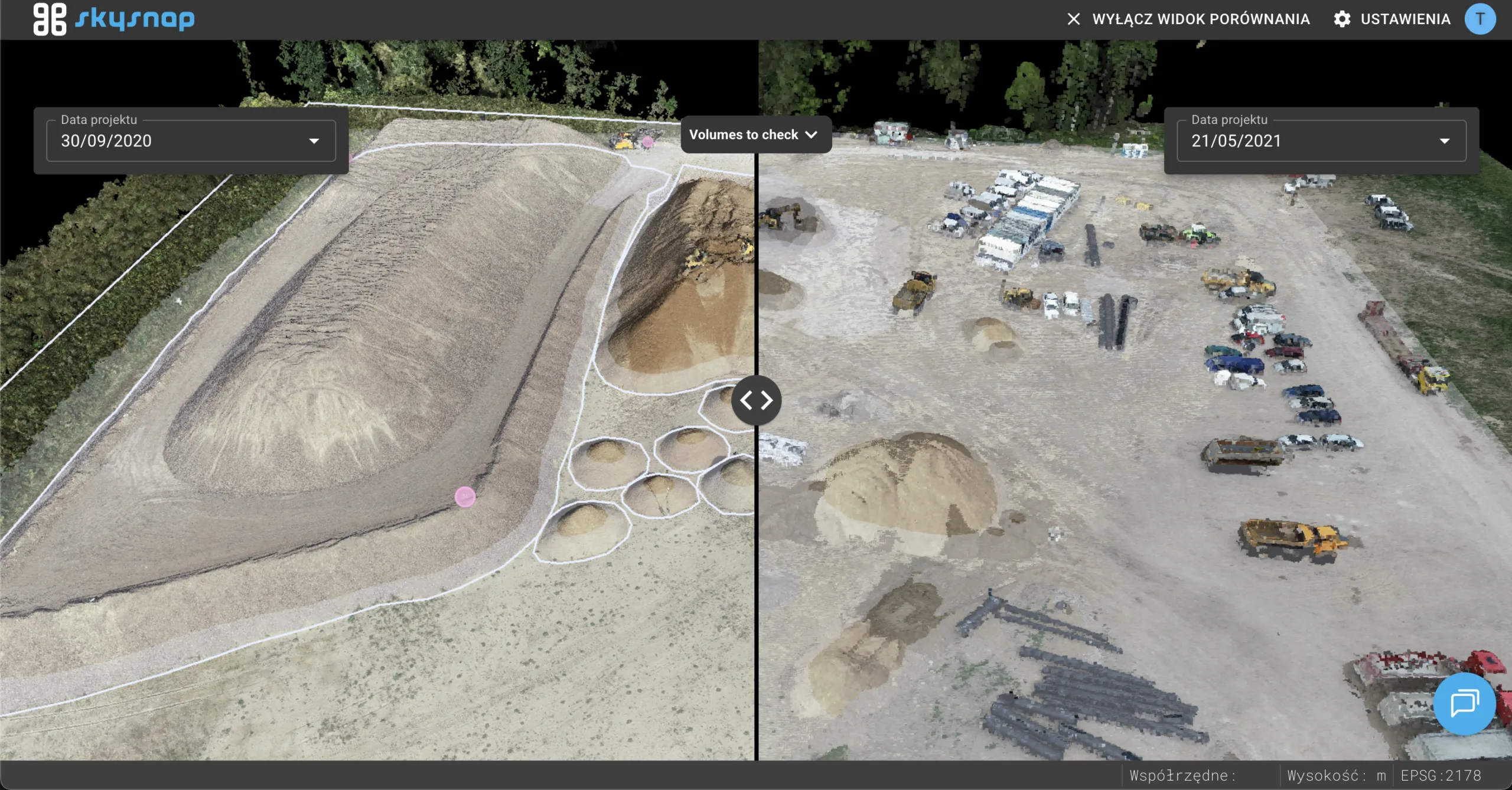
With detailed photos and data, companies can better plan repairs and respond to damage.
Security implications of drones
Drones are increasing security while bringing new legal challenges.
Increasing the efficiency of operations
Drones are invaluable in emergency situations:
- provide an instant preview of the area,
- allow locating the injured,
- Assist in post-disaster operations.
With quick access to information, services can make more accurate decisions and respond faster.
Reducing risks for workers
Drones are taking over dangerous tasks:
- inspections at heights,
- work in difficult terrain,
- Controls in danger zones.
This reduces the risk of accidents and lowers insurance costs. Drones also monitor working conditions, helping to detect hazards before they lead to accidents.
Limitations and legal challenges
Despite its many advantages, drones must operate in accordance with regulations:
- licensing and registration requirements,
- flight restrictions,
- privacy and data protection principles .
The law needs to keep up with the technology, and operators need to stick to the regulations in order to use drones legally and safely.
The future of surveillance with drones
The future promises tremendous opportunities – from new technologies to changes in the job market.
New technologies in drones
The most important development directions are:
- AI and image recognition,
- Even better cameras and sensors,
- More efficient batteries,
- longer flight times.
Drones will be able to identify objects, analyze the situation and operate increasingly autonomously.
Potential innovations and opportunities
Drones will bring changes in many sectors:
- logistics – drone deliveries,
- Environmental protection – monitoring of areas at risk,
- Industry automation – control of production processes.
The more advanced they become, the more impact they will have on the economy and daily life.
Impact on society and ethics
Drones also raise ethical questions:
- privacy,
- data collection,
- public oversight.
Clear regulations are needed to protect the rights of citizens and at the same time enable the development of technology.
Drones will also change the labor market – many professions will gain new competencies, others will require adaptation.
Practical applications and case studies
Drones have found practical applications around the world. Case studies show their benefits to companies and point to future prospects.
Case studies from around the world
- Japan – Rice field monitoring boosts agricultural productivity.
- U.S. – Energy inspections by drones significantly reduce costs for companies.
- Africa – Drones deliver medicines to cut-off regions.
Practical benefits for companies
Companies are using drones to:
- collect data faster,
- Reduce operating costs,
- improve the quality of services,
- gain a competitive edge.
Drones are changing business processes, making them more precise, efficient and safe.
Conclusions and future prospects
The future of drones is full of potential, but requires a responsible approach.
Investing in the development of the technology and creating transparent regulations will be key.
Drones can significantly change our lives – provided we skillfully combine their capabilities with the protection of society’s rights and interests.
Free E-book
Find out how UAV and AI support investment supervision, facilities management and the daily work of engineers. Learn about real-world applications of technology in construction and real estate.
Table of Contents:
Do you like the article? Share it with others!
Do you like the article? Share it with others!
Tips, news, insights
Related articles
Check out our articles and get the latest industry news.