How LiDAR technology in drones is revolutionizing land mapping
In recent years, LiDAR technology has become a key element in the field of terrain mapping, and its integration with drones has brought a real revolution to the industry. LiDAR, or Light Detection and Ranging, is an advanced method of distance measurement that uses laser pulses to accurately determine distance and the shape and contour of a surface. By combining this technology with drones, it has become possible to create detailed and precise terrain maps in much less time than traditional surveying methods. Accurate location, determined by GPS, is crucial for LiDAR systems to function properly, allowing for precise mapping and terrain analysis. In this article, we will take a look at how LiDAR-enabled drones are changing the way we perceive and document the world around us, and the benefits of their widespread use in various industries. The precise data obtained through this technology is invaluable in emergency management, urban planning and many other industrial applications. Get ready for a fascinating journey through the innovations that are shaping the future of mapping!
Introduction to LiDAR technology
In this section we will discuss the basics of LiDAR technology, how it works and the history of the application of this innovative measurement method. LiDAR works on the principle of sending laser pulses. Understanding these aspects is key to appreciating its impact on modern land mapping.
LiDAR technology relies on measuring the time it takes for laser pulses to return to the transmitter. It is a key component of a complex system that also includes GPS and IMU for precise location and motion tracking.
What is LiDAR?
LiDAR stands for Light Detection and Ranging, which means light detection and distance determination. The technology uses laser pulses to measure distances from objects and surfaces.
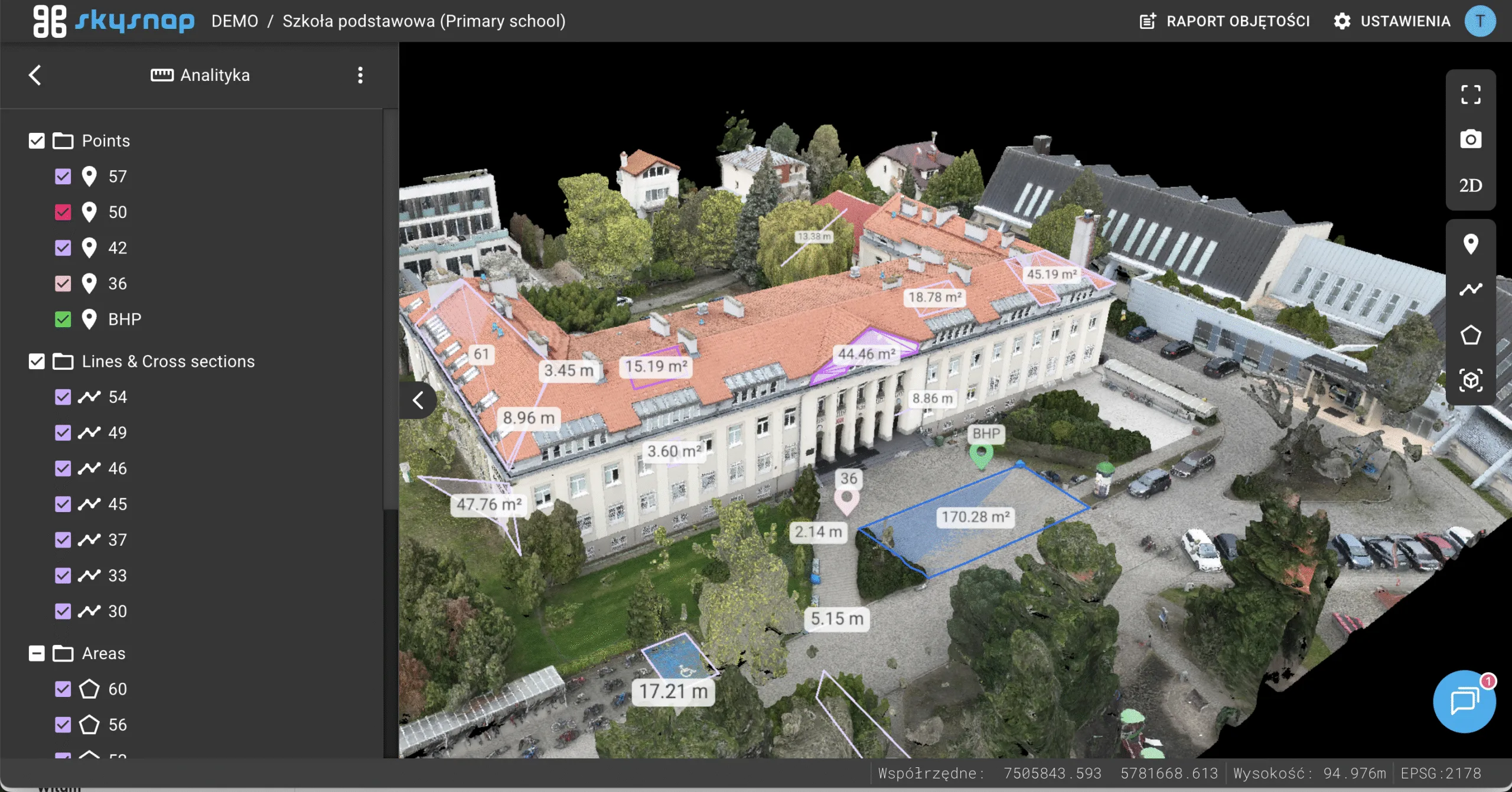
LiDAR is used in a variety of fields, such as surveying, archaeology and geology, thanks to its ability to create 3D terrain models. The technology also allows for the creation of precise 3D models, which are crucial for planning construction projects and managing natural resources.
Unlike traditional surveying methods, LiDAR enables rapid and accurate data collection, making it an invaluable tool in modern mapping. LiDAR is a precise tool that supports the creation of accurate terrain maps and 3D models, which is extremely valuable for construction and infrastructure projects.
How does LiDAR technology work?
LiDAR technology works by sending thousands of laser pulses per second. The process can be divided into several stages:
- Pulse emission: the LiDAR device emits a laser beam in the direction of the object.
- Beam reflection: the laser pulse bounces off the surface of the object and returns to the sensor.
- Time measurement: The time it takes for the pulse to return is measured, allowing the distance to be calculated. The time it takes for the pulse to return is crucial to the accuracy of distance measurements and the creation of 3D images of the environment. Pulse return is measured by LiDAR scanners, allowing accurate distance measurements and the creation of three-dimensional images of the environment.
- Data analysis: The collected data is processed to create an accurate 3D map.
Through this process, LiDAR can provide detailed information about the topography of a site, regardless of lighting conditions.
History of LiDAR application
The history of LiDAR dates back to the 1960s, when the technology was first applied to military aviation. Over the years, as technology has advanced, LiDAR has become more accessible and precise.
Initially, LiDAR was mainly used for mapping hard-to-reach areas, but its use has now expanded to many other fields. LiDAR technology has found applications in various industries such as surveying, agriculture and archaeology, supporting fields ranging from terrain mapping to natural resource monitoring.
Today’s LiDAR systems are used not only in scientific research, but also in the automotive industry, urban planning and even climate research. Technology is playing a key role in the development of LiDAR applications, enabling precise measurements, data integration, and the development of modern solutions such as lidar scanners in drones, helping to improve efficiency and quality of service.
Application of drones with LiDAR
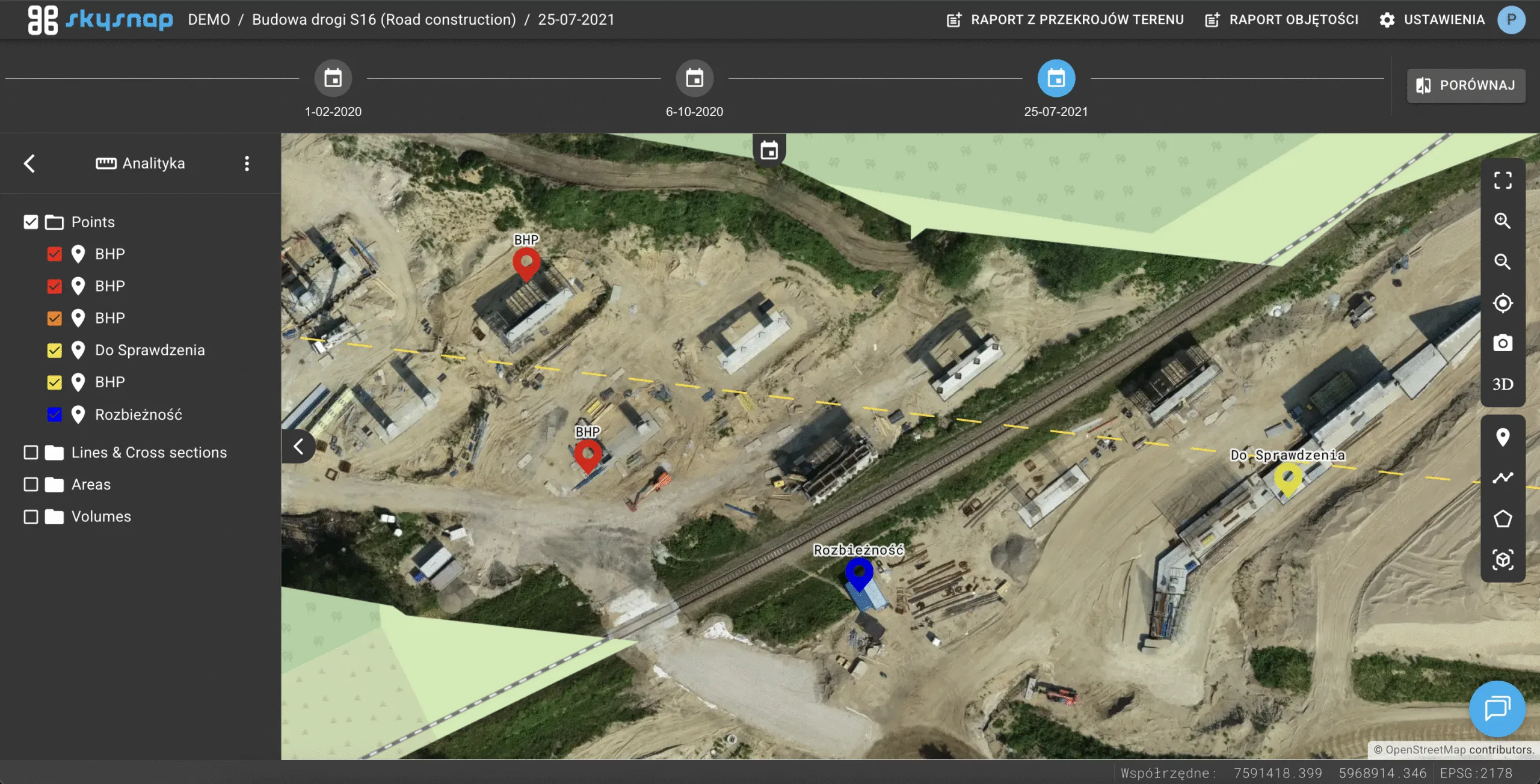
In this section, we take a look at how drones equipped with LiDAR technology are changing the way land is mapped, what benefits they bring, and how they are used in various industries. LiDAR is being used to take precise measurements of infrastructure, including railroad infrastructure, making it easier to analyze and assess the condition of various structures.
LiDAR technology is also finding applications in precision agriculture, where LiDAR-equipped drones are revolutionizing methods of space management and analysis, bringing benefits in terms of accuracy and efficiency.
Drones as a mapping tool
LiDAR-equipped drones have become an invaluable tool in the mapping field thanks to their ability to quickly and accurately collect data from the air. Here are the key advantages of drones with LiDAR:
- Mobility: Drones can reach hard-to-reach places, which is important in mountainous or forested areas.
- Speed: It takes significantly less time to fly a drone than traditional surveying methods.
- Precision: LiDAR provides high accuracy measurements, which is crucial for creating detailed maps. The system emits laser pulses to measure their return time and the distance between the sensor and the object.
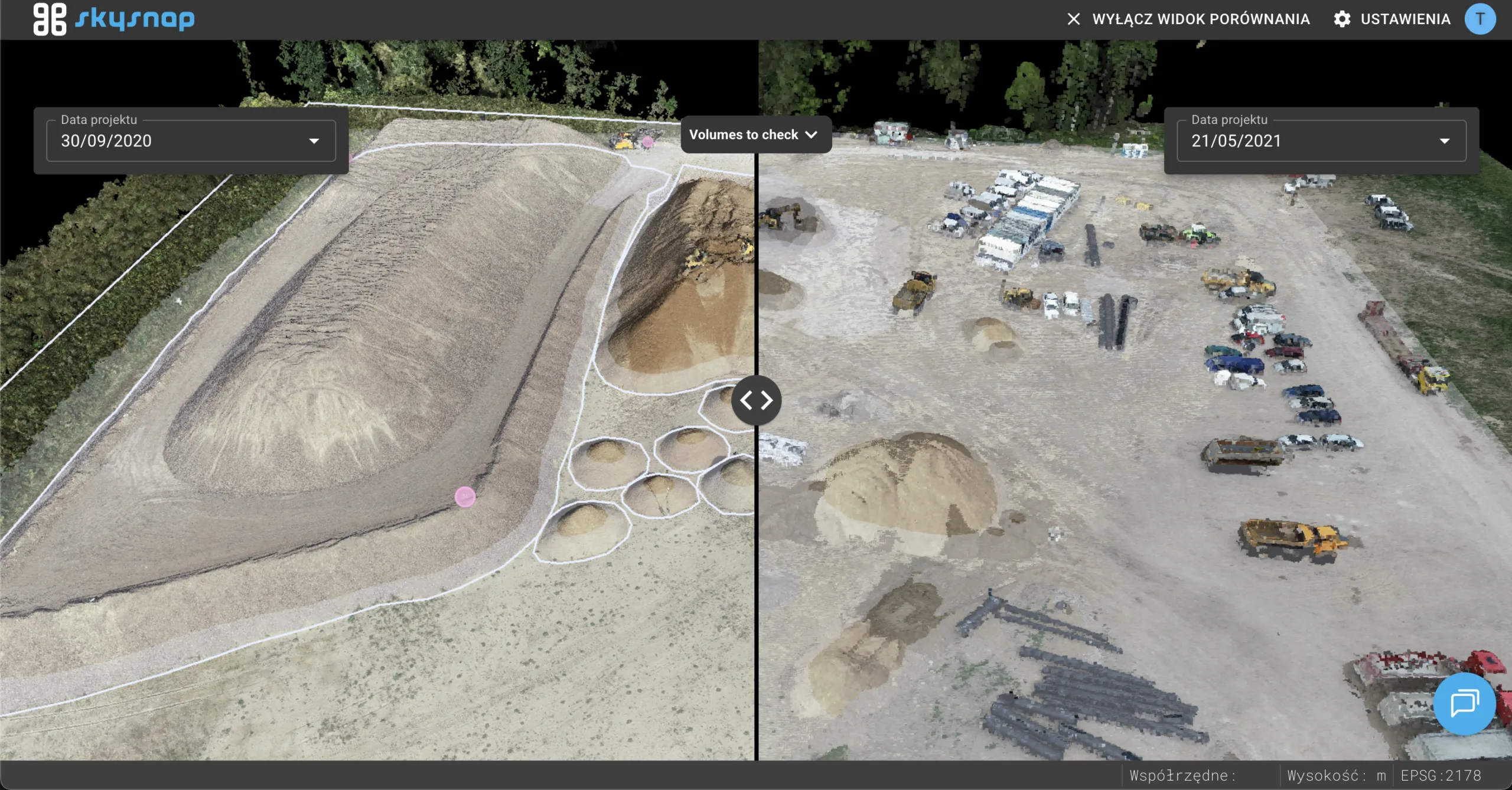
These features make drones with LiDAR increasingly used in surveying, construction and urban planning. Drones using LiDAR can provide detailed data on landforms, vegetation and buildings, indicating their practical use in analyzing various surfaces.
Advantages of drones with LiDAR in the field
Drones with LiDAR technology offer many advantages over traditional mapping methods. Key benefits include:
- Efficiency: The ability to take measurements quickly over large areas. LiDAR is a precise tool for field measurements.
- Safety: Reduce the need for physical human presence in difficult terrain. Accurate positioning is key to safe system operation.
- Cost reduction: Lower operating costs compared to manned aircraft and helicopters.
Thanks to these advantages, drones with LiDAR are increasingly being chosen for projects requiring precise terrain mapping.
Examples of applications in various industries
LiDAR drone technology is used in a wide range of industries, demonstrating its versatility and potential. Examples of applications include:
- Forestry: Inventorying forest resources and monitoring changes in ecosystems. A lidar scanner is used to create detailed forest maps, enabling accurate analysis and management of forest resources.
- Construction: Creating detailed site maps for infrastructure projects. LiDAR plays a key role in urban planning, providing precise data to create 3D terrain models, which supports natural resource management and emergency response.
- Agriculture: Precise crop management by analyzing topography and soil conditions.
These examples show how diverse LiDAR drone applications can be, affecting the efficiency and precision of work in various sectors of the economy.
Application in geodesy
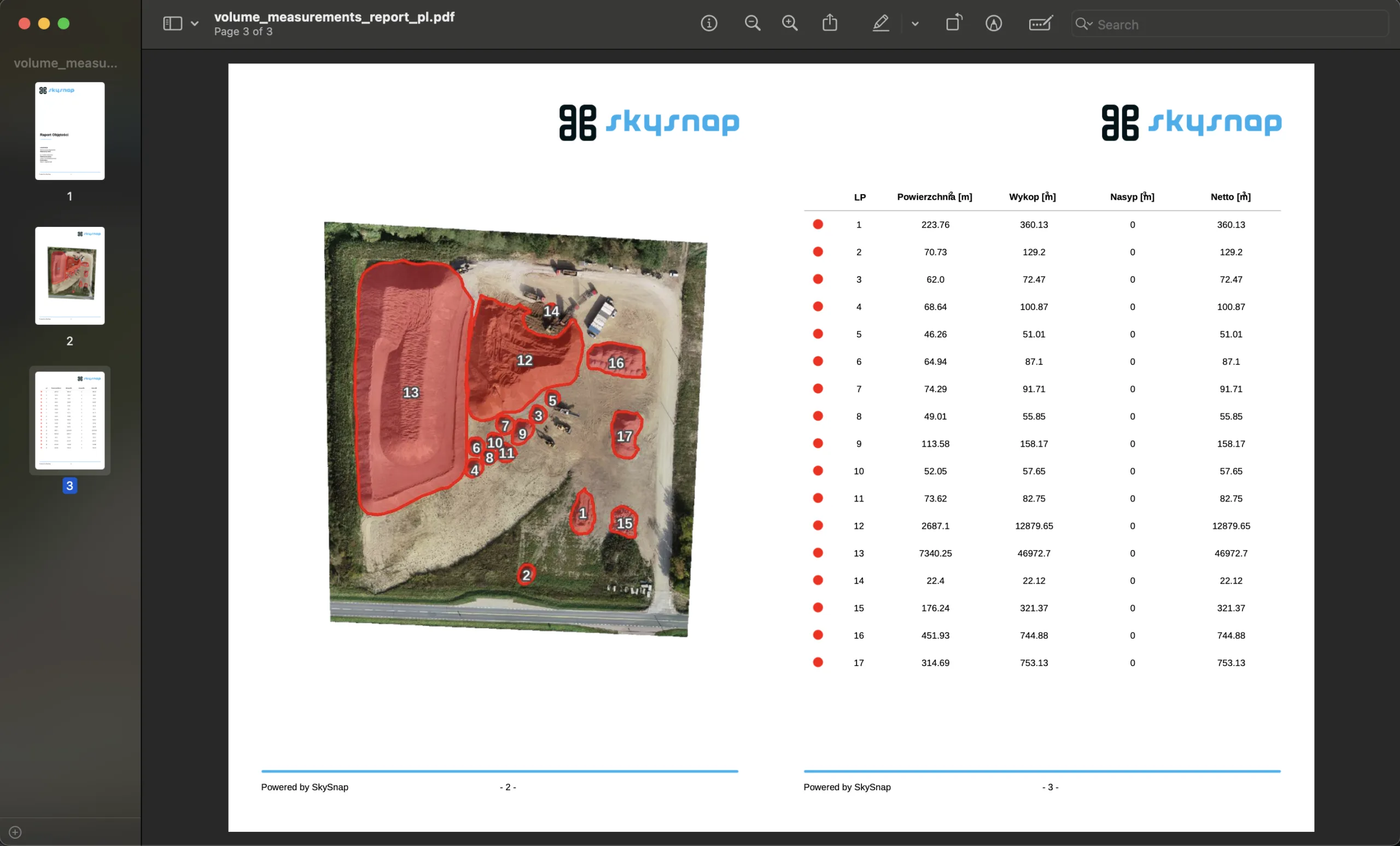
LiDAR technology is increasingly being used in surveying for its precision and speed. By using laser pulses, surveyors can create accurate terrain maps, which is particularly useful in hard-to-reach areas. Traditional surveying methods often require lengthy and costly operations, while LiDAR enables quick and efficient data collection. The technology reduces the cost and time required for surveying, which is important in today’s world where time and money are at a premium. In surveying, LiDAR technology is used for topographic mapping, monitoring land changes and infrastructure planning. It provides precise data, which is crucial for accurate planning and implementation of surveying projects.
Applications in archaeology
LiDAR technology is also used in archaeology, where it enables the creation of accurate maps of archaeological sites. By using laser pulses, archaeologists can discover and document structures hidden underground without the need for invasive excavation work. This is particularly useful in areas of dense vegetation, where traditional survey methods can be difficult or impossible to use. LiDAR makes it possible to pinpoint the exact location of archaeological sites, which is crucial for planning further research and protecting cultural heritage. In archaeology, LiDAR technology is being used to create field maps, document archaeological sites and plan further research, significantly increasing the efficiency and precision of archaeological work.
Application in crisis management
LiDAR technology is also used in emergency management, where it enables the creation of accurate real-time terrain maps. By using laser pulses, emergency services can quickly and accurately assess the situation on the ground, which is important in emergency situations. LiDAR allows monitoring changes in the terrain, which is useful in the event of floods, fires or other natural disasters. The technology also makes it possible to plan rescue operations, which increases the efficiency and speed of emergency response. In emergency management, LiDAR technology is used to create field maps, monitor the situation and plan rescue operations, which significantly improves public safety and the efficiency of rescue operations.
A revolution in terrain mapping
This section focuses on how LiDAR technology has revolutionized terrain mapping, increasing the accuracy, speed and efficiency of operations and impacting traditional methods. The proprietary high-accuracy IMU system used in DJI’s Zenmuse L2 camera system plays a key role in increasing the precision of LiDAR scanning, which is important for efficient geospatial data acquisition.
With advanced lidar systems, such as those used in DJI drones, it is possible to obtain detailed and precise data that is invaluable in fields such as surveying, construction and asset management. DJI’s Terra software is a key tool for storing and processing 3D data, which optimizes data collection processes in various fields such as surveying, urban planning and energy.
Accuracy and precision of data
One of the greatest achievements of LiDAR technology is the improvement in the accuracy and precision of map data. Key aspects include:
- High resolution: LiDAR enables the creation of high-resolution maps showing even the finest details of the terrain. In addition, the technology makes it possible to accurately determine distances using laser pulses.
- Three-dimensional models: The collected data allows the generation of three-dimensional models, which are indispensable for spatial analysis.
- Minimizing errors: Precise measurements reduce the risk of errors that can affect the quality of surveying studies.
With these features, LiDAR has become an indispensable tool in modern mapping. Accurate field data is crucial for effective emergency response and urban planning.
Speed and efficiency of operations
Another important aspect is the speed and efficiency of mapping operations using LiDAR. Why is this important?
- Time savings: Drones with LiDAR can cover large areas quickly, significantly speeding up the mapping process. LiDAR uses time-measuring technology, which allows for rapid data collection.
- Automation: Data processing is automated, reducing the need for manual intervention.
- Scalability: The ability to easily adjust the range and detail of measurements to meet project needs.
These advantages make LiDAR ideal for projects requiring fast and accurate mapping. In addition, LiDAR provides detailed data for efficient operations and precise analysis of various surfaces.
Impact on traditional mapping methods
LiDAR technology is also affecting traditional mapping methods, changing the way surveying projects are carried out. The main changes are:
- Technology integration: LiDAR is increasingly being integrated with other technologies, such as photogrammetry. These technologies are revolutionizing mapping methods, enabling precise measurements and data integration.
- New standards: Increases in measurement accuracy and precision are raising standards in the mapping industry.
- Changing approach: Traditional methods are being supplemented with modern solutions, leading to more comprehensive and accurate analyses.
These developments show how LiDAR is contributing to the evolution of terrain mapping. With this technology, much more accurate and faster results can be achieved compared to traditional methods, optimizing many processes in surveying, agriculture and engineering.
Cost reduction
LiDAR technology enables cost reductions in many fields, including surveying, archaeology and emergency management. By using laser pulses, accurate data can be obtained in less time, reducing the costs associated with traditional surveying methods. LiDAR allows for faster and more efficient surveying, saving time and money. The technology also reduces costs associated with infrastructure maintenance, which is important in today’s world where saving money is at a premium. In the future, LiDAR technology will be increasingly used in various fields, which will bring even greater economic benefits. It can provide precise data, which is crucial for effective resource management and investment planning.
The future of LiDAR technology in drones
This section outlines the future of LiDAR drone technology, focusing on innovations, trends, and technological challenges that could affect its development. In the future, LiDAR technology could play a key role in water resources management, enabling effective crop monitoring and efficient water management.
Thanks to its versatility, LiDAR will find application in a variety of fields, including forest management, bringing concrete benefits such as time savings and precise data.
Innovation and technology development
The future of LiDAR in drones promises many innovations that can further enhance their efficiency and application. The expected innovations are:
- Miniaturization: Reducing the size and weight of LiDAR devices, increasing drone capabilities. Technologies are playing a key role in the advancement of miniaturization, enabling more compact and efficient systems.
- AI integration: Using artificial intelligence to analyze data in real time.
- Better performance: Improved accuracy and measurement range thanks to technological advances.
These innovations could significantly impact the ways in which drones will be used with LiDAR in the future. LiDAR as a precision tool will be key in creating accurate terrain maps and 3D models, supporting the planning and implementation of construction and infrastructure projects.
Challenges and technological limitations
Despite its many advantages, LiDAR technology also faces some challenges and limitations. Key issues include:
- Costs: High hardware costs can limit availability for smaller companies.
- Complexity of data processing: Need to use advanced algorithms to analyze large data sets. Accurate location is critical for accurate data processing.
- Regulations: Restrictions on drone flight may affect the scope of drone use.
Understanding these challenges is key to the further development and implementation of LiDAR technology. Measuring the timing of laser pulses is an important element that helps overcome the technical challenges of precise location and motion tracking.
Summary and conclusions
In this final section, we will summarize the key benefits of LiDAR drone technology, its impact on the future of mapping, and future development prospects.
Key benefits of using LiDAR
In summary, the application of LiDAR technology to drones brings many benefits. The most important of these are:
- High accuracy and precision of measurements, which allows the creation of detailed maps. LiDAR is a precise tool for accurate measurements.
- Speed and efficiency of operations, so you can complete projects in less time.
- Versatility of applications in various industries, which shows the potential of this technology.
These benefits underscore the importance of LiDAR to modern mapping. Accurate distance determination using laser pulses enables the creation of detailed, three-dimensional images of the environment, which is crucial for applications such as terrain mapping and obstacle analysis.
Impact on the future of mapping
LiDAR technology in drones is having a significant impact on the future of mapping. Expected developments include:
- Increasing the precision of geodetic analyses: Greater data accuracy allows for more detailed analysis. LiDAR technologies enable precise measurements and data integration, revolutionizing spatial management.
- Smart city development: support for urban planning and infrastructure management.
- New opportunities in scientific research: Applications in climate and ecological research.
This impact indicates the key role that LiDAR technology will play in the future. With this technology, traditional surveying methods can be greatly exceeded, offering more accurate and faster results in various fields such as surveying, agriculture and engineering.
Anticipated trends in applications
As LiDAR technology develops in drones, we can expect some trends in its applications. Anticipated developments include:
- Applications in smart cities: Supporting the development of smart cities through infrastructure and environmental monitoring. LiDAR also plays a key role in water resource management, enabling effective monitoring and optimization of water use.
- Expanding agricultural applications: Improving the efficiency of natural resource and crop management.
- Public safety: Use for Emergency Monitoring and Management.
These trends indicate the growing importance of drones with LiDAR in various fields. LiDAR is also extremely important in forest management, bringing benefits such as time savings and precise data.
Article summary and further perspectives
In summary, LiDAR drone technology is revolutionizing terrain mapping, offering modern, precise and efficient solutions. Further prospects include:
- Continue technological innovations that will increase the potential of LiDAR.
- Expanding applications in new industries and areas of life.
- Overcoming current challenges, such as costs and regulations.
These prospects point to the rapid development of LiDAR technology and its key role in the future of land mapping.

Free E-book
Learn what services to offer, who to sell them to, and how to write an effective offer email. Ready-made templates, tips and examples of campaigns that really work.
Table of Contents:
Do you like the article? Share it with others!
Do you like the article? Share it with others!
Tips, news, insights
Related articles
Check out our articles and get the latest industry news.