Field surveying with drones – a new era in surveying
Drones have revolutionized many fields, and surveying is one area that has particularly benefited from their introduction. The use of drones for land surveying enables not only faster, but also more precise data collection. Thanks to advanced technology, drones can provide accurate maps and 3D models, which is invaluable in the planning and implementation of various construction and infrastructure projects. In this article, we’ll take a look at how drones are changing the face of surveying, the benefits of using them, and the challenges that can arise when implementing this technology.
Introduction to drone surveys
Drone technology plays an important role in modern surveying. It makes it possible to collect field data quickly and accurately. In this part of the article, we will discuss the history of this technology and its impact on the field of surveying.
History and development of drone technology
Drones, also known as unmanned aerial vehicles (UAVs), began to gain momentum in the 20th century. At first they were mainly military tools, but over time they have found applications in many civilian fields.
- Technological evolution – Initially, drones were large and difficult to operate. Over the years, technology has evolved considerably, making it possible to produce smaller and more advanced devices.
- Since the 2000s, drones have begun to be used commercially. In surveying, their development has contributed to a significant increase in the precision and efficiency of measurements.
Today, drones are widely used in a wide range of projects, from mapping to infrastructure inspections.
Why have drones revolutionized surveying?
Drones have changed the approach to surveying. Their ability to collect data quickly and accurately allows for the creation of more detailed maps and 3D models.
- Speed of surveying: Compared to traditional methods, drones can collect data much faster, which is especially important for large areas.
- Accuracy – Drones are equipped with advanced sensors that provide high precision measurements.
- Data availability: With drones, surveyors have access to real-time data, speeding up the decision-making process.
All this makes drones an invaluable tool in modern surveying.
Drone applications in surveying
Drones have found many applications in surveying, from mapmaking to inspecting structures. In this section, we take a look at the most important applications of this technology.
Terrain mapping and 3D modeling
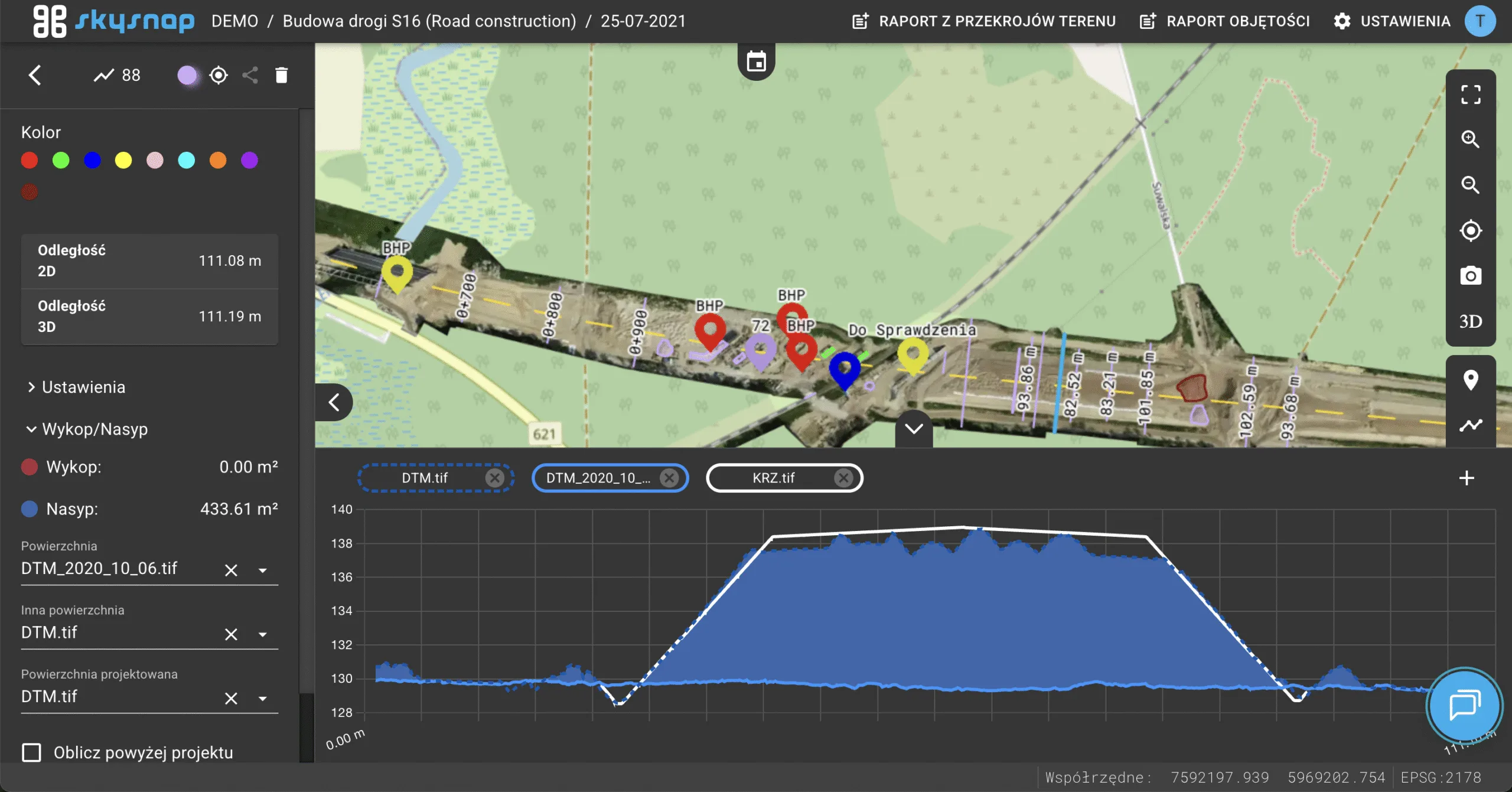
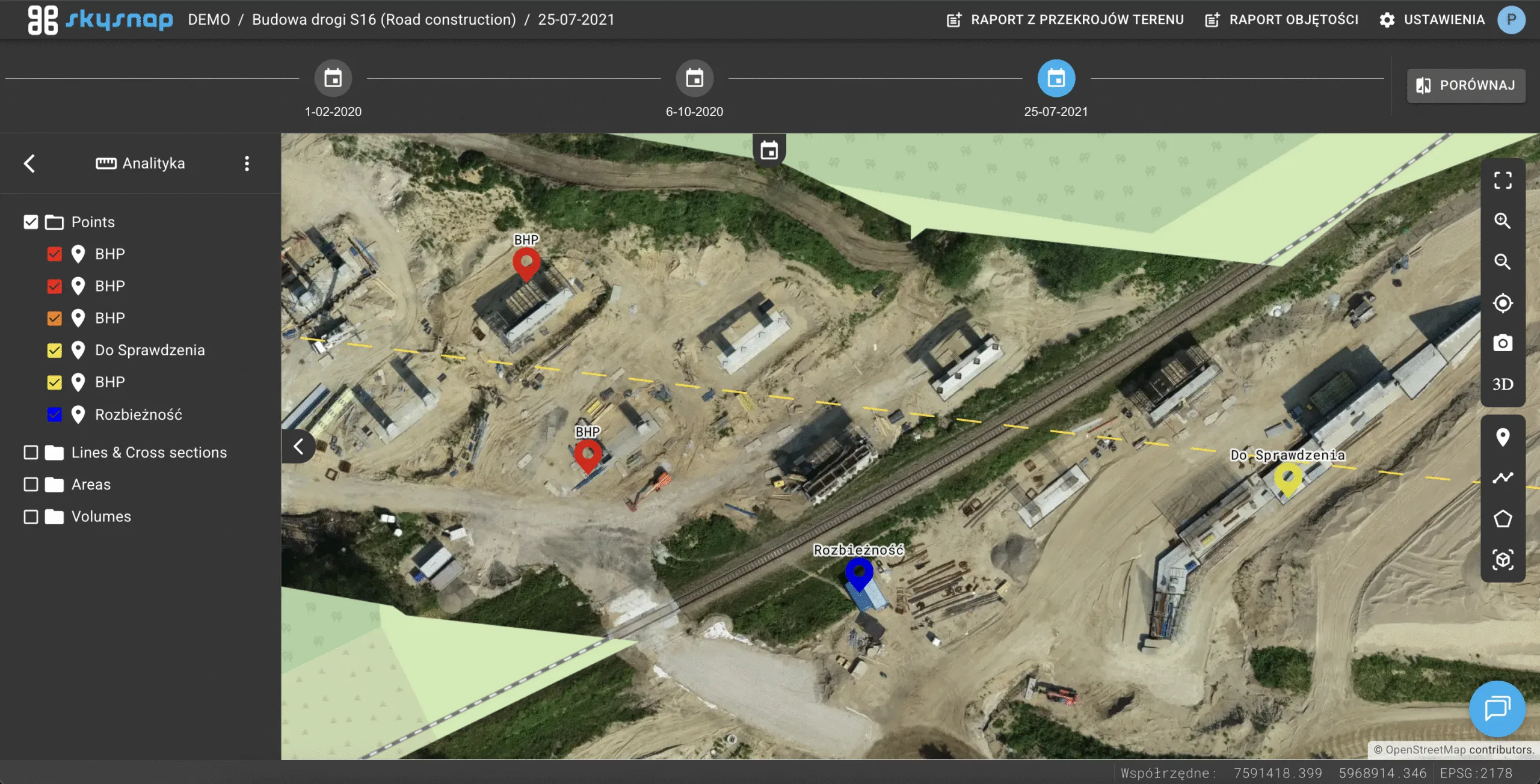
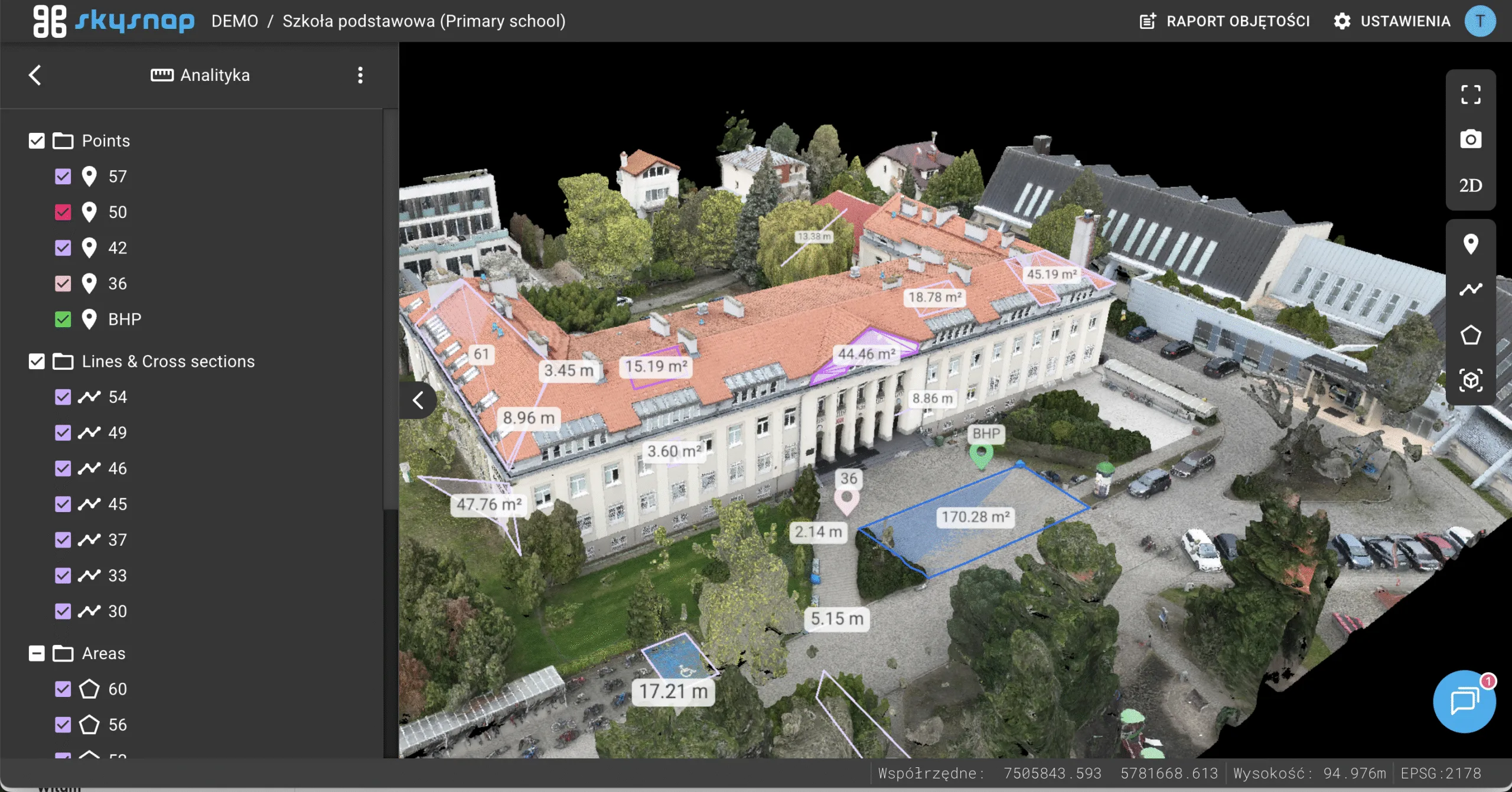
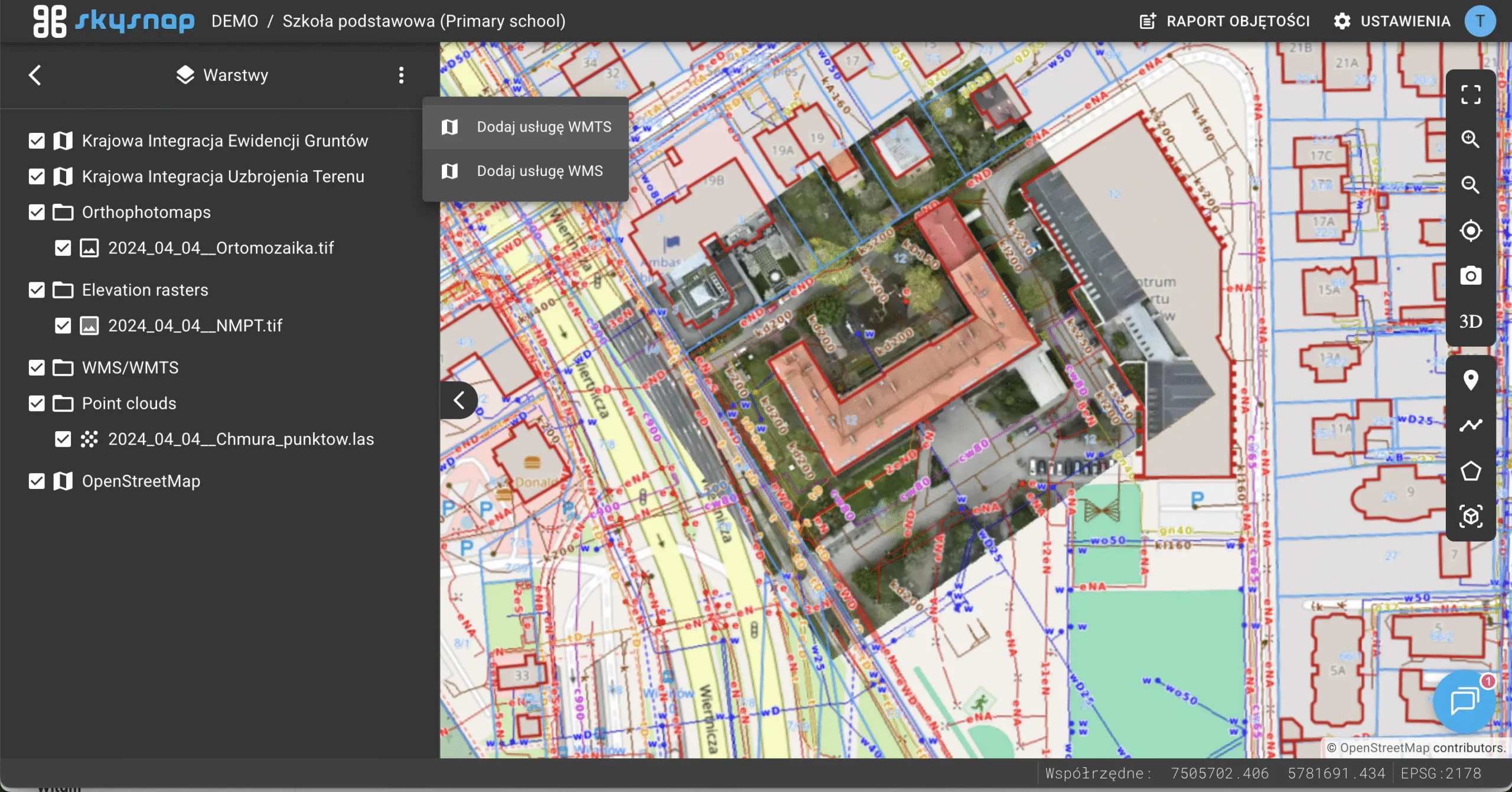
Drones are extremely effective in mapping terrain and creating 3D models. They make it possible to obtain detailed topographic data.
- Data collection: Drones equipped with LIDAR cameras and sensors collect terrain data.
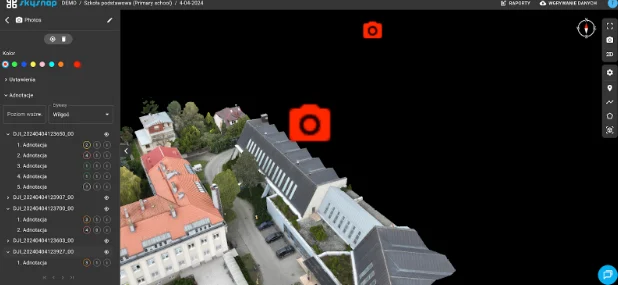
- Data processing: The collected information is processed in specialized software that creates detailed maps and 3D models.
- Analysis of results: Surveyors can analyze data and adjust construction plans.
This approach is fast and much more effective than traditional methods.
Inspections of infrastructure and structures
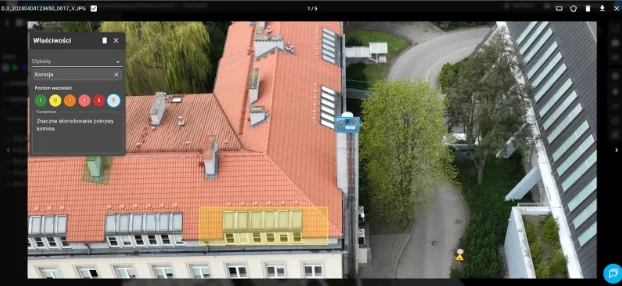
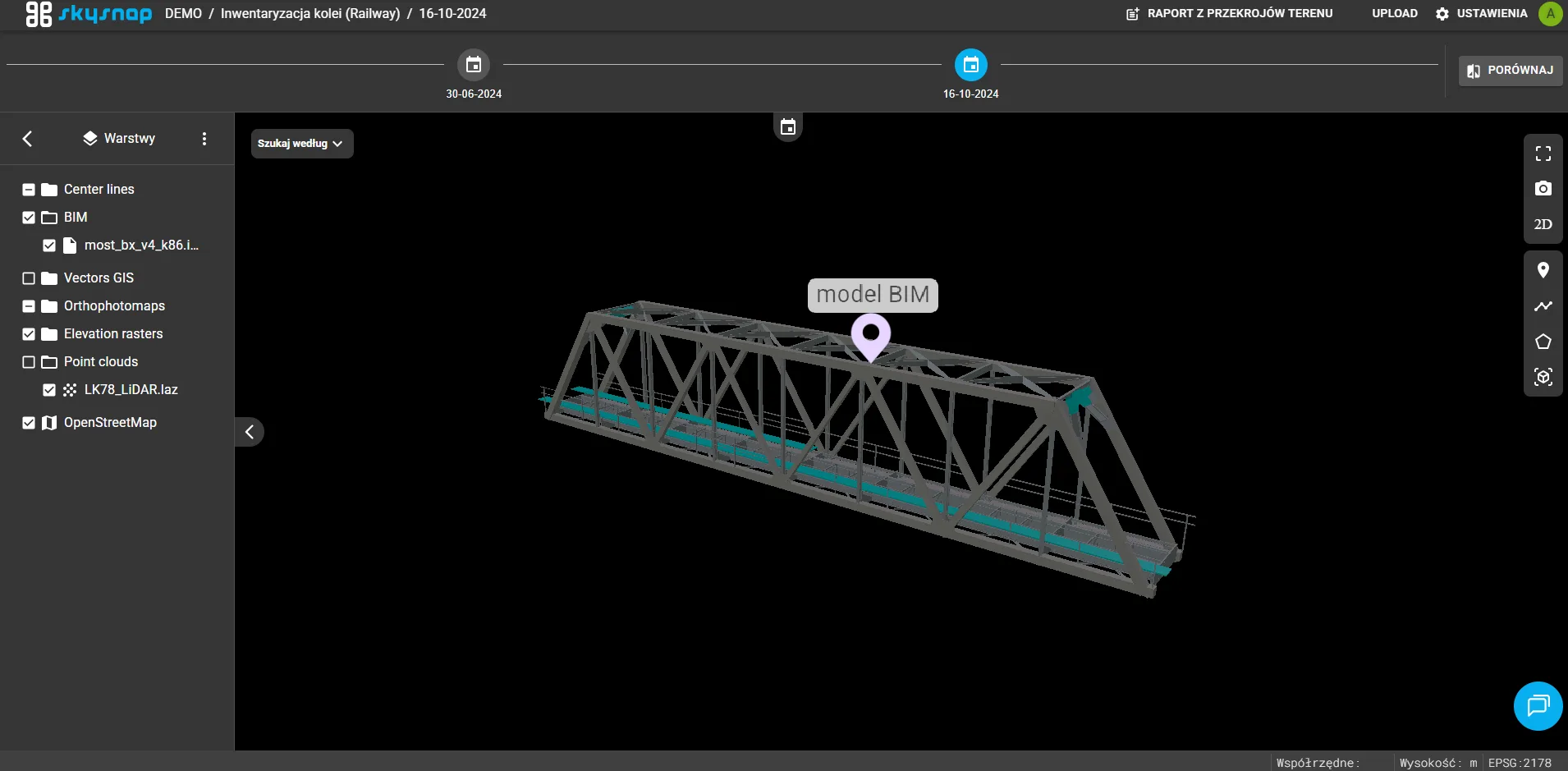
Drones are also used for infrastructure inspection. They can monitor the condition of bridges, roads and other structures.
- Safety: Drones allow inspections without putting people at risk.
- Accuracy: With high-quality cameras and sensors, the drones can detect even minor damage.
- Cost-effectiveness: the use of drones in inspections allows for significant cost reductions compared to traditional methods.
This approach is increasingly used in many countries.
Advantages and challenges of drone technology
While drones offer many benefits, their use also comes with some challenges. Let’s take a look at the advantages and problems associated with this technology.
Precision and efficiency of measurements
Drones provide high precision measurements, which is crucial in surveying.
Advantages:
- Accuracy: Thanks to advanced sensors, drones can collect data with accuracy to within a few centimeters.
- Speed: Drones are able to cover large areas in a short period of time, speeding up the entire survey process.
Challenges:
- Weather conditions – Strong wind or rain can hinder drone flights and affect the accuracy of measurements.
However, such problems can be minimized with modern technological solutions.
Legal issues and regulations
The use of drones raises legal issues that can be challenging.
- Licensing: drone operators must be properly licensed in accordance with regulations.
- Flight restrictions: Drone flights are prohibited or restricted in some areas.
- Privacy: Drones can collect data from a variety of areas, raising questions about privacy.
These aspects require attention when planning drone projects.
The future of surveying using drones
The future of surveying with drones seems promising thanks to continued technological innovation and market growth.
Technological innovations and their impact
Technological innovations in the field of drones are constantly evolving, which has a huge impact on surveying.
- New sensors: More and more advanced sensors are emerging to improve the accuracy of measurements.
- Autonomy of flight: Drones are becoming increasingly autonomous, reducing the need for human intervention.
- Integration with other technologies: Combining drones with AI and IoT opens up new opportunities for data analysis.
These innovations will accelerate the pace of change in surveying and enable even more effective use of drones.
Forecasts for the development of the drone market in surveying
The drone market in surveying is growing rapidly, which affects the future of the industry.
- Demand growth: More and more companies are investing in drone technology, which is driving market growth.
- Increased investment: More funds are being allocated to development and research in the field.
- Global expansion: drone technology in surveying is gaining popularity around the world.
These trends suggest that drones will become an integral part of surveying in the future.
Practical applications and case studies
The use of drones in surveying is already evident in numerous practical cases. In this section, we will discuss a few of them.
Success in engineering projects
Drones have had many successes in engineering projects where their precision and speed have been crucial.
- Bridge projects: Drones have made it possible to inspect bridges quickly and efficiently, allowing for faster repairs.
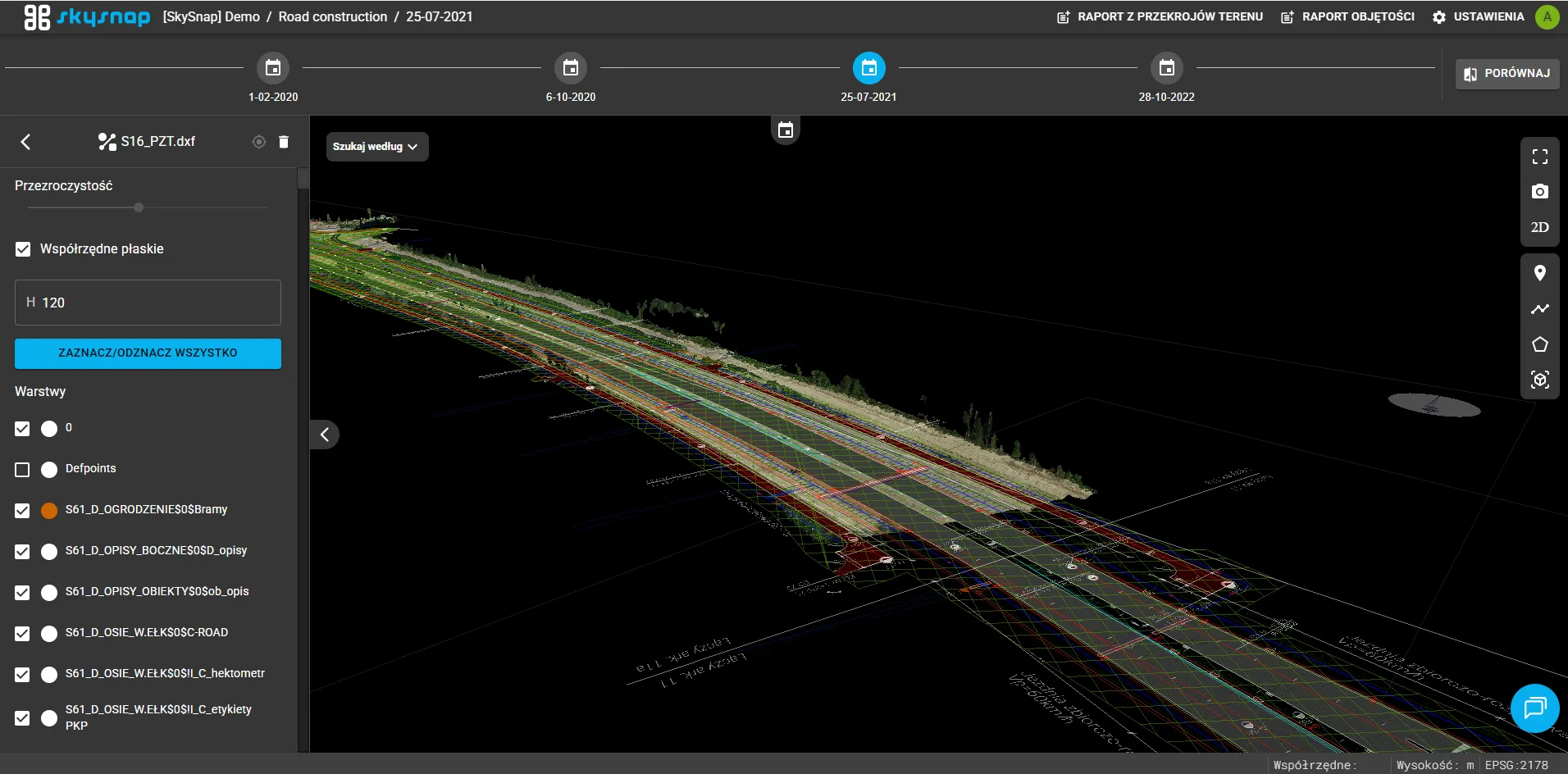
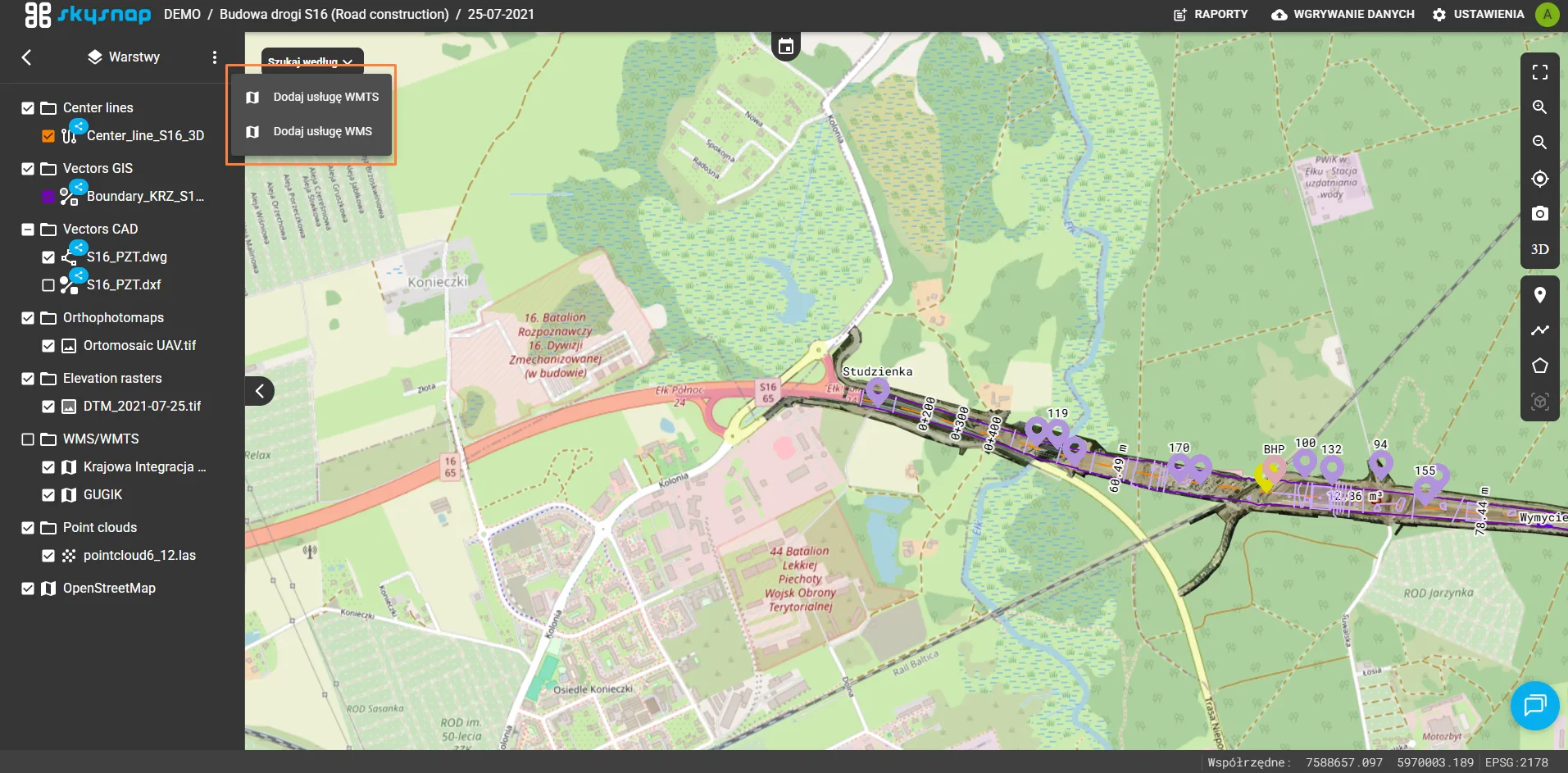
- Road construction: Drones made it possible to map routes accurately, speeding up the construction process.
- Construction monitoring: Many companies are using drones to oversee the progress of construction projects.
These cases show how valuable a tool drones can be in engineering.
Examples of realized field measurements
There are many examples of the use of drones in field measurements that have yielded tangible benefits.
- Mapping mountainous areas: Drones have made it possible to quickly and accurately map hard-to-reach mountainous areas.
- Forest inventory: thanks to drones, it was possible to determine the exact extent and condition of forests.
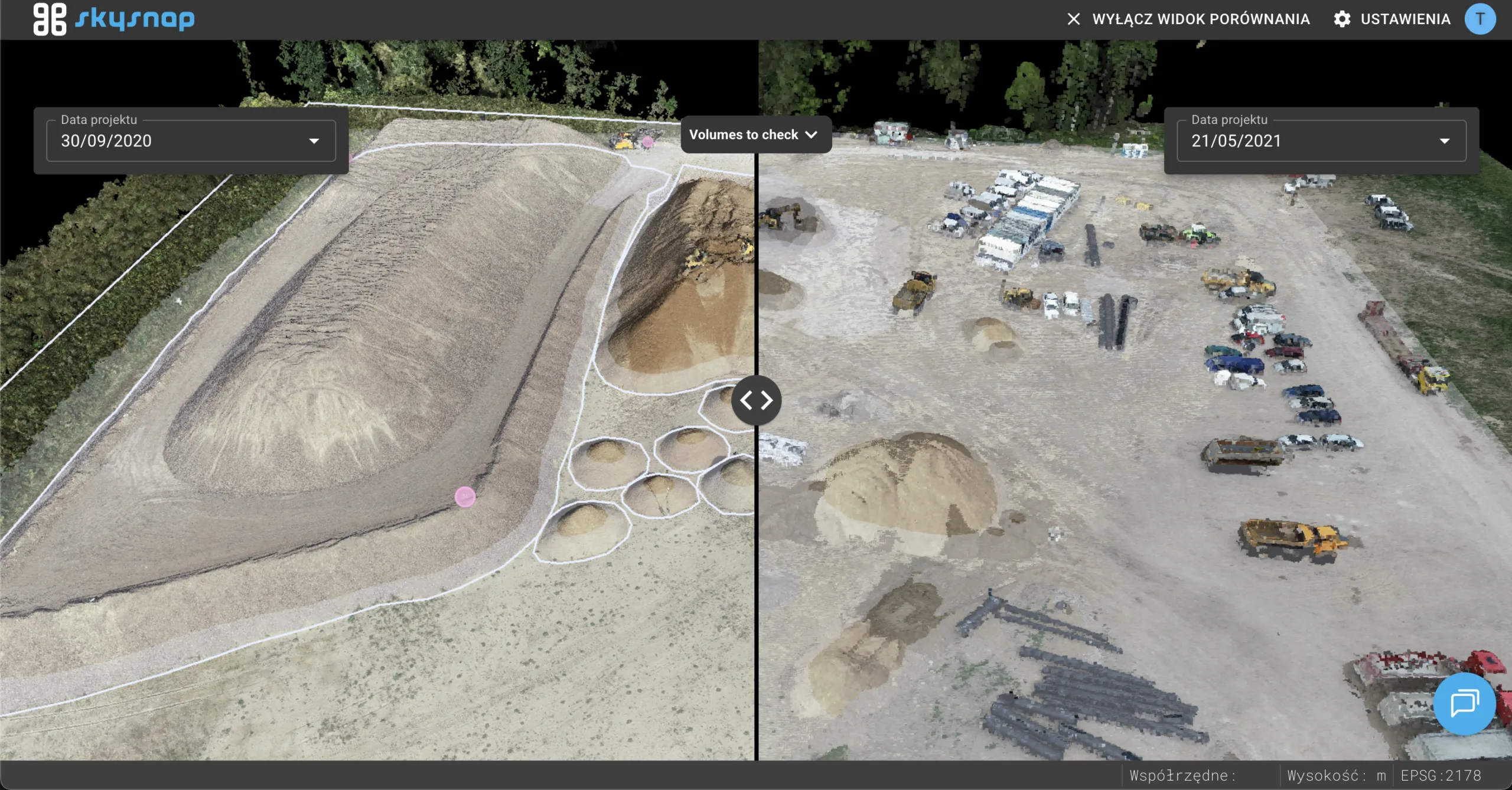
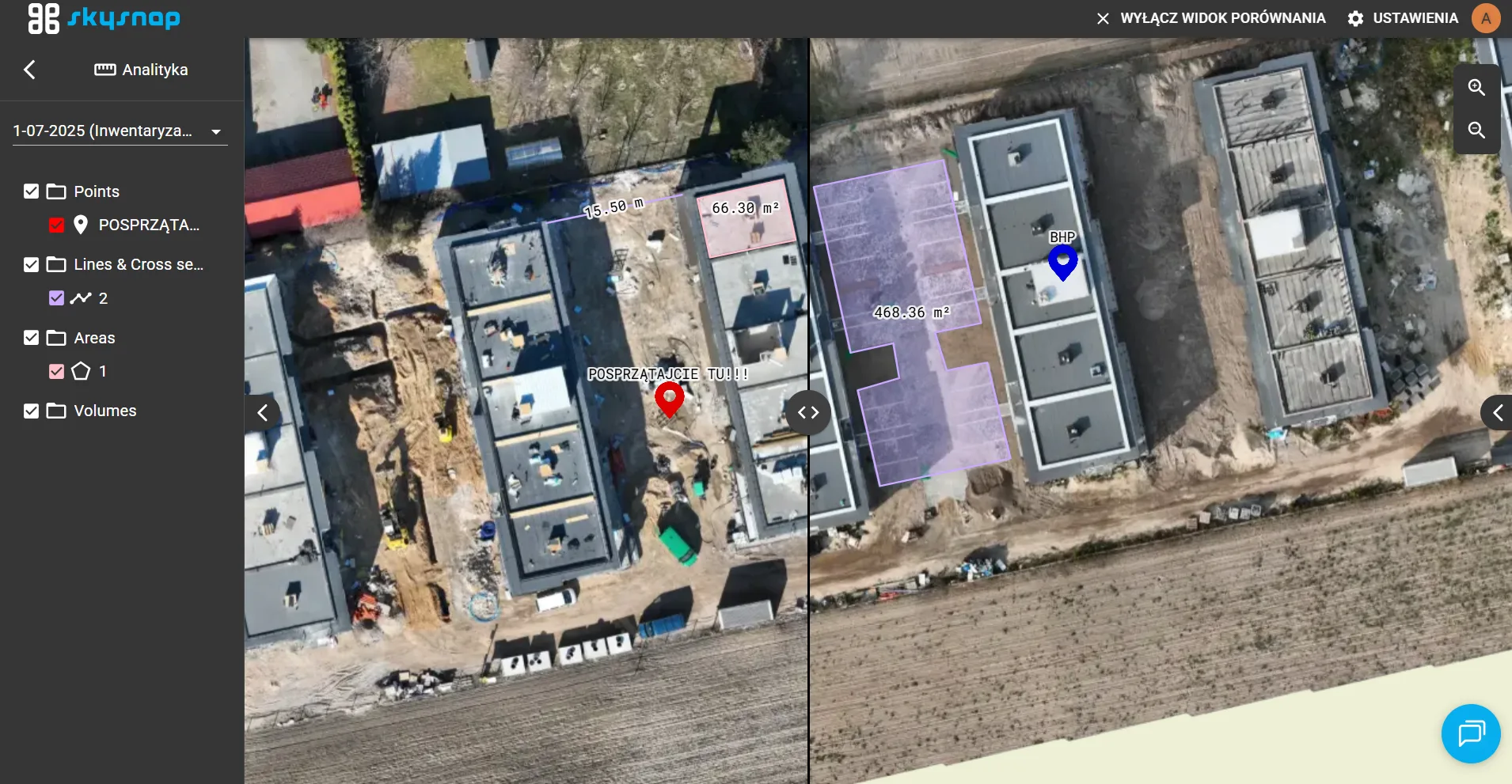
- Monitoring terrain changes: Landform changes were tracked with regular drone surveys.
These examples show how versatile drone technology can be in surveying.

Free E-book
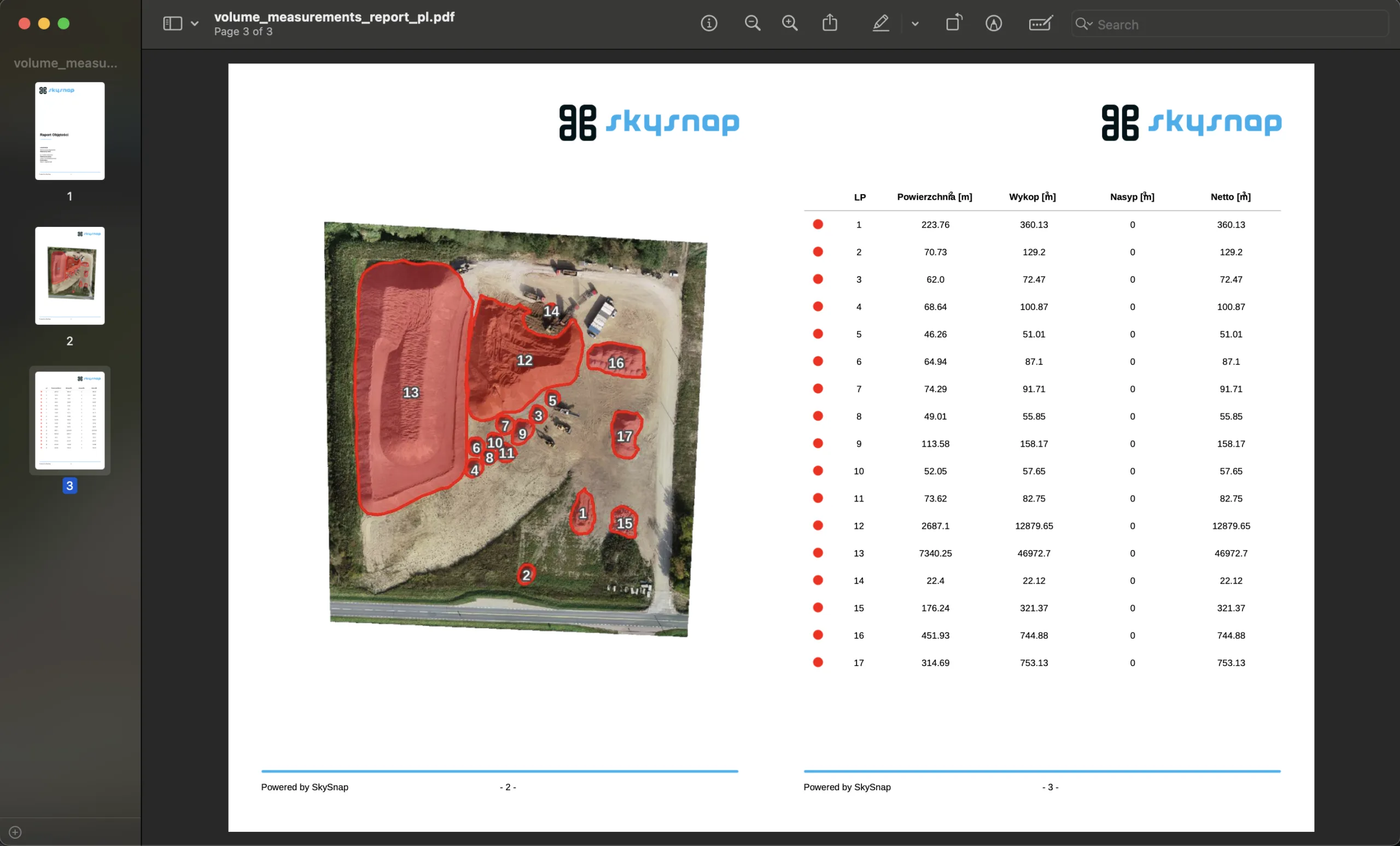
Measuring the volume of materials, aggregates and earthworks on a construction site is one of the most important uses of drones. Why? Because it’s time and money! Download our short e-book and learn how you can monetize your passion with drones.
Table of Contents:
Do you like the article? Share it with others!
Do you like the article? Share it with others!
Tips, news, insights
Related articles
Check out our articles and get the latest industry news.