What is LiDAR and how does it work? A guide for beginners
In today’s technological world, LiDAR is becoming an increasingly popular tool that is changing the way we see the world around us. The acronym stands for “Light Detection and Ranging” and refers to a technology that uses laser light to measure distances and create precise three-dimensional maps. Thanks to its ability to generate accurate environmental data, LiDAR has applications in a wide range of fields, from autonomous vehicles to archaeology. In this beginner’s guide, we’ll take a look at how this fascinating technology works and the benefits it can bring to various industries. Let’s dive into the world of LiDAR and discover its amazing capabilities.
Introduction to LiDAR technology
LiDAR technology, although it has been developing for many years, continues to surprise us with its capabilities and applications. In this section, we take a look at its roots and practical applications that are already impacting our daily lives.
History and development of LiDAR
LiDAR, short for Light Detection and Ranging, was initially used in atmospheric surveys in the 1960s. Developments in laser technology have made increasingly precise measurements possible, paving the way for new applications.
Over the years, LiDAR has undergone significant evolution, especially in terms of miniaturization and increasing accuracy. As a result, it has become accessible to a variety of industries, and its costs have decreased significantly.
Modern LiDAR systems are characterized not only by high precision, but also by fast data acquisition. Technological developments have made it possible to minimize the size of sensors, making it possible to install them in vehicles or drones.
LiDAR applications in everyday life
LiDAR has many applications that may seem surprising to the average user. Its use is not only limited to science and industry, but also affects our daily lives.
In smartphones, LiDAR technology is used to improve the quality of photos by precisely mapping the depth of a scene. Users can experience more realistic AR effects with this technology.
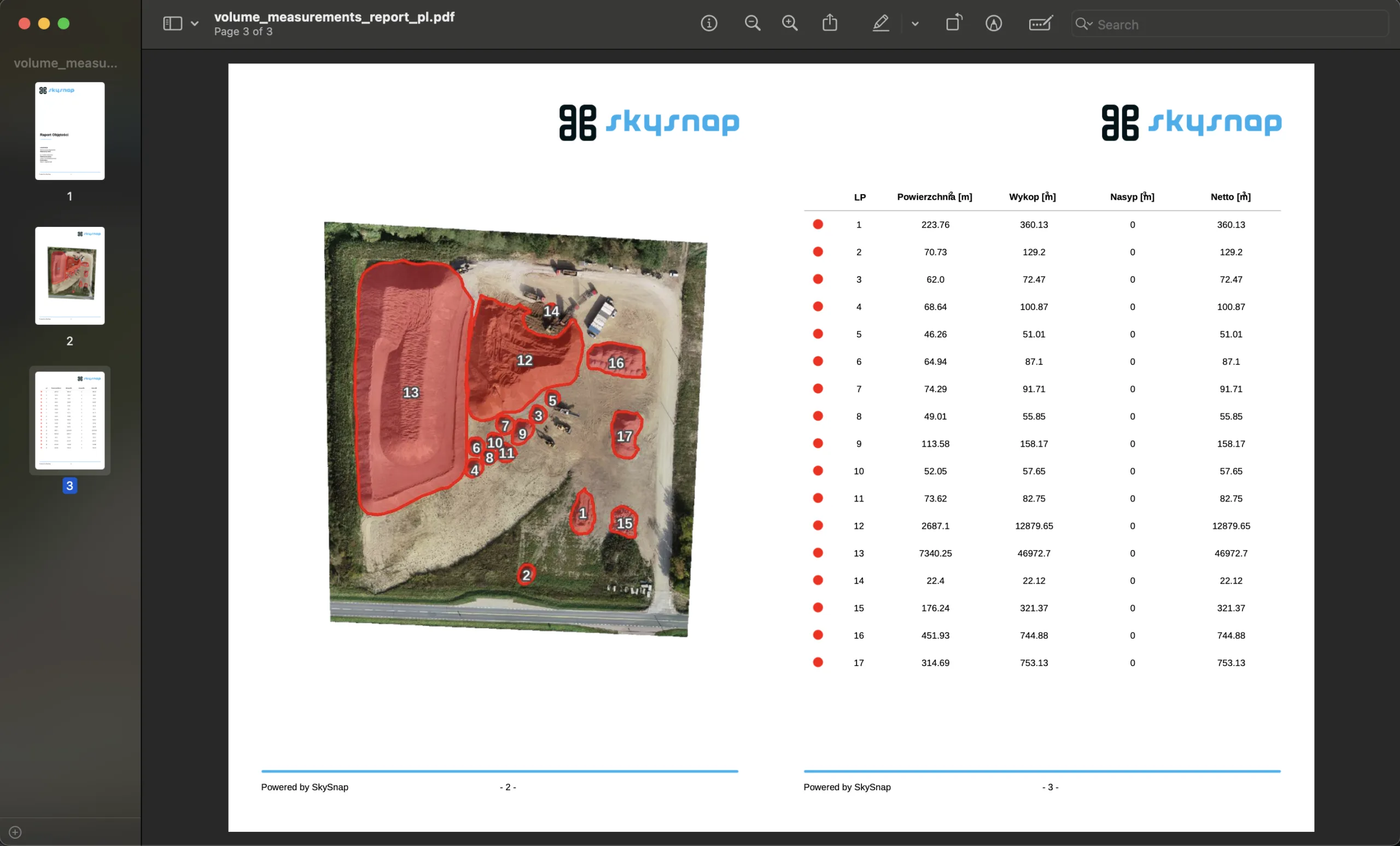
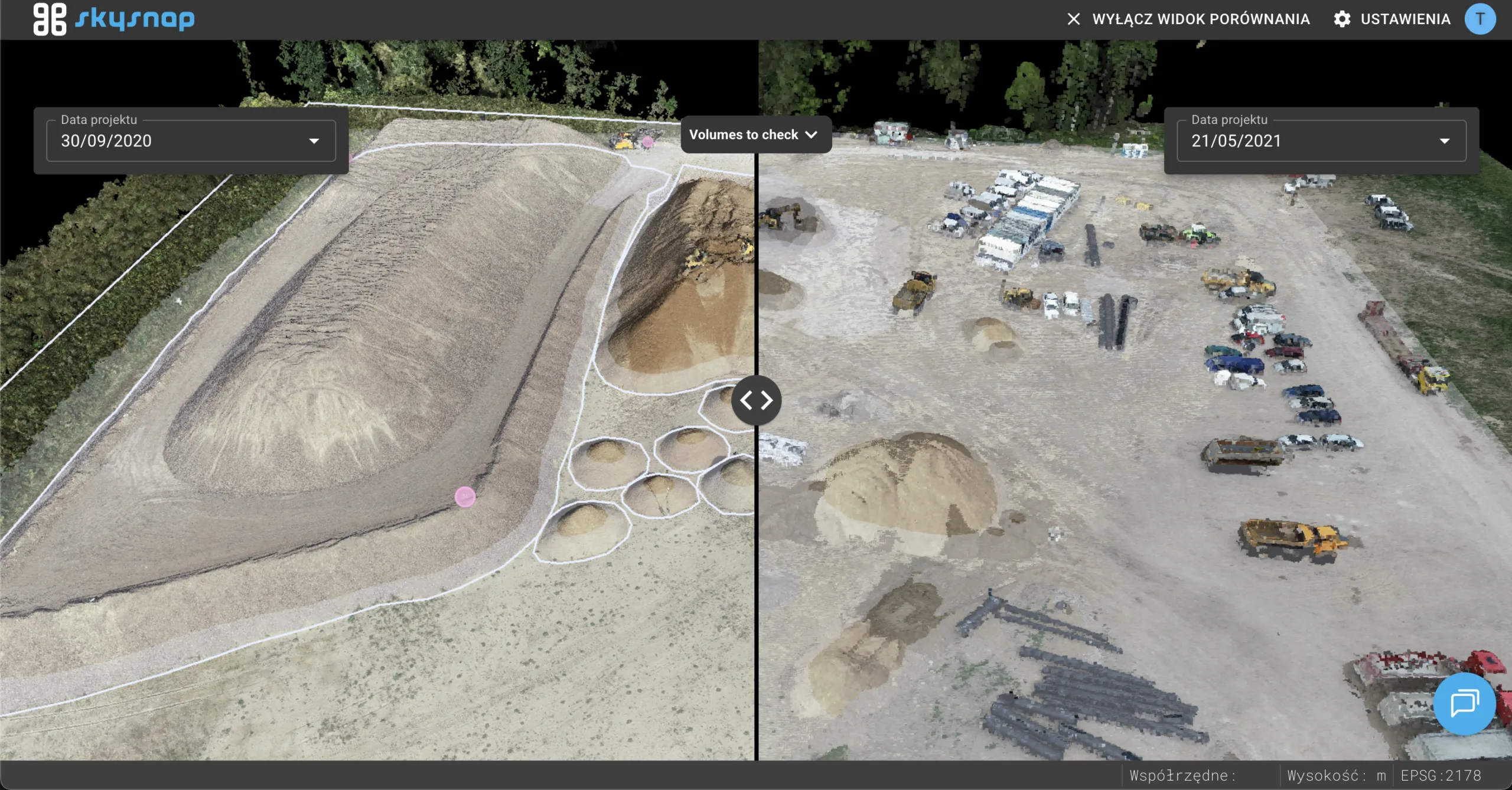
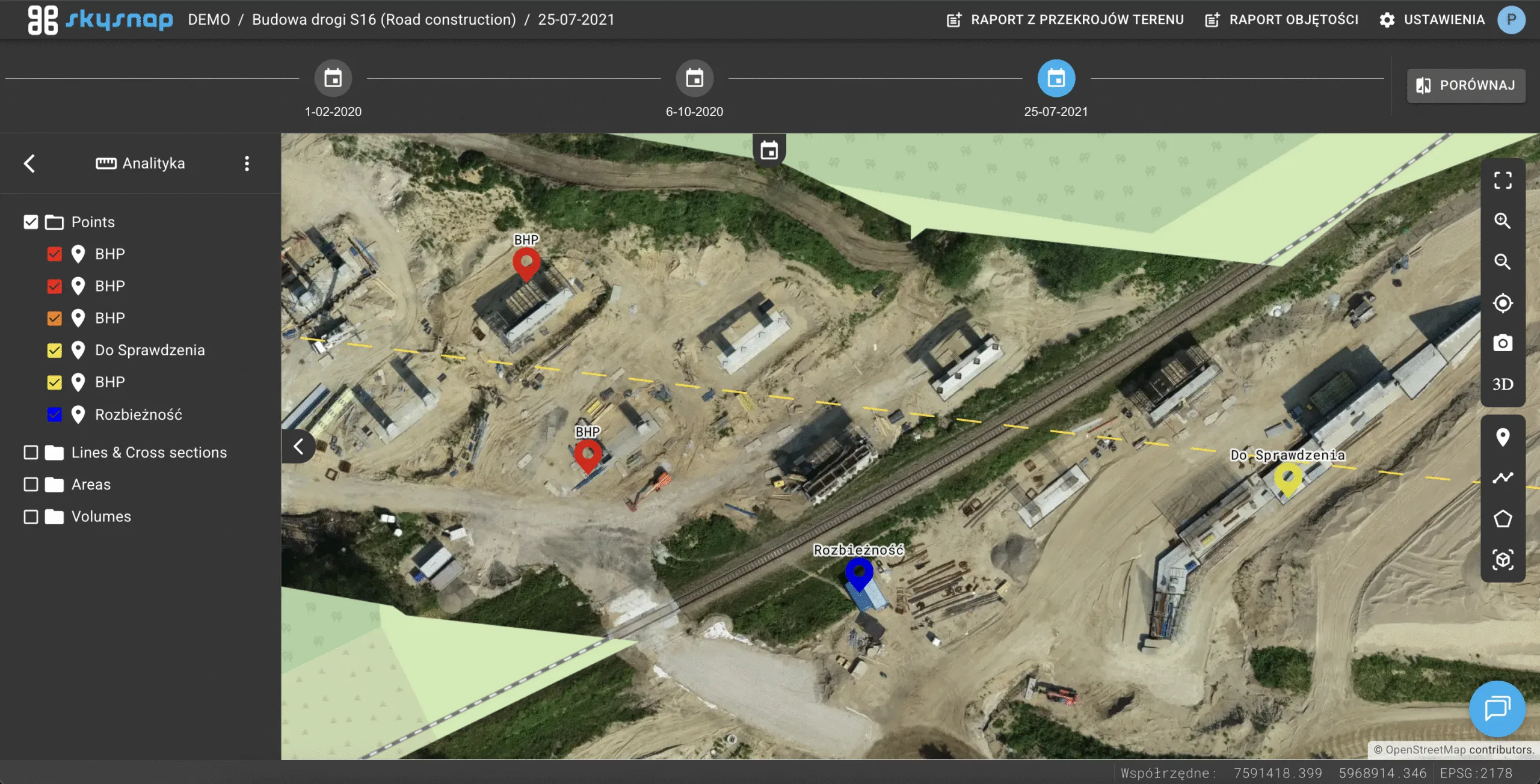
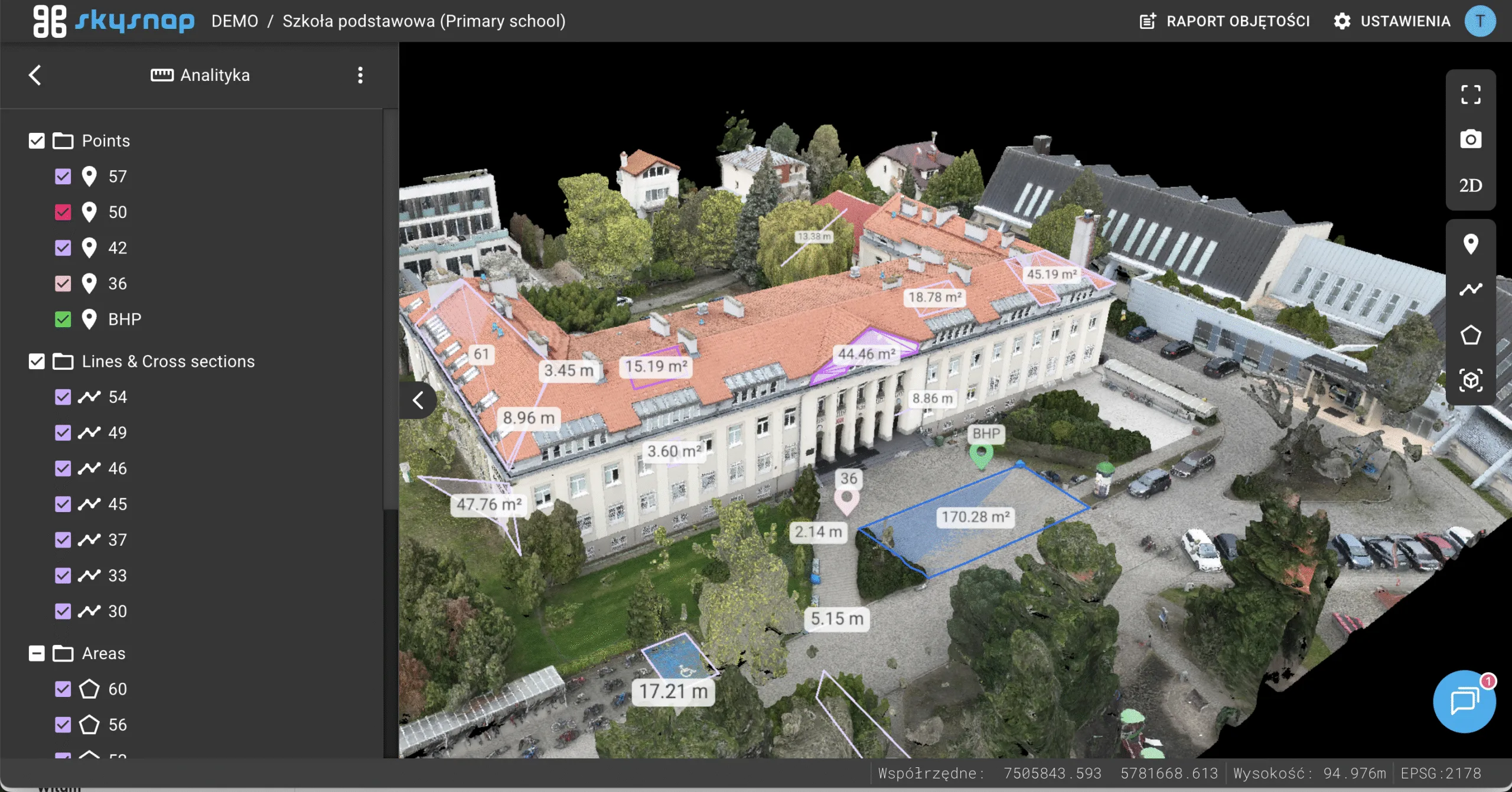
In addition, LiDAR is used in terrain mapping and creating accurate 3D models, which is useful in construction and urban planning. It makes it possible to create topographic maps quickly and accurately.
How LiDAR works
Understanding how LiDAR works is key to fully appreciating its capabilities. In this section, we will discuss the basic principles of operation and the main components that make up the LiDAR system.
Basic principles of operation
LiDAR works by sending a laser beam to an object and measuring the time it takes to return. This allows the distance to the object to be calculated with a high degree of accuracy.
- Laser pulse emission: The LiDAR system emits a pulse of laser light in the direction of an object or surface.
- Time measurement: The time taken for a pulse to fly from emission to return after bouncing off an object is measured.
- Distance calculation: Based on the measured time and speed of light, the exact distance is calculated.
Such a method produces detailed 3D maps that are invaluable for a wide range of applications, from surveying to autonomous vehicles.
Key components of the LiDAR system
Each LiDAR system consists of several key components that work together to provide precise measurement data. Understanding their functions is important to fully understand the operation of the entire system.
- Light source: the most common is a laser, which emits pulses of light.
- Detector: Receives the reflected pulses and measures their return time.
- Control system: Coordinates laser and detector operations, manages data.
- Data processing module: Analyzes the collected information and generates 3D maps.
Each of these elements plays a key role in the operation of LiDAR, providing precise and fast measurements.
LiDAR applications in various industries
LiDAR has revolutionized many industries, providing tools for precise mapping and analysis. In this section, we look at its applications in automotive and archaeology.
LiDAR in automotive
LiDAR plays a key role in the development of autonomous vehicles, providing the data necessary for navigation and obstacle avoidance.
- Precise mapping of the environment: Vehicles can accurately “see” their surroundings, making driving safer.
- Obstacle detection: LiDAR identifies obstacles, enabling better route planning.
- Integration with other systems: LiDAR data is often combined with information from cameras and radar to improve the precision of navigation.
LiDAR in archaeology
Archaeology has gained a new tool with LiDAR, which allows the discovery of hidden structures without excavation.
LiDAR allows archaeologists to map terrain in search of traces of ancient civilizations. Its use allows the discovery of structures buried underground that are invisible to the naked eye.
With this technology, it is possible to survey areas that are difficult to access, such as jungles or densely forested areas. LiDAR contributes to the preservation of cultural heritage by enabling more precise excavation planning.
The future of LiDAR technology
LiDAR technology is constantly evolving, offering new opportunities and posing new challenges. In this section, we will look at future innovations and the limitations we may face.
Innovation and new opportunities
LiDAR is becoming more and more advanced, and its applications are expanding into new areas. In the future, we can expect even greater precision and miniaturization of devices.
- Integration with AI: Using artificial intelligence to analyze LiDAR data.
- Agricultural applications: Precise mapping of farmland.
- Drone development with LiDAR: Better aerial land mapping capabilities.
Challenges and limitations
Despite its many advantages, LiDAR also faces some challenges and limitations that may affect its future development.
Costs: High implementation costs can limit technology availability.
Atmospheric conditions: factors such as fog or rain can affect the accuracy of measurements.
Privacy: The collection of ambient data raises privacy issues.
It will be crucial for the further development of LiDAR to overcome these limitations and apply the technology responsibly.
How to get started with LiDAR
For those who want to get started with LiDAR, it is crucial to understand what hardware and software you will need. In this section, we will outline the basic steps to get started with this technology.
Choosing the Right Equipment
When deciding to work with LiDAR, it is important to choose equipment that is tailored to the needs of the project. Here are some steps to help with the process:
- Determine project goals: Think about what you need LiDAR for and what your expectations are.
- Overview of available models: Check out the different devices in terms of range, accuracy and functionality.
- Budget: Decide how much you are able to invest in equipment.
Choosing the right device is key to getting the most out of LiDAR.
Basic software and tools
To work with LiDAR data, you will need the right software to analyze and process it. Here are some of the most important tools to consider:
QGIS: Popular open-source software for analyzing GIS data.
AutoCAD: A design tool that can be used to work with LiDAR data.
CloudCompare: Point cloud visualization and analysis software.
Beginners should start with simple tools to gradually learn about the possibilities offered by LiDAR technology.

Free E-book
Learn how to prepare a mission step-by-step, avoid raid mistakes and create accurate orthophotos and 3D models. The perfect guide before your first commercial assignments.
Table of Contents:
Do you like the article? Share it with others!
Do you like the article? Share it with others!
Tips, news, insights
Related articles
Check out our articles and get the latest industry news.