How surveyors can use drones to make their work more efficient
In the age of modern technology, surveyors are increasingly turning to drones – tools that are revolutionizing field surveying. Drones make it possible to collect data quickly, accurately and safely, which in practice means reducing project times and increasing accuracy.
In this article, we take a look at how drones support the daily work of surveyors, the benefits of deploying them, and the challenges to be faced.
Drones in surveying – advantages and development
Benefits of using drones
The introduction of drones into surveying has revolutionized the way we collect field data. These unmanned aerial vehicles offer new opportunities that were previously unattainable with traditional methods. In this section, we take a look at what benefits drones bring to geodesy and how their history of applications in the field has evolved.
Benefits of using drones
Drones in surveying introduce numerous benefits. First and foremost, they increase the efficiency of the work, enabling quick and precise data collection from hard-to-reach locations. Compared to traditional methods, the use of drones makes it possible to significantly reduce the time required for surveying.
Another advantage is the accuracy and detail of the data. Drones equipped with modern cameras and sensors can create detailed maps and 3D models, which is invaluable for planning and implementing engineering projects.
Finally, drones reduce operating costs. Fewer people needed to operate the equipment, shorter working hours, and the ability to collect data remotely are all factors that reduce surveying expenses.
History of drone applications in surveying
The history of drone applications in surveying is relatively new, but dynamic. Initially, drones were used mainly for military purposes, but over time they have found their way into civilian applications, including surveying.
The potential of drones in mapping and terrain modeling began to be recognized in the early 21st century. Their use in surveying gained momentum as technology advanced to equip drones with advanced cameras and sensors.
Today, drones are an integral part of a surveyor’s work, offering not only greater accuracy, but also the ability to work in difficult terrain. The development of technology is still ongoing, which allows for the introduction of newer and newer solutions.
Drone technology in surveying
Drone technology in surveying is constantly evolving, providing new tools and capabilities. In this section, we will discuss what types of drones are most commonly used in geodesy and what software supports their work to facilitate data collection and analysis.
Types of drones used in surveying
Several types of drones are used in surveying, each with its own unique characteristics.
- Popular models are rotorcraft drones, which are characterized by high maneuverability and the ability to maintain a stable position in the air.
- Fixed-wing dronesare used for long-range land surveys. They have a longer range and can cover larger areas in less time, which is useful for extensive mapping.
Both types of drones can be equipped with a variety of sensors and cameras, including lidar, allowing precise data collection in a variety of terrain conditions.
Drone support software
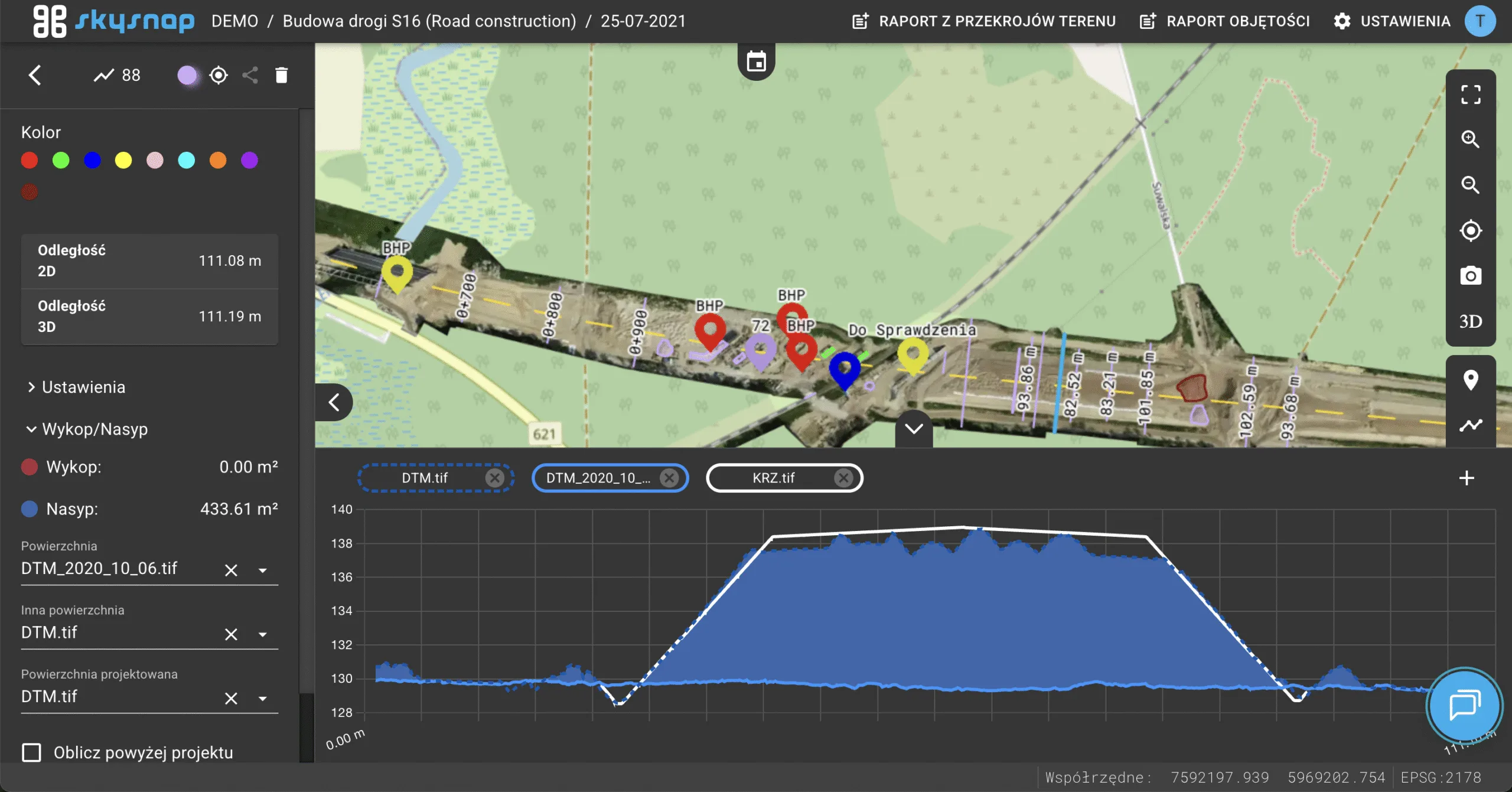
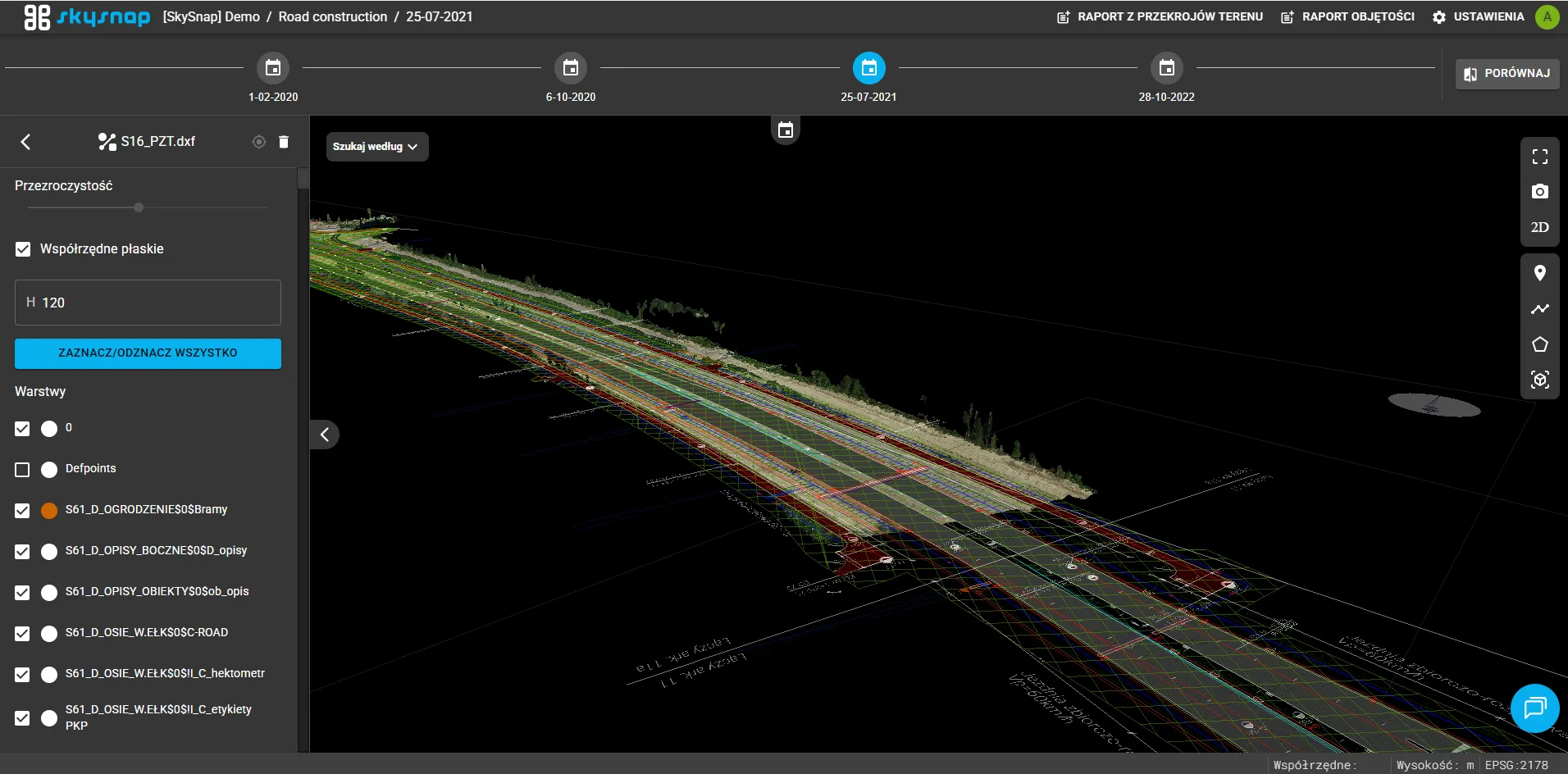
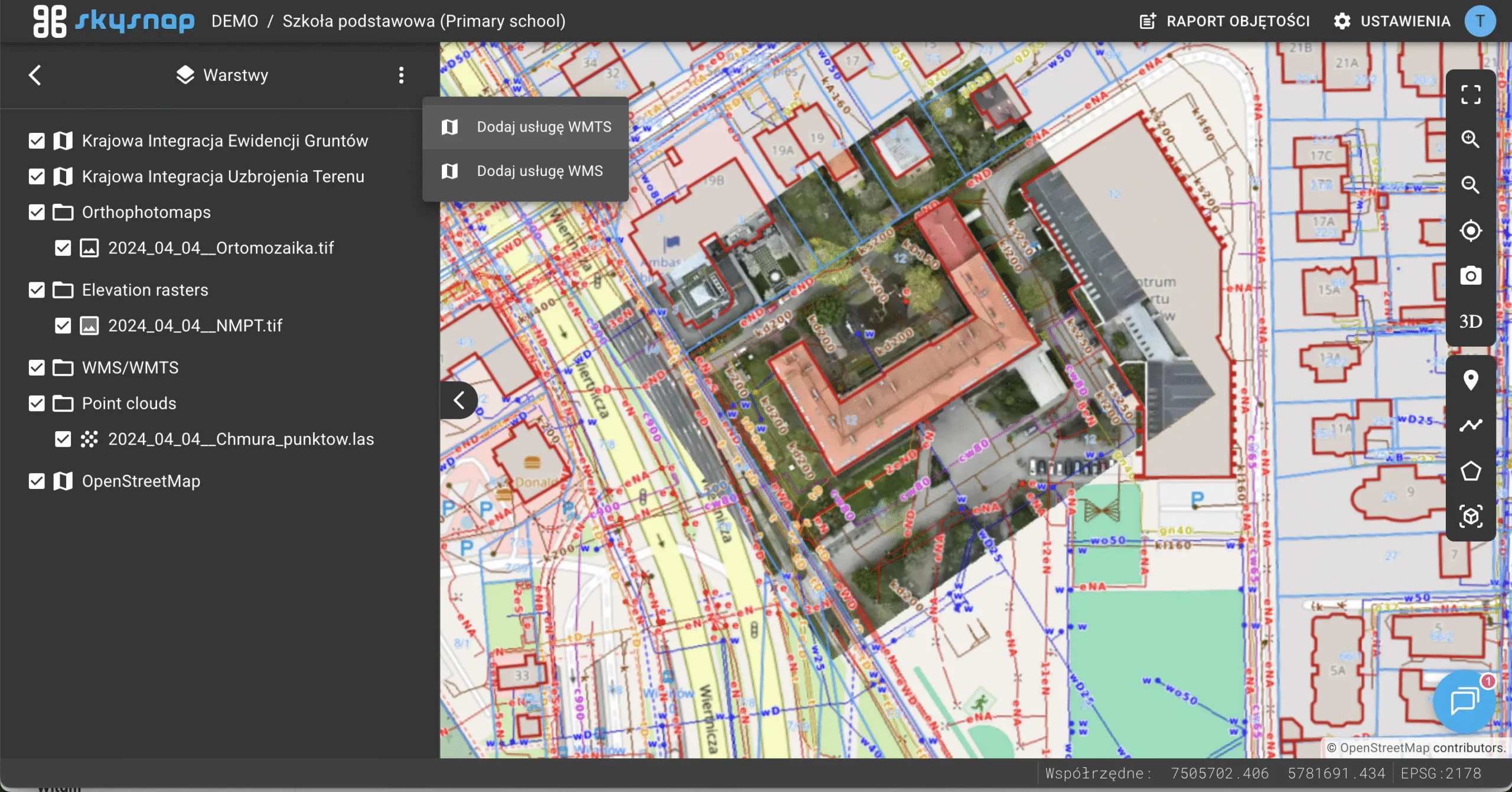
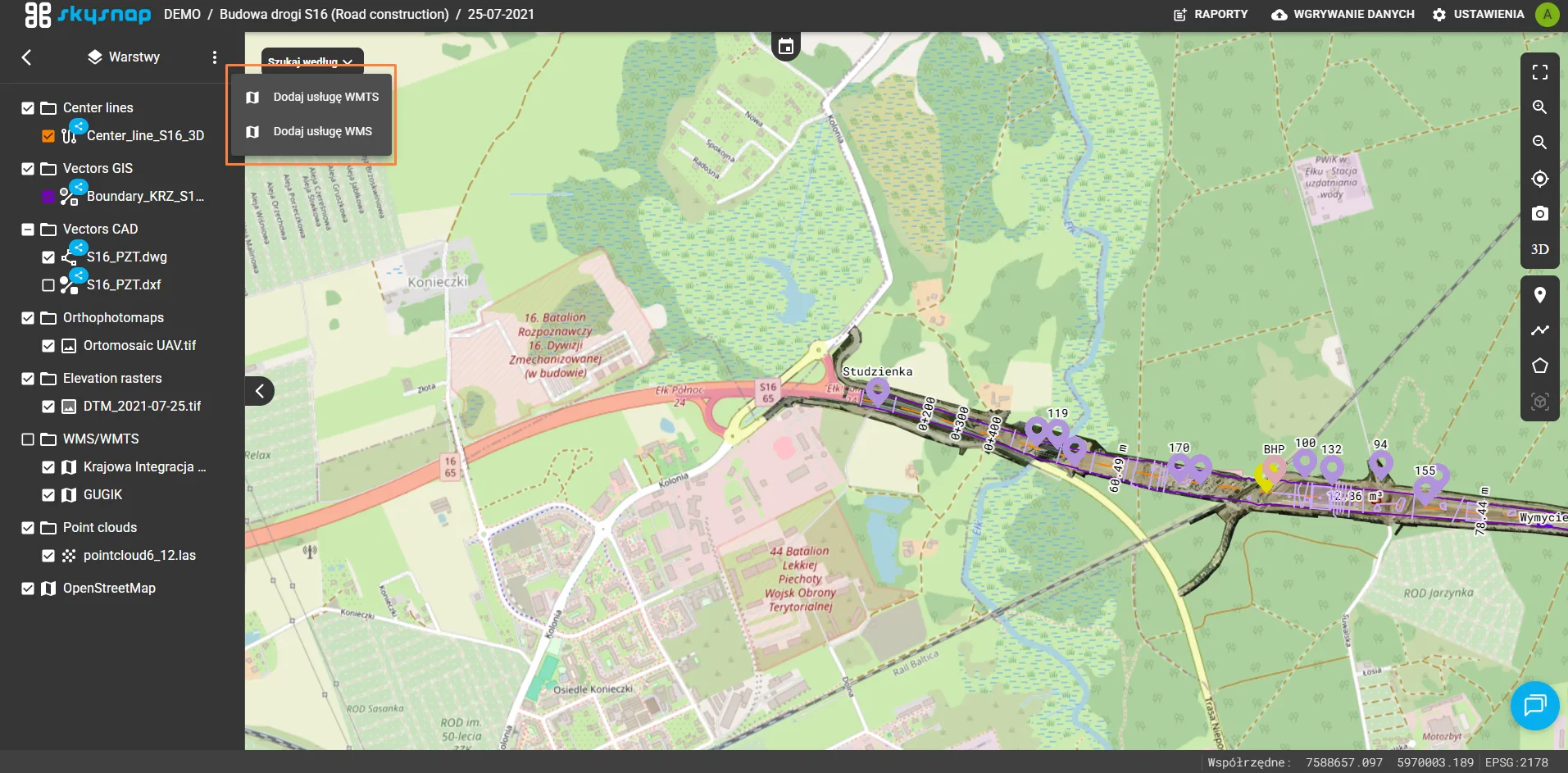
Software is a key element in the work of surveying drones. It makes it possible not only to plan aerial missions, but also to analyze and process the collected data.
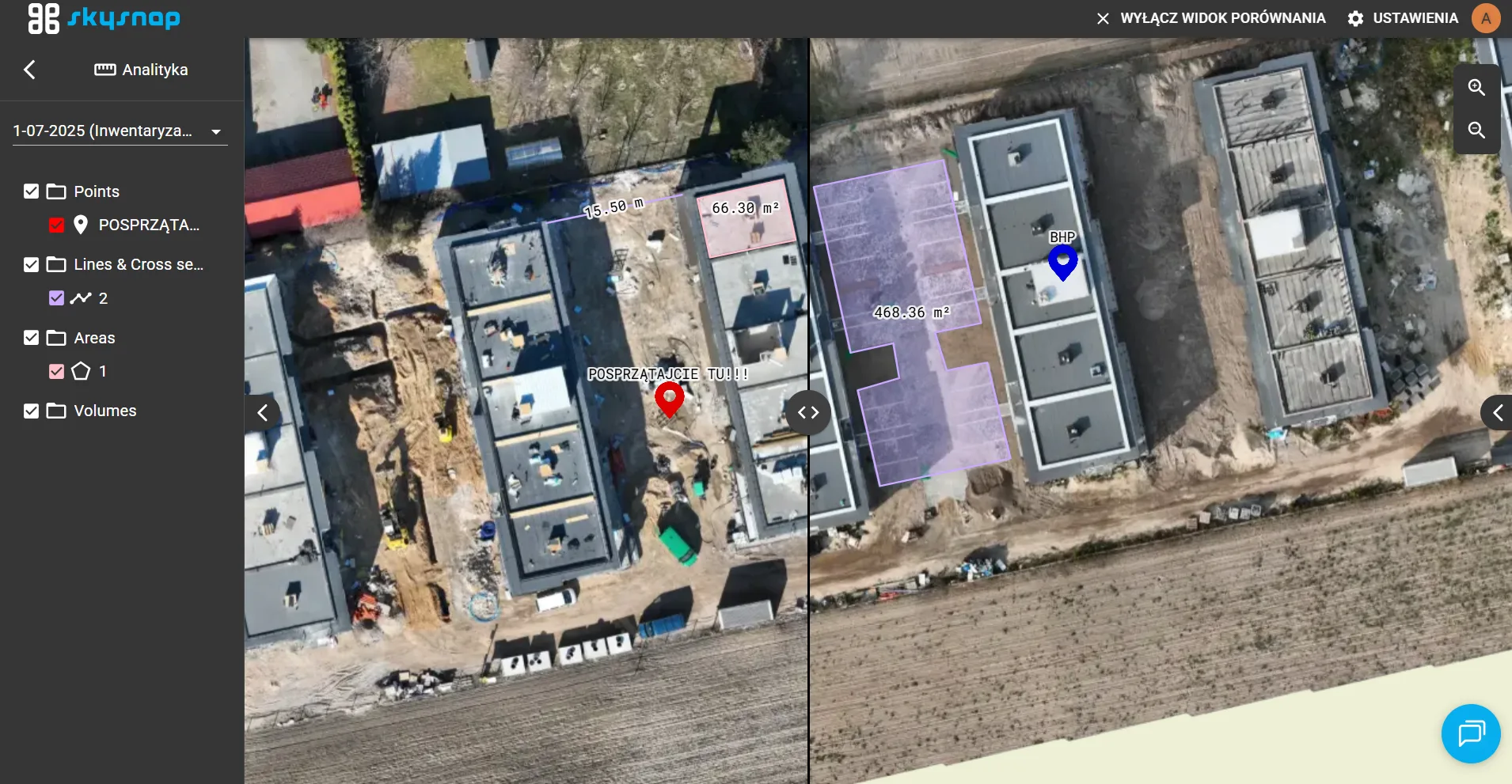
Programs such as DroneDeploy and Pix4D offer features that enable the creation of accurate maps and 3D models. Once the mission is complete, the data is sent to the cloud, where it is processed and analyzed.
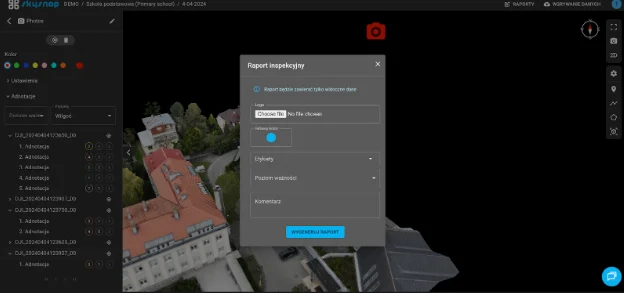
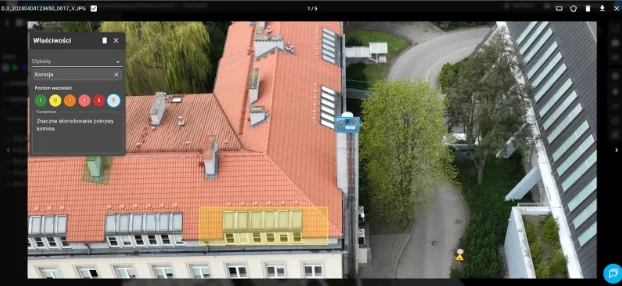
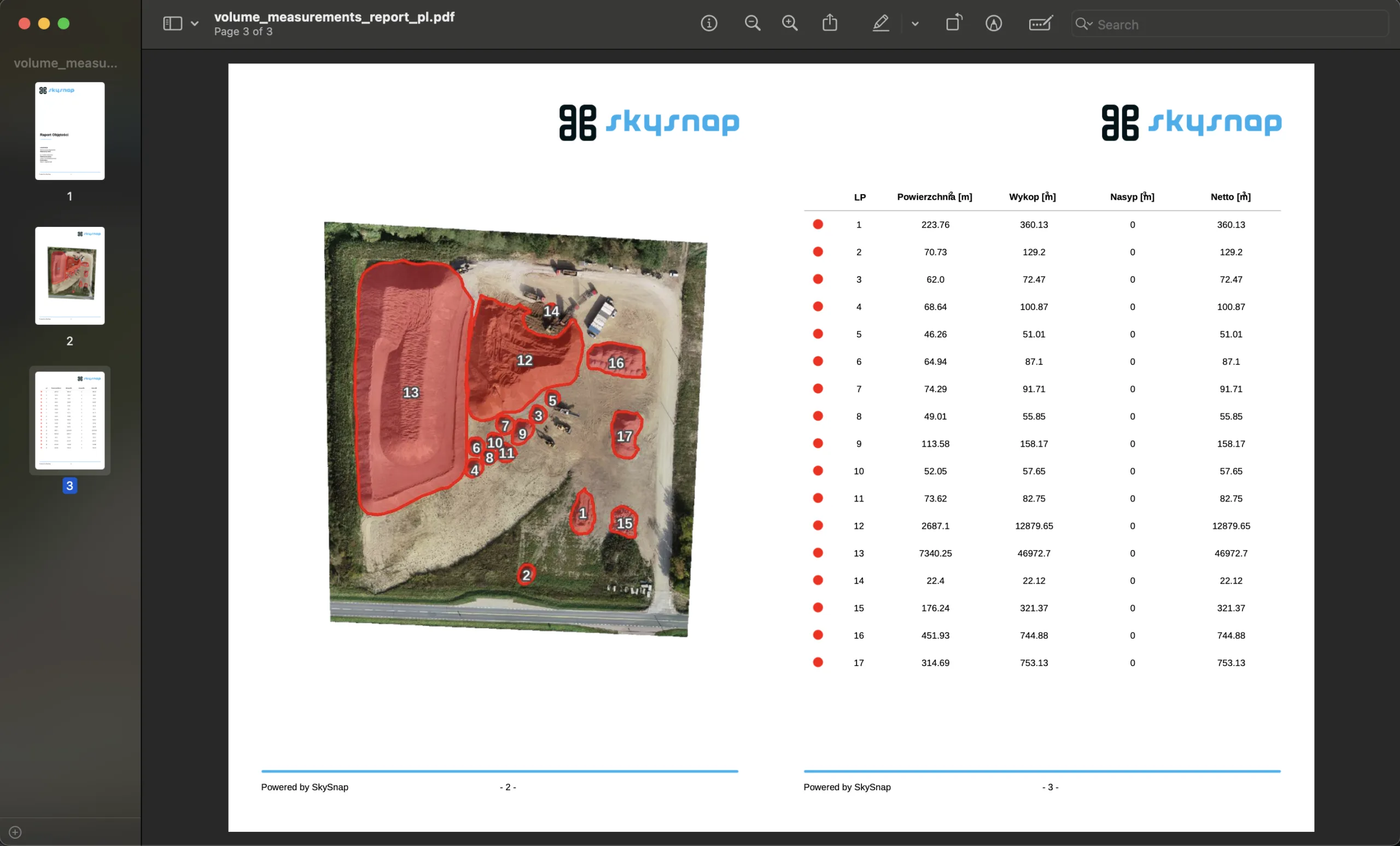
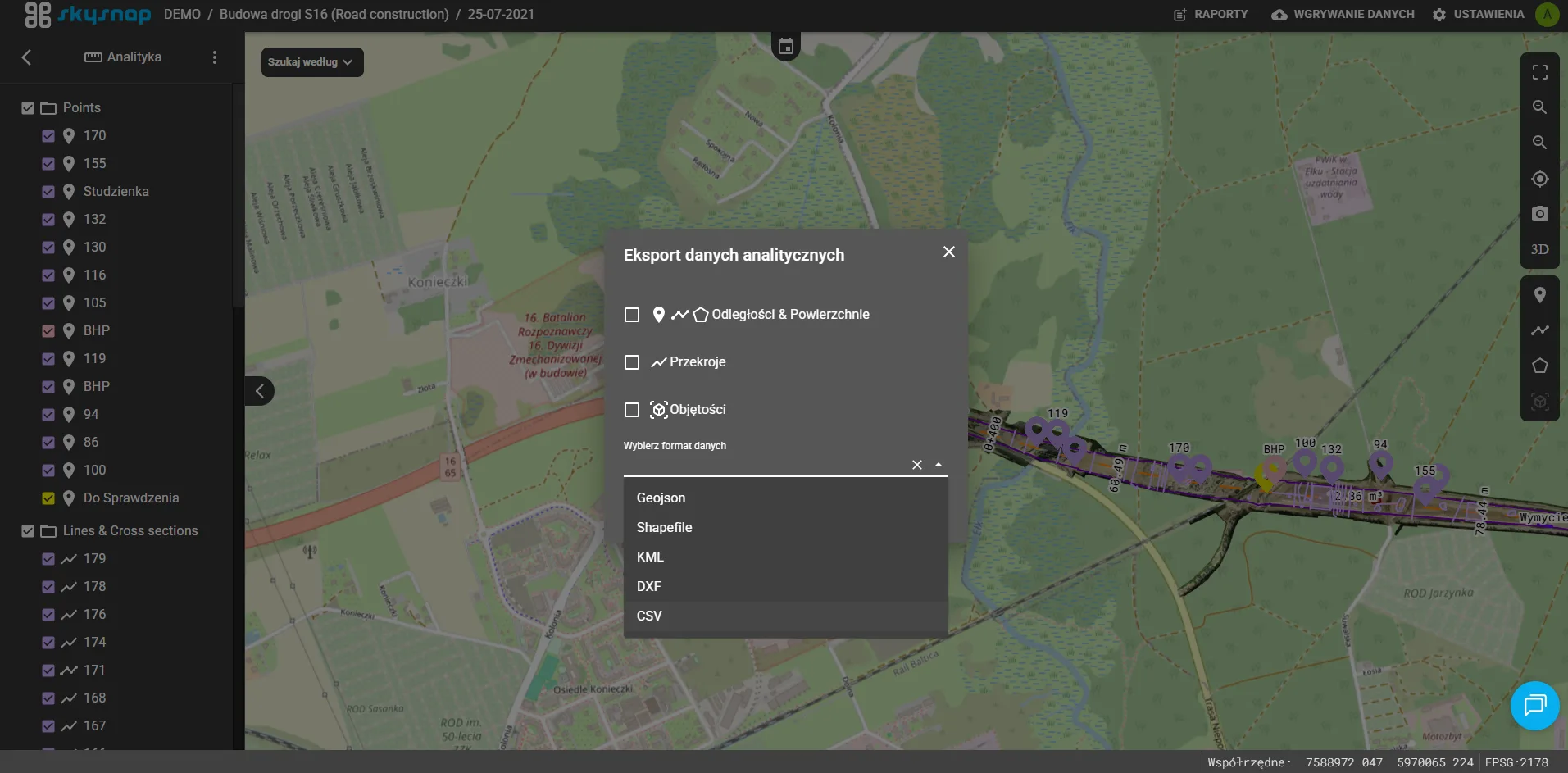
Thanks to advanced algorithms, the software allows automatic detection of anomalies and generation of reports, which greatly facilitates the work of surveyors and improves the quality of services provided.
Drone applications in surveying
Drones in surveying are used in a wide range of applications, from land mapping to infrastructure inspections. In this section, we take a look at exactly how drones are being used in various aspects of surveying, offering new opportunities and improving traditional methods.
Terrain mapping and 3D modeling
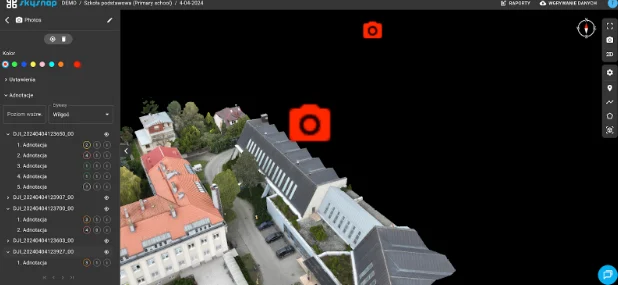
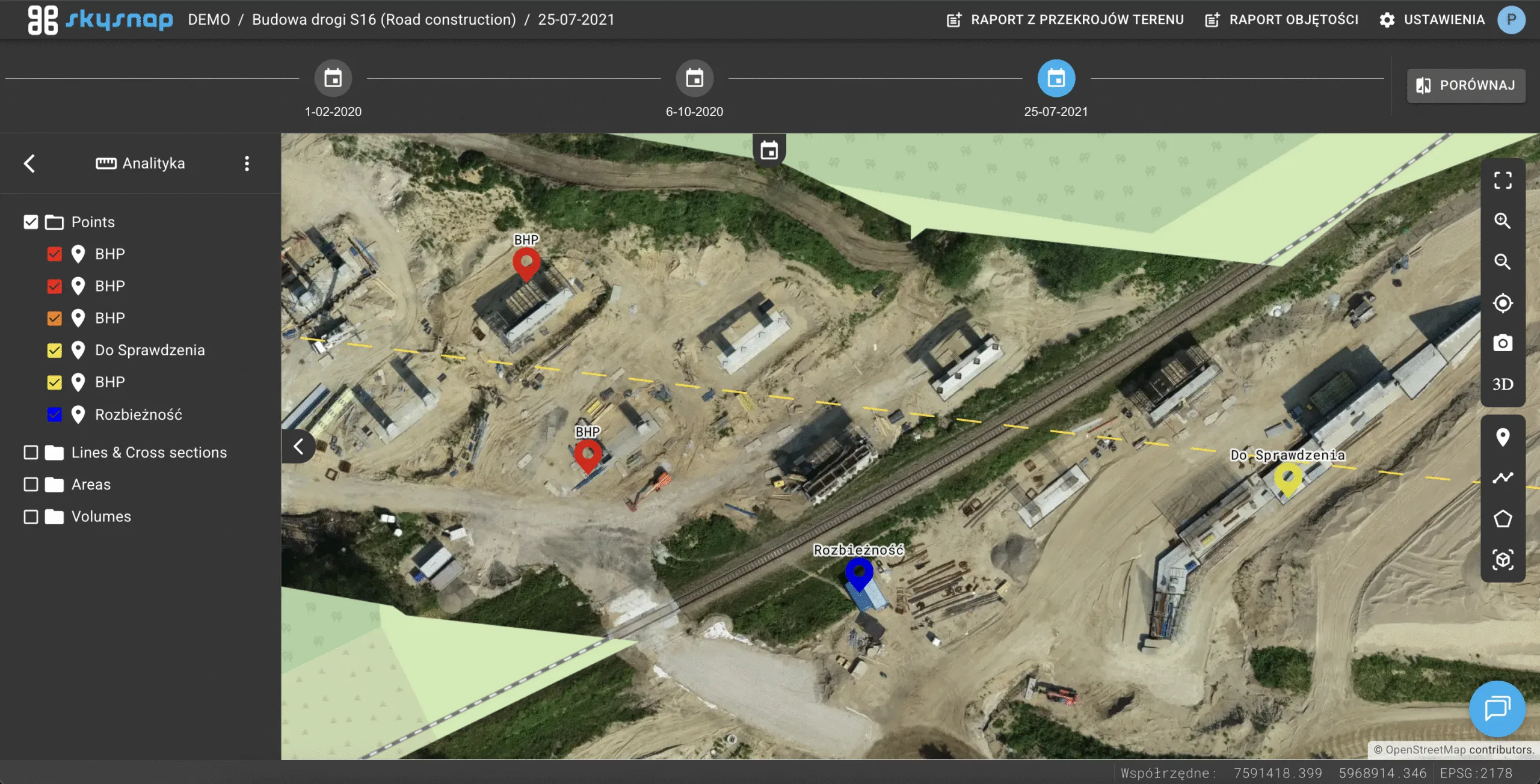
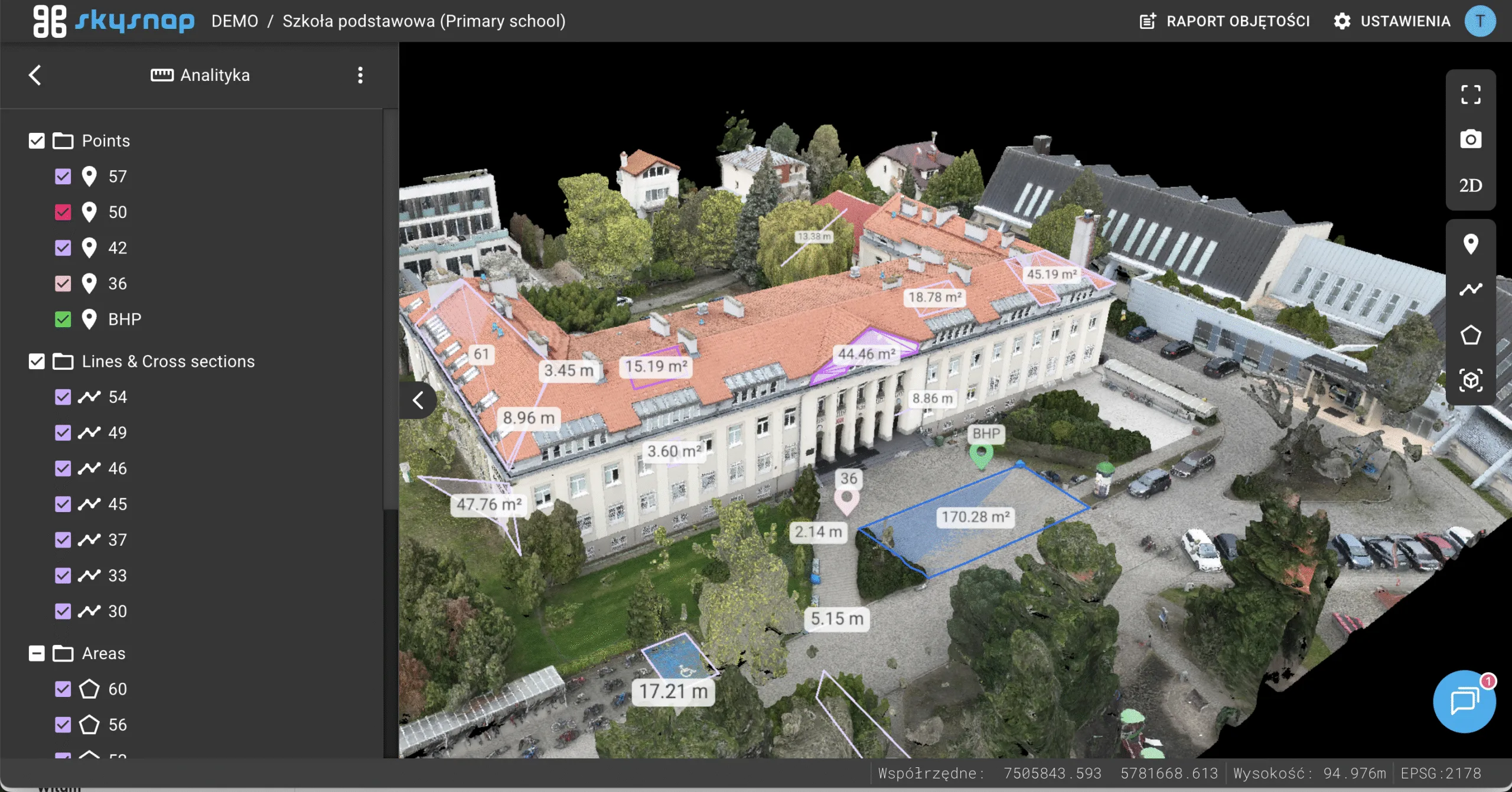
Drones have become an indispensable tool for mapping terrain and creating 3D models. With advanced cameras and lidar, drones can collect data that is then processed into detailed maps and models.
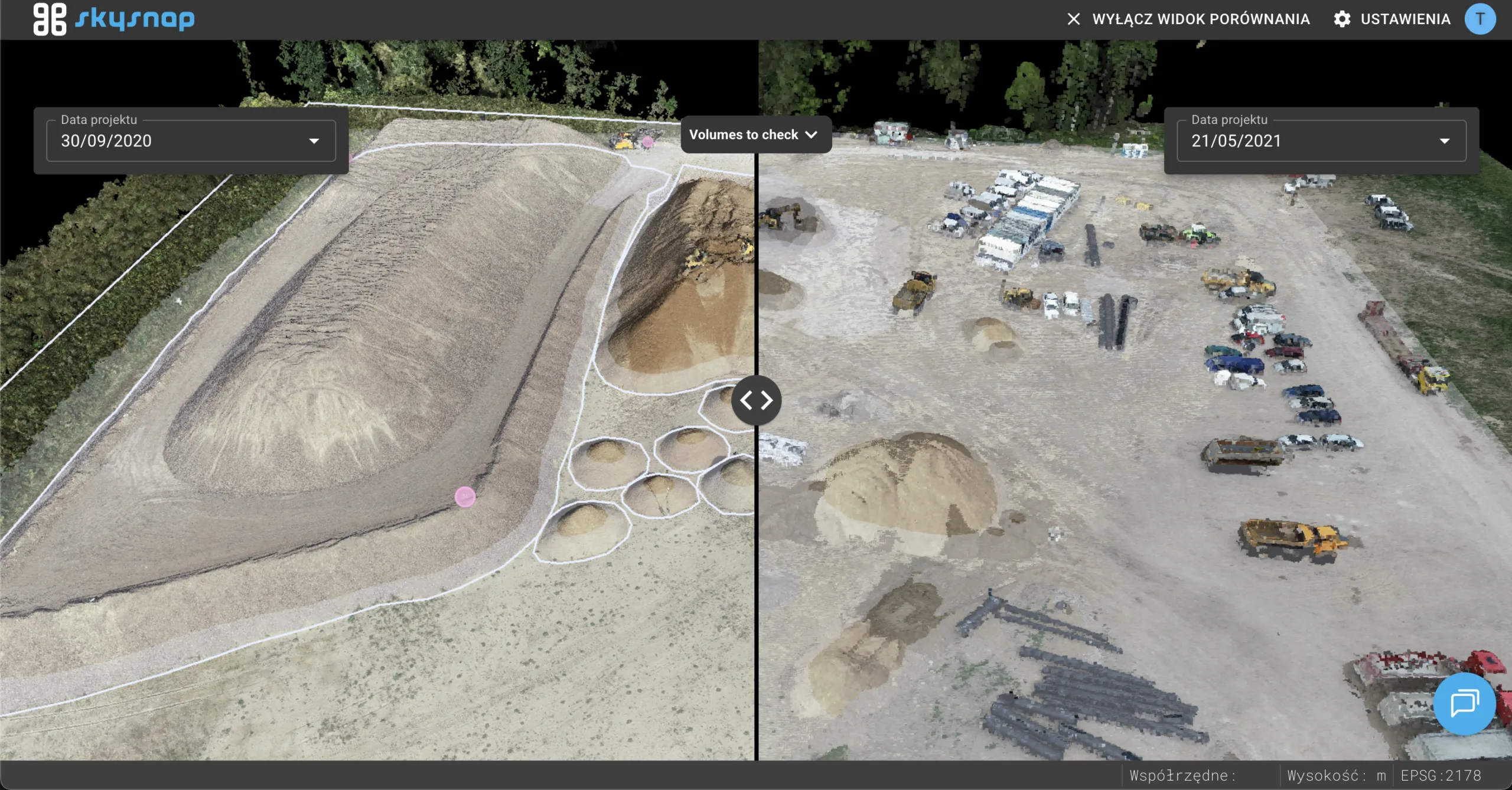
The mapping process begins with the planning of a flight mission to collect the most accurate data possible. Once the flight is completed, the collected data is transferred to the software, where it is analyzed and transformed into 3D models.
With this technology, surveyors can get an accurate picture of the site, which is invaluable for planning construction projects and managing properties.
Construction and infrastructure inspections
Drones are also used for construction and infrastructure inspections. They allow inspections to be carried out quickly and safely, eliminating the risks associated with working at height.
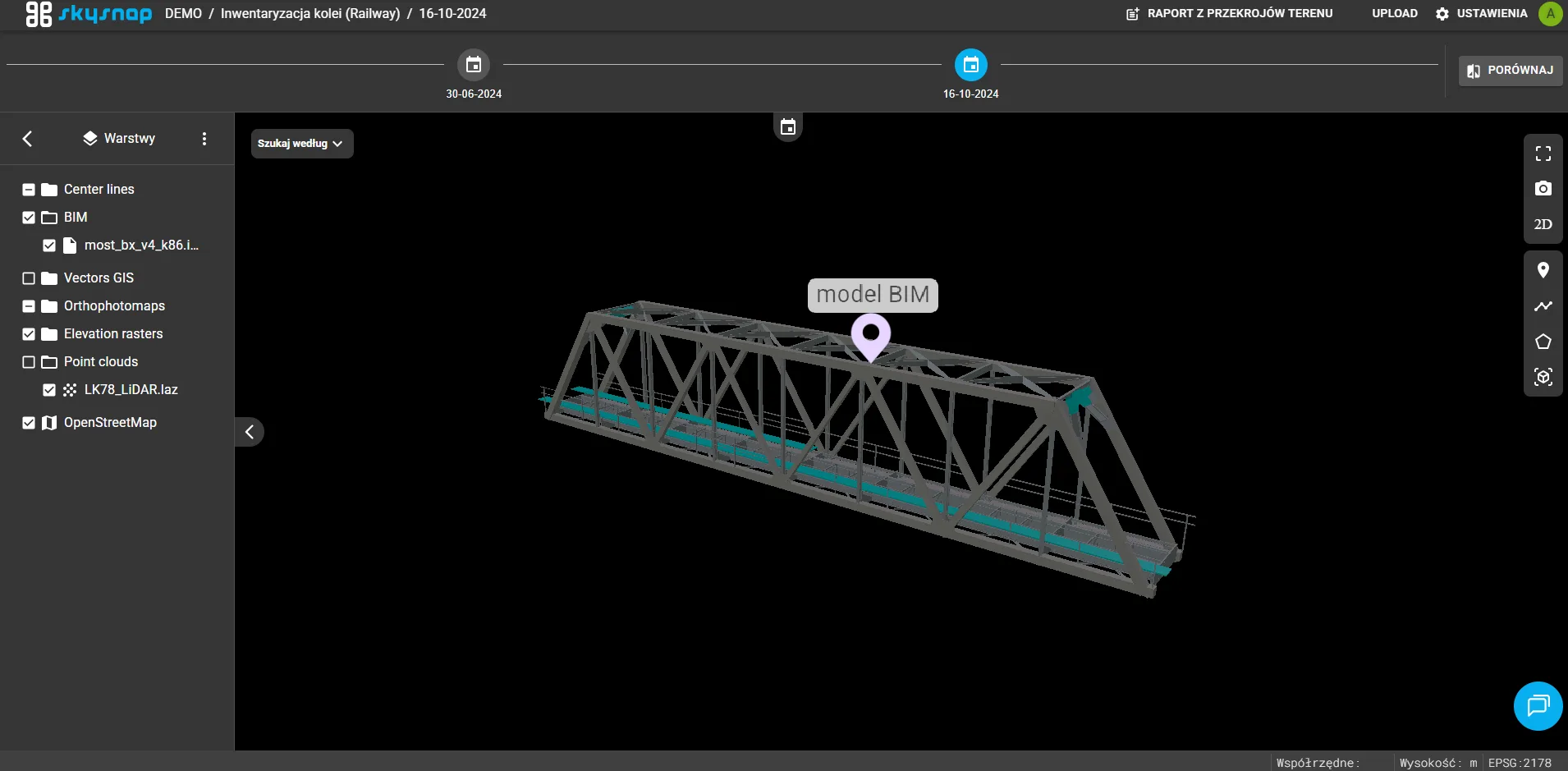
Drone inspections include an overview of structures such as bridges, towers and buildings. With high-quality photos and videos, engineers can accurately assess the condition of structures.
The use of drones in inspections helps detect defects quickly, helping to increase safety and extend the life of infrastructure.
Challenges and the future of surveying with drones
Despite the many benefits, the use of drones in surveying comes with some challenges. In this section, we will discuss the legal barriers that may limit their use, and future trends that may affect the development of drone surveying.
Legal barriers and regulations
One of the main challenges in using drones in surveying is legal barriers. Regulations on drone use are strict and vary from country to country, which can hinder surveyors’ work.
In many countries, in order to legally operate a drone, it is necessary to obtain the appropriate permits and licenses. Additionally, drones must be operated in a manner that complies with privacy and security regulations.
Cooperation with local authorities and an understanding of applicable regulations is essential to avoid legal problems and realize the full potential of this technology.
Future trends and innovations in drone surveying
The future of drone surveying looks promising, with many new trends and innovations on the horizon. Developments in technology are allowing more and more advanced solutions to be introduced.
One of the key trends is the integration of drones with AI technologies, which enables automatic data analysis and report generation. Another innovation is the development of hybrid drones, which combine the advantages of rotorcraft and fixed-wing aircraft.
With these and other innovations, drone surveying is becoming more efficient and precise, opening up new opportunities for the industry.
Practical tips for surveyors
For surveyors who want to realize the full potential of drones, it’s important to know the best practices related to their use. In this section, we’ll cover how to choose the right drone and what training can help.
How to choose the right drone
Choosing the right drone for surveying tasks is crucial. There are several important factors to consider when choosing one:
- Range and durability – Make sure the drone has sufficient flight range and can operate in harsh conditions.
- Equipment – Make sure your drone is equipped with the right sensors and cameras to meet your needs.
- Cost and service – Consider not only the cost of purchase, but also the cost of operation and service.
A careful analysis of these factors will help you choose the drone that best meets your requirements.
Training and certification for surveyors
To get the most out of drones, surveyors should invest in proper training and certification. This will help them gain not only technical knowledge, but also practical skills.
Training courses include drone operation, mission planning and data analysis. Many institutions offer courses that result in certification, which is often required by law.
With the right training, surveyors can gain a competitive edge and increase the efficiency of their work by taking full advantage of the potential of drone technology.
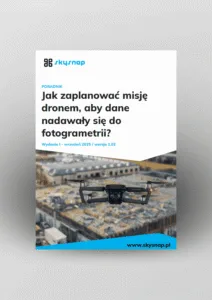
Free E-book
Learn how to prepare a mission step-by-step, avoid raid mistakes and create accurate orthophotos and 3D models. The perfect guide before your first commercial assignments.
Do you like the article? Share it with others!
Do you like the article? Share it with others!
Tips, news, insights
Related articles
Check out our articles and get the latest industry news.