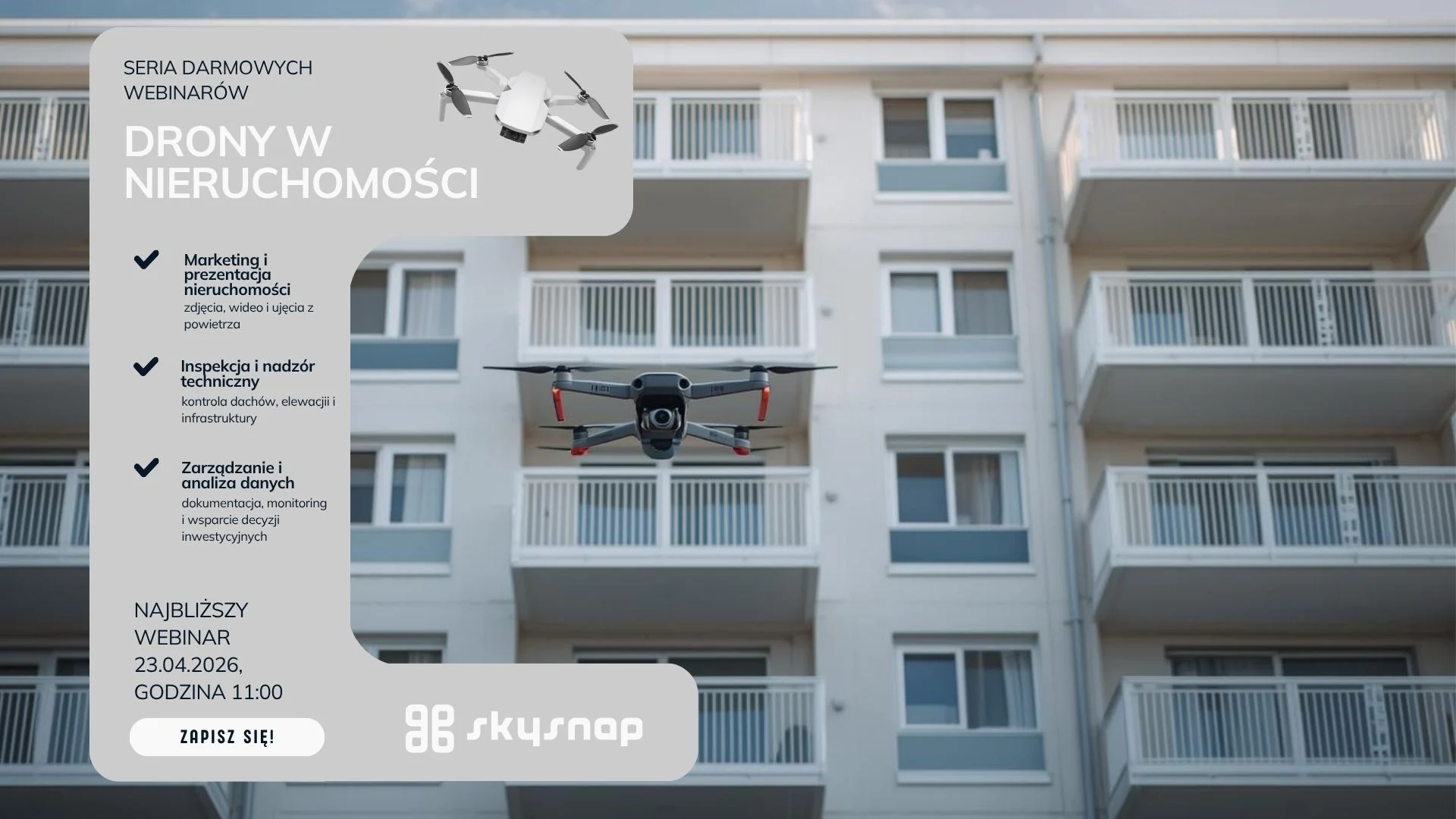
How drones are revolutionizing inspections: A practical guide
Drones are changing the way inspections are conducted, offering fast, accurate and modern methods of data collection. They allow you to reach areas that are difficult to access or costly to operate, while making your work safer and more efficient.
In this guide, you’ll see how drones are revolutionizing traditional inspections, the benefits they bring, and how to use them in practice. We invite you to explore the world of drone inspection.
Introduction to drones in inspections
Drones have become a key inspection tool, enabling more efficient, safe and rapid operations in many sectors.
History and development of drone technology
Drones, or unmanned aerial vehicles (BSPs), originate from military technology. In the past, they were mainly used for surveillance and reconnaissance.
Over time, they found their way into the civilian sector. Thanks to miniaturization, advances in software and developed sensors, modern drones can perform complex inspection tasks.
Today, their popularity is due to their versatility, operation in harsh environments and ability to provide real-time data.
Why are drones ideal for inspections?
Drones are an ideal inspection tool for several reasons:
- reach difficult and dangerous places,
- provide highly detailed visual and sensory data,
- Reduce the cost of traditional inspection methods.
With cameras and sensors, the drones allow accurate analysis without physical contact with the object.
Examples of applications in various industries
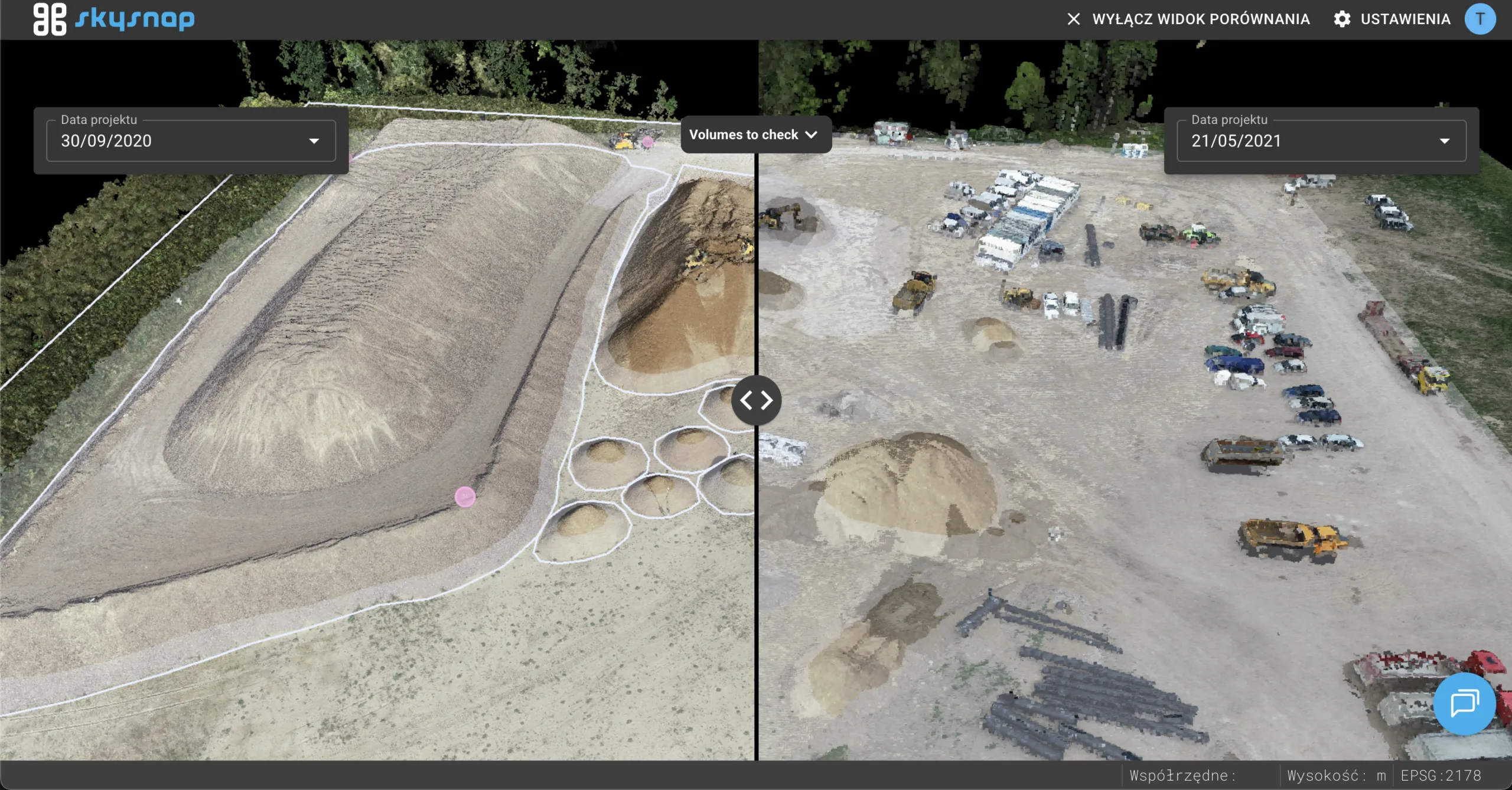
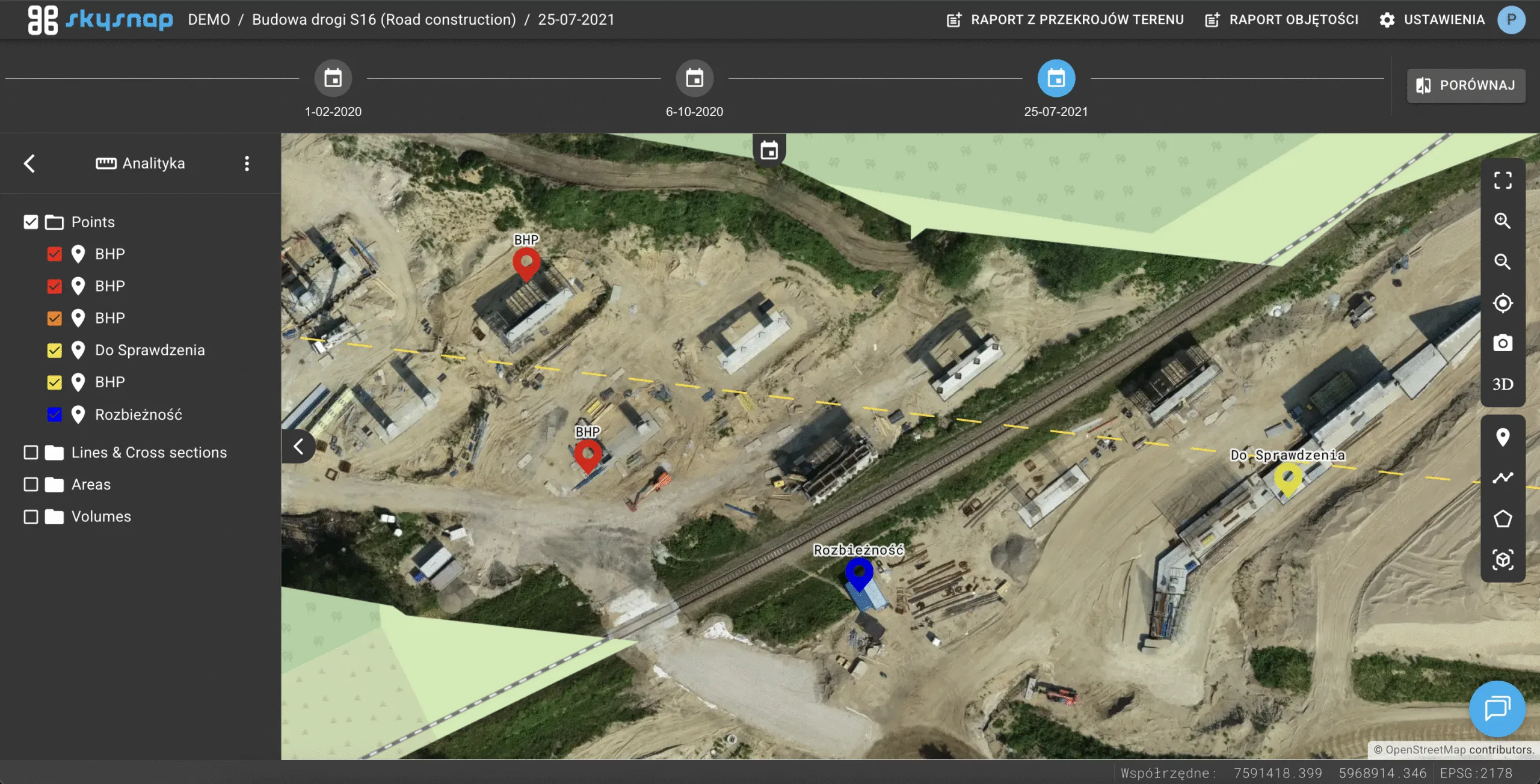
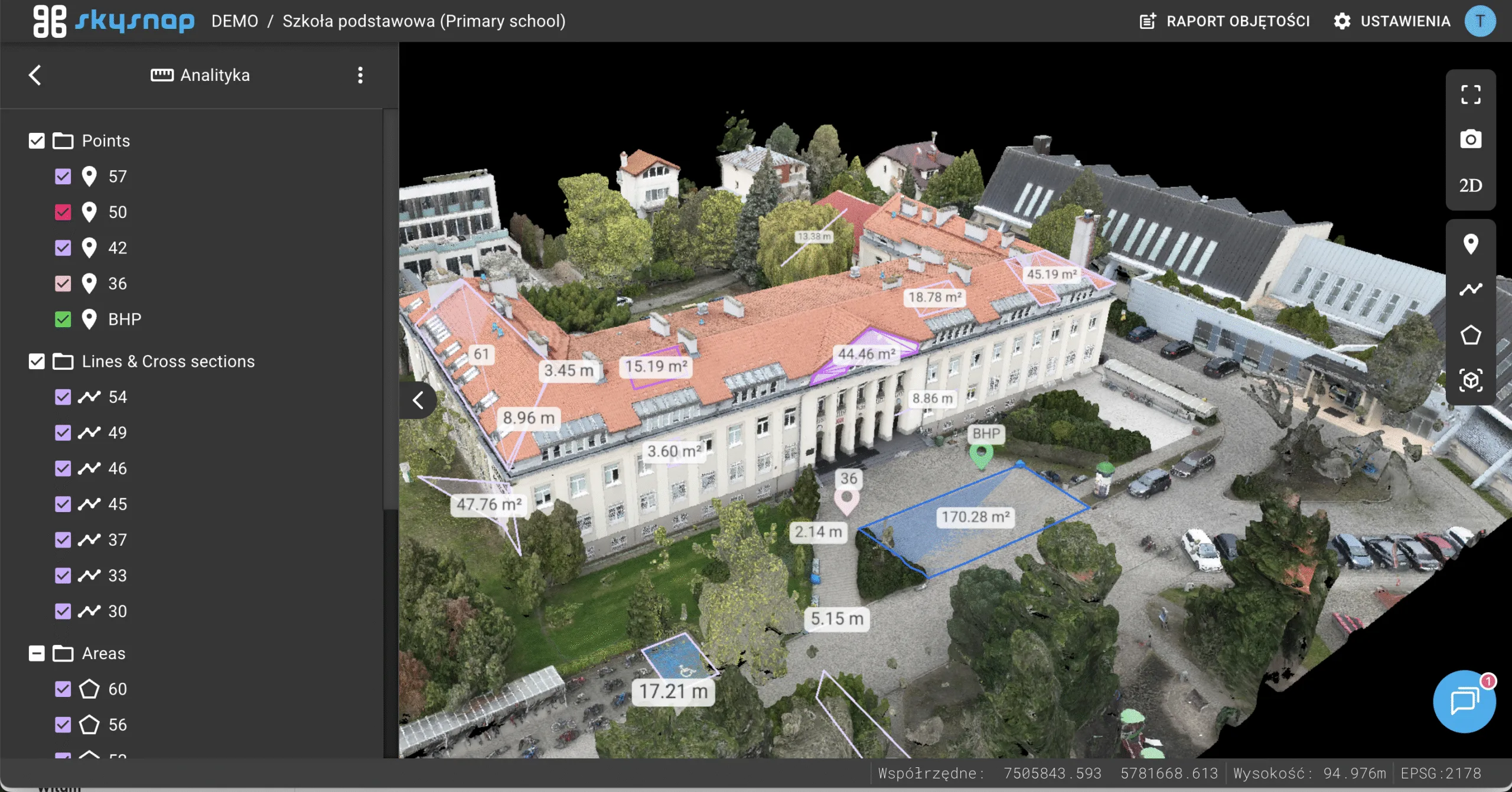
- Construction – construction and progress inspection.
- Energy – monitoring of power lines and wind farms.
- Agriculture – assessing crop health and optimizing yields.
Each of these industries uses drones differently, but all gain in speed, precision and safety.
Advantages of using drones in inspections
The benefits are enormous – from cost reductions to increased security to access to inaccessible areas.
Cost and time efficiency
Drones can significantly reduce inspection costs:
- Eliminate the need for heavy equipment
- Fewer workers on site
- Significantly shorter inspection time
Speed gives you a business advantage and allows you to react faster to problems.
Safety and risk reduction
Drones improve security because:
- eliminate the need to work at heights,
- Minimize the risk of accidents,
- collect data in difficult and dangerous conditions.
This is a huge change especially where the threat is high.
Accuracy and access to hard-to-reach areas
With advanced cameras and sensors, the drones offer:
- precise photos and videos,
- Access to places that humans cannot reach,
- real-time data analysis.
Inspections become faster and more detailed.
Choosing the right drone for inspection
Choosing the right drone for inspection requires analyzing several key technical aspects and understanding the inspection needs of a particular industry.
Key technical features
Key parameters of the inspection drone:
- Flight time – crucial for long missions,
- Weather resistance,
- Flight stability – essential for precise data collection.
A well-chosen drone means greater efficiency and safety.
What cameras and sensors are essential?
The cameras and sensors determine the quality of the data collected.
Most popular solutions:
- Thermal imaging cameras – for detecting thermal anomalies,
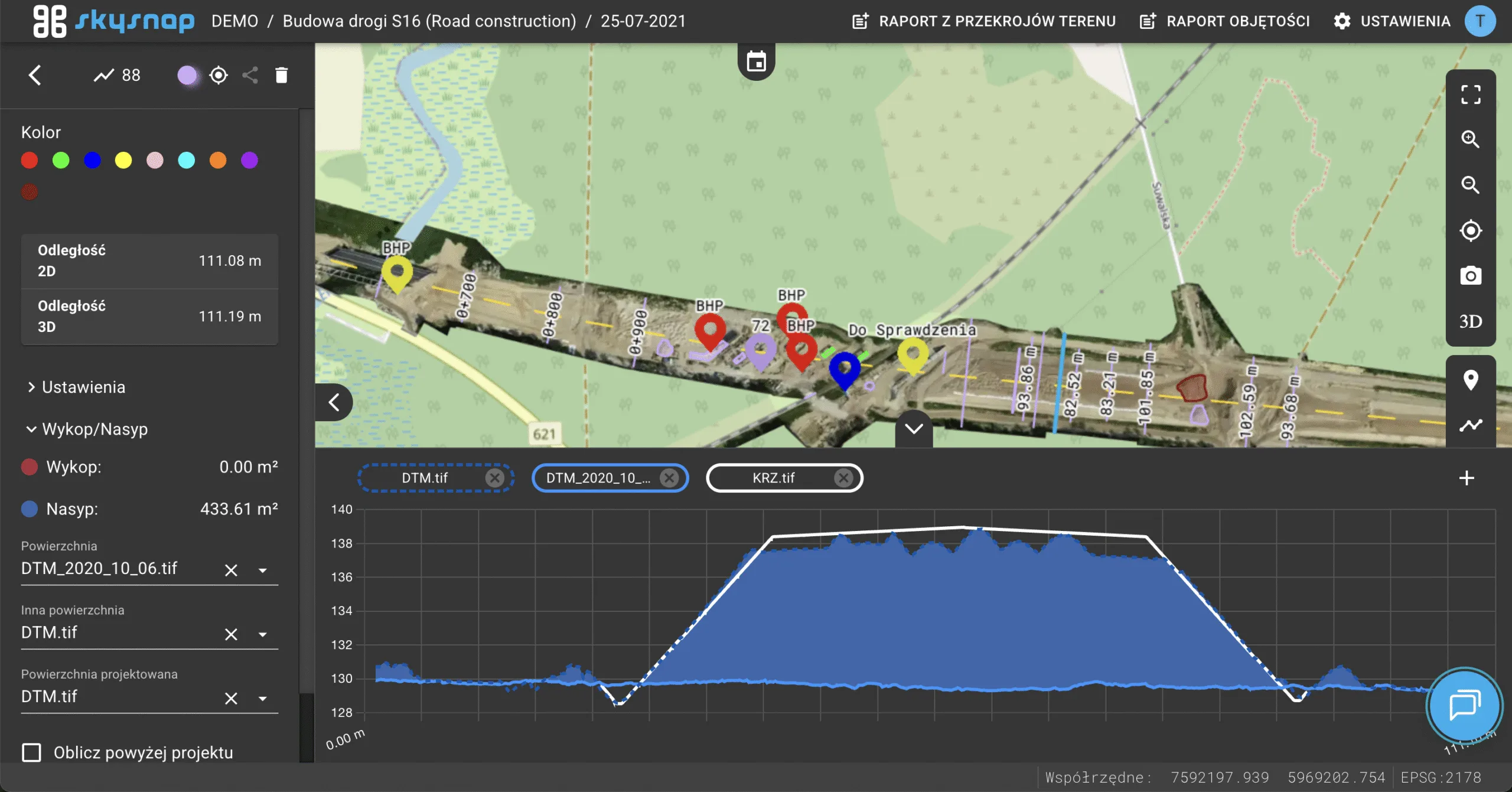
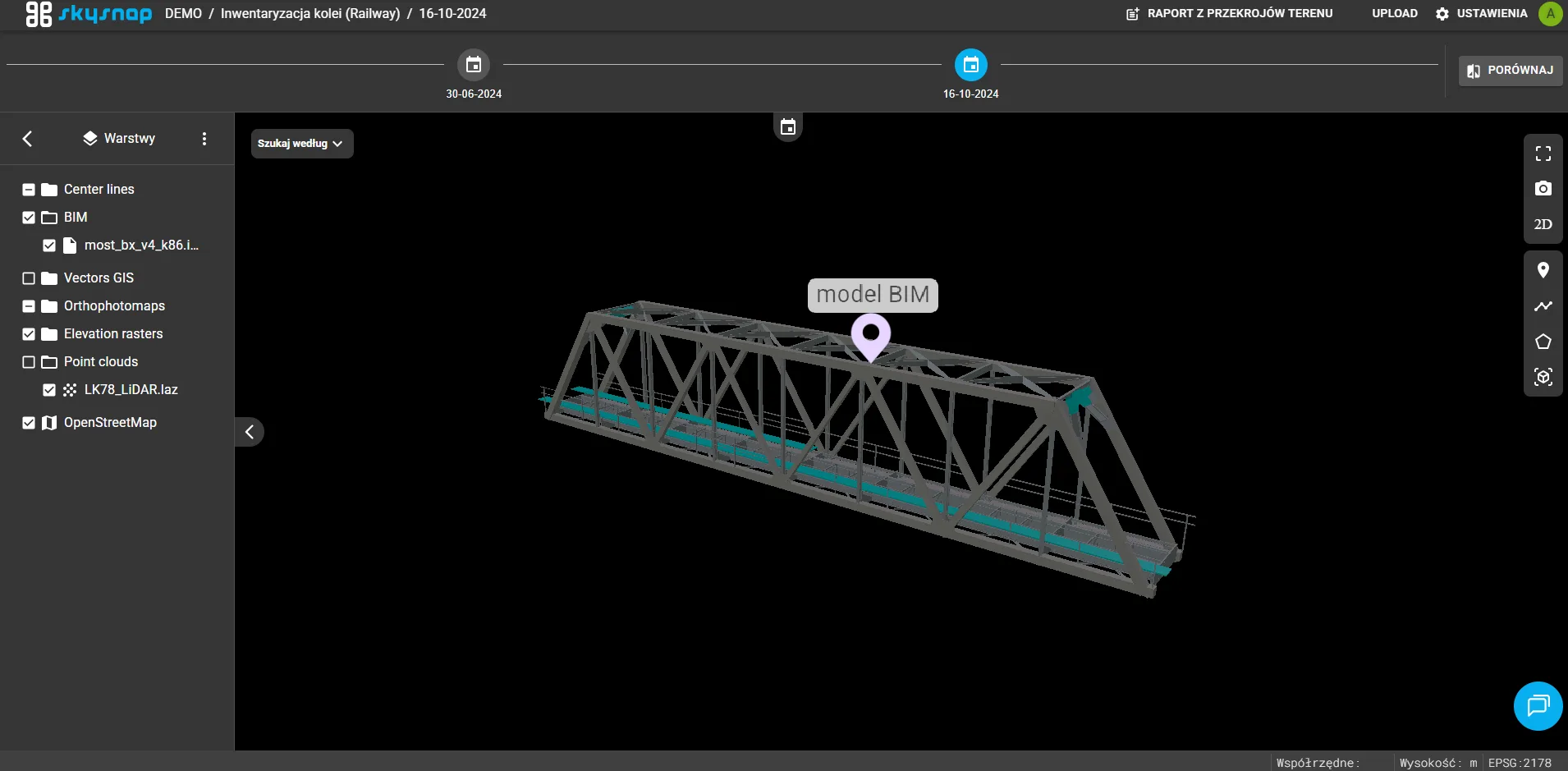
- LIDAR – for 3D mapping and structural assessment,
- Ultrasonic sensors – for navigation and measurement.
The selection of sensors depends on the type of inspection and the purpose of the operation.
Overview of popular models on the market
There are many drone models available on the market for inspection. Each of them has its own unique features that can be useful in different scenarios.
- DJI Phantom 4 RTK: Popular in construction thanks to RTK precision.
- Parrot Anafi USA: Prized for its compactness and advanced cameras.
- Yuneec H520: Known for its high adaptability in various industries.
Choosing the right model depends on your specific needs and budget.
Preparing and conducting a drone inspection
Preparing and conducting a drone inspection is a process that requires careful planning and knowledge of regulations.
Mission planning and site analysis
Planning the drone’s mission is a key stage of any inspection. Careful analysis of the terrain and routing allows you to get the most out of your drone.
- Site assessment: Understanding conditions and potential obstacles.
- Routing: route optimization for efficient data collection.
- Equipment preparation: Checking the technical condition of the drone.
Such preparation minimizes the risk of mission failure and ensures data accuracy.
Flight laws and regulations
Understanding drone flight laws and regulations is essential. Regulations vary from country to country, so it’s important to stay up to date.
- Drone registration: Many countries require a drone to be registered before flight.
- No-fly zones: Avoid flying in prohibited areas.
- Security principles: Adherence to safety standards for the protection of persons and property.
Compliance with the law is key to the legality and safety of operations.
Data collection and analysis process
Data collection and analysis are key steps in drone inspections. Drones offer real-time data collection, which speeds up the analysis process.
- Data recording: Collecting images and other data using cameras and sensors.
- Data transfer: High-speed data transfer for analysis.
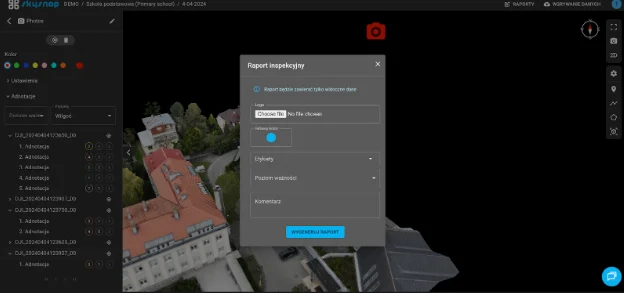
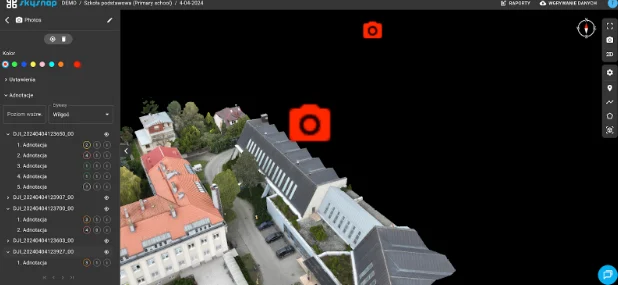
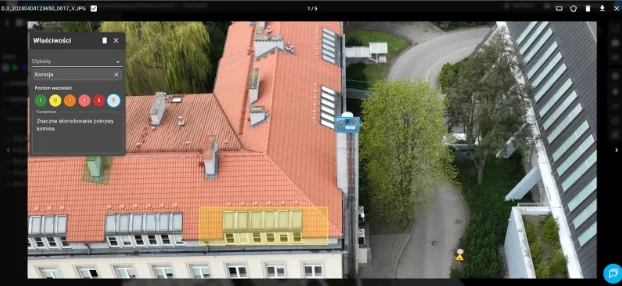
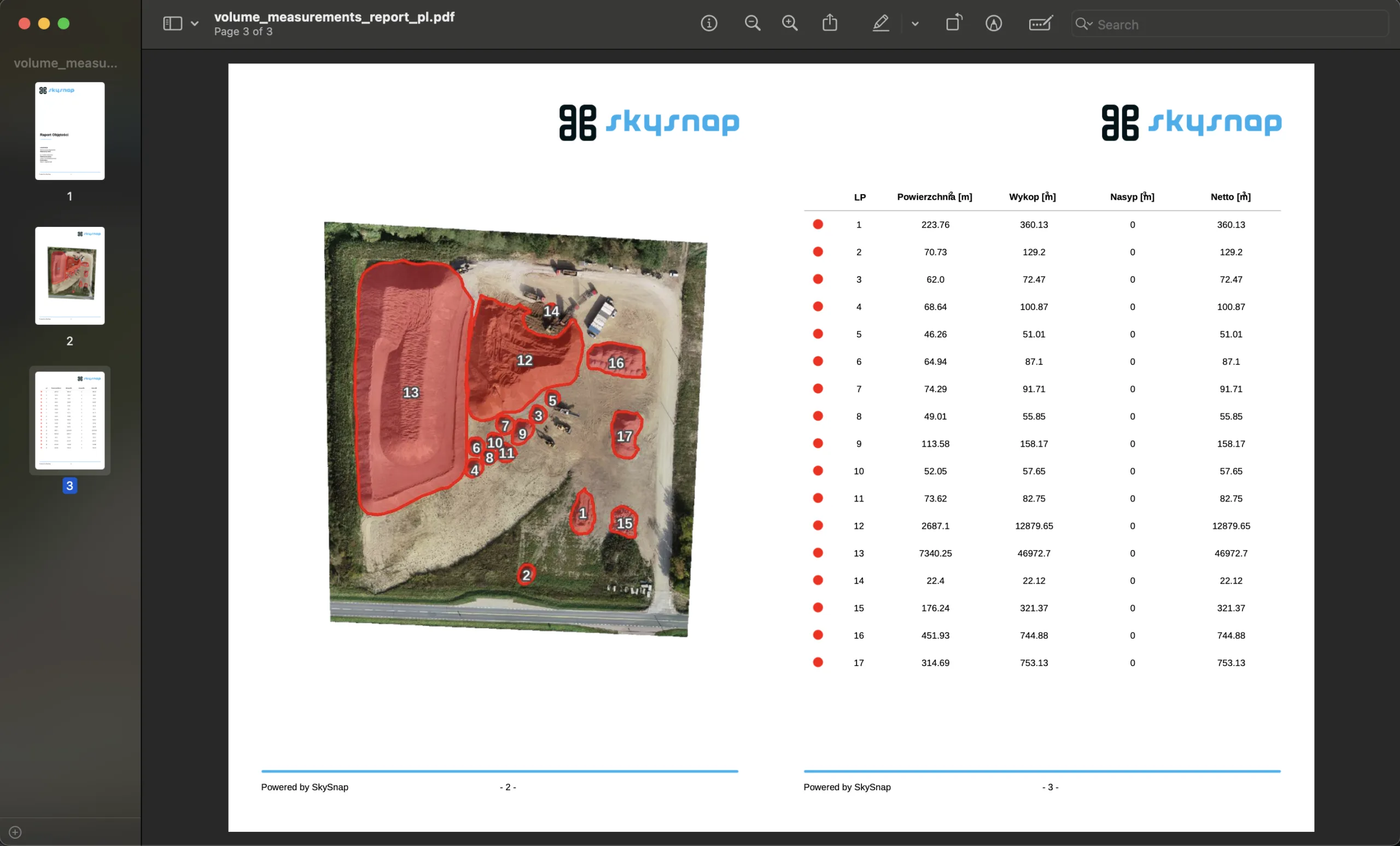
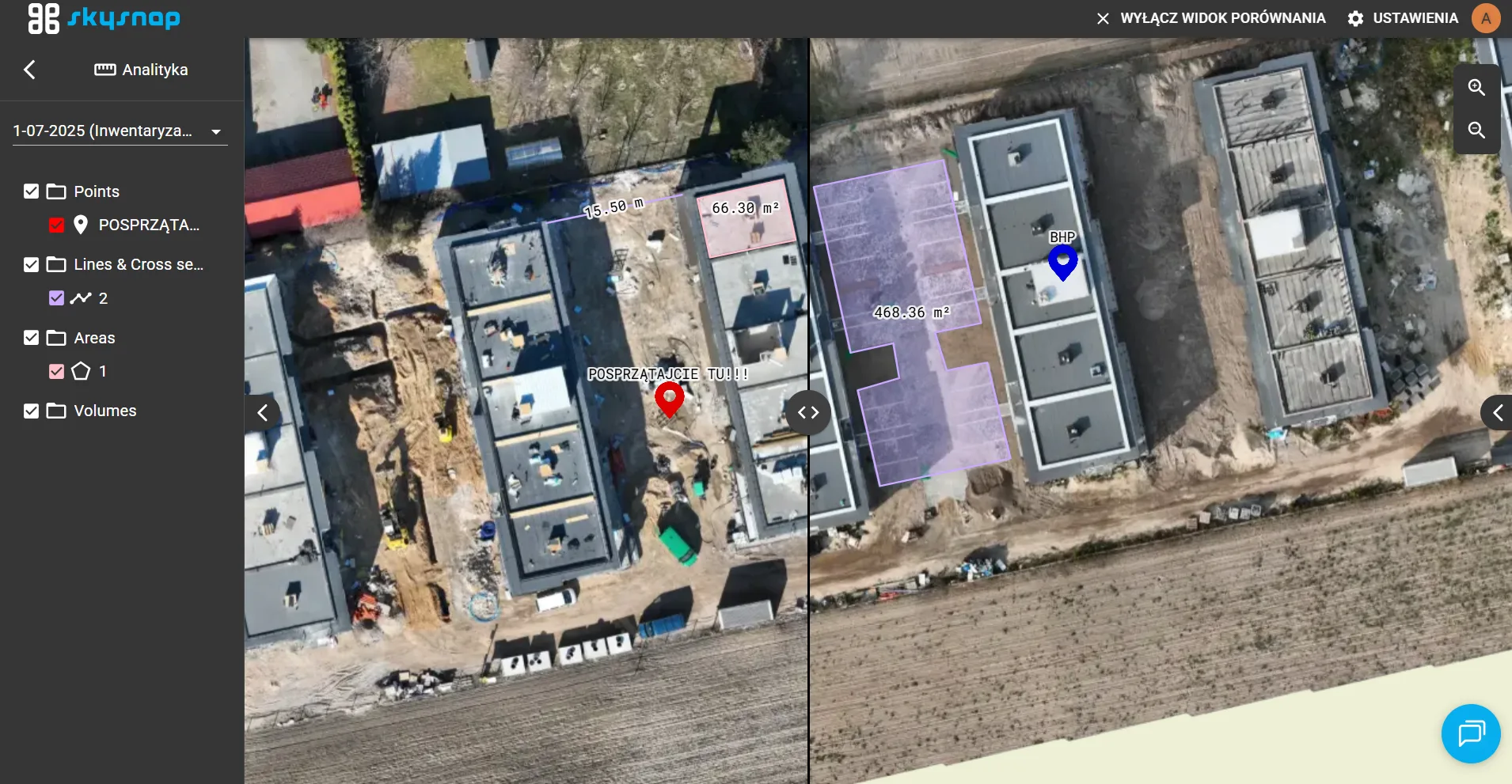
- Analysis: Using software to interpret the information collected.
Effective data management enables faster decision-making and response to problems.
The future of drone inspections
Drone inspections will evolve, and with them technologies and methods that offer new opportunities and perspectives.
Innovation and future technologies
The future of drones in inspections is linked to technological developments. Autonomous drones and artificial intelligence could revolutionize how inspections are carried out.
- Autonomy: Drones will be able to plan and execute missions on their own.
- AI in analytics: Using AI to interpret data faster.
- Improved efficiency: New technologies can increase the accuracy and speed of inspections.
Such innovations will have a huge impact on the efficiency and capabilities of drones in the future.
Impact on work and professional development
Drones are having a significant impact on the labor market. They are changing the way inspections are done, which requires new skills and knowledge.
- New professions: The emergence of new specializations related to drone operation.
- Training: Increased demand for training and certification.
- Adaptation: Employees must adapt to new technologies.
Such changes can benefit both employers and employees.
How drones could change industries in the coming years
Drones will have an increasing impact on various industries. Their use can lead to new business models and strategies.
- Increased efficiency: Streamline processes across sectors.
- New opportunities: Developing innovative products and services.
- Adaptation of industries: the need to adapt to the changing technological environment.
The future with drones will bring many changes that will affect the way we conduct inspections and business.

Free E-book
Learn how to prepare a mission step-by-step, avoid raid mistakes and create accurate orthophotos and 3D models. The perfect guide before your first commercial assignments.
Table of Contents:
Do you like the article? Share it with others!
Do you like the article? Share it with others!
Tips, news, insights
Related articles
Check out our articles and get the latest industry news.