Introduction to drone filming
Drone filming is becoming increasingly popular, offering a new perspective on the world around us. Drones make it possible to capture extraordinary shots that were previously beyond the reach of the average photography enthusiast. However, before you embark on your first drone mission, it’s worth learning some basic tips to help you get started. In this article, we’ll discuss key aspects such as choosing the right equipment, basic safety rules and filming techniques that will help you achieve spectacular results. Get ready to explore the sky from a new perspective!
Why film with a drone
Drone filming is gaining popularity for several important reasons. First and foremost, drones offer a perspective that was previously only available to professionals with access to helicopters or planes. This allows us to create bird’s-eye shots that add a new dimension and uniqueness to videos. In addition, drones are relatively easy to use, making it easy for even beginners to quickly learn how to use them to create impressive video footage. Drones are also becoming increasingly affordable, making them accessible to a wide range of enthusiasts. Their versatility allows them to be used for everything from filming landscapes to documenting events and creating content for social media. All this makes filming with a drone not only a passion, but also a potential source of new creative opportunities.
Basic benefits of drones
Drones offer a number of benefits that attract both amateurs and professionals to use them for filming.
- Above all, thanks to their compact design, drones are extremely portable and easy to transport, allowing you to quickly start filming anywhere.
- In addition, with advanced image stabilization technology, you get smooth and professional-looking recordings, even in difficult weather conditions.
- Drones equipped with high-definition cameras enable the creation of video footage of impressive detail and quality.
- What’s more, many drone models offer automatic object tracking features, allowing you to create creative shots without manual control.
- Drones also allow filming in hard-to-reach places such as mountains and forests, opening up new possibilities for exploring and documenting the world around us.
The most important uses of drones
Drones are widely used in various fields, making them extremely versatile tools.
In filming and photography , they allow capturing spectacular shots of landscapes, sporting events or weddings from a bird’s eye view.
In the agricultural industry, drones are being used to monitor the condition of crops, allowing for more efficient management of resources and increased yields.
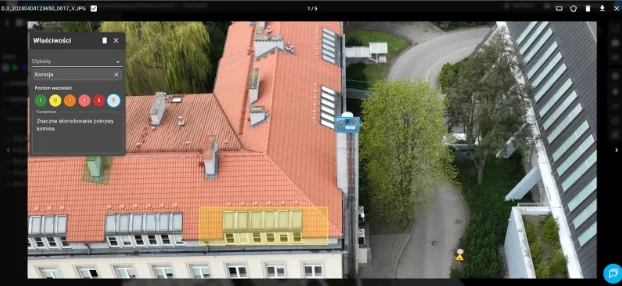
In construction and engineering, drones are used to inspect hard-to-reach areas, speeding up inspection processes and increasing workplace safety. Drones also play a key role in emergency operations, enabling rapid assessment of the situation and locating those in need of assistance.
In media and journalism, drones provide dynamic footage that captures viewers’ attention and enriches coverage of events around the world. These diverse applications are constantly evolving, expanding the potential of drones as tools in many areas of life.
Choosing the right drone
Types of drones on the market
There are many types of drones on the market, allowing you to tailor the device to your individual needs and expectations.
- Recreational drones are ideal for beginners who want to try their hand at aerial filming. They are characterized by simple operation and affordable price.
- Photo dronesare higher-end, equipped with advanced cameras and features such as image stabilization and automatic flight modes.
- Racing drones are designed for speed enthusiasts, offering fast maneuvers and dynamic flight.
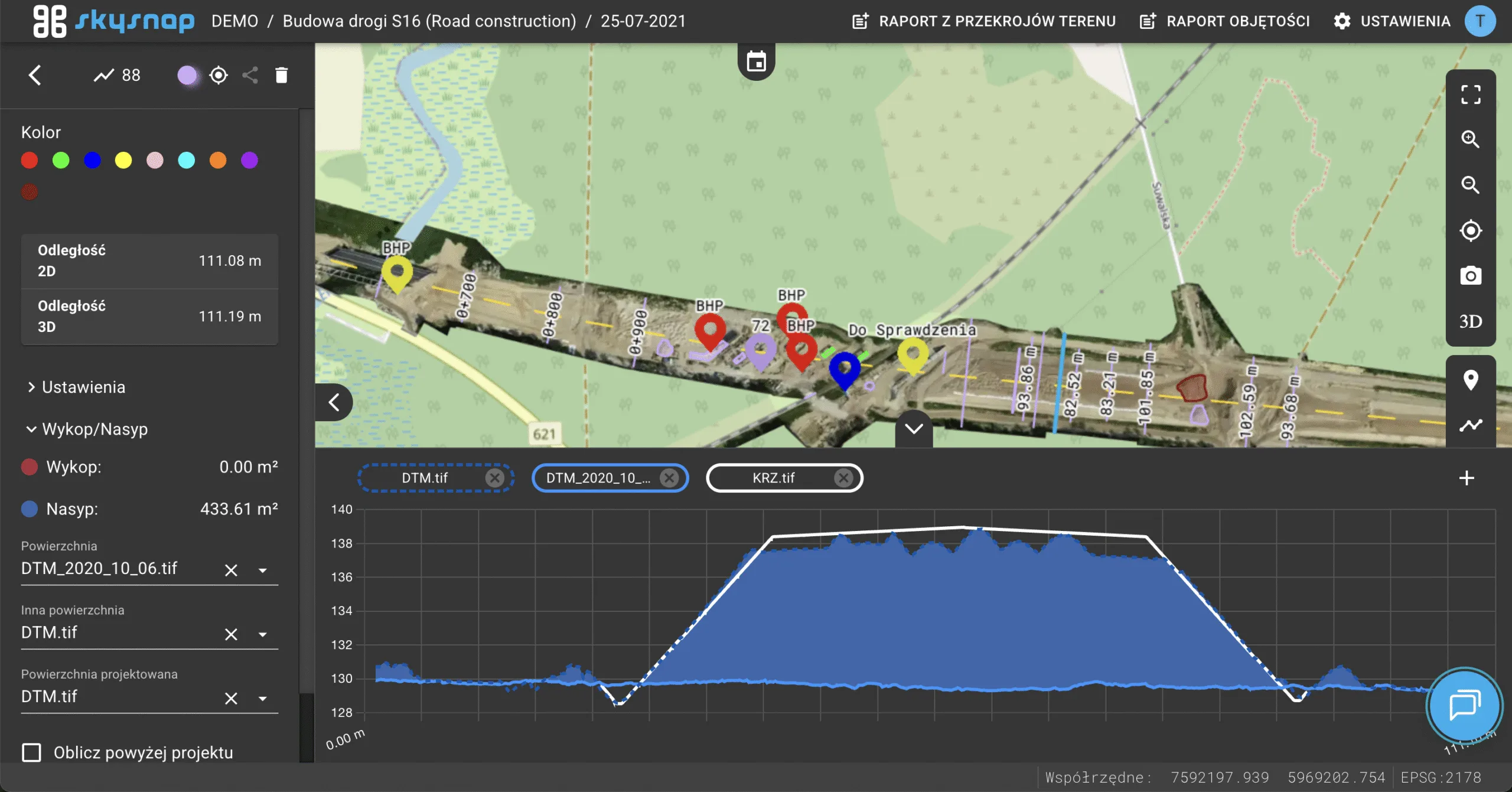
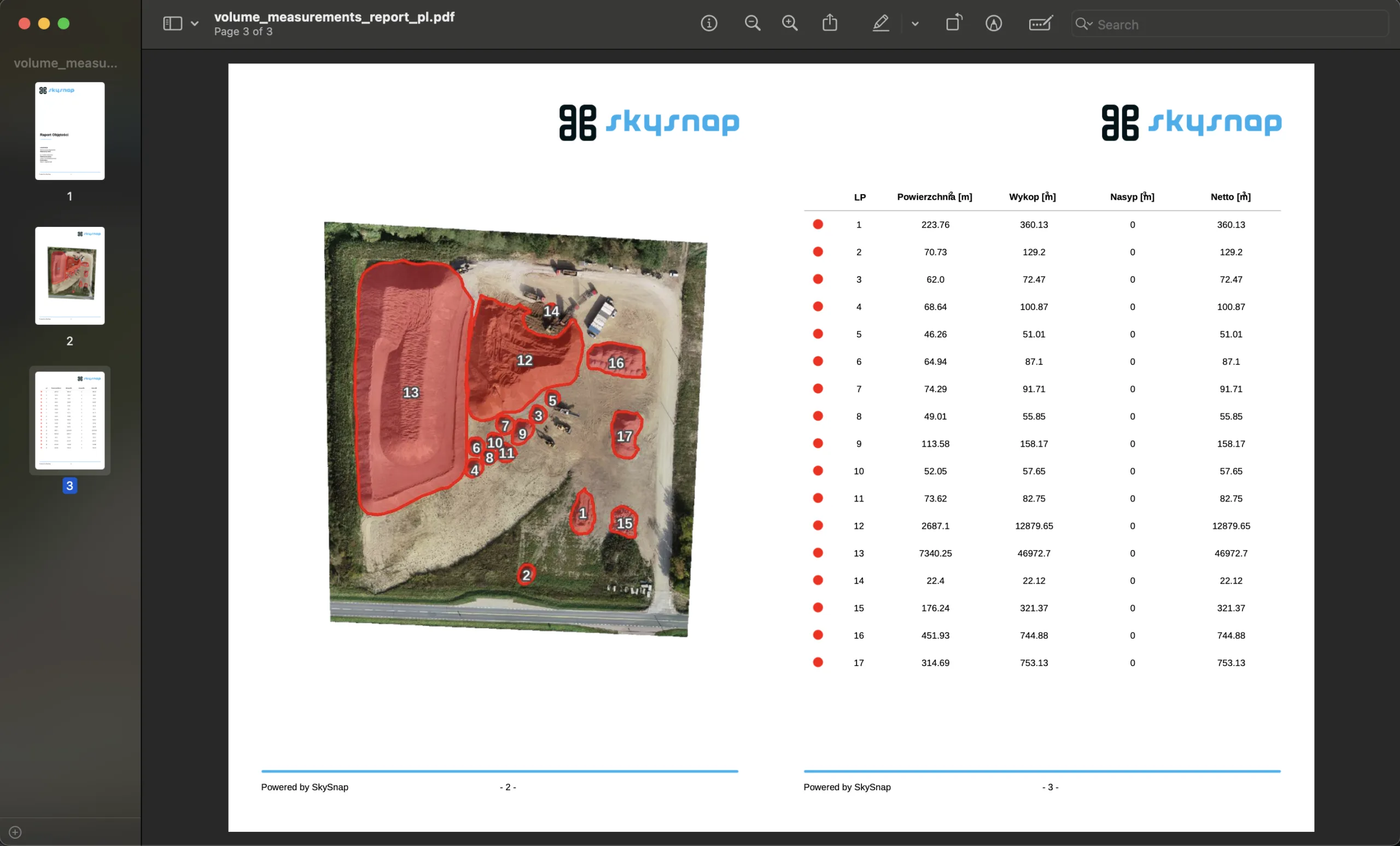
- There are also industrial drones that are used for professional applications such as technical inspections, land mapping and crop monitoring.
When choosing a drone, it is worth paying attention to its range, flight time and additional features that can significantly affect the comfort of use and the quality of the materials obtained.
Criteria for selecting a drone
When choosing a drone, there are a few key criteria to help match the device to our needs.
- First of all, it is important to pay attention to the purpose of the drone. Do we want to use it for recreational filming, professional photography, or perhaps racing sports?
- Another important aspect is camera quality. Higher-end drones offer high-resolution cameras and advanced features such as image stabilization.
- Range and flight time are also important, especially if you plan to film over large areas.
- It’s also worth considering additional features, such as automatic flight modes, object tracking or obstacle avoidance, which can make using a drone much easier.
- In the end, budget is often the deciding factor, so it’s a good idea to balance our requirements well with available funds.
Budget drones vs. professional drones
The decision between choosing a budget drone or a professional one depends on our needs and expectations.
- Budget drones are a great choice for people who are just getting started with aerial filming. They offer basic features that allow you to learn how to operate and film without a lot of money. While they may have limitations in terms of image quality or range, they are ideal for having fun and learning basic maneuvers.
- Professional drones, on the other hand, are aimed at users who want the highest quality and advanced features. They feature high-resolution cameras, longer flight time and range, as well as advanced stabilization and obstacle avoidance systems. They tend to be more expensive, but offer capabilities that will satisfy even the most demanding creators.
The choice between these options should be well thought out, depending on our goals and budget.
Basic filming techniques
Planning drone shots
Planning drone shots is a key element that determines the success of the final video.
- First of all, it’s a good idea to start by understanding what shots we want to capture and how they will fit into the overall narrative of our video.
- It’s a good idea to create a storyboard or a list of shots you want to take, which will help with visual consistency.
- It is also important to take into account weather and light conditions that can affect the quality of recordings.
- The next step is to select suitable locations that offer interesting landscapes and perspectives.
- It’s also worth thinking about what flight and framing techniques will be most effective for a given shot, such as panning, close-ups or subject tracking.
- Let’s also remember to follow drone flight regulations to ensure the safety and legality of our operations.
Bird’s eye composition and framing
Composition and bird’s eye framing are the basic elements that affect the visual appeal of drone footage.
- A key aspect is the use of the tri-partition principle, which involves dividing the frame into nine equal parts using two horizontal and two vertical lines. Placing the main objects at the intersection points of these lines makes the frames more balanced and interesting.
- It is also important to include leading lines, such as roads, rivers or coastlines, which direct the viewer’s eye and add depth to the shot.
- When filming from a bird’s eye view, it’s a good idea to experiment with different angles and heights to get unique perspectives and dynamic shots.
- It’s also good to preserve the space around the objects, which allows them to better reflect their context in their surroundings.
Precise framing and thoughtful composition are the keys to creating professional and engaging video footage.
Camera movements and their impact
Camera movements during drone filming significantly affect the visual and emotional perception of the footage. Thoughtful and fluid movements can add dynamics and drama to shots, creating more engaging video footage.
- One of the basic movements is panning, which is the rotation of the camera around its axis to capture the surrounding landscape broadly.
- Another popular move is zooming in and out, which allows you to focus your attention on a specific object or explore a wider perspective.
- Object tracking is a movement in which the drone follows a moving target, which is particularly effective in action movies.
- It is also possible to perform more creative maneuvers, such as spiral flight or lifting with simultaneous rotation.
Any of these moves can be used to enhance the narrative in a video, so it’s worth experimenting with different techniques to find the most appropriate for our project.
Practical tips for beginners
Safety and legislation
Safety and regulatory compliance are key aspects that every drone operator should keep in mind.
Before flying , it is important to familiarize yourself with local regulations on drone use, which can vary from country to country or region to region. Many places have restrictions on flight altitudes, no-fly zones (such as near airports or military facilities) and requirements for registering the device.
A basic safety rule is to keep a safe distance from people, vehicles and buildings, and to avoid flying in severe weather conditions such as high winds or rain. Regular maintenance of the equipment, including checking the condition of batteries and motors, is also essential to ensure safe flights. It’s also worth investing in drone insurance, which can protect against unexpected costs in the event of an accident or damage.
Preparing for the first flight
Preparing for your first drone flight is key to a safe and successful start to your aerial filming adventure.
- First of all, it’s worth investing time in reading the manual and the drone’s functions to understand the basics.
- Checking the condition of the batteries is another important step – make sure they are fully charged to avoid unexpected landings.
- Before flying, choose an open space, away from people and obstacles, which will allow you to maneuver freely and reduce the risk of collisions.
- Check the weather forecast to make sure conditions are suitable for flying.
- Conduct tests on systems such as GPS and compass to ensure stability and precision during flight.
- It’s also a good idea to set a return home point so that the drone can safely return to the launch site in case of an emergency.
Such preparation helps avoid problems and enjoy a stress-free flight.
The most common mistakes and how to avoid them
When learning to operate a drone, novice operators often make mistakes that can lead to accidents or equipment damage.
One of the most common mistakes is to take off too quickly without first becoming familiar with the controller and the drone’s functions. It is important to take the time to learn basic maneuvers in a safe environment.
Another common problem is ignoring weather conditions; wind or rain can make controlling a drone much more difficult.
Also avoid flying too close to obstacles, such as trees or buildings, which can lead to collisions. Always make sure you have full control of the drone and don’t rely solely on automatic functions, which can fail in some situations.
Careful flight planning, regular equipment maintenance and gradual skill development are key elements that will help avoid mistakes and ensure a safe and rewarding drone experience.
Editing and sharing videos
Basics of editing footage
Editing drone footage is a step that allows you to turn raw footage into a visually appealing video.
- The first step is to choose the right video editing software that suits our skills and needs. Popular programs offer a range of tools, such as trimming clips, correcting colors or adding effects.
- Start by selecting the best shots that convey the intended mood and narrative.
- Next, it is worth ensuring smooth transitions between scenes, which will increase the professionalism of our video.
- Color correction is also key, allowing you to give your recordings consistency and improve their visual quality.
- Adding background music can enhance the emotional message of the video, but it is advisable to choose songs that are in keeping with the theme and mood of the material.
After editing, the video is ready to be exported and shared, allowing us to share our experiences with a wider audience.
Video editing software
Choosing the right video editing software is crucial to getting professional results from your drone footage. There are a number of programs that cater to both beginners and advanced users.
For those new to editing, user-friendly programs like iMovie and Filmora offer an intuitive interface and basic editing features to get you started quickly.
Advanced users can turn to more advanced tools, such as Adobe Premiere Pro or Final Cut Pro, which offer a wide range of features, including advanced color correction, audio editing and special effects.
It is important that the program is compatible with our equipment and supports the file formats that our drone generates. Regardless of the choice, it’s worth taking the time to learn the program’s features to get the most out of it and create videos that fully reflect our artistic vision.
How to effectively share videos with a drone
Once you’ve finished editing your drone video, it’s worth considering the most effective ways to make it available to a wide audience.
- One of the most popular channels is YouTube, which allows you to reach a global audience. It is important to make sure your video is optimized for SEO by adding appropriate titles, descriptions and tags to increase the chances of it being discovered by a wider audience.
- Social media, such as Instagram, Facebook and TikTok, also provide an excellent platform to share shorter clips and build a community around our content.
- You should also consider publishing videos on specialized drone portals and forums, where you can gain recognition among enthusiasts and experts.
Be sure to regularly engage with viewers, respond to comments and take care to build relationships, which will increase loyalty and interest in your future projects.
Free E-book
Learn proven methods for pricing jobs: From building structures to large linear and space raids. This guide will help you earn effectively and confidently.
Table of Contents:
Do you like the article? Share it with others!
Do you like the article? Share it with others!
Tips, news, insights
Related articles
Check out our articles and get the latest industry news.