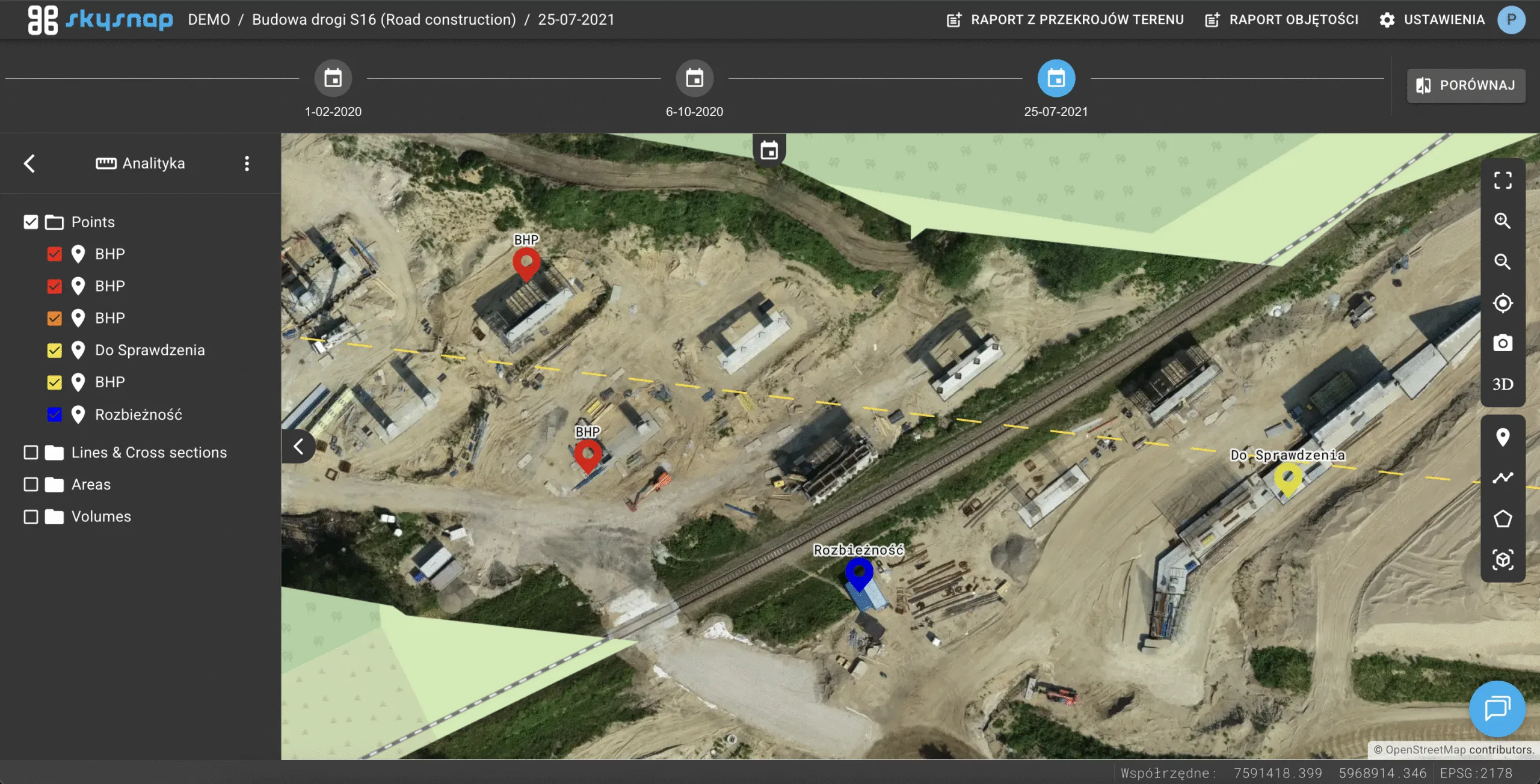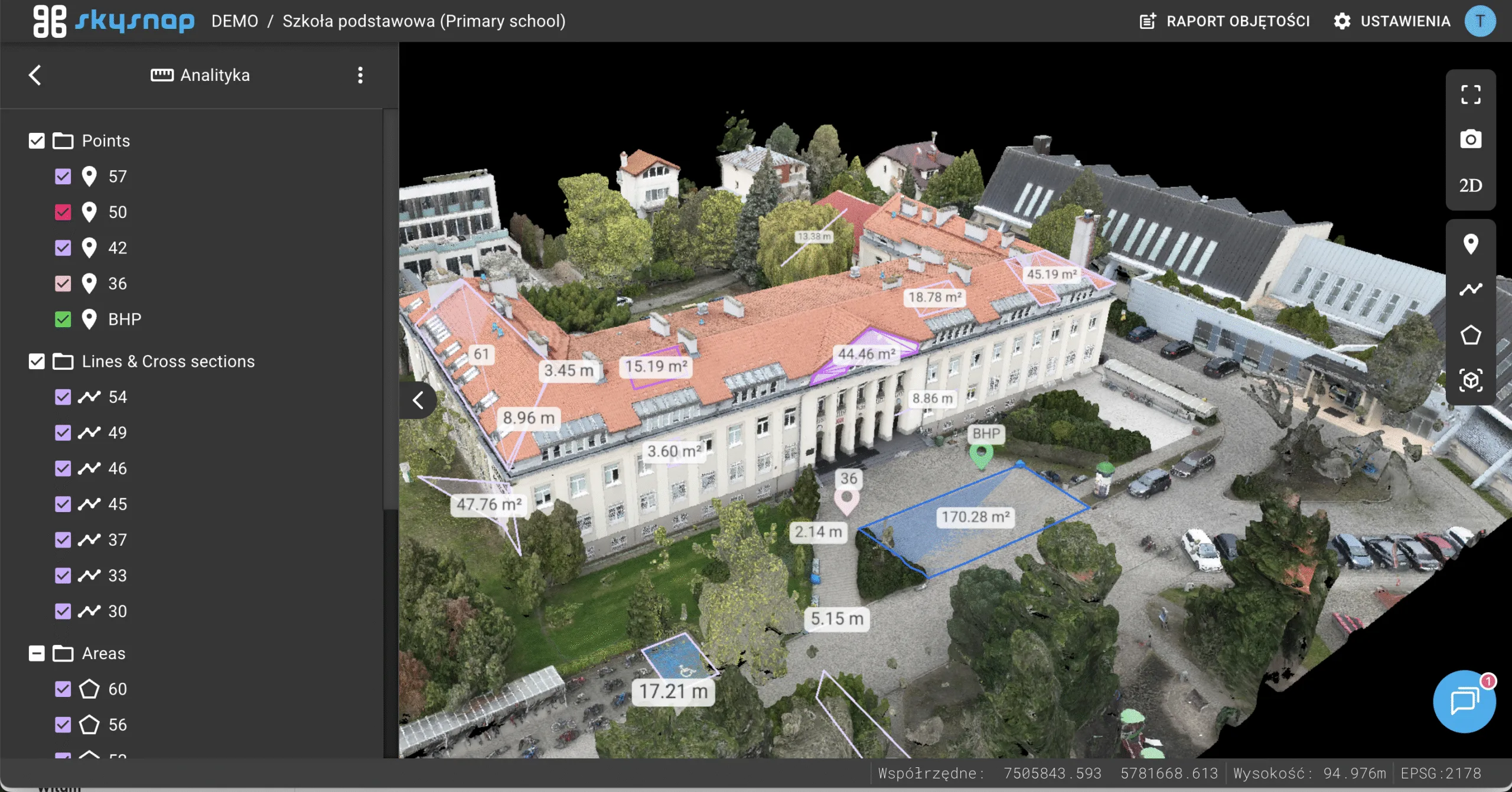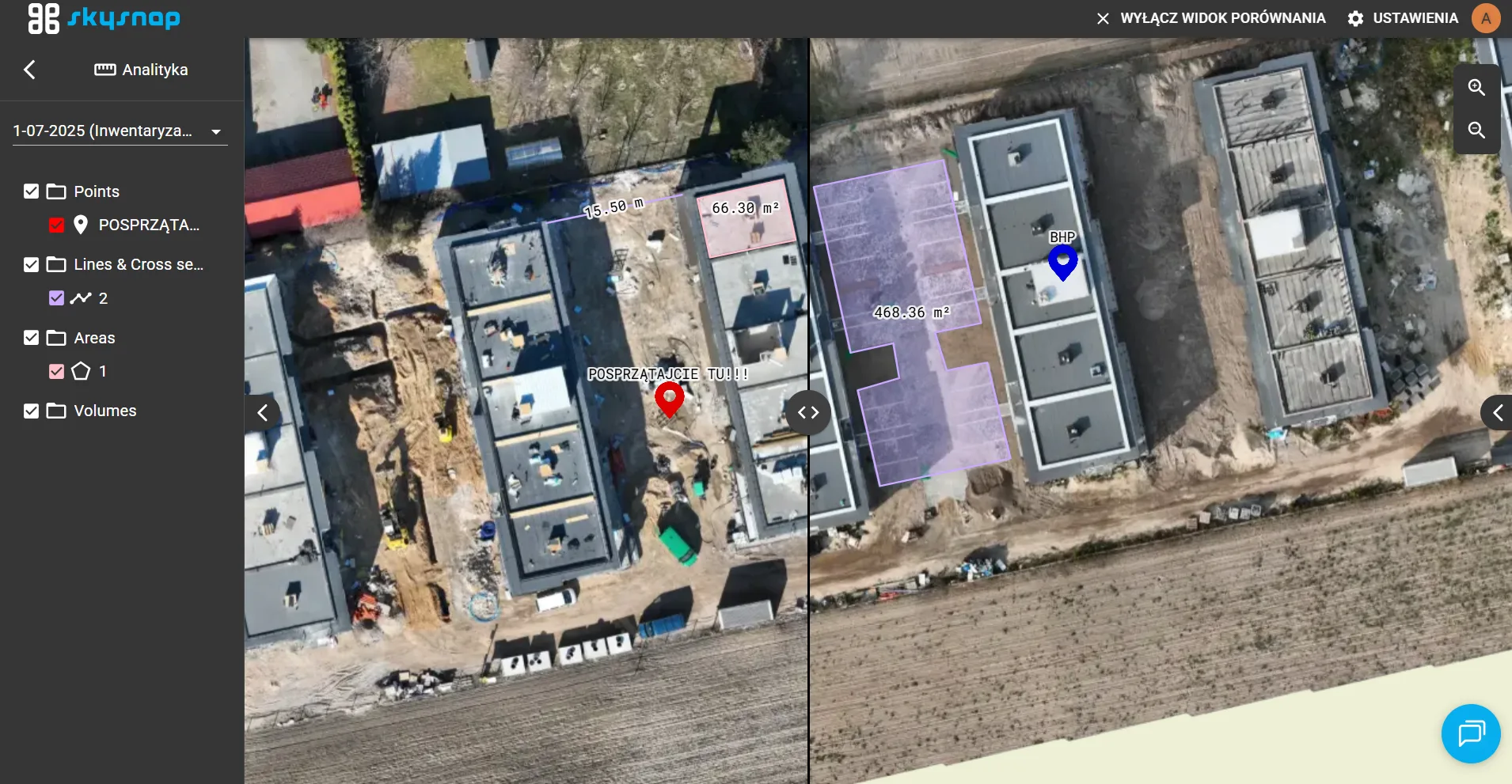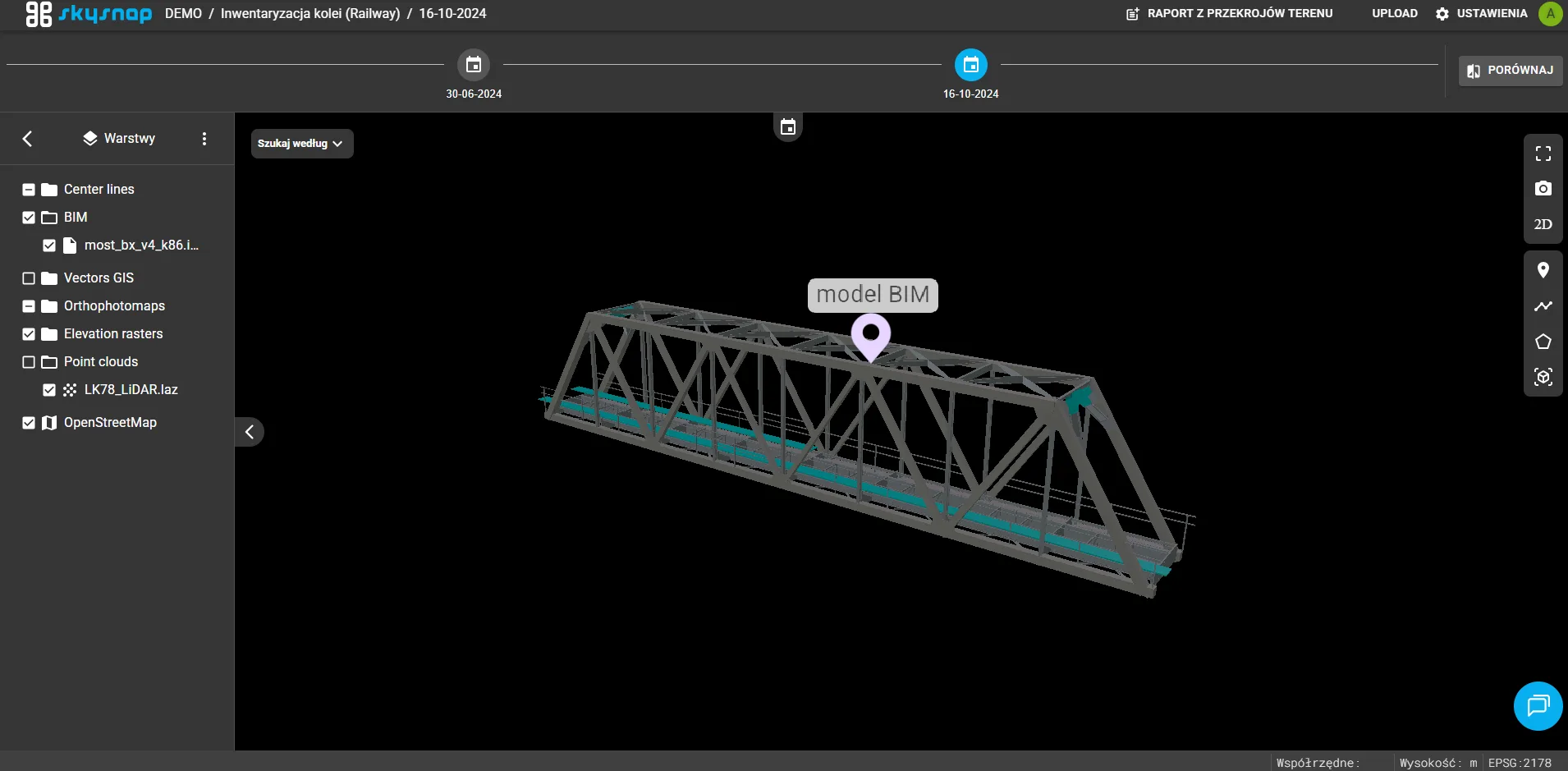
Introduction to photogrammetry
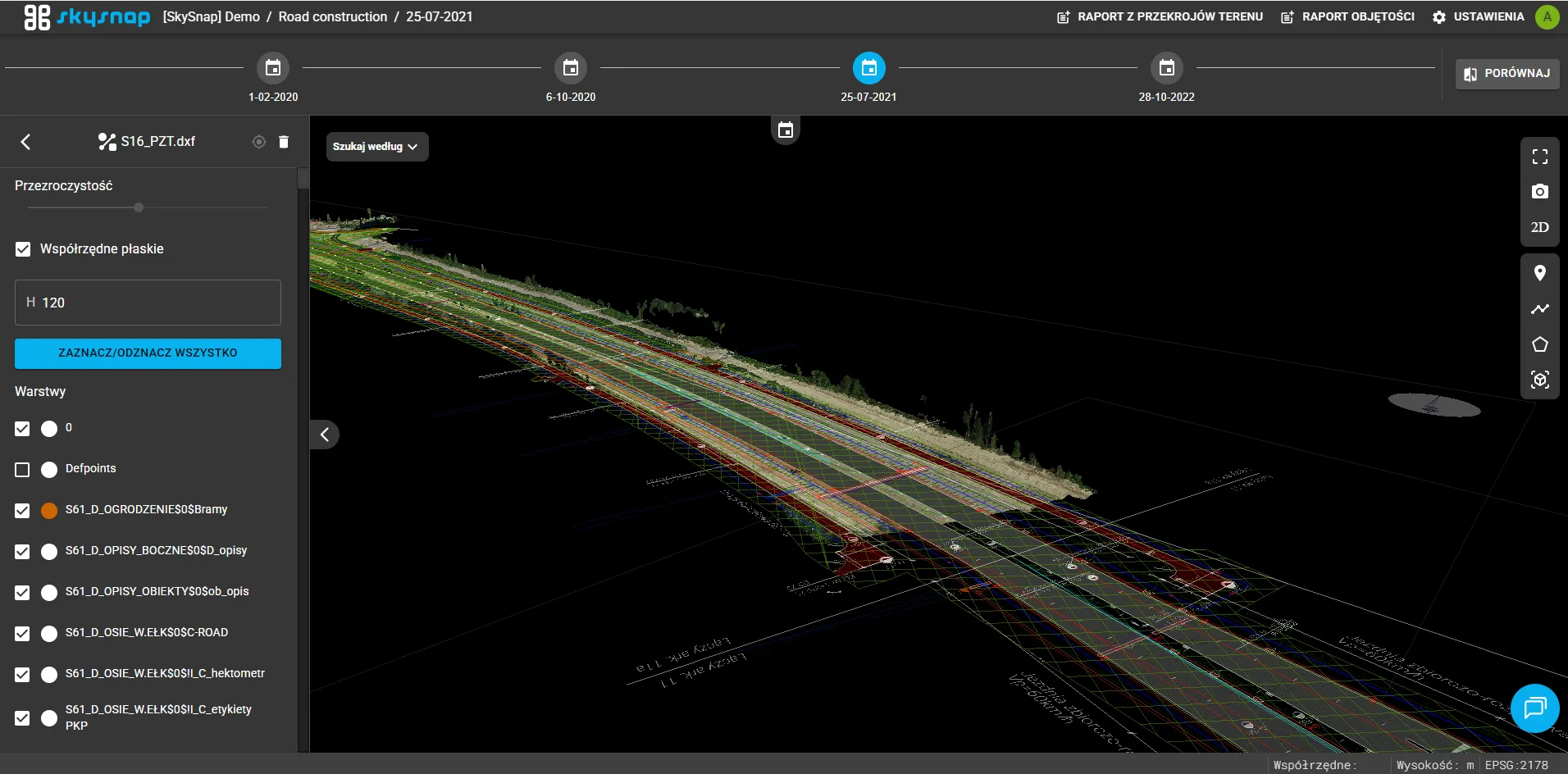
Modern cartography is experiencing a real revolution thanks to modern technologies such as photogrammetric raiding and drones. These innovative tools make it possible to create precise maps and 3D models of areas that were previously difficult to survey. Photogrammetric raiding and drones make it possible to quickly collect data over large areas, which is extremely useful in urban planning, environmental protection and even agriculture. In this paper, we will look at how these technologies are changing the way we see and map the world around us. We’ll discover the benefits of their use and the challenges that may lie in their path.
What is photogrammetry?
Photogrammetry is a measurement technique that relies on the use of photography to obtain information about the shape, dimensions and location of objects. Through the use of aerial or drone photos, it is possible to create accurate 3D models and terrain maps. In the process, it is crucial to accurately mark control points that allow scaling and orientation of models.
Photogrammetry is widely used in various fields, such as surveying, archaeology, and construction. It makes it possible not only to estimate the area of an area, but also to monitor its changes over time. Photogrammetry enables large-scale data collection, which is invaluable for spatial analysis and urban planning. It is a method that combines traditional cartographic techniques with modern technologies, opening up new opportunities for science and industry.
History and development of technology
Photogrammetry has its roots in the 19th century, when photographs first began to be used for cartographic purposes. At first, cameras on tripods were used, and later, with the development of aviation, aerial photography began to be used.
In the 1950s, technological advances made possible the introduction of analog photogrammetry, which greatly accelerated the mapping process.
The following decades brought the development of digital photogrammetry, which revolutionized the way data is processed and analyzed. Thanks to computers, it became possible to automatically generate 3D models and orthophotos.
Today, with the availability of drones, photogrammetry has become even more accessible and precise. This makes it possible to create detailed field analysis in real time. Modern technologies allow photogrammetric methods to be more widely applied, which is crucial for the development of science and industry.
The role of drones in cartography
Application of drones in mapping
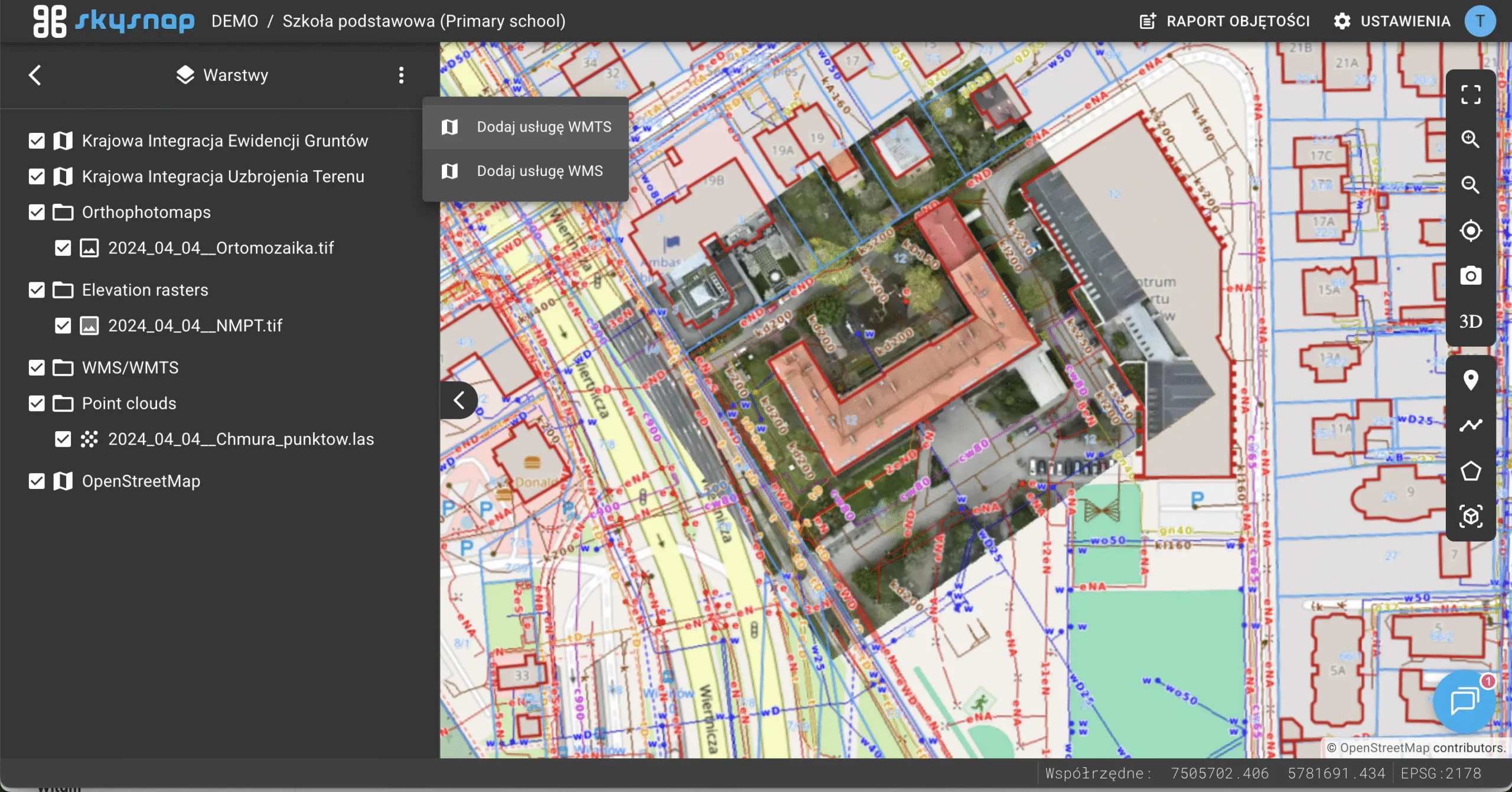
Drones have become an integral part of modern cartography, enabling fast and accurate mapping of areas. Their small size and ability to maneuver in hard-to-reach places make them ideal tools for data collection. With the help of drones, it is possible to create high-quality orthophotos that are used in urban planning, urban planning and environmental protection.
Drones with advanced cameras and LIDAR sensors can record data in different light spectra, allowing for more detailed terrain analysis. They also enable real-time monitoring of changes, which is crucial in emergency situations such as floods or fires.
Drones in mapping are the future, offering new opportunities for precise data collection while reducing costs and increasing the efficiency of traditional mapping methods.
Advantages of using drones
Drones offer many advantages in the field of mapping that make them an extremely attractive tool for professionals.
- First and foremost, drones make it possible to quickly collect data from large areas, significantly reducing the time needed to prepare maps.
- In addition, thanks to their ability to work in difficult field conditions, it is possible to map areas inaccessible to traditional methods.
- Drones are also more economical, as they eliminate the need to rent expensive aircraft or helicopters.
- Another advantage is theirability to capture high-resolution data, which translates into more precise and detailed maps.
- Drones are also flexible in their application, allowing them to quickly adapt to changing conditions and project needs.
These advantages make drones increasingly popular in various industrial and scientific sectors.
Photogrammetric raid process
Mission preparation and planning
The preparation and planning of a photogrammetric mission is a key stage that determines the success of the entire raid.
- The process begins by carefully defining the mission objective and the area to be mapped.
- Then, the appropriate technologies and equipment, such as drones or cameras, are selected to achieve the required data resolution.
- Analysis of atmospheric conditions is also an important aspect, as factors such as wind, rain or fog can significantly affect the quality of the data collected.
- The next step is to create a detailed flight plan that takes into account flight routes, flight altitude and checkpoints. Using modern software, the flight route can be optimized, allowing efficient coverage of the entire area.
A carefully planned mission ensures high data quality and minimizes the risk of errors in the photogrammetry process.
Data collection and analysis
Data collection during a photogrammetric raid involves capturing a series of photos or videos from carefully planned flight paths. Cameras mounted on the drones take high-resolution images that overlap in parts, which is essential for later analysis. A key element is ensuring there are enough control points on the ground to help scale and locate 3D models. Once the raid is complete, the collected data is transferred to specialized software that processes the images and creates orthophotos and spatial models. Analysis of the data includes assessing its quality, correcting errors and integrating it with other surveying data. Thanks to modern tools, the process is fast and accurate, enabling reliable results. Efficient collection and analysis of photogrammetric data is fundamental to the implementation of high-precision mapping projects.
Influence on modern cartography
New opportunities and challenges
Modern cartography, thanks to the use of drones and photogrammetric raids, is opening up new possibilities in the creation of precise maps and terrain models. The technology makes it possible to map large areas quickly and accurately, which is extremely useful in urban planning, natural resource management or environmental protection. Photogrammetry and drones also make it possible to monitor changes in real time, which is crucial in emergency operations and crisis management.
- However, these innovations also bring challenges. One is the need to process huge amounts of data, which requires sophisticated computer systems and software.
- In addition, privacy and regulatory issues related to drone flights are significant barriers to overcome.
Nevertheless, the potential of these technologies continues to revolutionize the way we perceive and interpret the world around us.
The future of mapping with drones
The future of cartography with drones seems extremely promising, as drones are bringing a new quality to the creation of maps and spatial models. Thanks to advancing technologies such as artificial intelligence and machine learning, drones will be able to process collected data even faster and automatically generate detailed maps. As the technology develops, the cost of drones will come down, enabling their wider use in fields ranging from surveying to precision agriculture.
Integration of drones with other monitoring systems is also an important direction of development, which will allow a comprehensive approach to spatial analysis. However, in order to fully realize the potential of drones in mapping, it will be necessary to develop appropriate regulations and data protection systems.
Despite these challenges, drones have the potential to become an indispensable tool in future cartography, redefining our understanding of space and the environment.
Examples of practical application
Urban and regional planning
In the field of urban planning and city planning, drones and photogrammetric raids play a key role, enabling precise mapping of urban areas. With them, urban planners can create accurate 3D models of urban areas, allowing them to better understand the space and plan new infrastructure investments. Drones make it possible to quickly and efficiently collect the data needed for urban analysis, such as the density of buildings and the availability of green spaces.
In addition, advanced photogrammetric technologies support decision-making processes by providing up-to-date information on urban development and changes in the landscape. As cities become more crowded, the need for sustainable urban planning is increasing. The use of drones in urban planning allows for the creation of more sustainable and functional urban spaces, which is crucial for the future development of our cities.
Precision agriculture and environmental monitoring
Precision agriculture and environmental monitoring are other areas where drones and photogrammetry are widely used.
In agriculture, drones make it possible to accurately analyze the condition of crops, detect plant diseases and assess fertilization needs. With them, farmers can optimize the use of resources, leading to increased productivity and lower production costs.
In environmental monitoring, on the other hand, drones make it possible to track changes in ecosystems, such as deforestation or soil erosion, in real time. With the ability to capture images in different light spectra, drones can provide detailed data on the state of the environment. The use of these technologies contributes to the sustainable management of natural resources and helps in environmental decision-making.
In this way, drones are becoming an invaluable tool in the quest for a greener and more efficient economy.
Free E-book
Learn what services to offer, who to sell them to, and how to write an effective offer email. Ready-made templates, tips and examples of campaigns that really work.
Table of Contents:
Do you like the article? Share it with others!
Do you like the article? Share it with others!
Tips, news, insights
Related articles
Check out our articles and get the latest industry news.