Drone data sharing: How is it changing the technology landscape? – SkySnap
In recent years, drones have grown in popularity and have begun to play an important role in various sectors, such as agriculture, architecture and public safety. Thanks to advanced technology, drones are able to collect huge amounts of data that can be crucial for decision-making and strategic planning. Sharing this data is opening up new opportunities, influencing the way companies and government bodies analyze and use available information. In this article, we take a look at how drone data sharing is changing the modern technological landscape, influencing innovation and development in various areas of life. Drones are most commonly used in various sectors, such as agriculture, architecture and public safety.
Introduction to drone data
Definition and meaning
Drone data is information collected by these unmanned aerial vehicles using various sensors, such as cameras, lidar and thermal imaging. The data relates to various aspects, including personal data, which is important in the context of RODO regulations. Drones can process this data in real time or store it for later analysis. The importance of drone data lies in its ability to provide detailed and timely information from hard-to-reach or dangerous locations.
As a result, they are used in crop monitoring, infrastructure inspections, or rescue operations. Using drone data allows you to increase operational efficiency and reduce costs. Moreover, thanks to precise measurements, better-informed decisions can be made, which is crucial in a dynamically changing environment. In this way, drone data is becoming an invaluable tool in many fields.
History and development of technology
The development of drone technology began in the 20th century, when the military began using them for reconnaissance tasks. Initially, drones were used mainly for military purposes, but over time their use has expanded to other sectors.
In the 1990s. Technological advances in electronics, miniaturization and telecommunications have opened up new commercial opportunities. With the launch of cheaper and more powerful models, drones have become available to a wider range of users.
Today, thanks to advanced sensors and data processing capabilities, drones are being used in agriculture, construction, medicine and even the film industry. The rapid development of data analysis software and artificial intelligence techniques is enabling even better use of drone data. This continued progress indicates that drones will play an increasingly important role in many areas of life. The operator uses the drone in a variety of scenarios, from military to commercial and recreational purposes.
Applications of drone data
In agriculture and forestry
Drone data is revolutionizing agriculture and forestry, offering precise and timely information on the condition of crops and forests. With aerial imagery and multispectral analysis, farmers can monitor plant health, identify areas in need of irrigation or fertilization, and respond quickly to emerging problems. Drones also enable yield assessment and harvest planning, leading to increased productivity and reduced costs.
In forestry, drones help monitor the condition of stands, identify areas at risk from fires and pests, and manage forest resources. This allows foresters to make better-informed decisions about forest protection and management. In addition, the use of drones reduces risks to people by eliminating the need for a physical presence in hard-to-reach and potentially dangerous areas.
This application of drone technology contributes significantly to sustainable development in agriculture and forestry. Drones can therefore record personal data, which requires compliance with RODO regulations.
In infrastructure management
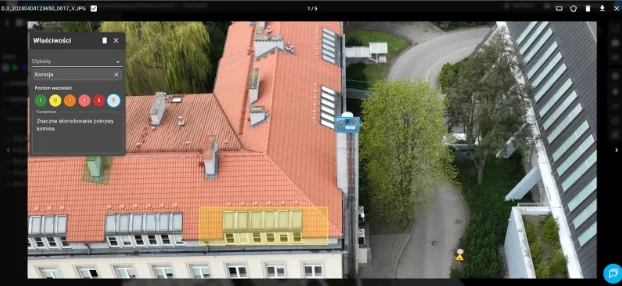
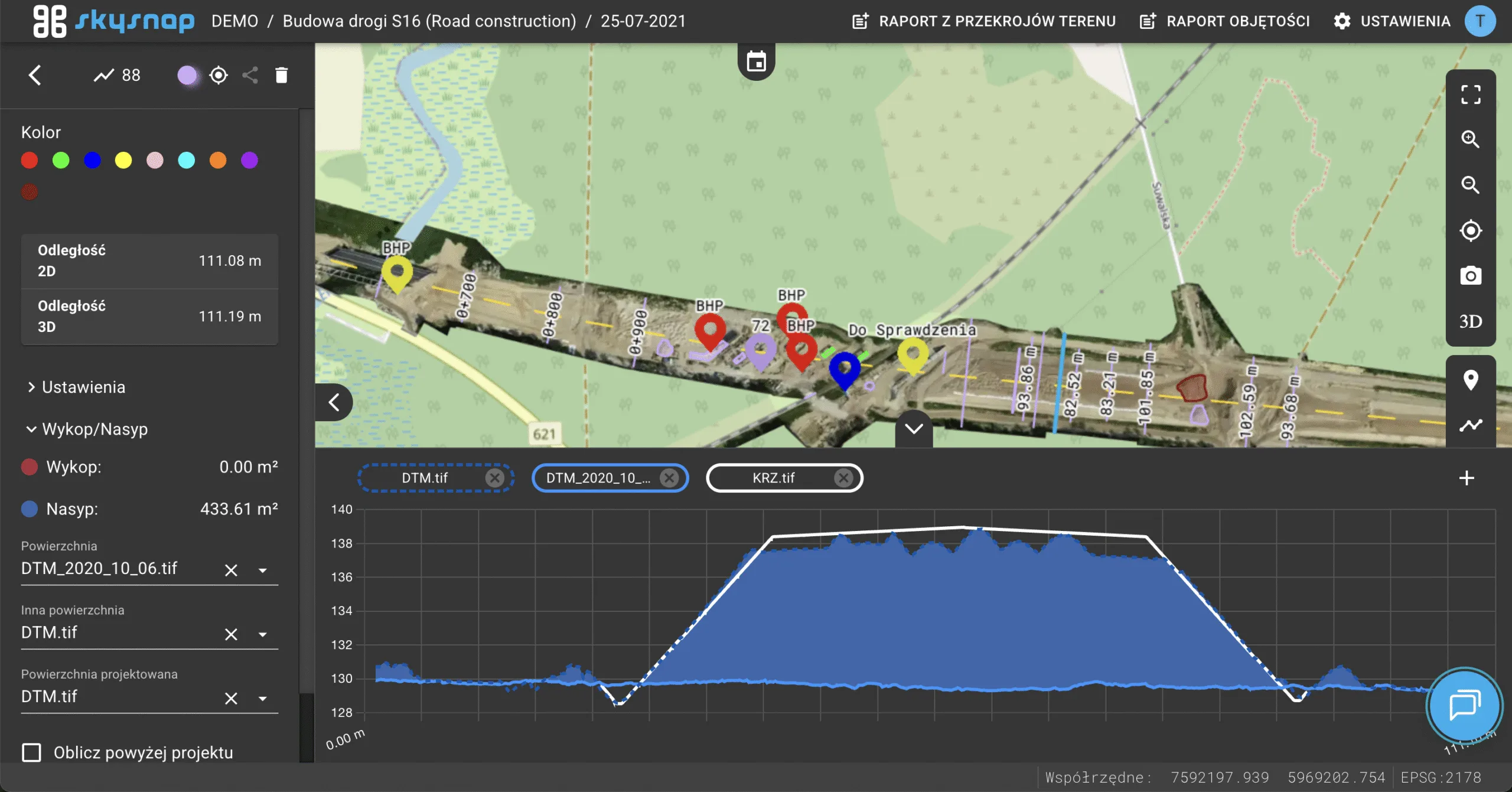
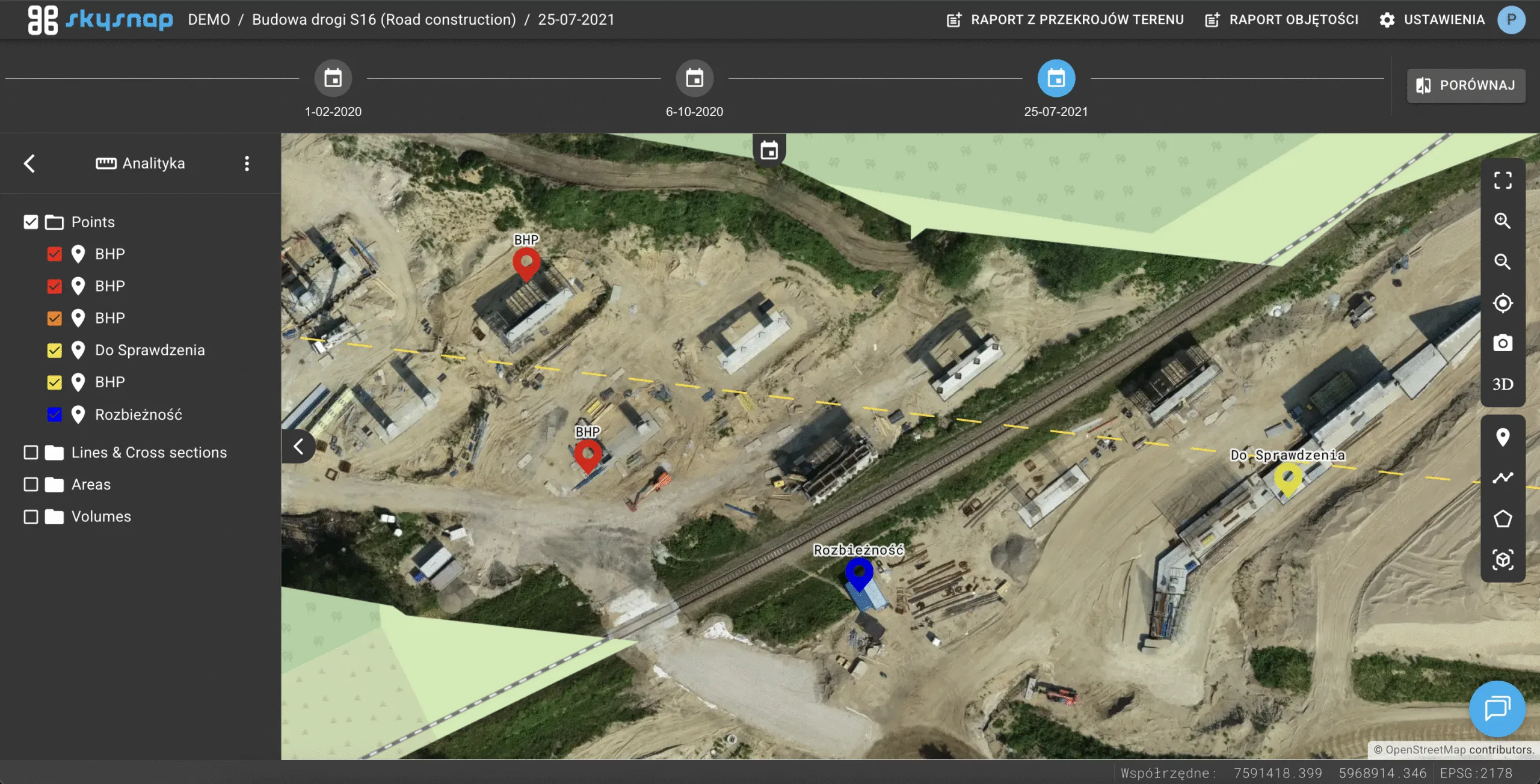
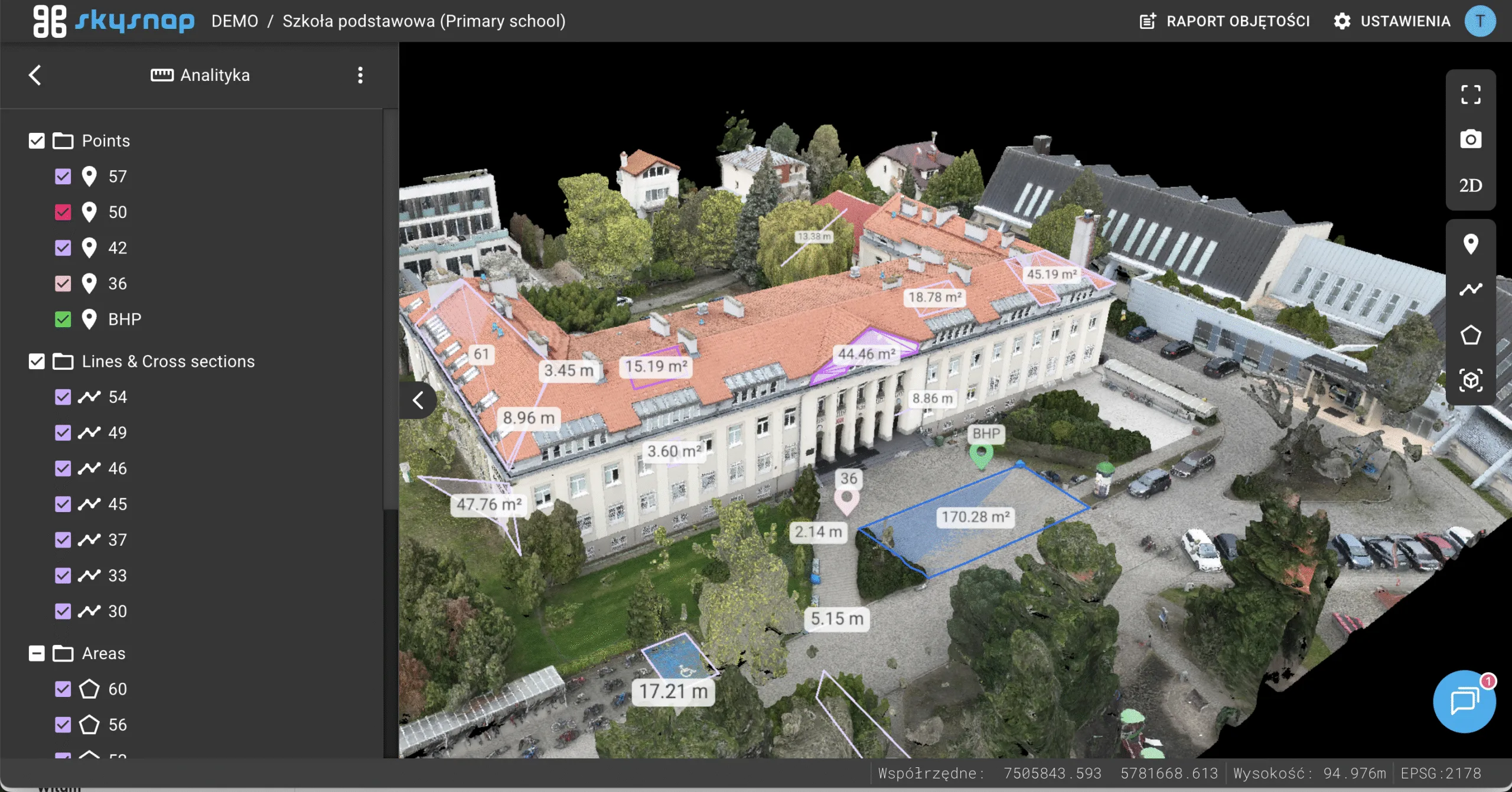
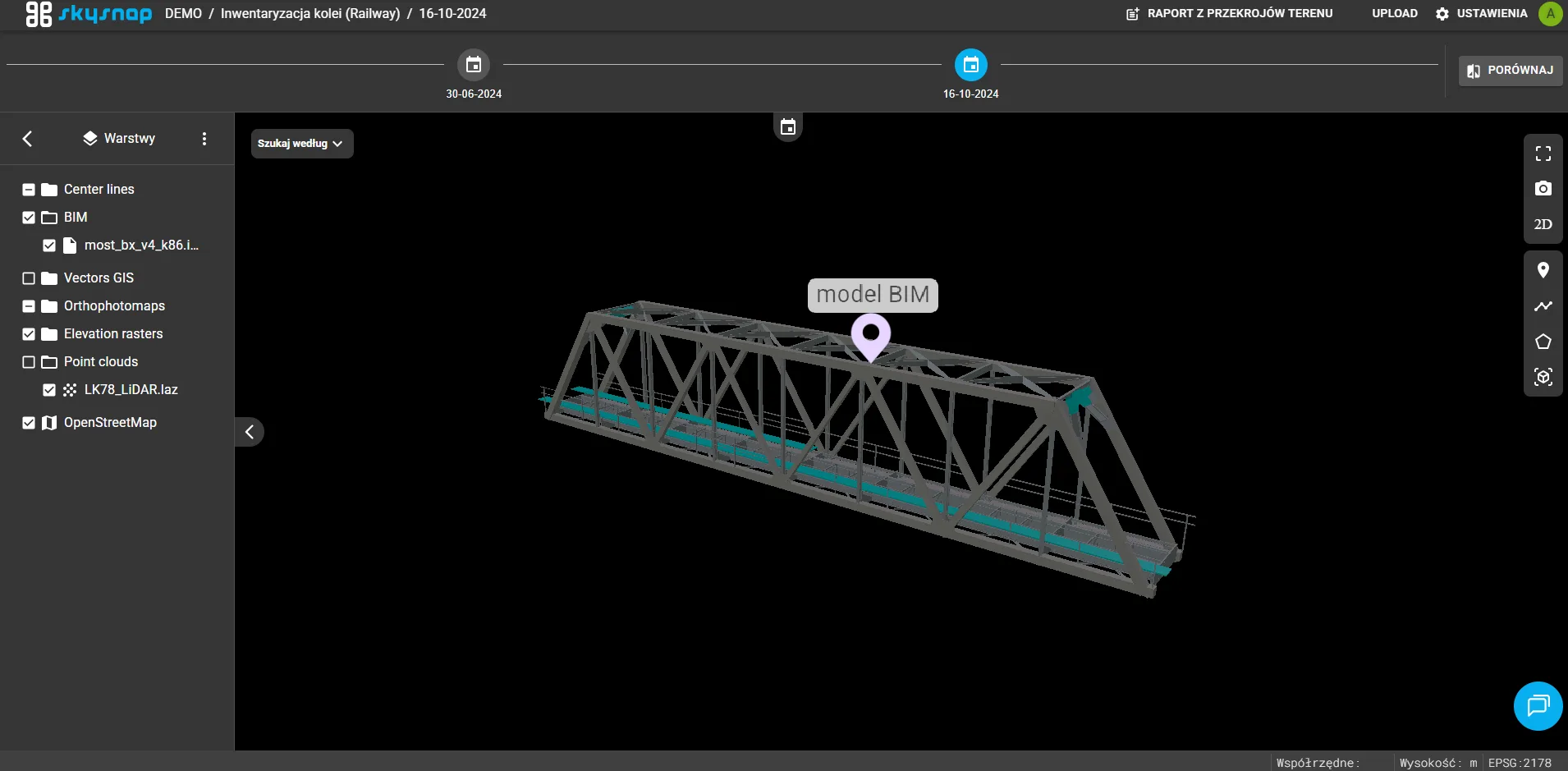
Drones play an important role in infrastructure management, enabling quick and efficient inspections and monitoring of the condition of facilities. The use of drones to inspect bridges, power lines, pipelines or buildings allows the collection of detailed visual data, which is crucial for condition assessment and maintenance planning. Compared to traditional methods,the use of drones is not only faster, but also safer, eliminating the need to involve humans in difficult and dangerous working conditions. Drones equipped with advanced sensors can detect micro-damage, corrosion or other signs of wear and tear before they become a serious problem. This makes infrastructure management more proactive, extending the life of facilities and reducing repair costs. In this way, drone data is helping to improve the operational efficiency and security of public and private infrastructure.
Challenges in sharing data
Security and privacy
Sharing drone data brings significantsecurity and privacy challenges. Drones collect vast amounts of information, including potentially sensitive data about individuals and private lands.
There is a risk that this data could be intercepted, unauthorizedly used or leaked, posing a threat to individual privacy. Data protection regulations and standards need to be put in place to ensure that information is collected, stored and processed in a legally compliant manner. In addition, drone operators must be aware of and comply with existing data protection regulations.
Increased awareness and education about digital security are key to minimizing the risks associated with unauthorized access to data. This is the only way to strike a balance between the benefits of sharing data and protecting users’ privacy and security.
Data storage and analysis
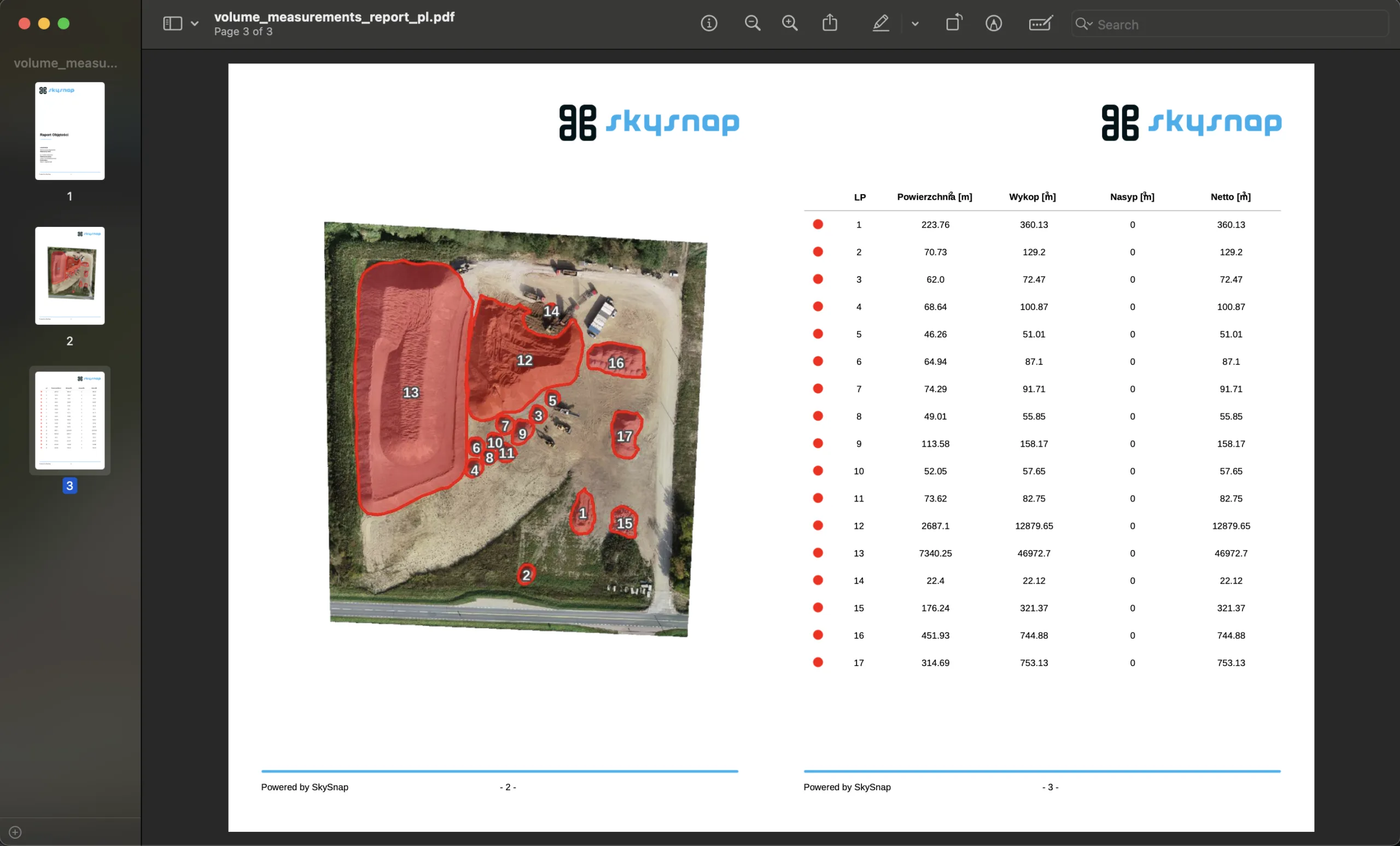
One of the main challenges of sharing drone data is effectively storing and analyzing the vast amounts of information collected. This data requires secure and efficient storage systems that can accommodate and protect the information from loss or unauthorized access.
As the amount of data grows, so does the need for advanced analysis tools to turn raw data into valuable information. Analyzing drone data can be complicated due to the variety and complexity of the information collected. It is necessary to develop algorithms and software that will enable fast and accurate data processing.
In addition, IT infrastructure must be scalable to meet growing demands. Cloud solutions offer flexibility and scalability, but their implementation requires consideration of security and compliance issues.
The future of drone technology
Innovation and new opportunities
Drone technology is developing rapidly, opening up new opportunities and stimulating innovation in various sectors.
- Advanced sensors and artificial intelligence systems enable drones to perform more complex tasks, from autonomous flight to real-time data analysis.
- Thanks to advances in communications and data processing, drones can now operate in complex environments, supporting emergency operations, medical deliveries and even package delivery services.
- In the future, we can expect further integration of drones with IoT systems, which will increase their efficiency and applications.
- Technological developments in batteries and composite materials will also help increase the flight time and range of drones.
In addition, the introduction of regulations to facilitate the commercial use of drones could significantly accelerate their adoption. As a result, drones will play an increasingly important role in the economy and daily life, benefiting both businesses and consumers. Drones can also be used to record stunning footage, which requires compliance with RODO regulations.
Integration with other technologies
Integrating drones with other cutting-edge technologies is a key development that can greatly enhance their functionality and applications.
- Drones are increasingly connecting to Internet of Things (IoT) systems, allowing them to communicate with other devices and systems in real time. This allows them to act as mobile sensors in smart cities, helping manage traffic or monitor pollution.
- The combination with artificial intelligence technologies allows drones to make autonomous decisions and analyze data without the need for human intervention.
- Working with augmented reality (AR) systems, in turn, could revolutionize training and inspections in many industries.
- Integration with blockchain technologies ensures secure and transparent storage of data collected by drones.
This synergistic approach not only expands the capabilities of drones, but also accelerates the implementation of innovative solutions in various areas of life. However, it is important to remember that the integration of drones with other technologies must take into account data protection regulations, which is a key aspect of their use.
Impact on the technology sector
Changes in business models
The introduction of drones into various industries is leading to significant changes in traditional business models. Companies need to adjust their strategies to take full advantage of the potential that drone technology brings.
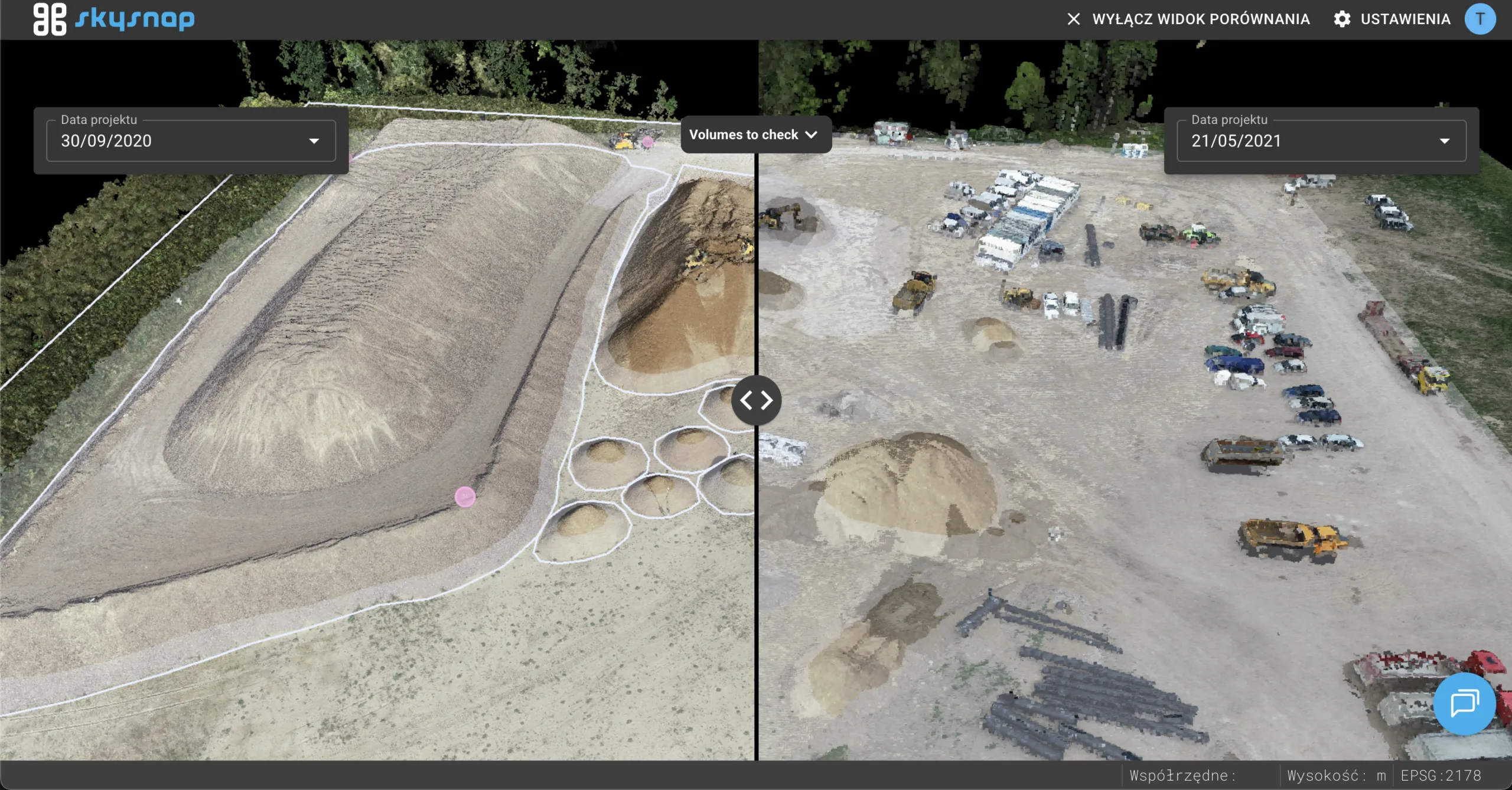
Companies can now offer new services, such as large-scale infrastructure inspections or precision crop monitoring, which was previously costly and time-consuming.
Drones also enable more efficient supply chain management, with faster and cheaper transportation of goods.
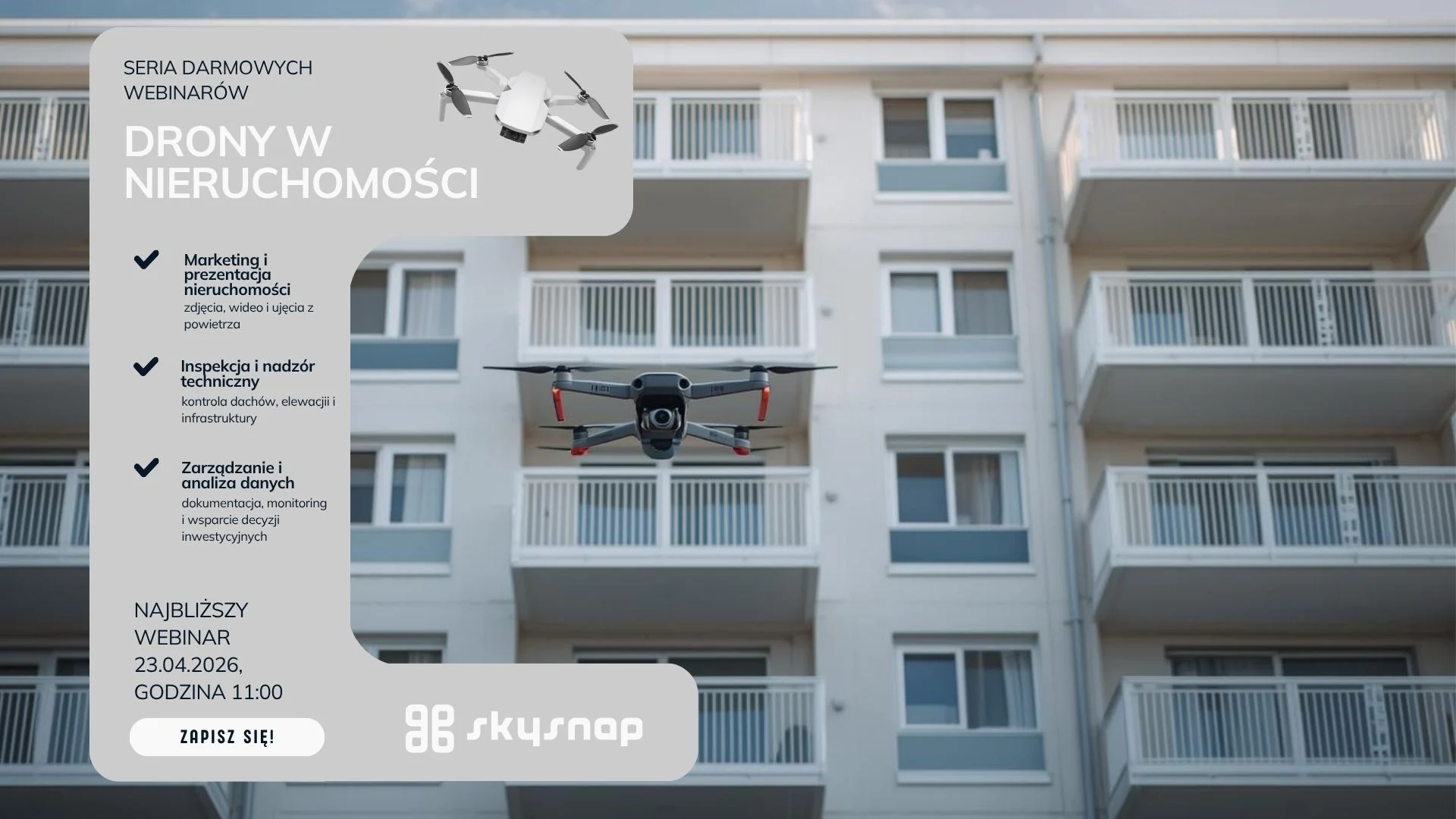
In the real estate sector, drones are supporting the creation of virtual visualizations of objects, which is changing the way real estate is presented and sold.
In addition, the development of drone data analysis software is opening up new possibilities for processing and interpreting the information collected. Companies must therefore be flexible and innovative to adapt to these changes and benefit from the newfound opportunities that drones offer. Drone operators also need to adapt to new business models to take full advantage of the potential of drone technology.
New standards and regulations
The growing popularity of drones and their use in various sectors are forcing the introduction of new standards and regulations. To ensure safety in the airspace, regulations must set rules for drone registration, operator certification and flight guidelines. In many countries, regulations are being enacted to restrict drone flights near airports, public places and private land to protect citizens’ privacy.
In addition, the new regulations must address data protection issues to ensure that the information collected is properly stored and used in compliance with the law.
The introduction of international standards for drone interoperability with air traffic control systems is key to their safe integration into transportation systems. Drone companies need to stay abreast of regulations to avoid legal problems and effectively take advantage of the opportunities the technology offers. Drone users must comply with new standards and regulations to avoid legal problems.
Free E-book
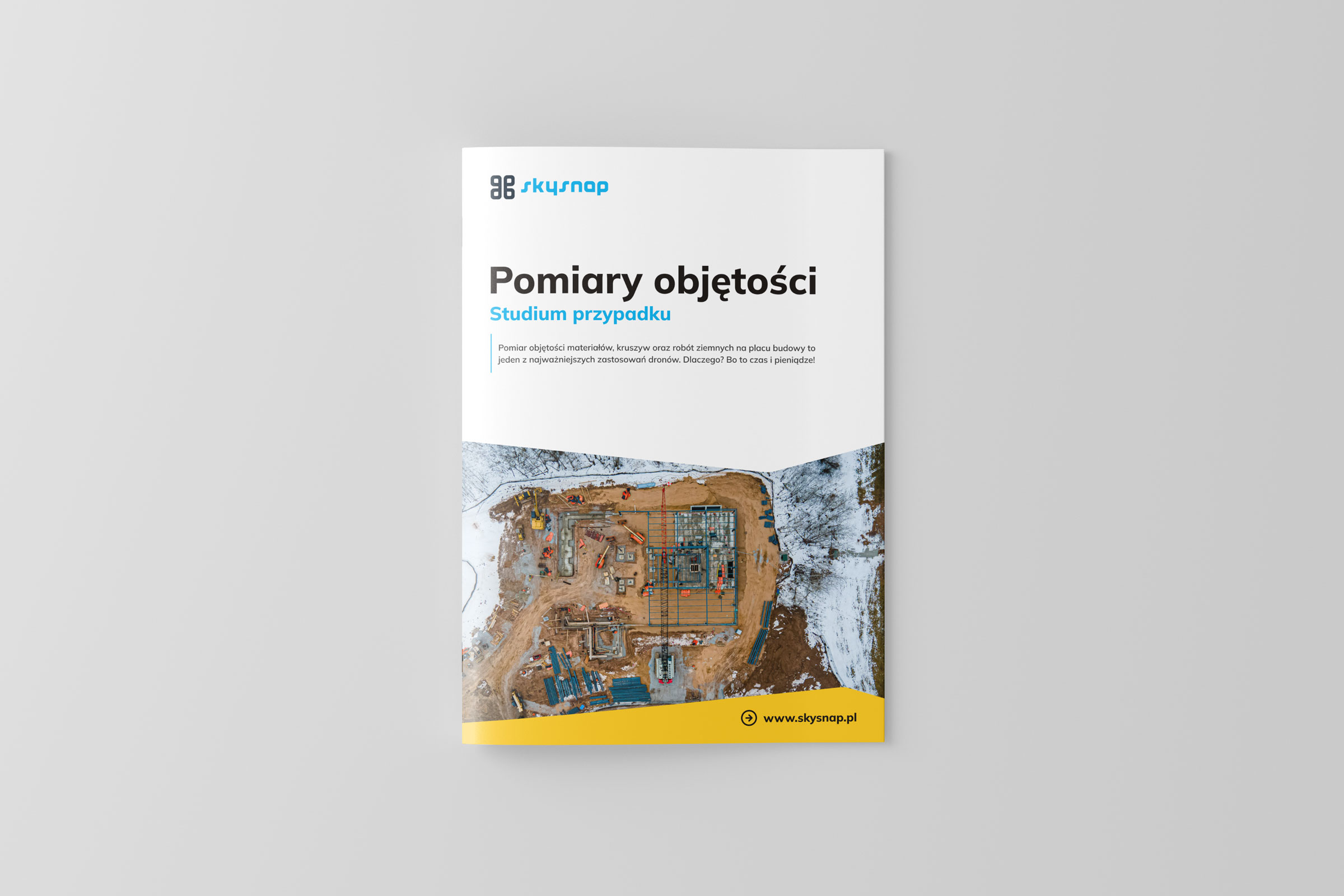
Measuring the volume of materials, aggregates and earthworks on a construction site is one of the most important uses of drones. Why? Because it’s time and money! Download our short e-book and learn how you can monetize your passion with drones.
Table of Contents:
Do you like the article? Share it with others!
Do you like the article? Share it with others!
Tips, news, insights
Related articles
Check out our articles and get the latest industry news.