Introduction to drone services
In recent years, there has been a rapid increase in demand for drone services in various industries. Once associated mainly with military applications, drones have gained popularity in many areas of daily and professional life. Companies and institutions are increasingly using these modern devices for tasks that require precision, speed and safety. From agriculture to construction to the film industry, drones are becoming an invaluable tool that is revolutionizing the way we view and perform everyday tasks. In this paper, we take a look at how different sectors are harnessing the potential of drones, the benefits of doing so, and the challenges facing this rapidly growing technology.
History and development of drones
Drones, also known as unmanned aerial vehicles, have their roots in military applications, dating back to the early 20th century. The first models were mainly used for training purposes and as reconnaissance tools. Over time, drone technology has evolved significantly, opening the door to many new applications.
In the 1980s, drones began to be used for more complex tasks, such as reconnaissance missions and combat support. With advances in technology and the miniaturization of components, drones became available to a wider range of users, including civilians.
Nowadays, drones are widely used in many industries, such as agriculture, filming and logistics, becoming an integral part of modern technological solutions. Their development has not only revolutionized the way we work, but also introduced new standards in many fields.
Current drone technologies
Current drone technologies are characterized by advanced features that greatly enhance their capabilities. Today’s drones are equipped with a variety of sensors, such as high-resolution cameras,thermal sensors and lidar, which enable precise mapping and terrain analysis.
Satellite navigation systems, such as GPS, allow for accurate tracking and planning of flight routes. Drones also benefit from advanced communications technologies that enable remote control and real-time monitoring. Modern drones are often autonomous, meaning they can carry out programmed missions on their own without the need for constant operator supervision.
The introduction of artificial intelligence and machine learning allows for even more advanced data processing and decision-making. These innovations in drone technology are opening up new possibilities for drone use, making drones an indispensable tool in many industries.
Regulations governing the use of drones
Regulations governing drone use are essential to ensure public safety and privacy. Many countries, including Poland, have enacted specific regulations for their use. They usually require registration of drones, especially those with heavier weights, and that operators obtain appropriate licenses. Regulations also specify zones where drone flying is allowed and those that are off-limits, such as airport areas or military areas.
In addition, operators must comply with rules regarding flight altitude and distance from people and buildings. The introduction of these regulations is aimed at minimizing the risk of accidents and privacy violations. Adhering to current regulations is crucial for professional drone operators who want to legally and safely use these devices in their professional activities. The changing regulations require constant attention and updated knowledge.
Drones in agriculture
Crop and soil monitoring
Drones in agriculture are revolutionizing the way crops and soil are monitored, offering farmers accurate and fast data. Equipped with advanced cameras and multispectral sensors, drones can gather information on crop health, soil moisture levels and identify potential problems such as diseases or pests. Analyzing drone data allows for precise crop management, leading to increased yields and optimized use of resources such as water and fertilizer. This allows farmers to make more informed decisions about fertilization and irrigation, which in turn contributes to sustainable agriculture.
In addition, regular monitoring using drones makes it possible to quickly detect changes in crops, which is key to preventing losses. As a result, drones are becoming an invaluable tool in modern precision agriculture.
Use in plant protection
Drones play a significant role in crop protection, offering farmers modern and effective methods of controlling pests and diseases. Thanks to the precise application of crop protection products, drones make it possible to evenly cover large areas of crops, which is difficult to achieve with traditional methods. The drones’ customizable flight altitude and speed allow them to optimize the application process, minimizing waste and environmental impact.
Drones can also respond quickly to emergencies, such as the appearance of a new disease outbreak, significantly reducing response time and increasing the effectiveness of protective measures. In addition, with GPS systems and cameras, drones can accurately document and monitor the effectiveness of the measures applied. The use of drones in crop protection not only increases productivity, but also supports sustainable farming practices while protecting the health of crops and the environment.
Drone data analysis
Drone data analysis is a key element in precision agriculture, enabling farmers to make more informed decisions. Drones collect vast amounts of visual and multispectral data, which, when processed, provide information on plant health, soil moisture levels and the presence of pests. Advanced data analysis software allows interpretation of the information, transforming it into easy-to-read reports and maps. This allows farmers to quickly identify problem areas and take appropriate action, such as precise fertilization or spraying.
Analyzing drone data also supports long-term planning, enabling monitoring of changes over time and assessing the effectiveness of implemented practices. As a result, the use of drone data makes it possible to optimize agricultural production, increase efficiency and reduce costs, while minimizing environmental impact.
Application of drones in the construction industry
Inspection and monitoring of construction sites
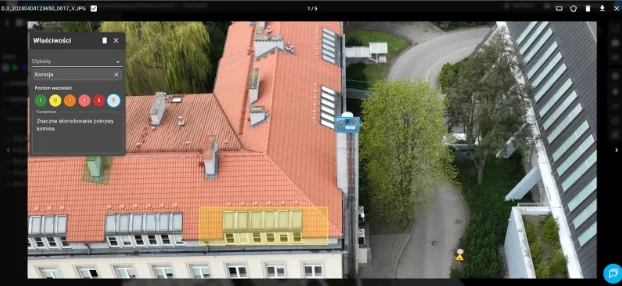
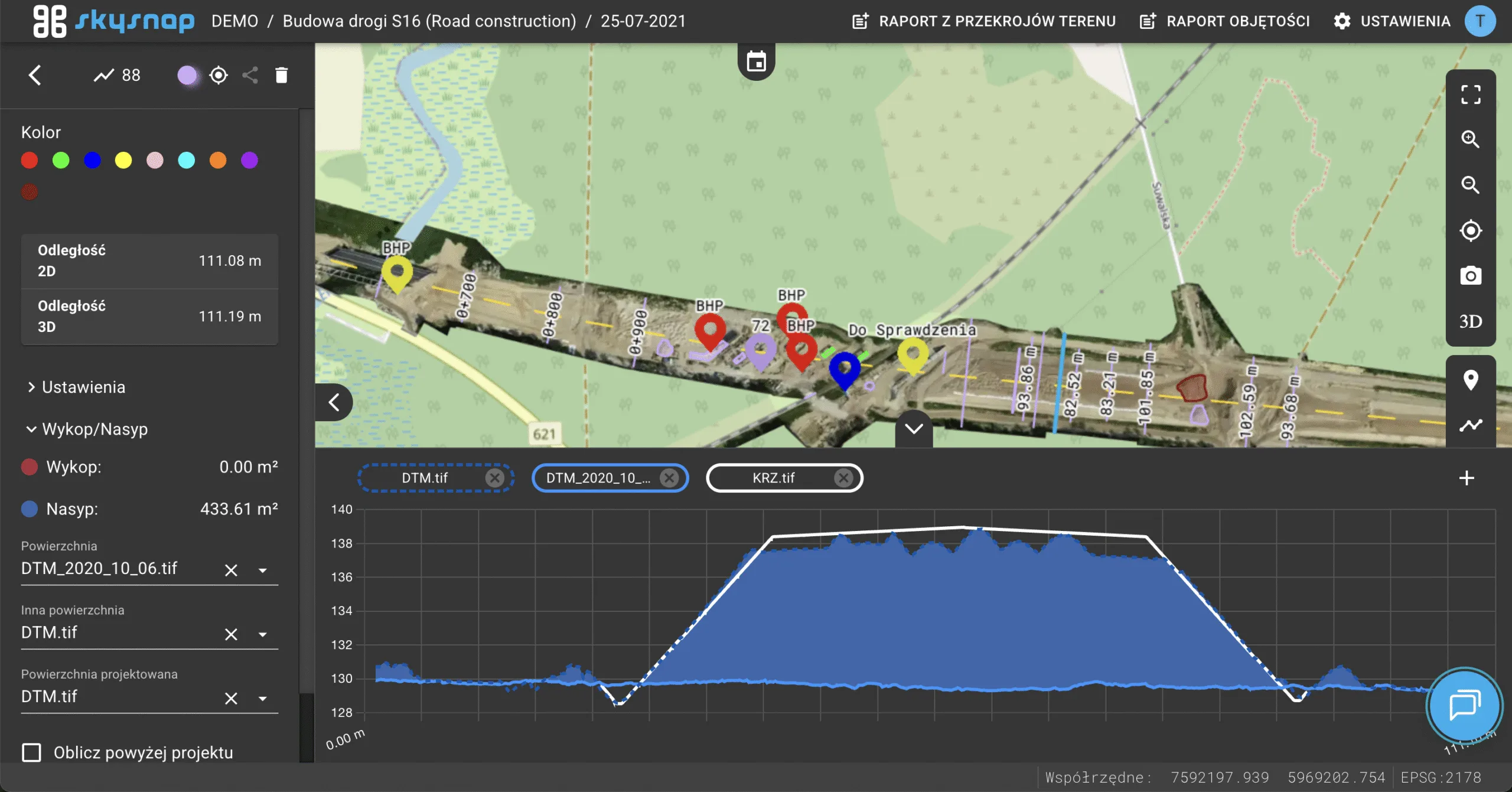
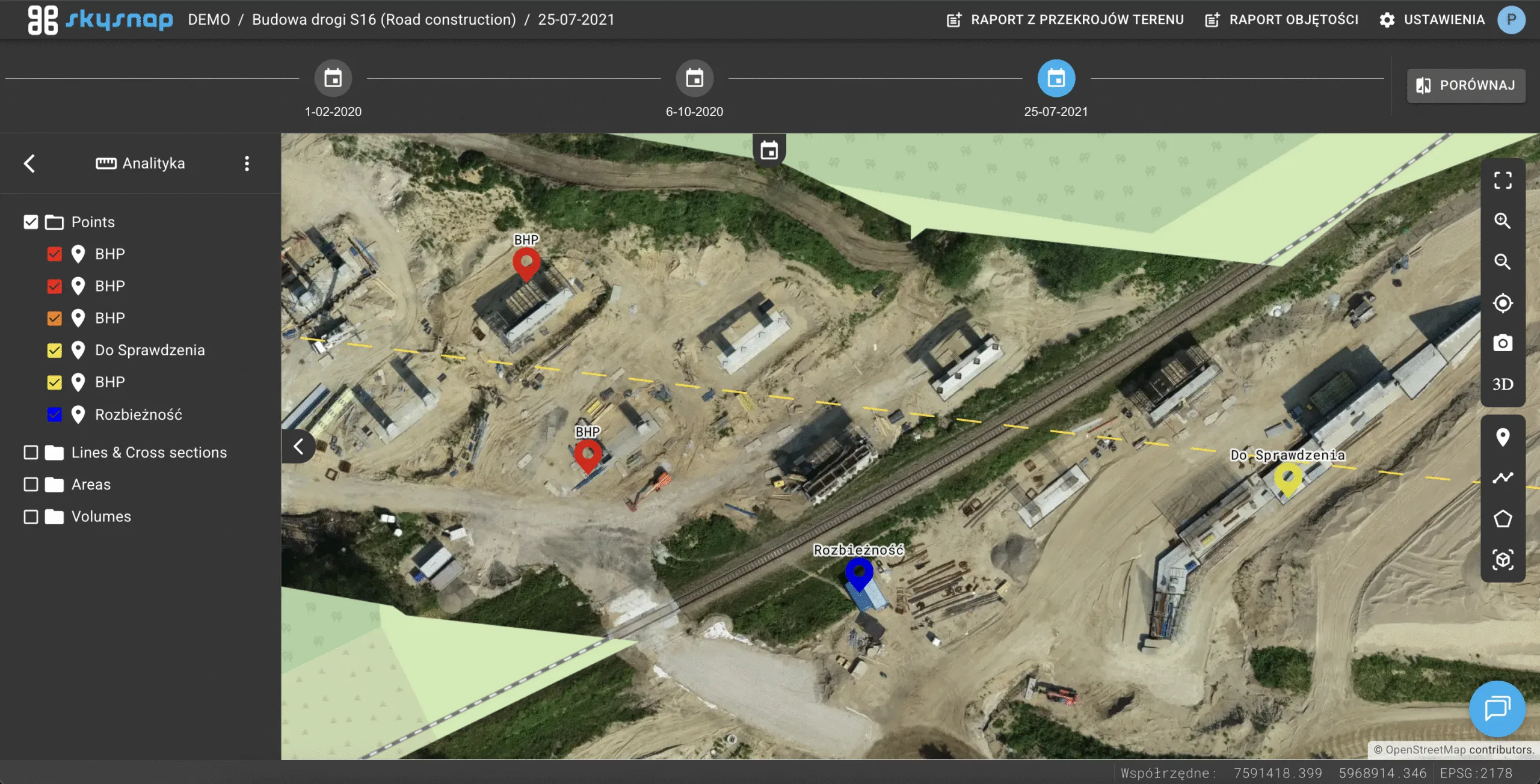
Drones have become an invaluable tool in the construction industry, especially for inspecting and monitoring construction sites. With them, engineers and project managers can instantly get a full picture of the progress of construction work, which is difficult to achieve with traditional methods. Drones make it possible to safely and efficiently carry out inspections in hard-to-reach areas such as roofs and tall structures, eliminating the need for scaffolding or cranes.
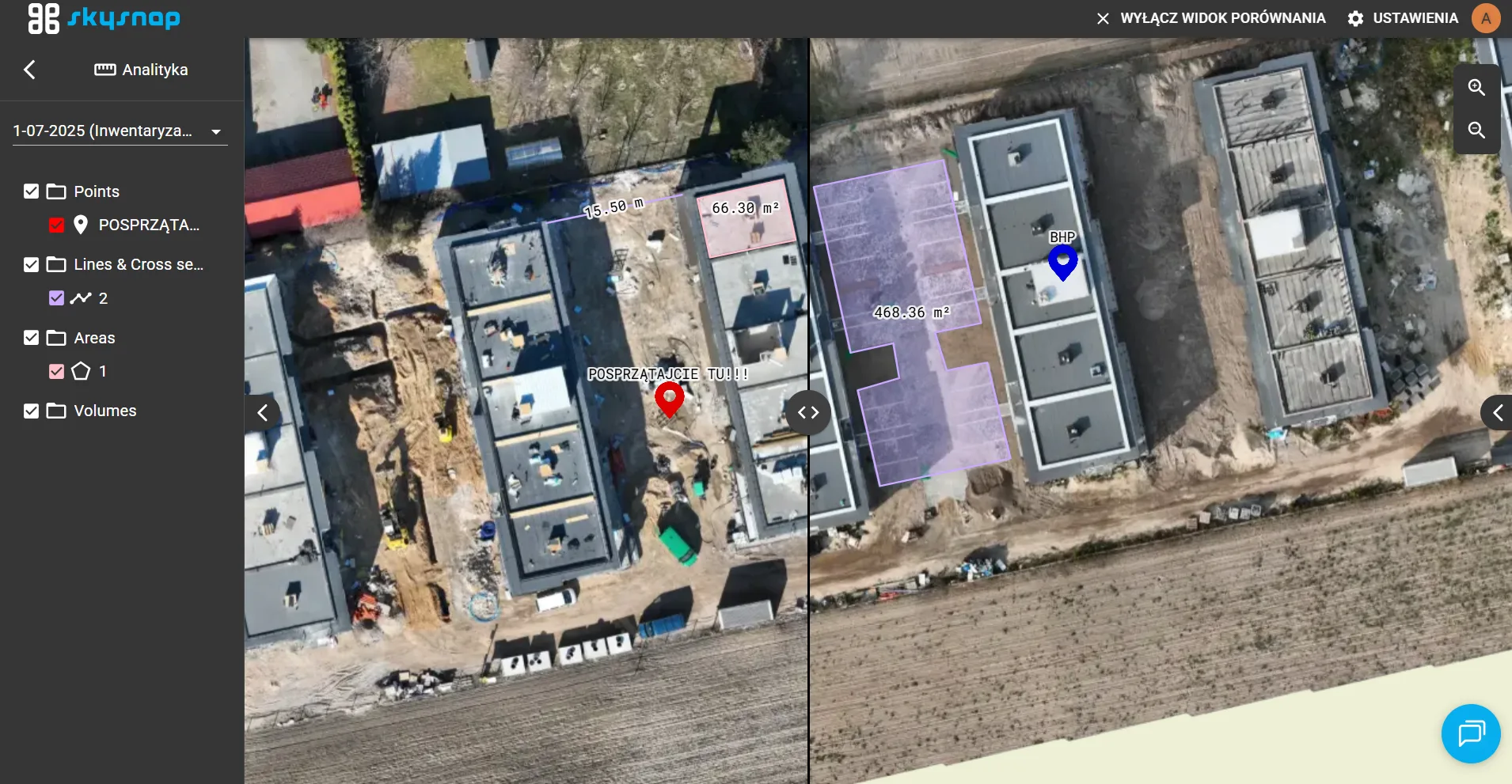
High-quality drone-mounted cameras provide detailed photos and videos that can be analyzed to assess the condition of buildings and identify potential problems. Regular construction monitoring with drones allows for real-time tracking of progress and compliance with the schedule, which is crucial for effective project management. As a result, drones help improve efficiency, reduce costs and increase safety on construction sites.
Creation of maps and 3D models
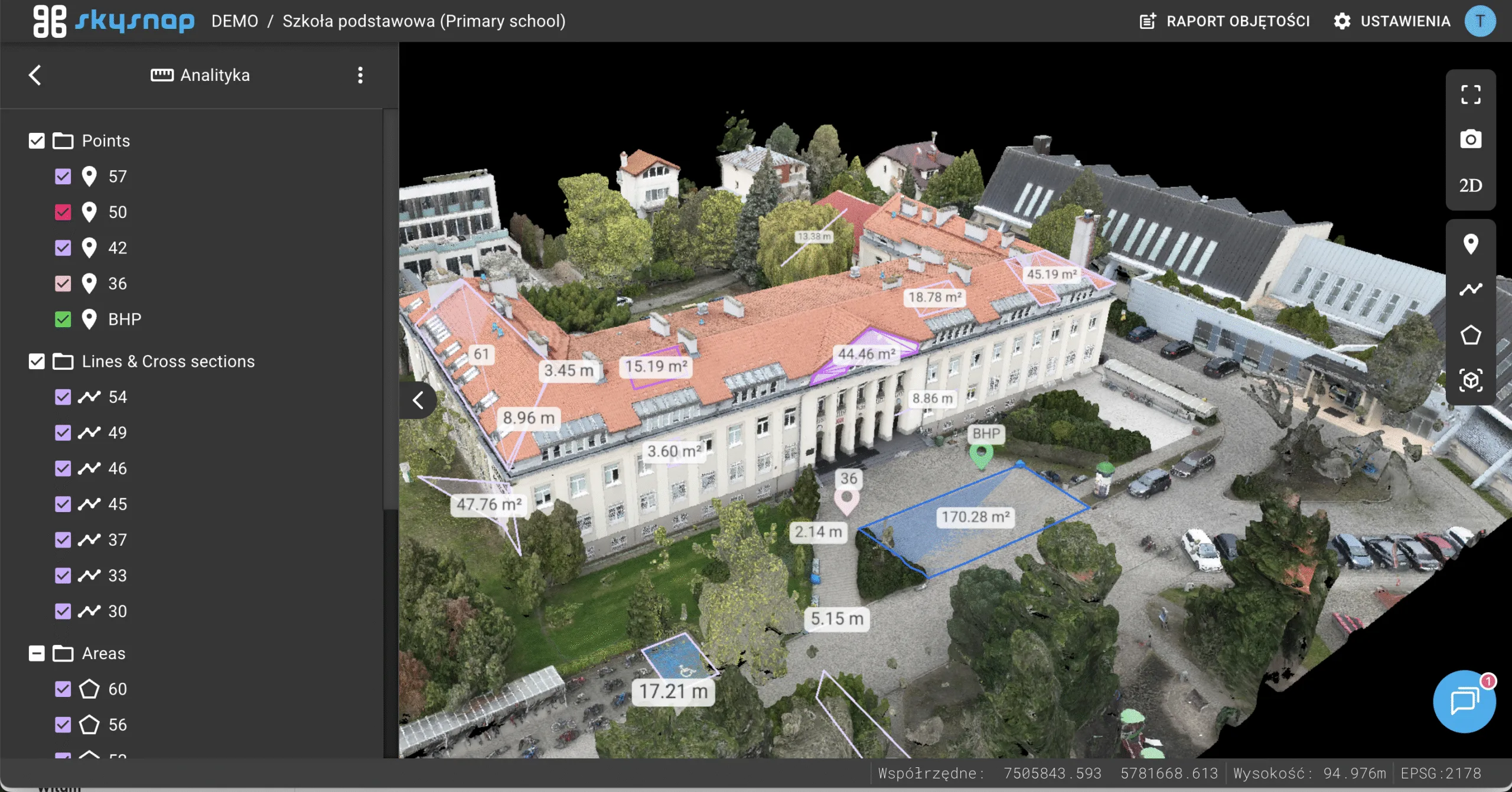
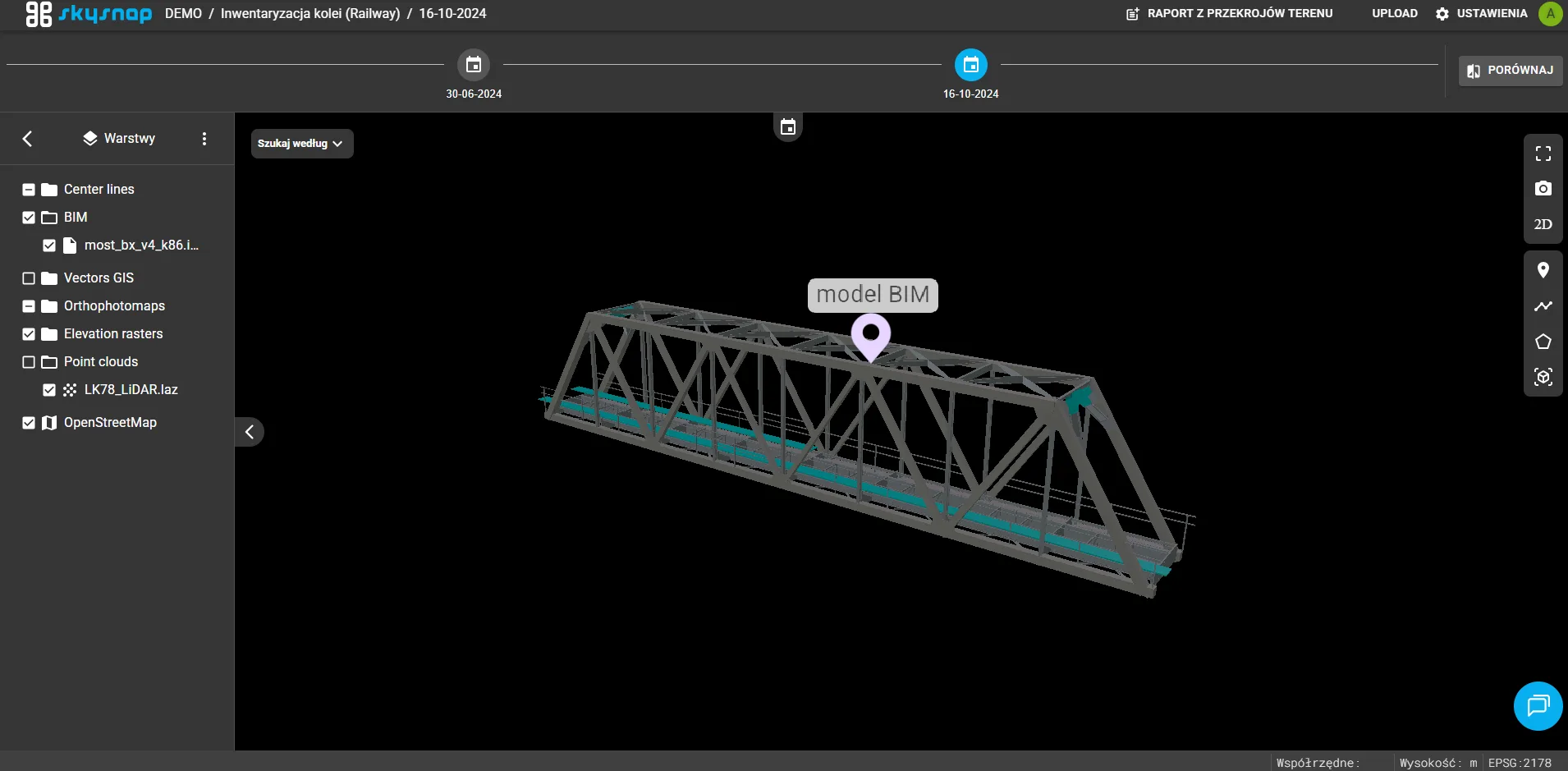
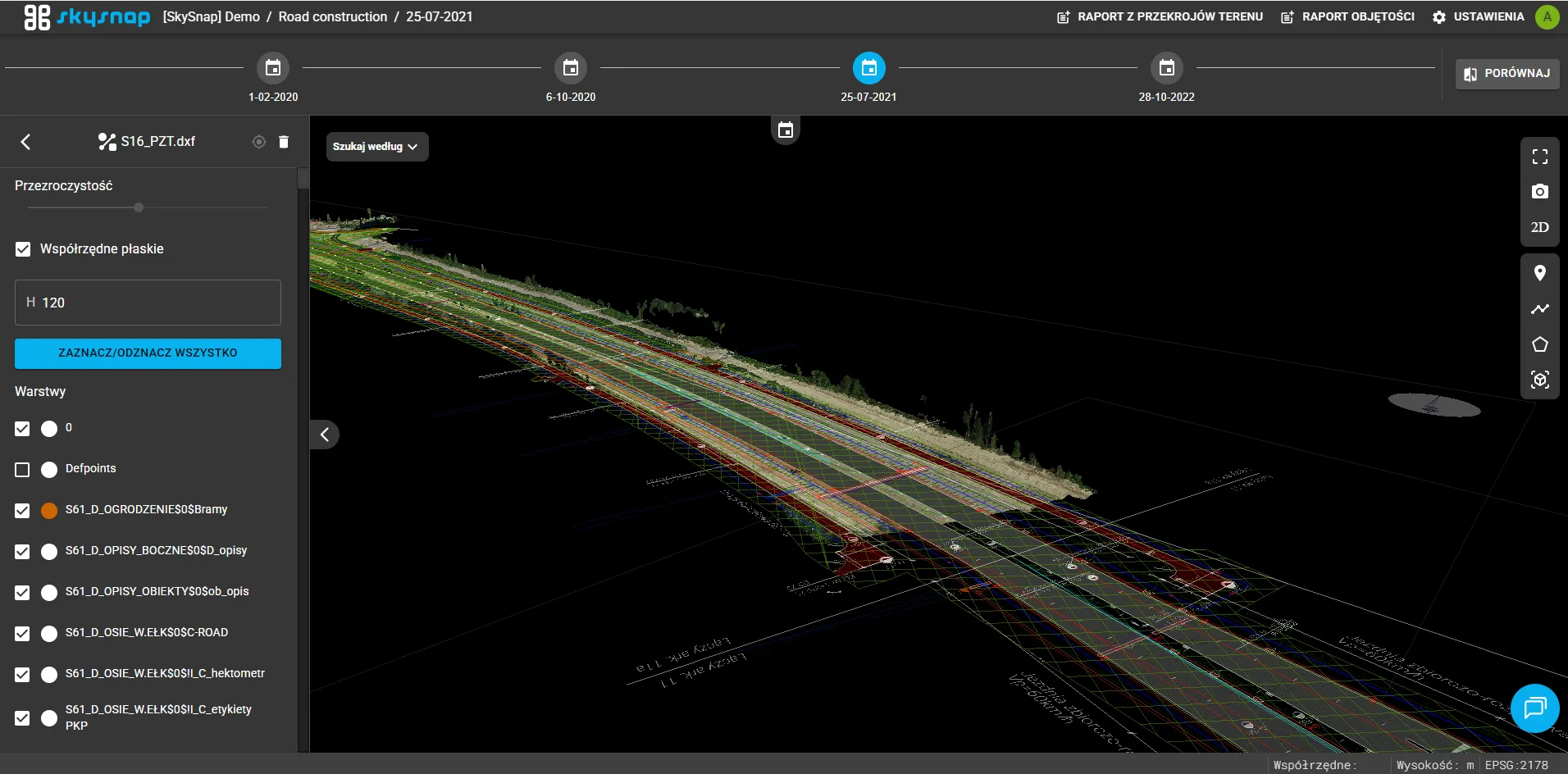
In the construction industry, drones play a key role in the creation of maps and 3D models, greatly facilitating the planning and execution processes of projects.Using photogrammetric technology, drones can accurately scan terrain and create detailed 3D models that reflect actual site conditions. These 3D models are extremely useful during the design phase, allowing architects and engineers to accurately plan and optimize construction projects. The maps and 3D models created with the drones also enable better visualization of the project for clients and other stakeholders, making it easier to understand and approve planned investments.
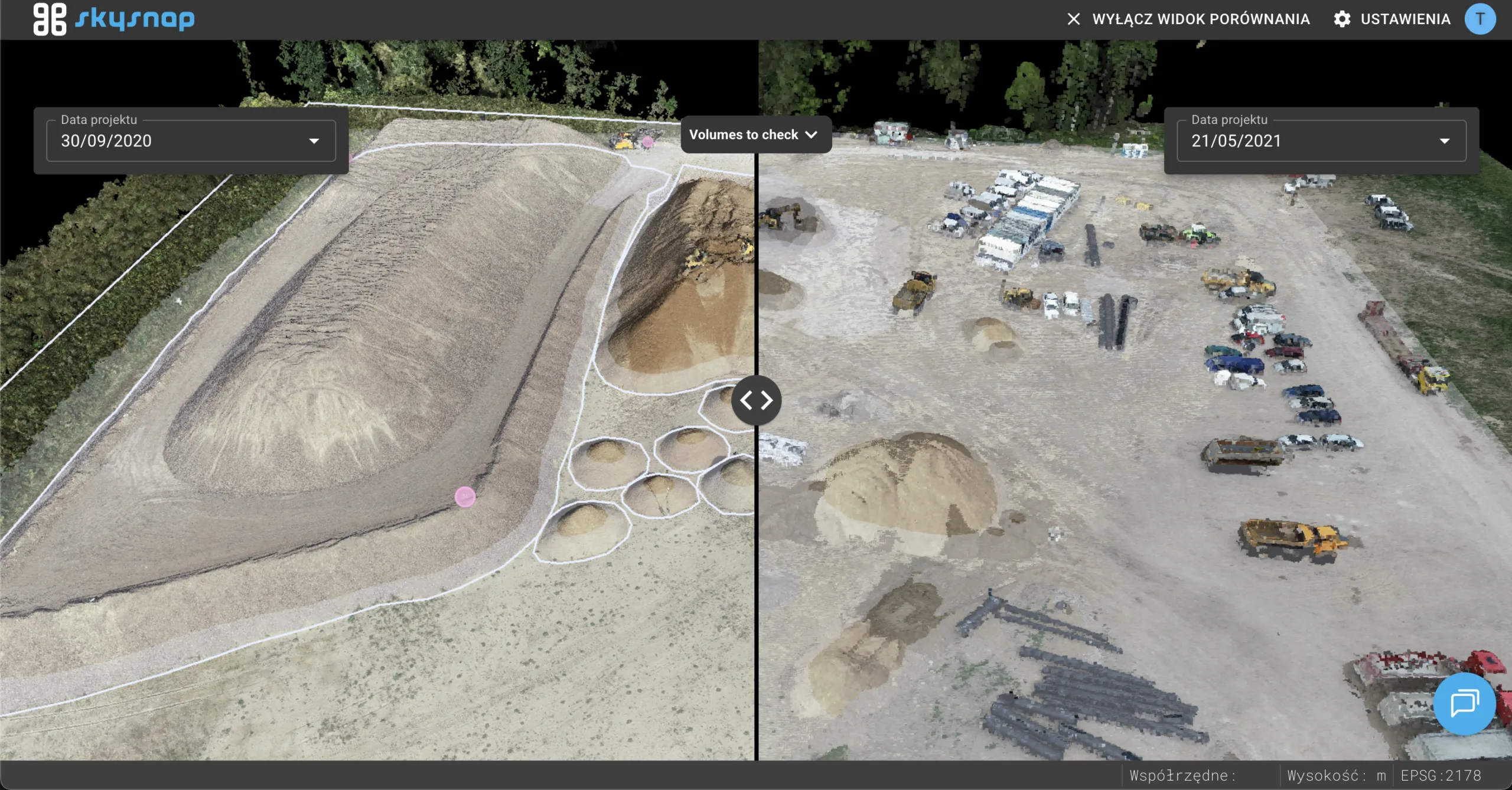
In addition, regular updates to 3D models help track construction progress and identify potential problems before they become major obstacles to the project. By providing accurate spatial data, drones promote efficiency and precision in modern construction.
Work efficiency and safety
Drones significantly improve the efficiency and safety of work on construction sites, offering modern project management tools. With the ability to quickly fly over large areas, drones can provide up-to-date data on the progress of work, allowing for better planning and resource allocation. Real-timemonitoring of construction progress allows drones to quickly identify delays and make necessary adjustments to the schedule.
In terms of safety, drones make it possible to conduct inspections in hard-to-reach or dangerous areas, eliminating the need for workers to be physically present in potentially risky situations. As a result, the risk of construction site accidents is significantly reduced.
In addition, drones can be used to monitor compliance with construction site safety regulations, further enhancing worker protection. As a result, drones promote not only operational efficiency, but also safety, which is crucial to the success of any construction project.
The role of drones in logistics
Deliveries of goods and parcels
Drones are gaining prominence in logistics, especially in the delivery of goods and packages. Their ability to quickly transport shipments over short distances makes them ideal for so-called last-mile deliveries, where delivery time is crucial. In cities, they allow drones to bypass traffic jams and other road obstructions, significantly reducing delivery times. Drones can also be used in hard-to-reach places, such as mountainous areas or islands, where traditional transportation methods are less efficient.
In addition, their use in logistics makes it possible to reduce operating costs and environmental impact by reducing emissions. Drone technology in logistics continues to evolve, and the introduction of advanced drone navigation and fleet management systems opens up new opportunities for transportation companies seeking to increase efficiency and improve the quality of their services.
Warehouse management and inventory
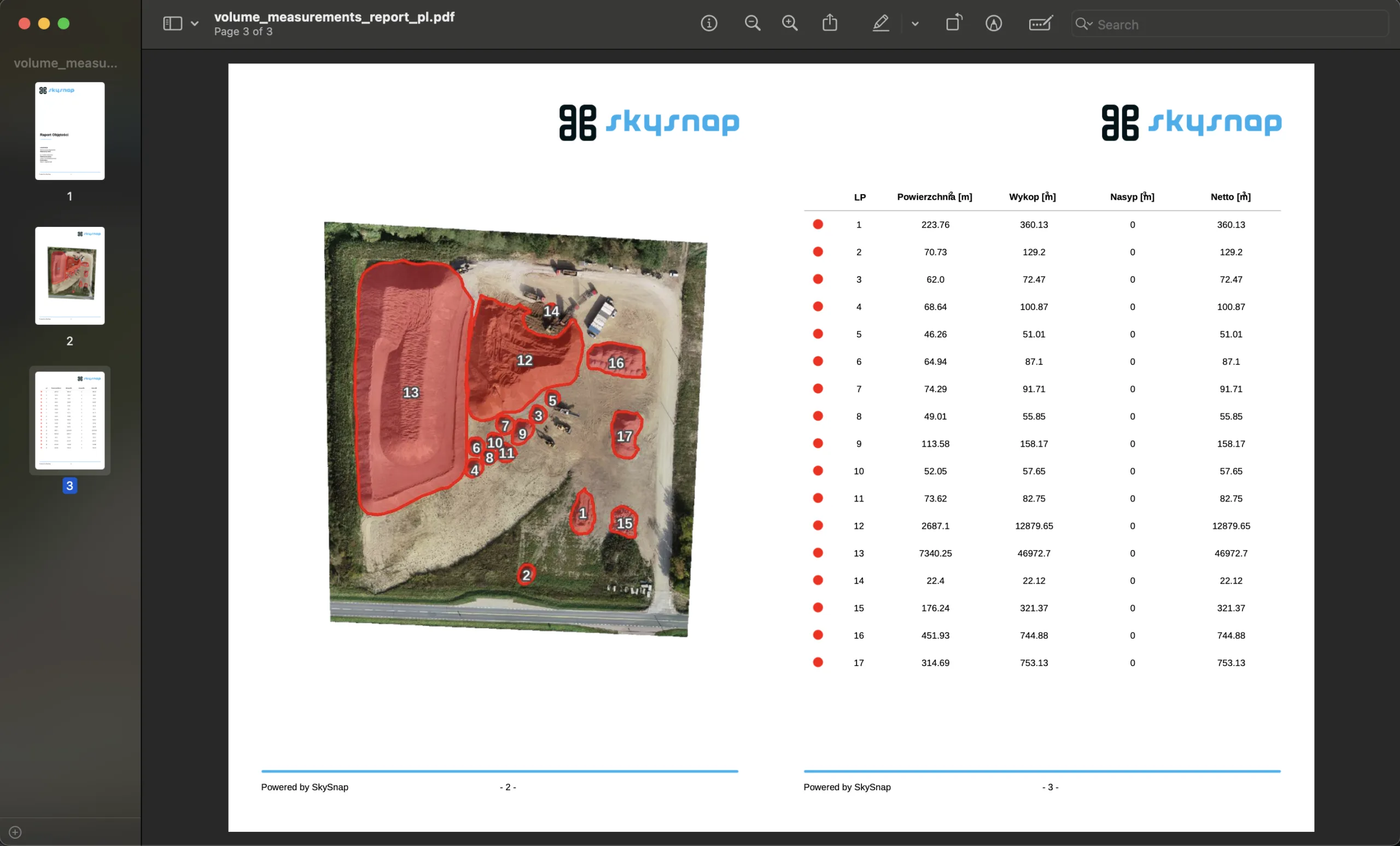
Drones are playing an increasingly important role in warehouse and inventory management, offering cutting-edge solutions that increase operational efficiency. Equipped with cameras and scanners, drones can quickly and accurately record inventory, eliminating the need to manually count products. This not only speeds up the inventory process, but also minimizes the risk of human error. The drones can be programmed to fly around the warehouse on a regular basis, providing real-time updates on inventory levels and enabling rapid response to changes in demand.
In addition, drones can help identify damaged packages or misplaced goods, which helps improve the organization of warehouse space. The introduction of drones into warehouse management supports the automation of logistics processes, which in turn leads to lower operating costs and increased efficiency of the entire logistics operation.
Optimization of transport routes
Drones are invaluable in optimizing transportation routes, which is key to improving efficiency and reducing costs in logistics. With advanced navigation systems and real-time data collection capabilities, drones can monitor road conditions, such as traffic congestion or obstacles, and provide information that helps plan the most efficient delivery routes. In this way, they make it possible to avoid traffic jams and other delays, resulting in shorter delivery times and reduced fuel consumption.
Drones can also analyze routes in hard-to-reach areas, offering alternative paths that can be more efficient than traditional routes. The introduction of drones for route optimization contributes to more flexible and responsive logistics systems, allowing companies to quickly adapt to changing conditions and better manage their transportation fleets.
The future of drone services
Technological innovations
As drone technology evolves, technological innovation is becoming a key component of the future of drone services.
- Developments in artificial intelligence and machine learning are making it possible to create more autonomous drones that can make complex decisions in real time. This will enable drones to operate in more complex environments, minimizing the need for human intervention.
- In addition, advances in battery and power source technology are helping to extend the flight time and range of drones, opening up new possibilities for their use, such as in long-distance rescue missions.
- Another innovation is the integration of drones with IoT systems, allowing them to communicate seamlessly with other devices and systems, increasing operational efficiency.
The introduction of these advanced technologies is making drones more and more versatile, offering new solutions in various industries and revolutionizing traditional approaches to many tasks.
Challenges and barriers to development
The development of drone technology, despite its potential, faces numerous challenges and barriers.
- One major problem remains regulation, which often fails to keep up with the rapid pace of innovation. The complexity of airspace and public safety regulations can limit the full use of drone capabilities.
- Another challenge is the issue of data security. Drones collect huge amounts of information, which must be properly secured against unauthorized access and cyber attacks.
- In addition, drone technology requires further advances in battery capacity and energy efficiency to increase flight time and range.
- Public concerns about privacy and noise invasion may also be a barrier to accepting widespread drone use.
Overcoming these challenges requires cooperation between government, industry and communities to create a safe and acceptable environment for wider drone use in the future.
Potential new uses for drones
As drone technology continues to evolve, new and exciting possibilities for their use are emerging.
- One area with huge potential is medicine. Drones can be used to quickly transport medical samples, medicines or defibrillators, especially in emergency situations where response time is crucial.
- Another area is rescue and search operations. Drones equipped with thermal imaging cameras can quickly search large areas, which is invaluable in natural disasters.
- The energy industry is also seeing the benefits of using drones to inspect infrastructure such as power lines and wind farms, increasing safety and operational efficiency.
- In agriculture, in addition to monitoring crops, drones can support sustainable practices through precise fertilizer applications.
These and other innovative applications indicate that drones will play an increasingly important role in various aspects of social and economic life.
Free E-book
Learn how to prepare a mission step-by-step, avoid raid mistakes and create accurate orthophotos and 3D models. The perfect guide before your first commercial assignments.
Table of Contents:
Do you like the article? Share it with others!
Do you like the article? Share it with others!
Tips, news, insights
Related articles
Check out our articles and get the latest industry news.