Introduction to drones in construction
Drones, once associated only with toys or military equipment, are gaining popularity in various industries, including construction. The use of drones on construction sites is not only a modern trend, but more importantly a practical solution that facilitates many processes. From monitoring the progress of work, to creating accurate site maps, to inspecting hard-to-reach areas, drones are becoming an invaluable tool for engineers, architects and project managers. In this guide, we take a look at how these flying devices are revolutionizing the construction landscape while offering efficiency and cost savings.
History and technological development
The origins of drones date back to the 1920s, when the first unmanned aerial vehicles were used for military purposes. Over time, the technology began to evolve, becoming more accessible and versatile.
In the 1980s and 1990s, technological development accelerated and drones became more compact and advanced. The introduction of modern sensors, GPS and control systems enabled their use in new fields such as photography, filming, and construction.
In recent years, drones have become an everyday tool on construction sites, thanks to falling production costs and the increasing availability of technology. They are now making it possible to monitor projects in detail, resulting in better quality control and optimization of project costs and time. In this way, drones are transforming the way construction projects are executed.
Why drones are gaining popularity
Drones are gaining popularity in the construction industry for several key reasons.
- Above all, they offer incomparable efficiency in collecting site data. They can map the site quickly and accurately, speeding up the process of planning and implementing projects.
- In addition, drones significantly improve workplace safety by allowing inspections of hard-to-reach or potentially dangerous areas without putting workers at risk.
- Another advantage of drones is their ability to monitor the progress of the work in real time, allowing for quick response to any delays or errors.
- This technology is also more economical compared to traditional surveillance methods, making it attractive to construction companies seeking to optimize costs.
Thanks to these advantages, drones are becoming an integral part of modern construction projects, bringing benefits in terms of both time and quality of project execution.
Advantages of using drones
Increased efficiency and savings
Drones significantly increase the efficiency of work on construction sites, resulting in significant savings. Thanks to their ability to quickly collect data and provide accurate images of the site, planning and monitoring processes run more smoothly. Compared to traditional methods, such as manual measurements or the use of heavy equipment, drones allow faster and more precise action.
In addition, they eliminate the need to hire expensive cranes or helicopters to perform aerial inspections. Companies can reduce operating costs while increasing the quality and accuracy of the work performed.
In the long run, investing in drones brings tangible financial benefits, allowing for more efficient management of resources. These advantages make drones an attractive solution for companies that want to increase competitiveness and achieve better results in less time.
Improving safety at the construction site
Drones are playing a key role in improving safety on construction sites. Their use makes it possible to carry out inspections in hard-to-reach and potentially dangerous areas, such as high structures or steep slopes, without the need to physically engage workers. This reduces the risk of accidents related to falls from heights or contact with unstable structures.
Drones can also monitor construction sites in real time, providing project managers with up-to-the-minute information on potential hazards so they can respond quickly and effectively.
In addition, thanks to thermal imaging cameras and other advanced sensors, drones can detect abnormalities, such as overheating machinery or chemical leaks, before they become a serious threat. As a result, the use of drones on construction sites not only improves safety, but also contributes to more effective risk management.
Practical applications of drones
Construction monitoring and inspections
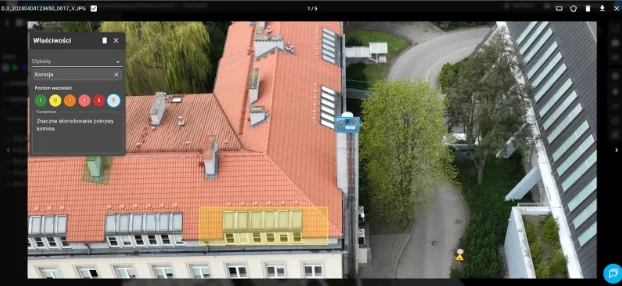
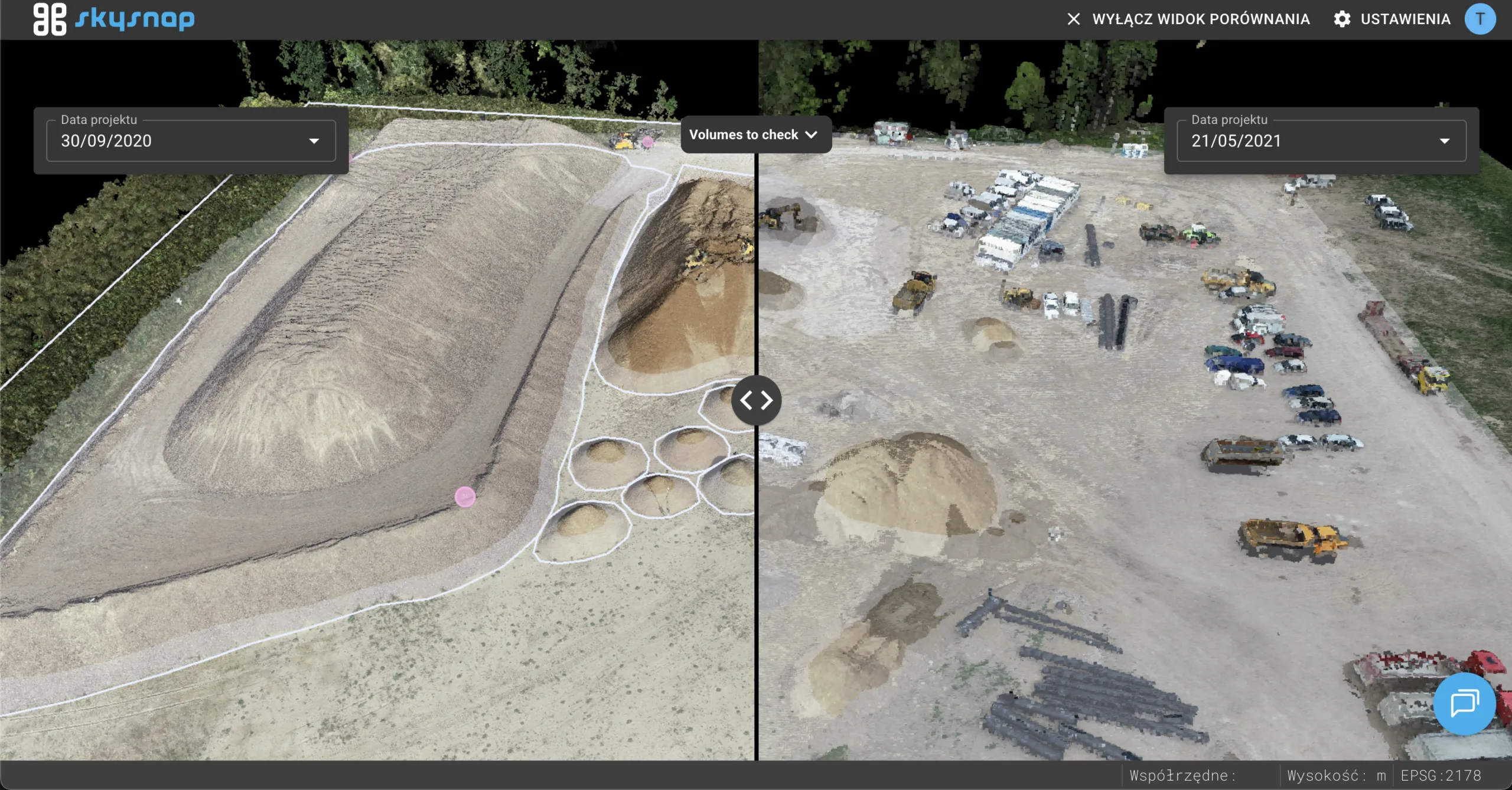
Construction monitoring and inspection are among the most important uses of drones in the construction industry. Drones provide regular inspections of a construction site to keep track of the progress of the work and detect any problems at an early stage. Thanks to their high-resolution cameras, drones can provide detailed photos and video, making it easier to analyze the status of construction sites without having to physically move around the site. Aerial inspections are particularly useful for large projects, where manually inspecting everything is time-consuming and costly.
In addition, drones can be equipped with a variety of sensors that provide additional data, such as temperature, humidity and gas concentrations. All of this makes drones an invaluable tool for quality and safety management on construction sites, enabling faster and more precise decision-making.
Creation of maps and 3D models
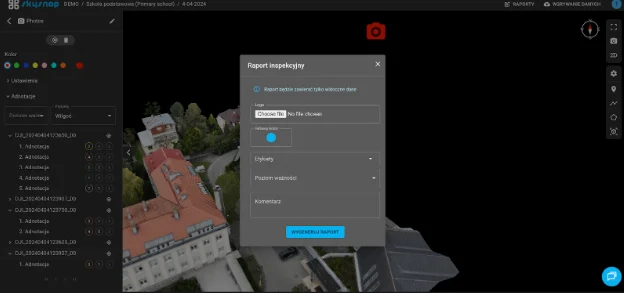
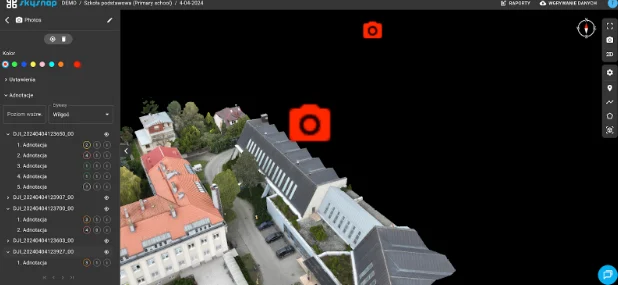
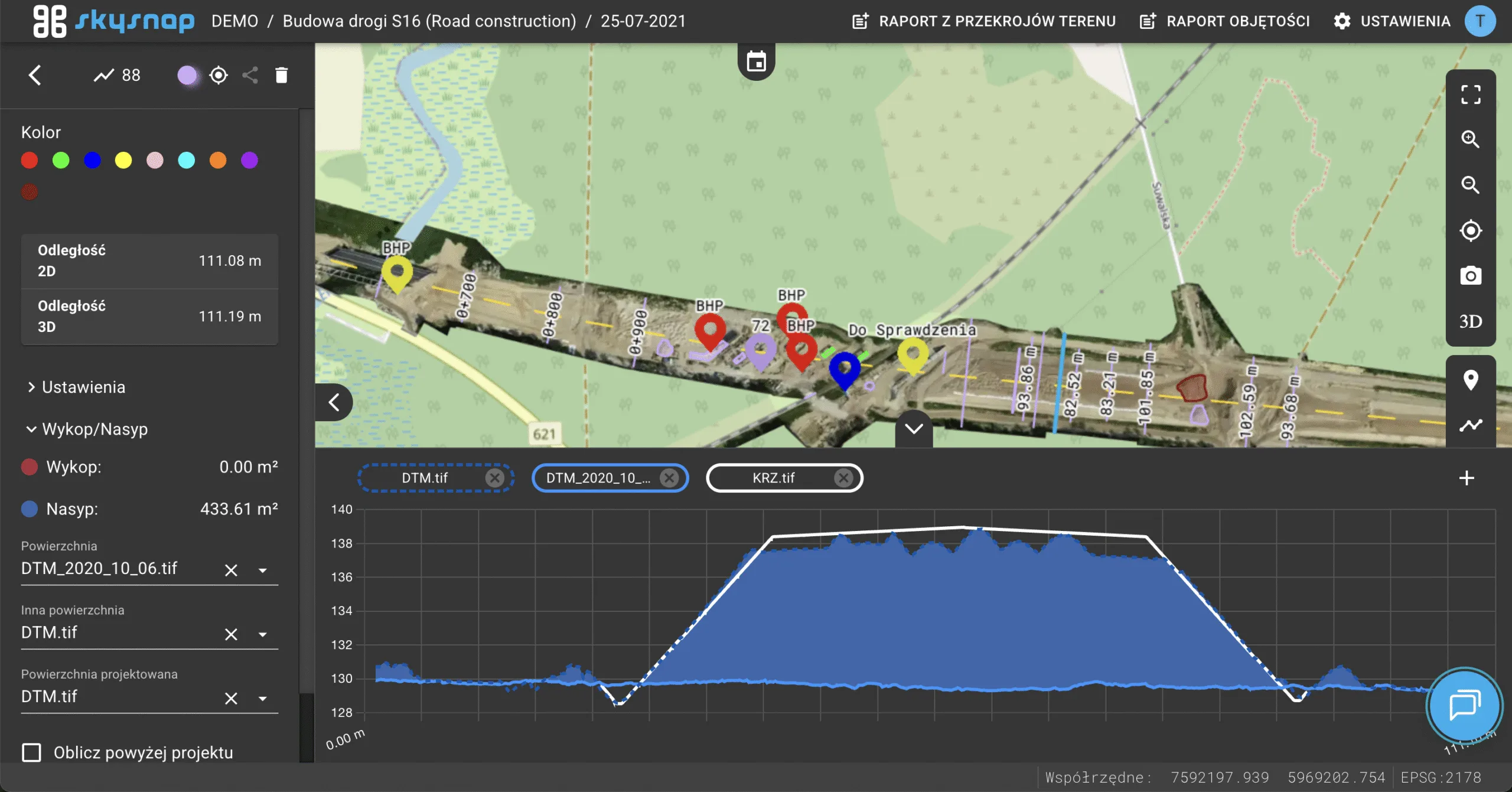
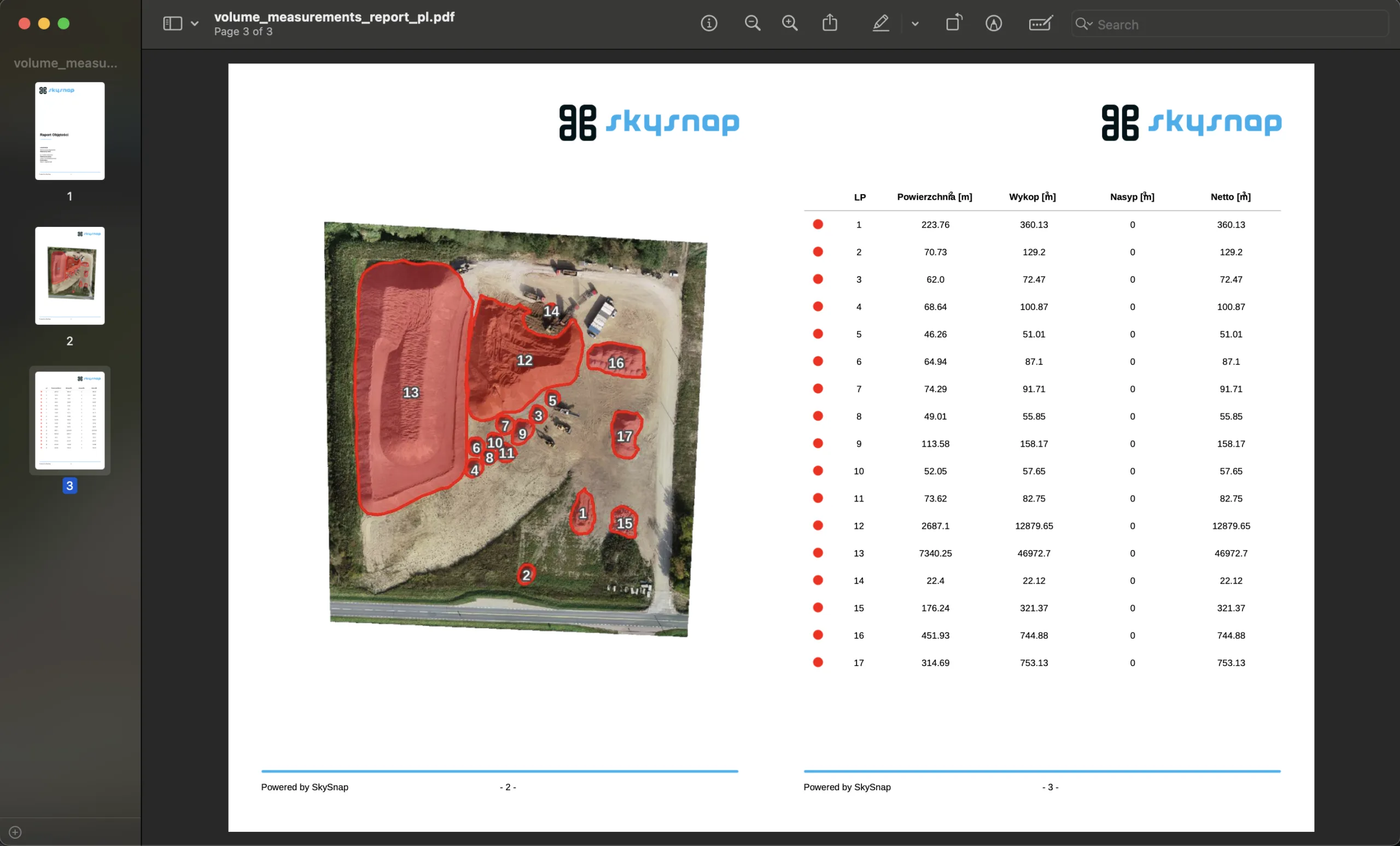
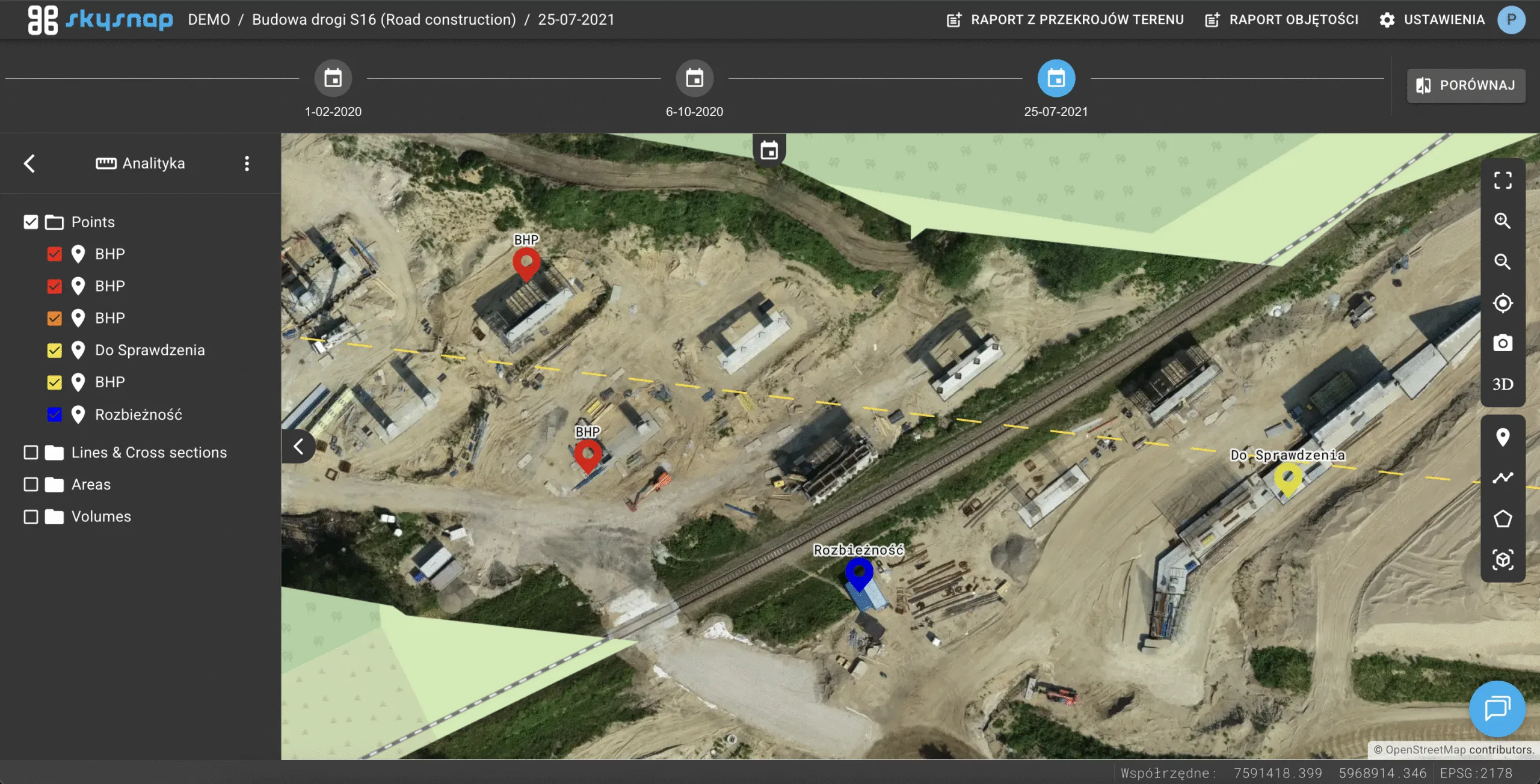
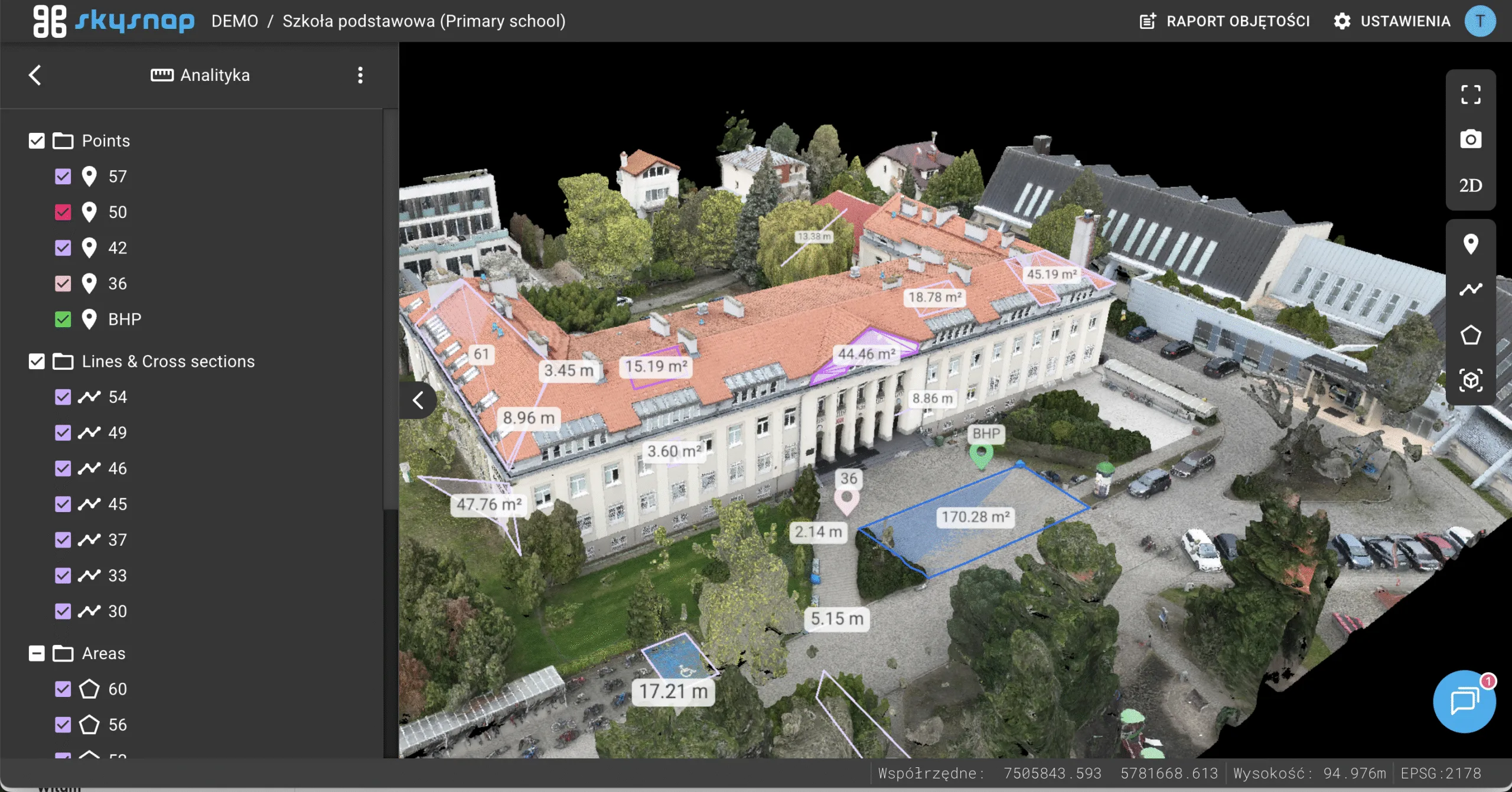
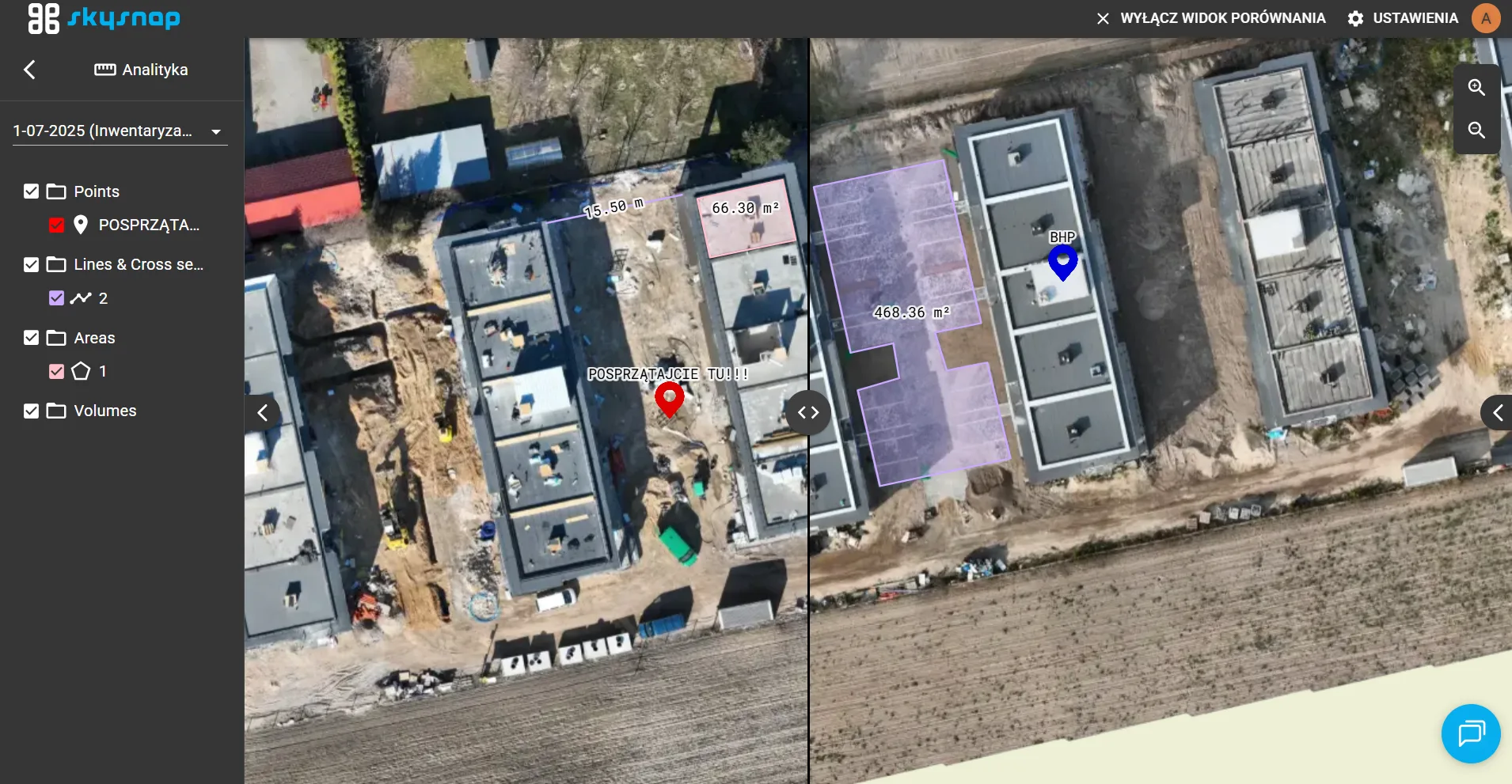
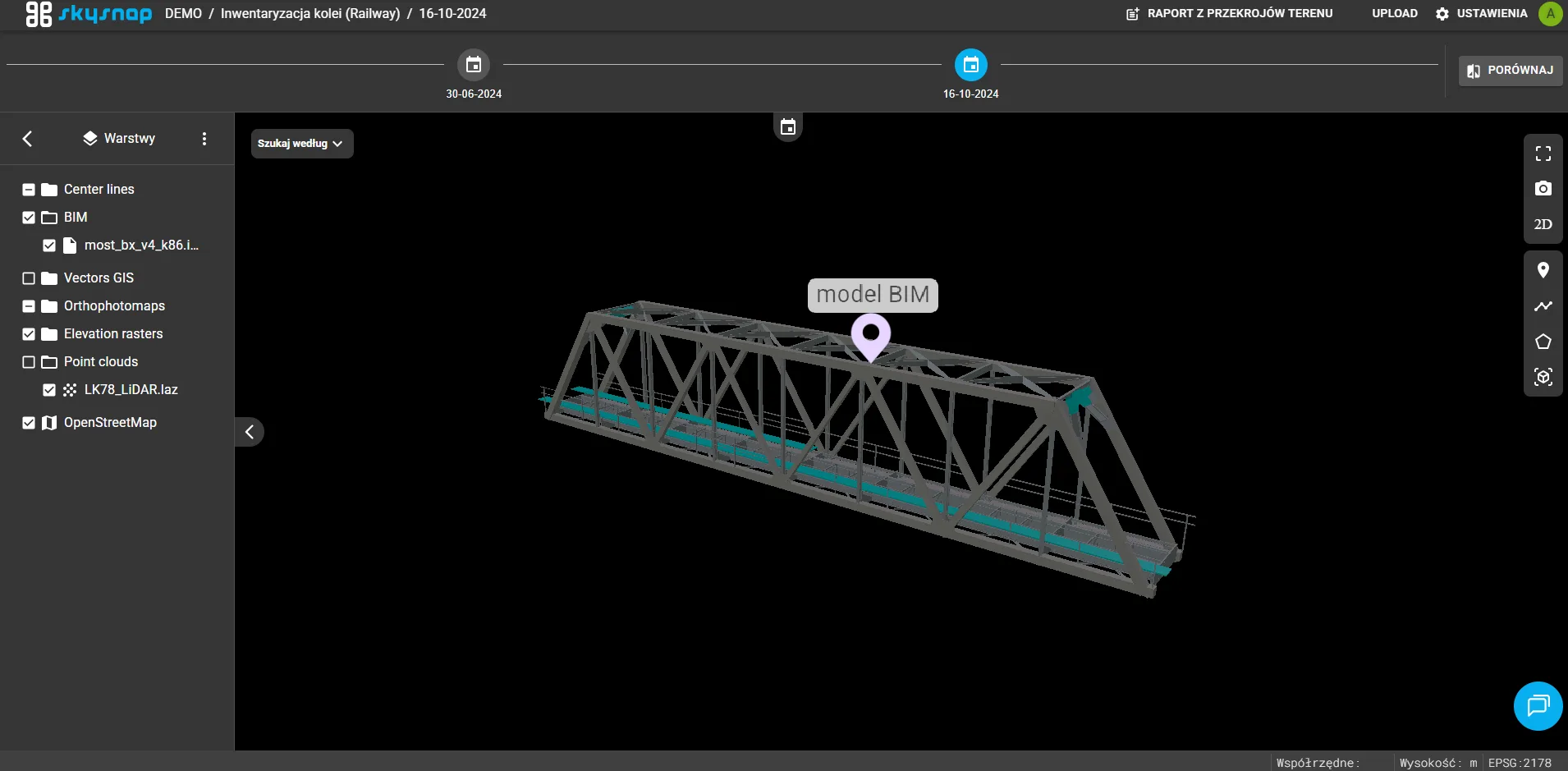
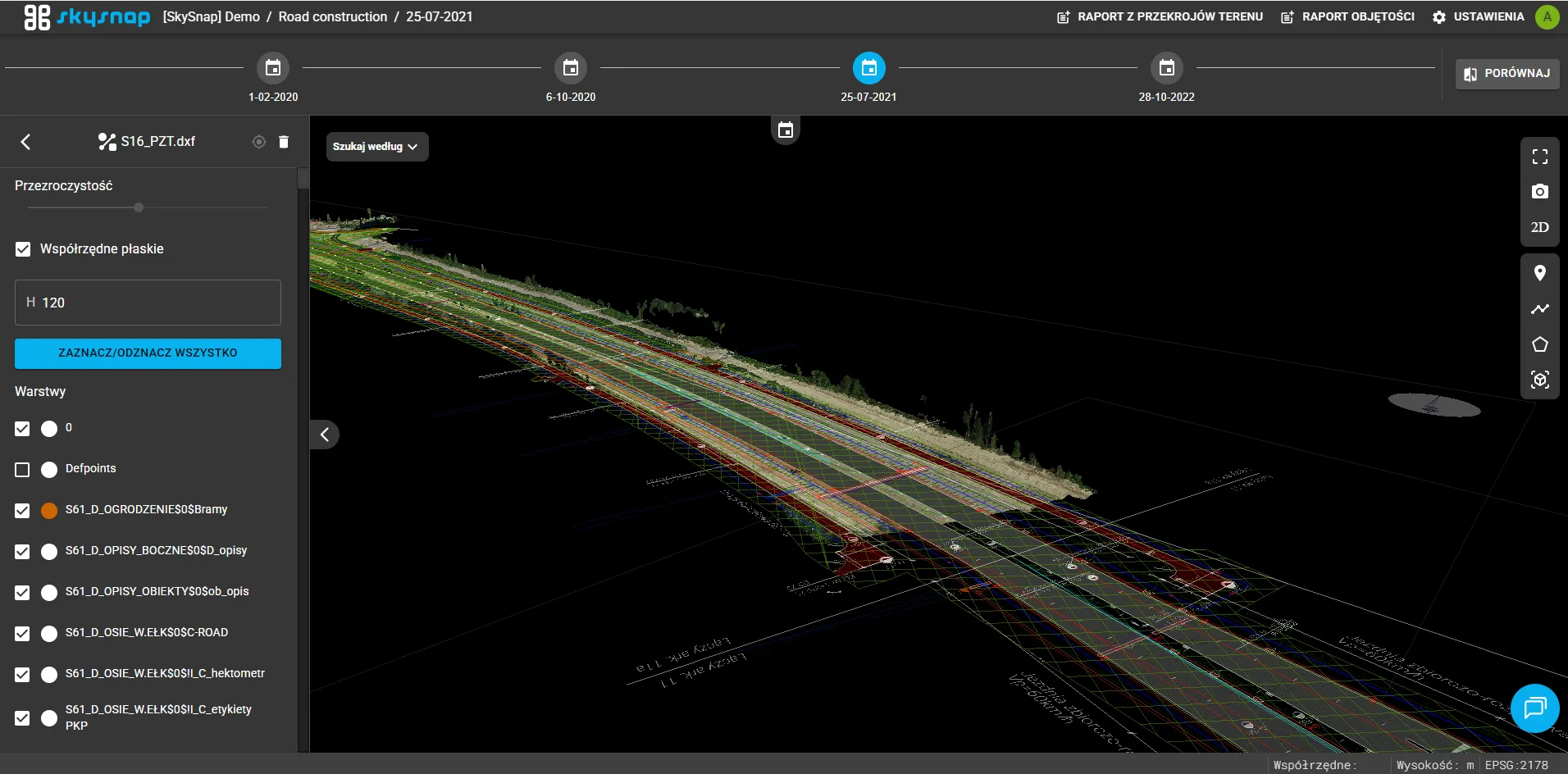
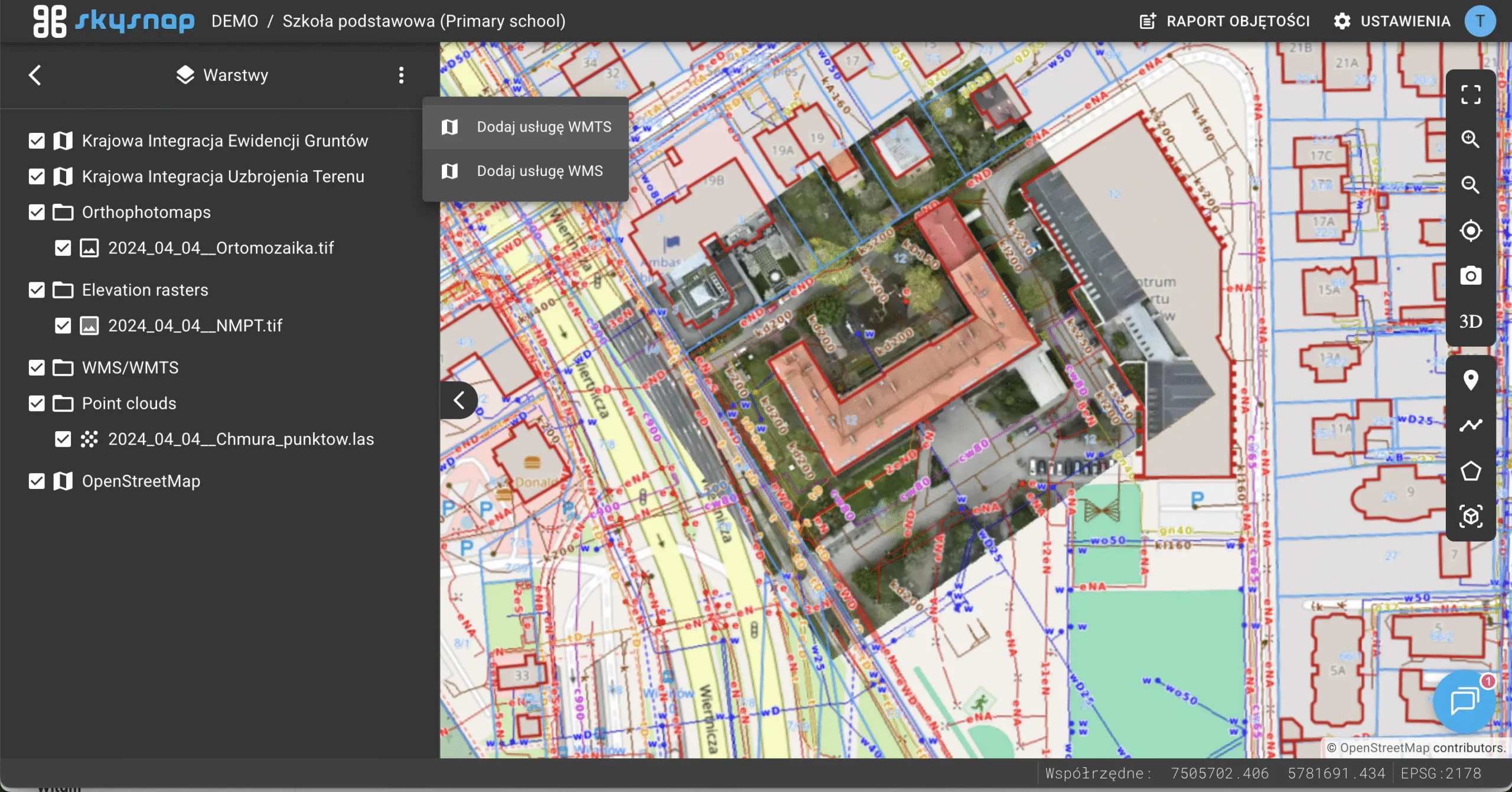
Creating maps and 3D models using drones has become a key element in planning and implementing construction projects. Drones equipped with advanced cameras and photogrammetric technology can quickly and accurately capture images of the terrain to generate detailed topographic maps. They enable engineers and architects to better understand site conditions, which is essential for accurate planning and design. 3D models created from drone data enable visualization of future structures in their actual surroundings, making it easier to identify potential problems and optimize construction solutions.
In addition, these 3D representations are extremely useful when presenting projects to clients and stakeholders, as they provide a better understanding of the scale and scope of the planned investment. As a result, the use of drones in the creation of maps and 3D models contributes to greater efficiency and precision in construction projects.
Challenges and limitations
Drone regulations
Regulations governing the use of drones pose significant challenges for construction companies that want to use them. Each country has its own airspace regulations, and drone operators must comply with them. In many countries, it is necessary to obtain the appropriate licenses and permits, which can entail additional costs and time for paperwork.
In addition, additional restrictions on drone flights may apply in urban areas or near airports. Operators must also comply with rules related to privacy, meaning they cannot capture images or video without the consent of those who may be in the images. These regulations are important to ensure safety and privacy, but can be a barrier to the widespread use of drones in construction. Therefore, it is important for companies to have a thorough understanding of the current regulations and act in accordance with them.
Technological and operational constraints
While drones offer many benefits, they also face some technological and operational limitations.
- One of the main challenges is limited flight time due to battery capacity, which may require frequent landing and recharging of the device.
- Drones are also susceptible to weather conditions; high winds, rain or fog can significantly affect their stability and ability to perform tasks.
- In addition, the range of the drone’s control signal is limited, meaning that the operator must stay in relatively close proximity to the device.
- Another limitation is the accuracy of sensors and cameras in harsh lighting conditions or rough terrain, which can affect the quality of data collected.
Despite advances in technology, these challenges still require attention, especially in terms of their use in complex construction projects where precision and reliability are key.
The future of drones in the construction industry
Innovation and future opportunities
The future of drones in the construction industry looks extremely promising, thanks to a number of technological innovations. Integrating drones with technologies such as artificial intelligence and machine learning could revolutionize the way data is collected and analyzed.
- With AI, drones will be able to automatically identify structural problems or anticipate project delays.
- In addition, new materials and battery designs are being developed that can significantly extend the flight time of drones, which will increase their operational efficiency.
- Another innovation is the concept of autonomous drones that can perform monitoring and inspection tasks autonomously, minimizing the need for human intervention.
As technology advances, drones may also become an integral part of the construction process, participating in the delivery of materials to the site or supporting construction work. These future possibilities point to the growing importance of drones in the construction industry, opening up new prospects for efficiency and innovation.
Forecasts for the coming years
In the coming years, drones may become an even more common tool in the construction industry, as indicated by various market forecasts. The development of drone technology is expected to progress rapidly, which will contribute to its even wider use in construction processes.
- Increased operating range, extended flight time and improved sensor precision are just some of the anticipated improvements.
- In addition, falling drone manufacturing costs may make them more accessible to smaller construction companies, which in turn will make the market more competitive.
- Experts also predict that regulations will become more flexible, making it easier to integrate drones into everyday construction operations.
As technology continues to evolve, drones could become a key component of the construction industry’s digitization strategy, helping to make projects more efficient, safe and innovative.

Free E-book
Learn what services to offer, who to sell them to, and how to write an effective offer email. Ready-made templates, tips and examples of campaigns that really work.
Table of Contents:
Do you like the article? Share it with others!
Do you like the article? Share it with others!
Tips, news, insights
Related articles
Check out our articles and get the latest industry news.