Drone flights for construction: How drones are changing the construction industry – Practical applications and benefits – SkySnap
With advances in technology, drones are becoming more common in various industries, and one area where their use is bringing significant benefits is construction. Drones, also known as unmanned aerial vehicles, offer a wide range of services that can be used in construction. Drones, with their versatility and modern capabilities, are revolutionizing the way construction projects are carried out. Drone flight planning and analysis of the environment prior to the mission are key to ensuring the safety and quality of the data collected. Their ability to make precise flybys over construction sites allows for accurate monitoring of the progress of work, which is invaluable to engineers and project managers. In the following text, we’ll take a look at how drones contribute to efficiency, safety and cost savings in the construction industry, as well as the practical applications and benefits associated with their use. The benefits come from using drones in the construction industry, increasing efficiency, safety and savings.
Introduction to drone technology
History and development of drones
Drones, also known as unmanned aerial vehicles (UAVs), have their roots in military technology, dating back to the first half of the 20th century. Initially, they were used mainly for reconnaissance and as logistical support tools. As technology advanced, drones gained popularity, and their use began to expand into the civilian sector.
In the 2000s. there has been rapid development of drone technology, which has led to their miniaturization and increased availability.
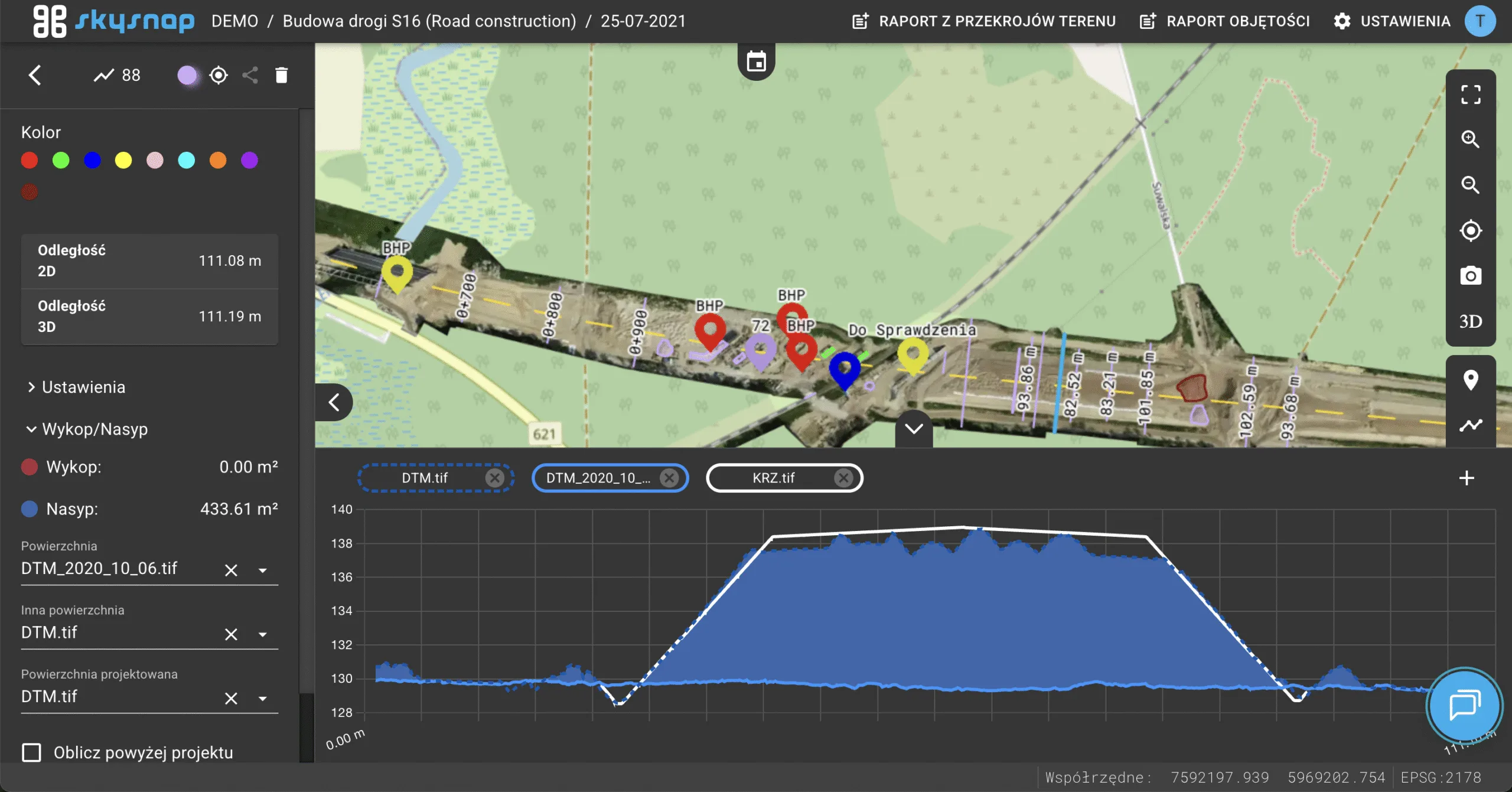
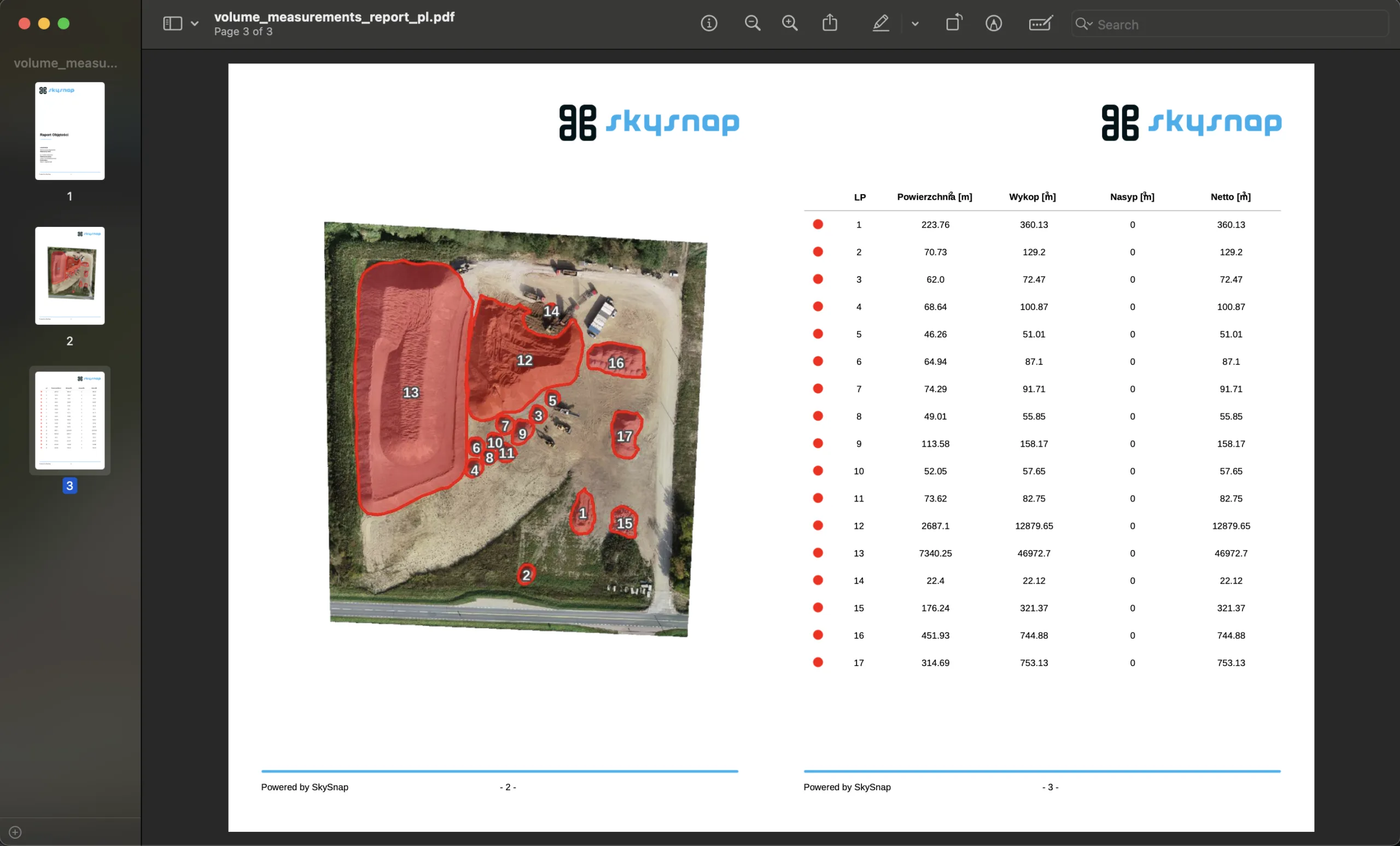
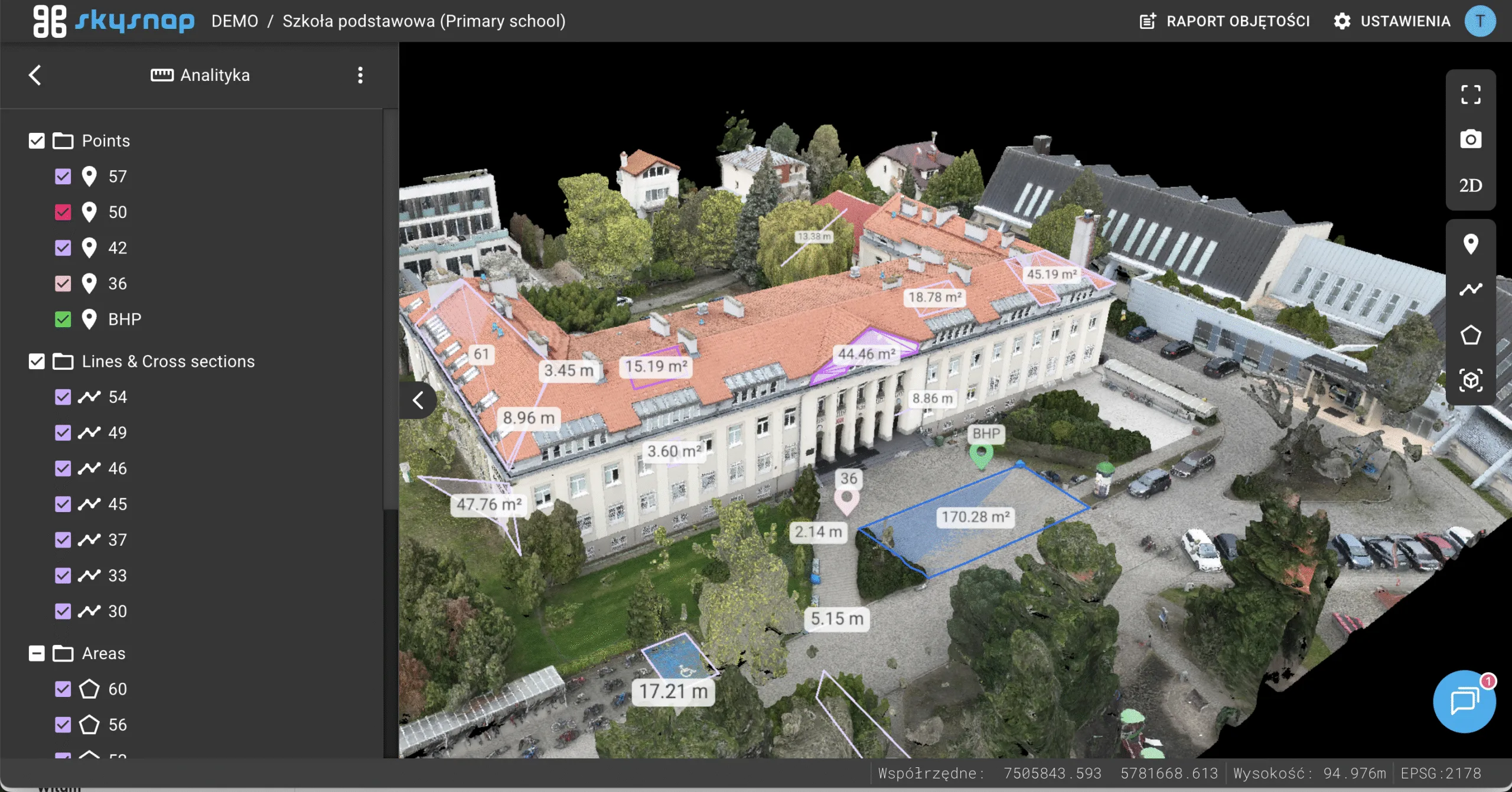
Today, drones are used in a wide range of fields, from photography and filming, to agriculture, to rescue and environmental monitoring. Their versatility and ease of use make them a tool that continues to grow in importance, transforming both traditional and modern sectors of the economy. Drones are extremely useful in the construction process, making it possible to document the progress of work and accurately measure objects on 3D models and orthophotos.
Basic functions and capabilities
Drones offer a number of features that make them extremely versatile tools. Primary among these is the ability to take aerial photos and videos, made possible by built-in high-resolution cameras. Thanks to GPS technology, drones can precisely navigate and stop at designated points, which is crucial for tasks such as mapping terrain or monitoring construction progress.
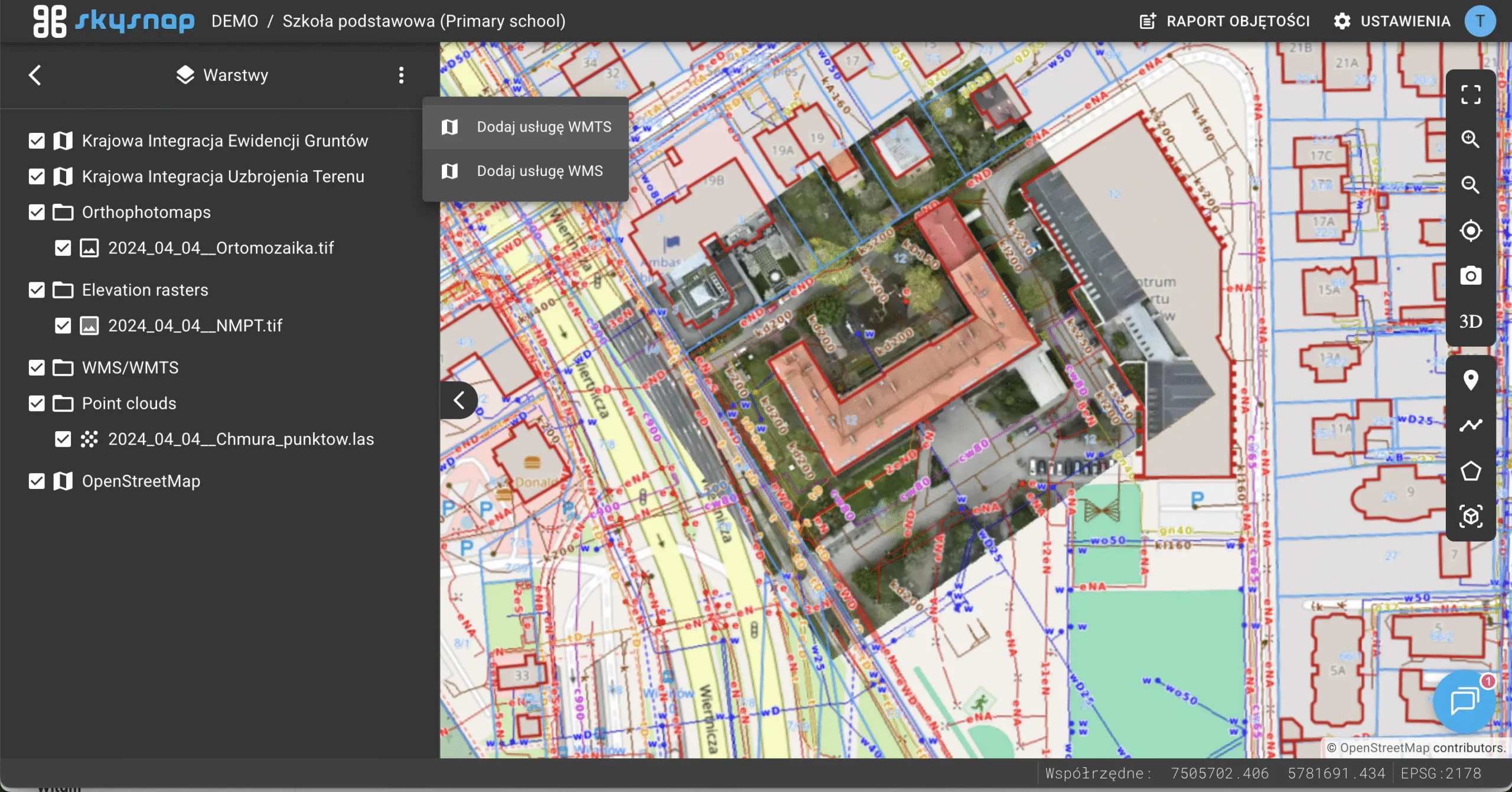
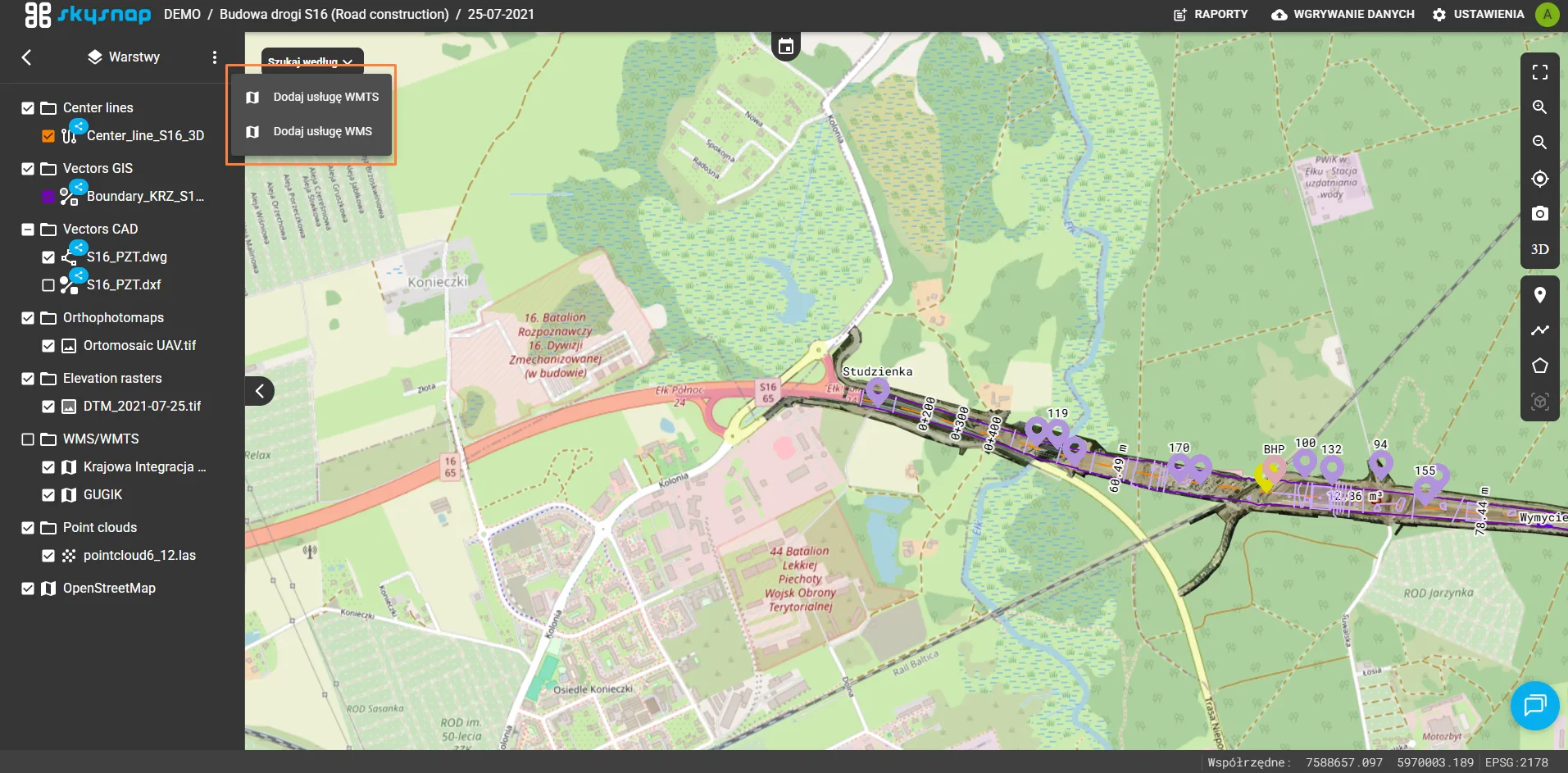
They also have the ability to automatically return to the starting point, making them safer to use. In addition, many models are equipped with obstacle avoidance sensors, which minimizes the risk of collisions. Drones are also capable of autonomous flight, allowing complex missions to be carried out without direct operator supervision. These features make drones invaluable tools in many industries, including construction. Software is key in generating precise models and point clouds, enabling detailed analysis of terrain and infrastructure. Drone technology in the context of the digitization of construction, pointing to the challenges of the engineering mindset and the need to adapt new tools.
Application of drones in the construction industry
Monitoring of construction sites
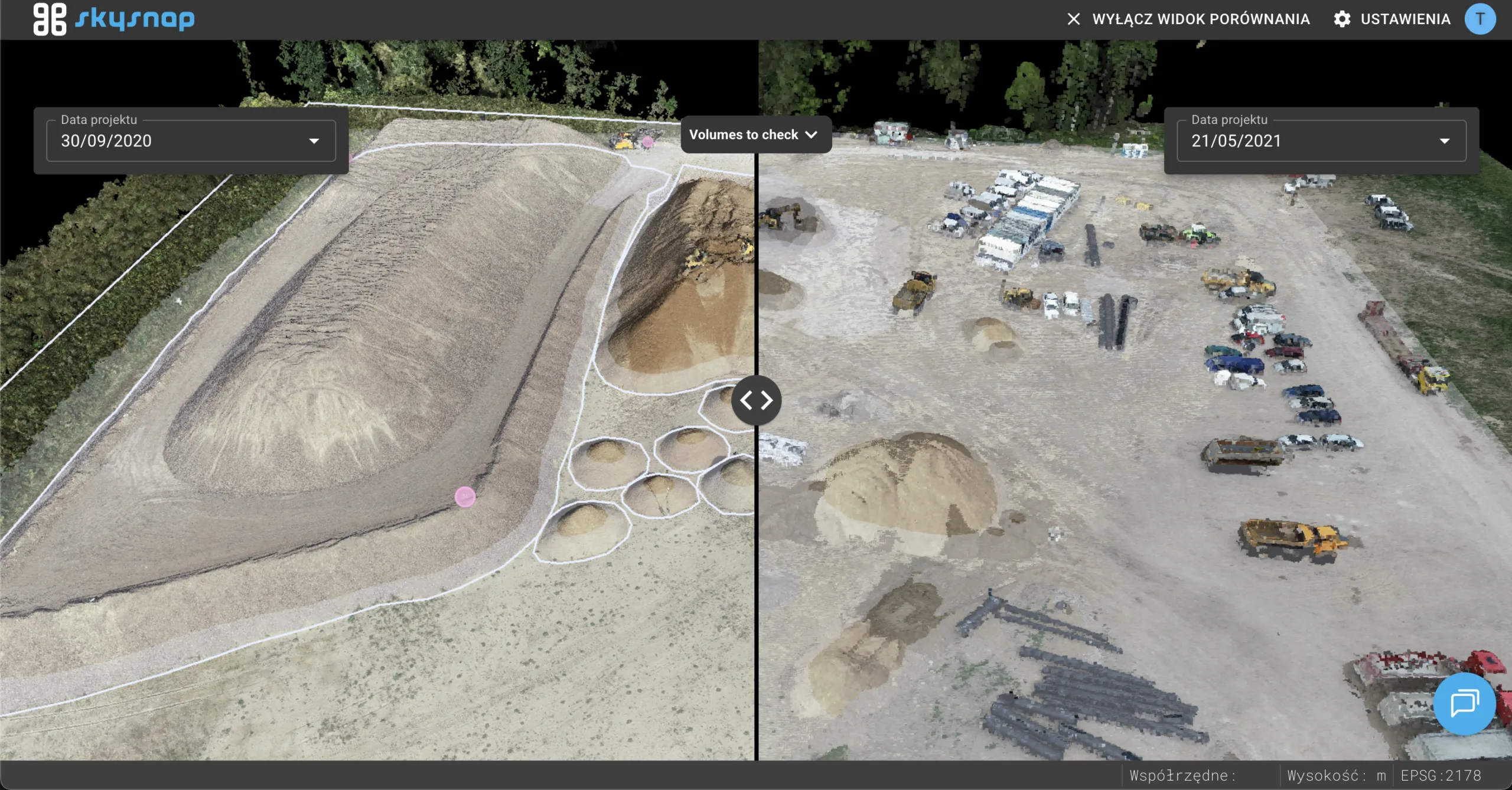
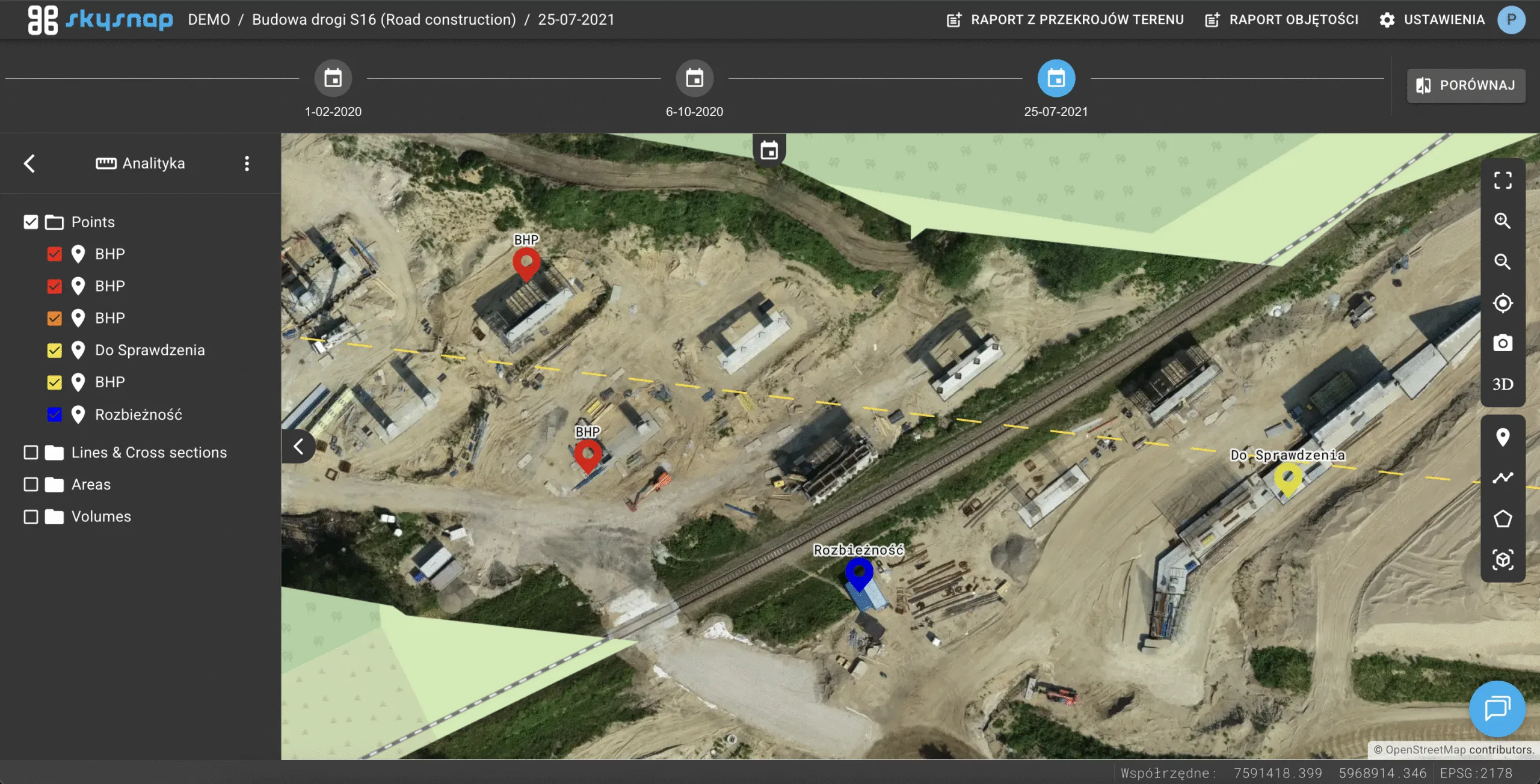
Drone monitoring of construction sites is becoming a standard in modern construction. Thanks to the capabilities offered by drones, engineers and project managers can track the progress of work in real time, identify potential problems and make decisions faster. Drones can provide regular updates in the form of photos and videos that document the current status of construction. This allows for detailed progress reports, which are invaluable during project meetings.
In addition, drones enable quality control of workmanship, checking that all parts of the construction are according to plan. This reduces the risk of costly corrections and delays. Drone monitoring is also beneficial from a safety perspective, as it avoids risky situations involving the physical presence of people on the construction site. Drone services, such as the creation of orthophotos, are crucial for construction companies to effectively monitor the progress of construction work and save time.
Construction site management
Construction site management is a key aspect in the construction industry, and the use of drones in this process brings numerous benefits. With drones, it is possible to precisely monitor the progress of construction, allowing for quick and accurate data collection on the status of a construction site. Drone operators can conduct regular inspections, identifying potential problems and irregularities at an early stage. This, in turn, enables more informed decision-making, resulting in increased efficiency and reduced risk of delays.
Drones also allow the creation of detailed construction progress reports, which are invaluable for project meetings and communication with investors. This makes construction site management more efficient and precise, bringing tangible benefits to construction companies.
Infrastructure inspections
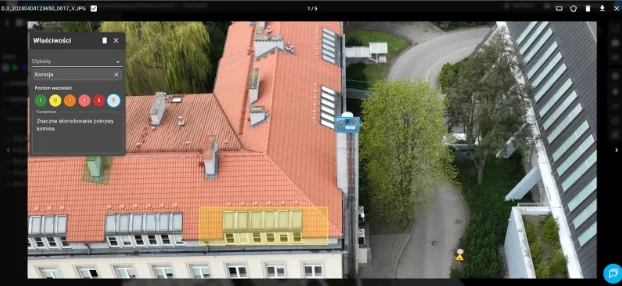
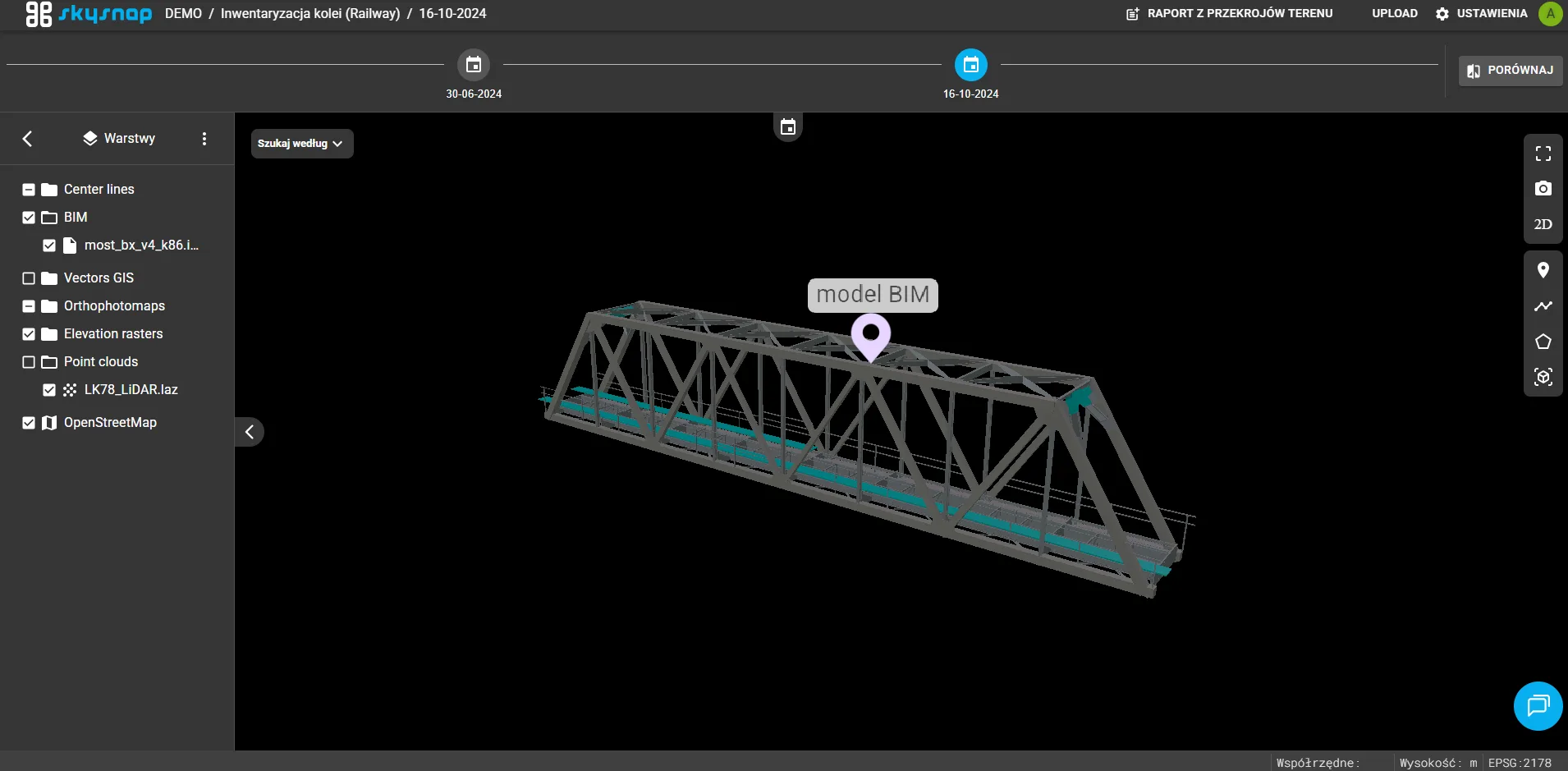
Drones are playing a key role in infrastructure inspections, offering cutting-edge solutions that are both efficient and safe. Traditional inspection methods often require complicated and time-consuming activities, such as scaffolding and the use of elevators. Drones eliminate these needs, allowing quick and accurate inspection of hard-to-reach areas such as roofs, bridges and tall structures. Equipped with specialized cameras, they can detect micro-cracks and other structural damage that might go unnoticed during a visual inspection. With thermal imaging technology, the drones can also identify thermal insulation problems or leaks.
Drone inspections are not only faster, but also much safer, as they eliminate the need for physical access to potentially dangerous areas, thus protecting inspectors from the risk of falls or other injuries.
Safety on the construction site
Construction site safety is one of the most important aspects in the construction industry, and drones can make a significant contribution to increasing it. Using drones to monitor the progress of construction and detect potential hazards allows faster response to dangerous situations. Drones equipped with a thermal imaging camera can detect abnormalities in installations and equipment, allowing them to quickly fix defects before they become a serious problem.
In addition, drones can monitor a construction site, identifying potential hazards such as landslides or collapses, increasing worker safety. As a result, drones are becoming an excellent tool for construction site safety, minimizing the risk of accidents and protecting the health of workers.
Benefits of using drones
Increase work efficiency
Drones are helping to significantly increase the efficiency of work in the construction industry. They make it possible to quickly and accurately perform tasks that previously required much more time and resources. Drones allow for instant collection of construction site data, which reduces the time needed to prepare analyses and reports.
The automation of flyovers and the ability to perform autonomous flights further speed up tasks, minimizing the need for direct human intervention.
In addition, with drones, it is possible to monitor multiple sites on the construction site simultaneously, which improves coordination of work and reduces the risk of delays. Efficiency is also increased through better quality control and faster detection of potential problems, allowing quick corrections.
As a result, drones help optimize construction processes, reducing project costs and time.
Reducing costs and risks
The use of drones in the construction industry is leading to significant reductions in project costs and risks. Drones reduce operational costs by reducing the need for traditional inspection methods, such as renting lifts or building scaffolding, which directly translates into financial savings. With precise data collection and the ability to detect problems quickly, drones help avoid costly fixes and downtime.
In addition, by remotely monitoring construction sites, drones minimize the risk of accidents, protecting workers from having to work in dangerous areas. Analysis of the data collected by drones also allows for more accurate planning, which in turn reduces the risk of budget and schedule overruns. With all these advantages, drones are becoming a key component of risk and cost management strategies in modern construction.
The future of drones in the construction industry
Innovation and new technologies
The future of drones in the construction industry promises to be bright, thanks to continued innovation and the introduction of new technologies.
- Developments in artificial intelligence and machine learning enable drones to not only collect data, but also analyze it in real time, allowing for more precise decision-making.
- Technologies such as augmented reality (AR) and virtual reality (VR) can be integrated with drone data, offering designers and engineers new tools for visualization and planning.
- The introduction of advanced sensors and high-resolution cameras allows for even more detailed inspections and monitoring.
- Another direction of development is to increase the autonomy of drones, making it possible to carry out more complex missions without human intervention.
These and other innovations indicate that drones will play an increasingly important role in optimizing construction processes, contributing to greater efficiency and safety. Drone technology in the context of the digitization of construction, pointing to the challenges of the engineering mindset and the need to adapt new tools.
Challenges and regulations
Despite the numerous benefits drones bring to the construction industry, there are also challenges associated with their use.
One of the main problems is regulations, which vary from country to country and can restrict the free use of drones. The need to obtain flight permits and meet safety and privacy requirements are just some of the barriers that construction companies face. In addition, the development of drone technology generates the need to update regulations, which often involves legislative delays.
Another challenge is managing the vast amounts of data collected by drones and ensuring its security and compliance with data protection regulations.
Despite these difficulties, it is expected that with advances in technology and adaptation of regulations, these challenges will gradually be overcome, enabling even wider use of drones in construction. Accurately defining the objectives of drone missions is crucial for effective execution.
Drone mission planning
Planning drone missions is a key aspect in using these devices in the construction industry. In order for missions to be successful, it is necessary to accurately identify targets, select the right tools and prepare a detailed flight plan. Drones can be equipped with an RTK module, which allows for precise navigation and positioning, which is invaluable when carrying out complex tasks. It is also important to ensure the safety of operators and occupants. Before launching a mission, operators must conduct a thorough analysis of the terrain and weather conditions to minimize risks. With proper planning, drones can efficiently collect data, monitor construction progress and support project management, bringing real benefits to construction companies.
Examples of implementations
Case studies from Poland
In Poland, drones have found application in many construction projects, bringing tangible benefits.
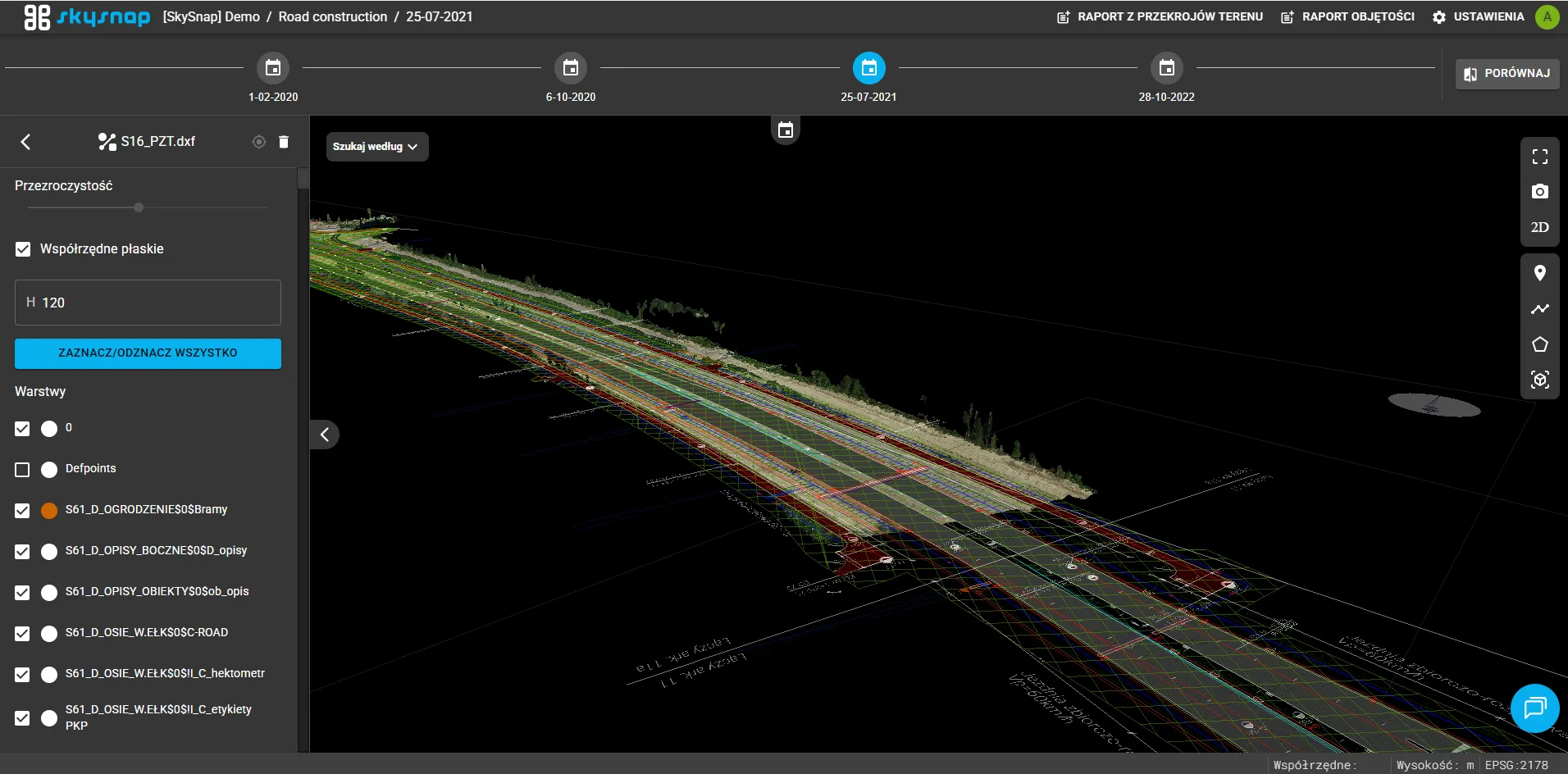
One example is the modernization of road infrastructure, where drones were used to map the area quickly and accurately, significantly reducing the preparation time for the project.
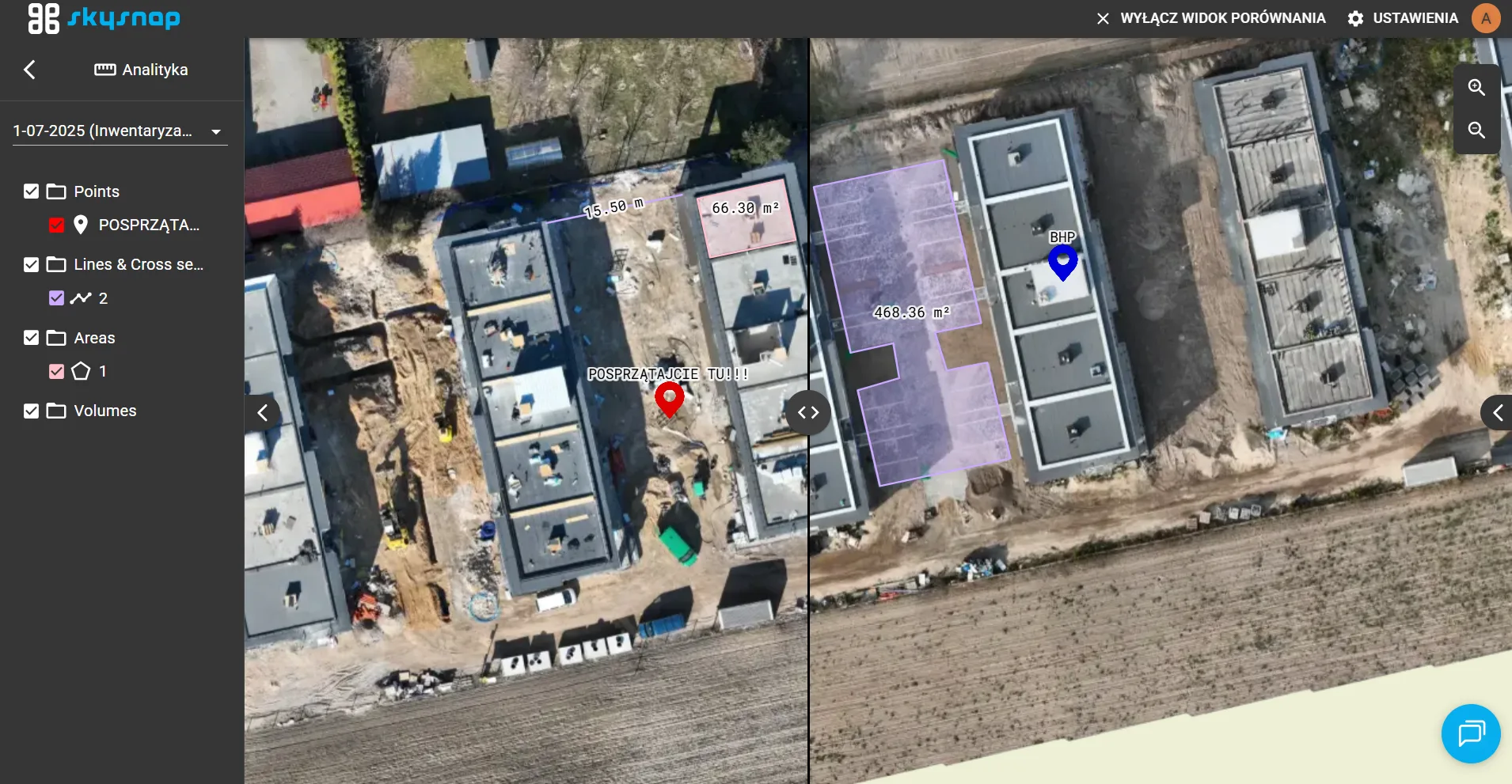
Another example is the construction of modern housing developments, where drones monitored the progress of the work, providing up-to-date data and enabling ongoing correction of any deviations from the project.
In historic restoration projects, drones help inspect hard-to-reach architectural elements, which minimizes the risk of damage and increases worker safety. As a result, complex restoration work can be planned and executed with greater precision.
These examples show how drones can speed up and streamline construction processes, while bringing savings and improving the quality of ongoing projects. Investing in drones on construction sites leads to more efficient and precise projects, and improves work safety.
International successes in drone applications
Internationally, drones have been very successful, revolutionizing construction processes around the world.
- In Dubai, drones have been used to create three-dimensional maps of construction sites, helping to accurately plan and execute large-scale projects.
- In Japan, drones are supporting infrastructure reconstruction after natural disasters, enabling quick and accurate damage assessments and repair planning.
- In the United States, drones are being used toinspect bridges and roads to quickly detect damage and prevent failures.
- In Scandinavia, drones monitor construction sites in extreme weather conditions, ensuring safety and continuity of work.
These successes demonstrate that drones are not only a data collection tool, but also a key component of innovative solutions for managing construction projects. Their versatility and effectiveness in a variety of conditions confirm that drones have the potential to further revolutionize the construction industry worldwide.

Free E-book
Learn what services to offer, who to sell them to, and how to write an effective offer email. Ready-made templates, tips and examples of campaigns that really work.
Table of Contents:
Do you like the article? Share it with others!
Do you like the article? Share it with others!
Tips, news, insights
Related articles
Check out our articles and get the latest industry news.