Introduction to drones in surveying
Drones, which were initially associated mainly with filming and photography, have revolutionized many industries, including surveying. This technology, with its precision and capabilities, opens new doors in the field of land surveying. The use of drones allows for fast, accurate and cost-effective data acquisition from hard-to-reach locations. In this paper, we will take a look at how drones are changing traditional surveying methods, the benefits they bring, and the challenges still ahead. We’ll begin with an analysis of basic drone applications in surveying before diving into more advanced techniques and practices.
History and evolution of drone technology
Drone technology has its roots in military applications, where they were initially used for reconnaissance and reconnaissance tasks. As technology has advanced, drones have begun to find applications in many other fields, including surveying.
In the early 21st century, drones became more accessible to civilian users thanks to the miniaturization of electronics and advances in GPS technology. This opened the door to their commercial use in land surveying. Over time, with increasingly precise sensors and the ability to fly autonomously, drones have become an indispensable tool for surveyors.
Today, thanks to continued innovation and advances in artificial intelligence, drones offer even greater capabilities, enabling more advanced data analysis and the creation of 3D terrain models.
Why drones are key in surveying
Drones have become a key tool in surveying for several reasons. First and foremost, they offer a fast and efficient way to collect data from large areas, significantly reducing the time required for traditional surveys. With the ability to fly at different altitudes, drones can accurately map terrain with difficult access, such as mountain slopes and wooded areas. Equipped with advanced sensors, such as thermal cameras and lidar, they provide high-precision data, which is essential for creating detailed maps and 3D models.
In addition, drones can operate in hazardous conditions, eliminating risks for surveyors working in difficult terrain. Their versatility and flexibility make them indispensable for both engineering projects and environmental surveys, contributing to more accurate and efficient measurements.
Advantage of drone technology over traditional methods
Drone technology has many advantages over traditional surveying methods. First of all, drones allow for quick and efficient data collection, which significantly reduces project time. Classic methods often require the physical presence of surveyors on site, which is not only time-consuming, but also costly. Drones can overcome these limitations by reaching hard-to-reach areas and taking measurements from the air. Equipped with advanced sensors and cameras, drones provide high accuracy data that can be processed and analyzed immediately.
In addition, drones can operate in a variety of weather conditions and hazardous areas, eliminating risks to humans. This makes them more flexible and versatile in applications. In terms of operating costs, drones also bring significant savings, making design and monitoring more affordable.
Drone applications in land surveying
3D mapping and modeling
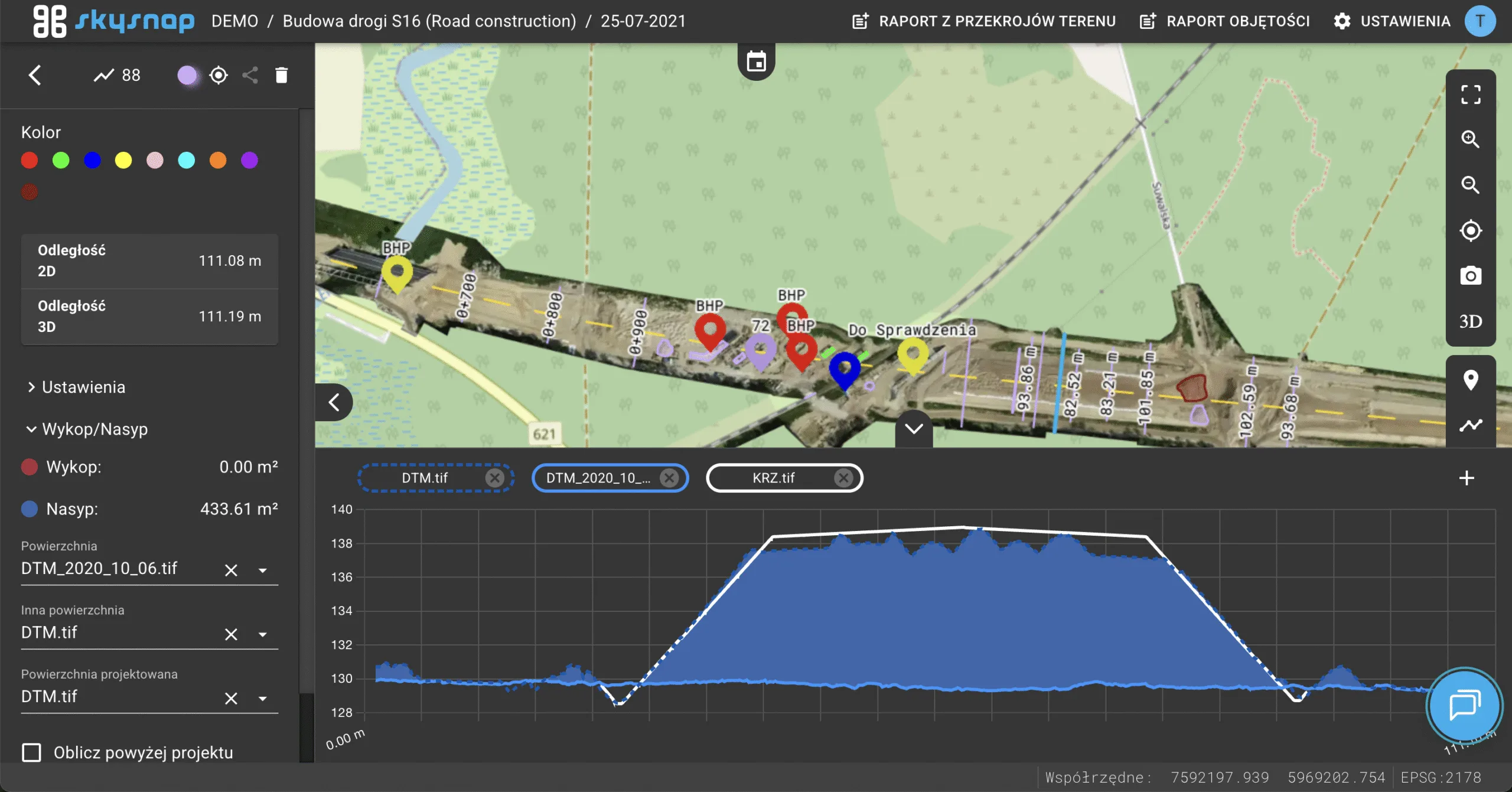
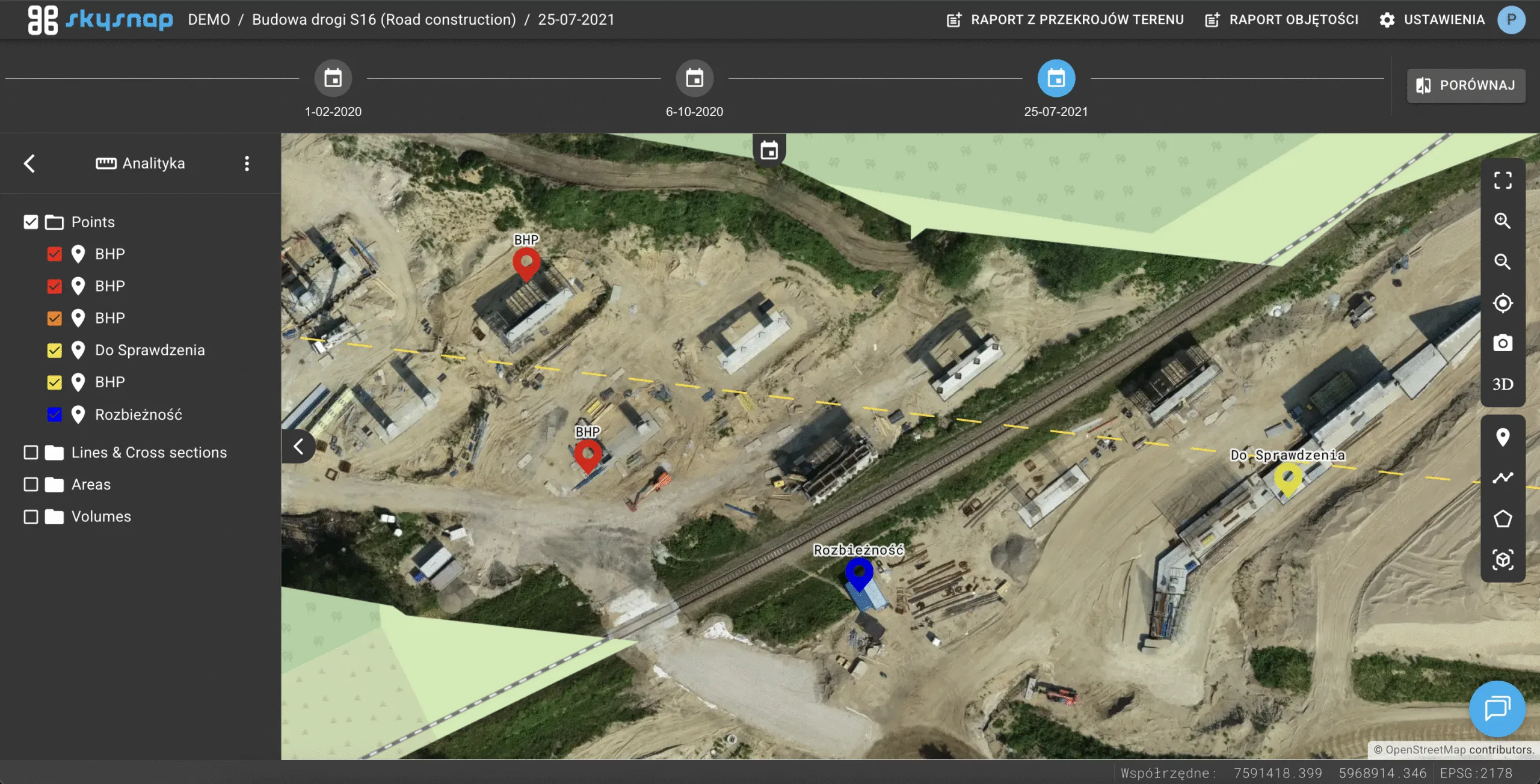
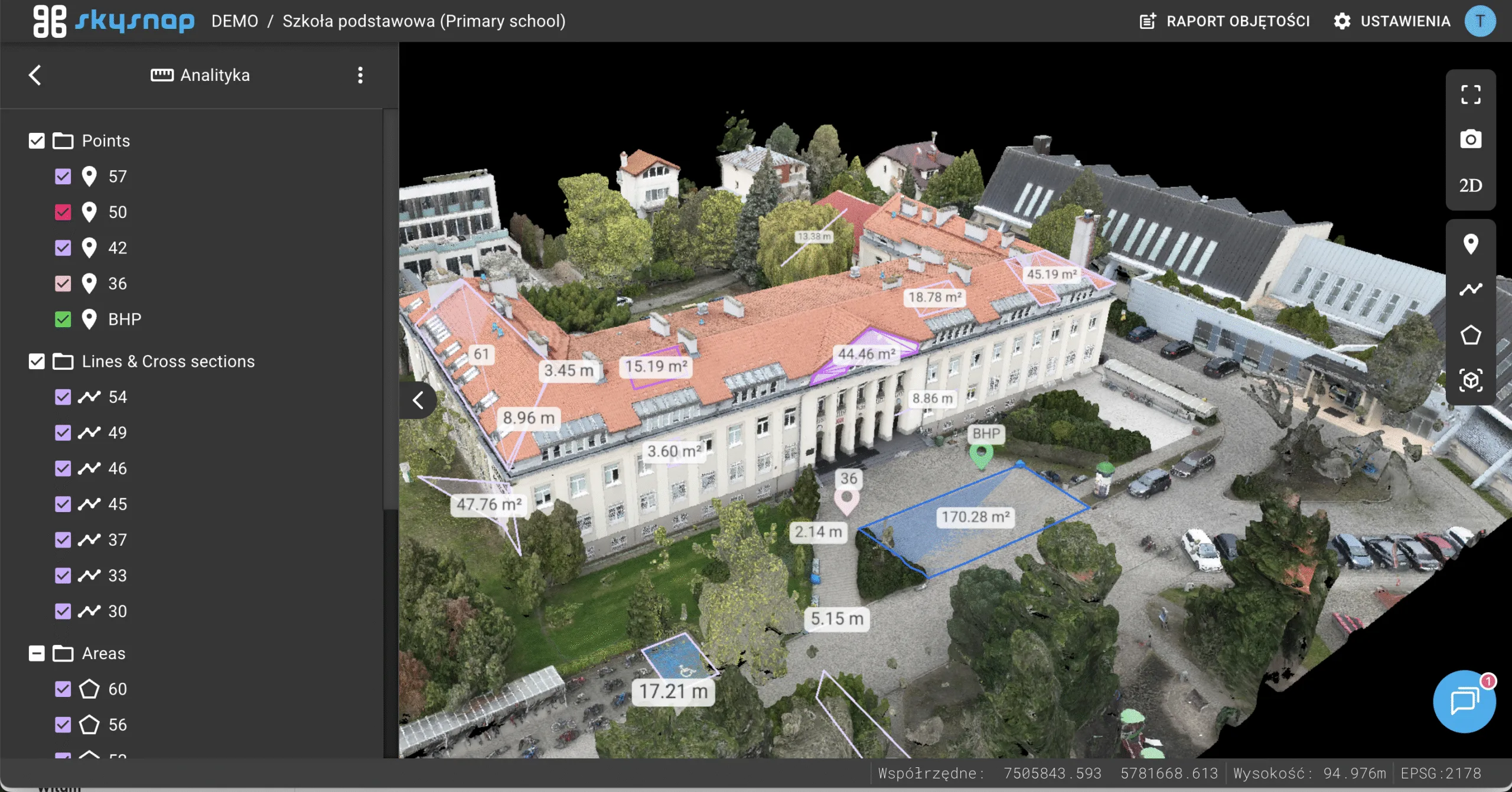
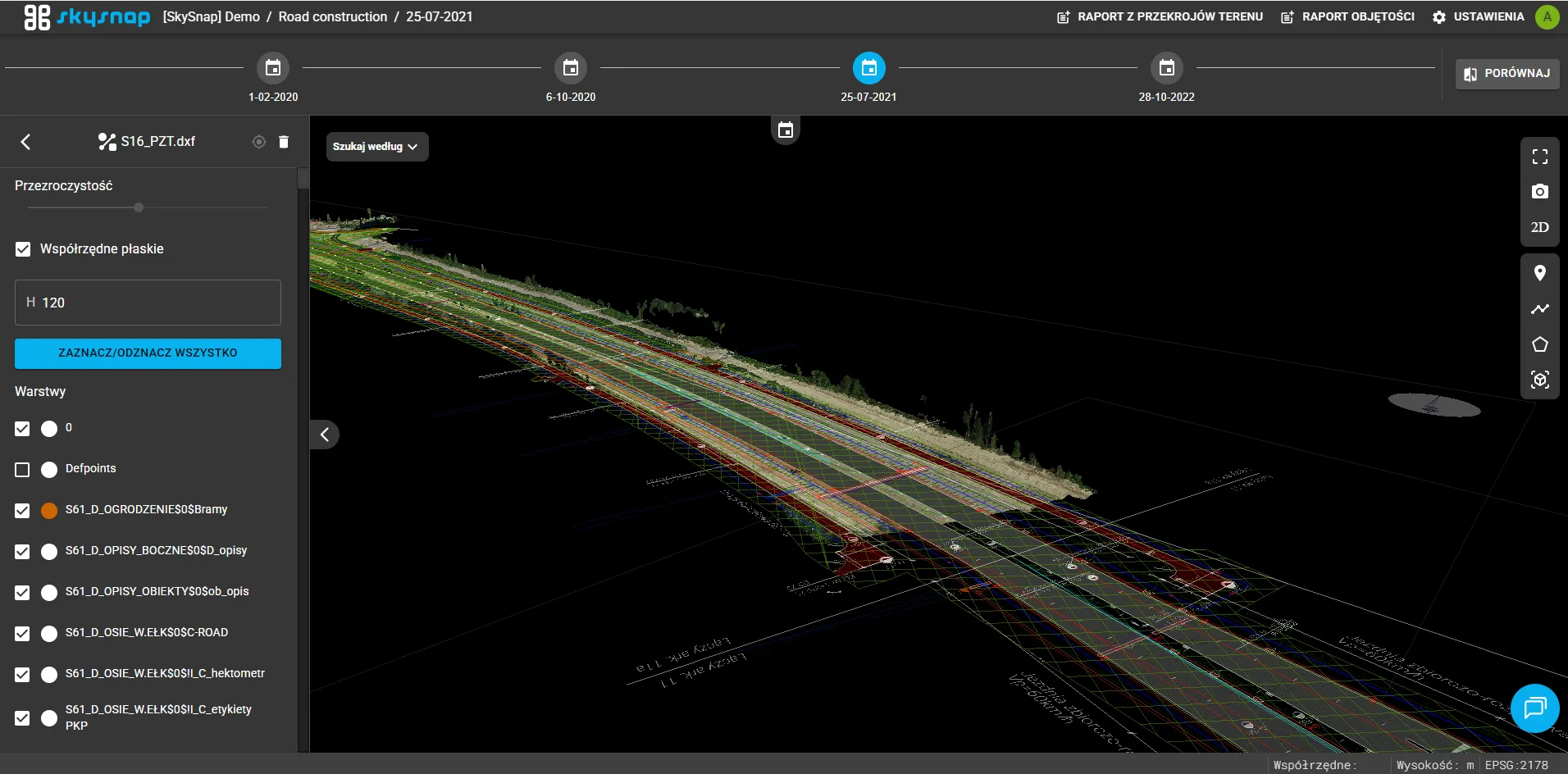
Drones have revolutionized the process of mapping and 3D modeling of terrain. Thanks to modern technologies such as photogrammetry and lidar, drones can collect huge amounts of data, which are then transformed into accurate 3D models. This process is not only faster, but also more precise than traditional methods. Drones can fly over difficult terrain, collecting data from different angles and heights to provide a more complete picture of an area’s topography.
3D models are extremely useful in urban planning, civil engineering and environmental studies. They make it possible to accurately analyze landforms, identify potential hazards and plan infrastructure.
In addition, these models can be easily shared and visualized, facilitating communication between project teams. Drones, thanks to their versatility, are a key tool in modern mapping techniques.
Monitoring environmental changes
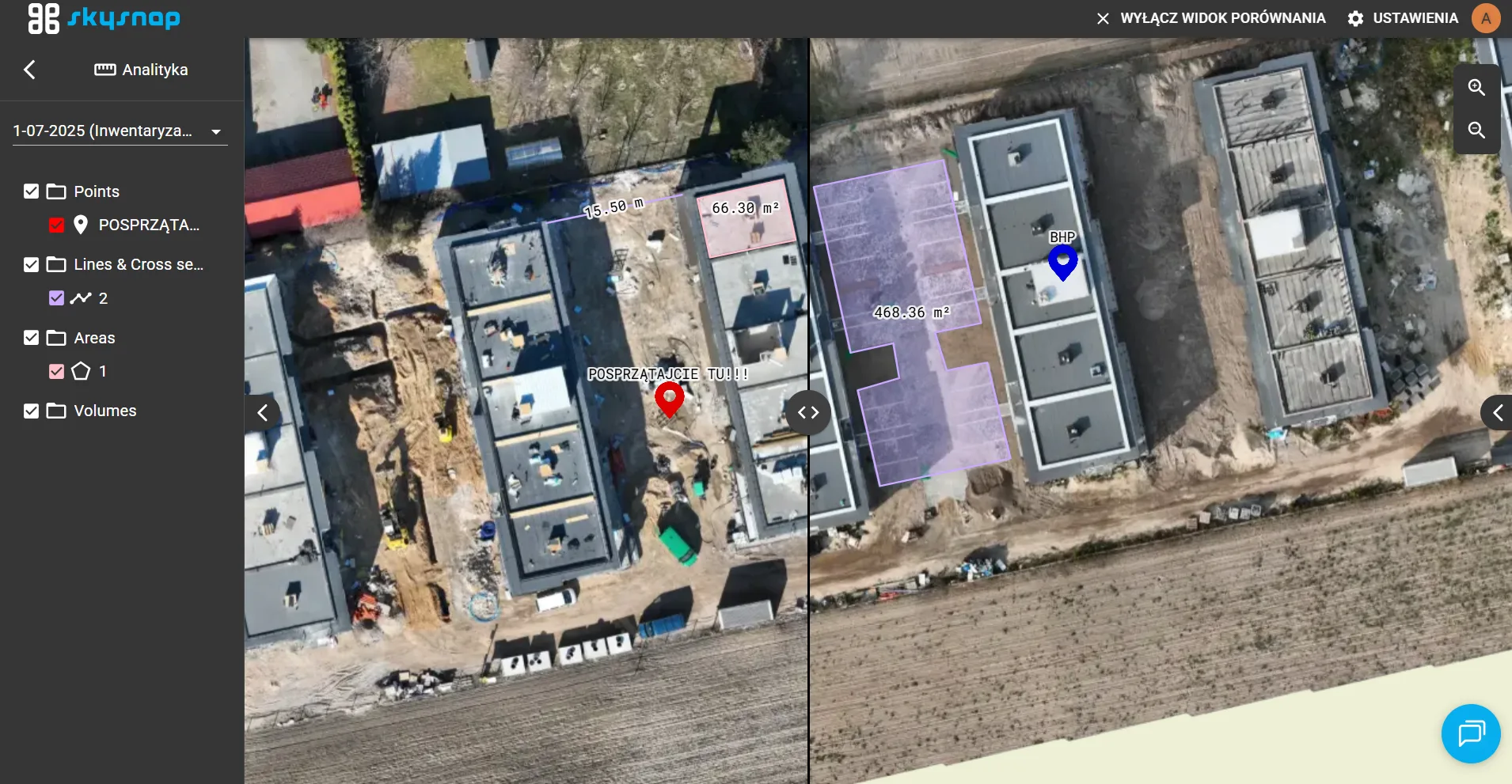
Drones play an important role in monitoring environmental change, providing fast and accurate data from areas undergoing transformation.
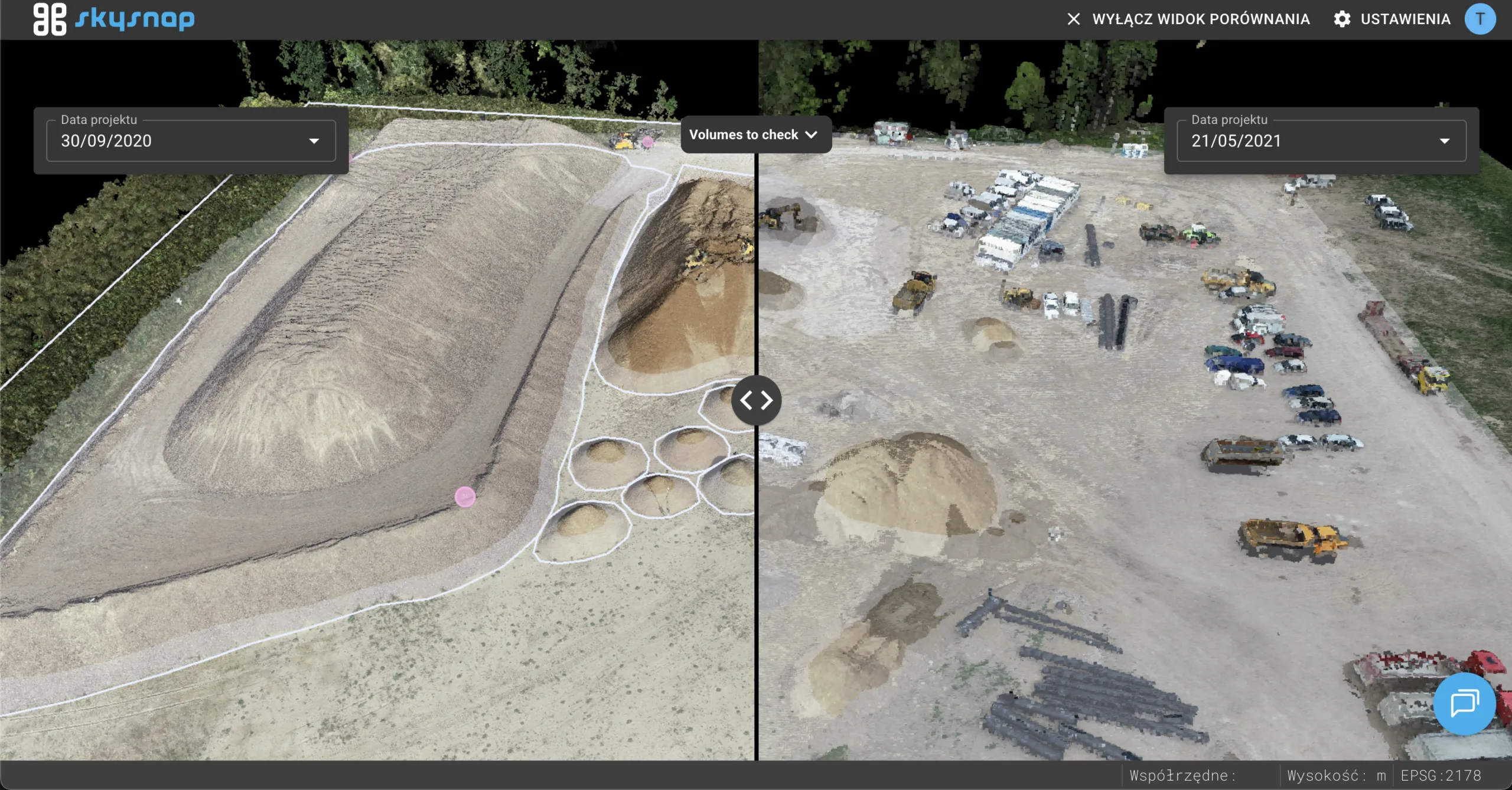
With their ability to fly at different altitudes and equipped with advanced sensors, drones can record changes in vegetation, water levels and even soil structures. Regular monitoring allows them to keep track of the impact of human activities and natural processes on ecosystems.
Drones are also used in assessing the effects of natural disasters, such as floods and fires, enabling rapid response and rescue efforts.
The collected data can be analyzed using advanced algorithms to forecast future changes and plan appropriate preventive measures. With these capabilities, drones are an indispensable tool in environmental protection, allowing better management of natural resources and supporting sustainable development.
Inspection of infrastructure
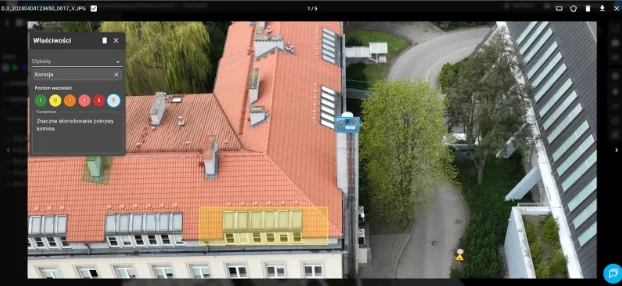
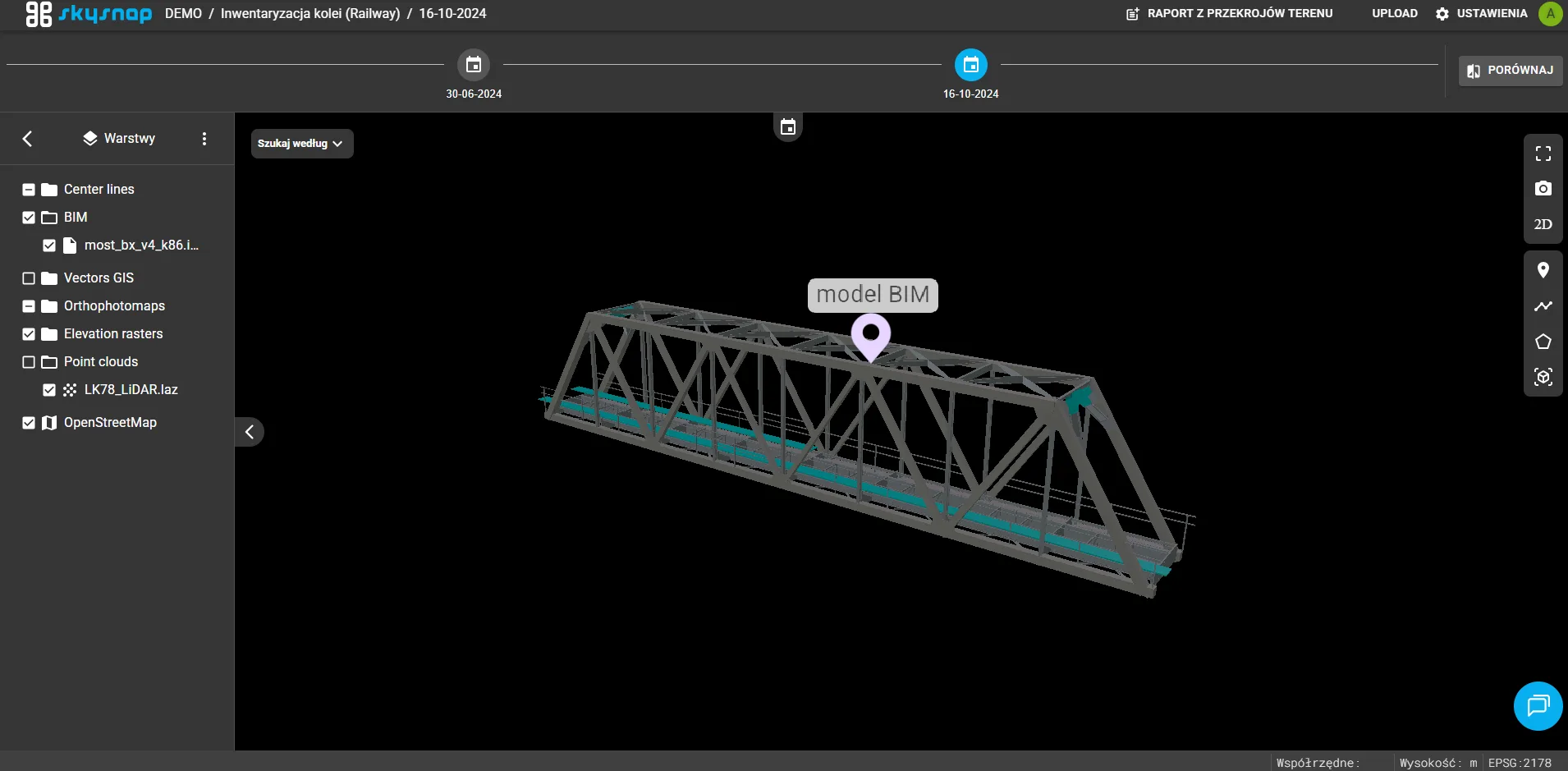
Drones significantly facilitate infrastructure inspection, offering effective solutions for monitoring the condition of buildings, bridges, power lines and other structures. Traditional inspection methods often require the use of specialized equipment, such as cranes or platforms, which is not only costly, but also time-consuming and risky. Drones can quickly and safely reach hard-to-reach areas, taking detailed photos and video footage to accurately assess the condition of structures.
Equipped with sensors such as thermal imaging cameras, drones can identify problems that are not visible to the naked eye, such as leaks or overheating components. With regular drone inspections, faults can be detected early and necessary repairs can be scheduled, increasing safety and prolonging the life of infrastructure. This makes drones an invaluable tool for managing engineering assets.
Benefits of drone use
Time and cost savings
The use of drones in surveying brings significant savings in both time and cost. Traditional surveying methods often require large amounts of manpower and specialized equipment, resulting in high operating costs. Drones, with their mobility and ability to quickly collect data from the air, significantly speed up surveying processes. They can cover large areas quickly, taking accurate measurements in less time than traditional ground methods.
In addition, due to their autonomous flight capabilities, drones reduce the need for a large number of employees in the field. This leads to lower costs associated with human resources and equipment. Drones can also help avoid costly mistakes by providing precise data that facilitates design decisions. As a result, their use in surveying not only contributes to operational efficiency, but also supports a cost-effective approach to project management.
Increased accuracy of measurements
Drones greatly improve the accuracy of surveying, which is crucial for precise design and planning. Thanks to advanced technologies such as lidar and photogrammetry, drones can collect data with extremely high precision. These sensors capture detailed terrain information, which is then processed into accurate maps and 3D models. Compared to traditional surveying methods, which can be prone to human error and equipment limitations, drones offer more uniform and consistent results.
Their ability to operate in avariety of weather conditions and difficult terrain further enhances the reliability and quality of the data collected. This approach minimizes the risk of errors that can lead to costly corrections later in the project. As a result, drones contribute to more precise and efficient surveying operations, which is crucial to the success of a variety of engineering projects.
Improving work safety
Drones significantly improve surveying safety by eliminating the need for workers to be physically present in hard-to-reach and potentially dangerous areas. Traditional surveying methods often require climbing, working at heights, or moving over dangerous terrain, with risks of accidents. Drones, with their ability to take measurements from the air, reduce such risks by taking over tasks that can put people at risk.
In addition, drones can be used to inspect areas affected by natural disasters or infrastructure failures, where human presence could be too risky. As a result, workers can focus on analyzing and processing the collected data in safe conditions, minimizing potential injuries and accidents. As a result, drones not only make surveying processes more efficient, but also play a key role in ensuring a safe working environment in the surveying industry.
Challenges and future of drones in surveying
Technological and legal constraints
Despite the numerous benefits that drones bring to surveying, there are also some technological and legal limitations that can hinder their full use. Technologically, drones still struggle with limitations on flight time and battery capacity, which can limit their effectiveness in large-scale field projects.
In addition, the accuracy of data obtained by drones can be affected by atmospheric conditions, such as high winds or precipitation.
From a legal perspective, drone flight regulations vary from country to country and often include restrictions on flight altitude, range and the need to obtain special permits to fly in certain areas. These regulations can significantly affect the planning and implementation of surveying projects using drones.
Understanding and complying with these regulations is key to safe and legal drone operation, which is a challenge for companies and professionals operating in the industry.
Future innovations and trends
The future of drones in surveying looks promising, thanks to the rapid development of technology and the emergence of new trends.
- One of the key directions is to improve battery performance, which will allow for longer and more efficient flight missions.
- Advances in artificial intelligence and machine learning are enabling increasingly sophisticated data analysis, process automation and better decision-making.
- Hybrid drones, which combine the advantages of copters with aircraft to increase their range and operational flexibility, are also gaining popularity.
- In terms of regulation, further harmonization of international regulations can be expected to facilitate drone operations in different countries.
- In addition, the development of communication technologies, such as 5G, will allow for better connectivity and real-time control of drones.
These innovations and trends, combined with the growing demand for precision geodetic data, will have a key impact on the future of the drone industry.
Career opportunities in surveying
The development of drone technology is opening up new career opportunities in the field of surveying, creating demand for professionals with new skills. Surveyors who can operate drones and interpret the data they collect are increasingly in demand on the job market. The rise of drones in surveying is leading to the creation of new professional roles, such as drone operator, drone data analyst and drone project management specialist.
In addition, the development of 3D analysis and modeling software is generating demand for experts in photogrammetric data processing and the creation of digital terrain models.
For those interested in technology and surveying, acquiring skills related to drone operation and data analysis offers prospects for an attractive career in a rapidly growing industry. Education and training in new technologies are becoming crucial to remain competitive in the job market and to further professional development.
Summary and conclusions
Key lessons from drone use
In summary, drones are an essential part of modern surveying, bringing numerous benefits in terms of efficiency, accuracy and safety. Their ability to collect data quickly and accurately enables the creation of accurate maps and 3D models, which is crucial for planning and implementing engineering projects. Dronesreduce operational costs and project time, while minimizing risks for workers, who no longer have to take risky actions in the field.
Despite technological and regulatory constraints, drones continue to evolve, and future innovations in batteries, artificial intelligence and communications promise even greater opportunities. In a professional context, the technology is generating new growth opportunities, creating demand for professionals with the skills to operate and analyze drone data. As a result, drones have the potential to significantly impact the future of surveying, making it more sustainable and modern.
Future prospects
The future of drones in surveying looks extremely promising, with prospects for further development of the technology and its applications. As drone technology becomes more advanced, better performance, longer flight times and greater data precision can be expected.
- Innovations in artificial intelligence and machine learning will further improve data analysis, resulting in more advanced and accurate measurements.
- The rise in popularity of hybrid drones and the development of 5G communications will allow for even more efficient operations and better project management.
- At the same time, it will become increasingly important to adapt to changing regulations, enabling safe and legal use of drones around the world.
In a professional context, those with drone operation and data analysis skills will have an advantage in the job market, further boosting the surveying industry.
Why invest in drone technology
Investment in drone technology is becoming increasingly viable for companies in the surveying industry and other sectors of the economy. Drones offer a number of benefits that can result in significant savings and increased operational efficiency. With drones, it is possible to collect data quickly and accurately, resulting in better planning and execution of projects. Savings from reduced labor time and operational costs, as well as increased employee safety, are just some of the benefits of this technology. Drones also enable detailed analysis and real-time monitoring, which allows for better risk management and more informed decision-making.
In addition, investing in drones is a step toward modernity and innovation, which can improve a company’s competitiveness in the market. With the rapid development of technology and the growing demand for precise data, drones are a strategic investment for the future.

Free E-book
Learn what services to offer, who to sell them to, and how to write an effective offer email. Ready-made templates, tips and examples of campaigns that really work.
Table of Contents:
Do you like the article? Share it with others!
Do you like the article? Share it with others!
Tips, news, insights
Related articles
Check out our articles and get the latest industry news.