How are drones revolutionizing the construction industry?
Drones are gaining popularity in various fields, and their use in construction is bringing revolutionary changes. They make it possible to take precise measurements of the site, which significantly speeds up the planning and design processes. In addition, drones make it possibleto monitor the progress of construction with a high degree of accuracy, allowing a quick response to any problems. The innovative technologies that drones are bringing to the industry are helping to increase efficiency and safety on construction sites. In this article, we will take a closer look at how drones are changing the face of modern construction.
Introduction to drones in construction
Drones are becoming an integral part of the construction industry. Their rapid technological development and versatility of applications are changing the way construction work is carried out. In this section, we take a look at the history and basic functions of drones in the construction industry.
History and development of technology
Drones began as military technology, but quickly found applications in civilian industries, including construction. In recent decades, advances in technology have allowed for miniaturization and lower production costs, making them more accessible. Technical innovations such as GPS systems, high-resolution cameras and advanced image analysis algorithms have contributed to their popularity.
Thanks to these technologies, drones have become a tool that offers new possibilities for monitoring and inspecting construction sites. Today’s drones can perform complex tasks that significantly outperform traditional work methods.
The use of drones on construction sites is revolutionary, as they allow for more efficient project management. They allow faster and more precise data collection, leading to better planning and execution of work.
Primary applications in the industry
Drones are used in various aspects of construction.
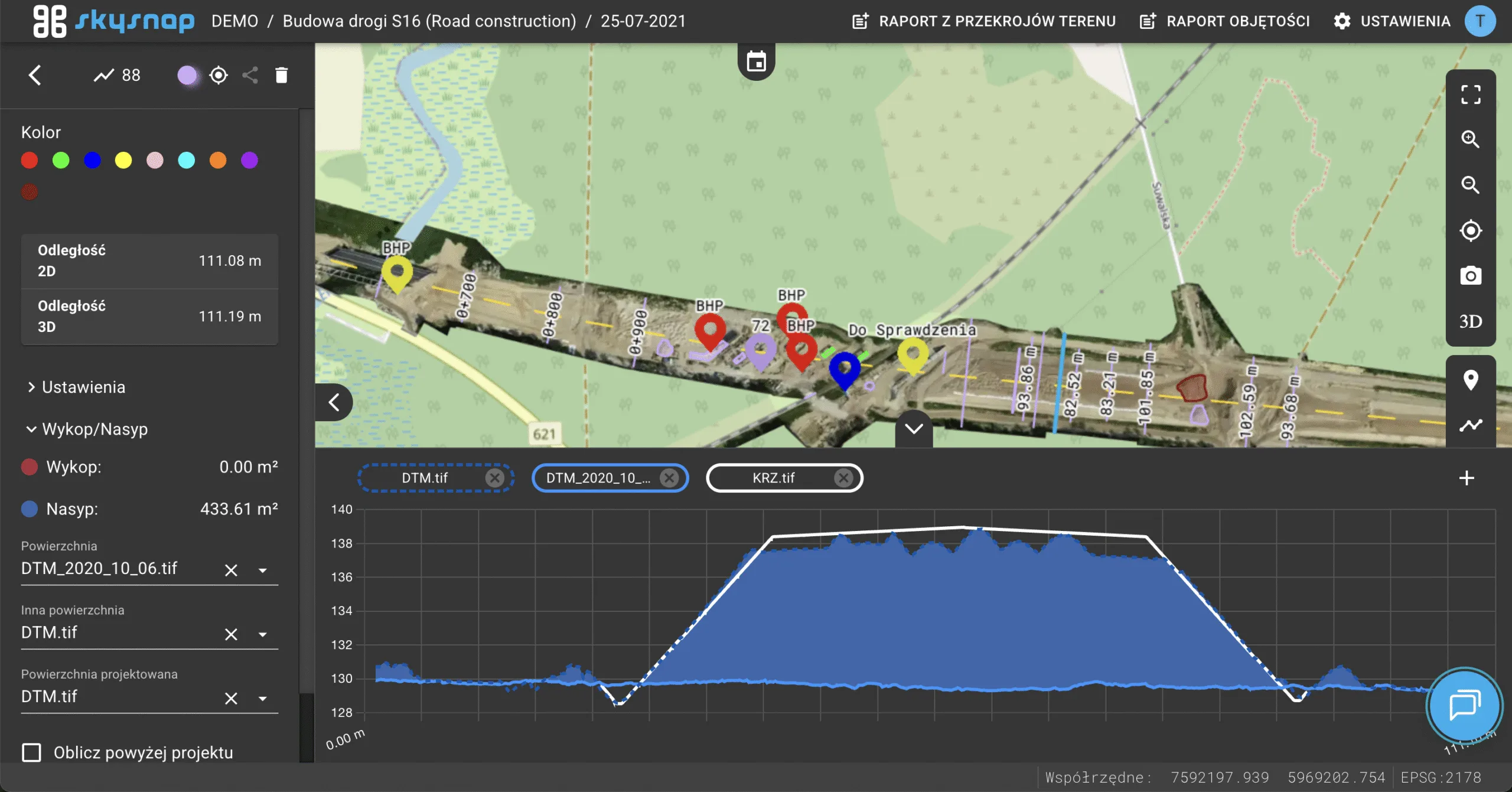
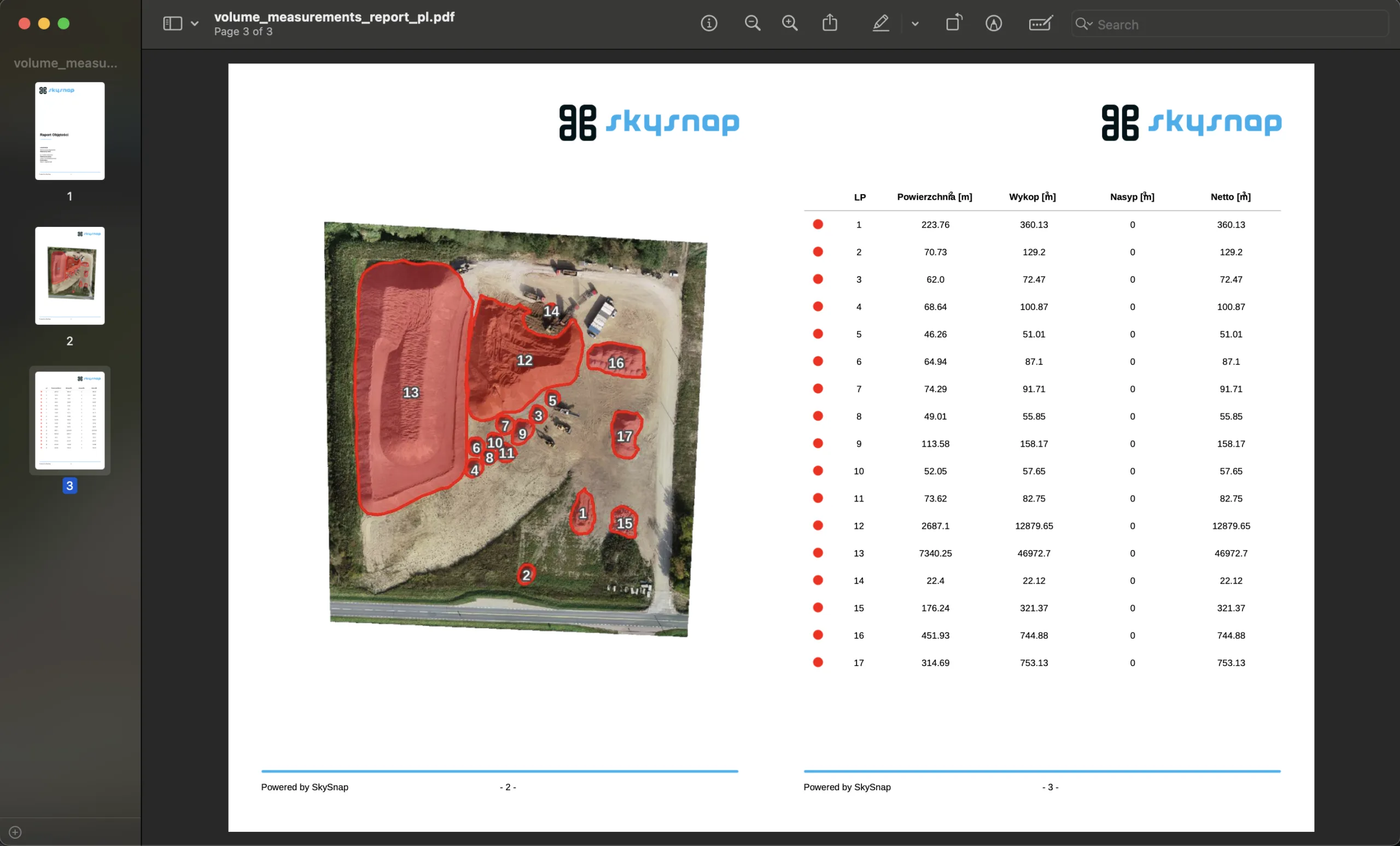
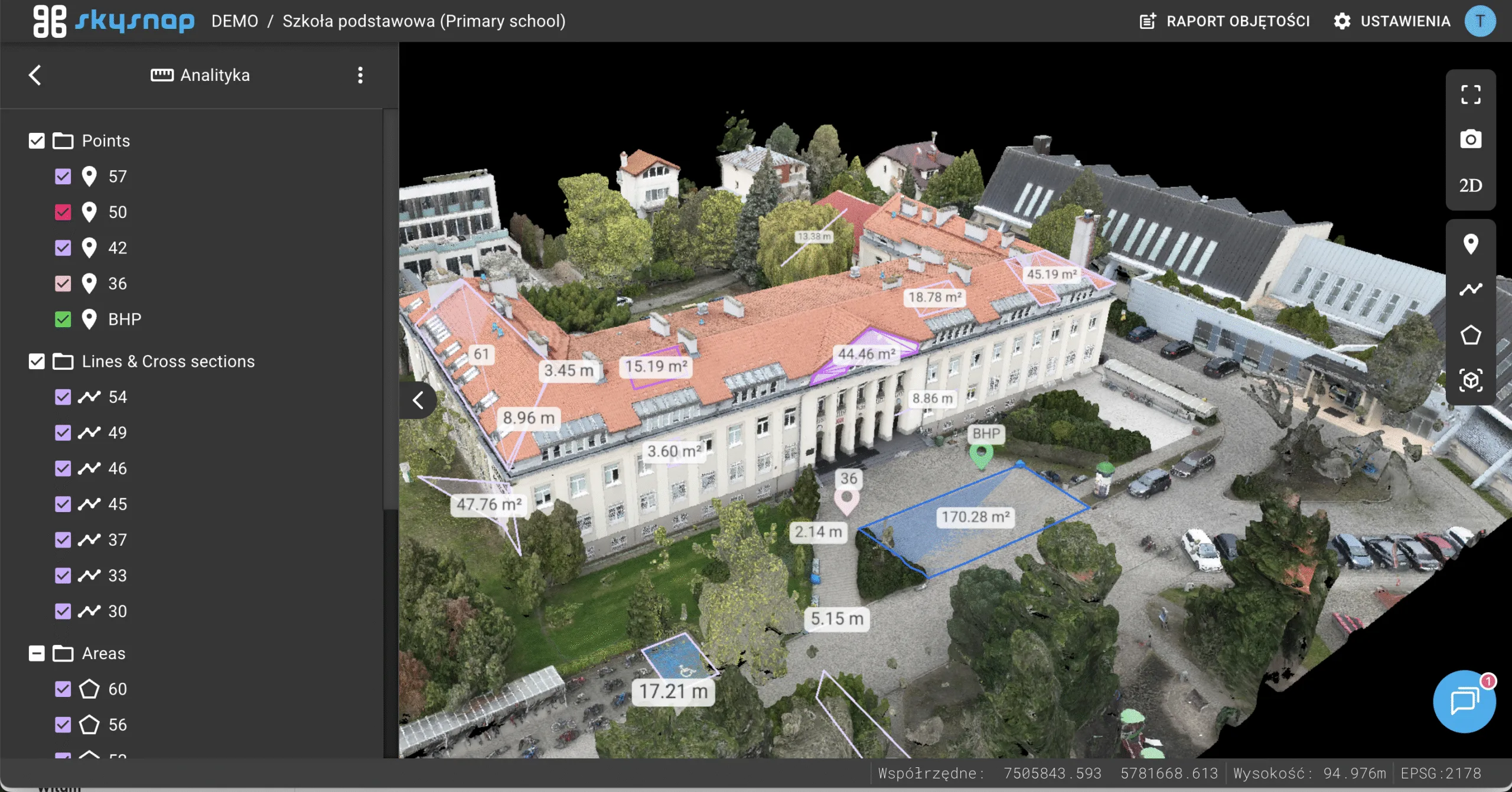
First, they enable accurate site measurements, which are essential for developing construction plans. Measuring areas that previously required weeks of work can now be accomplished in a matter of hours, significantly speeding up design processes.
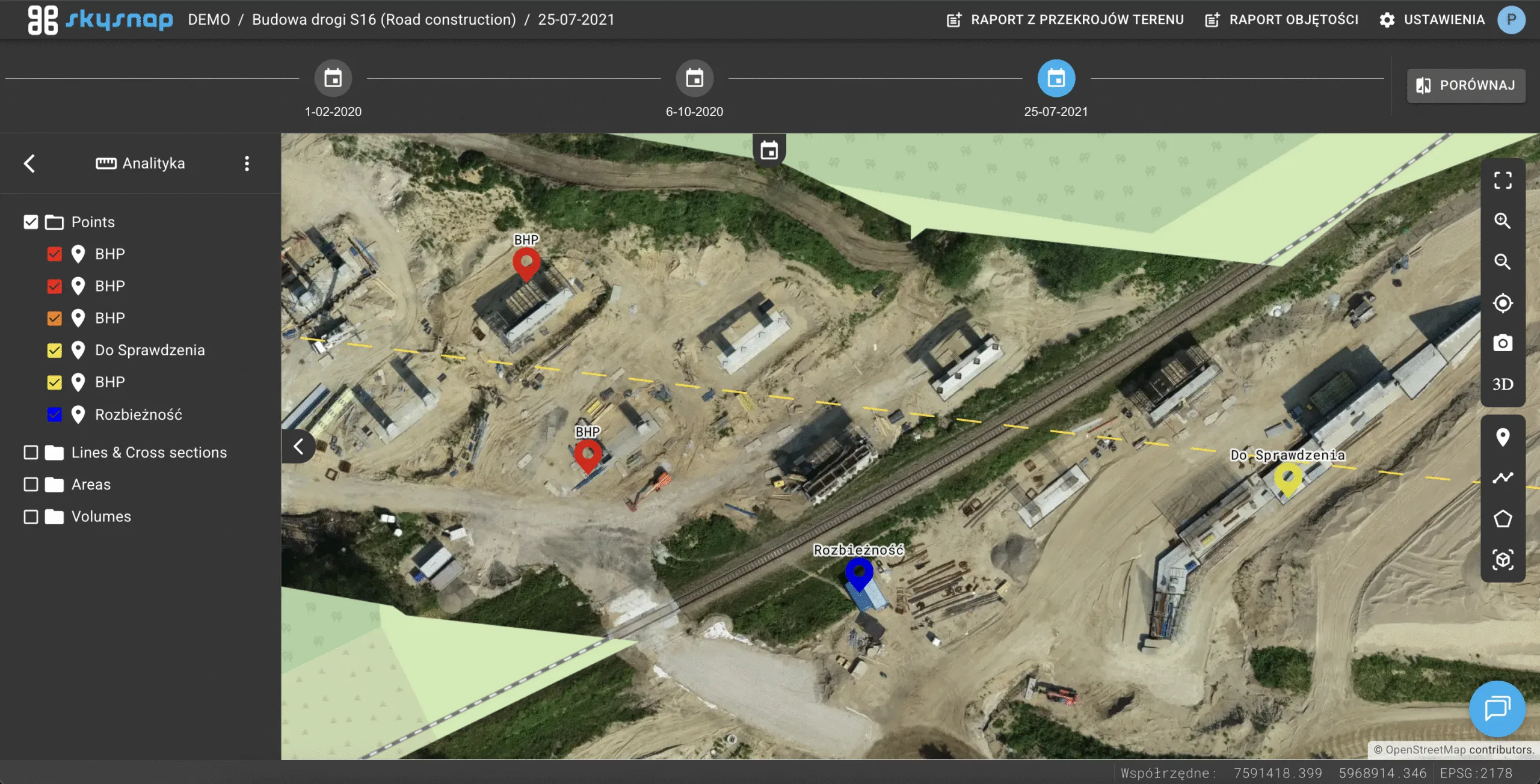
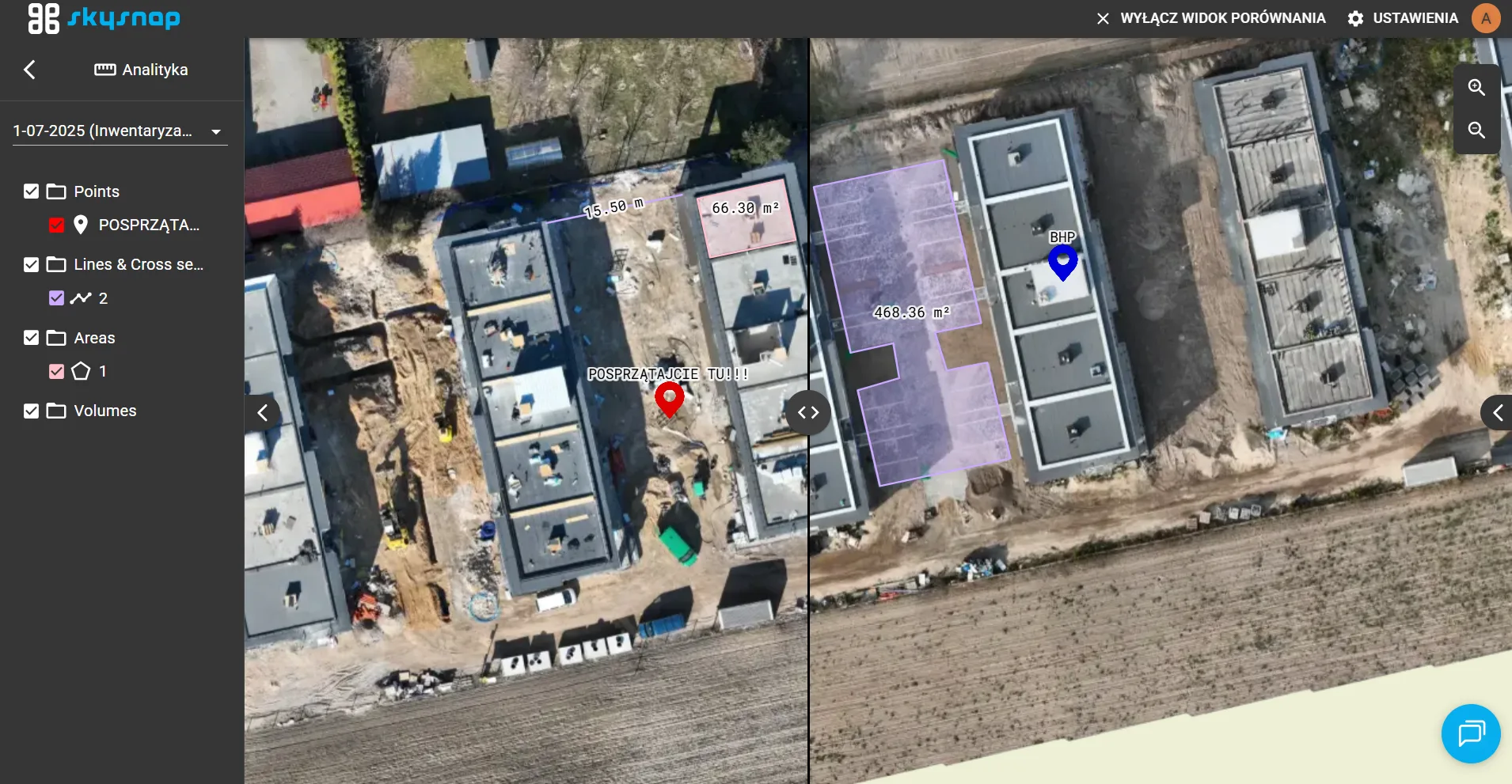
Second, drones are used to monitor the progress of the work. With bird’s-eye images, it is easy to see changes and assess the progress of a project. This ensures continuity and allows for quick identification of potential problems.
Finally, drones are also used for inspection and quality control. They can reach hard-to-reach areas, offering detailed images that help identify defects and assess the quality of workmanship.
Drone applications on construction sites
On construction sites, drones play a key role. Their ability to move quickly and provide real-time data affects various stages of construction. In this section, we will discuss how drones contribute to monitoring and inspecting works.
Monitoring the progress of the work
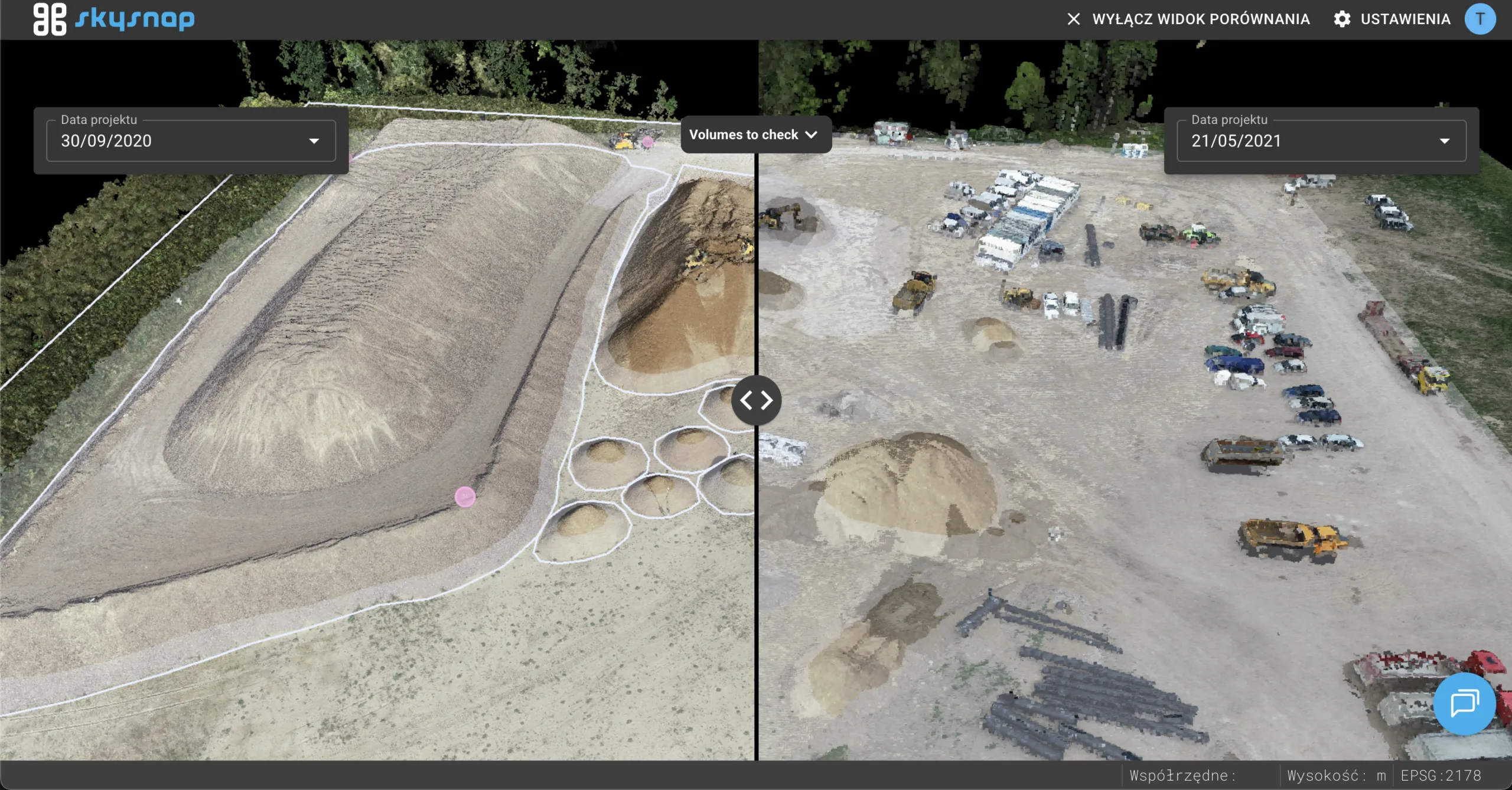
Drones equipped with cameras and sensors are an ideal tool for monitoring construction progress. Regular drone flights allow construction site changes to be tracked from a perspective that traditional methods do not offer. This allows continuous assessment of progress and identification of potential delays.
With bird’s-eye images, it is possible to compare the current status of construction with the planned schedule. Real-time data visualization allows you to make immediate decisions on schedule and resource allocation.
This in turn translates into better project management and increases efficiency. If deviations from the plan are detected, adjustments can be made quickly, minimizing the risk of delays and additional costs.
Inspections and quality control
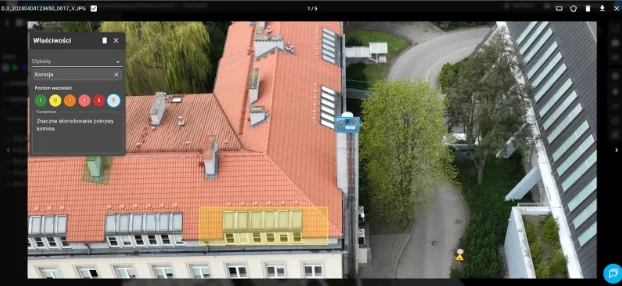
Drones also play a key role in inspections and quality control on construction sites. With advanced cameras and sensors, they can provide detailed images and data on the quality of workmanship. This makes it possible to accurately assess the condition of construction sites without the need for physical presence on site.
Drones can reach hard-to-reach places, such as rooftops or elevations of tall buildings. This provides the ability to accurately analyze and identify potential problems, which would be difficult and time-consuming in the traditional way.
Regular drone inspections help ensure that the project is being carried out to the highest quality standards. This reduces the risk of construction defects that could lead to costly repairs in the future.
Drones and safety at construction sites
Safety is one of the key aspects of any construction project. Drones help improve it by reducing risks to workers and detecting potential hazards. In this section, we will discuss how drones affect safety on construction sites.
Reducing risks for workers
Drones make it possible to monitor construction sites remotely, reducing the need for workers to be physically present at dangerous sites. The use of drones allows inspection and monitoring tasks to be performed without putting people at risk.
Eliminating the need to be at heights or in hard-to-reach places significantly reduces the risk of accidents. Workers can focus on other tasks, which contributes to overall site productivity and safety.
Thanks to drones, many potentially dangerous tasks can be completed more quickly and safely. This not only ensures the health of workers, but also contributes to an overall increase in work efficiency.
Detecting potential threats
Drones can be equipped with a variety of sensors to detect potential hazards on a construction site. They can quickly identify infrastructure problems, such as structural damage or irregularities in materials.
Early detection of such threats allows appropriate preventive action to be taken, which can prevent more serious problems in the future. Drones can also monitor changes in the environment that can affect safety, such as landslides or sudden weather changes.
With these capabilities, drones are becoming a key tool in site safety management. Their regular use can significantly reduce the risk of accidents and other unforeseen events.
Economic benefits of drone use
Drones also bring significant economic benefits. Their use saves time and resources, and increases the precision and efficiency of work. In this section, we take a look at how drones can help reduce costs in the construction industry.
Saving time and resources
The use of drones on construction sites leads to a significant reduction in the time required to complete certain tasks. Traditional data collection methods are time-consuming and resource-intensive, while drones can complete the same tasks in less time.
- With drones, it is possible to collect data quickly and accurately, which speeds up decision-making processes and allows for better resource planning. Faster execution of tasks leads to a reduction in operating costs and increases project efficiency.
- The time savings also translate into the ability to complete more projects in less time, which benefits both construction companies and investors.
- Drones also contribute to greater precision and efficiency in construction projects. With advanced technologies such as accurate location systems and high-resolution cameras, more precise planning and execution of tasks is possible.
- Precise site and construction measurements allow projects to better match actual conditions. This avoids costly errors or corrections that can affect a project’s budget and schedule.
- Increased precision also leads to improved workmanship, which is key to the longevity and safety of the construction. Drones help ensure that every stage of construction is carried out to the highest standards.
The future of drones in construction
The future of drones in the construction industry looks promising. The development of new technologies and features means that drones will play an increasingly important role in the industry. In this section, we will discuss innovations and the impact of drones on future changes in the construction industry.
Innovative technologies and features
Drones continue to evolve, and the new technologies being introduced into the construction industry are extremely promising. Advanced navigation systems, artificial intelligence and automation are just some of the innovations that could revolutionize the way drones are used.
The new features will enable drones not only to monitor and inspect, but also to perform more complex tasks, such as material transportation or logistics support. Automated drones can operate continuously, increasing efficiency and reducing labor costs.
The introduction of these technologies will allow for even greater integration of drones into construction processes, which in turn will bring new opportunities and challenges to the industry.
Impact on changes in the construction industry
Drones have the potential to significantly change the way the construction industry operates. Introducing drones into daily operations can transform traditional processes and open up new opportunities for construction companies.
These changes could include greater automation, improved safety and efficiency, and better project management. Drones could become a key element in the digitization of construction, helping to bring even greater precision and control over costs.
The future of the industry will certainly be tied to the further development and integration of drones, and their role will grow as technology advances and the market demands.

Free E-book
Learn how to use drones in BRD analysis, environmental monitoring or resource distribution. Check out proven deployment models and key digital tools for local government.
Table of Contents:
Do you like the article? Share it with others!
Do you like the article? Share it with others!
Tips, news, insights
Related articles
Check out our articles and get the latest industry news.