How to effectively collect evidence from a drone: A practical guide
Drones have become an integral part of modern technology, offering new opportunities in many fields, including evidence collection. Due to their versatility and ability to capture images from hard-to-reach locations, drones are becoming an increasingly popular tool in various industries. In this article, we will look at how to effectively use drones to collect evidence, paying attention to technical, legal and practical aspects. We will also discuss what to pay attention to so that the drone evidence collected is reliable and can be used in different contexts. We invite you to read on to learn how to best utilize the potential of drones in the information gathering process.
Introduction to collecting evidence from a drone
Evidence collection using drones is a modern approach that allows information to be recorded from hard-to-reach locations. In this section, we’ll discuss why drones are increasingly being chosen for this role and the challenges they can present.
Why use drones to collect evidence
Drones offer unique opportunities in evidence collection due to their ability to fly in places inaccessible to humans. They can quickly and efficiently capture images from different perspectives, which is invaluable in situations where time and accuracy are crucial.
The versatility of drones allows them to be used in a variety of industries, from technical inspections to rescue operations. They are also more economical compared to renting helicopters or aircraft, making them an attractive option for many organizations.
In addition, drones can be equipped with a variety of sensors that collect data about the environment, which is particularly useful in environmental studies. This makes them not only a recording tool, but also an analytical one.
Challenges of drone evidence
One of the main challenges of drone use is the regulation of drone use. Many countries have strict regulations on flying drones, especially in built-up areas or near airports.
Another problem can be the quality of the data collected. Weather conditions, such as wind or rain, can affect the stability of the flight, and thus the quality of photos or videos taken by the drone.
In addition, securing the collected data poses a significant challenge. The data can be easily copied or altered, requiring appropriate security measures to be put in place.
Preparing the drone for the mission
In order to effectively collect evidence with drones, proper preparation before the mission begins is essential. In this section, we will discuss how to choose the right equipment and plan your flight route.
Choosing the Right Equipment
The choice of equipment is crucial to the success of a drone mission. There are many different drone models, so it is important to choose the one that best suits your specific operational needs.
- Determine the mission requirements: Think about what data you want to collect and what sensors you will need for it.
- Compare the available models: Pay attention to flight range, battery life and camera quality.
- Check the compatibility of sensors: Make sure your drone can be equipped with the necessary sensors and software.
A well-chosen device will allow efficient execution of the task and minimize the risk of mission failure.
Flight route planning
Planning the flight path is crucial for collecting accurate and useful evidence. A well-thought-out plan increases mission efficiency and minimizes the risk of errors.
Planning steps:
- Site analysis: Familiarize yourself with maps and satellite images of the mission area.
- Establish checkpoints: Select the key locations you want to explore.
- Take into account legal restrictions: Check that there are no flight bans in the selected area.
- Plan the optimal route: Take into account flight time and GPS signal availability.
With careful planning, the mission will run smoothly and without disruption.
Techniques for collecting evidence from a drone
In this section, we will examine various techniques that can be used to collect evidence with drones. We will focus on capturing video and images and using sensors and software to analyze the data.
Video and photo recording
Capturing video and photos is one of the primary functions of drones to gather visual evidence. Drones can take pictures from different angles and heights, which is especially useful for analyzing hard-to-reach locations.
Recording Tips:
- Camera settings: Make sure the camera is set to the highest quality before starting the mission.
- Image stabilization: use drones with stabilization to get clear and blur-free images.
- Lighting: Plan to fly in high visibility conditions to avoid image quality problems.
Video and photos from the drone can be analyzed later, allowing you to understand the situation in detail and draw the right conclusions.
Using sensors and software
In addition to capturing images, drones can be equipped with a variety of sensors that collect additional data, such as temperature, humidity and atmospheric composition.
These sensors can be extremely useful in scientific research and environmental monitoring. They turn drones into versatile analytical tools that can provide valuable information.
Advantages of using sensors:
- Accuracy of data
- Ability to analyze data in real time
- Integration with other analytical systems
Thanks to modern software, it is also possible to automatically process the collected data, which speeds up the entire analysis process.
Analysis and storage of collected evidence
After collecting evidence with drones, it is necessary to analyze it and store it safely. In this section, we will discuss how to process drone data and how to ensure its security.
Drone data processing
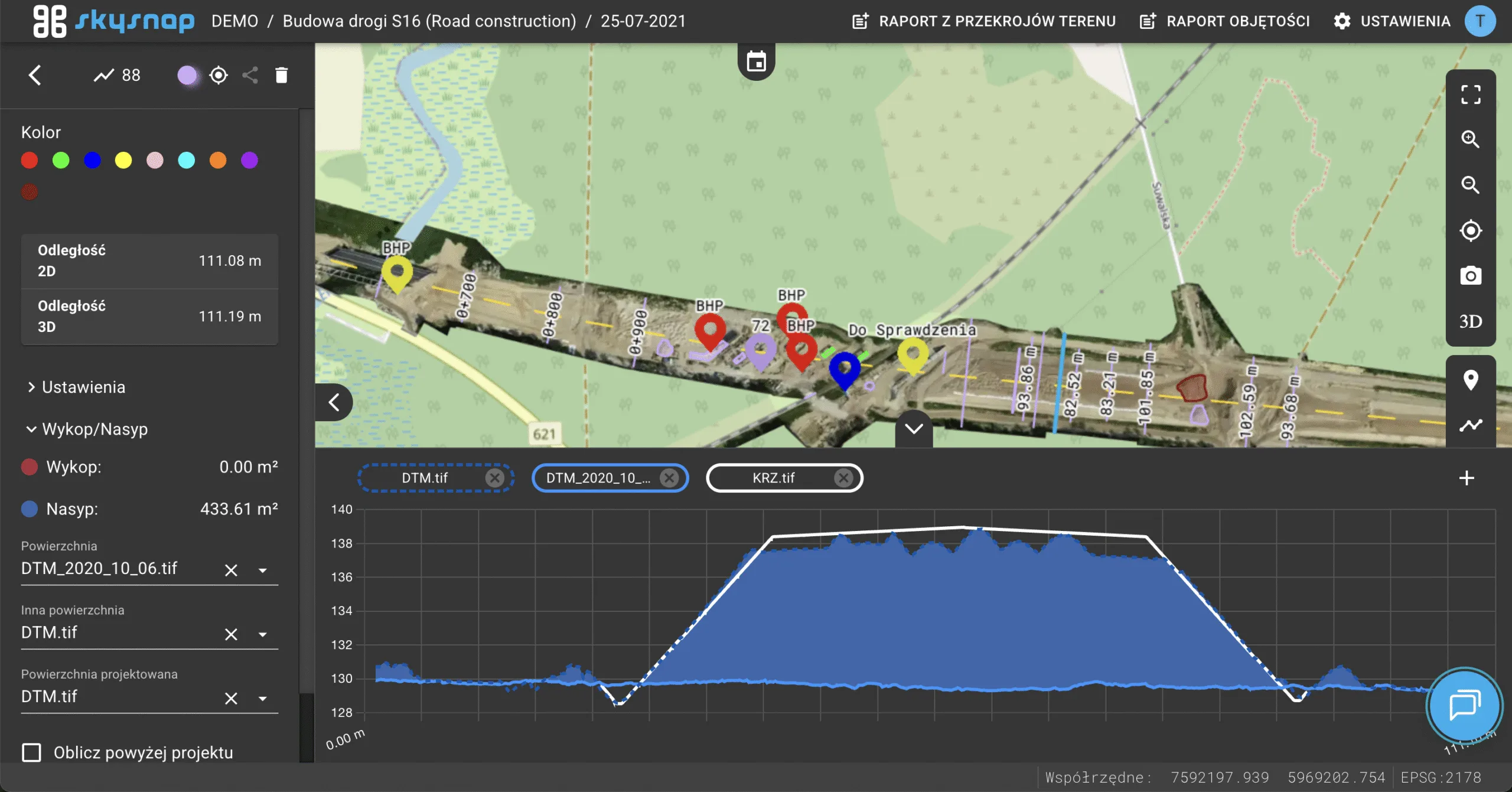
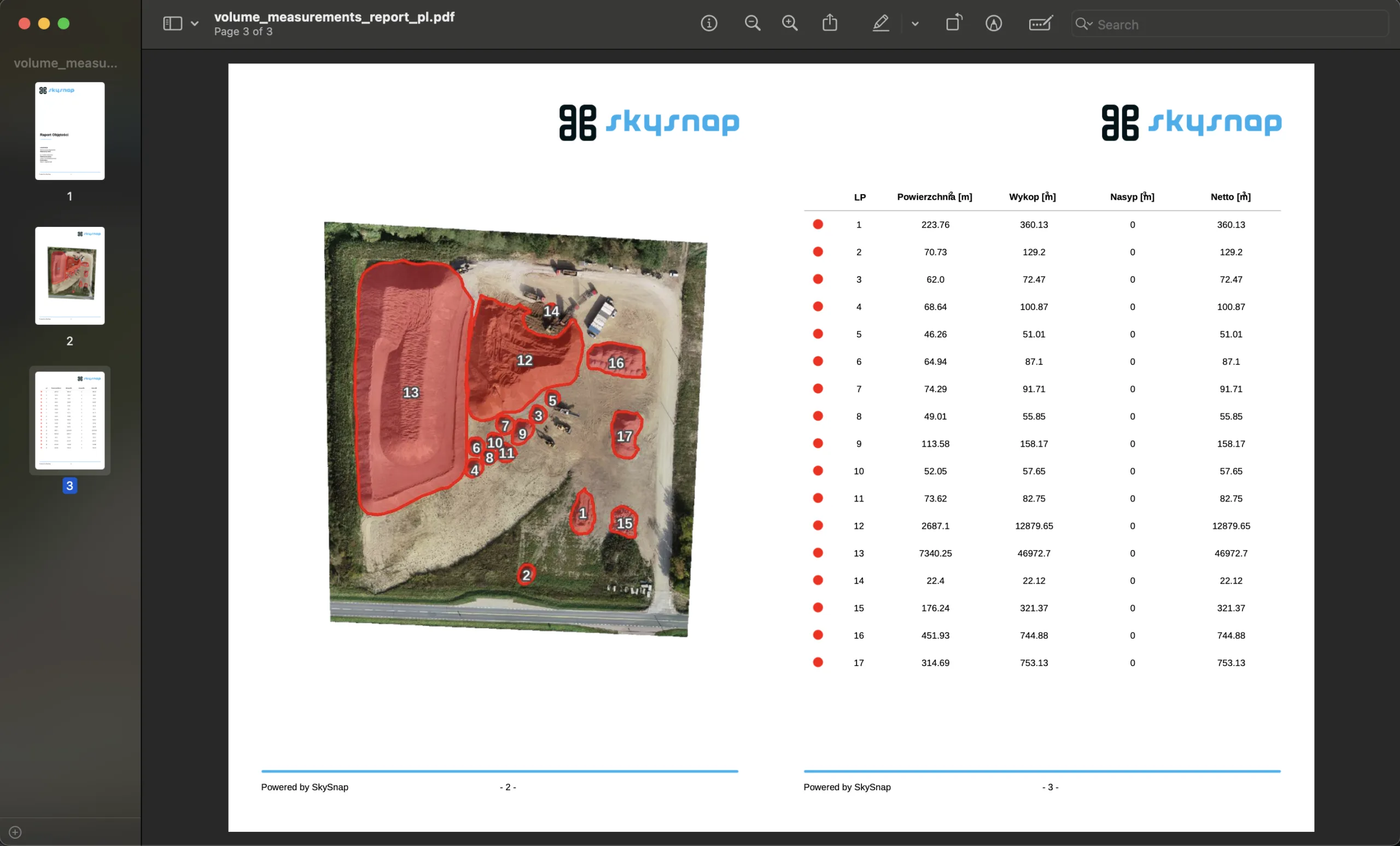
Processing drone data is a key step to extract valuable information from the evidence collected. This process can range from visual analysis to more advanced analytical methods.
Data processing steps:
- Data download: Transfer data from the drone to a computer or other device for analysis.
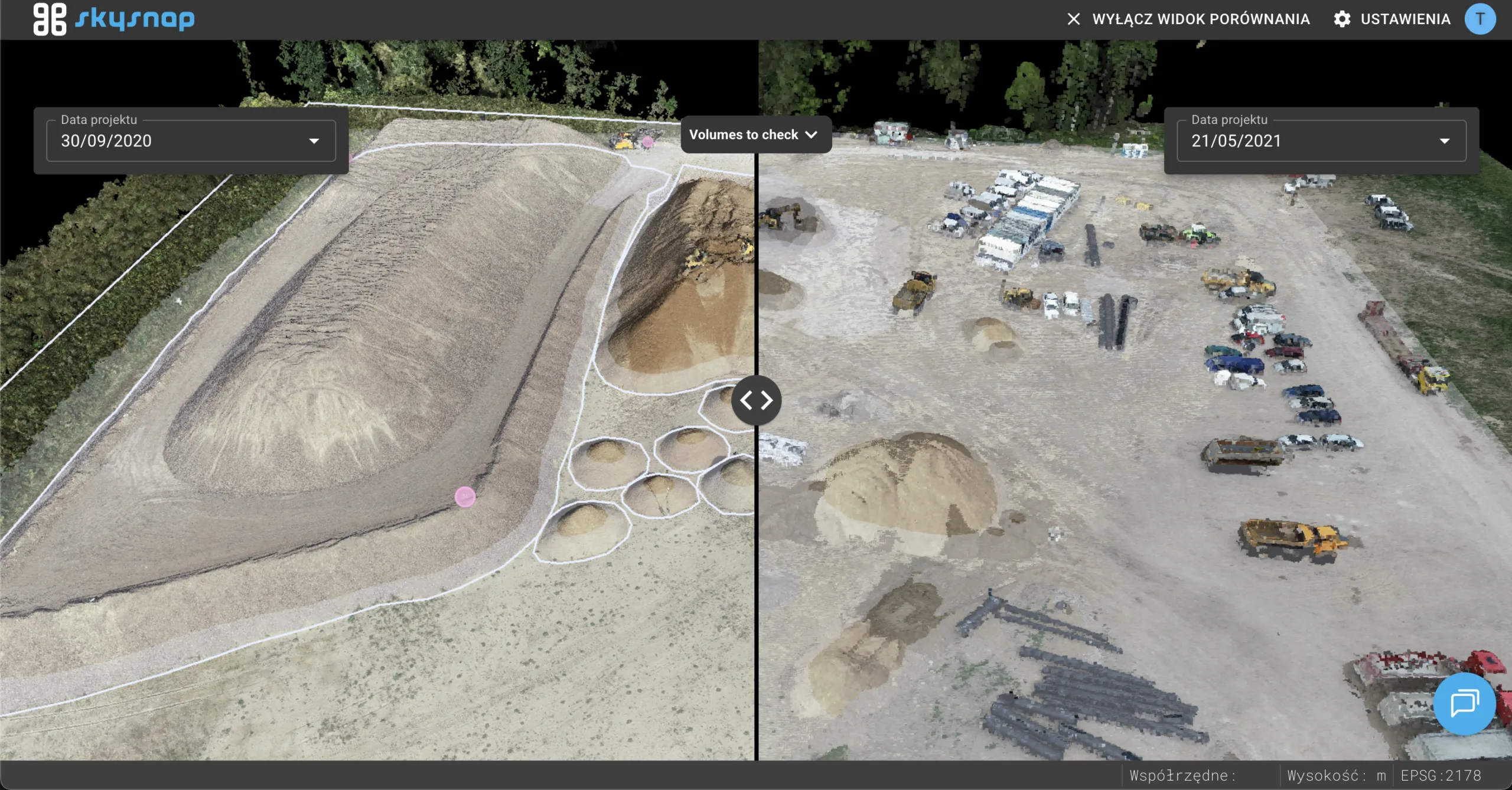
- Visual analysis: Review the collected photos and videos, identifying key elements.
- Advanced analytics: Use analytics software to process data more accurately.
With proper processing, the evidence collected can be used in a variety of contexts, from scientific research to legal action.
Secure storage of evidence
Secure storage of collected evidence is essential to ensure its integrity and authenticity. To do this, it is useful to follow a few key principles.
Storage recommendations:
- Use secure servers or clouds to store data.
- Create regular backups to prevent data loss.
- Restrict access to data to authorized persons only.
Secured data is more reliable and can be successfully used as evidence in various situations.
The future of drone evidence collection
Drone evidence collection has a promising future. In this section, we take a look at new technologies that could change the way we collect evidence, and look at practical applications of these technologies.
New technologies and opportunities
New technologies in the field of drones are constantly evolving, offering increasingly sophisticated evidence collection capabilities. The introduction of artificial intelligence and machine learning into drone data analysis is opening up new perspectives.
Examples of innovation:
- Greater drone autonomy: New technologies allow for more autonomous operations, reducing the need for operator intervention.
- Better sensors: Developments in sensors provide opportunities to collect more detailed data.
- Integration with other systems: Drones can work with other technologies, such as augmented reality, to provide even more information.
With these innovations, drones are becoming even more versatile tools for evidence collection.
Examples of practical applications
Drones are used in many fields, from agriculture to rescue operations. Here are some examples that show how drones can be used in practice.
Examples:
- Agriculture: monitoring crops with drones allows for quick detection of plant problems and more efficient management of resources.
- Rescue: Drones can quickly locate missing people, which is especially useful in hard-to-reach areas.
- Environmental protection: Drones are used to monitor the environment, including air and water quality.
Each of these applications demonstrates how versatile and useful drones can be in various sectors.

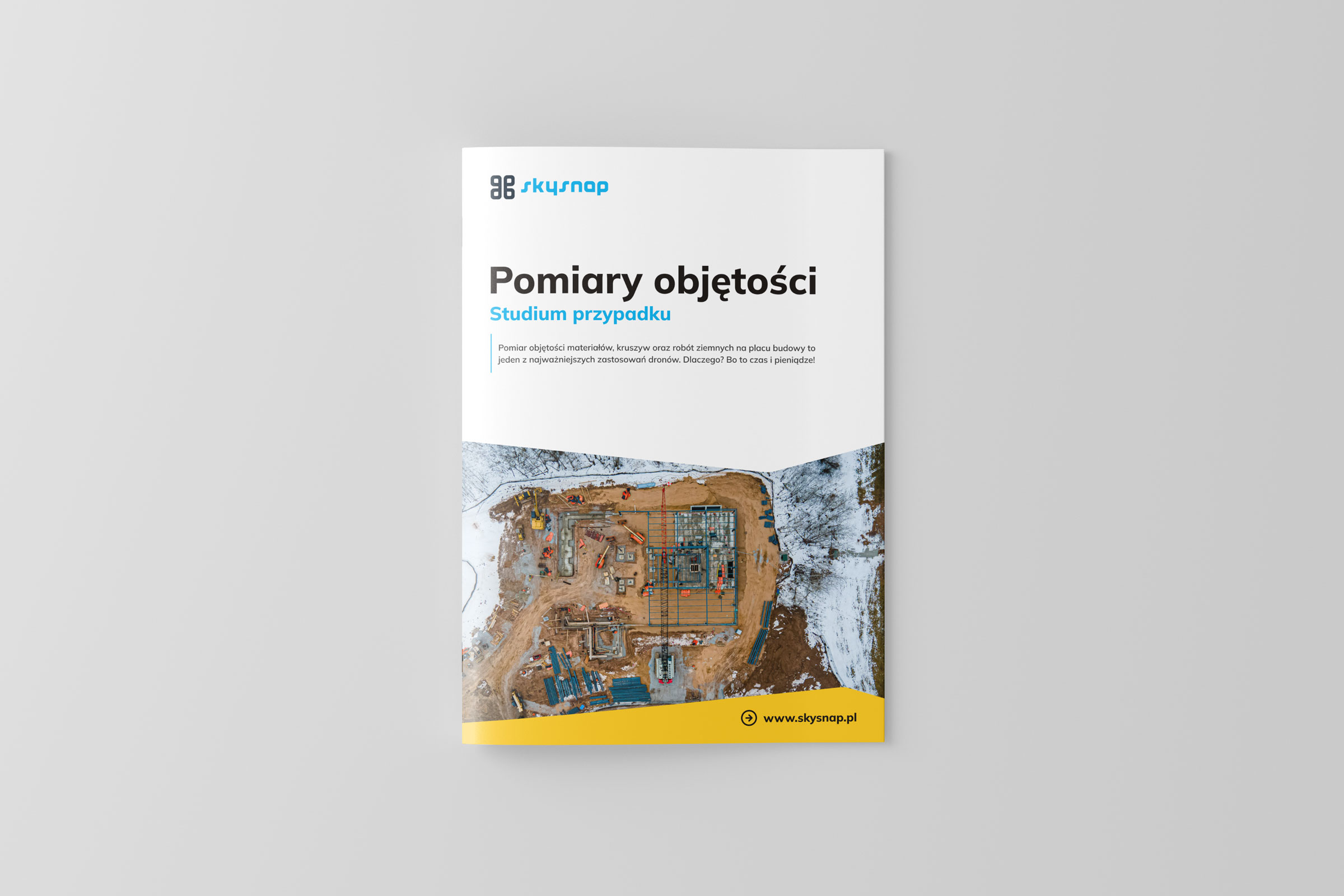
Free E-book
Find out how UAV and AI support investment supervision, facilities management and the daily work of engineers. Learn about real-world applications of technology in construction and real estate.
Table of Contents:
Do you like the article? Share it with others!
Do you like the article? Share it with others!
Tips, news, insights
Related articles
Check out our articles and get the latest industry news.