Drone Flight Map: A Step-by-Step Guide to Creation – SkySnap
Drone flight mapping is a process that may seem complicated, but with the right approach it becomes more manageable. In this age of rapidly evolving technology, drones are an invaluable tool in many fields, from photography to scientific research. To take full advantage of their potential, it’s essential to understand how to effectively plan and execute flights. In this step-by-step guide, we’ll cover the key elements of drone flight mapping so you can put the technology to work with confidence and efficiency. Get ready for a journey that will introduce you to the world of precision flight planning and discovering new perspectives. The drone operator plays a key role in ensuring flight safety, so it is essential to familiarize yourself with regulations and geographic zones before each flight.
Introduction to Drone Photogrammetry
What is Drone Photogrammetry?
Drone photogrammetry is the process of using drones to collect images from the air, which are then transformed into accurate 3D models and 2D maps. In practice, this means using drones equipped with advanced cameras and sensors that capture data from multiple perspectives. The collected images are then analyzed using specialized software to create accurate representations of terrain or objects. Drone photogrammetry has found its way into many industries, such as civil engineering, archaeology and precision agriculture, offering the ability to quickly and efficiently collect data from hard-to-reach locations. Through this process, detailed information about the analyzed area can be obtained, which greatly facilitates decision-making and action planning. It’s also worth remembering the regulations for flying at a certain altitude above the ground, especially in areas where hazardous materials are accumulated or near large urban areas and national parks.
Why should you be interested in Photogrammetry?
Drone photogrammetry is a technology that offers many advantages, making it attractive to various sectors. First and foremost, it allows for fast and precise data collection, which is crucial in projects where time and accuracy are at a premium. With drones, hard-to-reach areas can be reached, increasing worker safety by eliminating the need to physically reach dangerous locations.
In addition, drone photogrammetry is more cost-effective compared to traditional survey methods, such as manned flights or ground surveys. It also allows easy monitoring of changes over time, making it ideal for long-term projects such as infrastructure construction or natural resource management. Interest in this technology could lead to increased operational efficiency, as well as provide new and innovative solutions for data analysis and processing.
Applications of Photogrammetry in Various Industries.
Drone photogrammetry is used in many industries, offering cutting-edge solutions for data collection and analysis.
- In civil engineering, it helps create accurate terrain models, which are essential in the design and construction of infrastructure.
- In the precision farming sector, it enables monitoring of crop condition and optimization of resource use, resulting in increased production efficiency.
- In archaeology, drones are used to document and analyze archaeological sites, allowing valuable information to be preserved without the need for physical intervention in the field.
- In the real estate industry, photogrammetry is used to create project visualizations and monitor construction progress.
With its wide range of applications, drone photogrammetry is becoming an invaluable tool that is revolutionizing the way we perceive and analyze the world around us.
Choosing the Right Equipment
How to choose a drone for Photogrammetry?
Choosing the right drone for photogrammetry is crucial for obtaining precise and useful data.
- First of all, it is worth paying attention to the quality of the camera, which should offer high resolution and the ability to capture images in various lighting conditions.
- Another important element is flight stability – the drone should be equipped with stabilization systems that ensure smooth recordings even in high winds.
- Flight time is another important factor, as longer battery life allows more data to be collected during a single flight.
- The ease of use and availability of technical service should also not be overlooked.
It is a good idea to choose drones from proven manufacturers that offer support and software updates. The final choice should be tailored to the specific needs of the project and the budget you have.
Key parameters of the cameras
Choosing a camera for drone photogrammetry requires considering several key parameters that directly affect the quality of the data collected.
- First of all, the resolution of the sensor is important – the higher it is, the more detailed the resulting images will be.
- Another important aspect is the size of the sensor, which affects the camera’s ability to operate in harsh lighting conditions.
- The camera’s lens also plays a key role; the wide angle of view allows the camera to capture a larger area in a single shot, which is beneficial for large areas.
- Image stabilization is another important parameter, especially when flying in less favorable weather conditions.
- It is also worth considering the camera’s compatibility with data analysis software, which ensures ease of processing and interpretation of the collected information.
Ultimately, the choice of camera should reflect the specific requirements of the project and the available budget.
Data analysis software
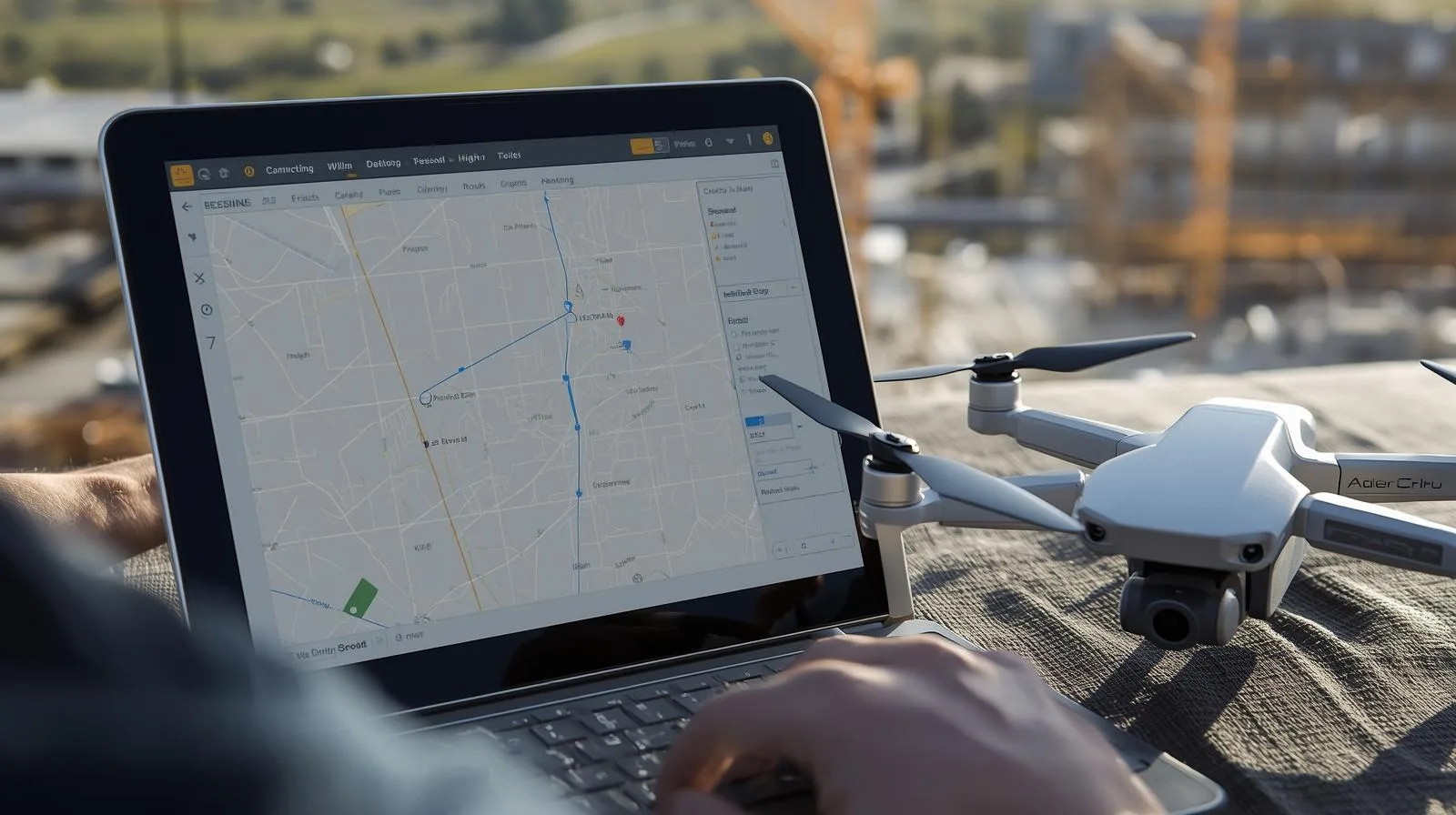
Data analysis software is an indispensable part of the drone photogrammetry process, transforming the collected images into useful 3D models and maps. Choosing the right software depends on several factors.
- First of all, it is worth paying attention to compatibility with your hardware and ease of integration with other analytical tools. The software should offer advanced features such as automatic image merging, orthophoto generation, and volume and area analysis.
- An intuitive user interface and the availability of technical support are key to effective use of the tool.
- In addition, consider software that offers cloud-based capabilities to facilitate team collaboration and access to data from different locations.
The final choice of software should be tailored to the specific needs of the project, while taking into account the budget and the level of sophistication of the users.
Practical tips for getting started
Preparing for a flying mission into the airspace
Preparing for a flying mission with a drone requires careful planning and consideration of several key steps.
- First of all, it is necessary to carefully plan the flight route, taking into account the specifics of the terrain and weather conditions.
- It is important to check all the drone’s systems, including batteries, cameras and navigation systems, before flying to make sure they are fully operational.
- Conducting a test flight in a safe location will help identify any technical problems.
- Another important step is to obtain the appropriate permits, if required, and inform the local authorities of the planned mission to avoid misunderstandings.
- It’s also a good idea to prepare a contingency plan for unforeseen situations, such as a sudden deterioration in the weather.
Preparing for a mission with these aspects in mind will ensure that it runs smoothly and minimizes the risk of problems during the flight. It is also extremely important to check geographic zones before each drone flight to acquire up-to-date information and avoid violations.
Flying a drone safely
Safety when flying a drone is crucial for both the operator and the environment.
- First and foremost, it is important to thoroughly familiarize yourself with local regulations on drone use before taking off.
- Adherence to no-fly zones and required flight altitudes will help avoid potential legal problems.
- It is also crucial to monitor weather conditions; strong wind, rain or snow can significantly affect flight stability.
- It is important to always keep the drone in sight and not rely solely on automated systems.
- Regular maintenance checks of the drone and its navigation systems ensure that it is ready for safe flight.
- It is also a good idea to have insurance to cover any damage caused by the drone.
Following these rules will allow you to operate your drone safely and legally, minimizing the risk of accidents and damage. It should also be remembered that drone operations are strictly prohibited in DRA-P zones, with certain exceptions approved by the PAJP.
Tips for getting accurate measurements
In order to obtain accurate measurements using drone photogrammetry, a few important guidelines must be followed.
- First, make sure you have adequate lighting when flying. The best results are often obtained in the morning or late afternoon, when the light is softer.
- Second, plan your flight path with the appropriate overlap of images – usually the horizontal and vertical overlap should be about 70-80%. This will allow the software to accurately combine images.
- Third, stability of the drone is key; avoid sudden maneuvers and sudden changes in altitude, which can affect the quality of your photos.
- Using control points (GCPs) on the ground will help calibrate the model and improve measurement accuracy.
- Finally, regularly calibrate the hardware and update the software, which will ensure optimal system performance and accurate results.
- It is also worth considering the DRA-RH zones, which have a high probability of obtaining approval for drone operations.
Data Analysis and Interpretation
Image Processing
The image processing process in drone photogrammetry begins with the collection of raw data in the form of images, which are then transferred to specialized software.
- The first step is to pre-select and sort photos to remove those that are blurry or unclear.
- The software then automatically combines the images to create a single coherent orthophoto. This process, called orthorectification, involves removing distortions caused by perspective and topography.
- Subsequently, 3D models are generated for accurate analysis of terrain and objects. In some cases, control points (GCPs) are used to increase precision.
- Finally, the results can be exported to various formats for further analysis or integration with other GIS systems.
The entire process requires precise calibration and attention to detail to produce reliable and useful data.
Creating Maps and 3D Models
Creating maps and 3D models using drone photogrammetry is a process that transforms aerial photos into accurate representations of terrain and objects.
- Once the images are collected, the software combines them to create orthophotos, which are accurate representations of the earth’s surface.
- 3D models are then generated for visualization and spatial analysis of structures and landscapes. These models are indispensable in industries such as engineering, architecture and environmental protection, as they allow detailed planning and evaluation of projects. The process of creating maps and 3D models requires precise calibration of images and the use of control points (GCPs) to ensure high accuracy.
- Final models can be exported to a variety of formats for easy integration with other GIS and CAD tools, enabling versatile applications and analysis.
How to Interpret Photogrammetry Results
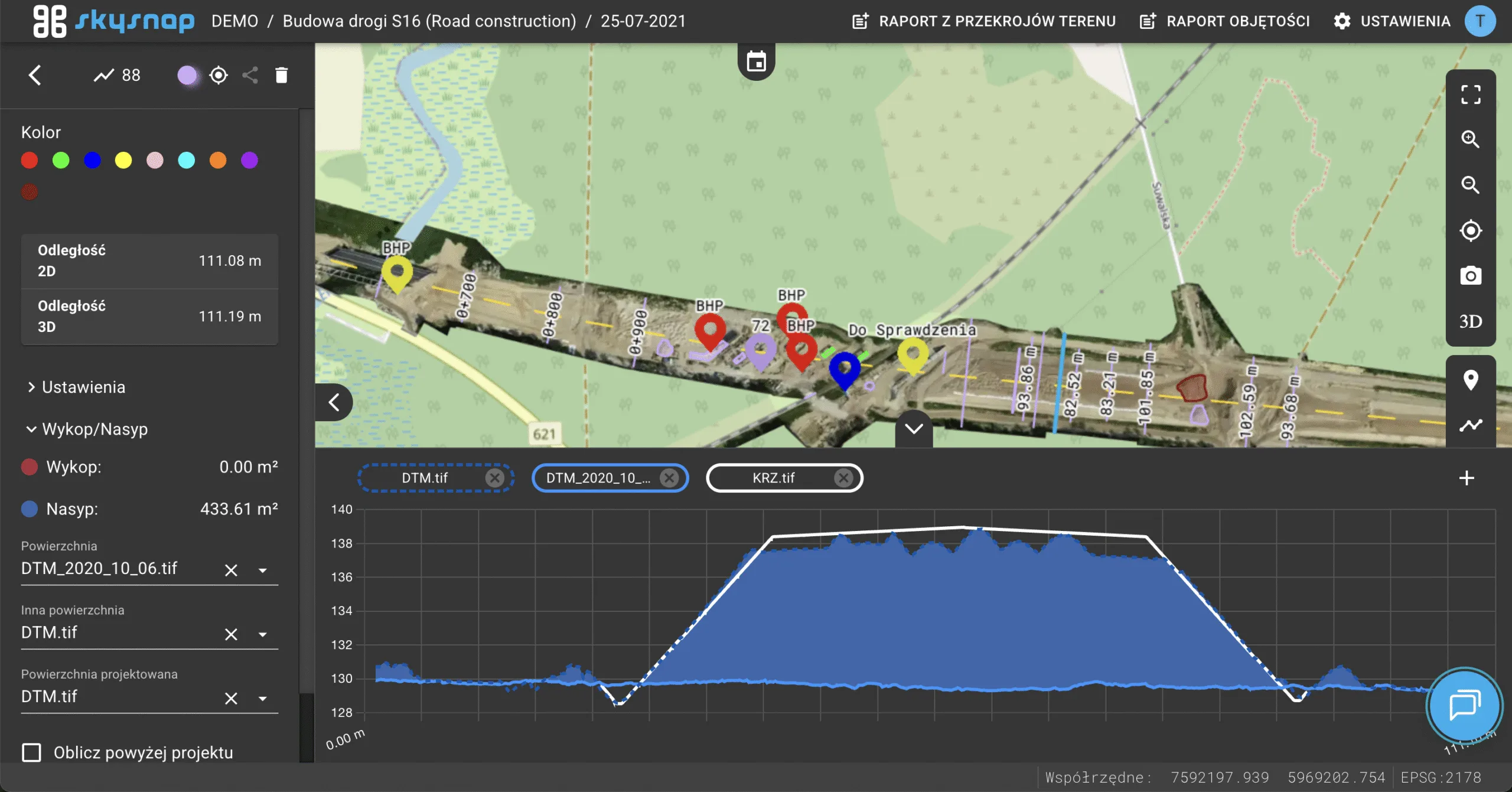
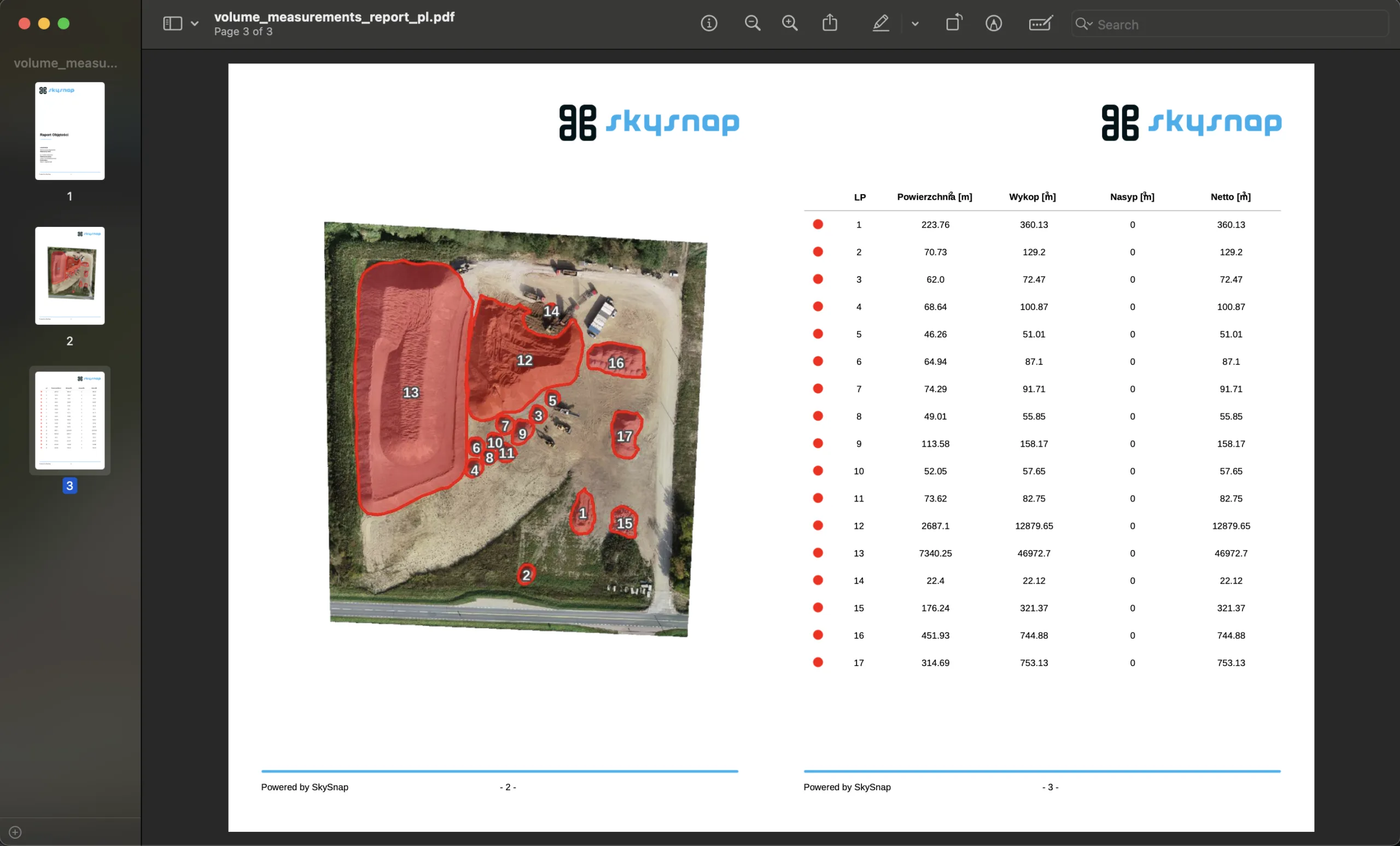
Interpreting the results of drone photogrammetry requires an understanding of the data, which has been processed in the form of orthophotos and 3D models. A key aspect is the analysis of the topography of the terrain, which allows the identification of changes in surface topography, such as erosion or landslides. 3D models allow accurate assessment of volume and surface area, which is important in planning construction or mining activities. It is also important to pay attention to the accuracy of the data, so it is essential to compare it with reference data or use control points (GCPs).
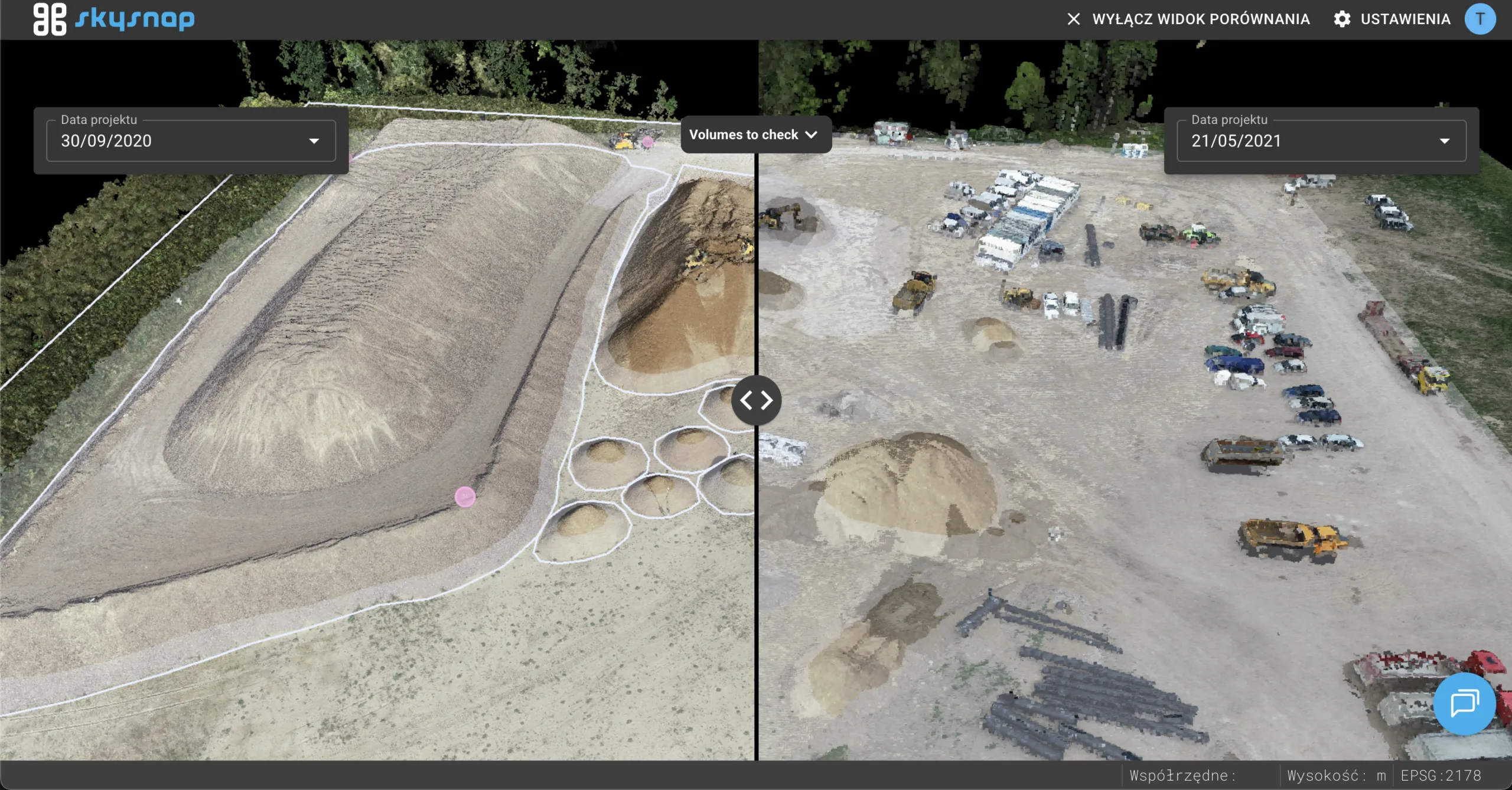
Analysis of photogrammetry results can also include identification of anomalies or comparison of the current state with historical data, which is particularly useful in monitoring environmental changes. Understanding and interpreting this data allows for informed decision-making and effective project management, saving time and resources. It’s also important to conduct data analysis in a given area to take into account local restrictions and regulations on drone flights.
The Future of Drone Photogrammetry
New Technologies and Innovations
Drone photogrammetry is constantly evolving with new technologies and innovations that expand its capabilities.
- One of the key trends is the integration of artificial intelligence and machine learning to automatically analyze collected data and detect patterns and anomalies. This makes processing faster and more accurate.
- Another innovation is the use of multispectral and thermal imaging sensors to collect diverse data and enable analysis of various aspects of the environment.
- The development of LiDAR technology in drones is also helping to improve the accuracy of 3D mapping, especially in forested or hard-to-reach areas.
- Drones are becoming increasingly autonomous, increasing their operational efficiency and safety. These technological advances not only enhance the capabilities of drone photogrammetry, but also open up new opportunities in fields ranging from agriculture to natural resource management.
- It is also worth noting that in recent years new regulations have been introduced for the use of airspace, which is important for safety and privacy in the context of drone operations.
Impact on Various Sectors of the Economy
Drone photogrammetry continues to evolve, making an increasing impact on various sectors of the economy.
- In construction and civil engineering, it enables the creation of accurate terrain models and monitoring of construction progress, resulting in better project management and cost reduction.
- In agriculture, drones are gaining prominence in monitoring crops, analyzing plant health and optimizing resource consumption, leading to increased production efficiency.
- In the environmental sector, drone photogrammetry is being used to monitor changes in the landscape, such as deforestation and soil degradation, allowing rapid response to environmental threats.
- Drones are also used in emergency management, enabling damage assessment after natural disasters and supporting rescue efforts.
Thanks to its versatility and growing availability, drone photogrammetry is becoming a key tool for innovation and process optimization in many sectors of the economy.
Development Opportunities and Challenges
The future of drone photogrammetry involves many opportunities for development, but also presents some challenges.
On the one hand, the increasing miniaturization of technology and the development of artificial intelligence are opening up new prospects for automation and increasing the precision of measurements.
New sensors and data processing technologies can significantly expand the range of photogrammetry applications.
On the other hand, there are challenges related to data security and regulations on drone use. The ever-increasing amount of data being collected requires effective storage and analysis solutions.
In addition, the integration of photogrammetry systems with other technologies, such as augmented reality (AR) and the Internet of Things (IoT), may face compatibility and standardization difficulties.
Ultimately, the success of drone photogrammetry will depend on its ability to adapt to a dynamically changing technological and regulatory environment. Another important aspect is the division of airspace into different geographic zones that regulate drone flights.

Free E-book
Learn what services to offer, who to sell them to, and how to write an effective offer email. Ready-made templates, tips and examples of campaigns that really work.
Table of Contents:
Do you like the article? Share it with others!
Do you like the article? Share it with others!
Tips, news, insights
Related articles
Check out our articles and get the latest industry news.