How to plan drone flights effectively: A Practical Guide for Everyone
Drony stały się nieodłącznym elementem współczesnej technologii, oferując nowe możliwości w wielu dziedzinach. Ich popularność rośnie zarówno wśród amatorów, jak i profesjonalistów, którzy dostrzegają ich potencjał w fotografii, filmowaniu i monitoringu. Planowanie lotów dronem wymaga jednak odpowiedniej wiedzy i przygotowania, aby zapewnić bezpieczeństwo i efektywność operacji. W tym przewodniku przedstawimy kluczowe kroki, które pomogą każdemu, niezależnie od poziomu zaawansowania, organizować loty dronem w sposób profesjonalny i zgodny z obowiązującymi przepisami. Przygotuj się na odkrycie praktycznych wskazówek, które uczynią Twoje loty bardziej satysfakcjonującymi i bezpiecznymi.
Introduction to flight planning
Planowanie lotów dronem to kluczowy element, który zapewnia bezpieczeństwo i efektywność każdej misji. Aby zrozumieć, dlaczego jest to tak ważne, należy przyjrzeć się kilku podstawowym aspektom, które decydują o powodzeniu operacji.
Why planning is key
Planowanie lotów dronem jest absolutnie niezbędne z kilku powodów. Przede wszystkim, pozwala na dokładne przygotowanie trasy, co minimalizuje ryzyko kolizji. Bez odpowiedniego planu możesz napotkać na niepotrzebne przeszkody, co może prowadzić do uszkodzeń sprzętu.
Planowanie również wpływa na czas trwania lotu. Dzięki odpowiedniej strategii możesz efektywnie zarządzać czasem, co jest istotne zwłaszcza przy ograniczonej baterii drona.
Na koniec, przygotowanie planu lotu ułatwia zgodność z lokalnymi przepisami, co jest kluczowe, aby uniknąć potencjalnych problemów prawnych.
Basic safety rules
Safety rules are the foundation of any drone flight. Following them ensures the protection of both the operator and the environment. First of all, always avoid flying near groups of people and public places to minimize the risk of accidents.
Another important element is to keep the drone in sight so that you can react quickly in case of problems. It is also important to check the airspace before each flight to avoid collisions with other flying objects.
Choosing the right place
Site selection is a key step in planning a flight. It is best to choose areas away from crowded areas where the risk of accidents is minimized.
The location should be well known to the operator, which allows for a better understanding of the terrain and potential obstacles. It is also important to choose a location that offers a stable GPS signal, which makes navigation much easier.
Pre-launch preparation
Every drone flight requires adequate preparation to ensure smooth and safe operations. This includes checking the equipment as well as understanding the weather conditions and regulations in the region.
Checking the drone’s equipment
Before each flight, a thorough check of the equipment is essential. The checklist may include:
- Checking the condition of the battery and charging it.
- Inspection of propellersfor damage.
- Update the drone and controller software.
- Testing connectivity between the drone and the controller.
Regular maintenance of equipment prevents unexpected failures and increases flight safety.
Analysis of weather conditions
Weather has a huge impact on the safety of drone flights. It is advisable to check the weather forecast before each launch to avoid flying in unfavorable conditions like high winds or rain.
Good weather conditions are the basis for a successful flight. Wind speeds of less than 15km/h and a lack of precipitation provide the greatest stability and control of the drone.
Familiarize yourself with local regulations
Understanding local drone flight regulations is indispensable for any operator. Different countries and regions may have different regulations, and failure to comply can lead to hefty fines.
Worth checking out:
- Whether a license is required at the location.
- What are the flight altitude restrictions.
- Whether flights are allowed in certain zones.
Knowledge of these regulations ensures compliance with the law and minimizes the risk of problems.
Support tools and technologies
Technology plays a key role in drone flight planning. With modern tools and applications, the process becomes more efficient and safer, allowing operators to better prepare for missions.
Flight planning applications
Aplikacje do planowania lotów dronem są niezwykle pomocne w przygotowaniu i realizacji misji. Oferują one funkcje takie jak tworzenie tras, sprawdzanie prognozy pogody oraz monitorowanie przestrzeni powietrznej.
Przykłady aplikacji:
- DJI GO 4: Pozwala na planowanie automatycznych ścieżek lotu.
- Litchi: Oferuje zaawansowane opcje misji, w tym loty po punktach.
- AirMap: Umożliwia sprawdzanie przestrzeni powietrznej i zgłaszanie lotów.
Korzystanie z tych narzędzi zwiększa precyzję i bezpieczeństwo lotów.
Use of maps and GPS
Maps and GPS are indispensable tools in planning drone flight routes. Using them allows you to accurately understand the topography of the terrain and identify potential obstacles.
Google maps or other map services offer detailed views of the terrain, making it easier to plot safe routes. GPS, on the other hand, provides precise real-time tracking of the drone’s position, which is crucial for maintaining control.
The importance of flight simulators
Drone flight simulators are an excellent tool for learning and improving skills. They allow you to practice different flight scenarios in a safe environment.
Benefits of simulators:
- Ability to learn without risking damage to equipment.
- Practice responding to unexpected situations.
- Improving navigation skills.
Simulators allow you to master flight techniques even before your first takeoff in reality.
In-flight risk management
Risk management is a key element during drone flight to ensure safe and efficient mission execution. It ranges from preparing for emergencies to proactively monitoring the environment and communicating with other airspace users.
Handling emergency situations
Unforeseen situations can occur while flying a drone, so every operator should be prepared to react quickly. The basic steps in case of an emergency are:
- Staying calm and assessing the situation.
- Quickly bring the drone to the ground, if possible.
- Checking the condition of equipment after an emergency landing.
An emergency landing is often the best option to minimize the risk of damage and accidents.
Monitoring the environment
Constant observation of the surroundings is essential when flying a drone. The operator should pay attention to other objects in the air, changing weather conditions and obstacles along the flight path.
Keeping your drone in sight is key to responding quickly to potential threats. Careful monitoring of your surroundings increases safety and avoids collisions.
Communication with other airspace users
Communication with other airspace users is an important part of flight management. Cooperating with other operators or informing them of planned flights increases safety and minimizes the risk of collisions.
Best practices include:
- Submit flight plans to relevant applications.
- Maintaining communication with other pilots in the vicinity.
- Strict adherence to airspace rules.
Summary and conclusions
Planowanie lotów dronem jest procesem, który wymaga uwagi na każdym etapie, od przygotowania po zarządzanie ryzykiem. Wnioski zebrane podczas lotów mogą pomóc w unikaniu powszechnych błędów i doskonaleniu umiejętności.
The most common mistakes to avoid
Drone operators often make mistakes that can lead to dangerous situations. Among the most common are:
- Ignoring local regulations.
- Lack of regular maintenance of equipment.
- Underestimating weather conditions.
Avoiding these mistakes increases flight safety and efficiency.
Tips for beginners
For those new to drone flying, here are some practical tips:
- Always start with simple routes and short flights.
- Regularly practice on simulators.
- Learn from more experienced operators.
Remember that patience and consistency in learning bring the best results.
How to develop your planning skills
Rozwijanie umiejętności planowania lotów dronem to proces ciągły. Oto kilka sposobów na doskonalenie:
- Uczestnictwo w szkoleniach i kursach.
- Regularne testowanie nowych tras i scenariuszy.
- Analiza wykonanych lotów i wyciąganie wniosków.
Stałe dążenie do poprawy umiejętności to klucz do sukcesu w operacjach dronem.
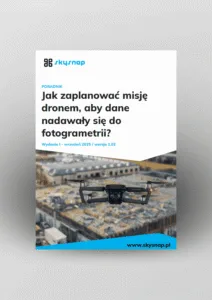
Free E-book
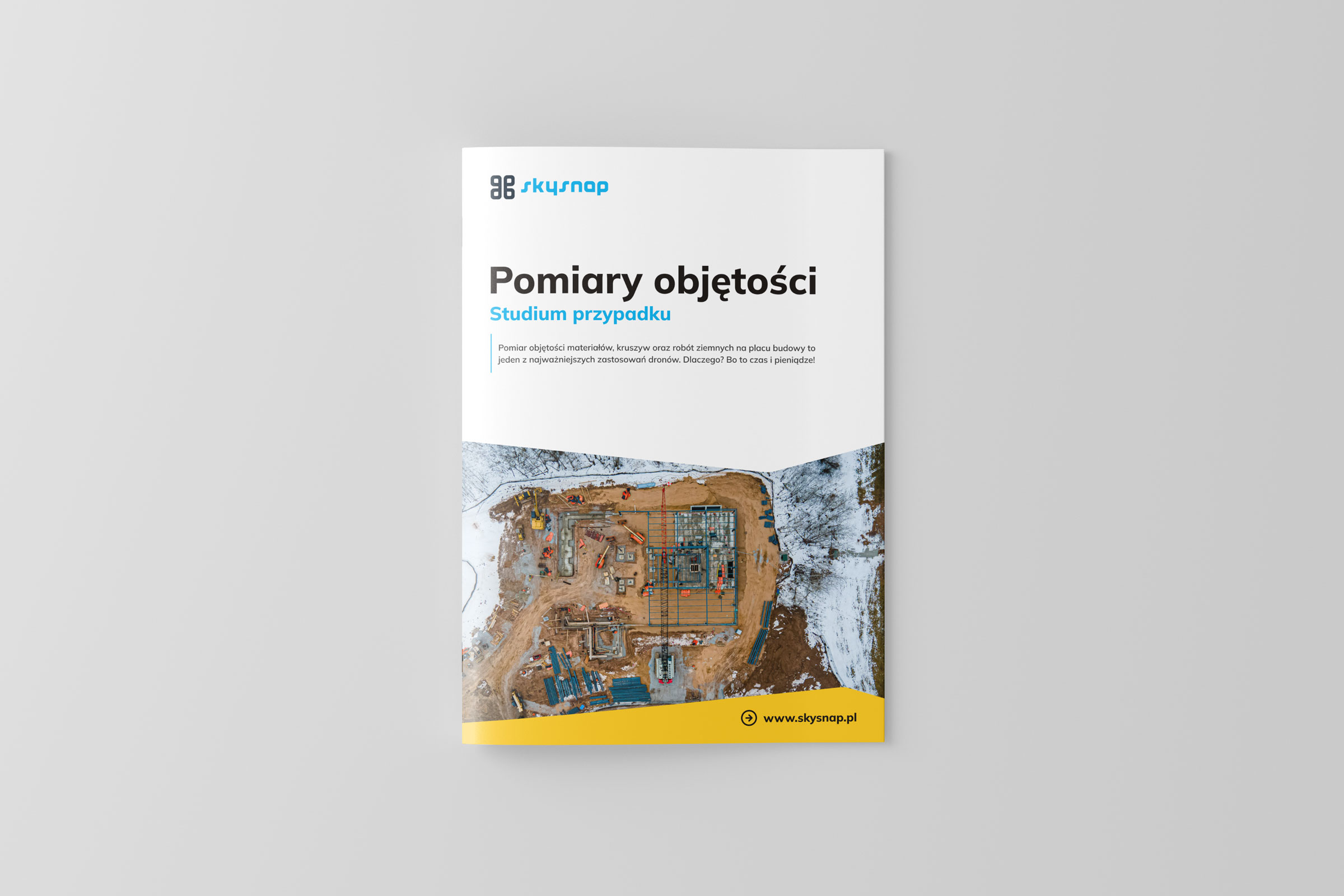
Learn how to prepare a mission step-by-step, avoid raid mistakes and create accurate orthophotos and 3D models. The perfect guide before your first commercial assignments.
Table of Contents:
Do you like the article? Share it with others!
Do you like the article? Share it with others!
Tips, news, insights
Related articles
Check out our articles and get the latest industry news.