How drones are changing the construction industry: Modern technology on the construction site
In recent years, drone technology has been gaining recognition in various industries, and construction is no exception. With their ability to accurately monitor the progress of work and facilitate inspections, drones are becoming an integral part of modern construction sites. They make it possible to quickly obtain data that would take much more time and effort with traditional methods. Drones not only help with measurements and documentation, but also with enhancing safety on the job site, making them a valuable tool in any construction company’s arsenal. In this article, we will take a closer look at how drones affect efficiency and safety in the construction industry, as well as what regulations govern their use.
Introduction to drones in construction
Drones are gradually revolutionizing the construction industry, offering new opportunities for surveillance, inspection and efficiency improvements. The introduction of this technology enables construction companies to optimize their processes, which has a positive impact on project completion times and costs.
History and development of technology
The history of drones dates back to the early 20th century, but their development has accelerated significantly in recent decades. Drones were initially used for military purposes, but over time the technology has found applications in various fields, including construction. Increased availability of the technology and falling production costs have contributed to the popularization of drones.
In the construction industry, drones are used for site mapping and project documentation. Their technological development also allows them to be equipped with advanced cameras and sensors, which increases their usefulness. In the future, we can expect further miniaturization and integration with other systems.
Why are drones the future of construction?
Drones offer unique benefits that make them the future of the construction industry. First and foremost, their ability to collect data quickly and accurately allows for better control over the progress of work.
This makes it possible to quickly identify potential problems and make real-time decisions. Drones also help reduce the risks associated with manual inspections, which can be dangerous for personnel.
The integration of drones with other technologies, such as artificial intelligence and data analytics, opens up new possibilities for automating construction processes.
Drone applications on construction sites
Drones on construction sites are finding more and more applications. From monitoring the progress of work to inspections and ensuring safety-their role cannot be underestimated. Thanks to drones, construction projects can be managed more efficiently.
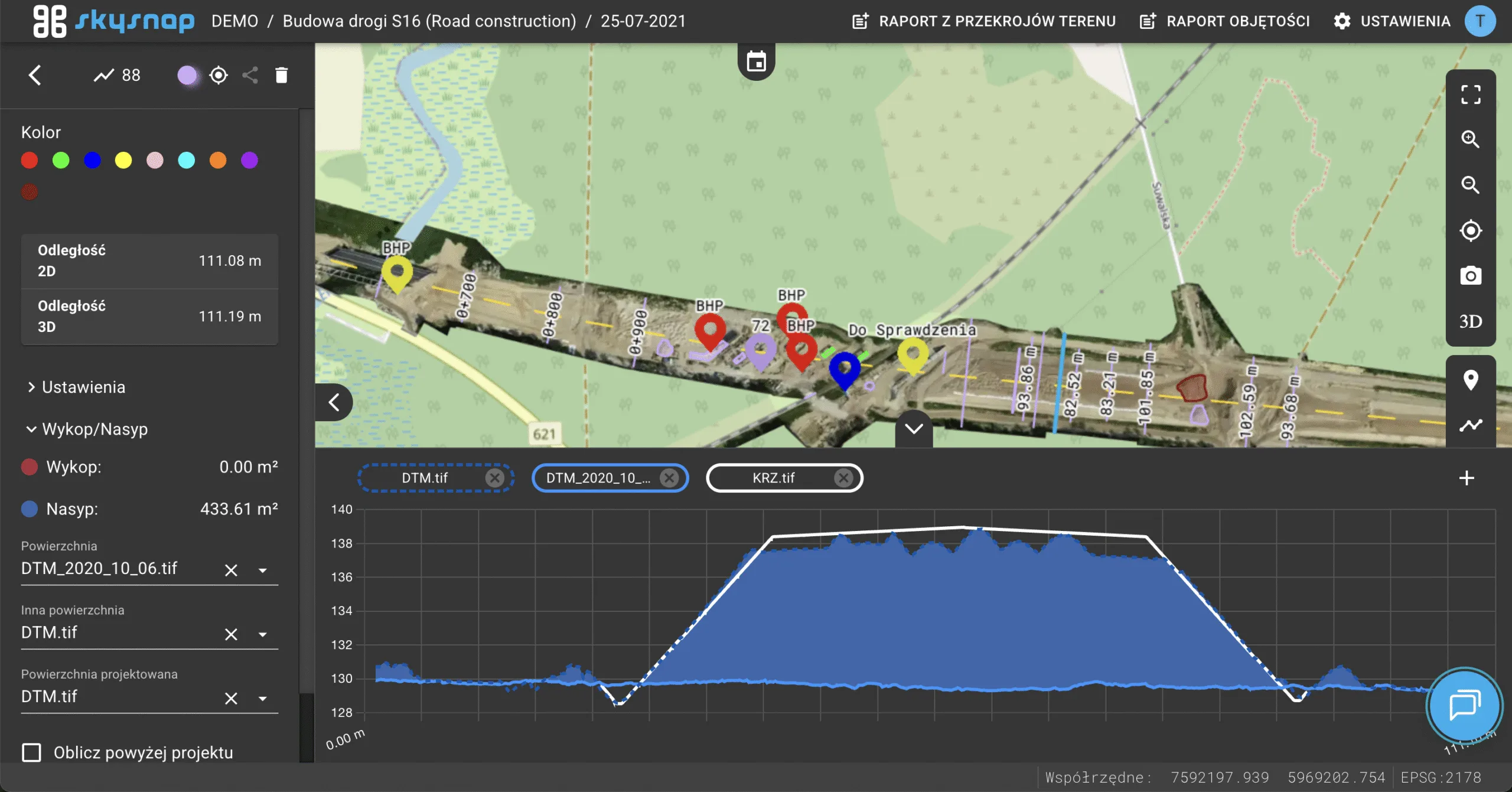
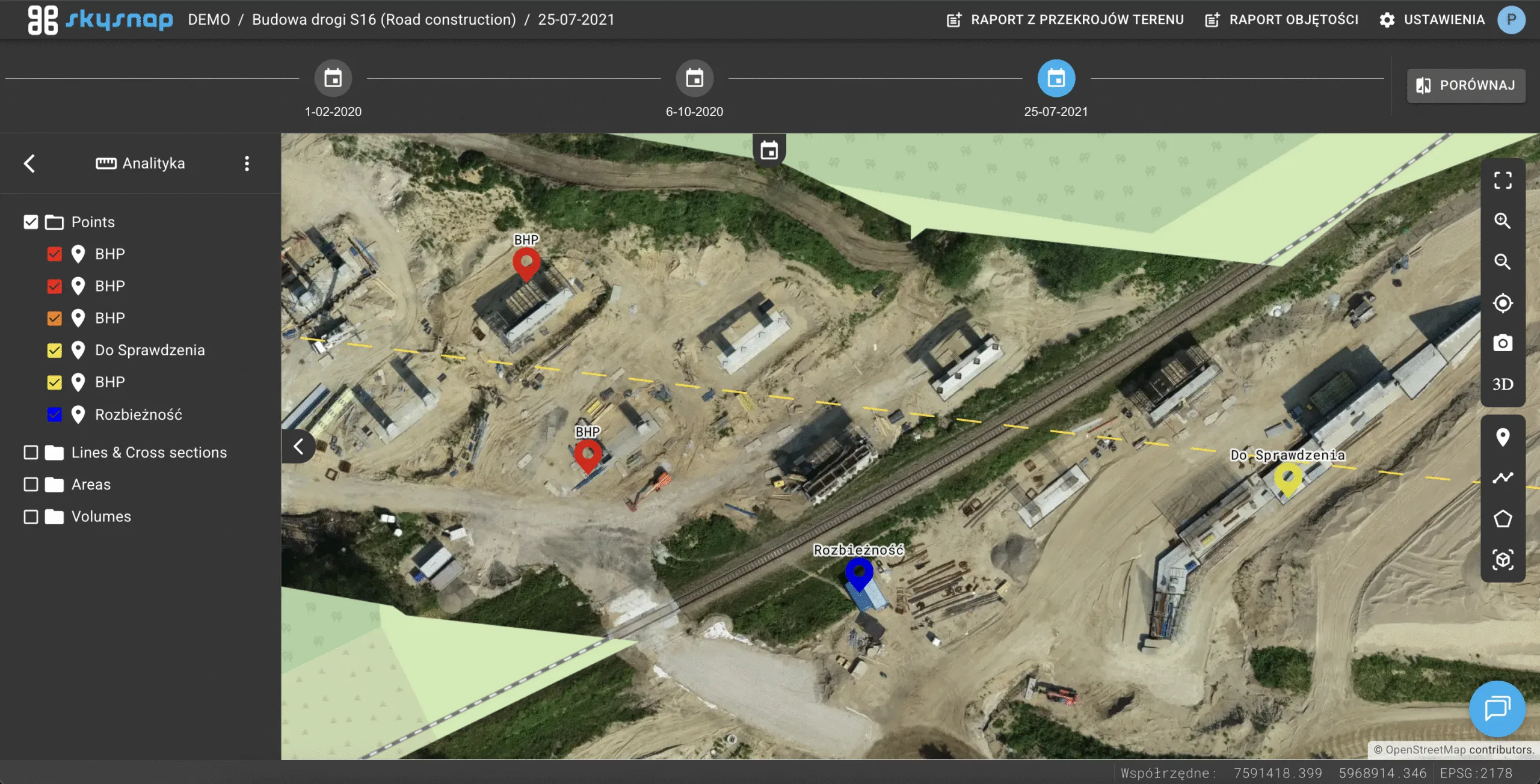
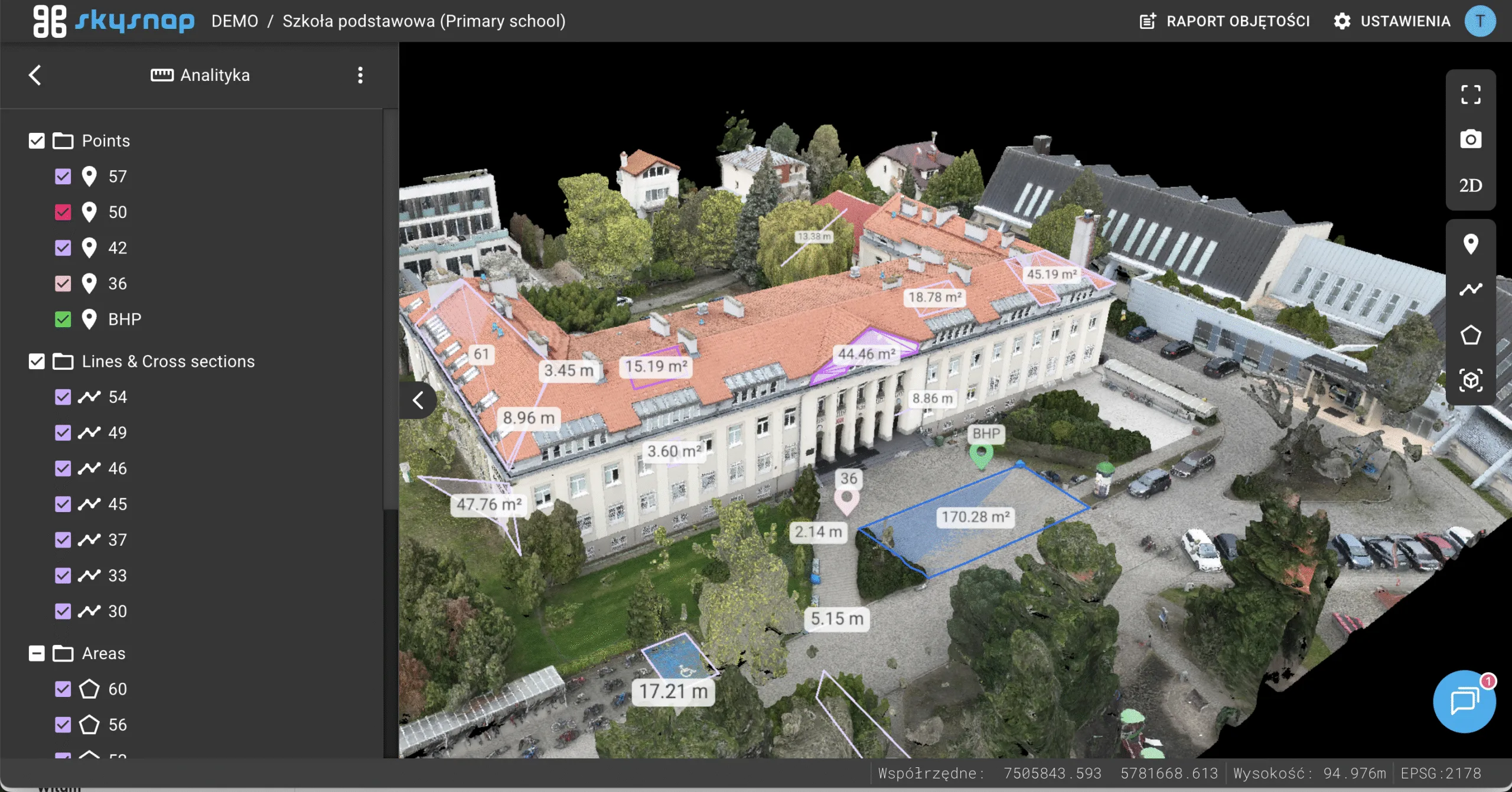
Monitoring the progress of the work
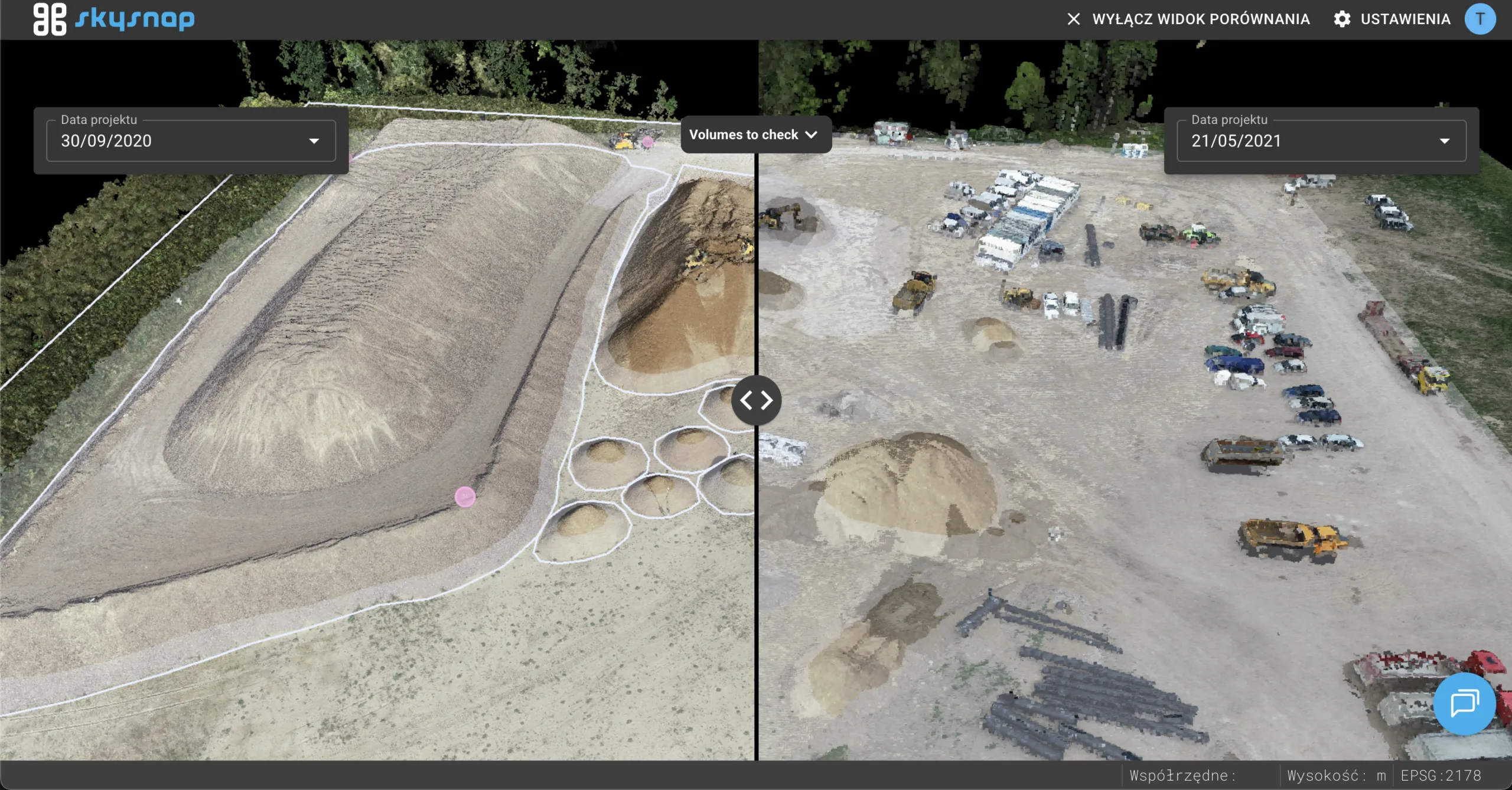
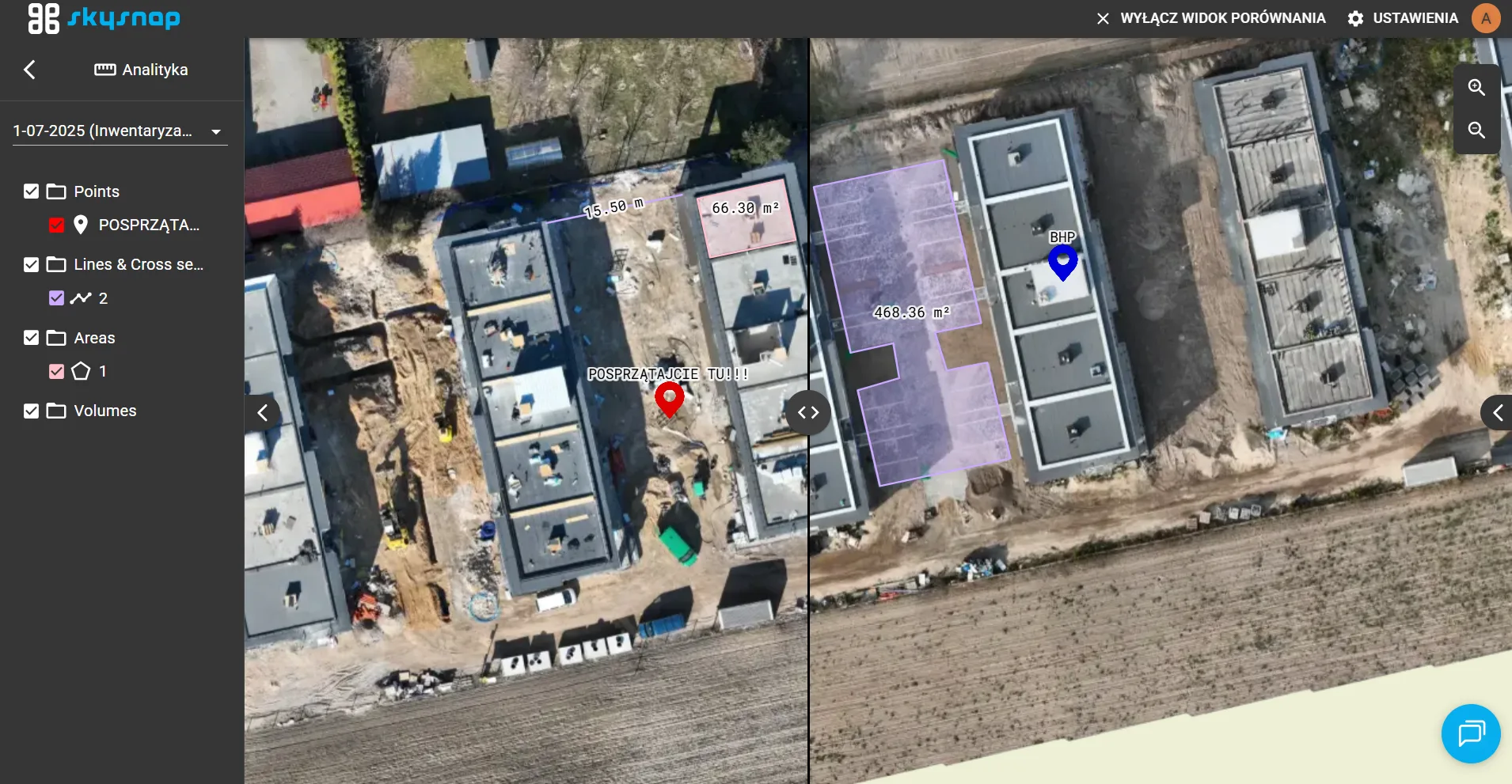
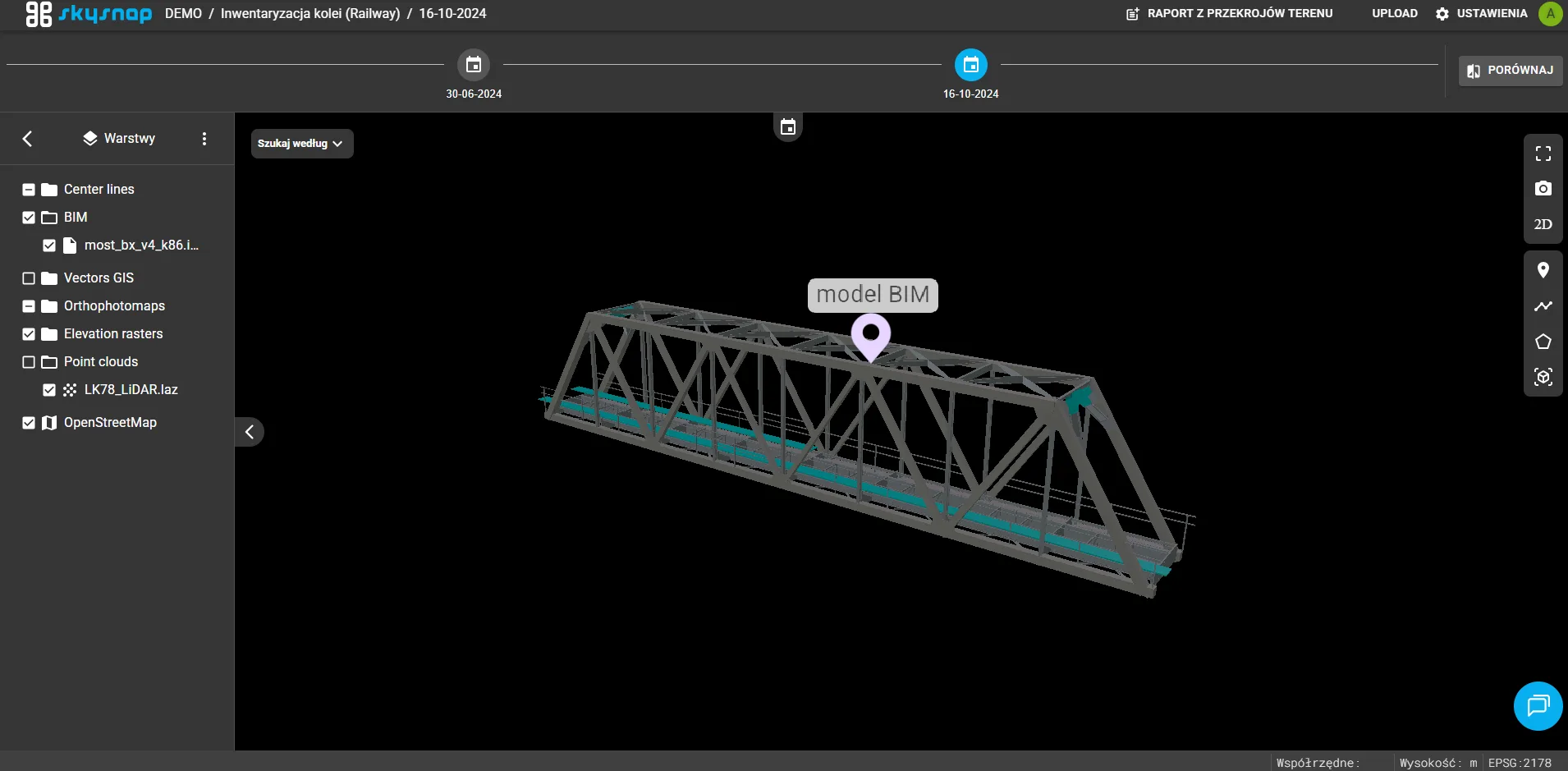
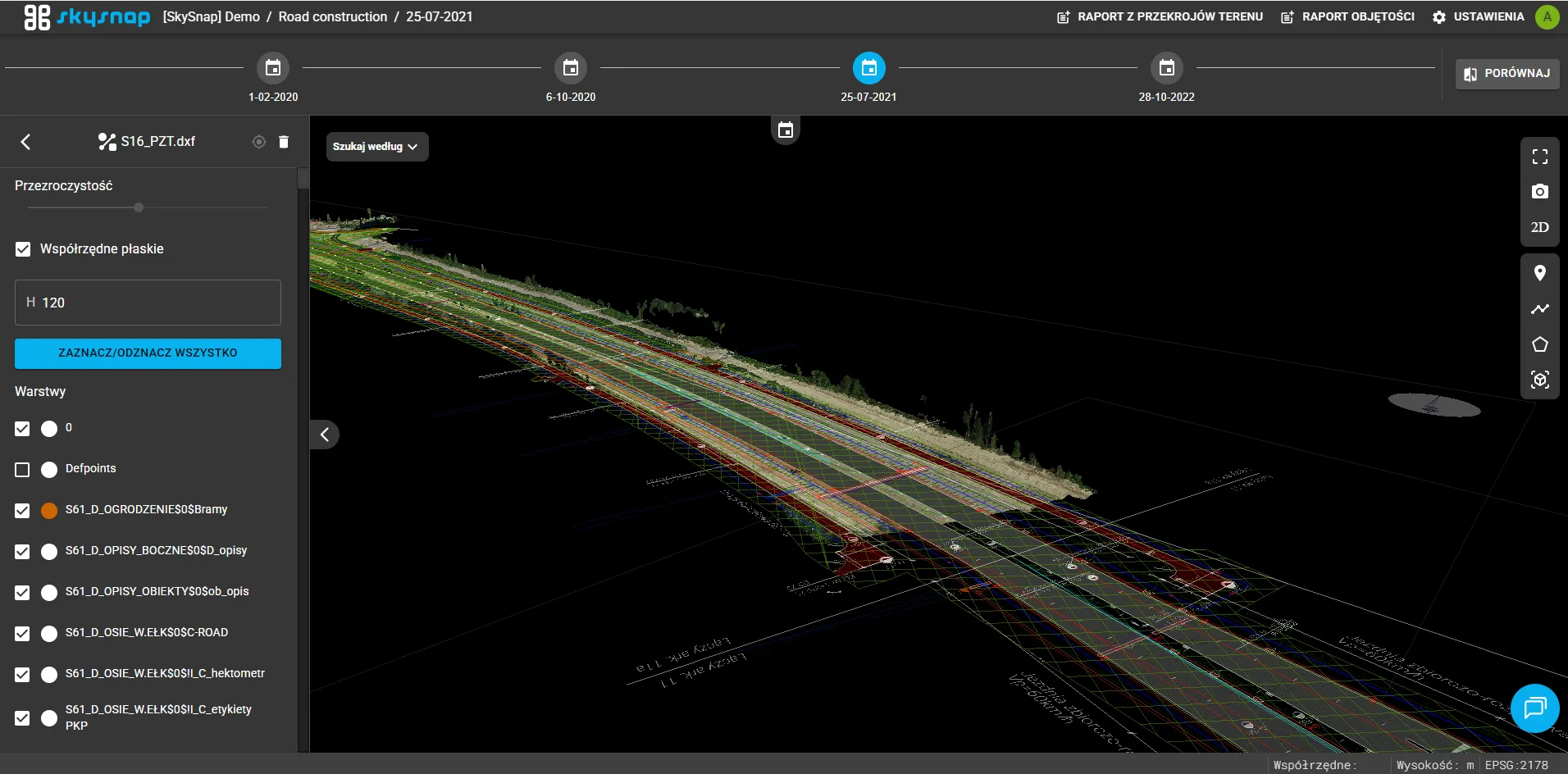
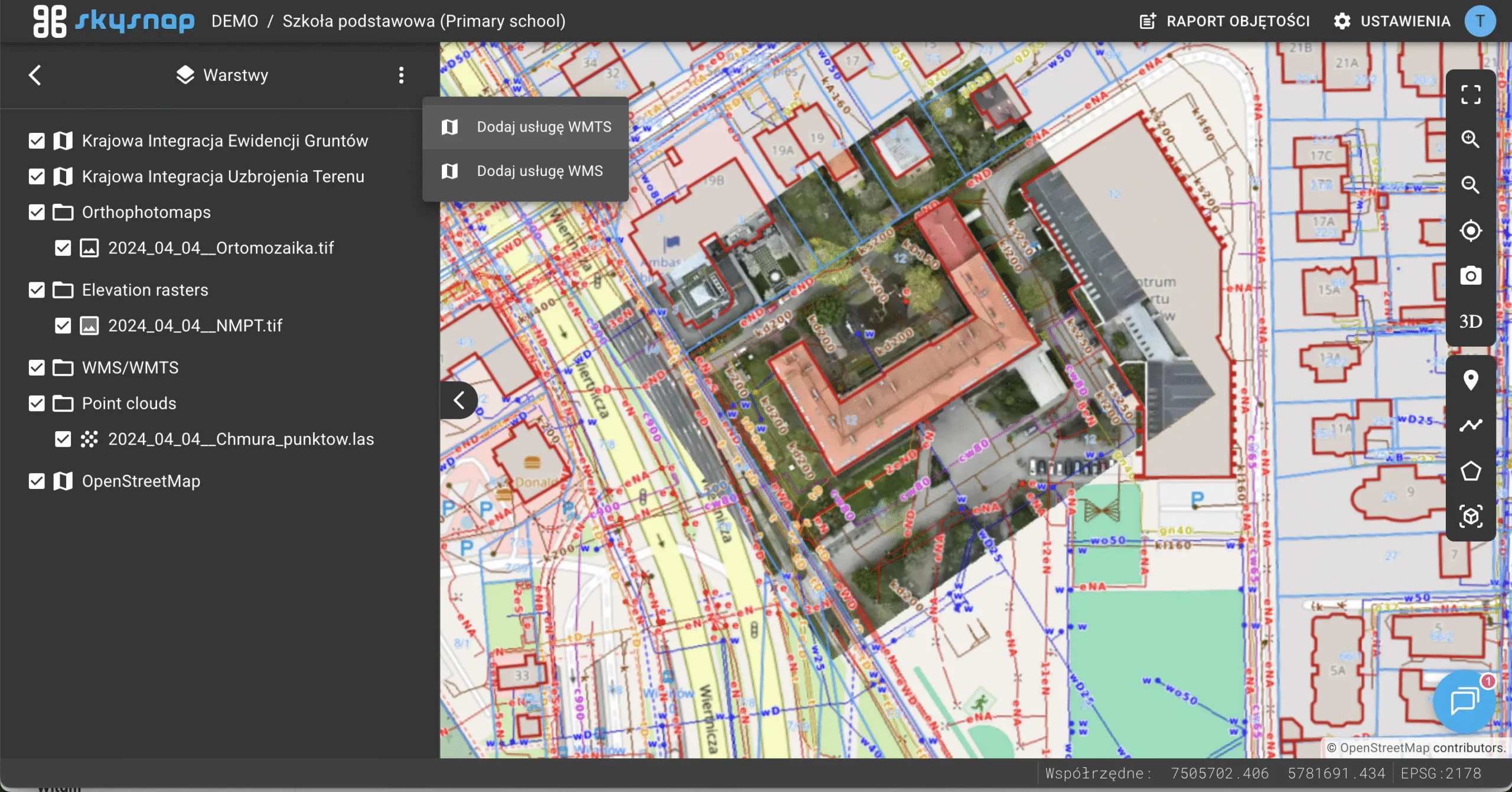
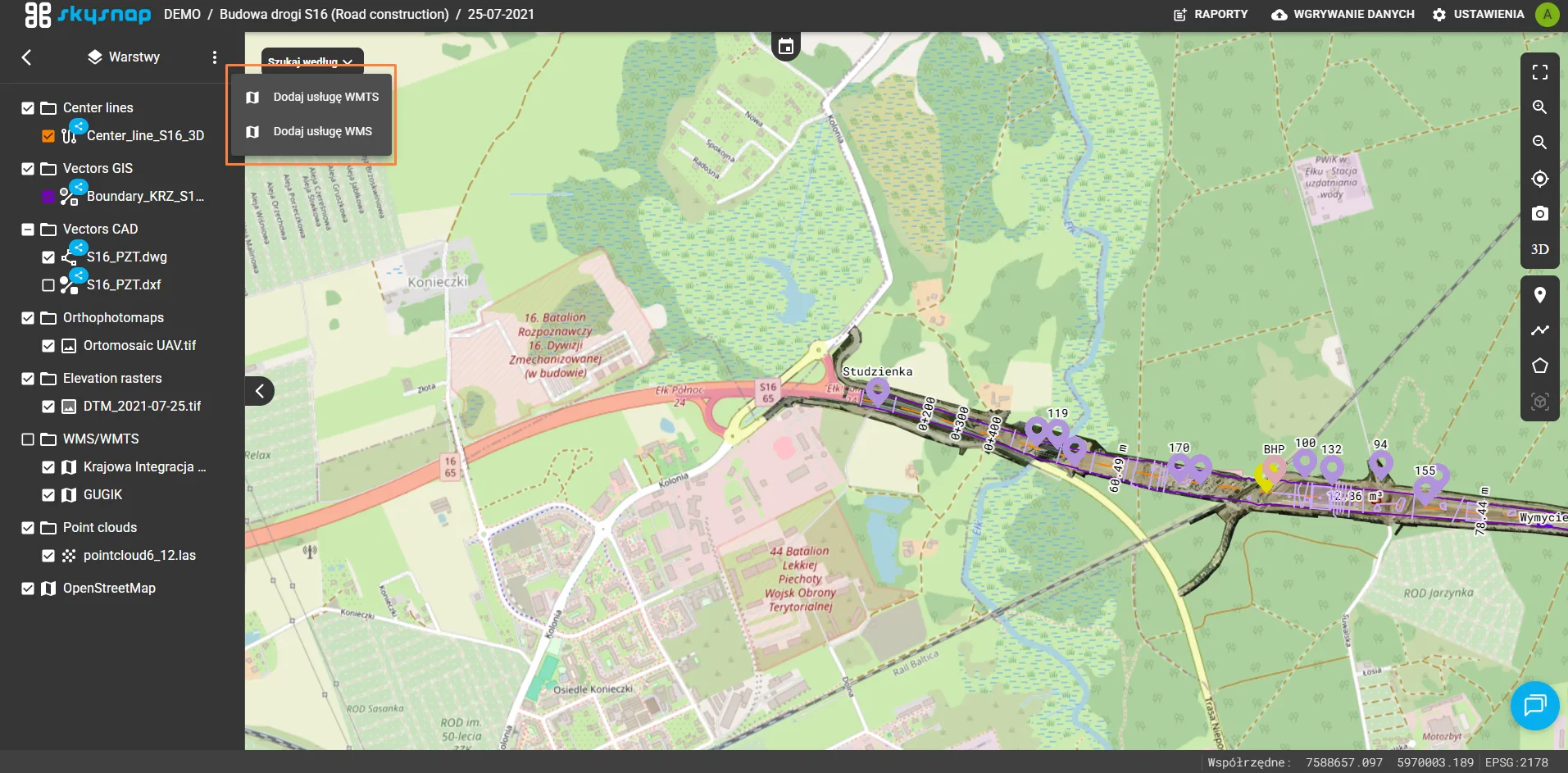
Monitorowanie postępu prac budowlanych to jedno z kluczowych zastosowań dronów. Dzięki nim możliwe jest tworzenie dokładnych modeli 3D oraz mapowanie terenu z dużą precyzją. Drony mogą dostarczać regularne aktualizacje wizualne, co ułatwia zarządzanie projektem.
- Drony wykonują zdjęcia z powietrza na różnych etapach budowy.
- Obrazy te są analizowane i porównywane z planami projektowymi.
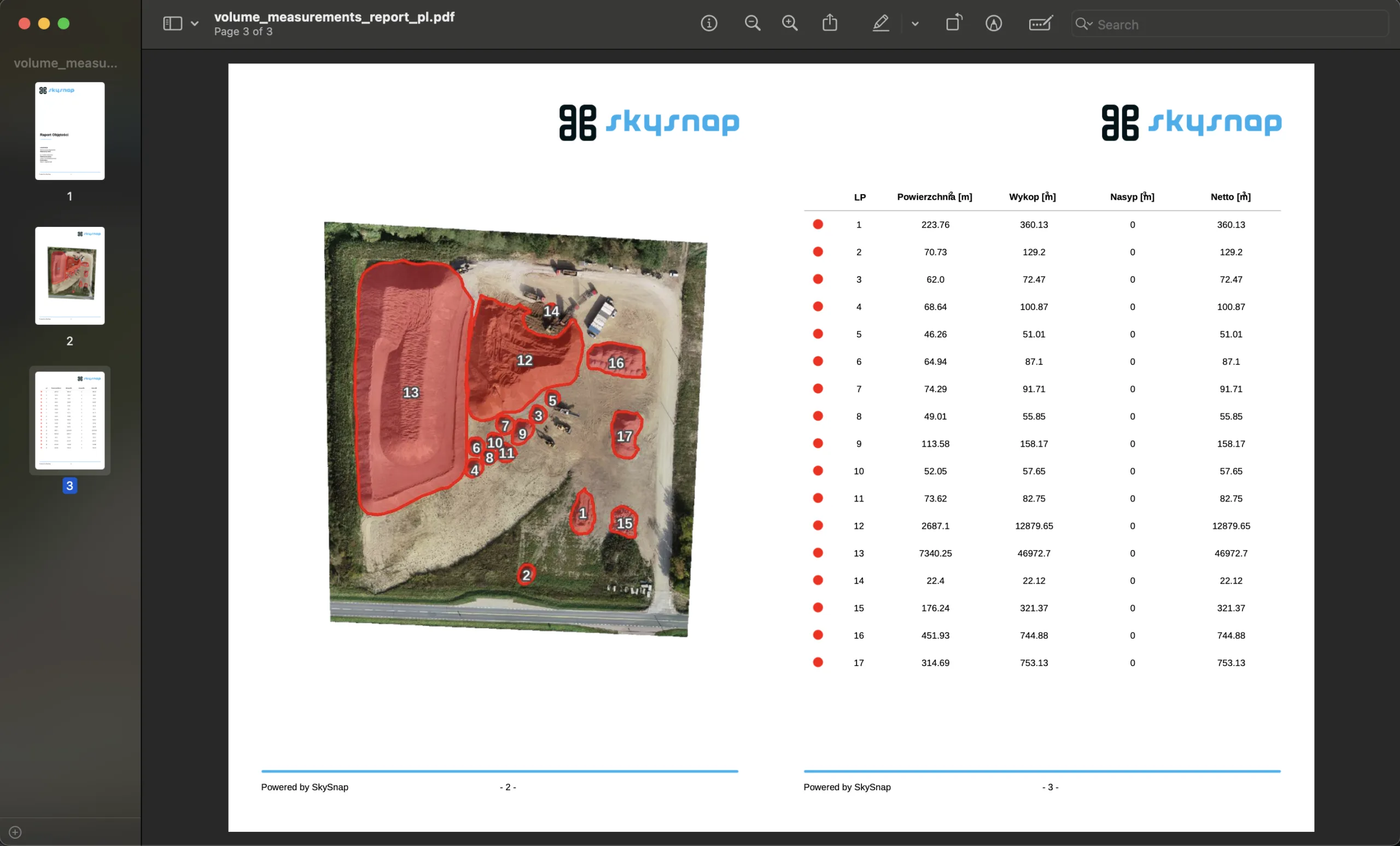
- Na ich podstawie generowane są raporty pokazujące rzeczywisty postęp prac.
Takie podejście pozwala na szybkie identyfikowanie opóźnień oraz podejmowanie działań naprawczych w czasie rzeczywistym.
Inspections and security
Ensuring safety on a construction site is one of the most important tasks in which drones play an important role. Drones make it possible to conduct inspections of hard-to-reach areas, which increases work safety and minimizes the risk of accidents.
With drones, it is also possible to monitor security compliance and identify potential threats before they become a serious problem.
Drones can also monitor the condition of equipment and materials used on the construction site. This, in turn, makes it possible to quickly detect any defects or wear and tear, which is key to ensuring safety on the construction site.
Benefits of using drones
The use of drones in construction has many benefits. They can significantly reduce the cost and time of projects, while improving the quality and precision of workmanship. It is worth taking a closer look at these advantages.
Cost and time reduction
One of the main benefits of drones is the reduction in cost and time for construction projects. With the ability to quickly acquire data and conduct inspections, drones reduce the time needed to complete many tasks.
Drones reduce the need to use expensive equipment and personnel for inspections. This approach allows for more efficient management of resources and optimization of project processes.
The use of drones in construction allows for better planning and reduction of unforeseen costs, which is a huge value for construction companies.
Improving quality and precision
Kolejną znaczącą korzyścią z użycia dronów jest poprawa jakości i precyzji prac budowlanych. Drony wyposażone w zaawansowane kamery i sensory mogą rejestrować szczegółowe dane o stanie placu budowy.
Te informacje są następnie wykorzystywane do tworzenia dokładnych modeli 3D i analiz, które pomagają w planowaniu kolejnych etapów projektu. Dzięki temu możliwe jest identyfikowanie błędów jeszcze na etapie projektowania, co minimalizuje ryzyko ich wystąpienia w rzeczywistości.
Drony przyczyniają się do zwiększenia precyzji wykonania robót budowlanych, co wpływa na jakość finalnego produktu i zadowolenie klientów.
Drone challenges and regulations
Despite the many advantages of using drones in the construction industry, there are also some challenges that need to be addressed. First and foremost are the regulatory and safety issues that are key to the safe and effective use of this technology.
Regulations and permits
Regulations on drone use are a key aspect that construction companies must consider. These regulations govern how drones can be used to ensure public safety and privacy.
- Before flying a drone, it is necessary to obtain the appropriate permits.
- Drone operators must be properly licensed.
- Drone flights must comply with local airspace regulations.
Compliance with these regulations is key to avoiding legal sanctions and ensuring safe drone operations on construction sites.
Safety and responsibility
The use of drones also raises safety and liability issues. Operators must be properly trained to avoid accidents that can endanger people’s health and property.
The safety of drone operations on a construction site requires the implementation of appropriate risk management procedures. This involves identifying potential risks and developing incident response plans.
Taking care of safety is also a matter of legal liability, which companies bear if drones cause damage. That’s why having the right insurance is key.
The future of drones in the construction industry
The future of drones in the construction industry looks promising. Thanks to technological advances and constant innovation, their role on the construction site will increase. It is worth considering what new opportunities the future will bring.
New technologies and innovations
As technology develops, we can expect drones to become more advanced. Integration with other systems, such as artificial intelligence or big data analytics, will enable them to become more functional.
Drones will be able to automatically analyze data and suggest solutions to problems encountered on the construction site. This approach will open up new possibilities for automating construction processes.
Increased productivity and reduced operating costs are other benefits that new drone technologies can bring.
Long-term outlook and trends
The long-term outlook for drones in the construction industry is very positive. As the technology develops and regulations are adjusted, drones will play an increasingly important role in construction processes.
- Automation: Drones will be able to carry out operations without human intervention.
- Improved precision: New sensors and cameras will improve measurement accuracy.
- More integration: Drones will be part of integrated project management systems.
All this means that drones are likely to become an integral part of the future of construction, benefiting both companies and their customers.

Free E-book
Measuring the volume of materials, aggregates and earthworks on a construction site is one of the most important uses of drones. Why? Because it’s time and money! Download our short e-book and learn how you can monetize your passion with drones.
Table of Contents:
Do you like the article? Share it with others!
Do you like the article? Share it with others!
Tips, news, insights
Related articles
Check out our articles and get the latest industry news.