Drone photogrammetry: how technology is changing the landscape of cartography
Fotogrametria dronem to innowacyjna technologia, która znacząco wpływa na współczesną kartografię. Dzięki dronom możliwe jest szybkie i precyzyjne zbieranie danych o terenie, co otwiera nowe możliwości w tworzeniu map i analizie przestrzennej. Zastosowanie dronów w fotogrametrii pozwala na uzyskanie szczegółowych obrazów i modeli 3D, które mogą być wykorzystywane w różnych dziedzinach, od planowania urbanistycznego po monitorowanie środowiska. W tym wpisie przyjrzymy się, jak drony rewolucjonizują proces mapowania i jakie korzyści niesie ze sobą ta nowoczesna technologia. Przygotuj się na fascynującą podróż po świecie nowoczesnej kartografii!
Introduction to drone photogrammetry
Fotogrametria dronem to dziedzina, która łączy w sobie nowoczesne technologie i tradycyjne metody mapowania, oferując nowe możliwości i wyzwania. W tej sekcji przyjrzymy się, jak drony przyczyniają się do rozwoju tej technologii oraz jakie były jej początki i jak się rozwijała.
Definition and basics of technology
Fotogrametria to technika pozyskiwania informacji o obiektach fizycznych poprzez analizę obrazów fotograficznych. Podstawą technologii jest wykorzystanie zdjęć do rekonstrukcji trójwymiarowych modeli terenów.
Drony, wyposażone w wysokiej jakości kamery, stały się kluczowym elementem tej metody. Ich zdolność do szybkiego i precyzyjnego zbierania danych z powietrza pozwala na tworzenie dokładnych map i modeli 3D. Kluczowe elementy fotogrametrii to: zbieranie danych, analiza obrazu, rekonstrukcja 3D.
Dzięki dronom możliwe jest pokrycie dużych obszarów w krótkim czasie, co wcześniej było nieosiągalne. Fotogrametria dronem jest wykorzystywana w różnych dziedzinach, od inżynierii po zarządzanie zasobami naturalnymi.
History and development of photogrammetry
Historia fotogrametrii sięga XIX wieku, kiedy to po raz pierwszy zaczęto wykorzystywać fotografie do pomiarów terenowych. Pierwsze zastosowania miały miejsce w kartografii, gdzie zdjęcia lotnicze były używane do tworzenia map.
Rozwój technologii fotograficznej i komputerowej w XX wieku przyczynił się do postępu w tej dziedzinie. Wprowadzenie cyfrowych kamer i oprogramowania do analizy obrazu zrewolucjonizowało fotogrametrię, czyniąc ją bardziej dokładną i efektywną.
Drony stały się przełomem, umożliwiając szybkie i ekonomiczne pozyskiwanie danych. Dzięki nim, fotogrametria stała się bardziej dostępna i wszechstronna, a jej zastosowania uległy znaczącemu rozszerzeniu.
Drone applications in cartography
Drones, with their unique capabilities, are widely used in mapping. From creating detailed topographic maps to 3D modeling of terrain, their use brings many benefits.
Creation of topographic maps
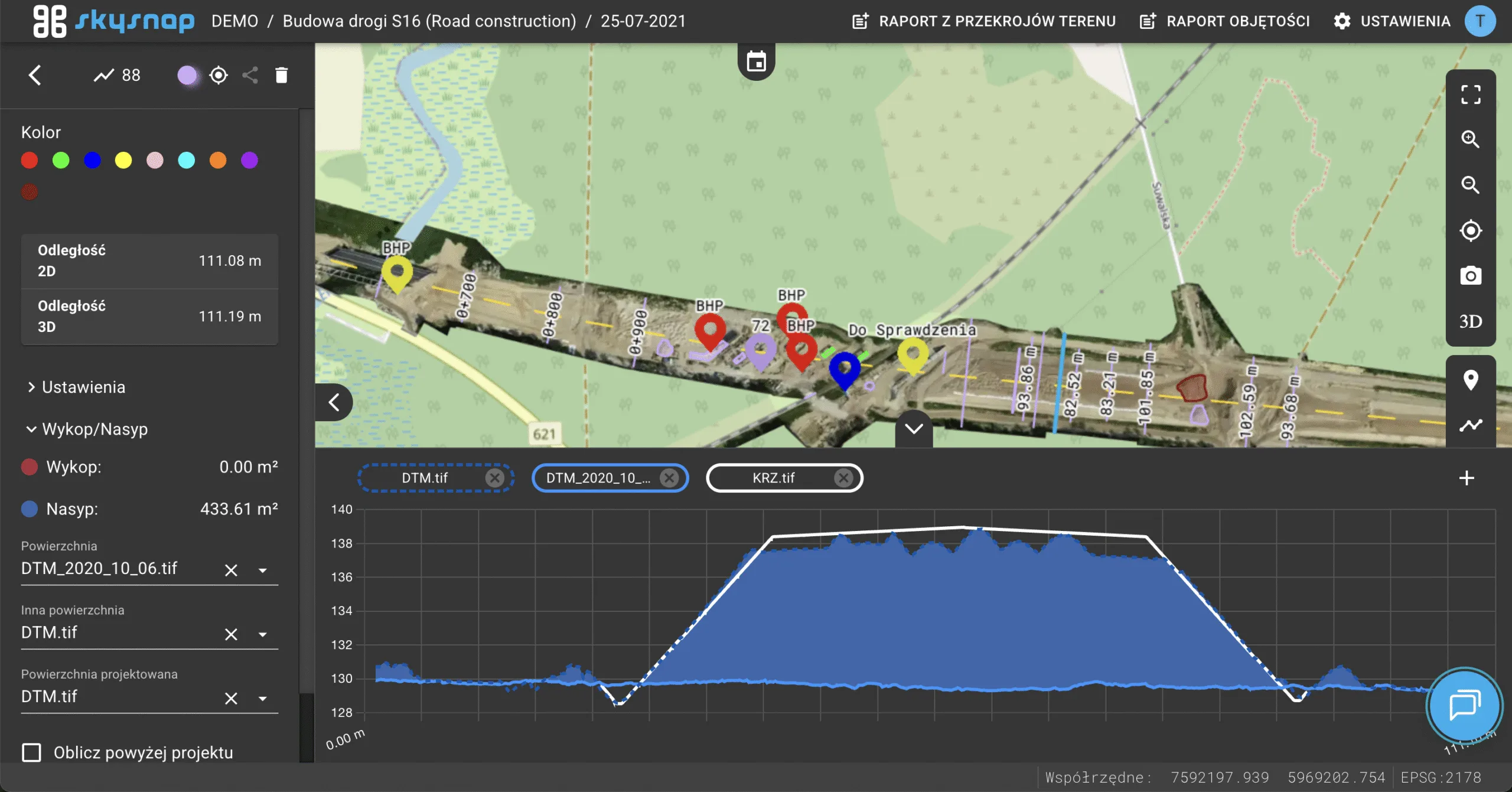
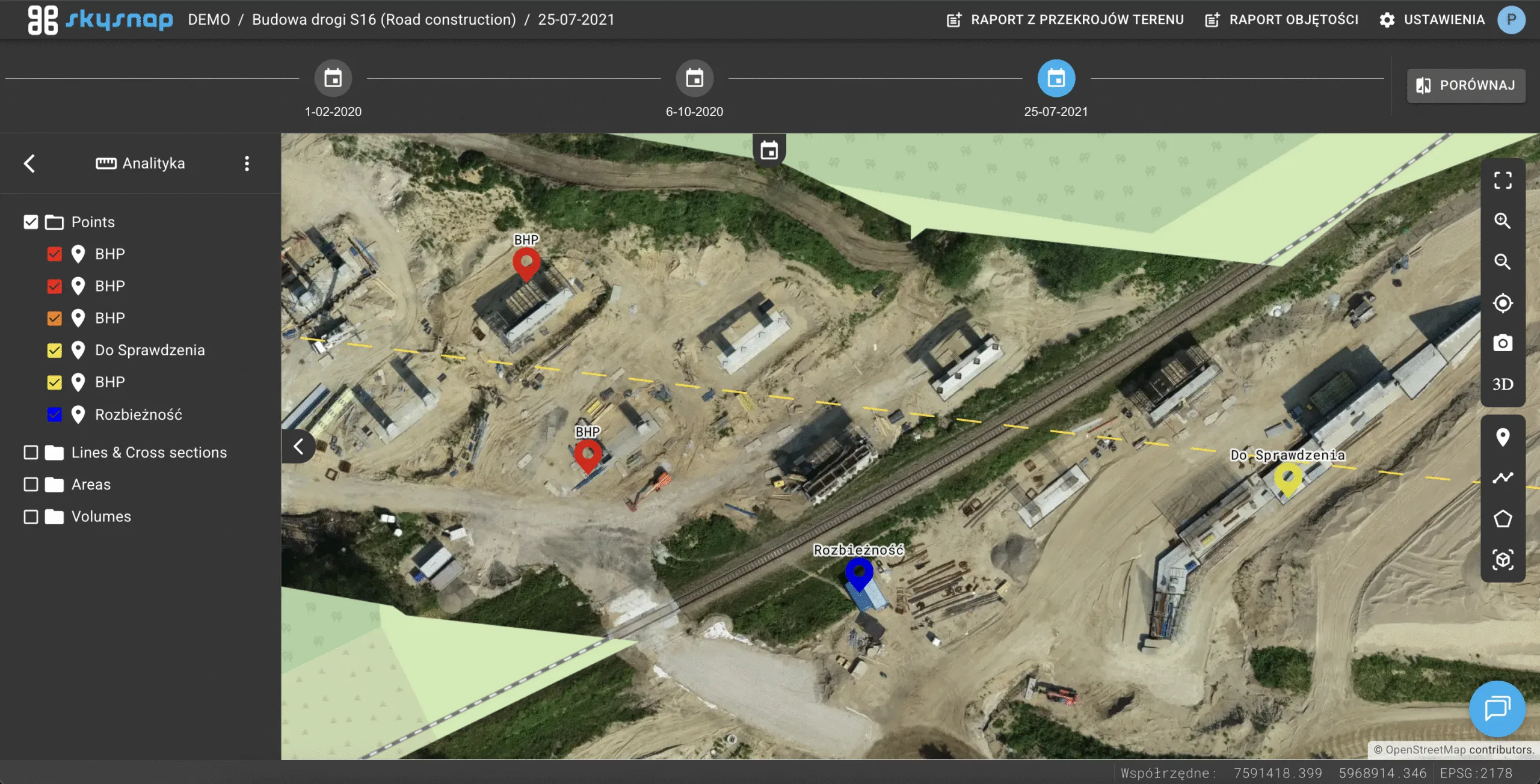
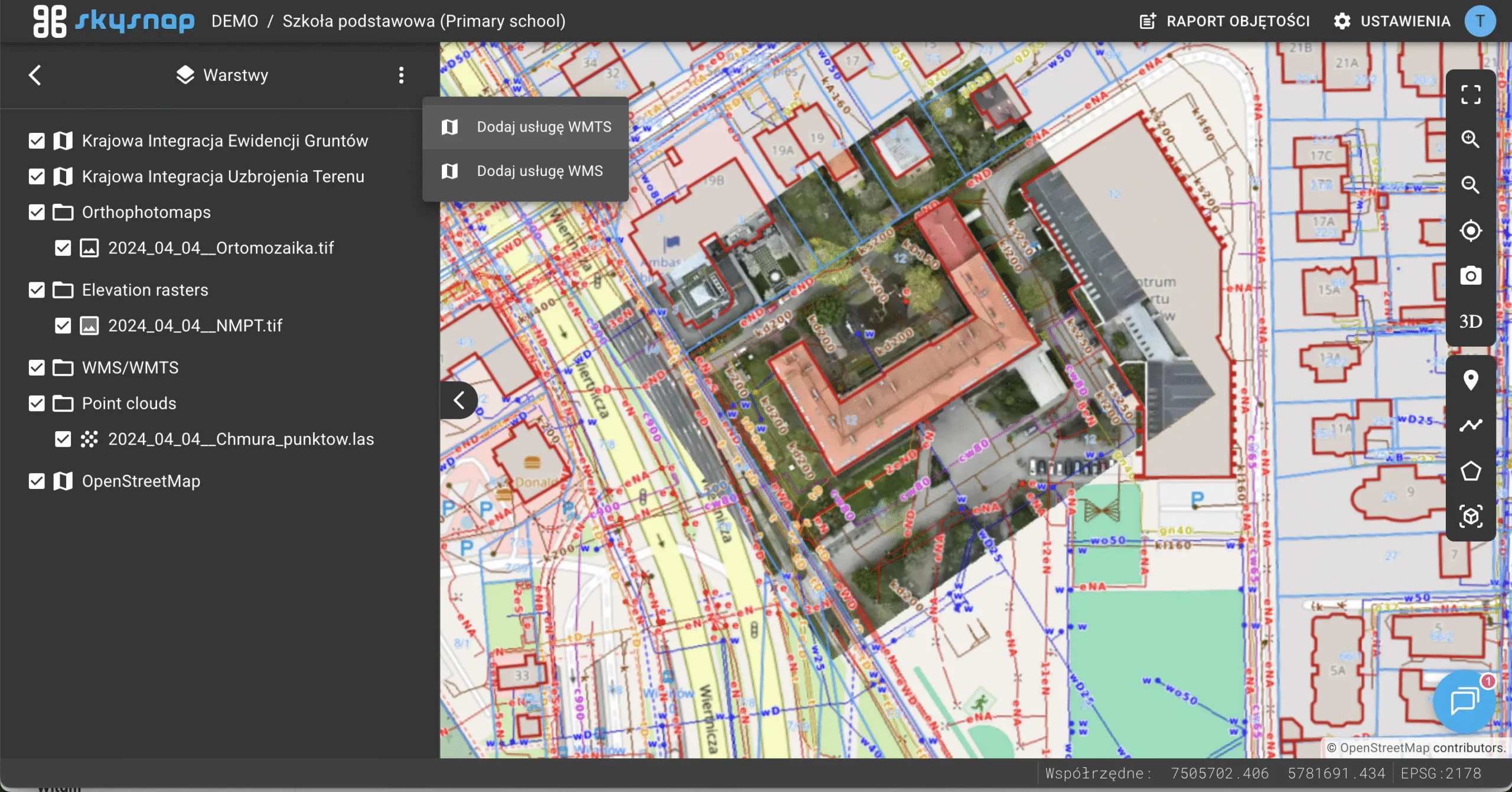
Topographic maps are crucial to many fields, from urban planning to natural resource management. Drones, equipped with advanced cameras, make it possible to create such maps quickly and accurately.
- Data collection: Drones take pictures from different heights and angles, covering large areas in a short period of time.
- Image analysis: The collected images are processed by software that generates accurate topographic maps.
- Data presentation: Maps are used for site analysis, investment planning and space management.
With drones, the process of creating topographic maps is faster and more efficient than traditional methods.
3D terrain modeling
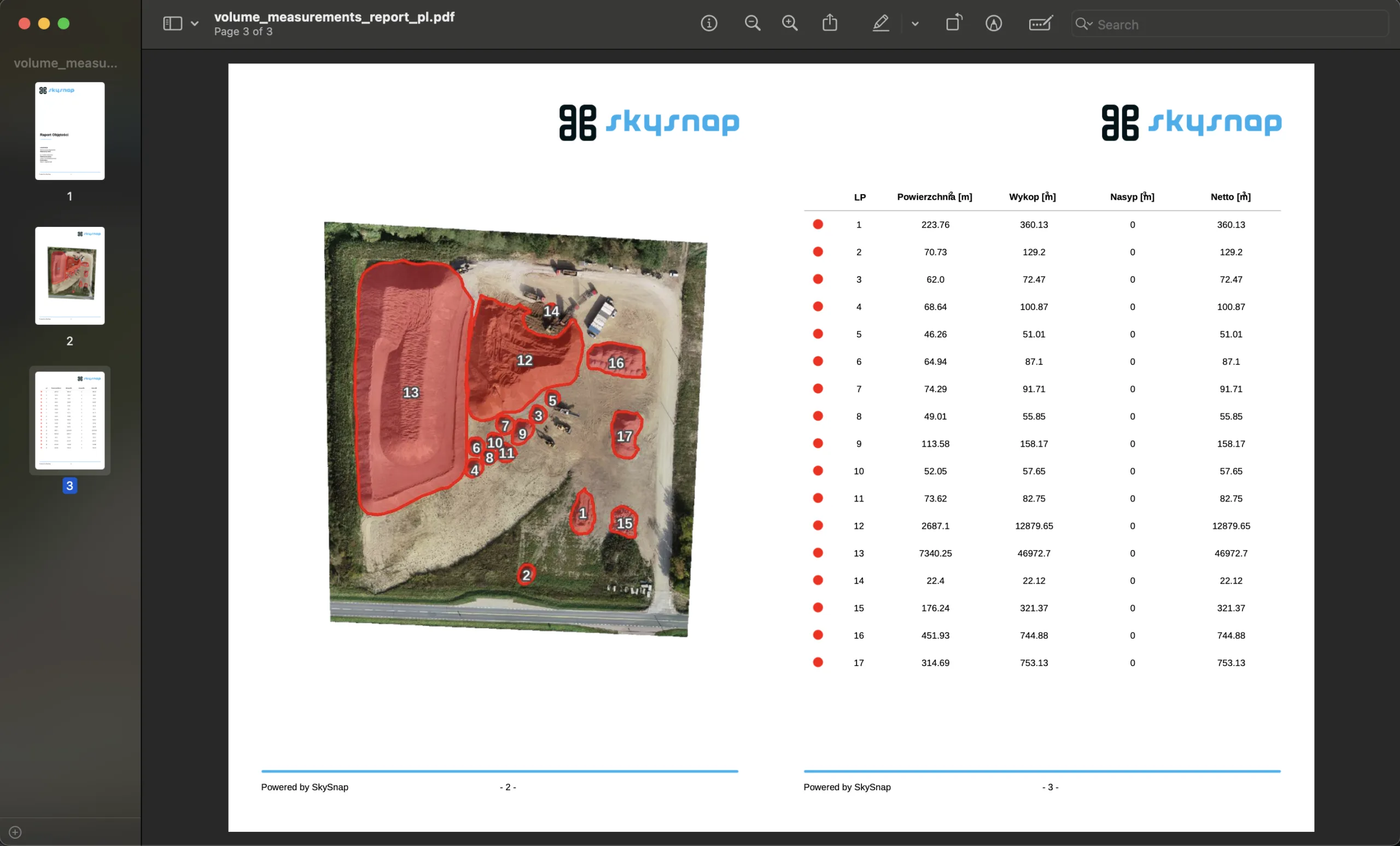
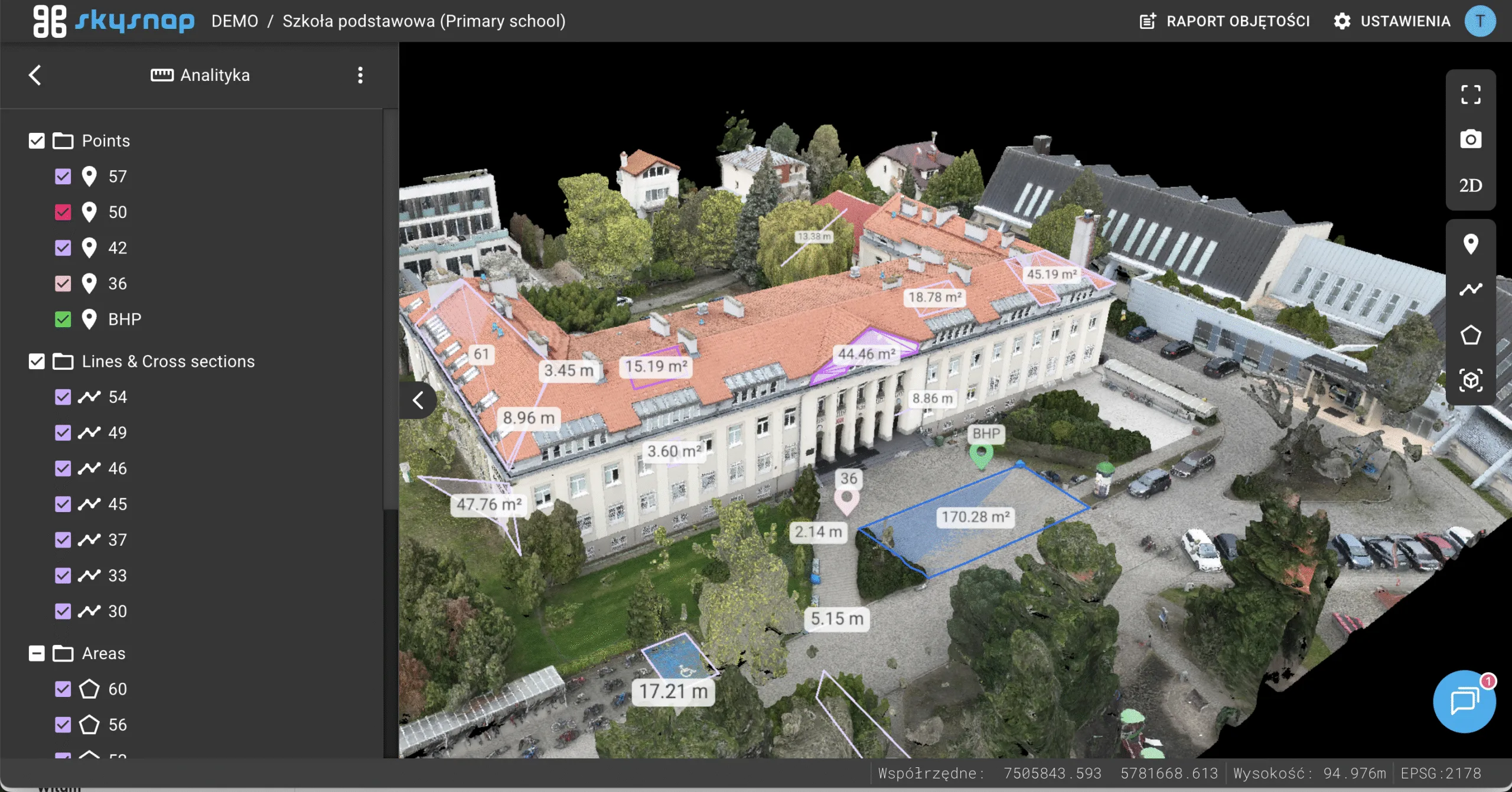
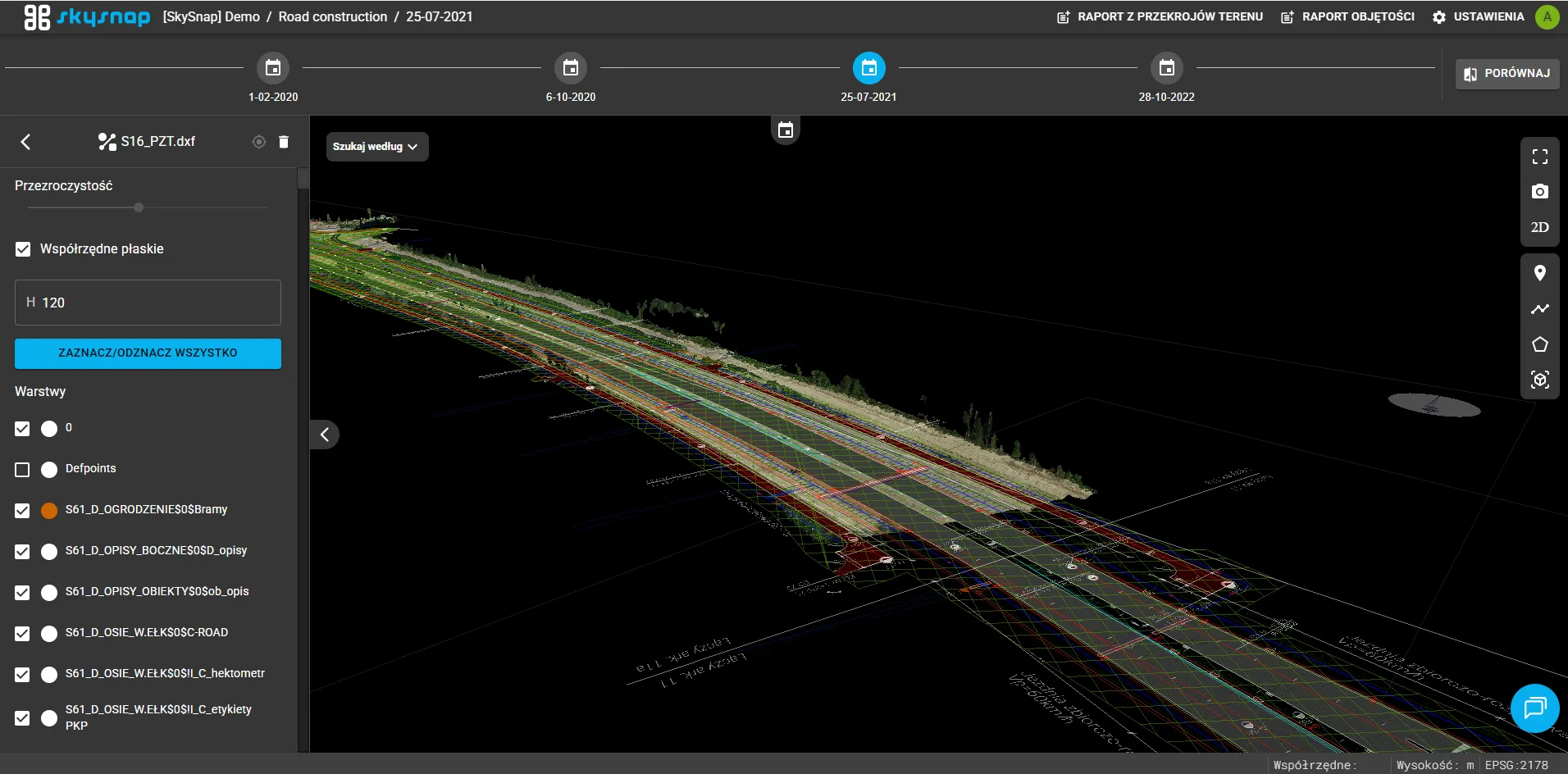
3D land modeling is another area where drones play a key role. Three-dimensional models allow for a more accurate understanding of land structure and terrain.
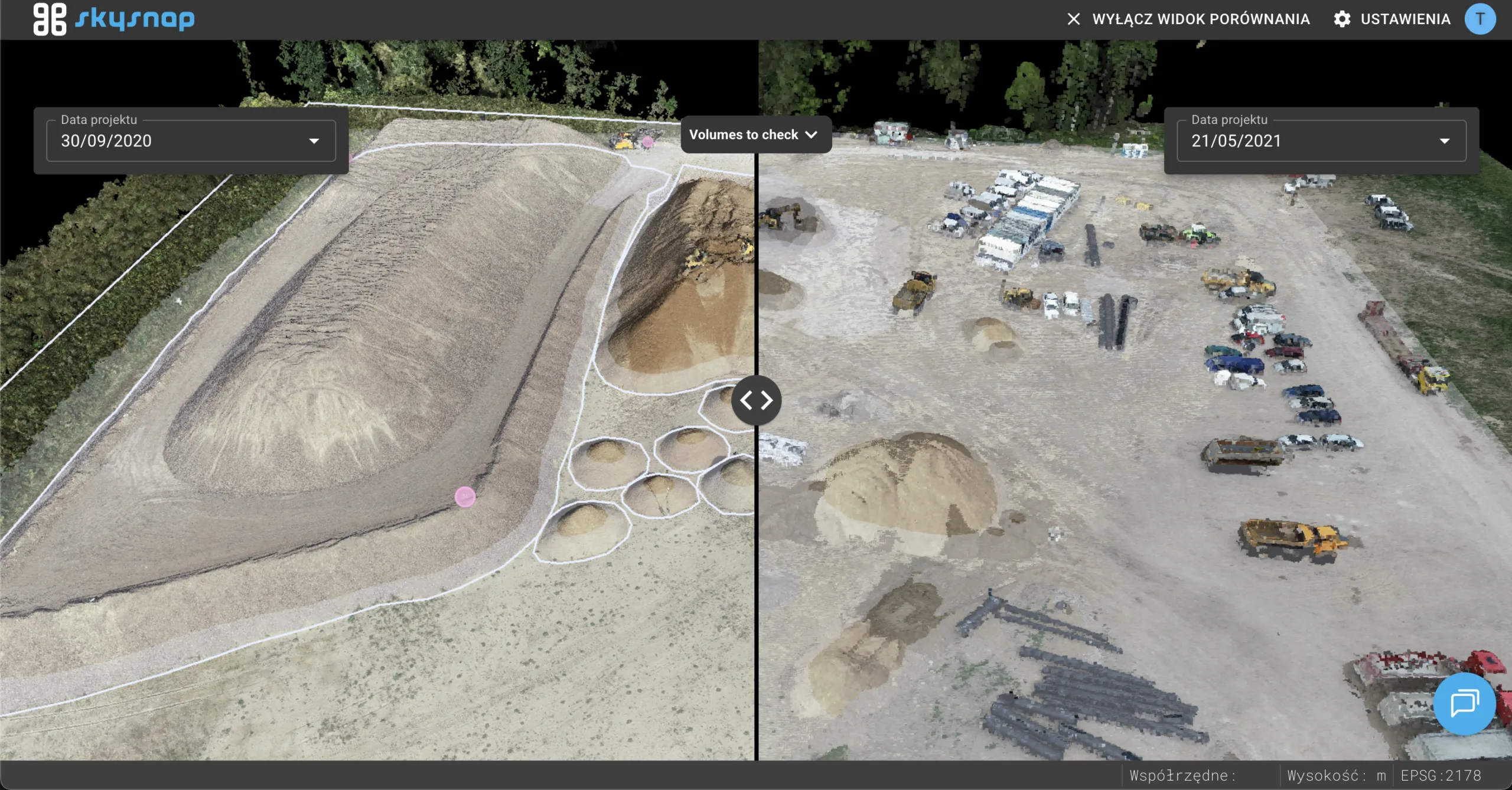
The drones collect data by taking images from different perspectives, which allows the reconstruction of space in 3D. This makes it possible to model both large areas and detailed sections of land.
3D models are used in many fields, from engineering to archaeology. They enable accurate analysis and help make decisions related to space planning and management.
Benefits of using drones
The use of drones in photogrammetry brings many benefits that significantly affect the efficiency and quality of mapping. In this section, we will discuss the most important of them.
Precision and accuracy of measurements
Drones offer a high level of precision and accuracy, which is crucial in photogrammetry. With advanced cameras and sensors, drones can collect data with high accuracy.
Advantages of precise measurements:
- Accurate mapping of the terrain, allowing the creation of detailed maps and models.
- Minimize measurement errors, which increases the reliability and efficiency of analysis.
- Can be used in difficult field conditions where traditional methods would be too time-consuming or impossible.
Precise measurements are invaluable in engineering, construction and many other fields.
Speed and efficiency of operations
The speed of drones is another benefit that sets them apart in photogrammetry. Drones can cover large areas in a short period of time, which greatly speeds up the mapping process.
Benefits of speed of operations:
- Save time and reduce costs associated with traditional measurement methods.
- The ability to respond quickly to changing conditions, which is especially important in emergency situations.
- Increase the efficiency of operations with the ability to collect data from different locations simultaneously.
With these advantages, drones are becoming indispensable in many mapping projects.
Challenges and limitations
Mimo wielu zalet, fotogrametria dronem nie jest pozbawiona wyzwań i ograniczeń. W tej sekcji przyjrzymy się najważniejszym z nich oraz jak można je pokonywać.
Regulations and security
Regulations and safety issues are significant challenges in drone use. Drone laws vary from country to country and are often subject to change.
Key regulatory aspects:
- Operator licensing, which requires appropriate training and certification.
- Flight restrictions in specific zones, which affects operations planning.
- Safety requirements that must be met to minimize the risk of accidents.
Compliance with legal regulations is key to the safe and legal use of drones in photogrammetry.
Technical limitations of the equipment
Technical limitations of the equipment also pose challenges in drone photogrammetry. Flight time, battery capacity and camera capabilities are just some of the aspects that can affect the effectiveness of the work.
Hardware limitations:
- Short flight time, requiring frequent charging or battery replacement.
- Limited camera resolution, which can affect the quality of data collected.
- Sensitivity to atmospheric conditions, such as wind or rain, which can affect flight stability and photo quality.
Overcoming these limitations requires investment in modern equipment and proper planning of operations.
The future of drone photogrammetry
The development of drone technology and photogrammetry goes hand in hand with dynamic changes in the market. In this section, we take a look at what innovations await us and what are the predictions for the development of this field.
New technologies and innovations
The future of drone photogrammetry is related to the continuous development of technology. New technological developments are constantly increasing the capabilities of drones.
Innovations in photogrammetry:
- Integrating artificial intelligence to automate data analysis.
- New types of sensors to collect more detailed information.
- Development of software that facilitates processing and analysis of collected data.
These technologies are opening up new opportunities and applications that could significantly impact the future of cartography.
Forecasts for market development and applications
Prognozy wskazują na dynamiczny rozwój rynku fotogrametrii dronem. Zwiększająca się dostępność technologii oraz rosnące zapotrzebowanie na precyzyjne dane przestrzenne sprzyjają rozwojowi tej dziedziny.
Kluczowe prognozy:
- Wzrost zapotrzebowania na usługi fotogrametrii dronem w różnych sektorach, takich jak budownictwo, rolnictwo i zarządzanie zasobami.
- Rozszerzenie zastosowań dzięki integracji z innymi technologiami, jak Internet Rzeczy (IoT) czy big data.
- Zwiększenie konkurencyjności i spadek kosztów, co uczyni tę technologię bardziej dostępną dla szerszego grona użytkowników.
Fotogrametria dronem ma przed sobą obiecującą przyszłość, pełną nowych możliwości i innowacji.
Free E-book
Learn how to prepare a mission step-by-step, avoid raid mistakes and create accurate orthophotos and 3D models. The perfect guide before your first commercial assignments.
Table of Contents:
Do you like the article? Share it with others!
Do you like the article? Share it with others!
Tips, news, insights
Related articles
Check out our articles and get the latest industry news.