How drone technical inspection is changing the technical inspection industry
Drones, once mainly associated with fun or military applications, are now revolutionizing many areas of life, including the technical inspection industry. Thanks to their advanced technology and ease of maneuverability, drones are becoming invaluable tools in technical inspections, enabling quick and safe inspections of hard-to-reach areas. From bridges to power lines to skyscrapers, drones offer new opportunities that significantly reduce the costs and risks associated with traditional inspection methods. In this article, we take a look at how drones are changing the approach to technical inspection, benefiting both companies and society.
Introduction to drone inspections
Drone inspections have become an essential part of modern technical inspections. Equipped with advanced cameras and sensors, drones allow detailed inspections of areas that were previously difficult to access or dangerous to the human eye. The technology is gaining popularity in a variety of industries.
What are drone inspections?
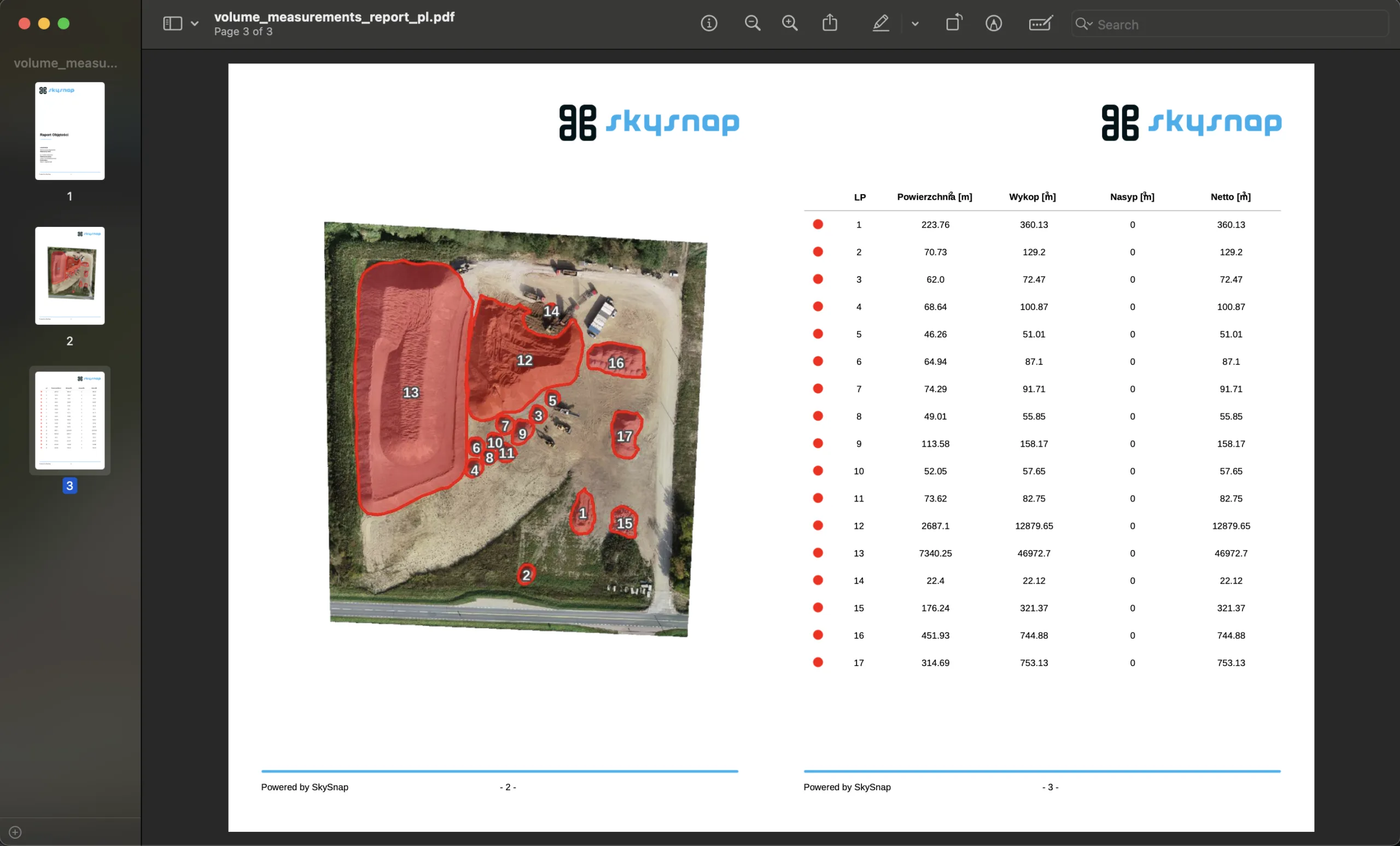
Drone inspections are the process of using unmanned aerial vehicles to conduct technical inspections. Drones take high-quality photos and videos of sites that require technical evaluation. The efficiency of this solution lies in the rapid collection of data without the need to involve people in potentially dangerous situations.
With drones, the condition of infrastructure such as bridges and skyscrapers can be monitored. They allow quick and precise detection of damage, which is crucial for maintaining safety.
Another advantage of drone inspection is cost reduction. Traditional methods, such as using cranes or helicopters, are much more expensive. The use of drones is therefore more economical.
History of drone technology development
The history of drones dates back to the early 20th century, when the first prototypes were designed for military purposes. Over time, the technology evolved, finding applications in the civilian sector as well.
The origins of drones were related to military research. As technology advanced, drones began to be used in other fields, such as aerial photography and environmental monitoring.
In recent years, drones have gained popularity in the technical inspection industry, thanks to their precise sensors and ability to capture high-resolution images. These applications are increasingly being integrated with artificial intelligence and machine learning technologies, further enhancing their effectiveness.
Drone applications in inspections
Drones offer a wide range of applications in technical inspections. Their ability to monitor different areas safely and effectively makes them an invaluable tool in many industries. From infrastructure to the environment, drones are used in every corner of the market.
Inspections of buildings and infrastructure
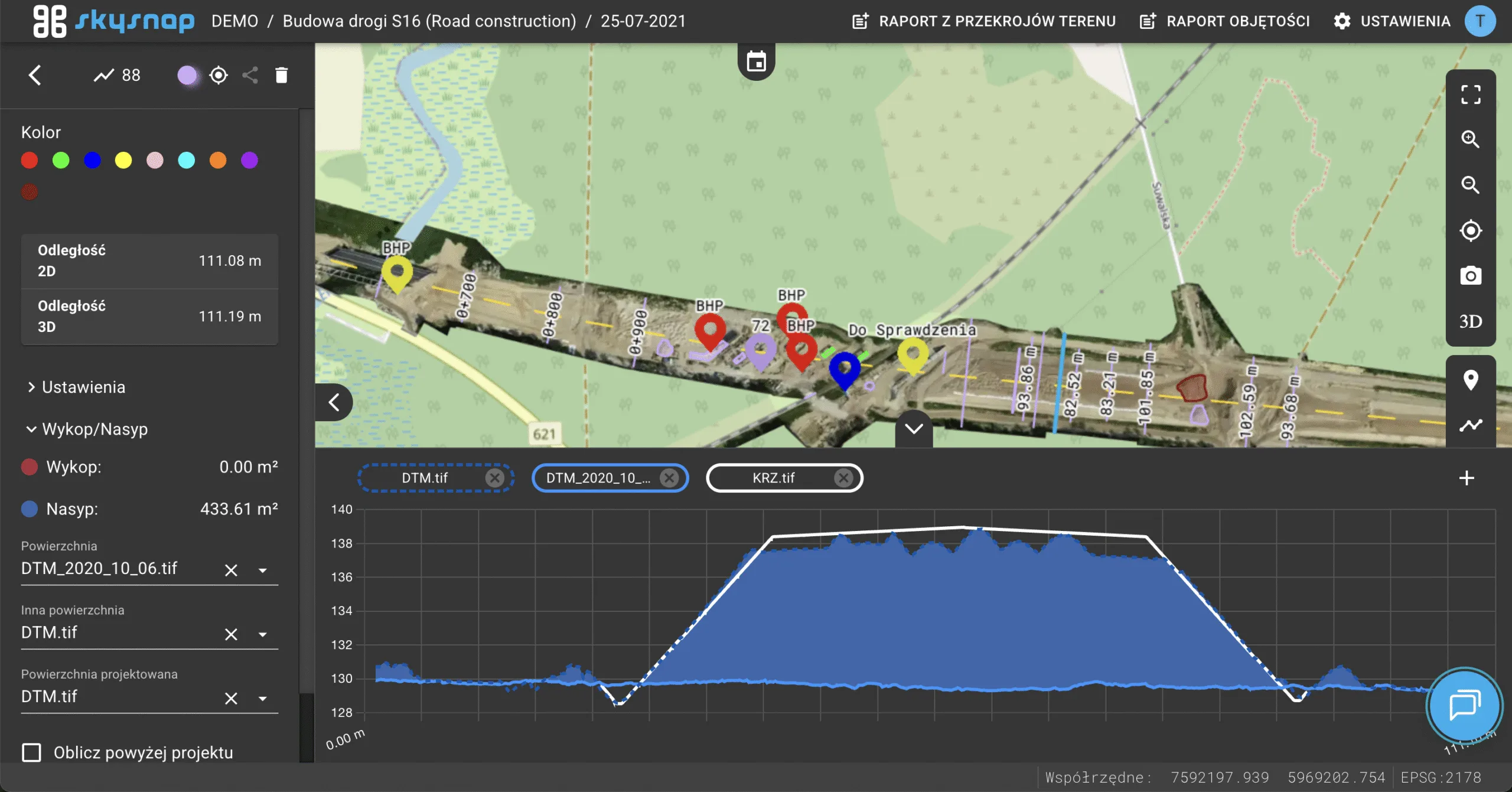
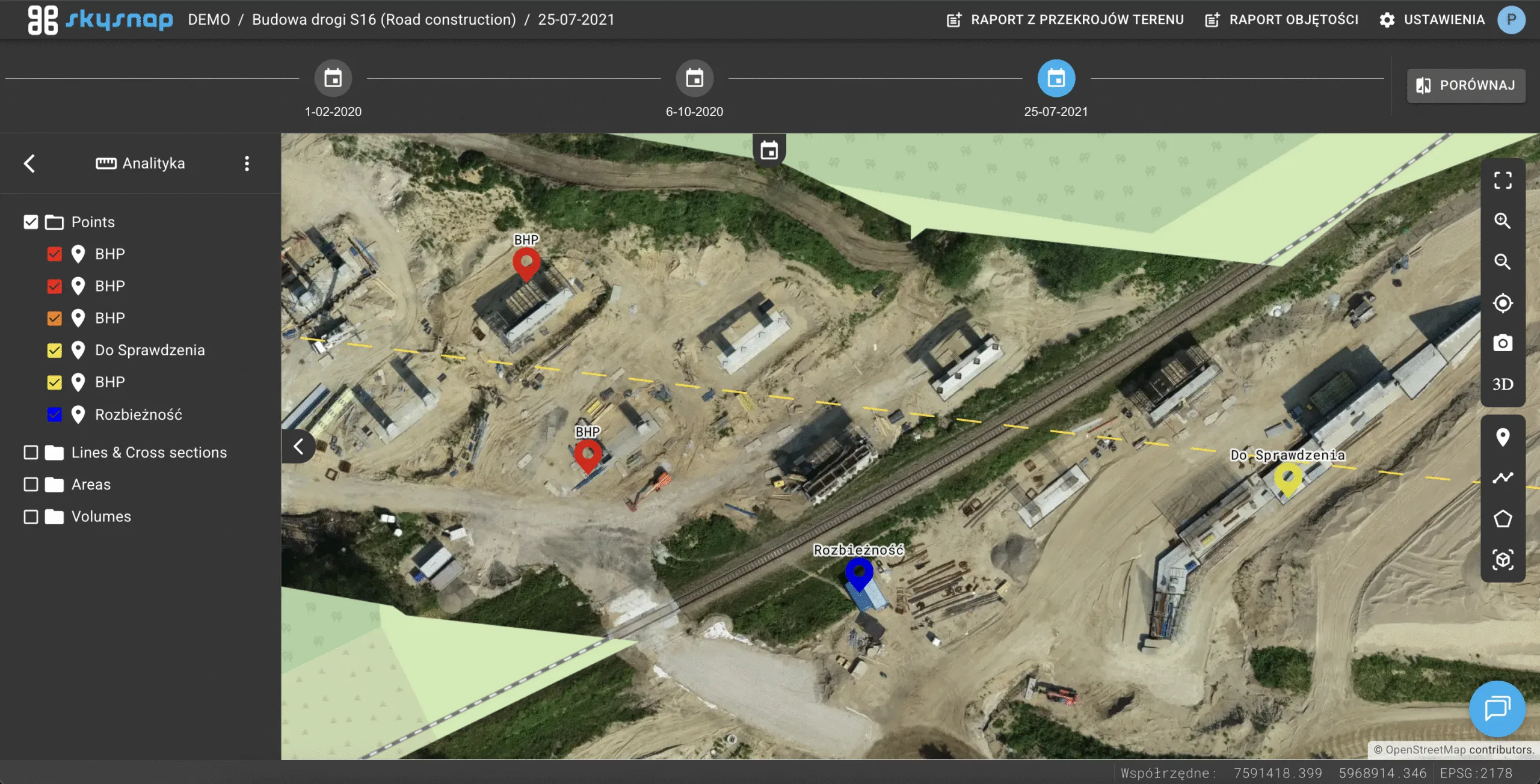
Drone inspections are particularly useful in assessing the condition of buildings and infrastructure. With them, structures that are difficult for people to access can be quickly and safely inspected.
Drones allow:
- Monitoring the condition of building facades.
- Checking roof leaks.
- Damage detection in bridges and overpasses.
The use of drones in infrastructure inspection allows for early detection of problems, which is key to maintaining public safety. With advanced technology, costly repairs can be avoided and the risk of accidents can be minimized.
Environmental and agricultural monitoring
Drones also play an important role in environmental and agricultural monitoring. With them, real-time data can be collected, which is crucial for sustainable management of natural resources.
In agriculture, drones are used for:
- Monitor crops and identify areas requiring irrigation.
- Plant health analysis using specialized multispectral cameras.
- Assessments of the impact of weather conditions on yields.
In the context of environmental protection, drones help track climate change, detect pollution and protect wildlife. With them, quick corrective actions can be taken, which has a direct impact on the protection of ecosystems.
Advantages of using drones
The use of drones in technical inspections has numerous benefits. From increasing operational efficiency to improving safety, drones have revolutionized the way technical inspections are conducted.
Efficiency and time savings
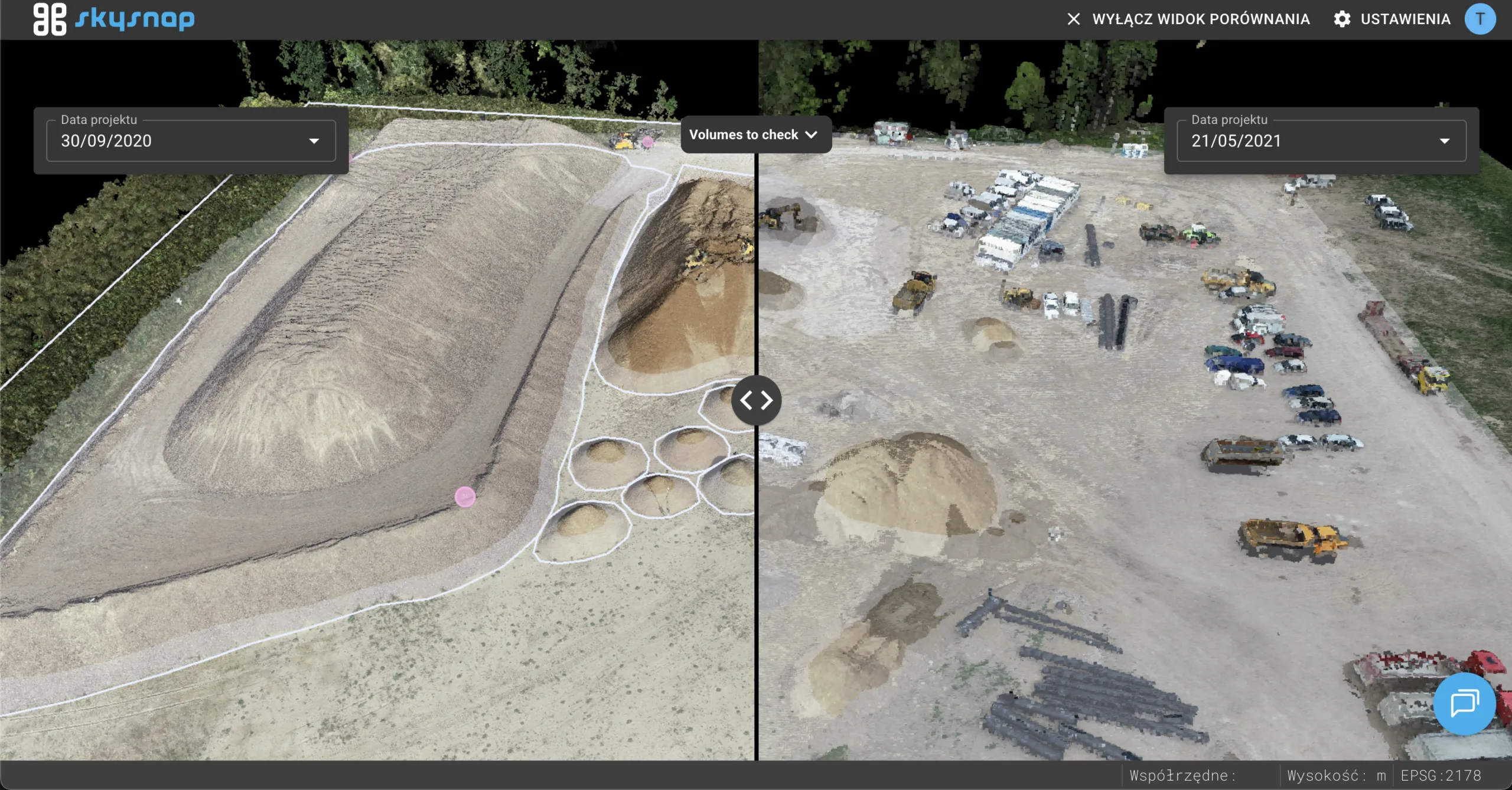
Drones significantly increase the efficiency of inspections, allowing for quick and accurate data collection.
- They reduce the time it takes to conduct a traditional inspection, allowing for more efficient management of resources.
- By automating processes, drones can perform tasks at a specific time, minimizing disruption to daily operations.
- The data collected by the drones is immediately available for analysis, speeding up the decision-making process.
All of this makes drones an increasingly popular solution in many industries, from construction to energy.
Safety and accessibility of hard-to-reach places
One of the greatest strengths of drones is their ability to operate in areas that are difficult for humans to access. Drones can safely monitor areas that would be too dangerous for humans.
- Drones eliminate the need to send people to potentially dangerous locations, such as high altitudes or contaminated zones.
- Thanks to advanced sensors, drones can provide detailed data from areas that were previously virtually impossible to survey.
- Drones can operate in harsh weather conditions, which increases their usefulness in various situations.
Safety is a priority in every industry, and drones offer solutions that minimize risk and increase worker protection.
Challenges and limitations
Despite its many advantages, the use of drones also brings with it some challenges and limitations. From regulations to technical aspects, each requires careful analysis and management.
Laws and regulations
Drone regulations are a key aspect of their use in technical inspections. Every drone operator must comply with certain standards and regulations.
- The law requires registration of drones of a certain weight and authorization to operate them.
- Drones must operate within designated zones, which often limits their use in specific locations.
- Privacy rules limit the ability to collect data in public places.
Understanding these regulations is crucial for anyone planning to use drones in their business. Failure to comply can lead to serious legal consequences.
Technical limitations of drones
Drones, despite their advanced technology, also have their technical limitations. These affect the effectiveness and range of their use.
- The flight time of drones is limited by battery capacity, requiring mission planning in an efficient manner.
- Drones can be susceptible to signal interference under certain conditions, which can affect their ability to collect data.
- The weight and size of drones may limit their ability to carry heavy survey equipment.
The technical limitations of drones require constant development and innovation to meet the growing demands of the market.
The future of drone inspection
Developments in drone technology are opening up new opportunities and changing the future of technical inspections. Technological innovations and their impact on the labor market are key topics that will shape the future of the industry.
Technological innovations
Innovations in drone technology are driving advances in technical inspections. New developments and technical improvements are allowing drones to be used even more widely.
- Artificial intelligence and machine learning are being integrated with drone systems to automatically analyze data and detect anomalies.
- The development of high-resolution sensors and cameras enables more detailed monitoring.
- Increasing battery capacity extends drone operational time, which is crucial for long-duration missions.
These innovations not only make drones more efficient, but also expand their applications in various industries.
Impact on the labor market and professional skills
The introduction of drones for technical inspections is having a significant impact on the labor market and required professional skills.
- There is an increasing demand for specialists in drone operation and data analysis.
- Traditional technical inspection professions must adapt to new technologies.
- Education and training are becoming crucial for maintaining competitiveness in the labor market.
Drones are changing the dynamics of the labor market, introducing new roles and skills that are necessary to use the technology effectively. Adapting to these changes is crucial to the future of many industries.

Free E-book
Find out how UAV and AI support investment supervision, facilities management and the daily work of engineers. Learn about real-world applications of technology in construction and real estate.
Table of Contents:
Do you like the article? Share it with others!
Do you like the article? Share it with others!
Tips, news, insights
Related articles
Check out our articles and get the latest industry news.