1. which drones are best suited for photogrammetry?
According to SkySnap’s e-book and conversations with industry partners (e.g., Megadron.co.uk), the best drones for photogrammetry in 2025 are:
For beginners:
- DJI Mini 4 Pro / Air 2S – ideal for learning and test projects.
✅ Low weight (less than 250 g) – no license required.
✅ High image quality (48 MP).
⚠️ No RTK system – limited measurement precision.
For professionals:
- DJI Mavic 3 Enterprise (M3E) – the gold standard in the industry.
✅ 4/3 CMOS camera with 20 MP, accuracy to 2-3 cm.
✅ Optional RTK (Real-Time Kinematic) module for geodetic precision.
✅ Compatible with DroneLink and DJI Pilot apps for mission planning.
For advanced users:
- DJI Matrice 300 / 350 RTK
✅ Capable of mounting multispectral, thermal and LIDAR cameras.
✅ Long flight time (40-50 minutes).
✅ Used in engineering and industrial projects.
2. what to look for when choosing a drone for photogrammetry
GPS/RTK accuracy
RTK is a system that corrects positioning data in real time. If you plan to create orthophotos or 3D models with less than 3 cm accuracy – RTK is essential.
Sensor and lens
- Matrix min. 1-inch, preferably 20 MP or more.
- Fixed focal length – conversion errors are avoided.
- It is good if the camera has a RAW (DNG) mode for preserving details.
Compatibility with mission planning applications
The SkySnap e-book recommends DroneLink and LitchiApp for planning automatic flight routes with 75/70% coverage.
Flight conditions and stability
High wind resistance, GPS+GLONASS operation, and obstacle avoidance sensors are key to raid stability and mission safety.
Regulatory compliance (CE / UAS)
As pointed out in SkySnap’s meeting with Ad Libra, the lack of a CE class may limit the drone’s ability to be used in the special category – it’s worth checking before buying.
3. Is it worth investing in drones with multispectral or thermal imaging cameras?
If you plan to:
- Agricultural projects (crop condition assessment, moisture, hunting damage),
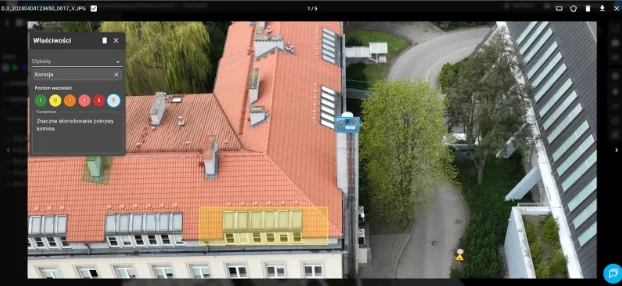
- Roof inspections and thermal upgrades,
then it’s worth considering drones with additional modules, such as the DJI M3T (Thermal) or the Mavic 3M multispectral.
In the future, you can also expand your kit with such cameras – so it’s worth choosing a model that allows easy hardware expansion.
4. the most common mistakes when buying a drone for photogrammetry
❌ Selecting a model with a camera without stabilization and a fixed focal length.
❌ Lack of mission programming (manual flights = coverage errors).
❌ Ignoring legal requirements and flight zones.
❌ Purchase of a photo/video drone with an eye toward non-RTK photogrammetry or mission planning.
5. download free SkySnap e-book
📘 E-book: “How to plan a drone mission to make the data suitable for photogrammetry“
You will learn from it:
- How to plan a raid step by step,
- What drones and apps work best,
- How to avoid data errors and improve accuracy,
- How to prepare a checklist before a flight.
👉 Download SkySnap e-book
6 Summary
A good drone for photogrammetry is not necessarily the most expensive model, but the one that provides precision, software compatibility and data stability.
If you want to start commercial photogrammetry projects – DJI Mavic 3 Enterprise RTK is currently the best starting point .
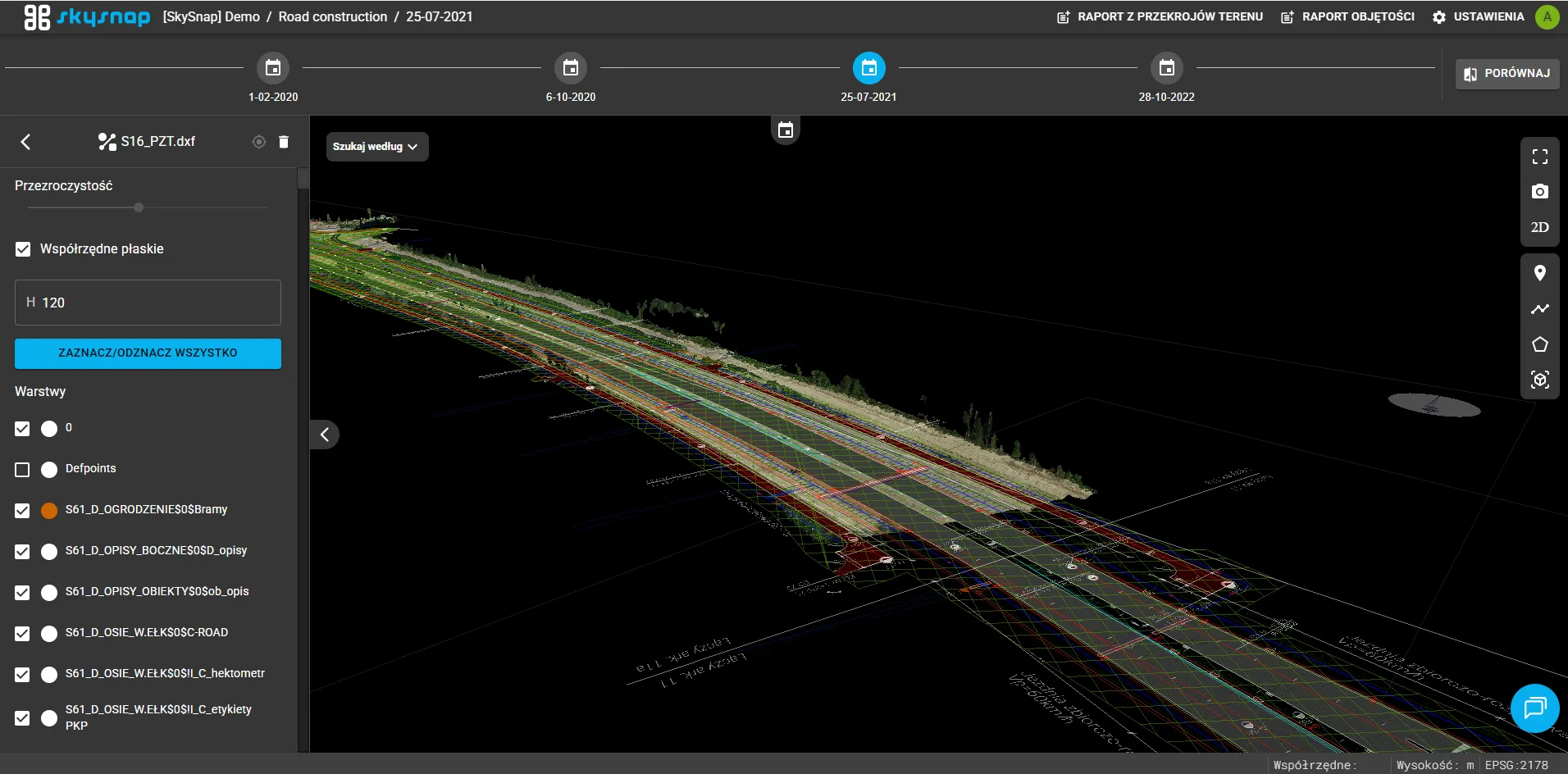
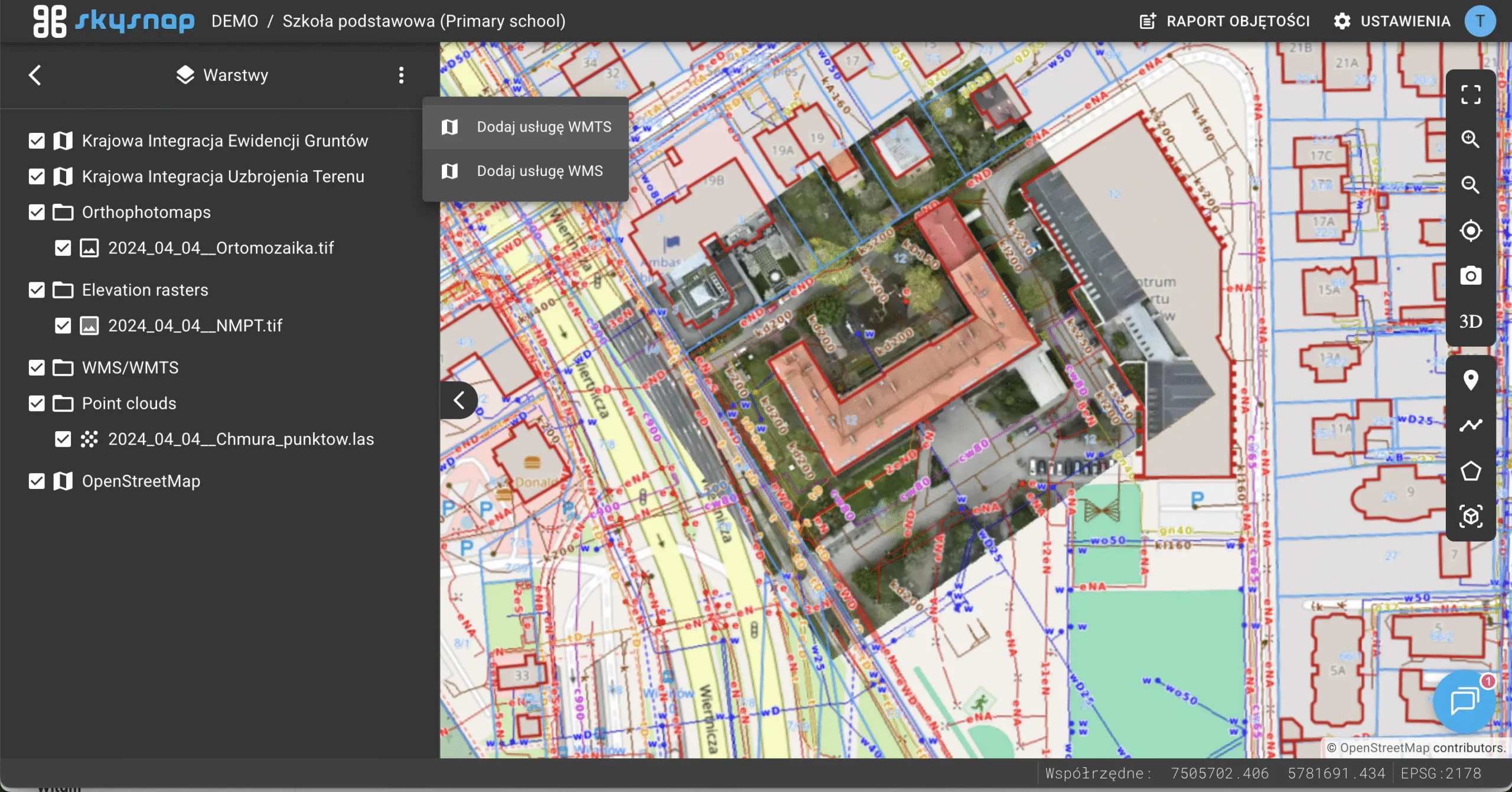
And when you are ready for the next step – SkySnap will help you process the data and present the results in a professional manner.
See how your images can become an orthophoto in 24 hours.
👉 Try SkySnap for free

Free E-book
Learn how to prepare a mission step-by-step, avoid raid mistakes and create accurate orthophotos and 3D models. The perfect guide before your first commercial assignments.
Table of Contents:
Tips, news, insights
Related articles
Check out our articles and get the latest industry news.