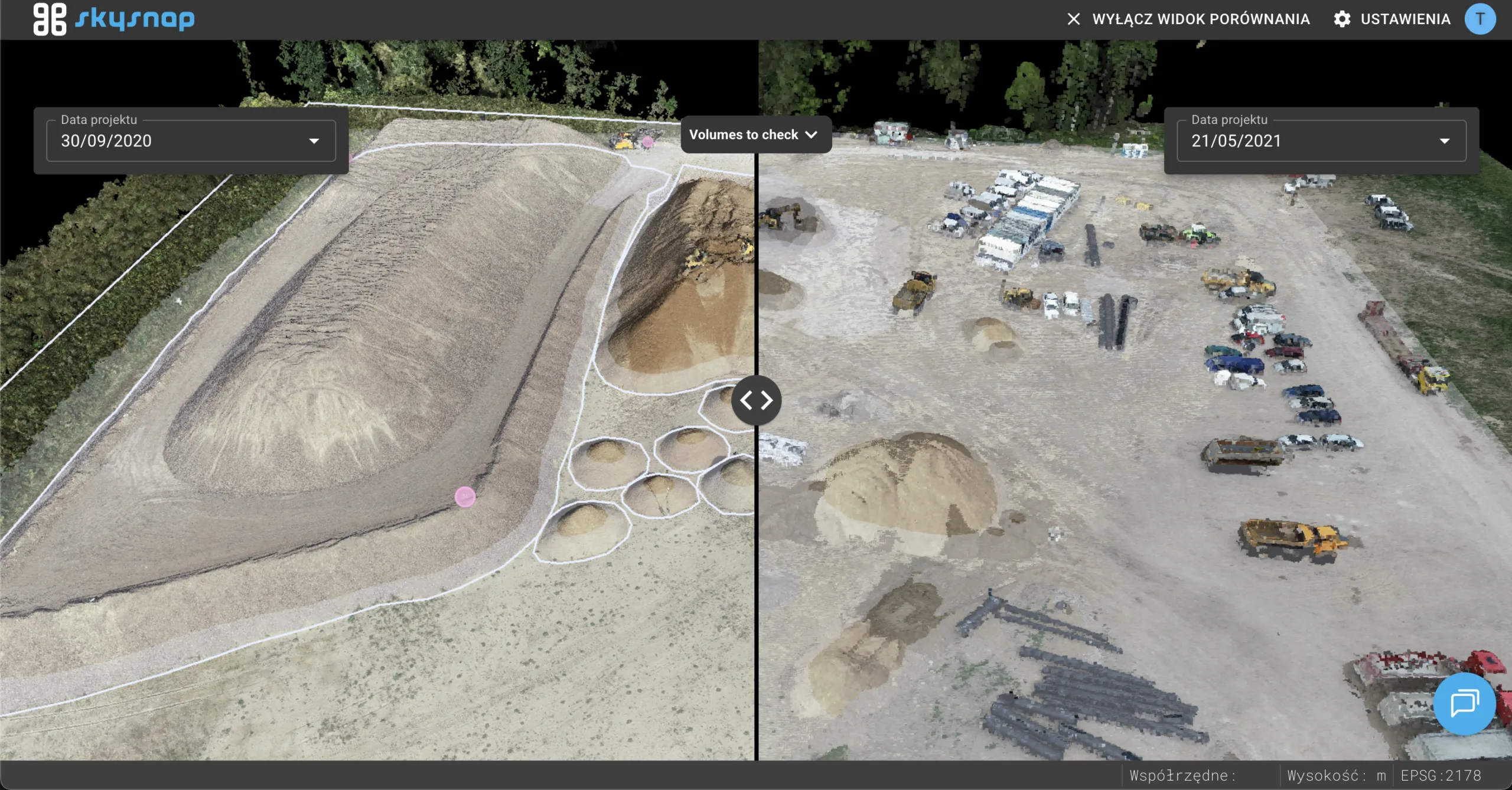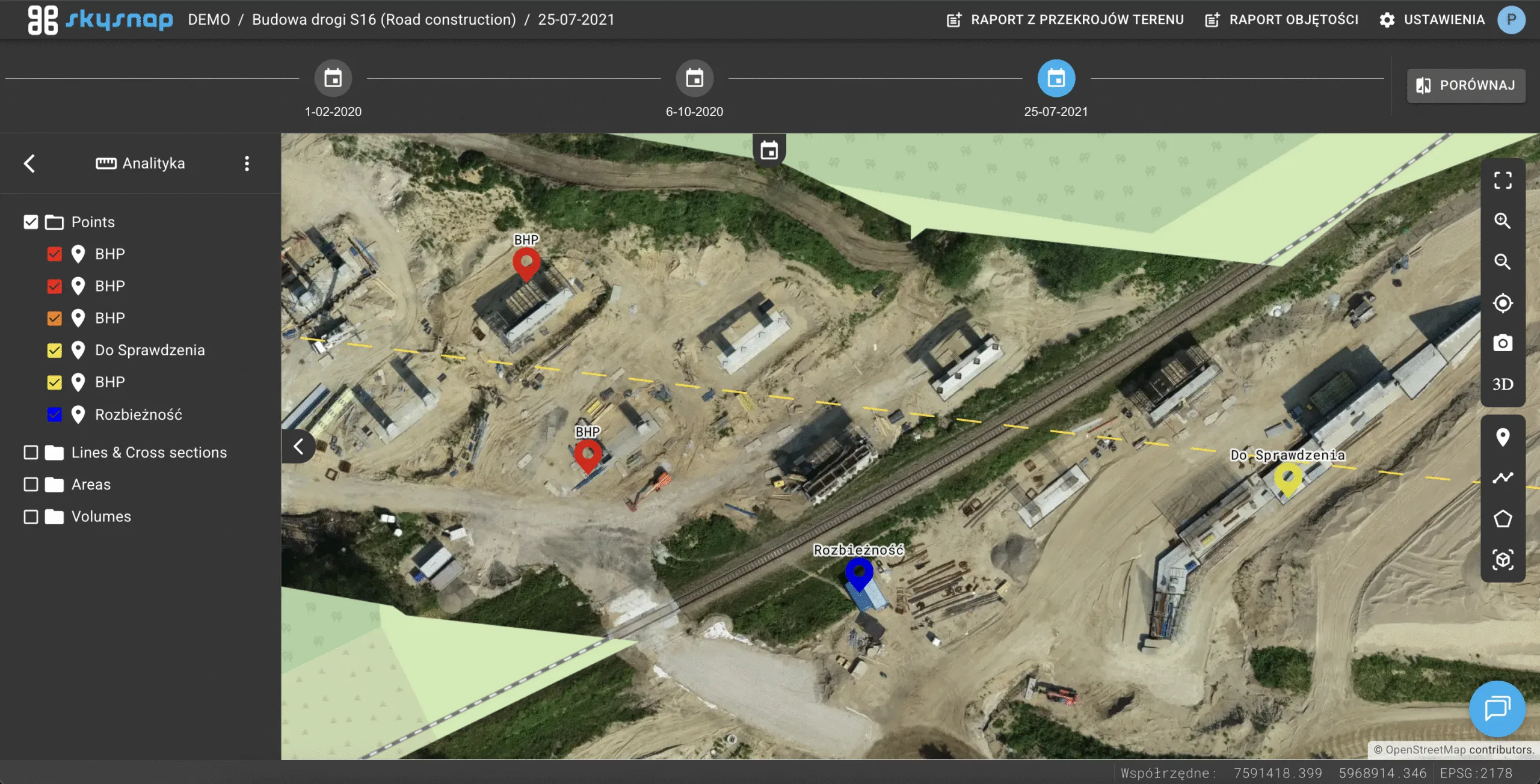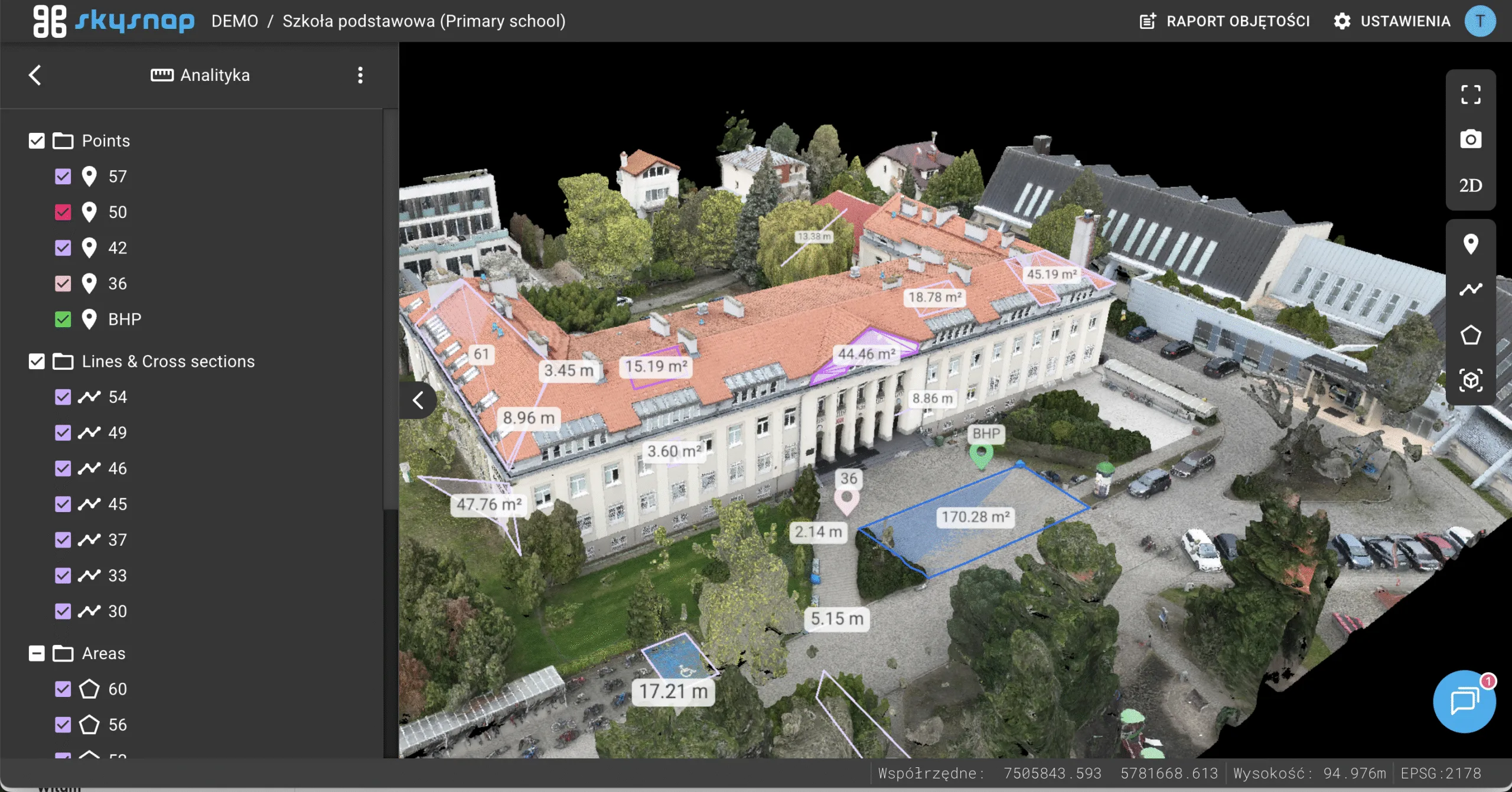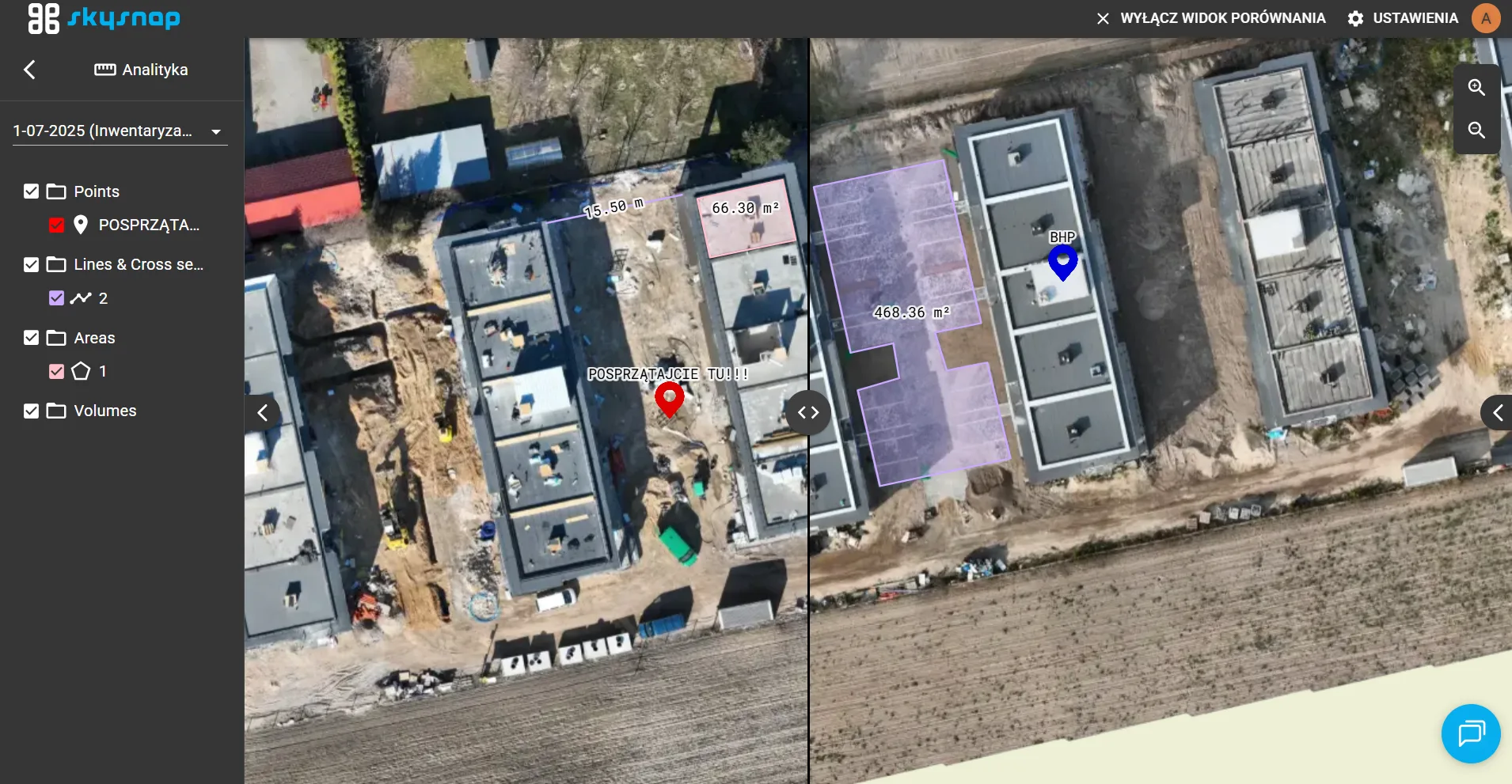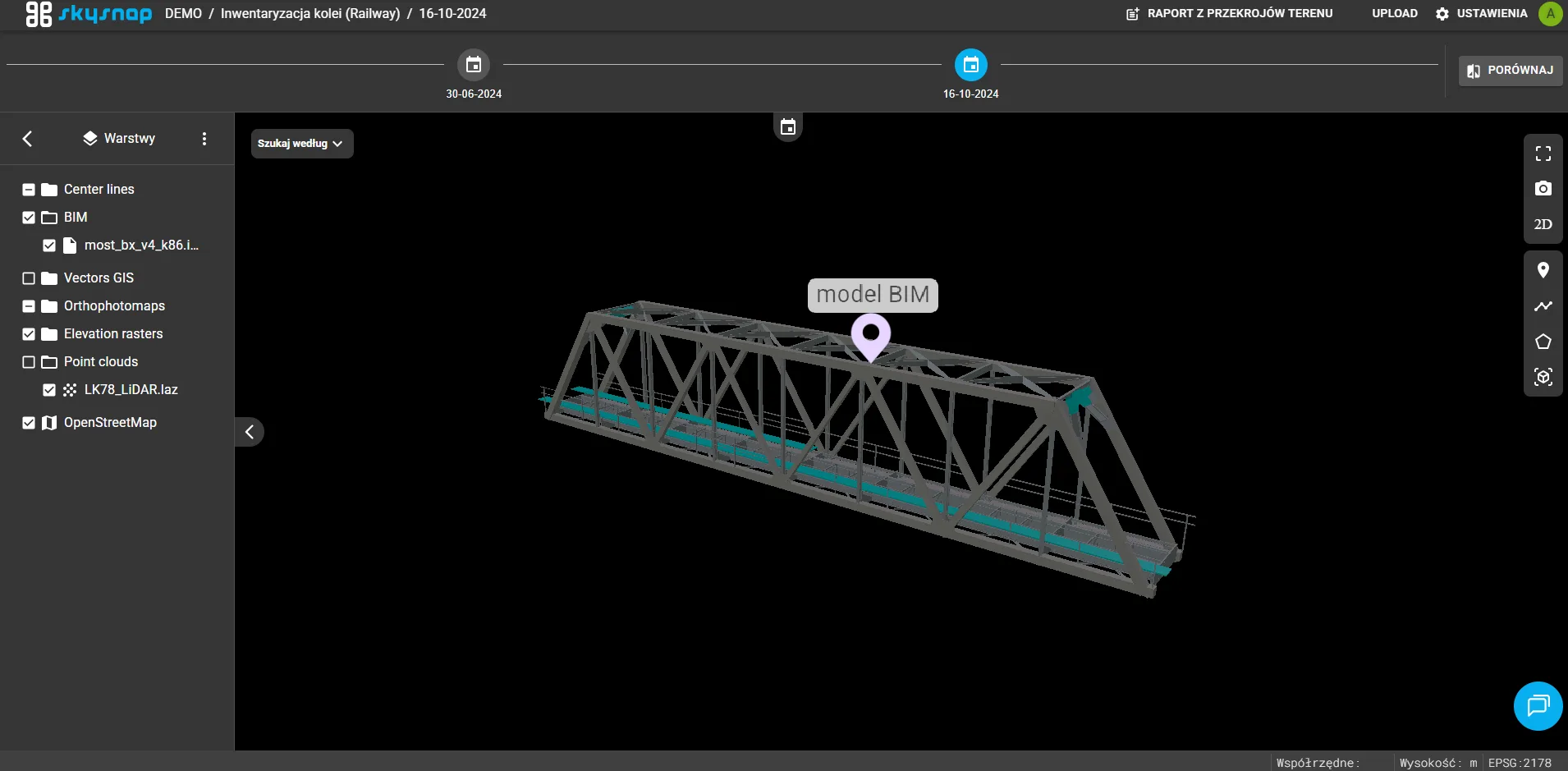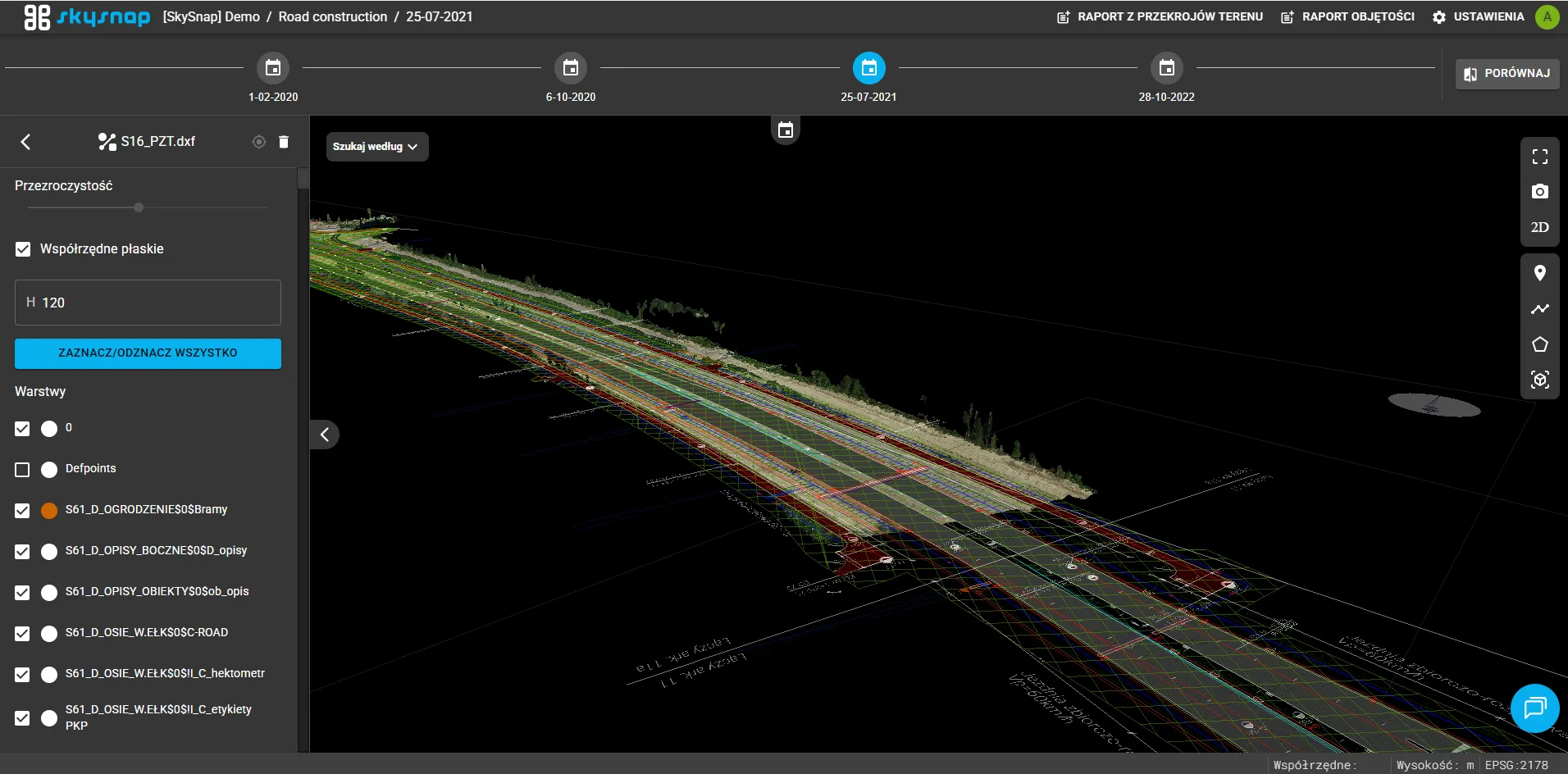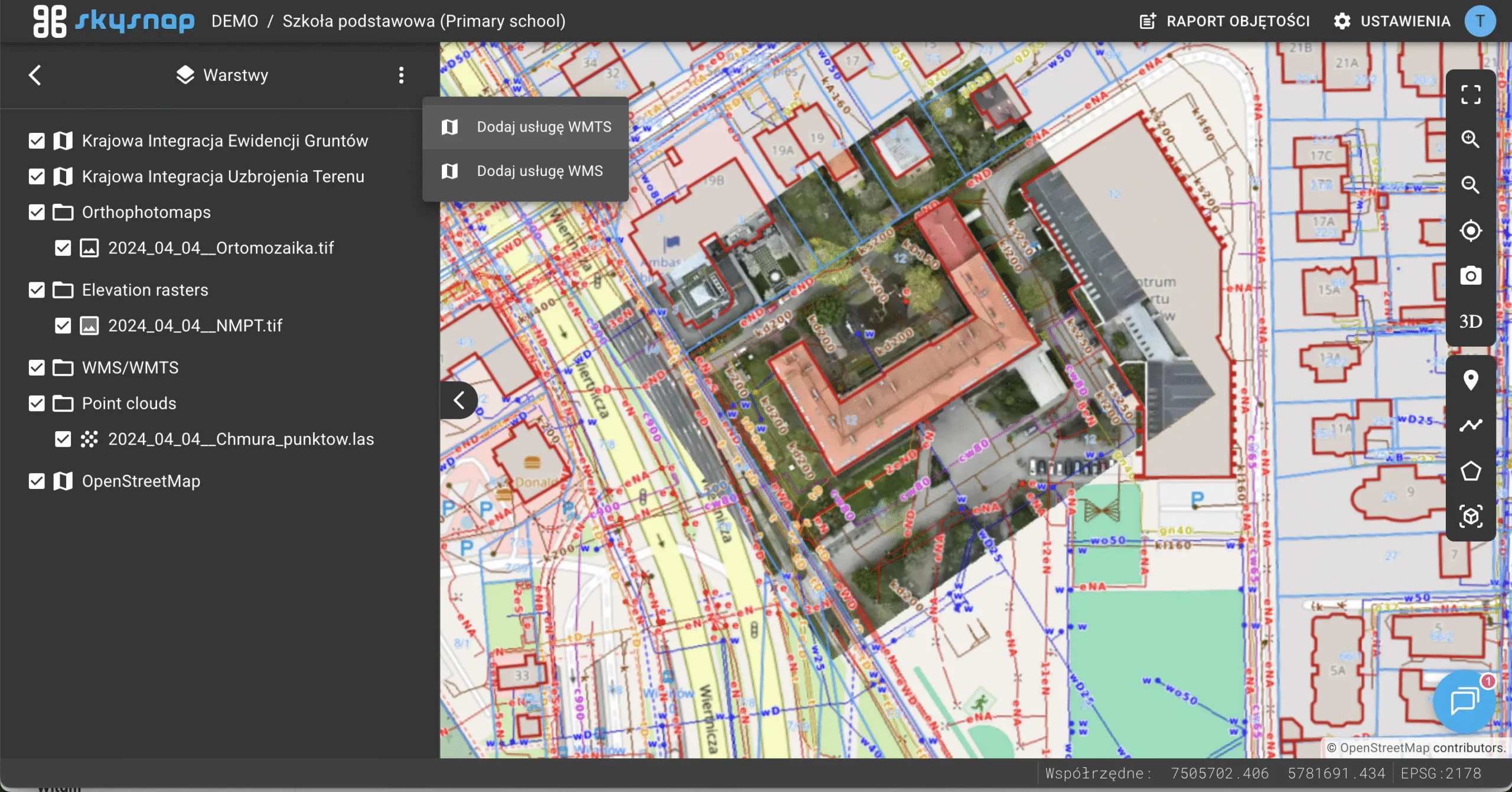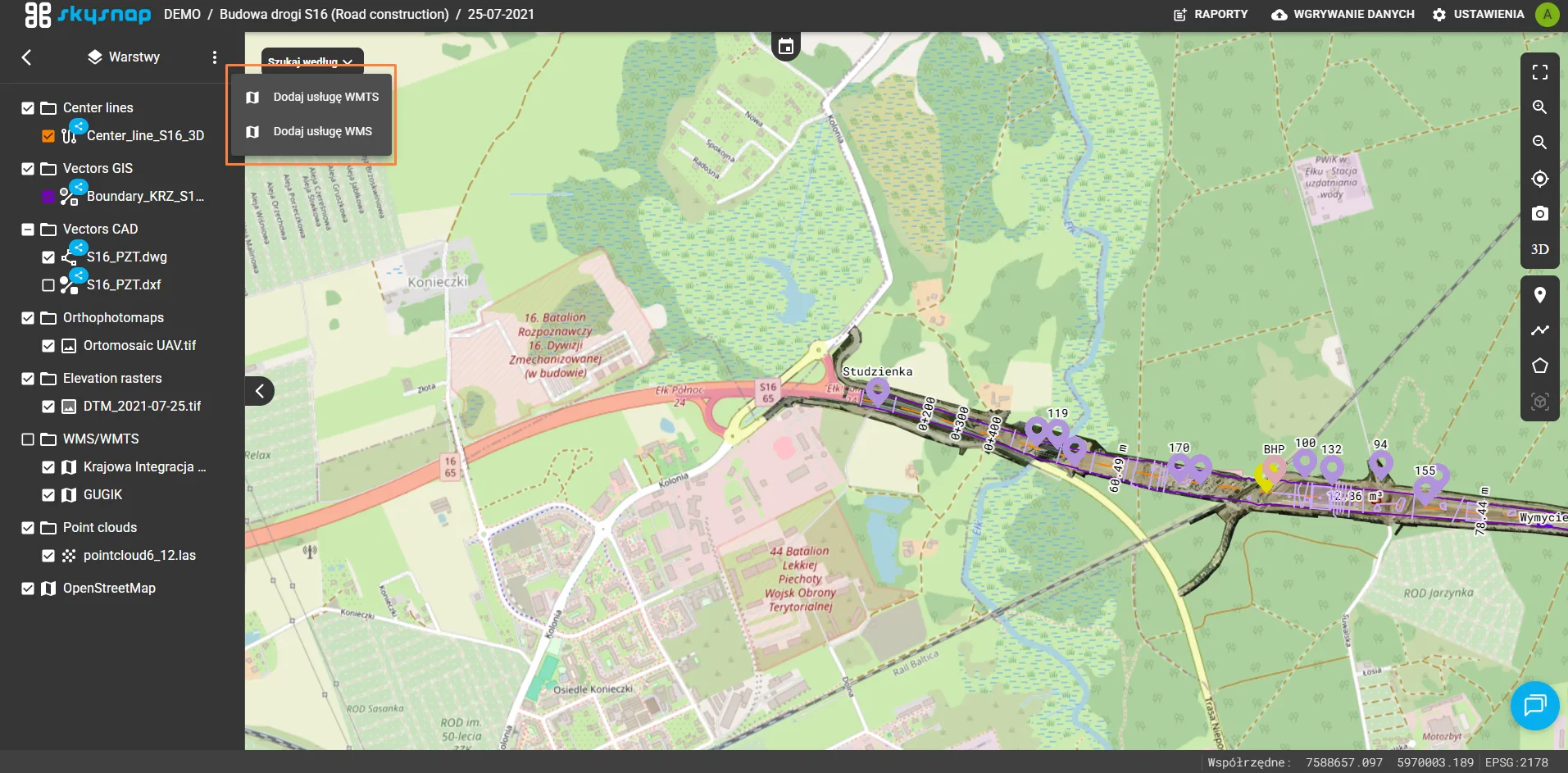
Structures, natural landscapes and even individual objects are not always easily accessible for examination or measurement. This is especially the case with large-scale objects or inconvenient locations. Fortunately, there is technology that makes this possible. Have you heard of photogrammetry yet? If not, this is the time when you should learn more – as much as possible. Photogrammetry – what is it and how does it work? You ask. You will find the answer to this question in the following article.
Photogrammetry – what is it?
The term photogrammetry may sound complicated, but in reality there is a simple concept behind it. It is a measurement method that uses images to create maps, 3D models or other graphic representations of reality. It works by translating points visible in two or more photos into actual points in space.
How does photogrammetry work?
Photogrammetry is based on photography and mathematics. It uses photos taken from various points to create a three-dimensional model of an object. These photos create a series of cross-sections, which are then used to randomly determine points on the object. These points are then combined to create a 3D model.
Application of photogrammetry
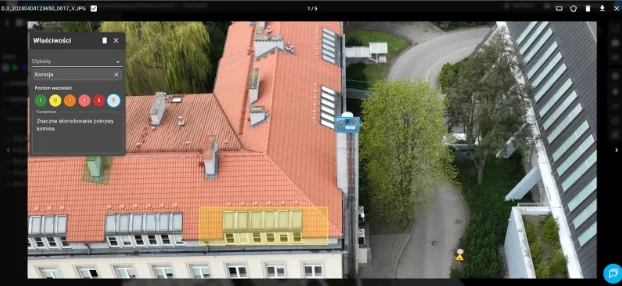
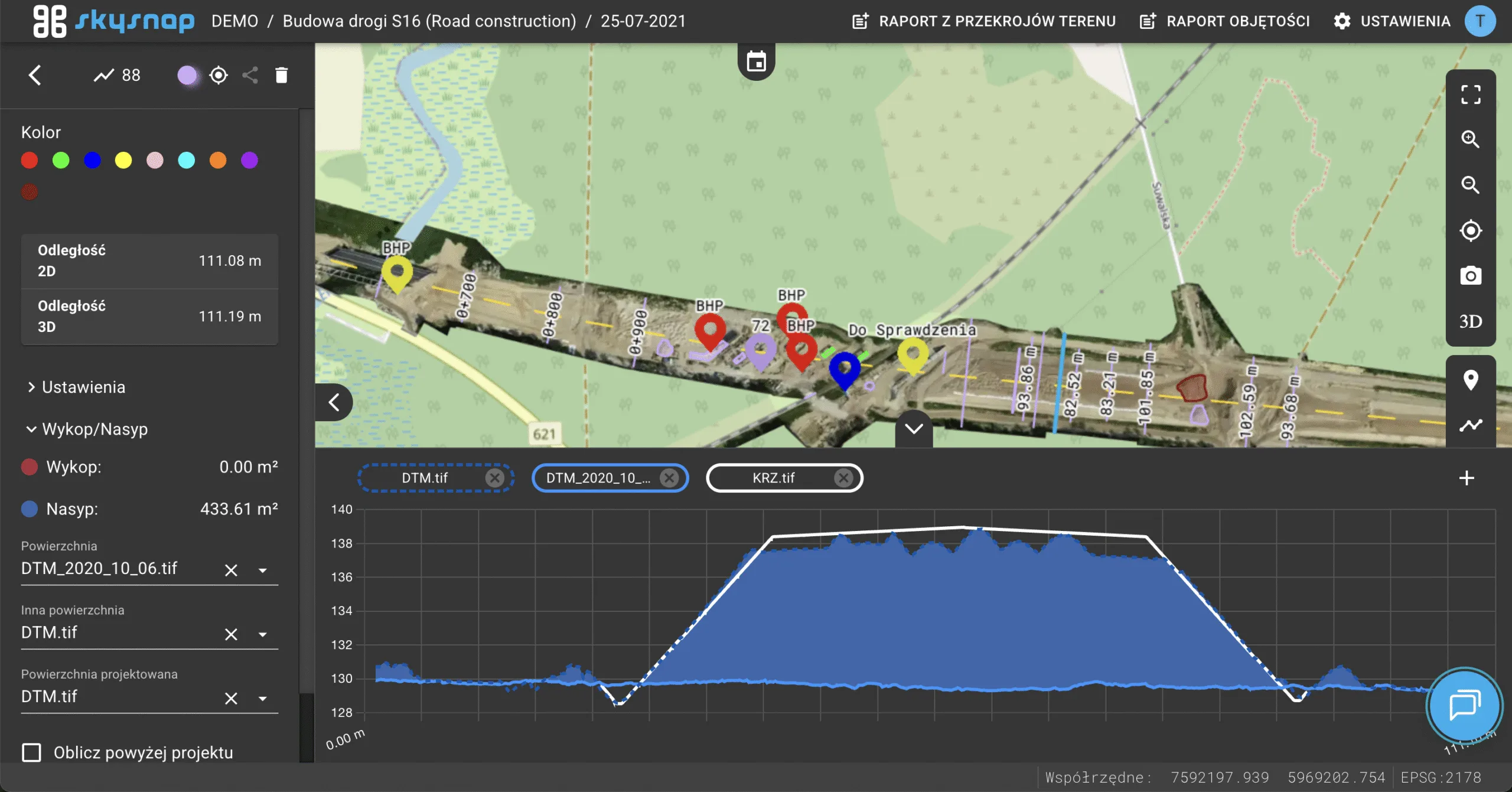
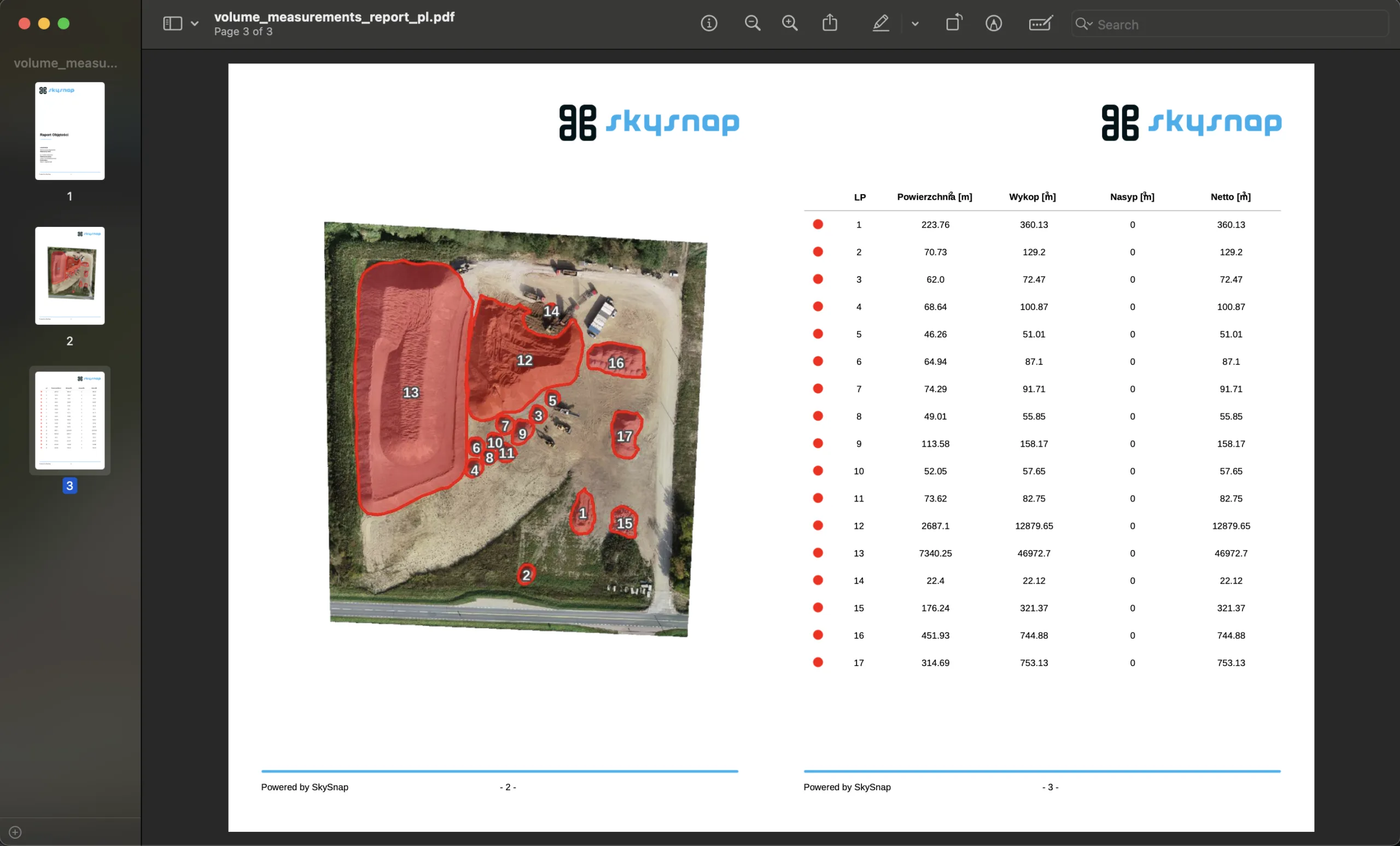
Photogrammetry has stacks of applications. In archaeology, for example, it helps document the condition of monuments and excavations. In construction, it allows the creation of 3D models of buildings or structures, helping in their design or maintenance. In agriculture, thanks to photogrammetry, fields and crops can be monitored. In geology, it allows remote study of rock formations.
Photogrammetry methods
Depending on the scale and objectives, photogrammetry can be carried out in various ways. One can distinguish between short-range photogrammetry, terrain photogrammetry, aerial photogrammetry or satellite photogrammetry. Of course, each of these has its own specific applications and requires appropriate equipment.
Summary
To answer the question photogrammetry – what it is and how it works – is a method of measurement that uses images to create maps, 3D models or other graphic representations of reality. Depending on the scale and objectives, photogrammetry can be carried out in different ways. It is a very useful technology that has many different applications.
Tips, news, insights
Related articles
Check out our articles and get the latest industry news.