Introduction to UAVO
UAVO and drone training are becoming increasingly popular in today’s world of technology and innovation. With the growing demand for drone operators, there is a need to understand what this training is and why it is important. BSP training covers both the theoretical and practical aspects of operating unmanned aircraft, highlighting the importance of having the right credentials and knowledge. Drones, or unmanned aerial vehicles, are used in a variety of fields, from photography to agriculture and surveillance. In this article, we’ll take a look at what UAVO and drone training courses offer, the skills you can gain, and the benefits of being certified as a drone operator. I invite you to discover the fascinating world of drones and the opportunities they bring.
What is UAVO training?
UAVO training courses, or UAV operator training, are educational programs designed to prepare participants to fly drones safely and effectively. As part of these training courses, participants acquire the theoretical and practical knowledge needed to operate drones in a variety of conditions and applications. Courses typically cover topics related to aerodynamic fundamentals, aviation regulations, as well as piloting and navigation techniques.
Obtaining UAVO certification is often required to perform professional drone operations, especially for commercial applications. This certification certifies that the operator is qualified and skilled to operate a drone safely, which is crucial given the growing use of these devices in various industries.
These training courses offer a solid foundation for anyone who would like to become a professional drone operator, gaining knowledge and skills under the guidance of an experienced instructor.
Types of UAVO training
UAVO training courses are available in a variety of categories to suit both beginner and advanced drone operators.
For those new to drones, basic courses are offered, which include an introduction to flight theory, the basics of aviation law and the first steps in practical UAV piloting.
For more experienced operators, there are advanced training courses that focus on more complex maneuvers, beyond visual line of sight (BVLOS) flight and advanced navigation techniques. There are also specialized training courses, such as those for drone operators used in precision agriculture, industrial inspection or film production.
Each training course is conducted by experienced instructors who hold a UAVO qualification certificate and have years of experience in the industry. Trainees have access to training materials that help them understand the theory and practical aspects of flying within line of sight (VLOS) and beyond line of sight (BVLOS). As a result, UAVO training provides comprehensive preparation for safe and professional drone operation.
Why train with UAVO?
UAVO training offers many benefits, both for individuals and companies. First and foremost, becoming a certified UAVO operator improves employment opportunities in the booming drone technology industry. As drones become increasingly important in fields such as logistics, agriculture and environmental protection, the need for qualified drone operators is growing.
Additionally, UAVO training courses provide a solid theoretical and practical foundation for safe and professional drone use. These courses teach not only how to pilot, but also how to manage risks and comply with aviation laws, which is key to avoiding potential legal conflicts.
Investing in such training means not only developing professional skills, but also increasing one’s competitiveness in the labor market and being able to participate in innovative projects.
The process of obtaining a UAVO license
The process of obtaining a UAVO license consists of several key steps to ensure that future drone operators are properly prepared to fly unmanned aircraft.
The first step is to enroll in UAVO training, which must be conducted by an entity registered with the Civil Aviation Authority (CAA). The training includes both theoretical and practical parts.
In the theoretical part of the course, students learn aviation laws, safety rules, aerodynamics and meteorology.
The practical part focuses on learning how to fly a drone, including taking off, landing, maneuvering and performing autonomous missions.
After completing the training, trainees take the state exam, which is conducted by an examiner appointed by the Civil Aviation Authority. The exam consists of theoretical and practical parts, and passing it is a prerequisite for obtaining a UAVO qualification certificate. Possession of this certificate entitles you to fly with unmanned aerial vehicles in the special category, which opens up many career opportunities in the rapidly growing drone industry.
Drone rules and regulations
Basic regulations
Basic regulations on drone use are key to ensuring safety in the airspace. In Poland, these regulations are set by the Civil Aviation Authority (CAA) and include rules on drone registration, obtaining permits and airspace restrictions. Drone operators must know and comply with regulations regarding flight altitudes, no-fly zones, rules for drone use near airports and populated areas, and the minimum distances they must maintain from people while flying.
Every drone flight needs to be planned in advance and made sure it will comply with current regulations. In addition, operators are required to have adequate insurance in case of any damage caused by the drone.
Knowledge of and compliance with regulations are essential for anyone planning to use a drone, whether for recreational or commercial use. This will help avoid unpleasant legal consequences and ensure safe use of drone technology.
What powers does the UAVO give you?
Obtaining UAVO (Unmanned Aerial Vehicle Operator) certification opens many doors for drone enthusiasts and professionals. First and foremost, UAVO certification allows you to legally perform drone operations for commercial purposes, which is essential for many companies that use drones in their operations, such as film, photography, surveying and agricultural companies. In addition, the NSTS-01 training and certification allows you to conduct VLOS flights with drones weighing less than 4 kg, covering a theoretical and practical training program that culminates in the qualification needed for the exam and the ability to continue operations in this category after passing the exam.
Having a UAVO means that the operator has the right knowledge and skills to fly drones safely, which is key to minimizing risks during airspace operations.
The credential also allows for more advanced missions, such as flying beyond visual range, which is important for operations requiring greater range and autonomy. As a result, having a UAVO certificate makes you more competitive in the job market and allows you to participate in complex technology projects.
Types of drones and their applications
Recreational vs commercial drones
Recreational and commercial drones differ primarily in their purpose and technical capabilities.
Recreational drones are usually simpler in design, easier to use and more affordable. They are ideal for amateurs who want to enjoy flying for fun without complicated features. They are primarily used to record vacation videos, take aerial photos or simply to practice piloting skills.
Commercial drones, on the other hand, are more technologically advanced and offer a range of features tailored for professional applications. They are equipped with high-quality cameras, advanced navigation systems and often have longer range and flight times. As a result, they are used in industries such as precision agriculture, industrial inspection, environmental monitoring and film and television production.
Industrial drone applications
Industrial drones play a key role in many sectors of the economy, offering innovative solutions and significantly improving operational processes.
In the construction industry, drones are used to monitor construction progress, create accurate site maps and inspect hard-to-reach areas. With real-time data collection capabilities, drones help optimize construction project management.
In agriculture, drones make it possible to precisely monitor crops, analyze plant health, and efficiently manage resources by mapping fields and detecting irrigation or pest problems. Such use allows for increased productivity and reduced production costs.
Drones are also invaluable in the energy and oil industries, where they are used to inspect power lines, wind turbines and pipelines, minimizing risk to people and increasing the speed and accuracy of inspections.
UAVO training process
What does a UAVO course look like?
The UAVO course is structured to provide participants with the comprehensive knowledge and skills necessary to operate drones professionally. The course usually consists of two main parts: theoretical and practical.
In the theoretical part, participants learn the basics of aviation law, safety rules in drone operations, aerodynamics, as well as meteorology that affects drone flight. FPV drone pilot training engages participants in flying with goggles for live viewing and improves their piloting skills.
The practical part focuses on learning how to fly a drone, including taking off, landing, maneuvering in the air, and performing autonomous missions. Participants also learn how to react in emergency situations, which is key to ensuring safety during flights.
The course is followed by an exam that tests both theoretical knowledge and practical skills. Learn more about the details of UAVO courses. Passing the exam is a prerequisite for UAVO certification, which opens the door to many career opportunities in the drone industry.
Examinations and certification
Examinations and certification are key elements of the process of obtaining a UAVO license. After completing a training course that effectively covers the exam requirements, participants must take the exam, which consists of theoretical and practical parts. The instructors answer the questions of the participants in a concrete manner, which demonstrates their knowledge and experience.
The theoretical part tests knowledge of topics such as aviation regulations, safety of operations, and fundamentals of aerodynamics and meteorology. The practical exam assesses piloting skills, including precision maneuvering, as well as the ability to perform tasks under controlled conditions.
Passing both parts of the exam is necessary to obtain a UAVO certificate, which is an official document certifying the competence of a drone operator. This certificate is not only a legal requirement for many commercial operations, but also a testament to the operator’s professionalism and skills, which can be an important asset on the job market. Certified drone operators are more in demand in industries where drones play a key role in daily operations.
Instructors and their roles
UAVO training instructors play a key role in preparing future drone operators. They are responsible for imparting both the theoretical knowledge and the practical skills necessary for safe and efficient flight with unmanned aerial vehicles.
Instructors must have a UAVO qualification certificate and many years of experience in the industry, ensuring that they are able to provide students with the latest and most up-to-date information. During training, they conduct lectures, exercises and individual practical classes to prepare trainees for the state exam and for working with drones in various operational conditions.
In addition to teaching, the instructors are also responsible for evaluating the progress of the trainees, providing guidance and advice on flight execution. Their experience and knowledge are invaluable in the training process, helping trainees gain the necessary skills and confidence to become professional drone operators.
Practical tips for drone operators
Safety and ethics of flying
The safety and ethics of flying drones are key to the responsible use of this technology. Every drone operator should always follow laws and safety rules to ensure the protection of people and property. Avoid flying over crowds, near airports and in other areas where flying is prohibited. Before each flight, it is a good idea to check the weather forecast and make sure conditions are suitable for safe flying.
Flying ethics also includes respecting the privacy of others. It’s always a good idea to get permission if you intend to film or photograph someone with a drone to avoid potential legal and ethical conflicts.
Maintaining proper safety and ethical standards not only protects the operator from legal problems, but also helps build a positive image of drone technology in society, which is crucial for its further development and acceptance.
The most common mistakes and how to avoid them
When operating drones, operators often make mistakes that can lead to dangerous situations. One of the most common mistakes is the lack of proper flight planning. Before each flight, carefully check the route, weather conditions and comply with applicable laws. Avoiding flying near obstacles such as trees or buildings is key to preventing collisions.
Another mistake is insufficient control over the drone’s battery. Operators should always monitor the battery’s charge level and avoid flying at the battery’s limit, which can lead to uncontrolled landings.
It is equally important to regularly update the drone’s software to ensure optimal performance and safety. Following these rules will help operators avoid technical and legal problems, and contribute to safe and responsible drone use.
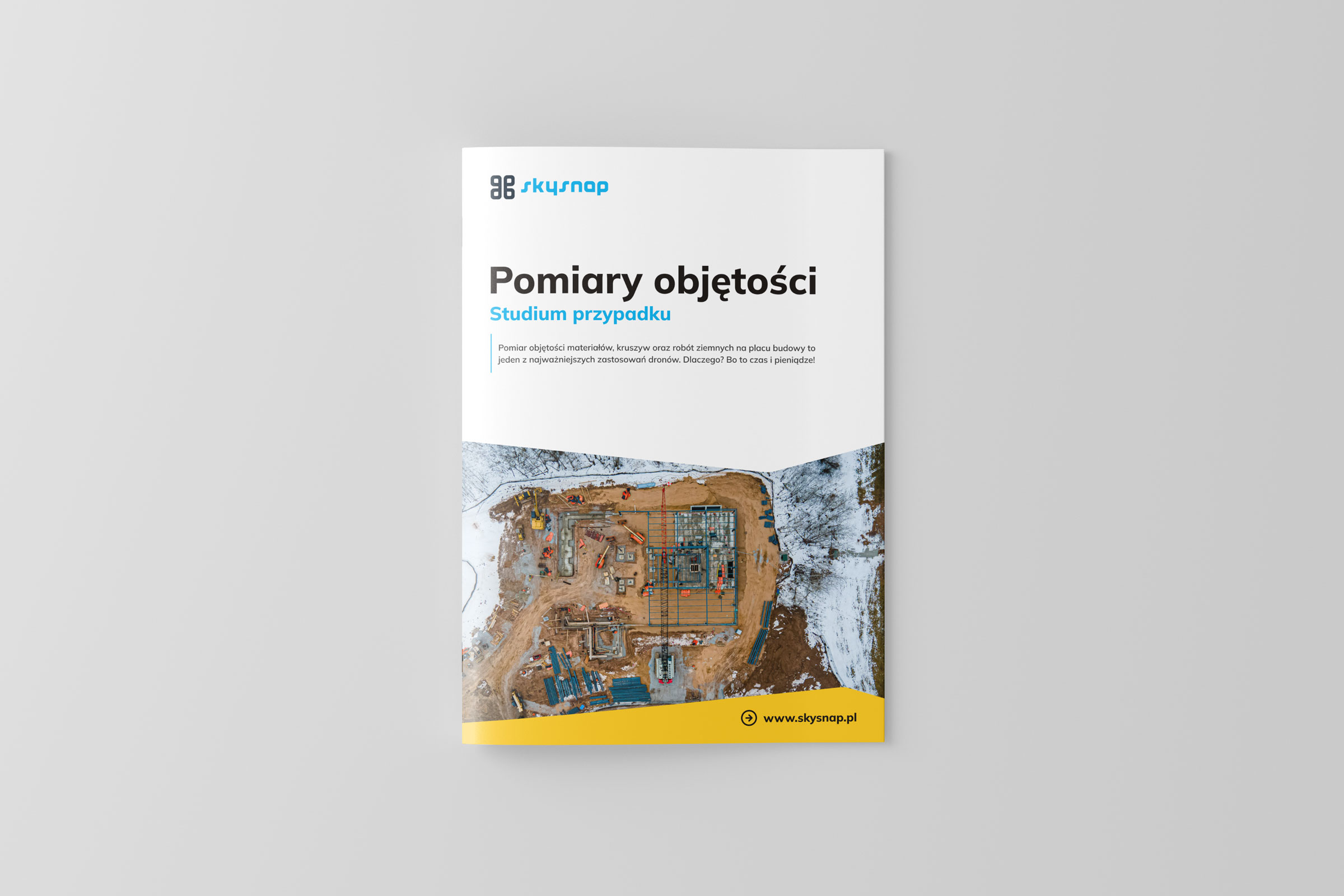
Free E-book
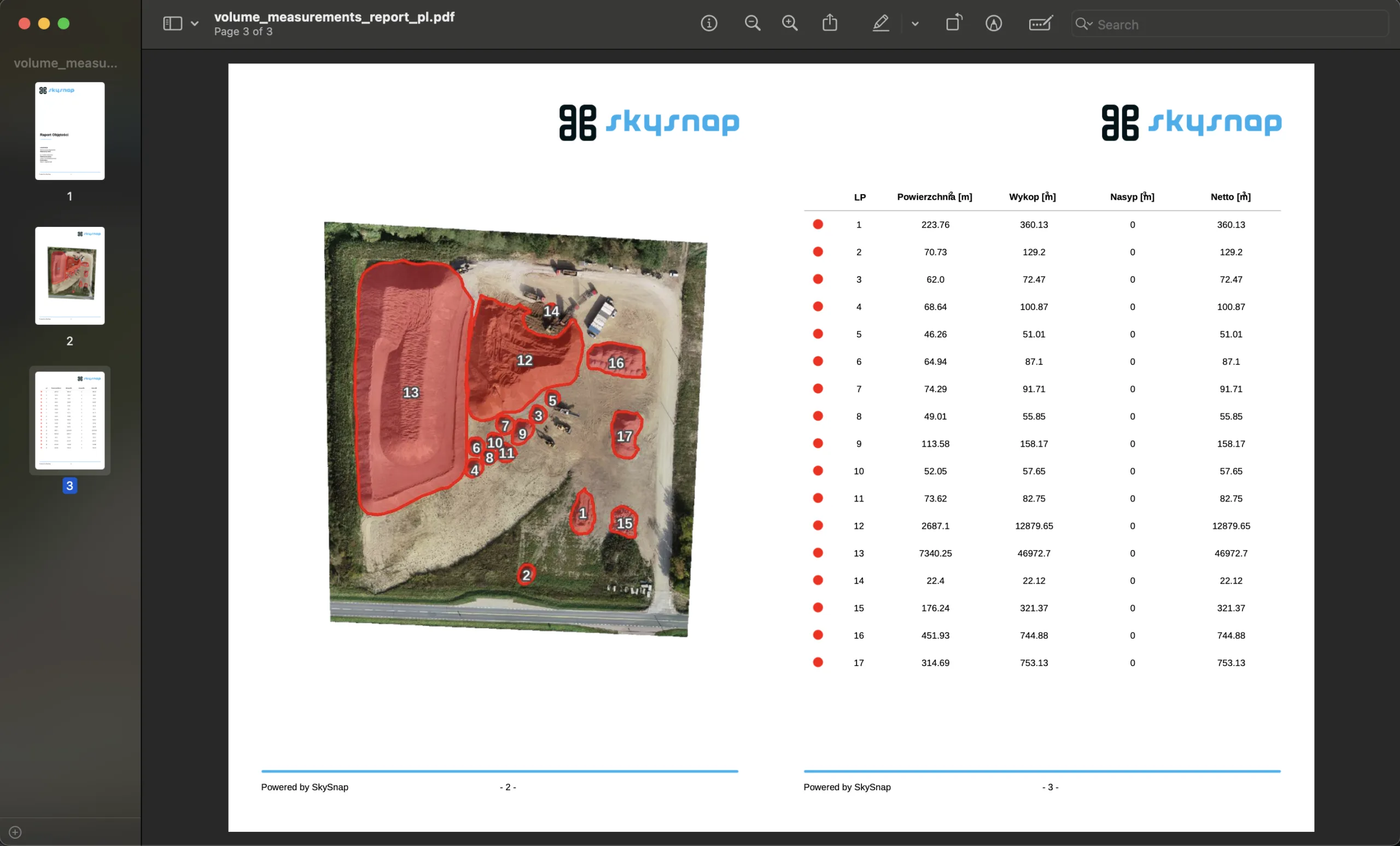
Measuring the volume of materials, aggregates and earthworks on a construction site is one of the most important uses of drones. Why? Because it’s time and money! Download our short e-book and learn how you can monetize your passion with drones.
Table of Contents:
Do you like the article? Share it with others!
Do you like the article? Share it with others!
Tips, news, insights
Related articles
Check out our articles and get the latest industry news.