The origins of the drone concept
The origins of the drone concept date back to the early 20th century. It was then that experiments began with unmanned aerial vehicles that would change the way we view aviation. The initial ideas were often more visionary than practical, but they gave rise to the evolution of drones.
First ideas for drones
In the early years of the 20th century, visionaries began to float ideas for creating machines that could fly without a pilot on board. These concepts were based on dreams of autonomous flight. At the time, when aviation was just in its infancy, the idea of controlling a machine from the ground was revolutionary.
The first prototypes were rather primitive, but their creators believed in the future of this type of technology. These attempts faced many challenges, including technological and remote control challenges.
Despite many setbacks, these early attempts paved the way for more advanced research and designs that were to come in the future. These experiments were crucial to later successes in the drone field.
Early drone technologies
Early drone technology focused on creating machines that could be controlled remotely. This was a key element in the development of this technology, which required innovative solutions. In the 1930s, the first unmanned military aircraft appeared.
These systems, while limited, were groundbreaking. Prototypes were often based on existing aircraft technologies, integrating radio control elements.
As the technology evolved, engineers began using new materials and methods that allowed them to build lighter and more efficient structures. This paved the way for further innovations that were to revolutionize the drone industry.
Development of drone technology
As drone technology evolved, innovation in drone construction and applications began to accelerate. Developers began to integrate advanced technologies that enabled increasingly complex operations.
Innovations in drone construction
Innovations in drone construction have been necessary to overcome weight and range limitations. New materials, such as carbon fiber and lightweight metal alloys, have revolutionized drone designs, making them more durable and efficient.
- Lightweight materials: Allowed drones to increase payload and range.
- Advanced propulsion systems: Enabled longer flights and greater control.
- Miniaturization: It allowed drones to perform more precise tasks.
Engineers also began to integrate navigation systems and sensors that increased the autonomy and precision of drones. These innovations opened up new opportunities for applications in various sectors.
Evolution of functions and applications
The evolution of drone functions and applications has been the result of rapid technological advances. Drones have begun to play a key role not only in the military, but also in the civilian sector.
The increased interest in drones among various industries has been driven by their ability to perform tasks that were difficult or impossible for humans. Examples include:
- Aerial photography: Drones are revolutionizing the photography industry by enabling unique aerial shots.
- Deliveries: Companies have begun testing drones to deliver packages, reducing delivery times.
- Agriculture: Monitoring of crops and livestock has become more efficient.
As drones become more advanced, their potential applications continue to grow.
Read drone development from concept to flight online
Read the development of drones from concept to online flight to understand how key moments in drone history have contributed to their relevance today. In this part of the article, we’ll look at how drones have changed industries and what disruptive innovations have driven their development.
Breakthroughs in drone history
The history of drones is full of landmarks that played a key role in their evolution. Modern drones owe much to the technologies that emerged in previous decades.
Some of the key moments include:
- Introducing GPS technology: It has made it possible to precisely navigate drones in real time.
- The development of HD cameras and data transmission systems: Made it possible to transmit high-quality images over long distances.
- AI integration: Artificial intelligence allows drones to make autonomous decisions.
Each of these moments has contributed to further growth in the potential of drones, making them indispensable in many fields.
Impact of drones on various industries
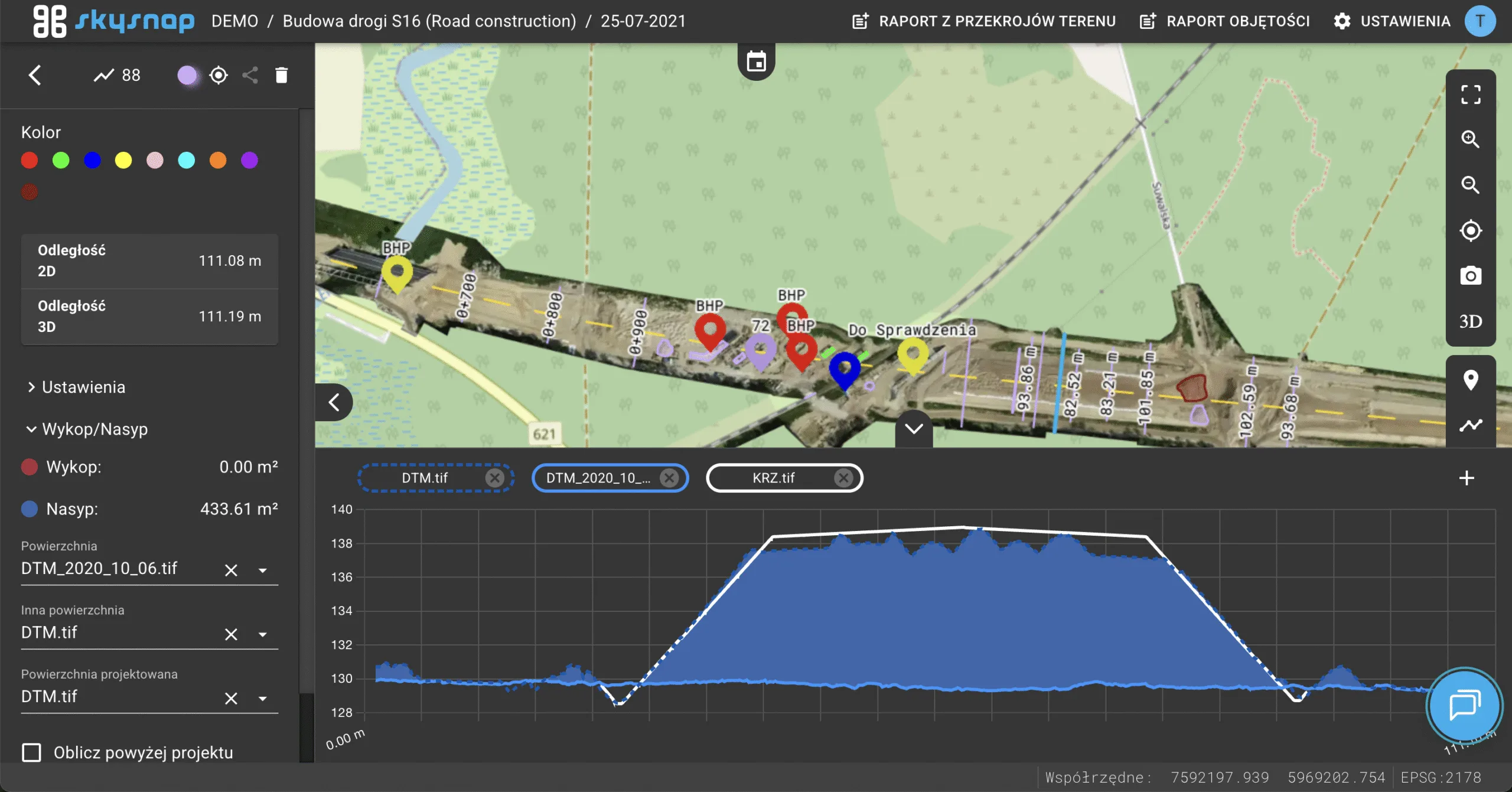
Drones have had a tremendous impact on various industries, offering new opportunities and increasing efficiency. Their applications are diverse and cover many sectors.
- Construction: Using drones to monitor construction projects improves time and resource management.
- Rescue: Drones are used for search and rescue, especially in hard-to-reach areas.
- Film industry: Allow dynamic shots to be shot without the need for helicopters.
With these innovations, drones are helping to reduce costs and increase safety in dangerous situations. Their versatility makes them an invaluable tool in many industries.
First drone flights
The first drone flights were crucial to understanding the potential of the technology. In this section, we take a look at what these pioneering tests looked like and the successes and challenges engineers encountered.
Flight tests and experiments
Flight tests and experiments were necessary to understand the capabilities and limitations of drones. Initial tests were often conducted under controlled conditions to minimize risks.
During the tests, engineers focused on:
- Flight stability: A key aspect was to keep the drones in the air for extended periods of time.
- Range and control: It was tested how far the drone could be controlled from the ground.
- Security: How drones handle unforeseen situations was analyzed.
These tests provided valuable data that influenced the future development of drone technology.
Successes and challenges in drone flight
During the first drone flights, engineers achieved many successes, but at the same time faced various challenges. The success was in understanding how drones can be used in different conditions and what benefits they can bring.
Challenges included:
- Flight time: Drones often had limited runtime due to batteries.
- Signal interference: drone control was difficult in areas with lots of obstacles.
- Regulations: The ever-evolving regulations on drone use have been a barrier.
Despite these challenges, the first flights laid the foundation for further research and development.
The impact of drones on the future
The impact of drones on the future is enormous, as their technology continues to evolve. In this section, we will discuss forecasts for the future of drones and new developments in this dynamic field.
Predictions for the future of drones
Predictions for the future of drones point to their growing importance in many aspects of life. Drones will become increasingly integrated into daily activities and business processes.
- Transportation: The ability of drones to carry people and goods could revolutionize transportation.
- Security: Drones will play a greater role in surveillance and monitoring.
- Precision agriculture: With drones, it will be possible to manage resources more accurately.
The development of drone technology will open up new opportunities that will have a significant impact on various sectors of the economy.
New developments in drone technology
New developments in drone technology include increasingly sophisticated systems that enable widespread use of the technology. Engineers and scientists are constantly working to improve drones to make them more autonomous and efficient.
Key areas of development include:
- AI: Integrating drones with AI will allow for more autonomous operations.
- Sustainability: Creating drones from environmentally friendly materials.
- Internet of Things (IoT): Connecting drones to IoT networks will enable more advanced data sharing.
These new developments will ensure that drones will play an increasingly important role in our daily lives, affecting various sectors of industry and society.

Free E-book
Learn how to use drones in BRD analysis, environmental monitoring or resource distribution. Check out proven deployment models and key digital tools for local government.
Table of Contents:
Do you like the article? Share it with others!
Do you like the article? Share it with others!
Tips, news, insights
Related articles
Check out our articles and get the latest industry news.