How drones are revolutionizing the construction industry
In recent years, drones have gained popularity in a variety of fields, and their impact on the construction industry cannot be underestimated. These high-tech devices are changing the way construction projects are conducted, offering new opportunities for monitoring, planning and safety. With drones in the construction industry, companies can now assess the progress of work more quickly and accurately, leading to time and cost savings. What’s more, drones provide access to hard-to-reach areas, minimizing risks to workers. In this article, we’ll take a look at how drones are revolutionizing the construction industry and the benefits they bring to day-to-day work on construction sites.
Introduction to drones in construction
Drones, also known as unmanned aerial vehicles, are gaining prominence in the construction industry. They enable innovations that speed up and streamline construction processes. Drones in the construction industry offer many benefits, from monitoring to inspections. In this section, we take a look at how drone technology has evolved and how it began to be used in the construction industry.
History and development of drone technology
The history of drones dates back to the early 20th century, when the first attempts to create unmanned aerial vehicles were made for military purposes. As technology advanced, drones began to find applications in various fields, including construction. Commercial use of drones gained momentum in the 21st century, when technologies such as GPS, high-resolution cameras and sensors became more available.
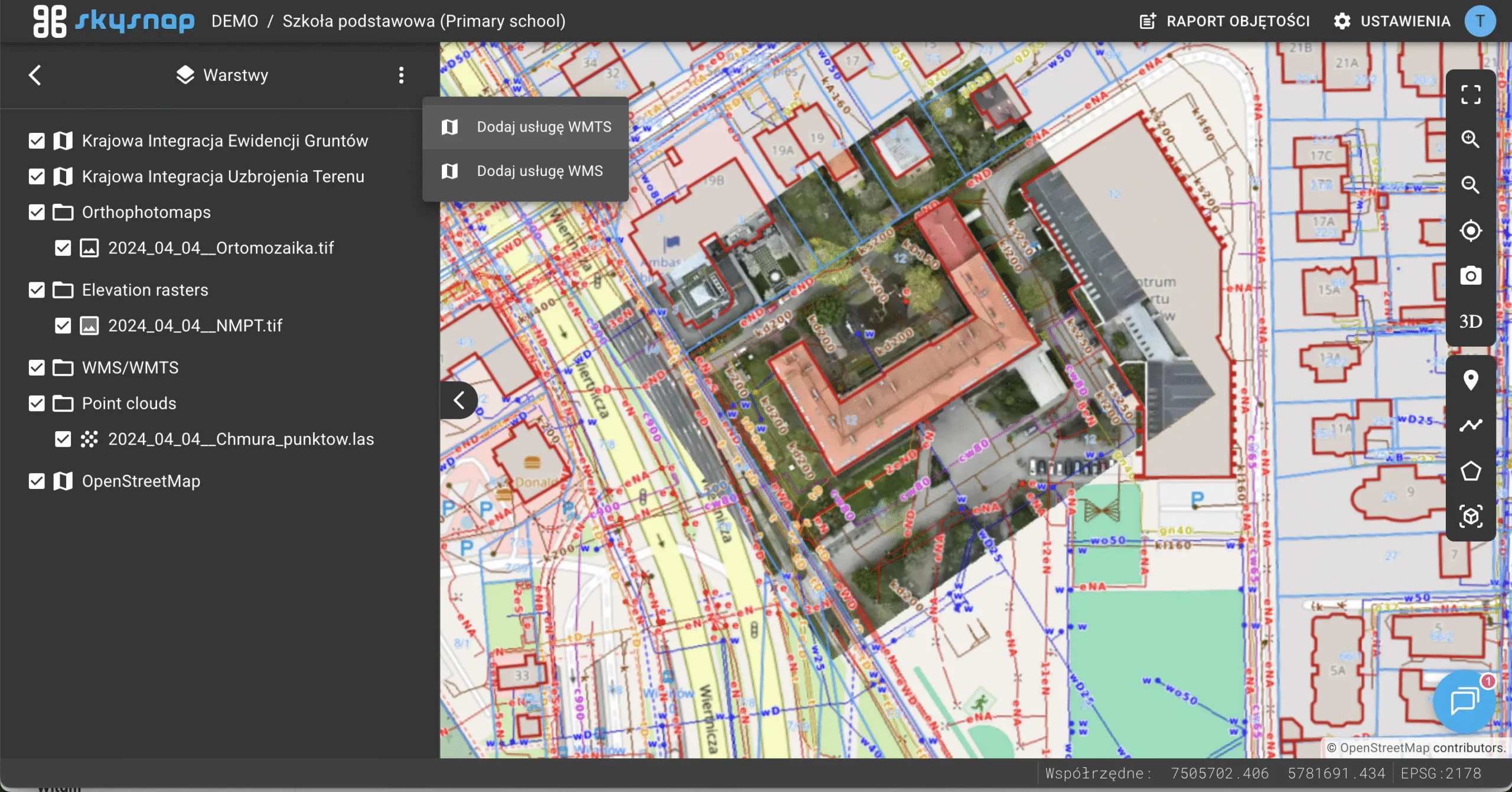
The first uses of drones were closely related to aerial photography and land mapping. Today, drones are widely used in construction to monitor the progress of work and create accurate 3D models.
The development of drones has also seen regulatory changes that have enabled their wider use in the civilian sector. Thanks to these changes, drones have become an invaluable tool in many industries, including construction. We encourage you to learn more about the history of drones in the construction industry.
First drone applications in construction
The first applications of drones in the construction industry took place several years ago, and immediately demonstrated the enormous potential of these devices. Initially, they were used to create topographic maps and photographic documentation of construction sites. Such tools enable faster planning and assessment of the site’s condition before construction begins.
In the years that followed, drones began to be used to monitor construction sites, allowing the progress of work to be tracked in real time. Modern drones are equipped with high-definition cameras to accurately document progress.
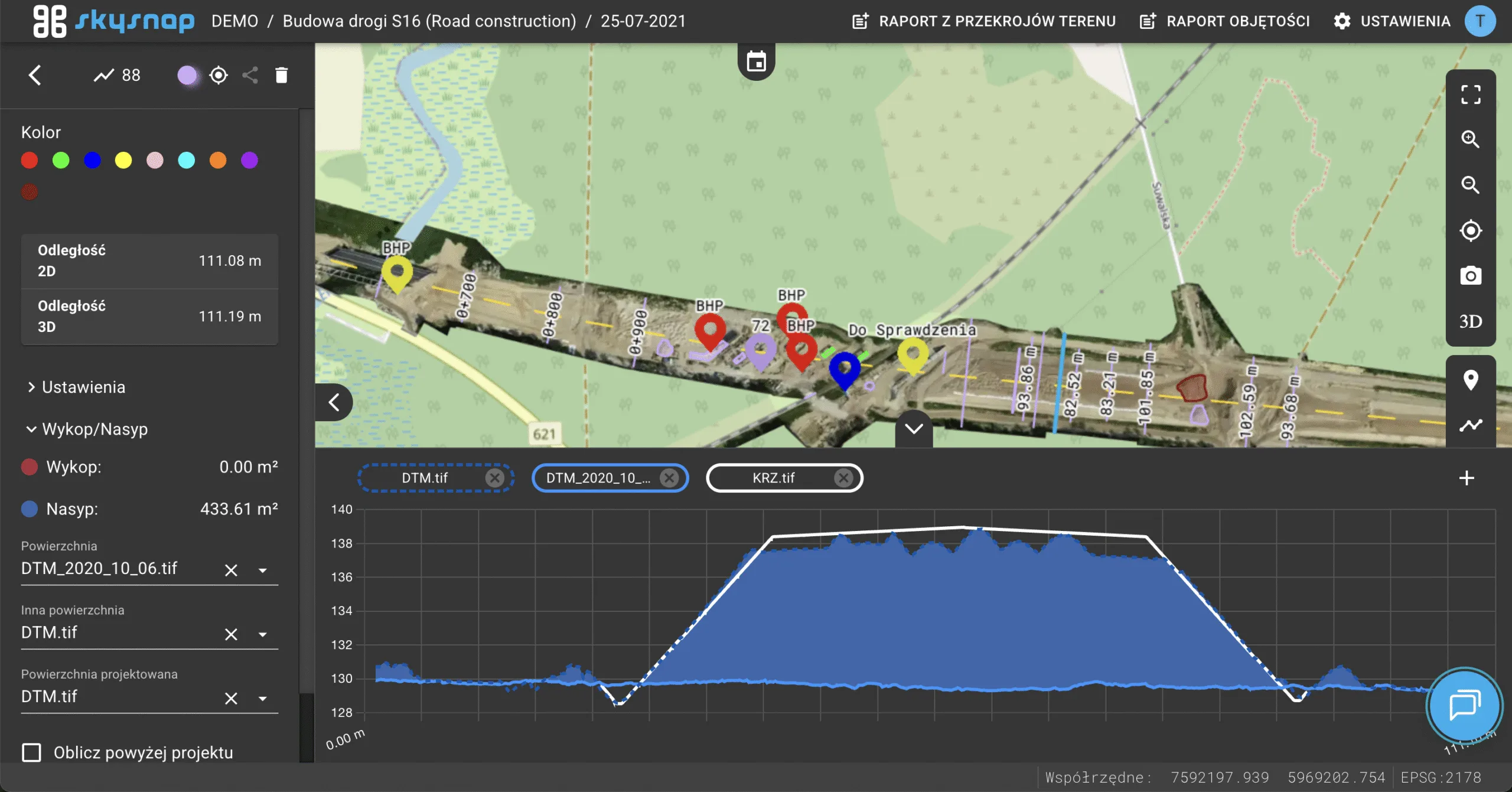
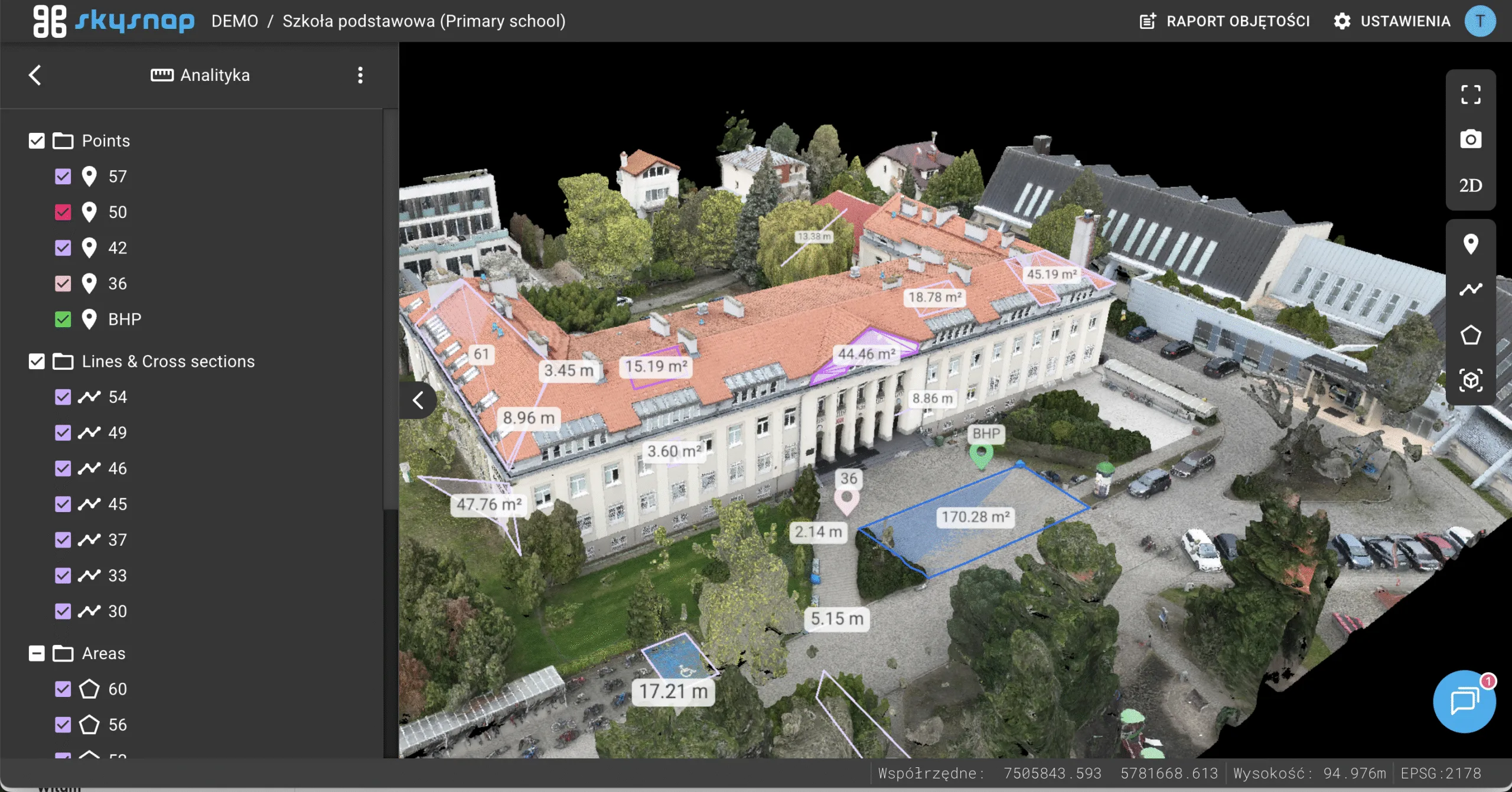
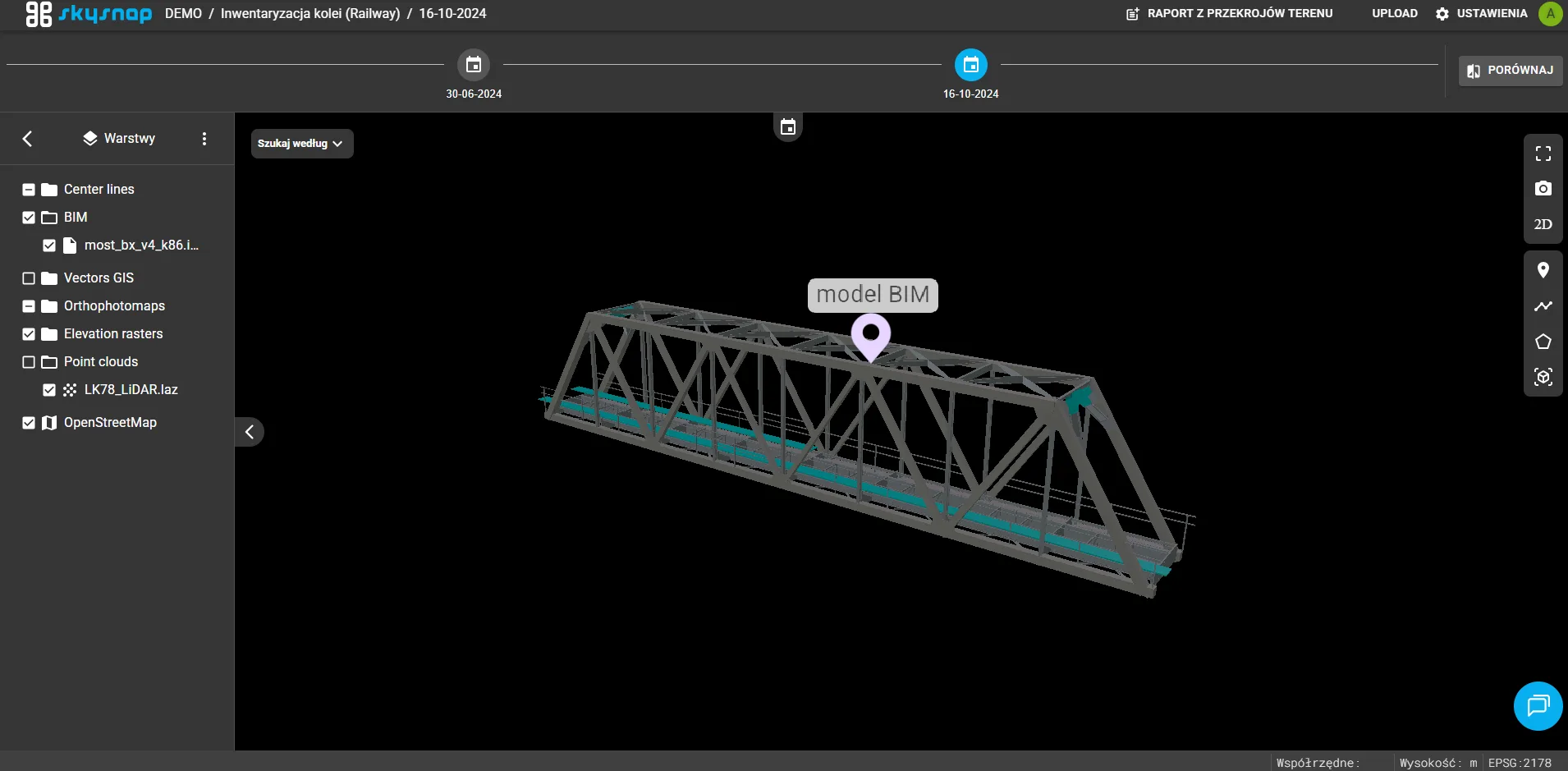
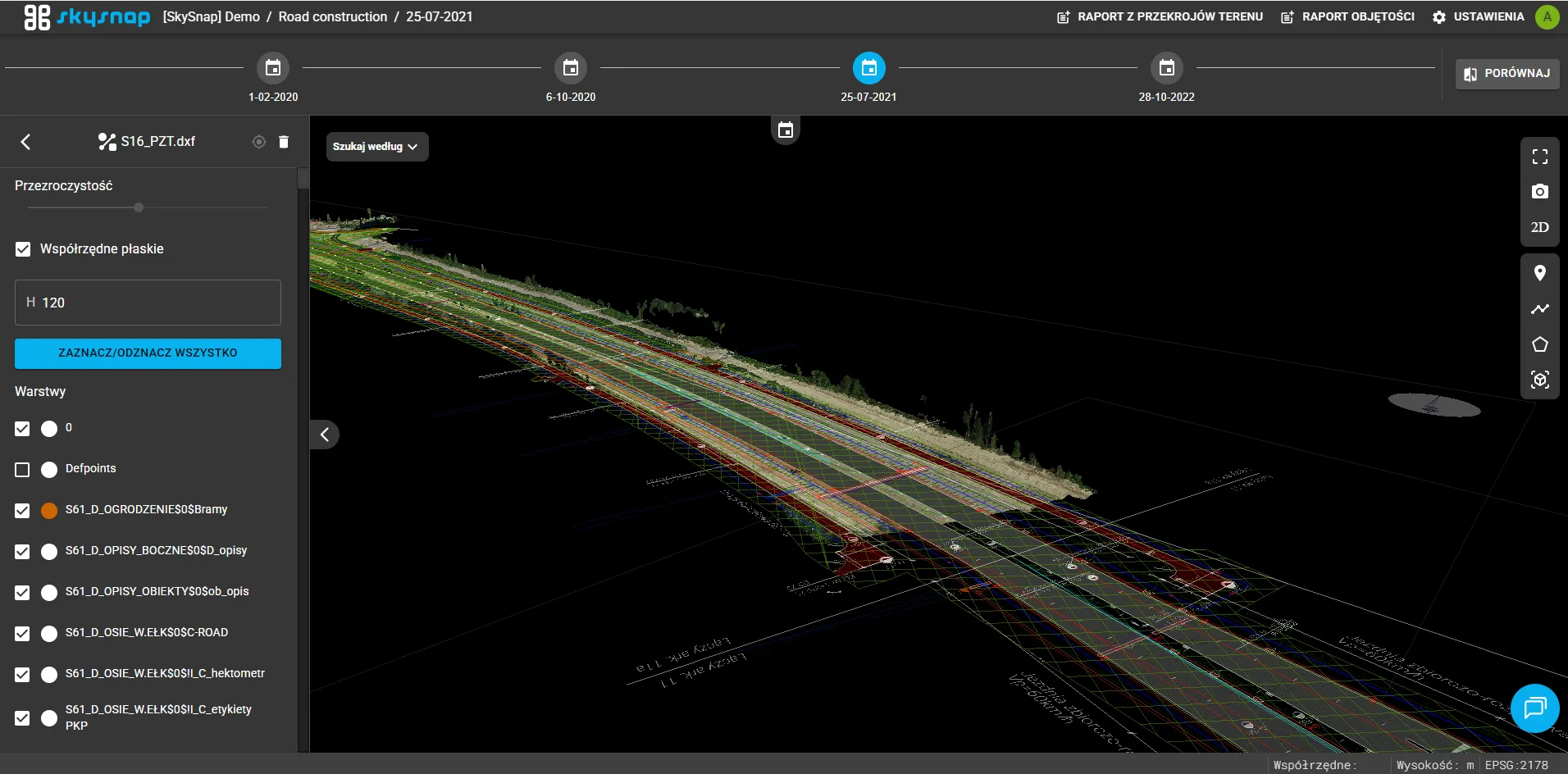
With the use of drones, engineers and designers can now create accurate 3D models of buildings and infrastructure. Drones also help identify potential problems before they become major obstacles.
Advantages of drones in construction projects
Drones in the construction industry offer a number of benefits that contribute to increased efficiency and lower project costs. In this section, we’ll discuss what advantages drones bring, as well as how they affect construction site safety.
Increase efficiency and savings
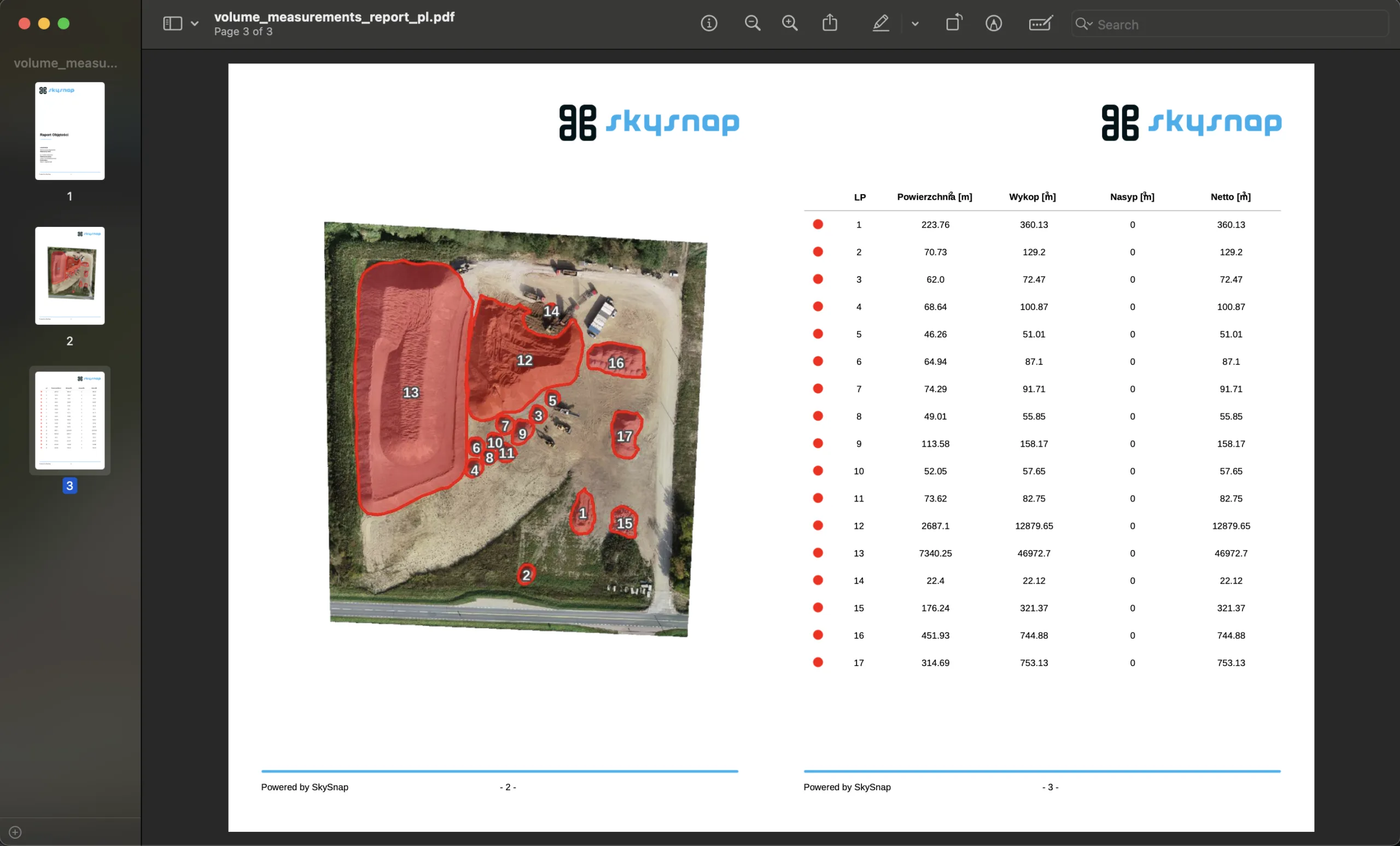
Thanks to drones, construction companies can now run more efficient and cost-effective projects. Drones make it possible to measure sites accurately and quickly and monitor the progress of work. Automating surveying processes reduces the need to hire a large number of workers to perform these tasks.
- Drones reduce the time needed for land inventory.
- Facilitate the creation of accurate terrain and object models.
- They provide constant supervision of the progress of the work, which enables rapid response to problems.
With real-time monitoring capabilities, project managers can quickly identify and resolve problems, leading to less downtime and reduced costs associated with delays.
Safety and risk reduction
Construction site safety is a priority for any construction company. Drones help reduce risks by enabling safe inspections of hard-to-reach areas. With drones, workers can avoid dangerous situations, such as working at heights or in hazardous environments.
- Inspections of roofs and tall structures can now be carried out without risk to workers.
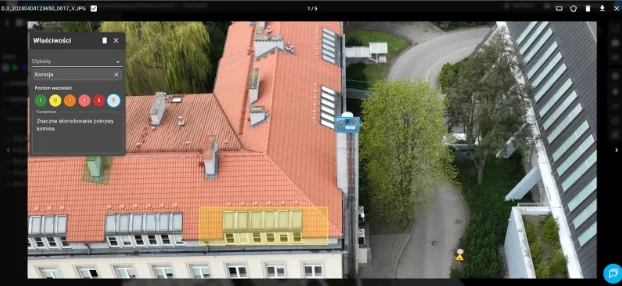
- Drones make it possible to quickly detect potential hazards, such as structural damage.
- They also provide the ability to monitor compliance with construction site safety rules.
The use of drones also means a lower risk of accidents and a reduction in the number of incidents related to rough work, which is invaluable for improving overall safety.
Practical applications of drones on construction sites
Drones are widely used on construction sites to support a variety of processes. From progress monitoring to inspections and documentation, drones are becoming an integral part of modern construction projects.
Monitoring the progress of the work
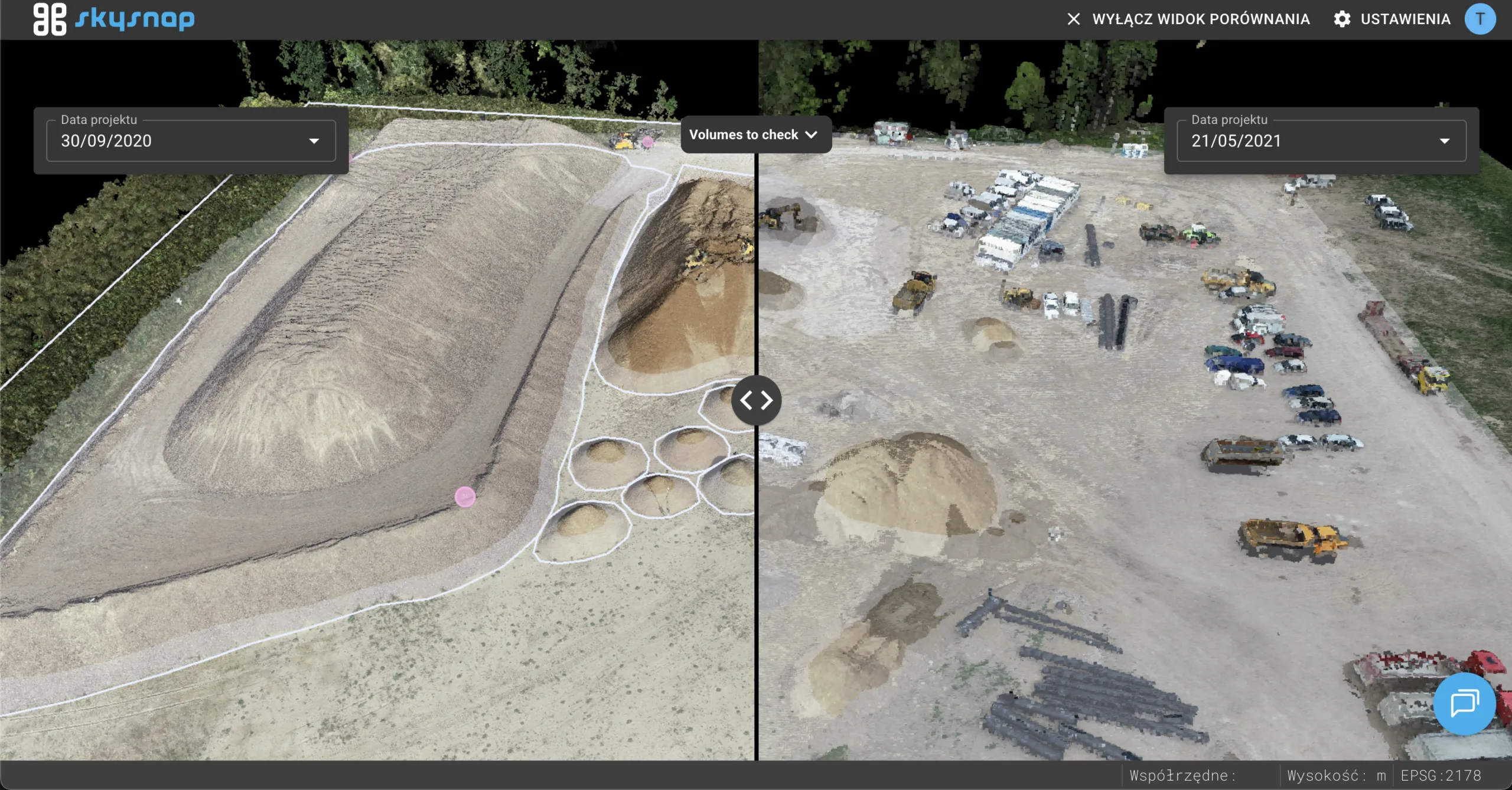
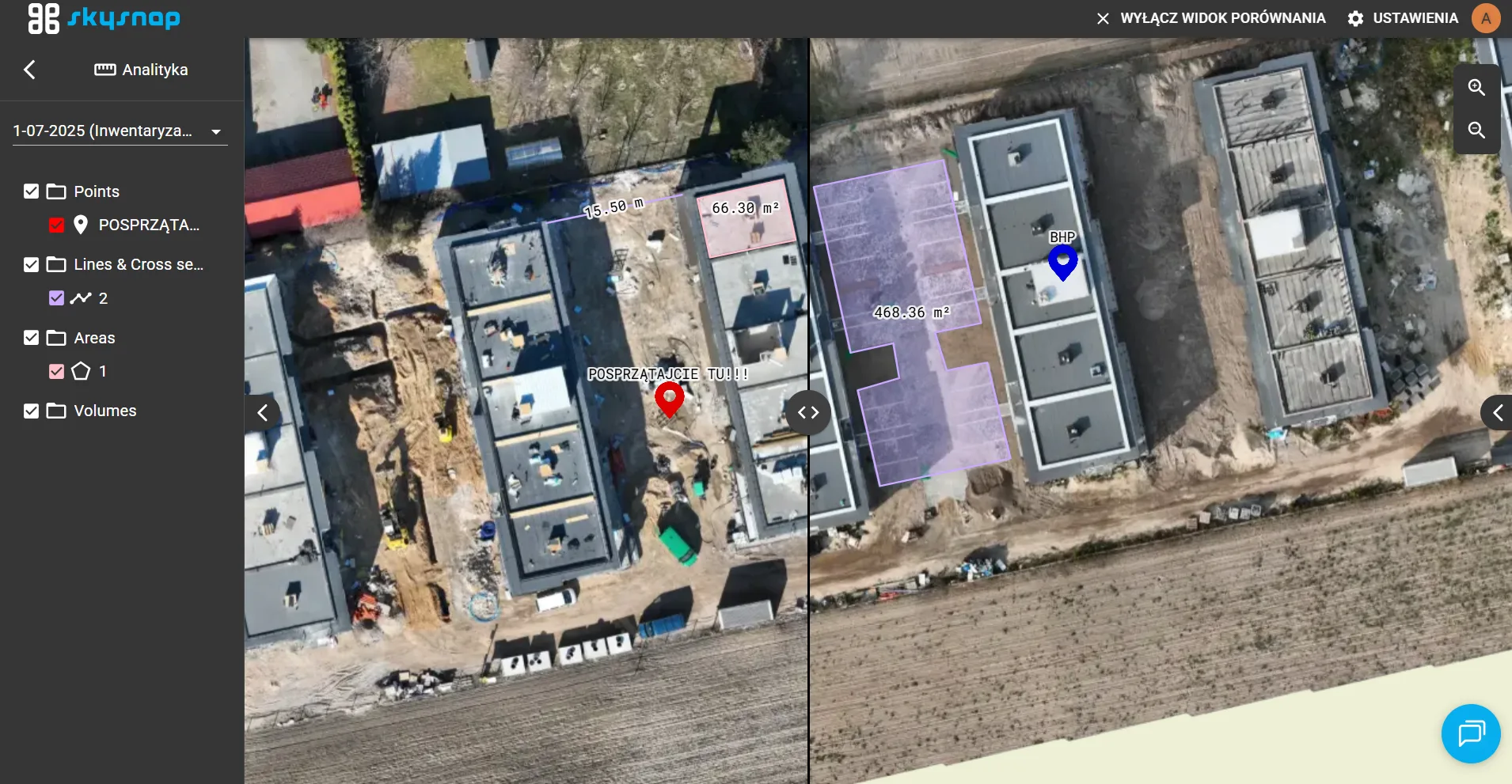
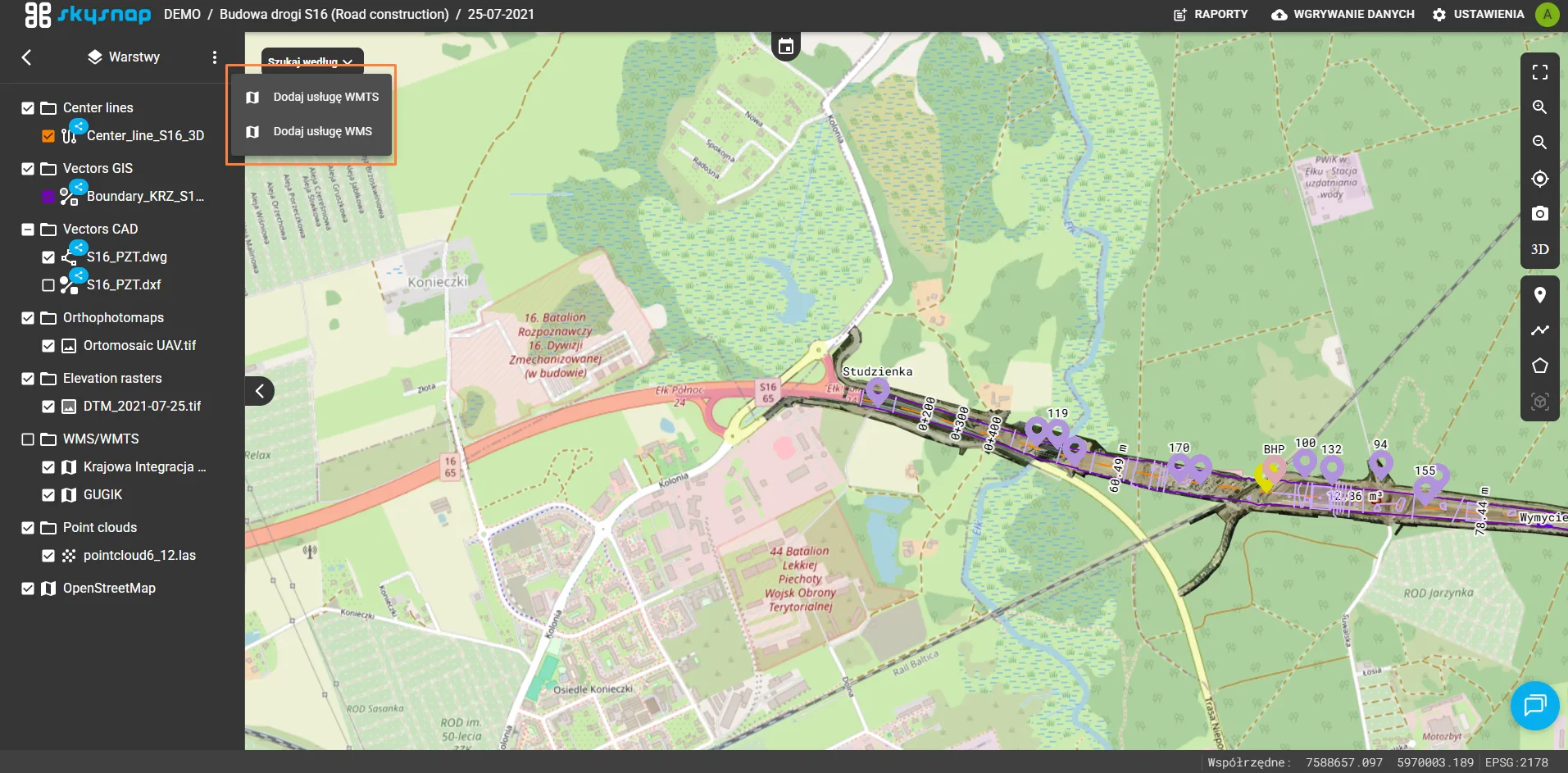
Monitoring the progress of work is one of the most common uses of drones on construction sites. With regular drone flights, project managers can get an accurate picture of progress and identify any delays.
Drones make it possible to create bird’s-eye images and videos that can be easily analyzed. With this data, it is possible to compare the current status of the work with the planned schedule.
- Regular inspections from drones can quickly identify areas requiring additional resources.
- The collected data is stored in the cloud, allowing access to it from anywhere at any time.
- Drone surveillance also means better control over the quality of the work being done.
Inspections and documentation
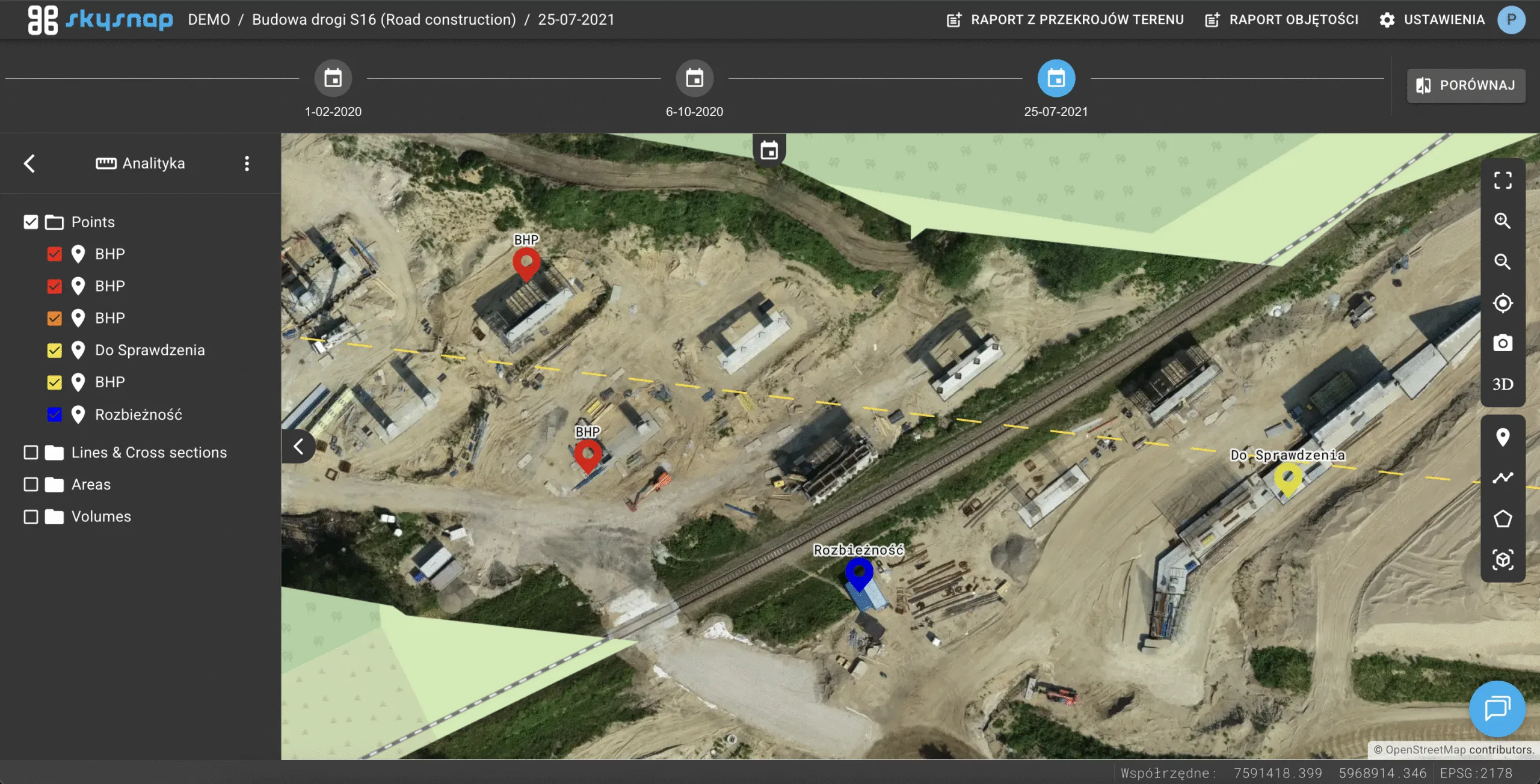
Inspections and documentation are other areas where drones play a key role. With drones, inspections can be carried out faster and cheaper than with traditional methods. Drones equipped with cameras and sensors can accurately document the condition of buildings and infrastructure.
- Inspections of facades and other hard-to-reach areas are now simpler and safer.
- Drones allow the creation of detailed photographic documentation, which is extremely important for legal and insurance purposes.
- With drones, it is also possible to track the compliance of the work with the project, which is crucial for staying on schedule and on budget.
Documentation from drones is invaluable in the event of potential claims or legal disputes, as it provides essential evidence in the form of photos and videos.
Challenges of drone use
While drones offer many benefits, their use also comes with some challenges. Legal and regulatory issues, as well as technological limitations, are the main obstacles that companies must overcome in order to realize the full potential of drones.
Legal and regulatory issues
The use of drones in construction is subject to numerous regulations, which vary from country to country and region to region. Drone regulations often include issues related to safety, privacy and liability. In many countries, proper licenses and permits are required to legally use drones.
- Drone operations must comply with airspace regulations.
- Companies must ensure that their drones are registered and marked as required by law.
- It is also necessary to comply with privacy rules, especially in the context of recording video or audio on private property.
These regulations can be complicated and vary from location to location, which is a challenge for construction companies that want to use drones in different locations.
Technological limitations
Despite the rapid development of drone technology, there are still some limitations that can affect their effectiveness in construction. Flight range, limited battery capacity and sensor accuracy are just some of the technological challenges facing drone operators.
- The drone’s flight time is limited, which may require frequent battery changes.
- Weather conditions can affect the ability to operate drones safely.
- Drones can have difficulty collecting data accurately in difficult terrain.
These constraints require construction companies to constantly seek new solutions and invest in more advanced technologies.
The future of drones in construction
The future of drones in the construction industry looks promising, with many innovations and new opportunities on the horizon. In this section, we’ll take a look at what innovations are likely to emerge in the coming years and what the outlook is for the construction market in terms of drone use.
Innovation and new opportunities
The development of drone technology is not standing still. New innovations in the areas of artificial intelligence, data analysis and autonomous flight systems are opening up entirely new possibilities for drones. In the future, drones may be able to autonomously analyze collected data and make decisions in real time.
- The use of artificial intelligence for image analysis will enable automatic detection of problems.
- Autonomous drones can perform complex tasks without the need for constant operator supervision.
- Developments in sensor technology will increase the precision and capability of drones in collecting data.
These innovations will further increase the efficiency and safety of construction projects, as well as their profitability.
Forecasts for the construction market
Forecasts for the construction market point to the growing importance of drones in the coming years. Increased interest in drone technology is evident around the world, and construction companies are increasingly investing in these devices to increase their competitiveness.
- The market for drones in construction is expected to continue to grow as the technology improves.
- Drones are expected to become a standard tool in construction projects in the future.
- Companies that invest early in drone technology will gain a competitive advantage in the market.
As drone technology continues to evolve, we can expect even more innovations and benefits to further revolutionize the construction industry.
Table of Contents:
Do you like the article? Share it with others!
Do you like the article? Share it with others!
Tips, news, insights
Related articles
Check out our articles and get the latest industry news.