How construction drones are revolutionizing construction project management
Nowadays, technology plays a key role in almost every industry, and the construction sector is no exception. Drones on construction sites have become an integral part of modern construction project management, bringing with them many benefits. Thanks to them, it is possible to precisely monitor the progress of work, which significantly affects the efficiency and quality of ongoing investments. Modern drones provide accurate data for better planning and decision-making. In this article, we will take a look at how drones on construction sites are changing the face of project management and what innovations they are bringing to daily work on site.
Introduction to drones on construction sites
Drones, also known as unmanned aerial vehicles, were initially used primarily for military purposes. Over the years, the technology has become more available for commercial applications, including construction. Developments in drone technology have contributed to their miniaturization and increased accuracy and efficiency.
In the construction industry, drones began to be used about a decade ago. Initially, they were mainly tasked with taking aerial photos. Over time, their functionality has expanded with advanced sensors such as LiDAR, enabling 3D mapping and more advanced terrain analysis.
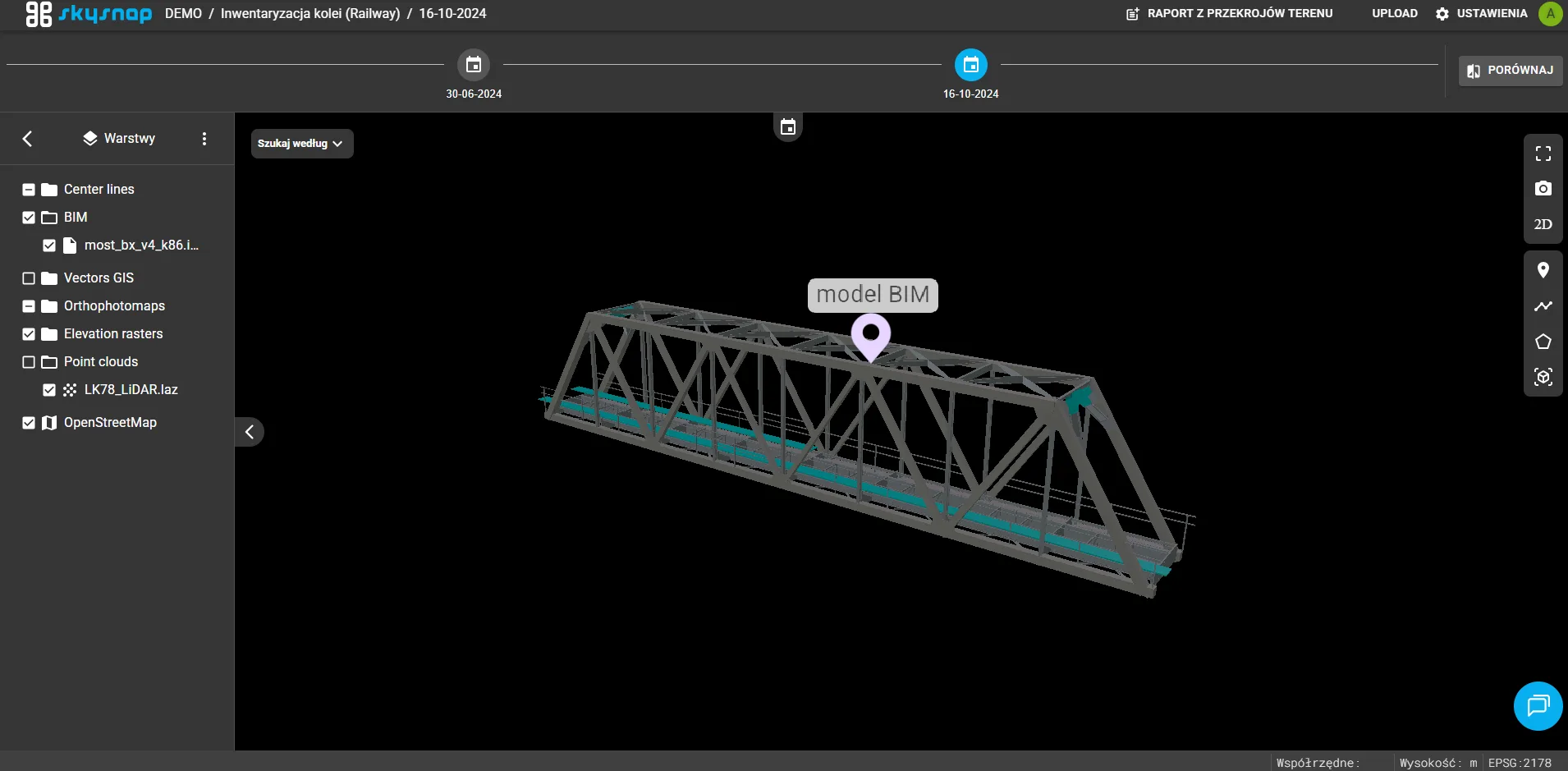
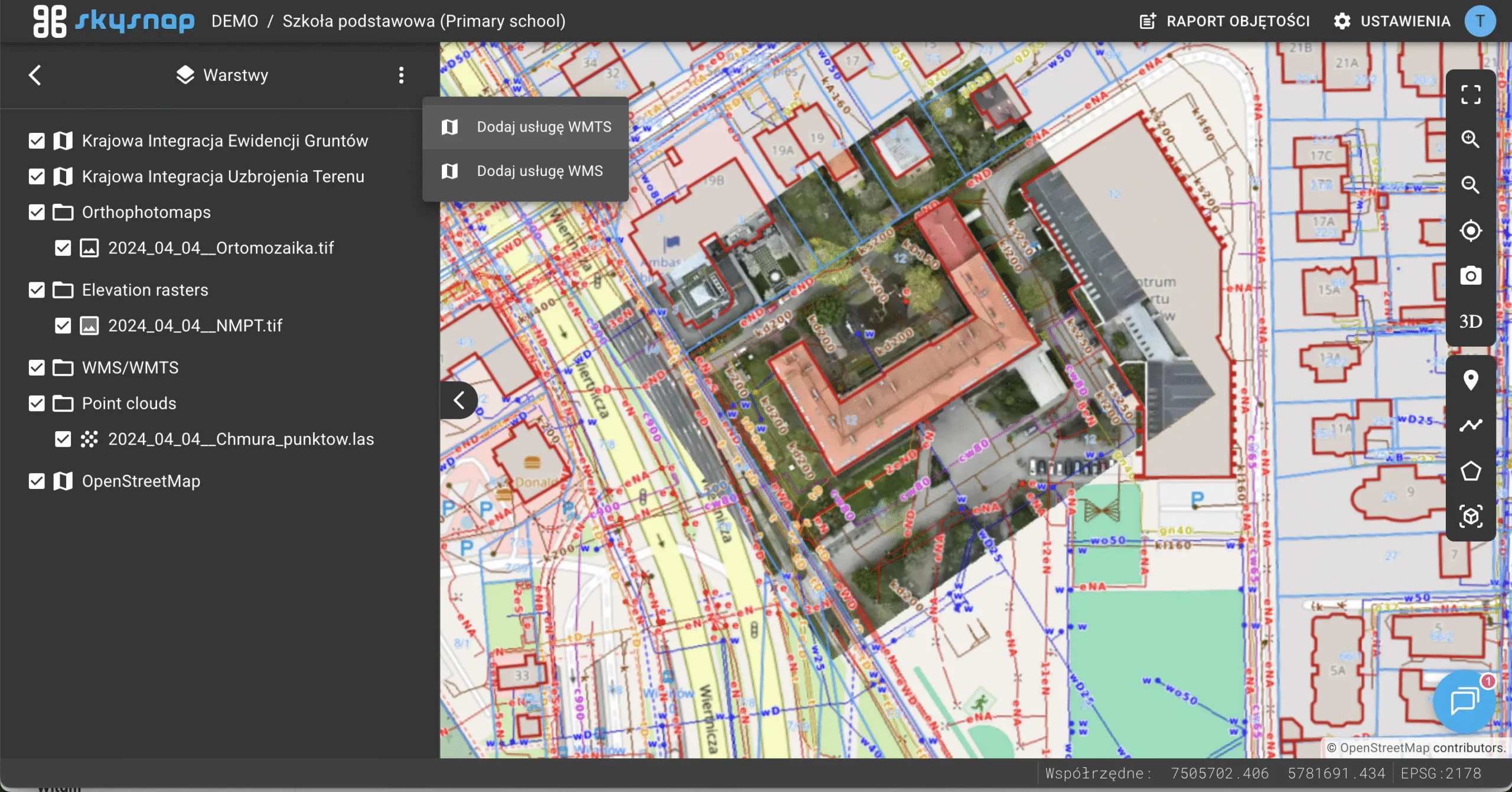
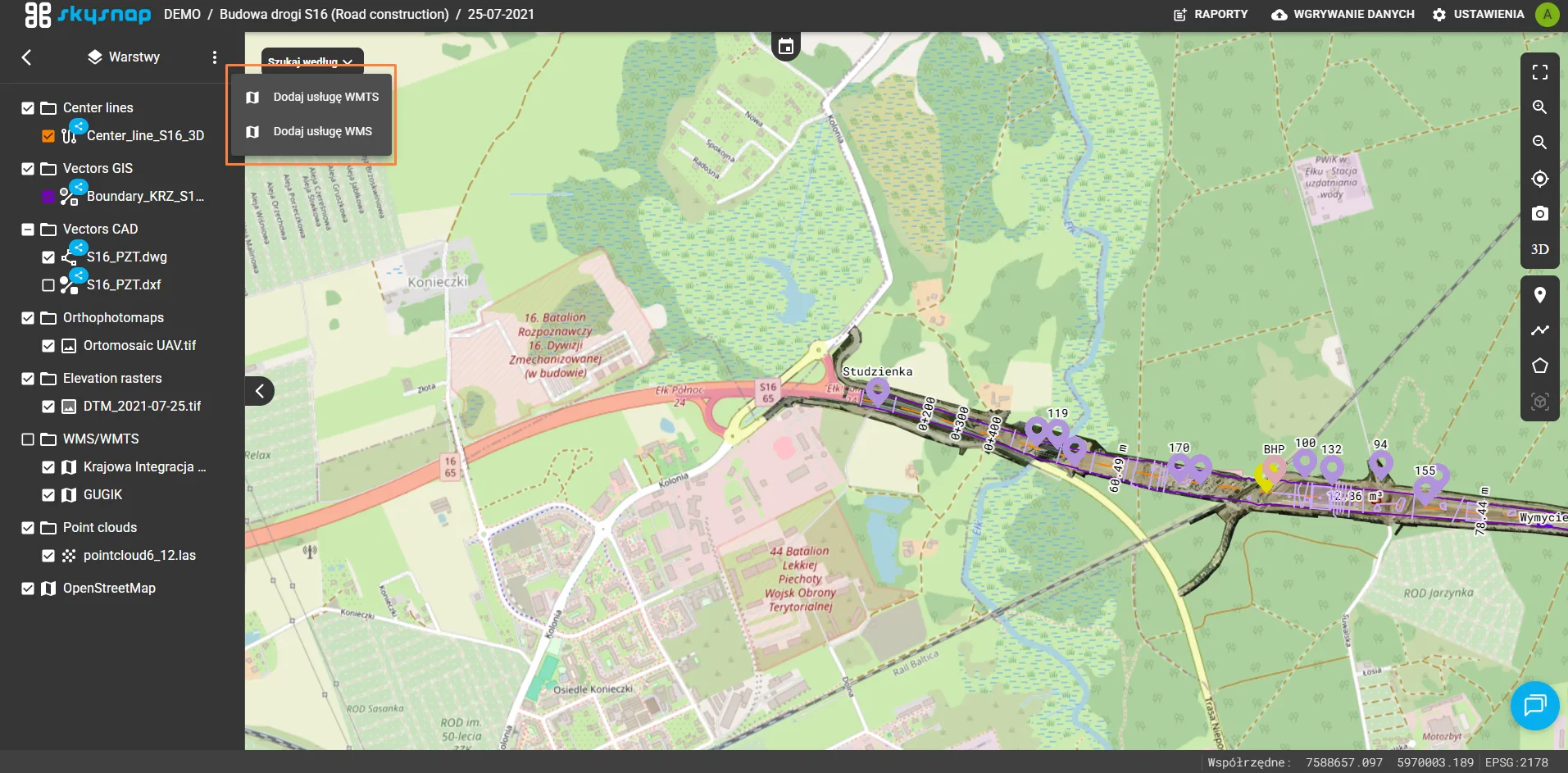
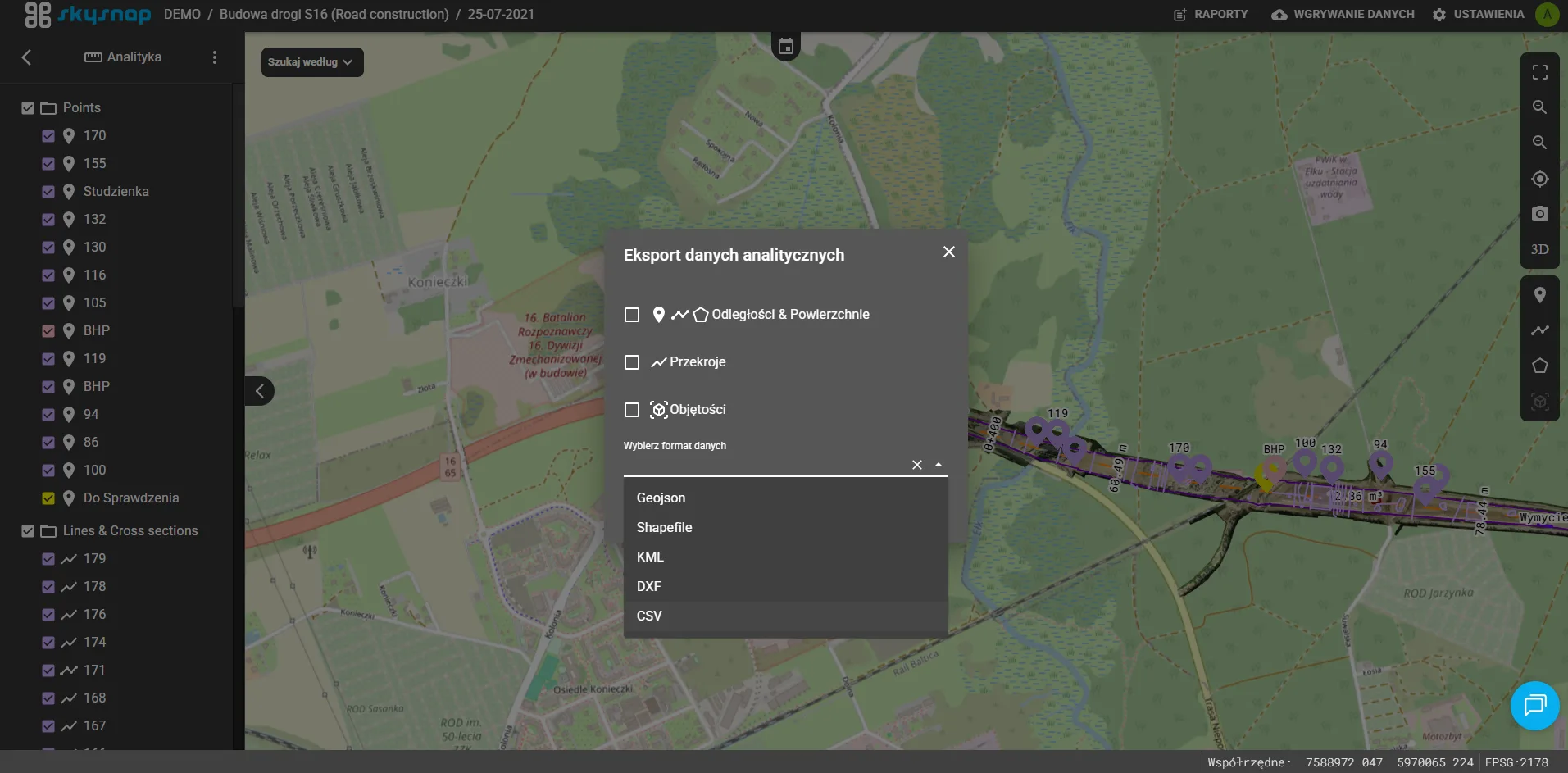
Advances in drone technology now allow them to integrate with other systems, such as BIM models, making it easier to manage projects. This has made them an integral part of modern construction, allowing for precise monitoring and reporting.
Why drones are important in construction
Drones offer a number of benefits that help make construction projects more efficient. The precise data they provide allows for better planning and elimination of errors in the early stages of a project. The use of drones also enables faster response to changes in construction plans and conditions.
Drones on construction sites help monitor the progress of work in real time. They can provide up-to-date information on the status of the construction site, which is crucial for making management decisions. Drones can also identify potential hazards, increasing safety on the construction site.
In addition, drones contribute to cost savings. They replace traditional inspection methods, which can sometimes be time-consuming and costly. They make it possible to perform inspections faster and cheaper, which is especially important in large construction projects.
Drone applications on construction sites
Drones on construction sites are used in a wide range of applications, from inspections to advanced terrain modeling. In this section, we’ll discuss how drones are being used for a variety of tasks on construction sites, allowing for more efficient project management.
Inspections and progress monitoring
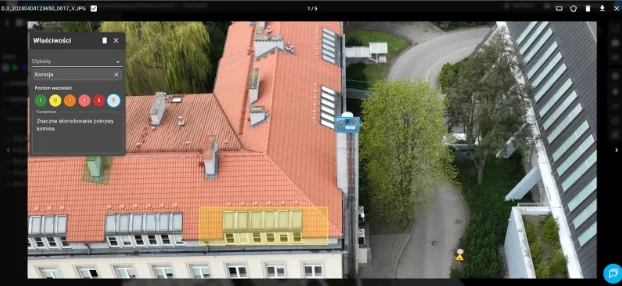
Drones are an ideal tool for construction inspections. They can quickly and safely assess the condition of a structure from the air. Drones equipped with high-resolution cameras provide detailed images that help identify defects and potential problems.
Drone inspections are not only faster, but also safer. Traditional methods often require the use of scaffolding or cranes, which comes with risks. Drones eliminate these hazards, allowing construction status to be assessed from a safe distance.
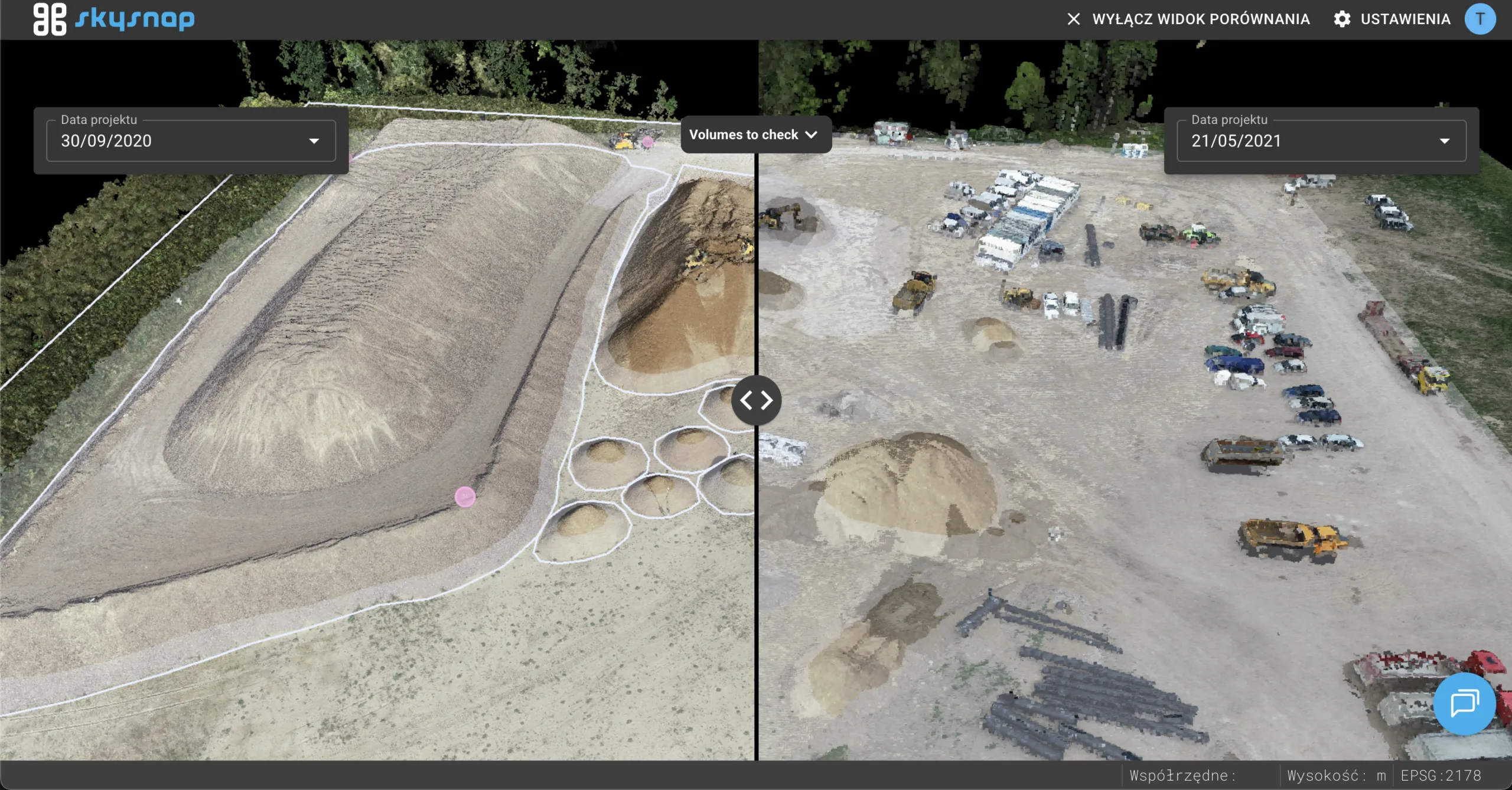
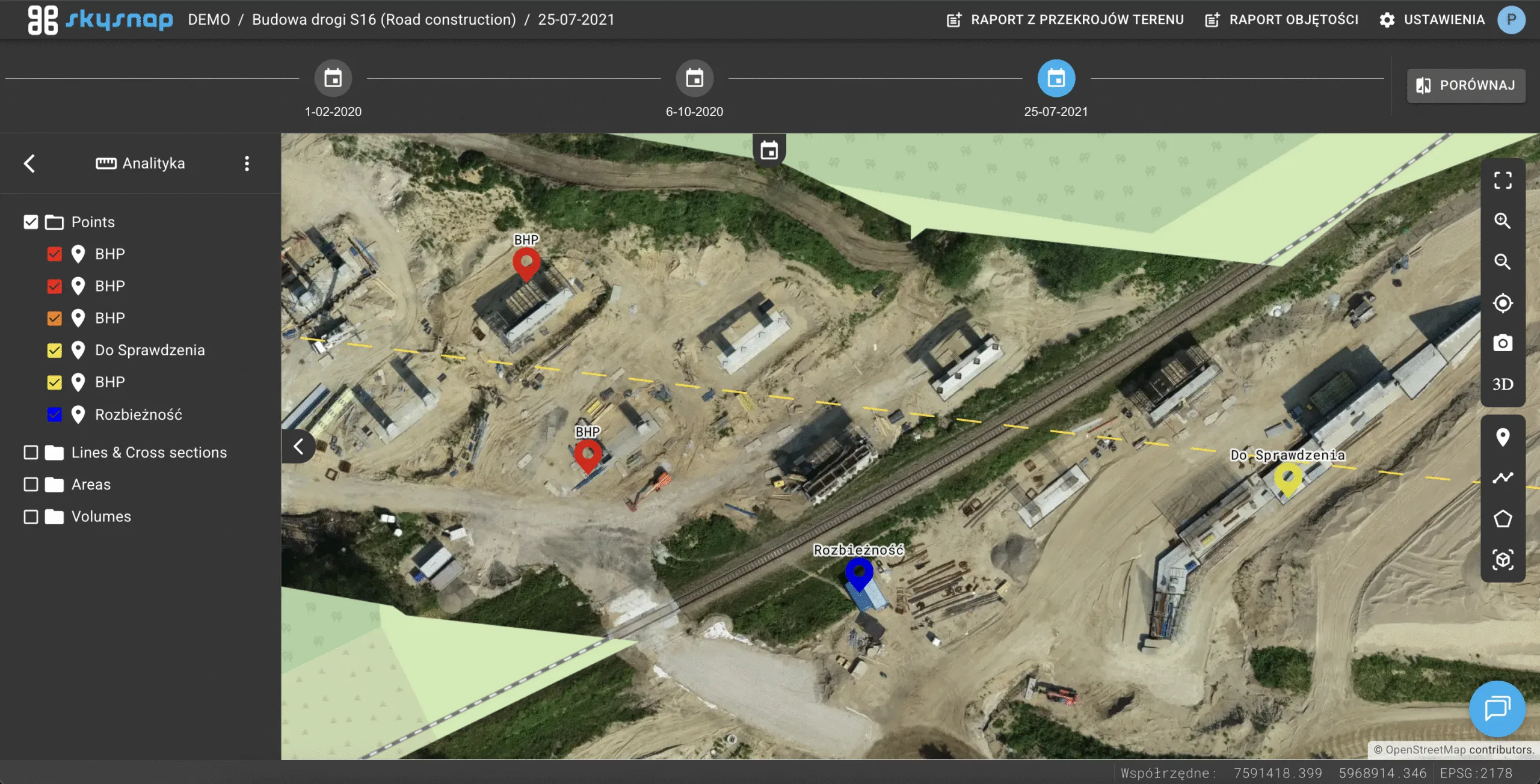
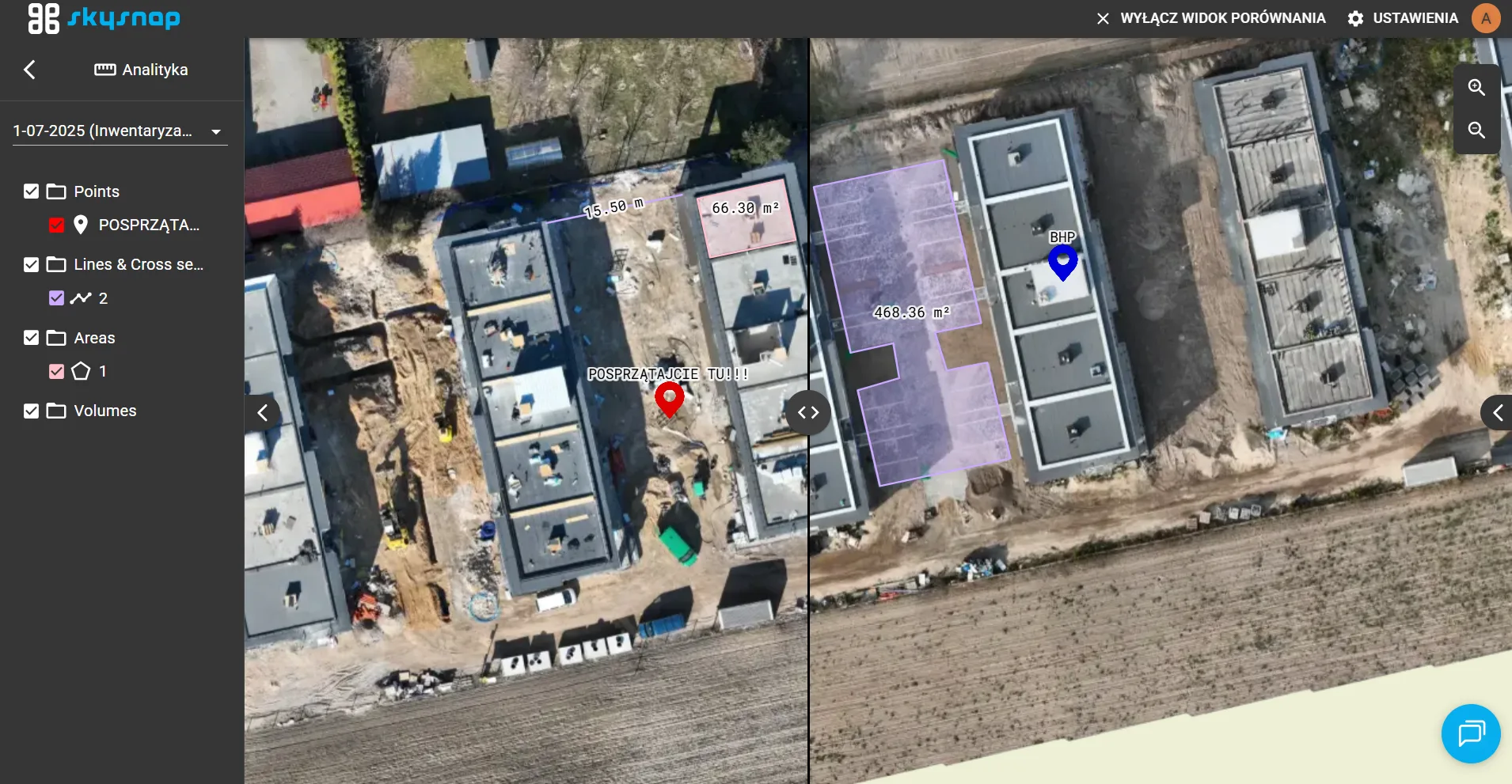
Drones can also monitor construction progress. Regular flights allow for visual documentation, making it easier to track changes and compare them to the work schedule. This makes project management more transparent and controlled.
Site mapping and modeling
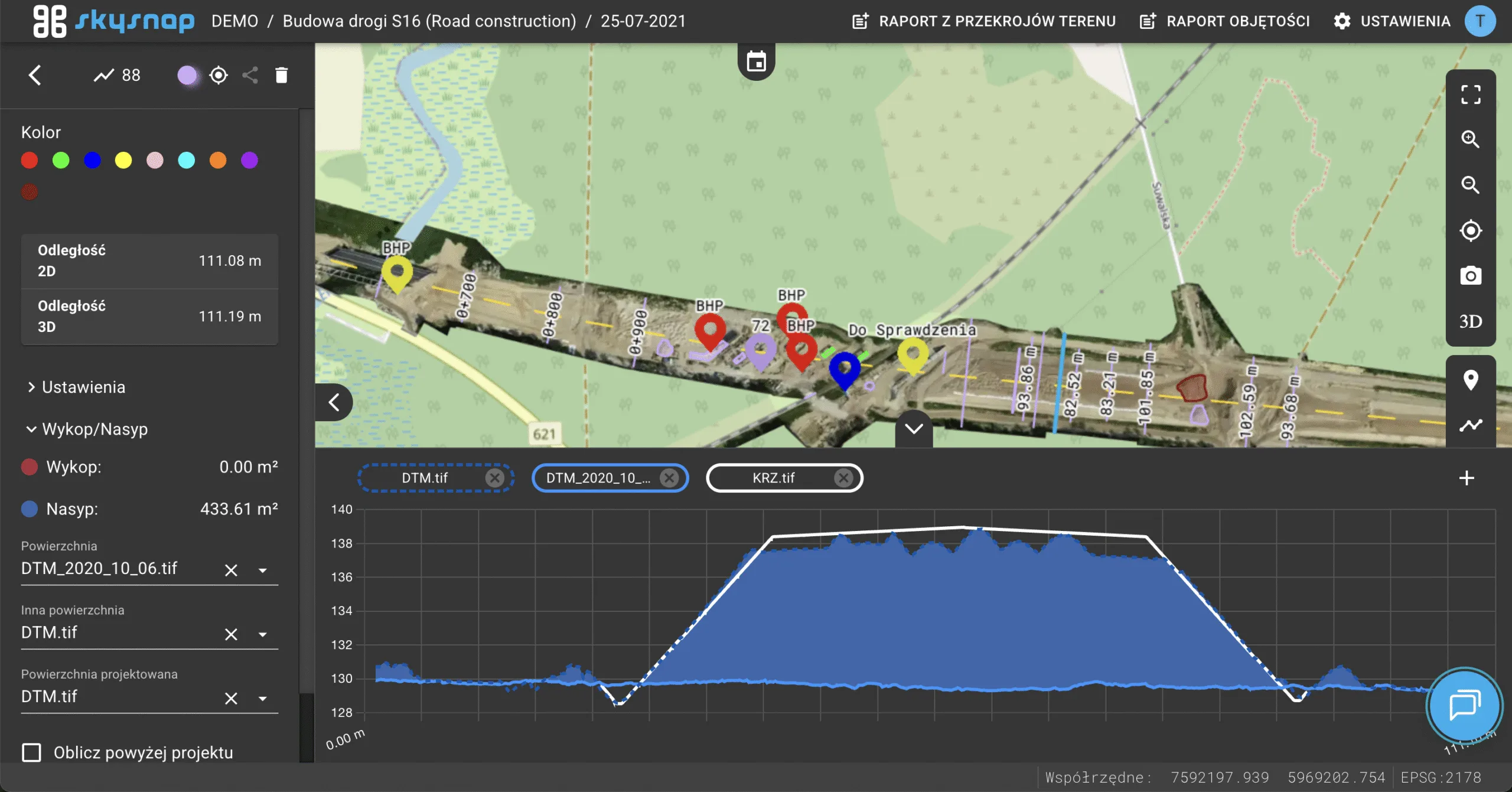
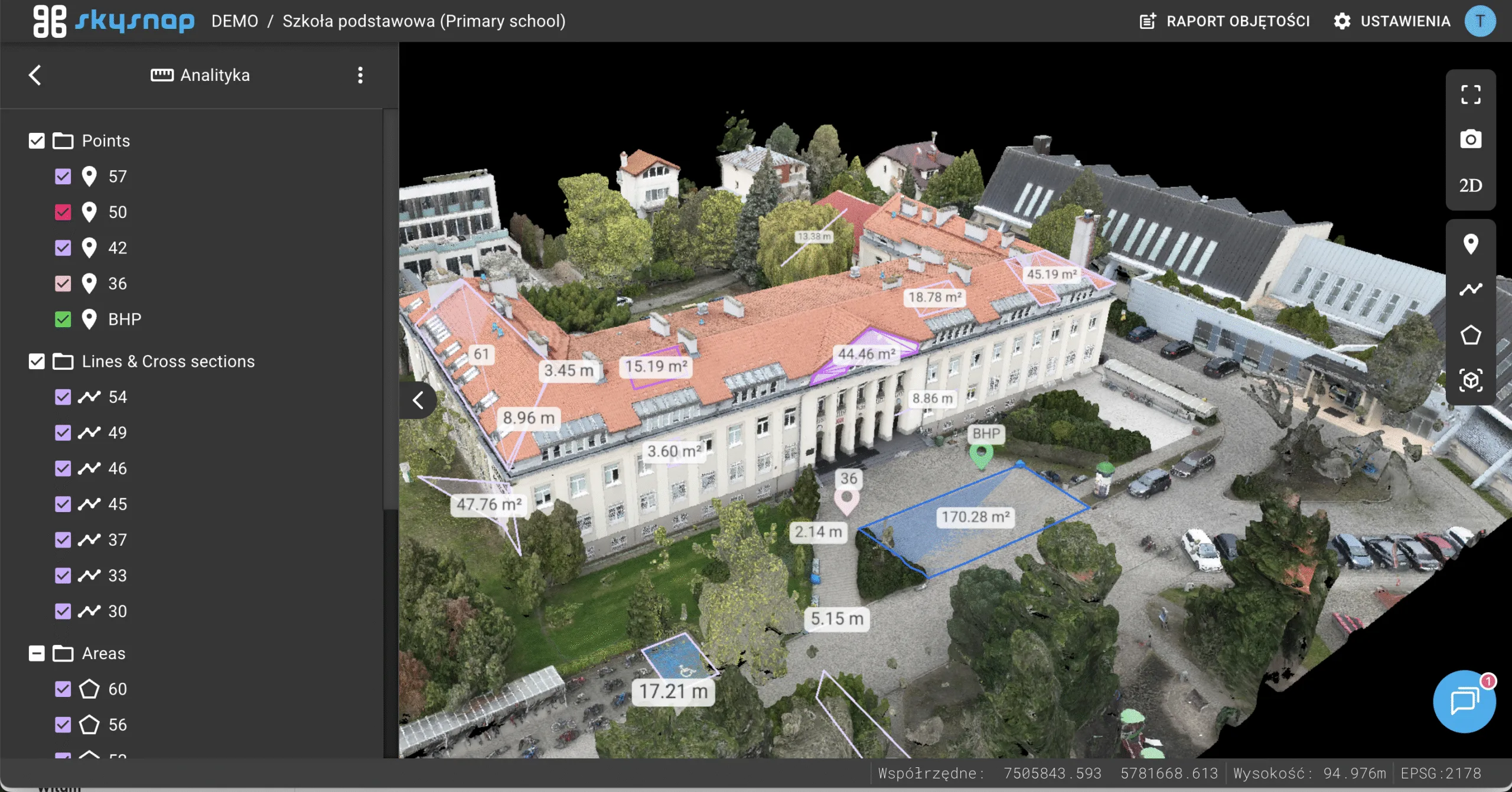
Site mapping with drones allows for accurate mapping of construction areas. Drones equipped with technologies such as LiDAR can create detailed 3D maps that are invaluable for planning and design.
Site modeling allows you to visualize your project before construction begins. This allows potential problems to be identified and necessary corrections to be made before work begins, saving time and costs.
Drones also make it easier to control changes in the field during the project. Regular flights allow models to be updated, which is key to tracking the progress of work and adjusting plans to current conditions.
Benefits of using drones in construction projects
The benefits of using drones in construction are numerous. Drones increase time and cost efficiency, as well as improve safety on the construction site. Below, we will discuss in detail what benefits drones bring to construction sites.
Time and cost efficiency
Drones allow a significant reduction in the time needed to perform inspections and monitor construction progress. Instead of days, it takes only a few hours to collect data from large areas. This allows for faster decision-making and acceleration of the project.
The use of drones also significantly reduces costs. They eliminate the need to hire expensive equipment, such as cranes or helicopters, to perform inspections. Drones can be used repeatedly, further reducing the expense of monitoring construction.
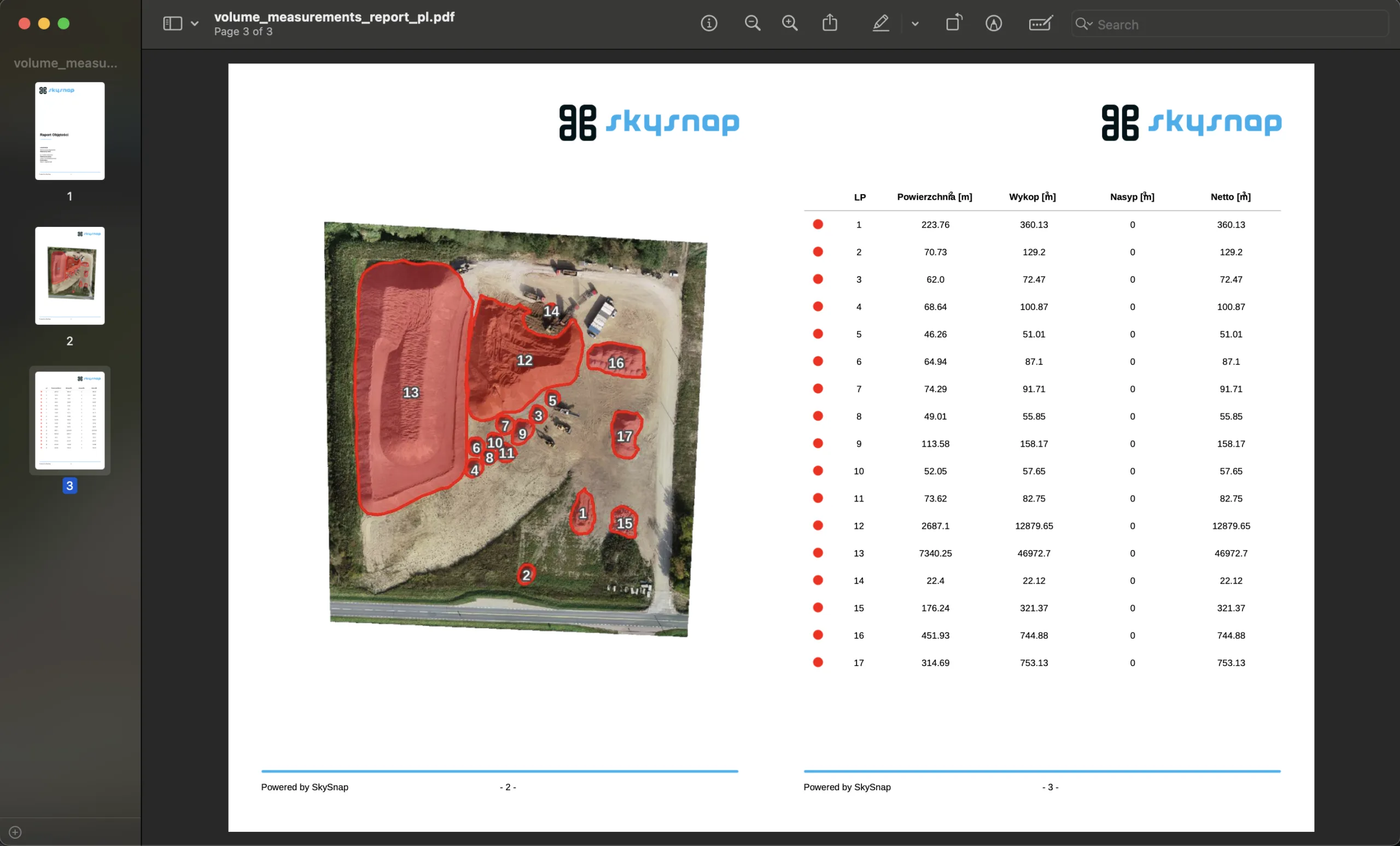
The introduction of drones into construction project management also helps optimize the use of resources. With precise data, human and material resources can be better planned and allocated, resulting in less waste and greater efficiency.
Improving safety at the construction site
Safety is a key aspect of any construction project. Drones help improve it through remote inspection and monitoring, eliminating the need to expose workers to dangerous situations.
Drones can identify threats that may not be visible from ground level. This allows for a quick response to potential problems and preventive measures. This increases safety and reduces the risk of construction site accidents.
In addition, drones can be used to monitor compliance with health and safety regulations. They can record site behavior and identify violations, allowing for quick intervention and safety training for workers.
Challenges and the future of drones on construction sites
Despite its many benefits, the use of drones on construction sites comes with some challenges. Laws and regulations, as well as future innovations, will have a key impact on the further development of this technology. In this section, we will explore these aspects.
Laws and regulations
The use of drones in construction must comply with current regulations. Regulations regarding the use of drones are diverse and can vary from country to country or region to region. Compliance with these regulations is key to legal and safe drone use.
In Poland, the use of commercial drones requires obtaining the appropriate licenses and certifications. Operators must be properly trained and aware of applicable regulations. This safeguards against illegal drone use and minimizes the risk of accidents.
Drone regulations may also include restrictions on flight altitude, no-fly zones and privacy. Understanding and complying with these regulations is essential for any construction company planning to use drones.
Innovation and future technologies
Drone technology is constantly evolving, and the future will bring even more innovations. One of the most promising directions is the automation of drone flights, which will allow for even greater efficiency and precision.
New technologies can also include more advanced sensors and cameras that will provide even more accurate data. Innovations in data processing and artificial intelligence can enable faster analysis of the information collected and even better management of construction projects.
The future of drones in construction may also include their integration with other technologies, such as the Internet of Things (IoT) and blockchain, which could make project management even more transparent and efficient.
Examples of drone deployments on construction sites
The use of drones in construction has already brought many successes around the world. In this section, we will present examples of implementations from Poland and abroad that demonstrate the diversity and potential of this technology.
Case studies from Poland
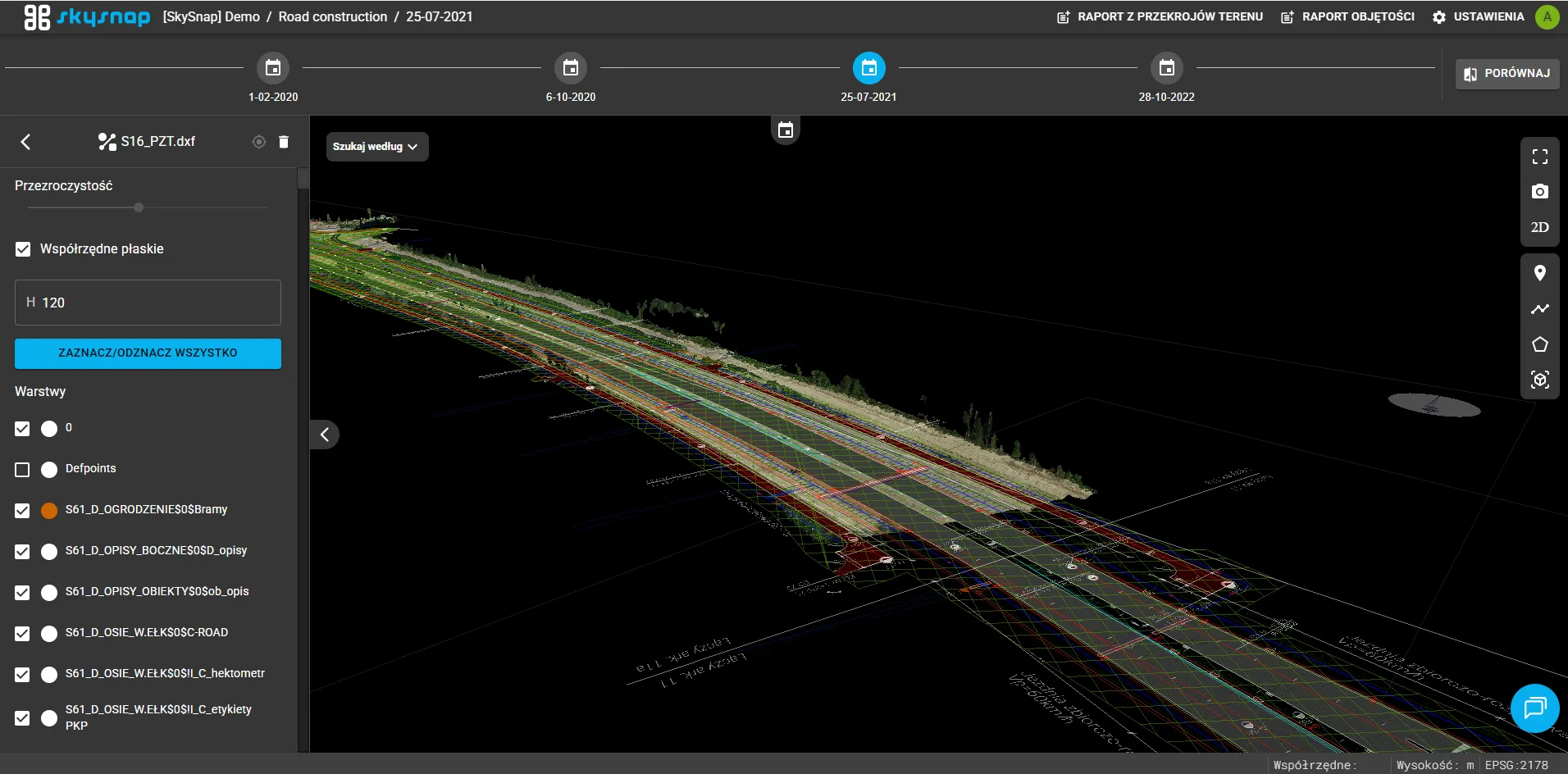
In the Polish market, more and more construction companies are choosing to implement drones into their projects. One such case is the construction of a modern railroad line, where drones were used to monitor progress and inspect infrastructure.
Thanks to the drones, problems with the track surface could be detected quickly, allowing them to be corrected immediately and avoiding delays. The drones also provided data for creating precise maps of the area, which facilitated the planning of further stages of construction.
In another case, at a large construction site in Warsaw, drones were used to inspect tall structures, improving safety and reducing costs associated with renting heavy equipment.
International projects and experiences
International experience with drone use in construction is equally impressive. In the United States, drones were used during the construction of large sports complexes, where they monitored construction progress and ensured compliance with the schedule.
In Dubai, drones are an integral part of the construction of modern skyscrapers. They make it possible to accurately track the progress of work on different floors, which is crucial for coordinating activities and completing projects on time.
In Japan, drones are being used to inspect infrastructure after earthquakes, allowing rapid assessment of damage and planning for necessary repairs. These examples show how diverse and multifaceted the use of drones on construction sites can be.

Free E-book
Learn what services to offer, who to sell them to, and how to write an effective offer email. Ready-made templates, tips and examples of campaigns that really work.
Table of Contents:
Do you like the article? Share it with others!
Do you like the article? Share it with others!
Tips, news, insights
Related articles
Check out our articles and get the latest industry news.