Digital terrain model vs. drones: How to use the technology effectively?
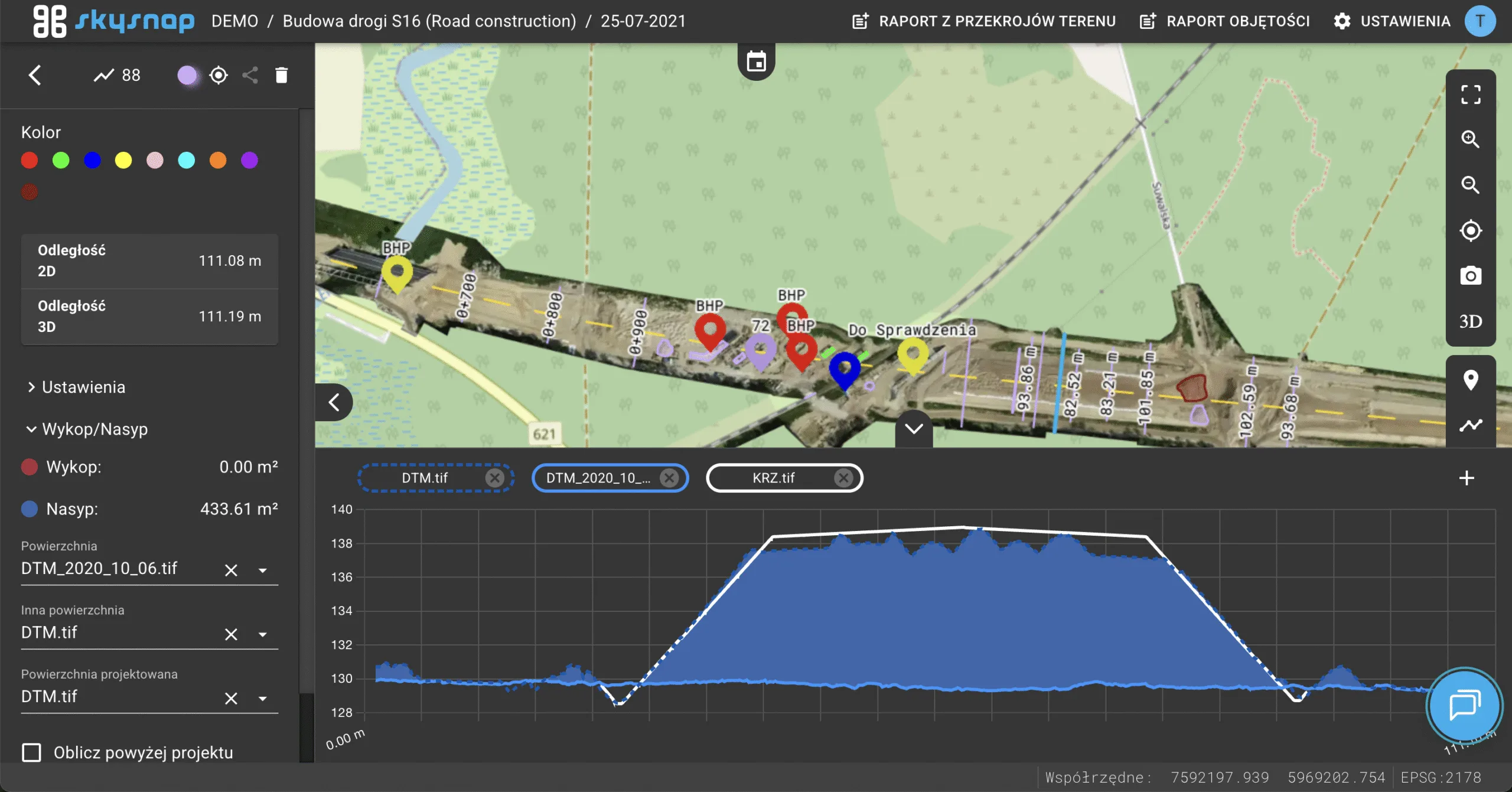
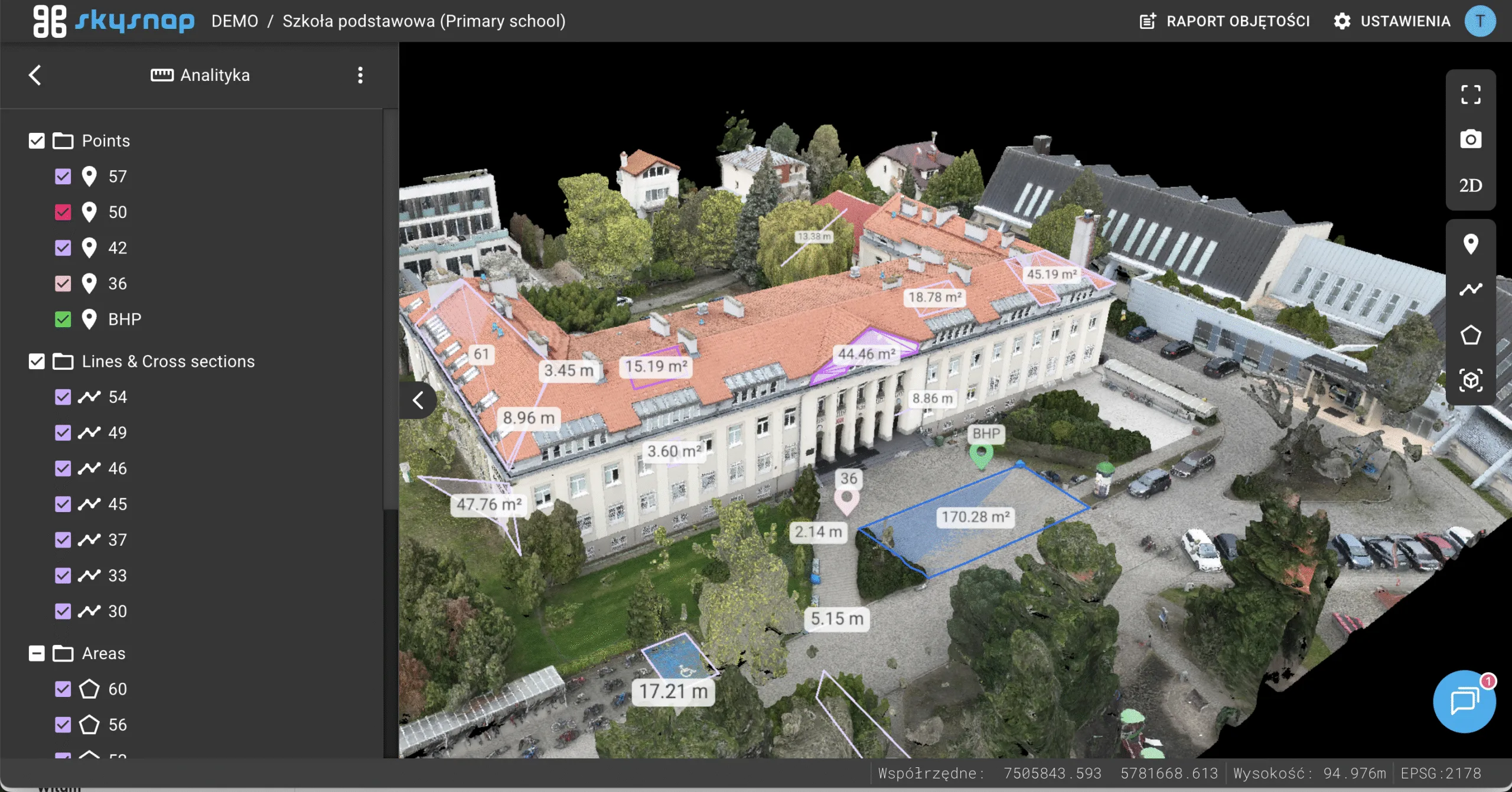
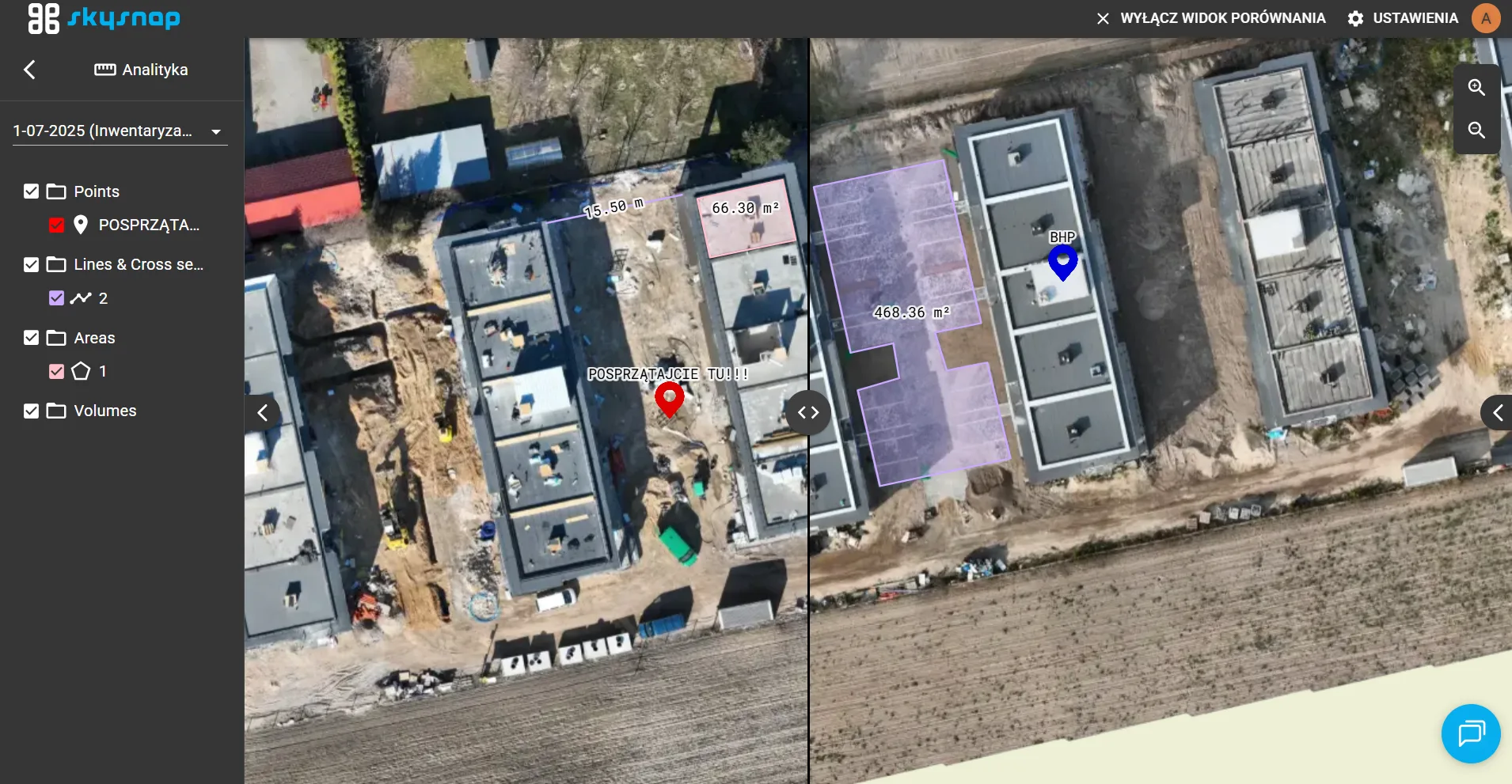
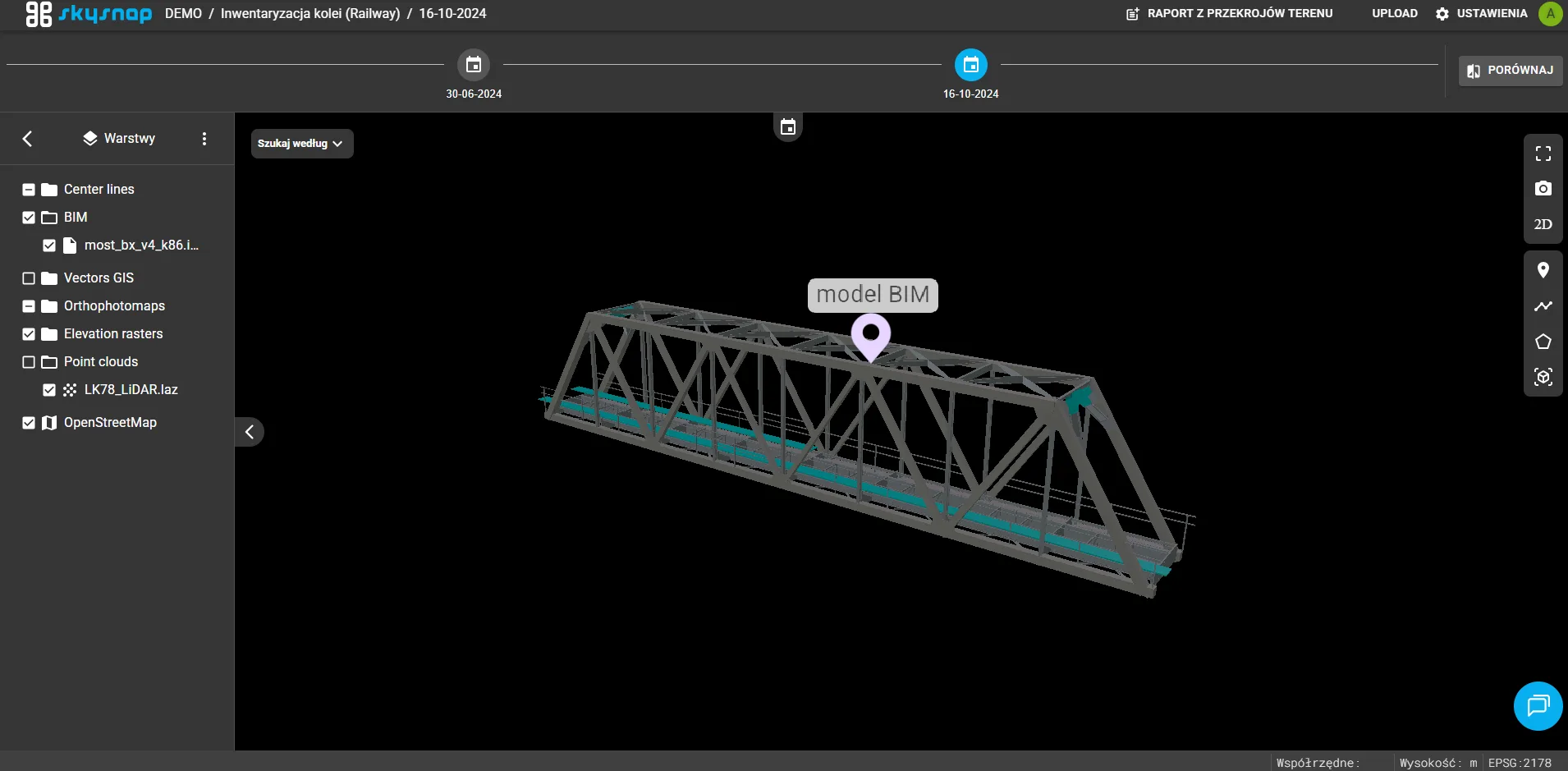
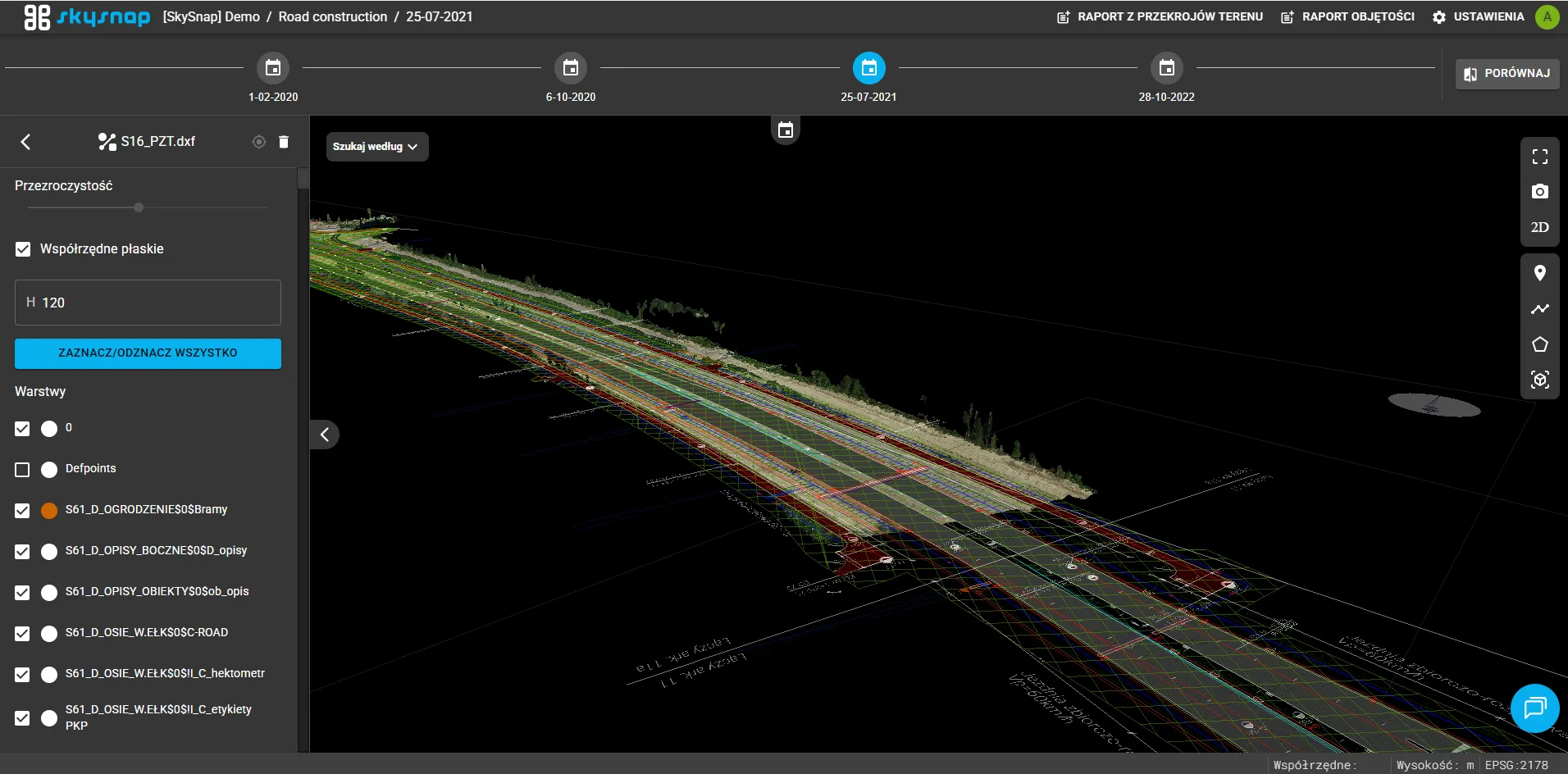
Digital terrain models (CMT, NMT, DTM) are now a staple of many industries – from construction and urban planning to agriculture and environmental protection. Thanks to drones, they can be created faster, cheaper and more accurate than ever before. But how to use this technology effectively?
What is a digital terrain model?
It’s a digital representation of landforms – useful in infrastructure design, flood risk analysis or urban planning. Traditional methods were time-consuming and expensive. Drones have changed that.
How to effectively use drones to create CMT?
- Choose the right drone and sensor
For land surveys, drones with LiDAR or a precision RGB camera are best suited. The choice depends on whether you need an elevation model, coverage, or just contours. - Plan missions in advance
Careful planning of the flight path (with overlap and altitude) is essential. It is a good idea to use automatic mission planning software. - Collect data in favorable conditions
Safety and quality of data depend on the weather – avoid strong winds, precipitation, high cloud cover. The more stable the conditions, the better the result. - Process data with your head
After collecting data, use software such as Pix4D, Agisoft Metashape or DroneDeploy to create a model and analyze it carefully. Choose the mesh, resolution and algorithm according to your project needs. - Take care of regulatory compliance
Make sure you have the required certificates and approvals, especially when flying over built-up or protected areas.
Where does this technology already work?
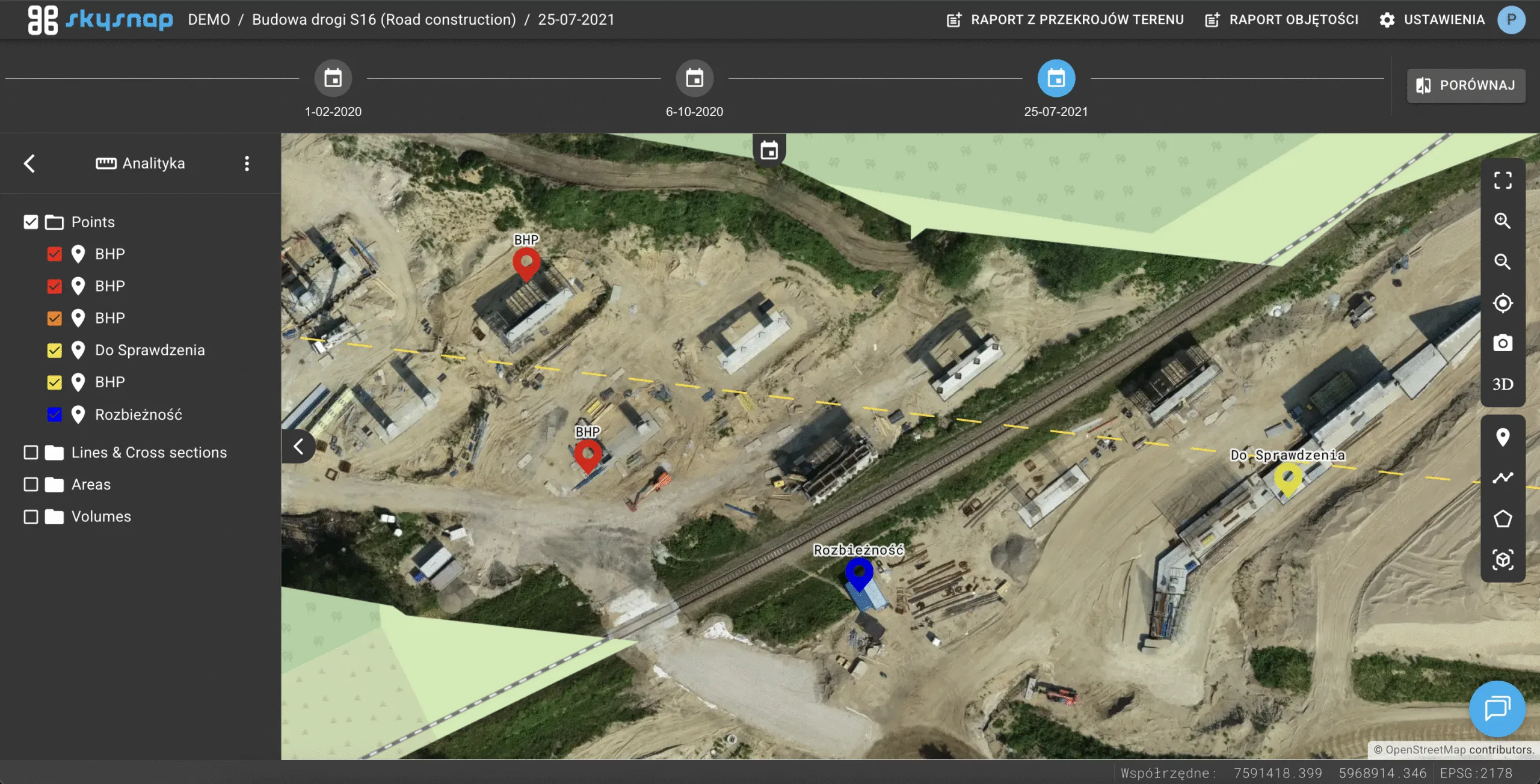
- Construction: site assessment, project planning and documentation.
- Agriculture: slope mapping, moisture, irrigation scheduling.
- Emergency management: rapid mapping of affected areas.
- Environmental protection: erosion analysis, land cover change mapping.
What’s next?
The future is automation, integration with AI and even greater precision. But it all starts with a good plan, the right equipment and thoughtful data processing.
Free E-book
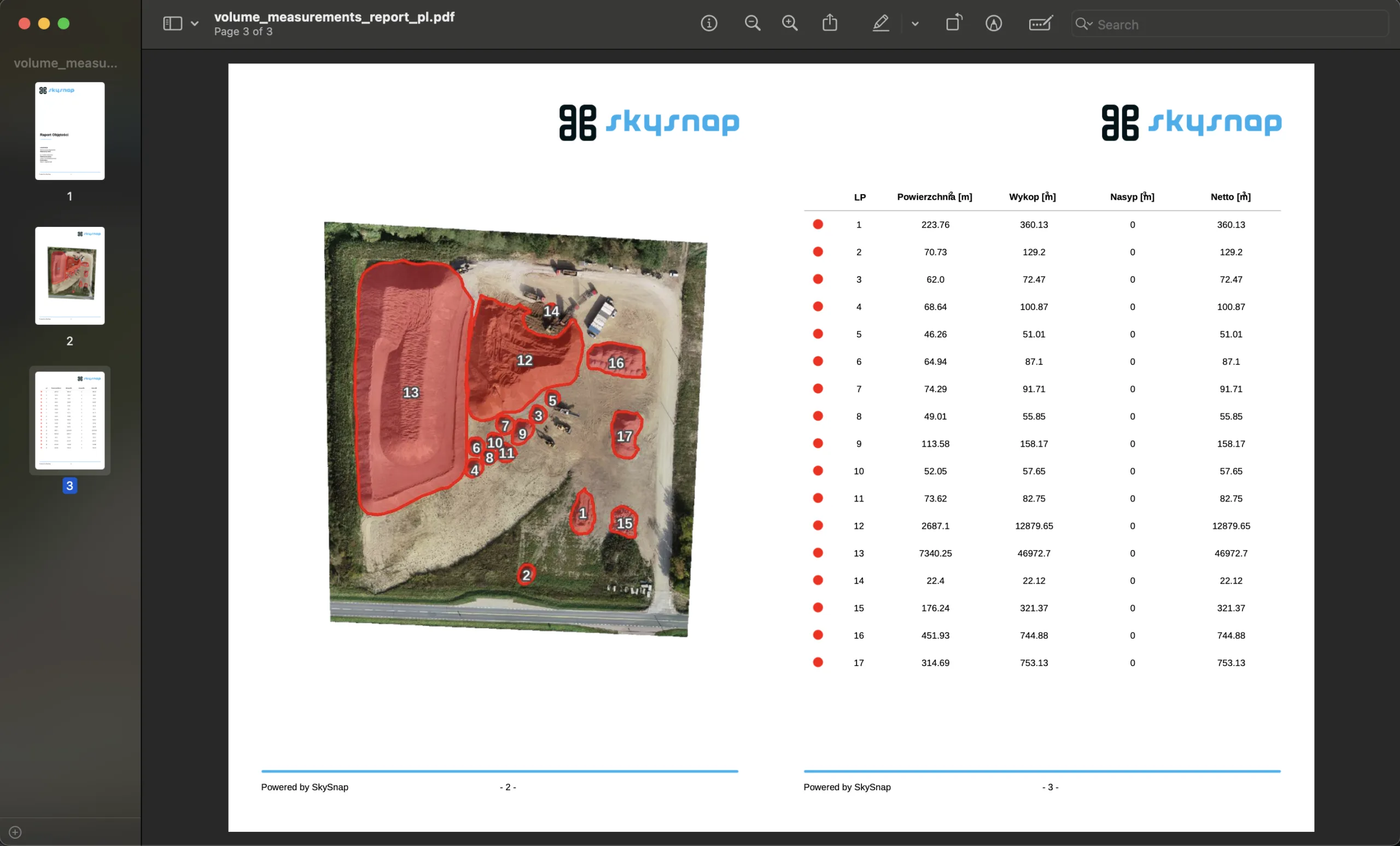
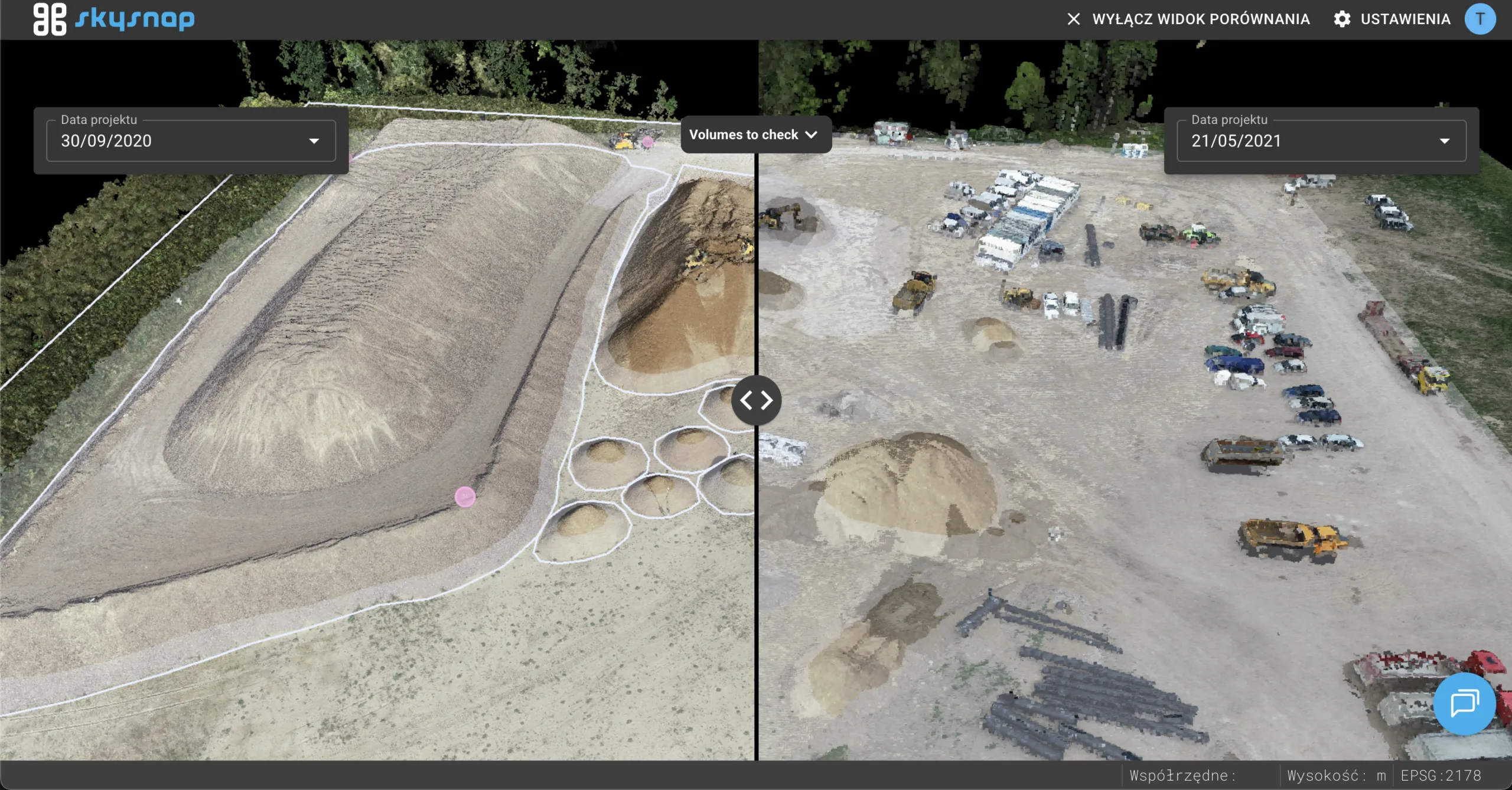
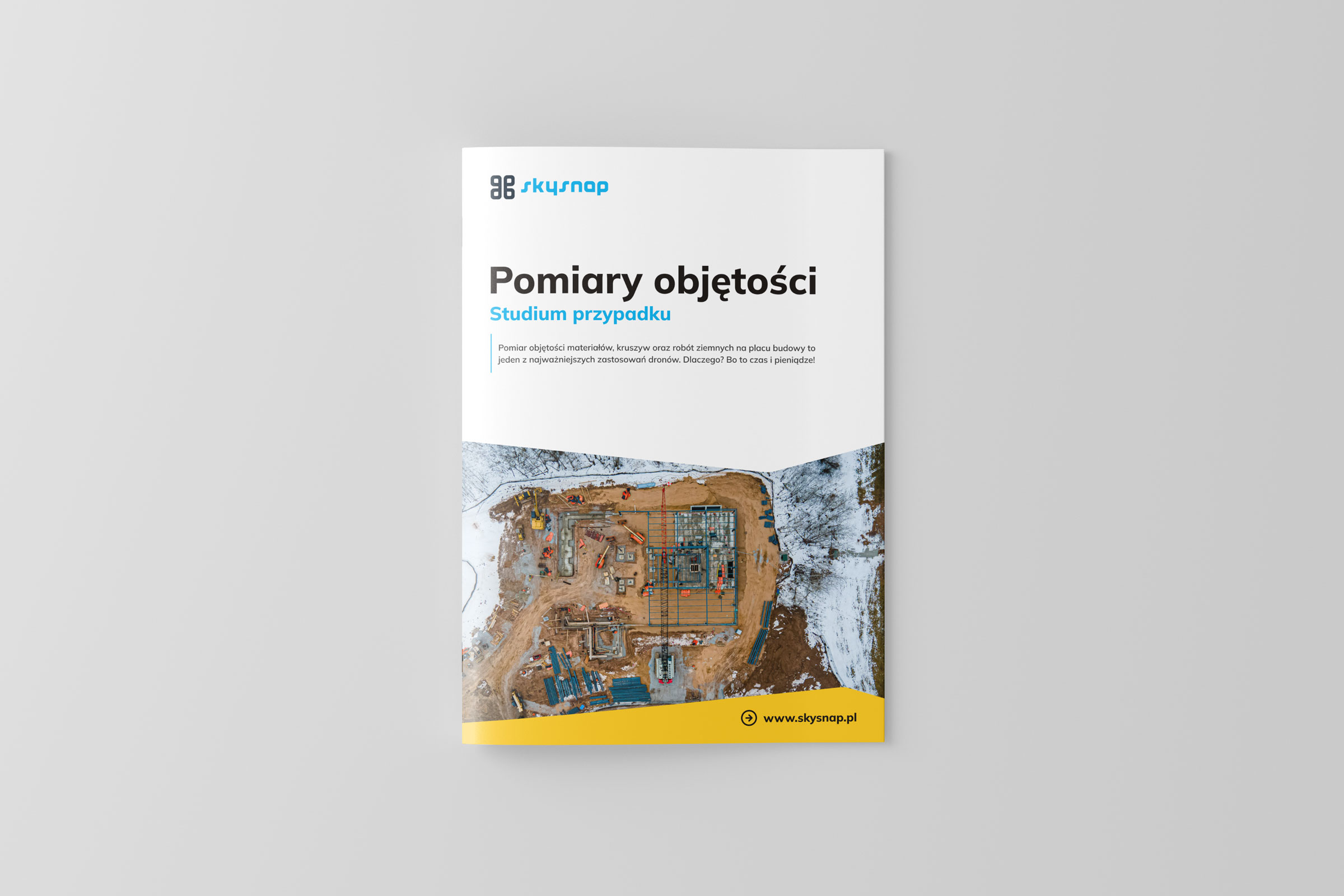
Measuring the volume of materials, aggregates and earthworks on a construction site is one of the most important uses of drones. Why? Because it’s time and money! Download our short e-book and learn how you can monetize your passion with drones.
Table of Contents:
Do you like the article? Share it with others!
Do you like the article? Share it with others!
Tips, news, insights
Related articles
Check out our articles and get the latest industry news.