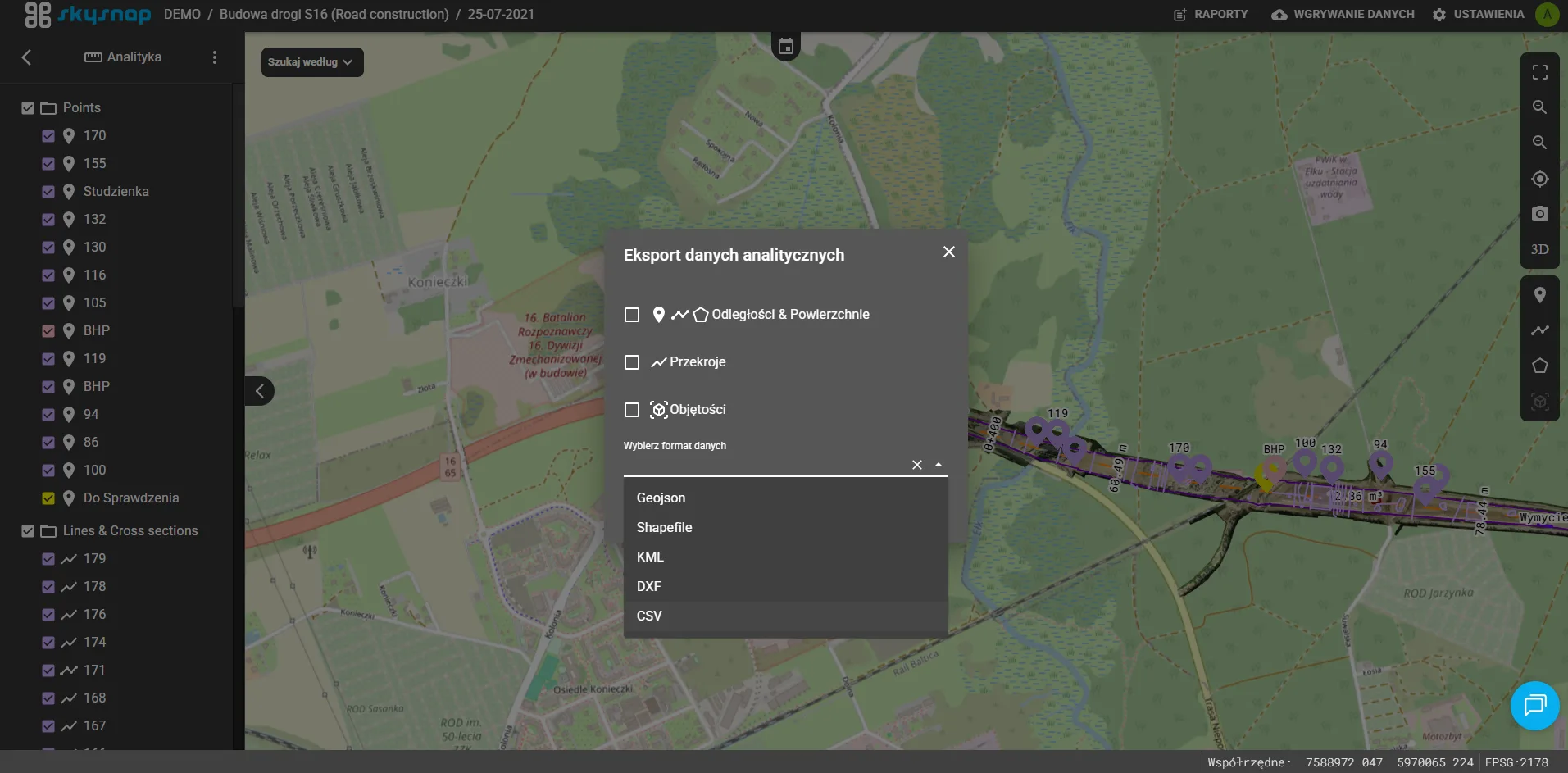
How have drones revolutionized thermal imaging?
Obrazowanie termiczne odgrywa kluczową rolę w wielu dziedzinach, od monitorowania infrastruktury po ratowanie życia w sytuacjach kryzysowych. W ostatnich latach drony stały się nieocenionym narzędziem w tej technologii, oferując nowe perspektywy i możliwości. Dzięki dronom wyposażonym w kamery termiczne, możliwe jest szybkie i dokładne zbieranie danych z trudno dostępnych miejsc. W tym wpisie przyjrzymy się, jak drony zmieniły sposób, w jaki wykorzystujemy obrazowanie termiczne, i jakie korzyści przynoszą w różnych branżach. Zapraszamy do odkrycia, jak te latające maszyny zmieniają nasze spojrzenie na otaczający nas świat.
Introduction to thermal imaging
Thermal imaging is a technology that allows visualization of temperature differences in an area. It uses infrared radiation emitted by objects to create an image that represents the heat emitted by those objects. This makes it possible to identify problems invisible to the naked eye, such as heat leaks in buildings or locating people in the dark.
What is thermal imaging?
Obrazowanie termiczne to technika, która wykorzystuje promieniowanie podczerwone do tworzenia obrazów przedstawiających różnice temperatur. Kamery termiczne, które są podstawowym narzędziem tej technologii, mogą mierzyć ciepło emitowane przez dowolny obiekt, dzięki czemu można zidentyfikować jego temperaturę bez fizycznego kontaktu.
Przykładowo, w nocy, gdy widoczność dla ludzkiego oka jest ograniczona, obrazowanie termiczne pozwala na dostrzeżenie obiektów na podstawie ich emisji ciepła. Technologia ta ma szerokie zastosowanie, od militarnego po medyczne i przemysłowe, a jej dokładność i niezawodność czynią ją niezastąpionym narzędziem w wielu dziedzinach.
History and development of technology
The development of thermal imaging technology began in the 1950s, when the first thermal cameras were developed for military purposes. The goal was to gain an advantage in conditions of limited visibility. Since then, the technology has been developed extensively and applied to a variety of industries.
Over the years, the technology has become more accessible and affordable, enabling its widespread use in the civilian sector. Today, it is used in construction, energy, as well as in medicine, where it helps diagnose and monitor patients’ health conditions.
Applications in various industries
Zastosowania obrazowania termicznego są niezwykle różnorodne. W budownictwie i energetyce pozwala na detekcję strat ciepła oraz lokalizowanie nieszczelności, co przyczynia się do zwiększenia efektywności energetycznej budynków.
W medycynie technologia ta jest używana do monitorowania stanów zapalnych i diagnostyki termograficznej.
Innym przykładem jest rolnictwo, gdzie obrazowanie termiczne pomaga w monitorowaniu zdrowia upraw oraz wykrywaniu chorób roślin na wczesnym etapie.
Dodatkowo, w przemyśle motoryzacyjnym, używa się jej do inspekcji systemów elektrycznych i mechanicznych, co pozwala na szybkie wykrycie potencjalnych awarii.
The role of drones in thermal imaging
Drones equipped with thermal cameras are revolutionizing many industries, enabling quick and efficient access to data from hard-to-reach locations. Their mobility and ability to operate in a variety of conditions make them an ideal tool for thermal imaging.
Why are drones ideal?
Drones are an ideal tool for thermal imaging applications for several reasons.
First, their ability to fly means they can reach places that are difficult for humans to access. For example, they can travel in mountainous areas or over water surfaces where traditional inspection methods would be too time-consuming or expensive.
Second, drones can be equipped with a variety of sensors, allowing them to collect data in real time and respond quickly to changing conditions. This makes them invaluable for monitoring emergency situations, such as fires or searches for missing people.
Examples of drone applications
Drones are used in many situations that require quick and precise action. For example, during forest fires, drones can provide information about the spread of the fire, which allows for effective management of the firefighting operation.
Another application is infrastructure monitoring. Drones can inspect power lines, bridges and buildings, identifying potential problems before they become serious. In agriculture, they help monitor plant health for early detection of diseases and pests.
Advantage of drones over traditional methods
Drones have many advantages over traditional thermal imaging methods. Mobility, speed of operation and the ability to reach hard-to-reach places are the main advantages.
| Feature | Traditional methods | Drones |
|---|---|---|
| Execution time | Time-consuming | Quick |
| Mobility | Limited | High |
| Operating costs | High | Lower |
Drones are able to reduce costs and inspection time, making them an attractive solution for many industries.
Security and rescue applications
Drones with thermal cameras are an indispensable tool in security and rescue operations. Their ability to reach emergency sites quickly is crucial for effective emergency response.
Fire and hazard detection
Drones play a key role in detecting fires and other hazards. With thermal cameras, they can quickly identify fire outbreaks even in densely forested areas. This allows emergency services to respond quickly, which can prevent the fire from spreading.
Advantages of drones in such situations include:
- Ability to operate in hard-to-reach areas.
- Reducing the risk to human life.
- Rapid real-time data collection.
Search and rescue of the missing
Drones are also used in search and rescue operations. With the ability to search large areas in a short period of time, drones can locate missing persons faster than ground teams. Thermal cameras are particularly useful at night or in conditions of limited visibility.
Benefits:
- Quick localization of missing persons.
- Ability to operate in harsh weather conditions.
- Reduction of operating costs.
Surveillance and monitoring of sites
Drones with thermal cameras are also being used to monitor various areas, which is crucial for security. They can monitor industrial areas, construction sites or borders, identifying potential threats.
Key benefits:
- Possibility of long-term surveillance.
- Quick identification of threats.
- Affordability and quick response.
Benefits for industry and construction
In industry and construction, drones with thermal cameras are helping to make operations more efficient and reduce costs. Their use provides the accuracy and speed that are crucial in these sectors.
Inspection of infrastructure
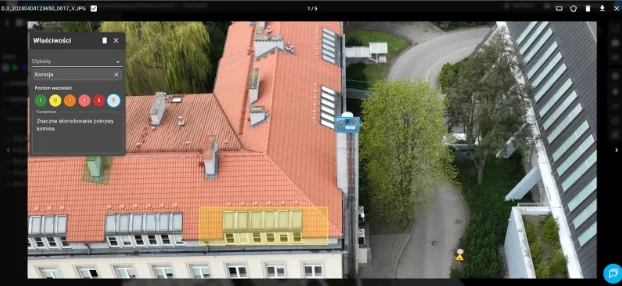
Drones are being used to inspect infrastructure, allowing problems to be identified quickly. Power lines, bridges and buildings are regularly monitored, allowing damage to be detected before it becomes a major problem.
Advantages:
- Inspection speed.
- Accuracy and precision.
- Safe operation without interrupting facilities.
Energy efficiency of buildings
Thanks to thermal technology, drones can identify heat loss in buildings, which helps improve energy efficiency. Reducing heat loss contributes to lower operating costs and improved building comfort.
Key aspects:
- Leak identification.
- Assistance with modernization planning.
- Reducing energy costs.
Detection of damage and leaks
Drones are effective in detecting damage and leaks in various structures. This makes it possible to plan repairs and maintenance before small problems turn into major failures.
Benefits:
- Fast and accurate detection of problems.
- Reducing repair costs.
- Infrastructure life extension.
Challenges and the future of technology
Despite their many advantages, drones with thermal cameras face some challenges. Technology development and regulation are key to their future use.
Technical and regulatory issues
Drones, like any new technology, face a number of technical and regulatory issues. These include limitations on range, flight time and precision of measurements. In addition, regulations vary from country to country and can be an obstacle to widespread drone deployment.
Challenges:
- Limited flight time.
- Complex legislation.
- The need for continuous development of technology.
Innovations and novelties on the market
Despite the challenges, the thermal camera drone market continues to evolve with new technologies and solutions. Innovations include improving camera quality, increasing range and automating processes.
News:
- Modern thermal sensors.
- Enhanced data analysis capabilities.
- Automation and AI integration.
Future development and prospects of drone technology
The future of thermal camera drone technology is promising. As these technologies develop, their use will expand and the benefits will become even more apparent. Integration with other technologies, such as AI, will open up new opportunities.
Perspectives:
- Application in new industries.
- AI technology development.
- Deepening cross-sector cooperation.
Free E-book
Find out how UAV and AI support investment supervision, facilities management and the daily work of engineers. Learn about real-world applications of technology in construction and real estate.
Table of Contents:
Do you like the article? Share it with others!
Do you like the article? Share it with others!
Tips, news, insights
Related articles
Check out our articles and get the latest industry news.