Introduction to drones on construction sites
Drones are becoming an increasingly common tool in monitoring the progress of construction work, bringing modern solutions to the field. With the capabilities they offer, they make it much easier to collect data and supervise construction sites from the air. Traditional monitoring methods, such as field inspections, are time-consuming and may not provide a complete picture. Drones, on the other hand, allow for quick and thorough surveys, providing detailed photos and high-resolution videos. In this paper, we take a look at how drones are revolutionizing the construction industry, enabling more efficient project management and minimizing the risk of errors.
History of drone use
The first use of drones in the construction industry took place in the early 21st century. Initially, they were relatively simple devices that were mainly used to take aerial photos for marketing and documentation purposes. Over the years, with advances in technology, drones began to play an increasingly important role on construction sites. Initial barriers, such as short flight times and limited precision, have been overcome thanks to the rapid development of technology.
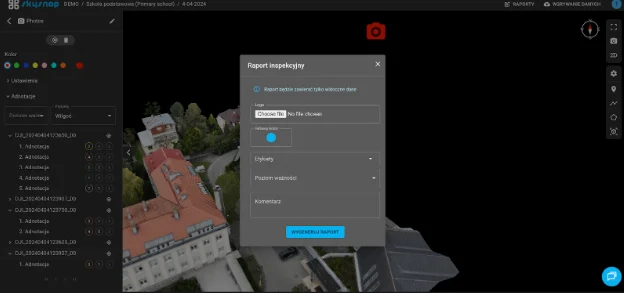
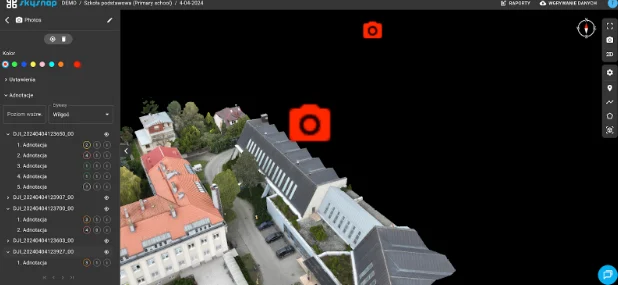
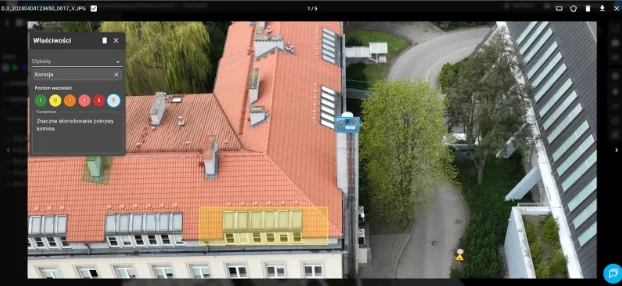
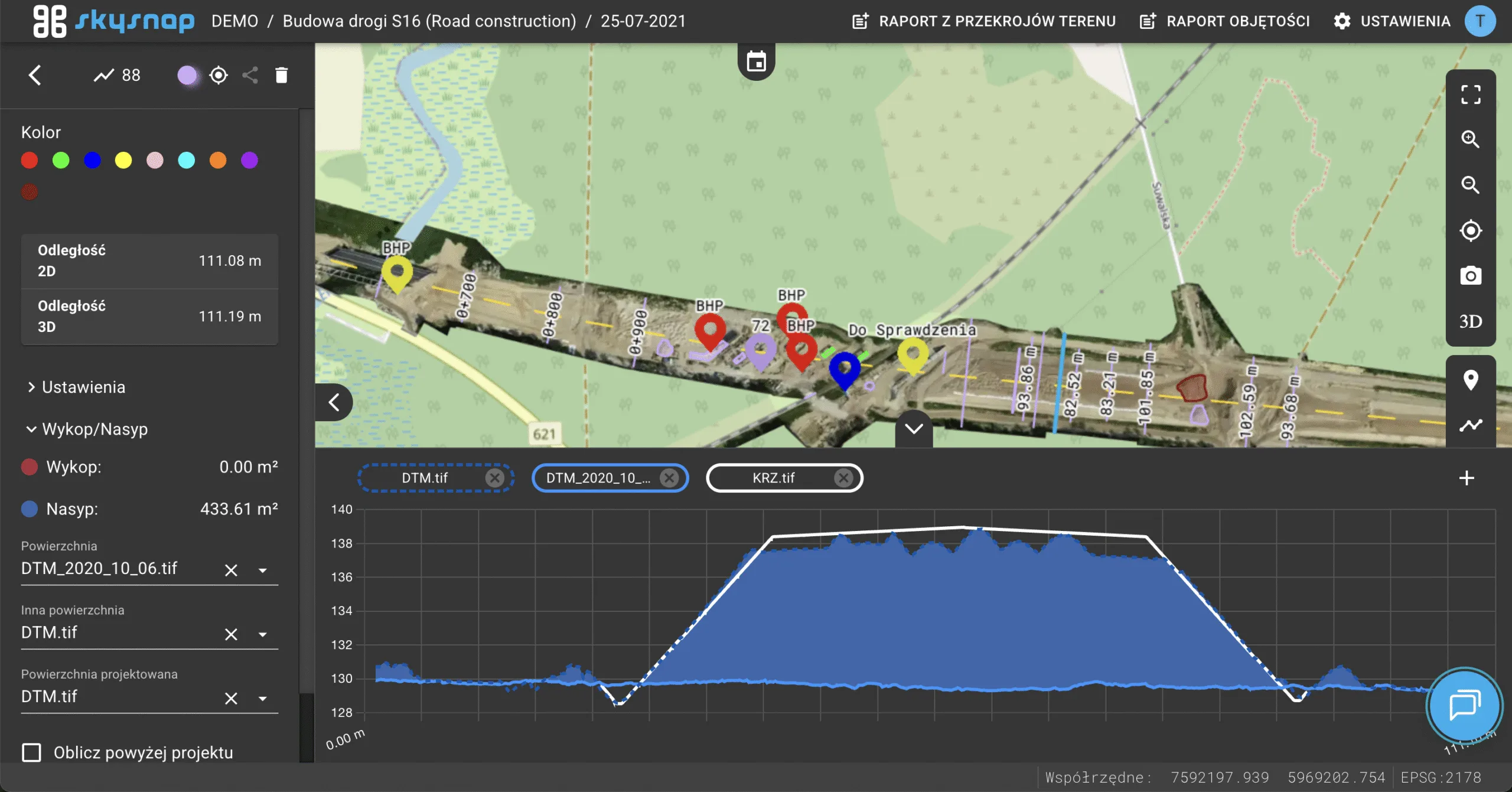
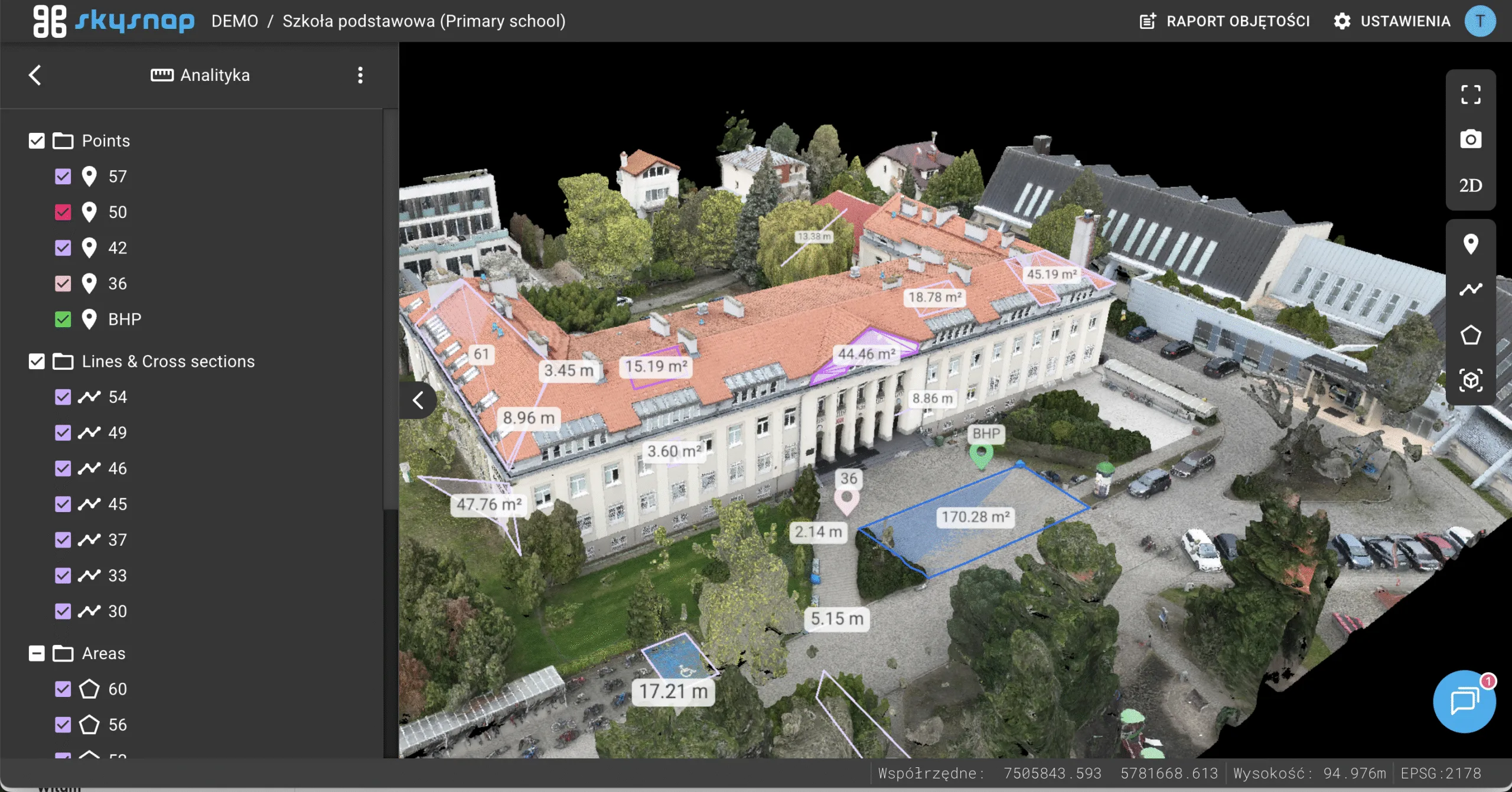
Today, drones are equipped with advanced GPS systems, high-resolution cameras and sensors, allowing them to be used extensively for monitoring the progress of work, safety inspections and even creating 3D models of the site. As a result, they have become an integral part of modern construction project management.
Benefits of construction monitoring
Monitoring construction with drones brings many benefits that affect the efficiency and safety of projects.
First of all, drones allow for regular and rapid data collection from the construction site, which makes it possible to accurately track the progress of the work. This makes it possible to identify potential delays and minimize the risk of errors.
Second, drones provide access to hard-to-reach areas, which increases worker safety by eliminating the need for risky field inspections.
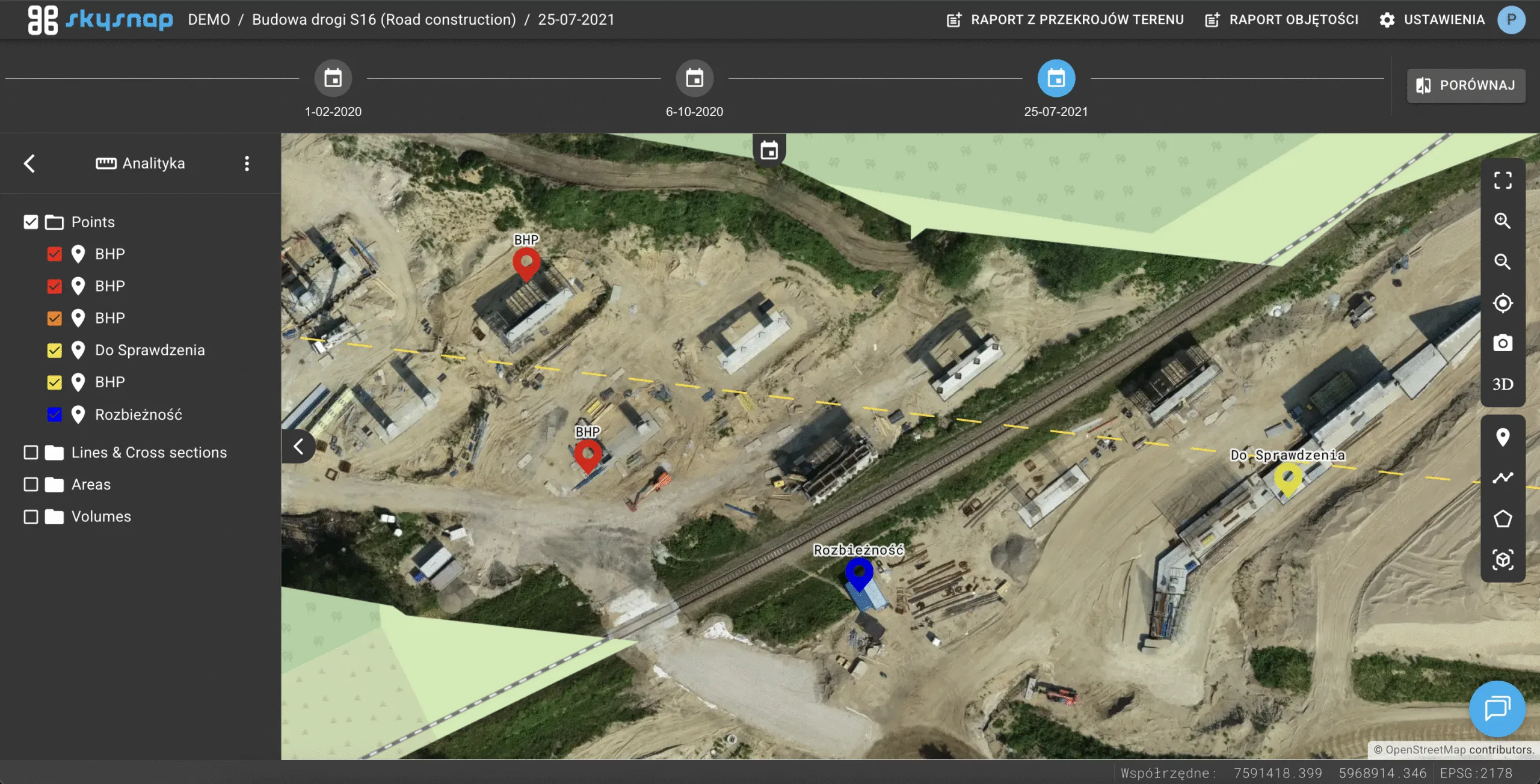
Third, high-quality photos and videos captured by drones can be used for project documentation and for communication with investors and stakeholders. Finally, with the ability to create 3D models of the site, drones allow for better visualization and spatial planning, which translates into optimization of the construction process.
Drone technology in the construction industry
Types of drones used in the construction industry
The construction industry uses different types of drones that are tailored to specific tasks and project requirements.
- The most popular are multi-rotor drones, which feature high maneuverability and the ability to hover accurately in the air. They are ideal for taking detailed inspections and photos from different angles.
- Another type is winged drones, which are better suited for large areas where longer flight autonomy and greater range are required. They are often used for mapping areas and monitoring large infrastructure projects.
- In addition, in some cases hybrid drones are used, which combine the features of both previous types, offering greater versatility. Choosing the right drone depends on the specifics of the task, the available budget and the project requirements.
How drones work on construction sites
Drones on construction sites act as tools for collecting data and monitoring the progress of work by flying over the site. Equipped with high-resolution cameras and a variety of sensors, such as GPS, they allow precise mapping of the site and the creation of three-dimensional models.
Drone operators plan flight routes, which are then automatically executed by the device, minimizing the risk of human error. Thanks to real-time data transmission technology, drones can immediately transmit the collected information to construction management teams. This enables rapid decision-making and necessary adjustments to be made on the construction site.
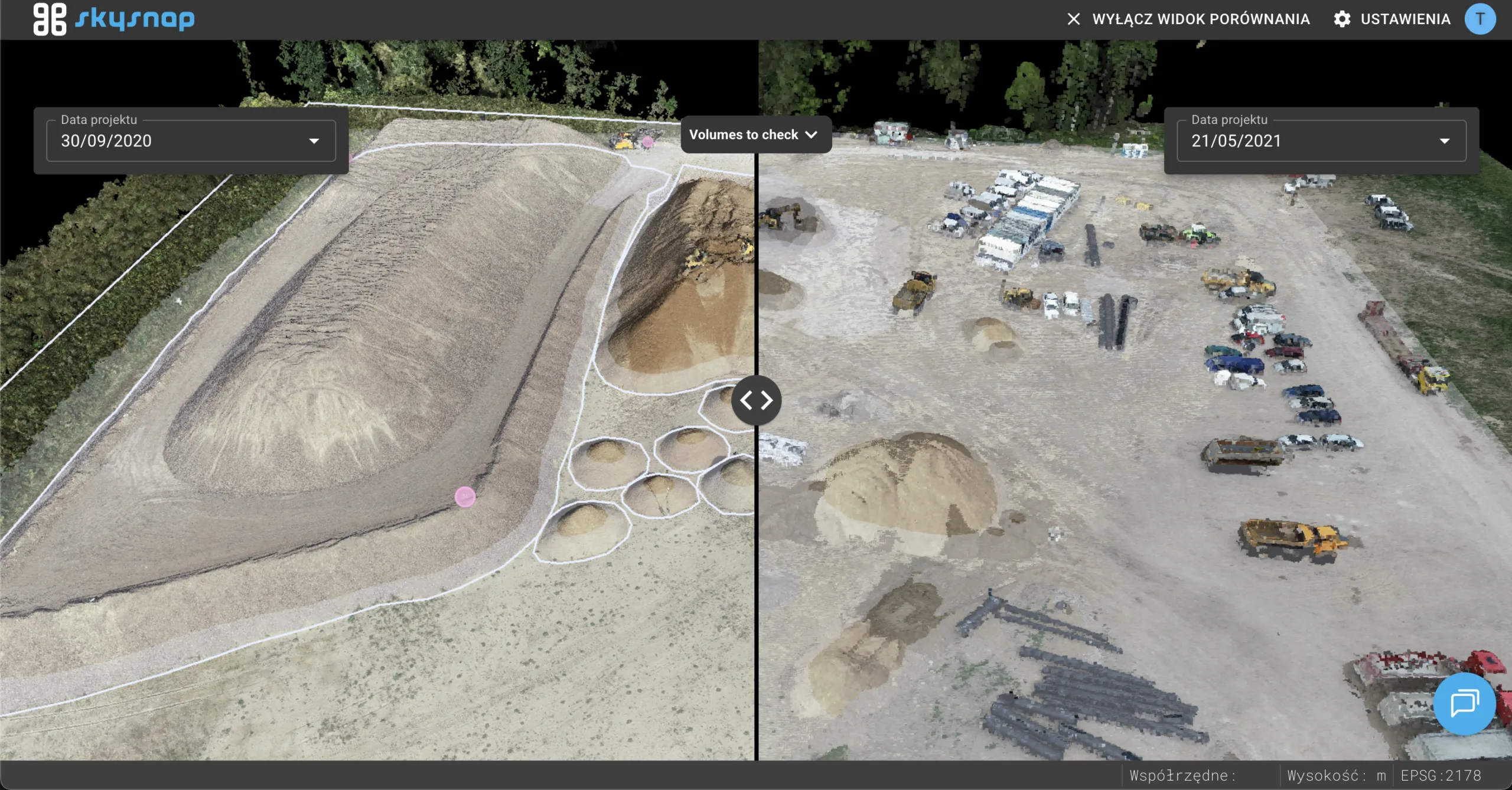
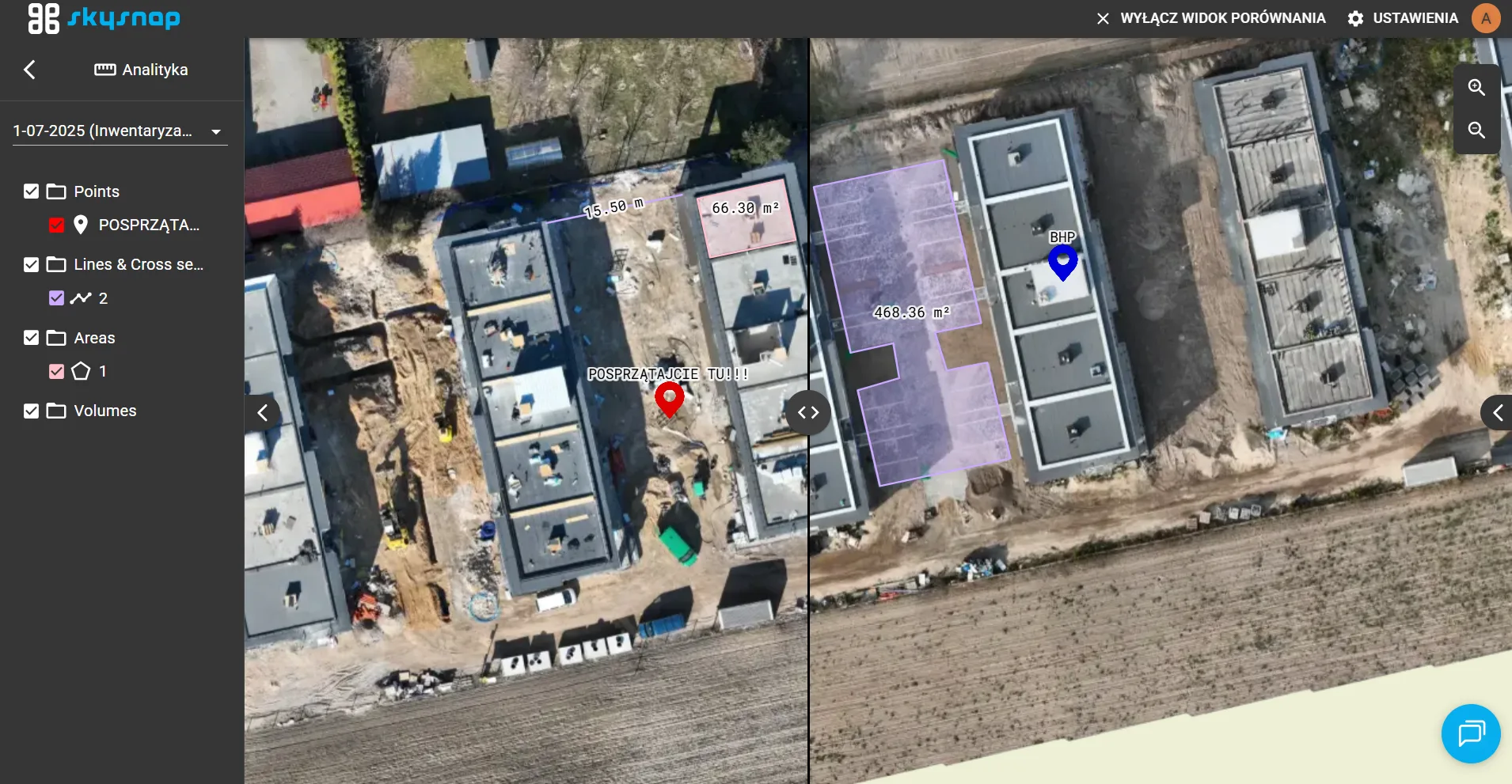
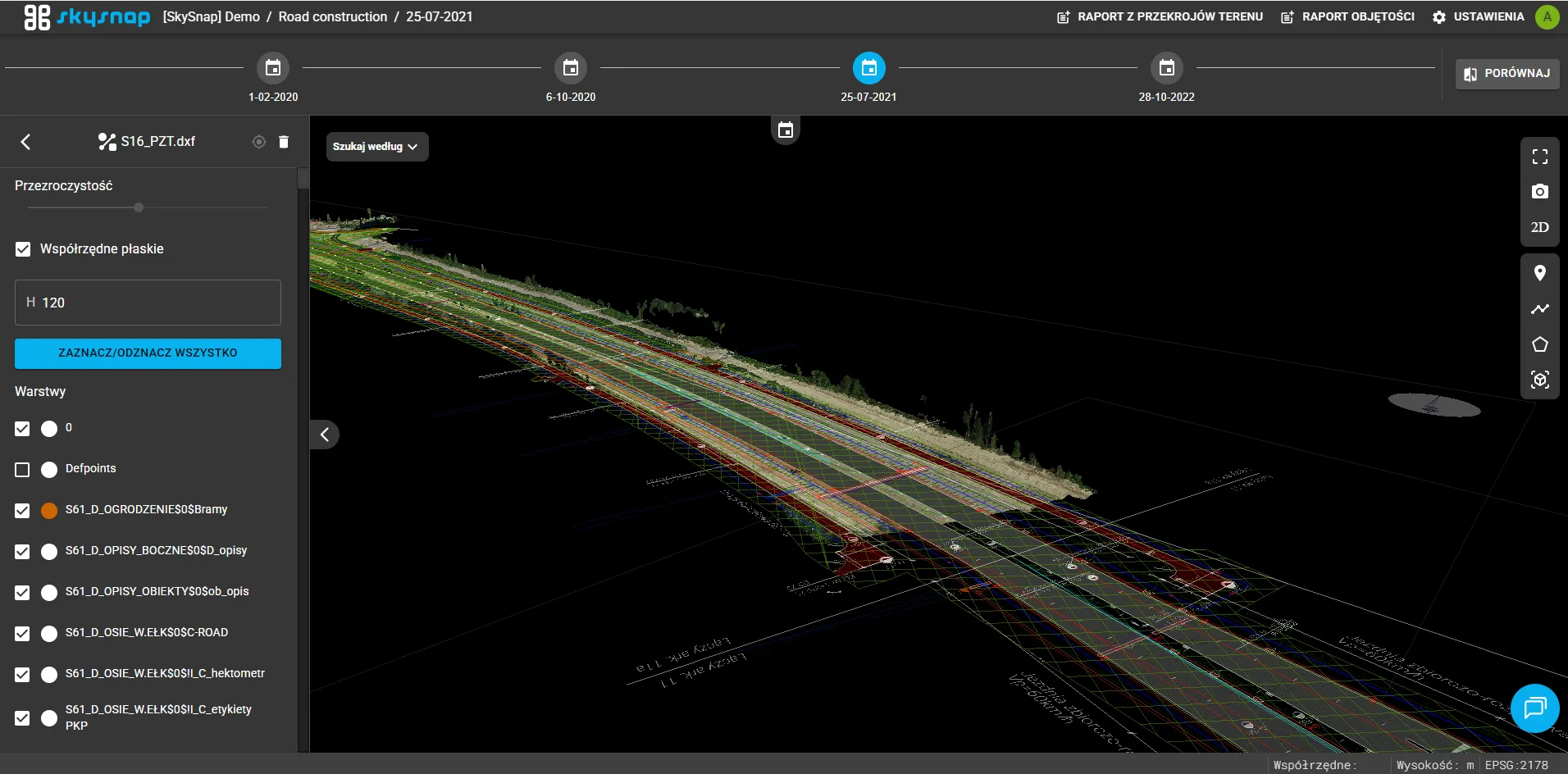
In addition, drones can perform regular inspection flights, which allows systematic comparison of the progress of work with project plans. As a result, drone technology significantly contributes to the efficiency and accuracy of construction processes.
Advantages of monitoring construction with drones
Increase work safety
Monitoring construction sites with drones contributes significantly to site safety. Drones can perform inspections in hard-to-reach and dangerous areas, reducing the need to send workers to heights or other risky locations. This reduces the risk of accidents associated with working in difficult conditions.
In addition, dronesenable regular monitoring of the construction site, allowing potential hazards to be quickly identified and eliminated before they become a serious problem. Transmitting data in real time allows for immediate response to changing conditions, which is crucial for ensuring safety. Moreover, drones can record events and incidents, which is useful for documentation purposes and in analyzing the causes of accidents, helping to develop better safety procedures in the future.
Efficiency and time savings
Using drones to monitor construction sites significantly increases efficiency and saves time at every stage of the project. Drones can quickly conduct detailed inspections of an entire construction site, which could take hours or even days with traditional methods. Thanks to automatic flight technology, drones can record data in a systematic and repetitive manner, allowing regular tracking of progress without the need for a large number of employees.
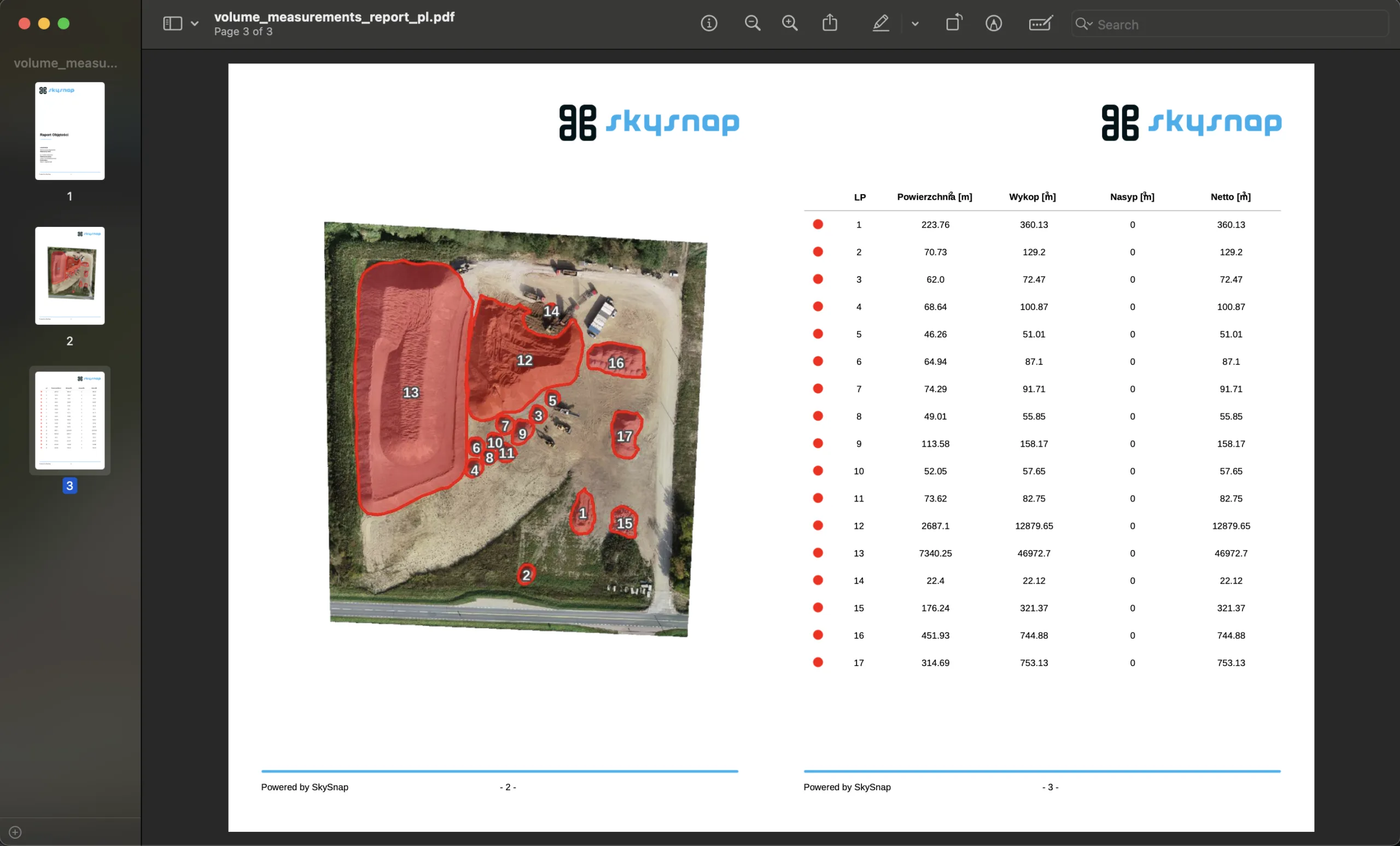
Automated data processing enables the rapid creation of reports and analysis that are immediately available to management teams. This, in turn, translates into faster decision-making and adjustments to the work schedule. With drones, the time required for inspections and data collection is significantly reduced, leading to an overall acceleration of construction projects and a reduction in costs associated with delays.
The future of drones in construction supervision
Technological innovations of drones
Drone technology is constantly evolving, with innovations that are changing the way construction is supervised.
- In the future, we can expect drones equipped with advanced artificial intelligence systems that will automatically analyze the collected data and identify potential problems on the construction site. This will make decision-making processes even faster and more precise.
- Another innovation is augmented reality drones, which can provide real-time design visualizations to help project teams better plan and coordinate activities.
- In addition, the development of sensor technology will allow not only visual monitoring, but also the measurement of environmental parameters such as humidity and air quality.
- The introduction of 5G technology will improve connectivity and data transmission, enabling even more efficient use of drones in construction.
These innovations will further improve efficiency and safety in construction supervision.
Anticipated trends and developments
Drones are likely to play an increasingly important role in construction supervision in the coming years, and their development will be driven by several key trends.
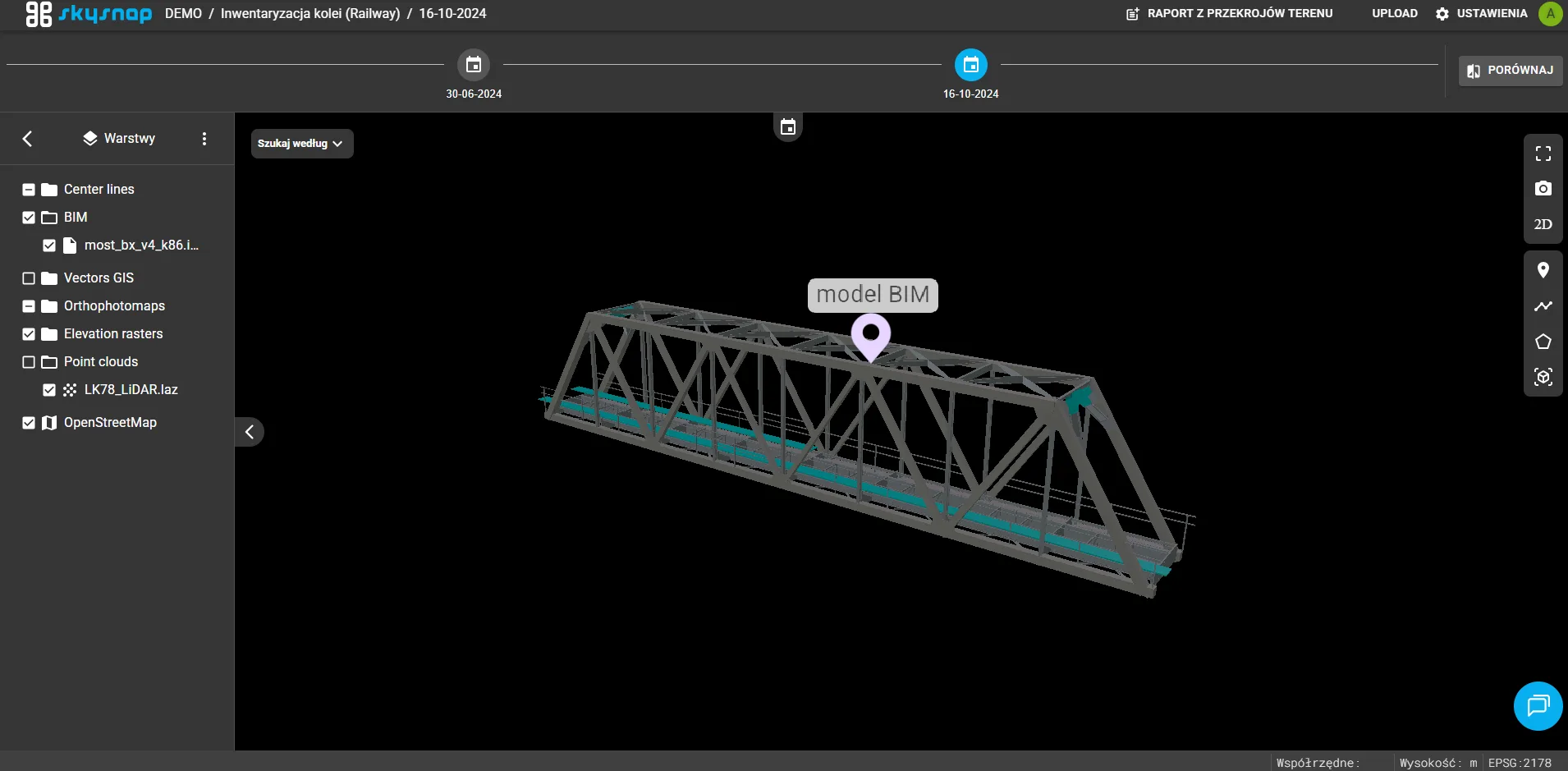
One of them is the integration of drones with BIM (Building Information Modeling) systems, which will allow even more precise planning and coordination of construction projects.
It is also expected that the development of autonomous technologies will enable drones to plan and execute missions autonomously, reducing the need for constant supervision by operators.
The rise of sustainable construction may lead to the use of drones in monitoring the environmental impact of projects and in optimizing construction processes from an ecological perspective.
In addition, the increasing availability and falling cost of drone technology will make them available to a wider range of construction companies, further popularizing their use.
These trends point to the rapid growth of drones in the construction sector.
Challenges and limitations
Legal and regulatory issues
The use of drones in construction supervision raises various legal and regulatory issues that can pose significant challenges for construction companies.
In many countries, airspace regulations are restrictive and can limit the freedom of drone flights. Operators must often obtain special licenses and permits, which entails additional costs and formalities.
In addition, there are privacy and data protection concerns, especially when collecting images and footage from populated areas. Companies must ensure that their operations comply with current data protection regulations.
Another challenge is the rapid pace of change in drone law, which requires companies to constantly update their knowledge and adapt to new regulations.
Addressing these issues requires cooperation between industry and regulators to create a regulatory framework that encourages innovation.
Technical and operational limitations of drones
Despite their many advantages, drones used in construction face some technical and operational limitations that can affect their effectiveness.
One of the main challenges is limited flight time, which is due to battery capacity. Many drones can only operate for a few tens of minutes, requiring frequent interruptions to recharge or replace batteries.
Another limitation is the range of drones, which is determined by communication technology. In urban areas, where there may be signal interference, this range can be significantly limited.
Drones are also susceptible to weather conditions; high winds, rain or fog can prevent their use or significantly reduce the quality of data collected. Additionally, the need to hire specialized operators and train personnel comes at an additional cost.
Overcoming these limitations requires continuous technological development and operational adaptation by construction companies.

Free E-book
Learn how to prepare a mission step-by-step, avoid raid mistakes and create accurate orthophotos and 3D models. The perfect guide before your first commercial assignments.
Table of Contents:
Do you like the article? Share it with others!
Do you like the article? Share it with others!
Tips, news, insights
Related articles
Check out our articles and get the latest industry news.