Commercial drone applications: How are they changing our everyday lives?
Drones are increasingly entering our daily lives, not just as toys or tools for technology enthusiasts, but primarily as versatile commercial tools. Their applications range from agriculture to package delivery to infrastructure inspection. With drones, it is possible to collect data quickly and efficiently, revolutionizing many industries and saving time and resources. Drones have a wide range of applications in different areas of life, supporting human activities, which is of great importance in the daily functioning of society. In this article, we will look at how drones are changing the way we work and live, offering new opportunities and solutions to everyday challenges. Let’s discover together how these flying devices are transforming our reality.
Introduction to drones
Drones, also known as unmanned aerial vehicles, have revolutionized many areas of life. Their technological development enables applications in both commercial and private operations. Let’s take a look at how the history and variety of drone models have contributed to their current popularity.
History and development of technology
The history of drones dates back to the beginning of the 20th century, when the first attempts at remote control of aircraft began to appear internationally. The first drones had mainly military applications, serving as artillery training tools.
Developments in technology in the 1960s and 1970s brought advances in electronics and miniaturization, which allowed drones to be more widely used.
Modern drones are the result of decades of research and innovation. The transition from heavy machines to lightweight and versatile devices was made possible by advances in composite materials and battery technology. The development of BSP (unmanned aerial vehicle) technology has contributed to their widespread use in various industries, such as construction, environmental protection and the military. The example of the use of drones in various industries shows the wide range of possibilities these devices offer.
Thanks to GPS technologyand advanced navigation systems, drones have become precise tools in many fields. Their role in society is constantly evolving, and the future points to further innovations and applications.
Variety of models and functions
The variety of drone models is impressive, ranging from small, hobbyist devices to sophisticated industrial machines.
Recreational drones are often used by amateur photographers and filmmakers, offering basic functions and relatively simple operation.
Industrial drones, on the other hand, feature more advanced technology, able to perform complex tasks such as terrain mapping and infrastructure inspection. Advanced features such as thermal sensors and high-resolution cameras allow for precise data collection.
Drone models are customized to meet specific needs, making them invaluable tools in various sectors. As state-of-the-art devices, drones are equipped with specialized technologies that support inspections in hard-to-reach areas and rescue operations.
Choosing the right drone depends on many factors, including the purpose of use, budget and technical requirements.
Thanks to advances in technology, drones are becoming more accessible and their functionality is increasing, opening up new opportunities for businesses and individual users.
Drones in agriculture
Agriculture is one of the sectors that has benefited the most from the introduction of drones. Innovative technologies make it possible to monitor crops, analyze soil and effectively manage resources. Drones provide invaluable assistance in crop monitoring and soil analysis.
Crop and soil monitoring
Drones enable accurate monitoring of crops, which is crucial for effective farm management.
- High-resolution cameras and multispectral sensors make it possible to assess the condition of plants and identify potential problems.
- Drones are also being used to detect problems in crops, such as plant diseases or nutrient deficiencies.
- Drone-based soil analysis is another innovation that allows precise data collection on moisture, nutrient levels and plant health. This allows farmers to make informed decisions about fertilization and irrigation.
An example of the effective use of drones in agriculture is the case study of a farm that has increased productivity and reduced production costs thanks to this technology.
With drones, farmers gain an invaluable tool for modern, precision agriculture that is more efficient and environmentally friendly.
Precision fertilization and spraying
Drones in agriculture are used not only for monitoring, but also for precise fertilization and spraying. Precision agriculture allows the application of fertilizers and crop protection products exactly where they are needed most.
- A drone equipped with appropriate tanks flies over the field.
- Sensors on the drone identify areas that need fertilization or protection.
- The system automatically applies the right amount of substance.
Cost reductions through the use of drones are significant. Farmers can save on both crop protection products and fuel that would be needed for traditional agricultural machinery.
Examples from various farms show how drones have helped make agricultural production more efficient and environmentally friendly.
With this technology, farmers can better protect their crops while reducing their environmental impact.
Drones in logistics
Logistics is another area where drones are playing an increasingly important role. From shipment delivery to warehouse monitoring, drones are helping to streamline processes and increase efficiency.
Drones are beginning to revolutionize the shipment delivery process, offering faster and more efficient solutions compared to traditional transportation methods. The use of drones in logistics makes it possible to significantly reduce delivery times, especially in hard-to-reach areas.
Companies like Amazon are already testing drones to deliver packages directly to customers. This makes it possible to bypass traffic jams and other obstacles associated with road transportation.
Advantages of drone deliveries include:
- Faster delivery time
- Lower fuel consumption
- Reduction of operating costs
The future of drone deliveries seems promising, although regulatory and security challenges remain.
Monitoring of warehouses
Drones are also used to monitor inventory and warehouse status. Their ability to move quickly and collect data from different corners of the warehouse makes them an invaluable tool in logistics management. Drones can also be used to conduct field intelligence in warehouses, identifying potential problems.
The drone can map a warehouse in a short period of time, identifying potential problems such as stock shortages or product misplacement. Automated systems can be integrated with warehouse software to keep inventory up-to-date.
Examples of the technology’s application in various industries show how drones can increase transparency and operational efficiency.
With drones, warehouse management becomes more precise, allowing for better planning and optimization of logistics processes.
Drones in rescue
Drones are playing an increasingly important role in rescue operations, supporting search operations and assessing emergency situations. Their rapid deployment and ability to collect data in real time make them invaluable tools in emergency situations.
Search and rescue
Drones are used in search and rescue operations where response time is crucial. With thermal and high-resolution cameras, drones can quickly search large areas and identify people in hard-to-reach places.
The advantages of using drones in such situations are:
- Speed of action
- Ability to operate in difficult terrain
- Reducing risks for rescuers
Examples of drone use in rescue operations demonstrate their effectiveness, especially in difficult weather or terrain conditions.
Thanks to drones, rescue operations become more efficient, which can help save many lives.
Assessment of crisis situations
Drones are also used to assess emergency situations, such as natural disasters or industrial accidents. Their ability to quickly fly over large areas allows them to assess damage and identify threats in real time. Drones are able to quickly assess an emergency situation and provide the necessary data.
- The drones capture images and data from the affected regions.
- The data is analyzed to determine the extent and type of damage.
- This information is used to plan rescue and relief operations.
The effectiveness of drones in such situations allows for faster and more precise decision-making. Examples show how drones have enabled rapid response in emergency situations.
With drones, crisis management becomes more effective, which can be crucial to minimizing damage and protecting human lives.
Drone applications in the energy industry
Drones are used in the power industry for inspecting power lines, monitoring wind farms and other energy facilities. Their use allows for quick and precise solutions, reducing costs and increasing efficiency. Drones equipped with thermal imaging cameras make it possible to detect anomalies in the energy infrastructure, helping to improve safety.
Power line inspections
Power line inspections carried out with drones make it possible to quickly and accurately identify the condition of lines. The drones used for this purpose are equipped with specialized cameras that allow detection of even the smallest damage. This makes it possible to quickly take the necessary corrective measures, which contributes to ensuring uninterrupted energy supply. Drone operators can remotely control the equipment, which allows them to safely carry out inspections in hard-to-reach areas.
Monitoring of wind farms
Drones are also used to monitor wind farms. They allow for quick and efficient identification of the technical condition of wind turbines, which allows for quick detection of possible irregularities. The drones used for this purpose are equipped with specialized sensors that allow the measurement of technical parameters of the turbines. This allows operators to react quickly to any problems, which contributes to increasing the efficiency and safety of wind farms.
Creation of accurate terrain maps
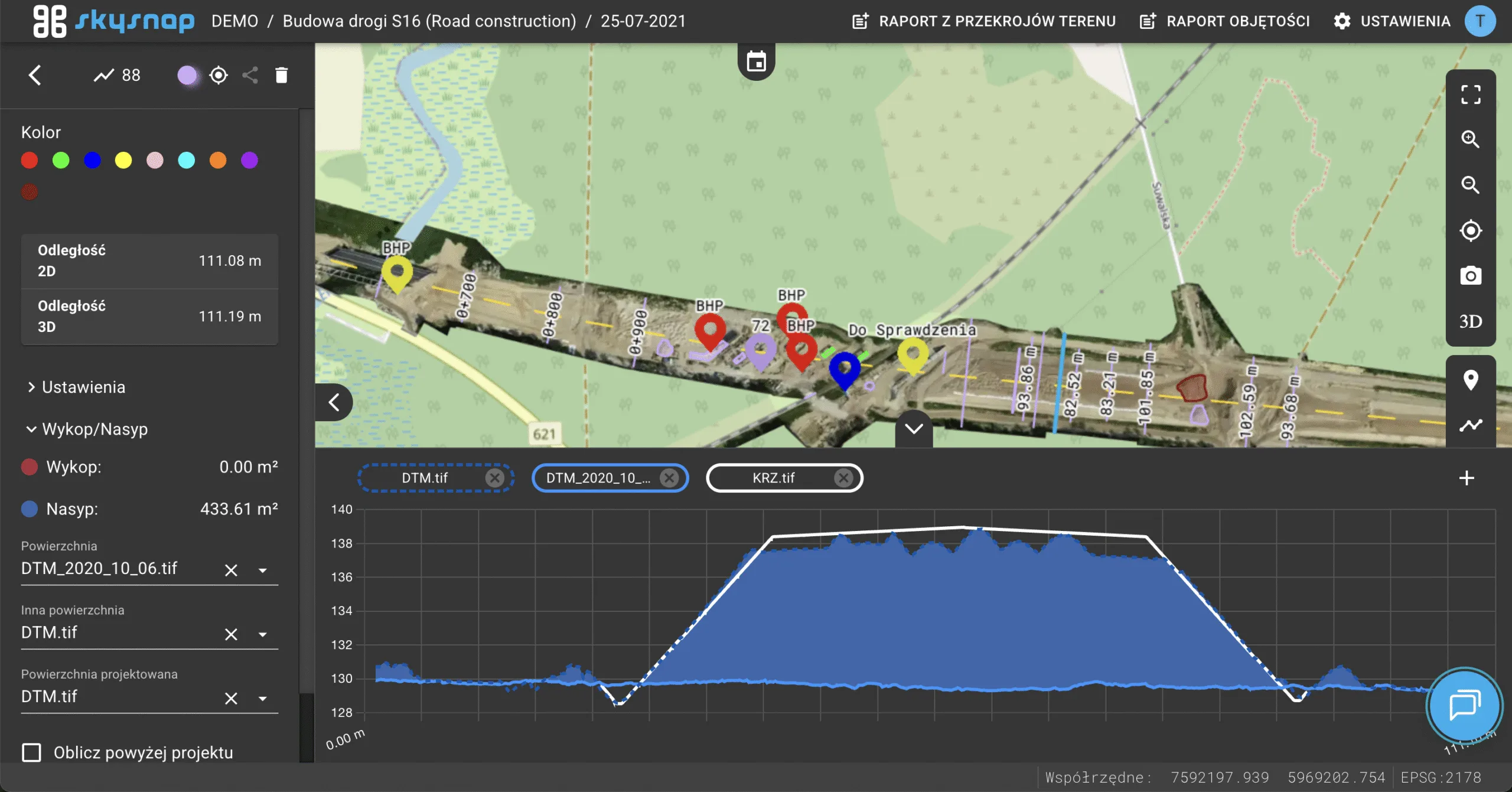
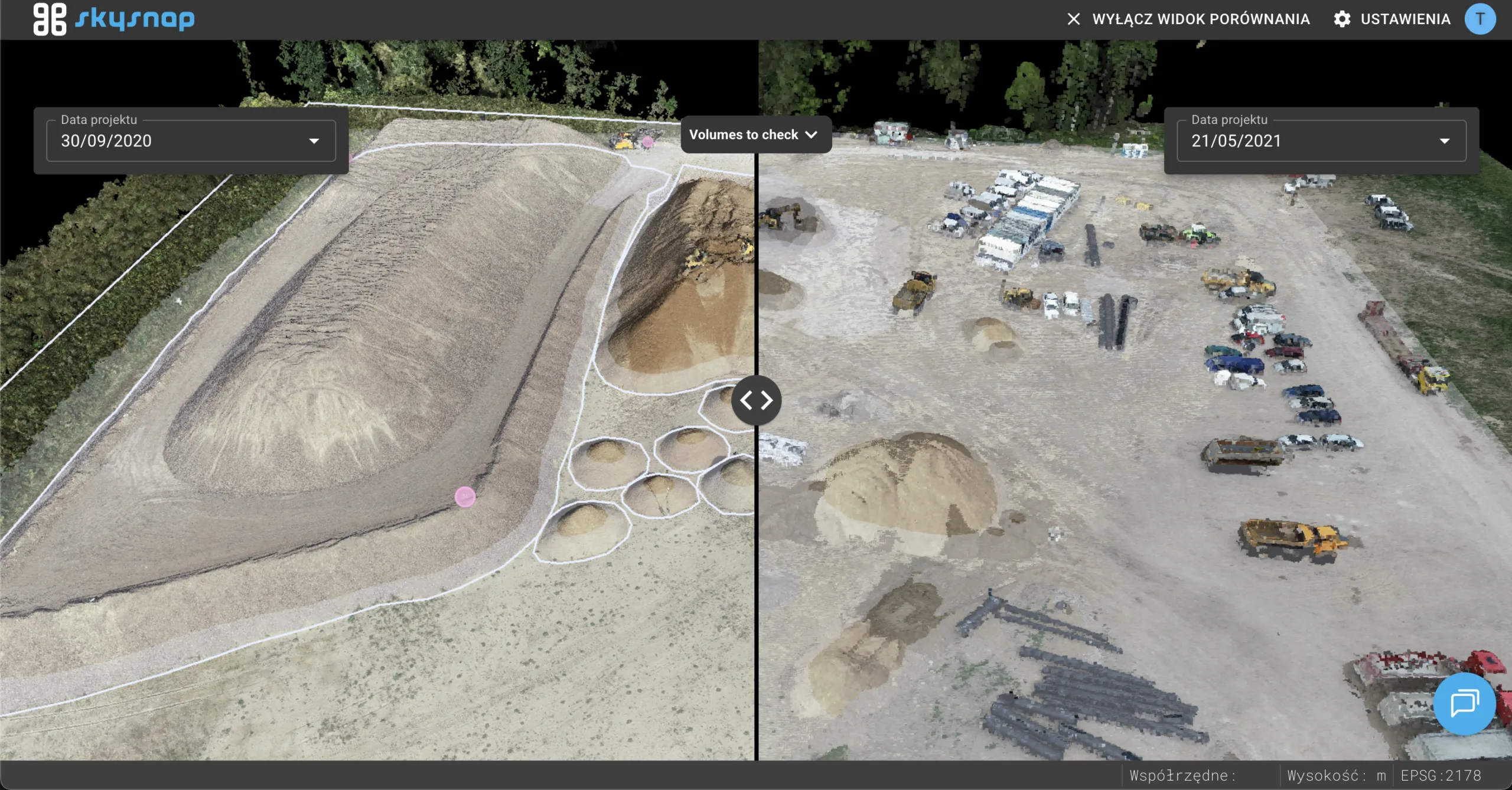
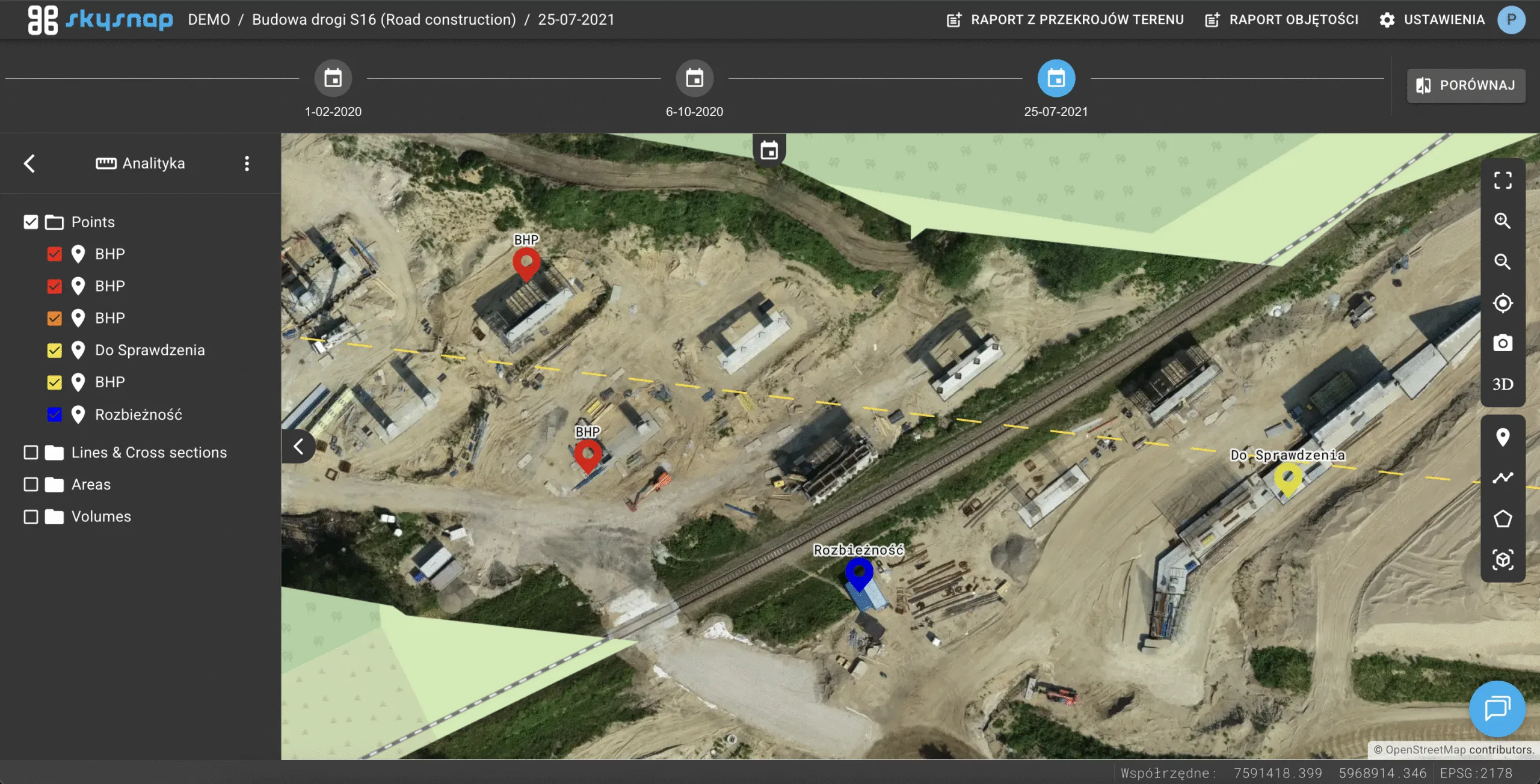
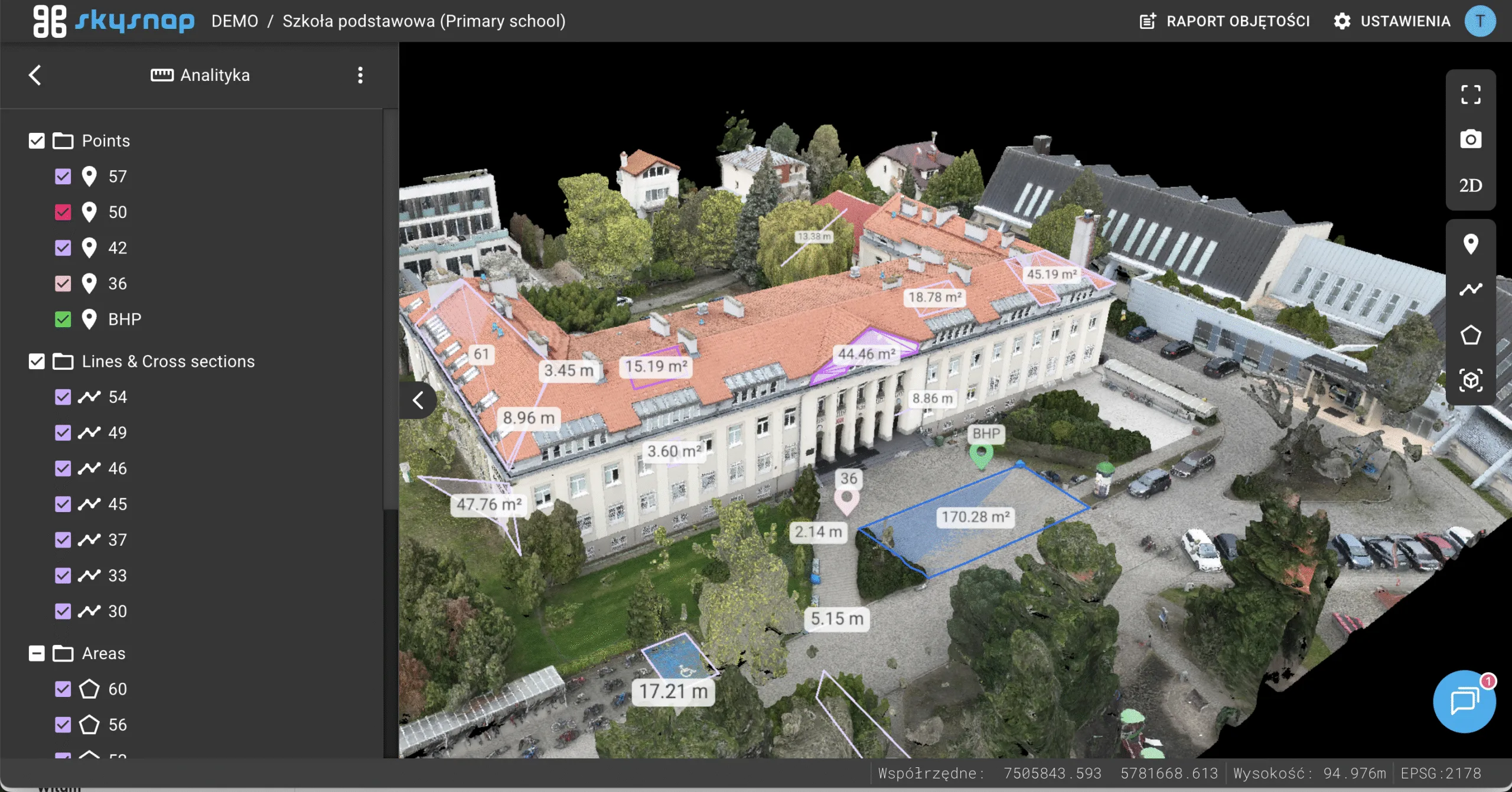
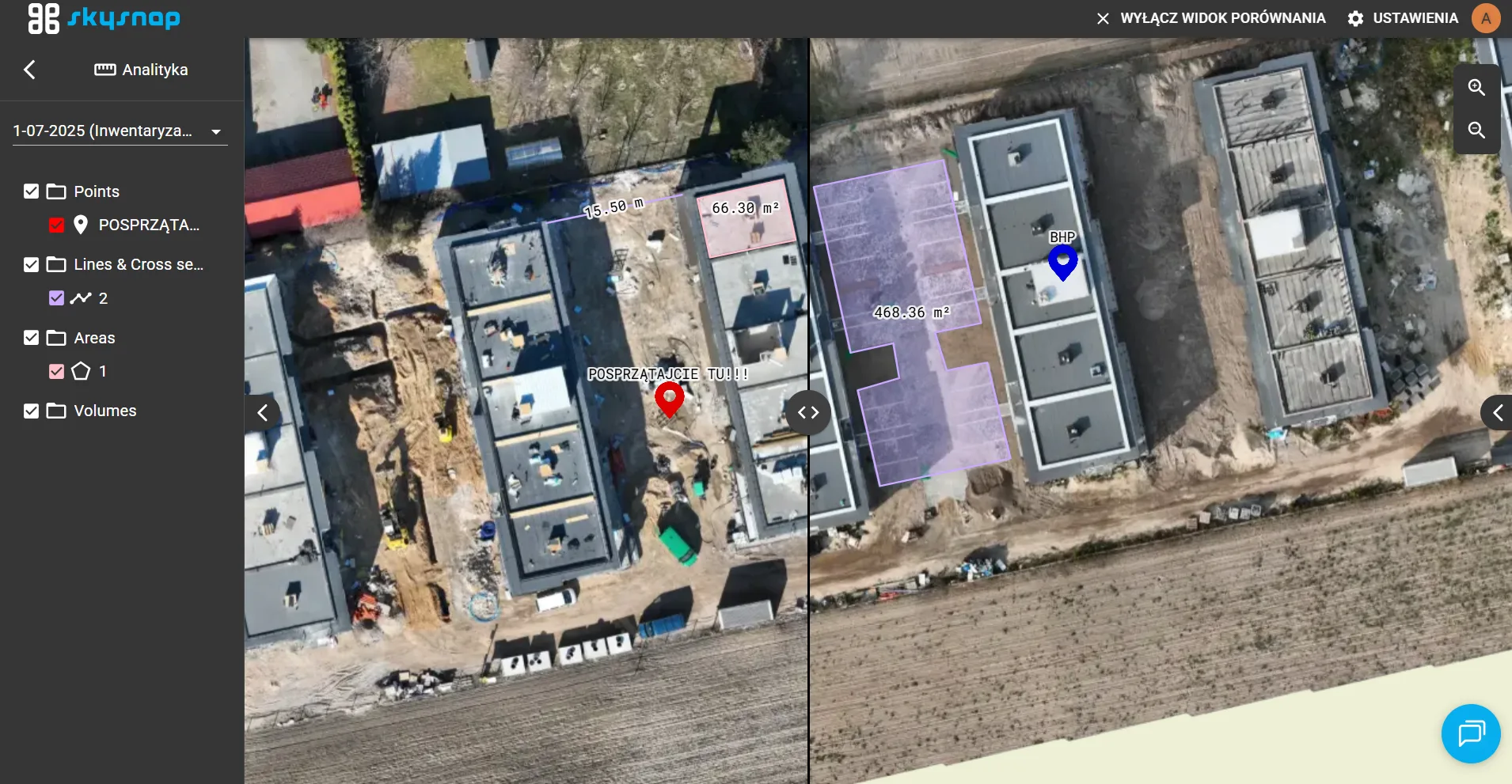
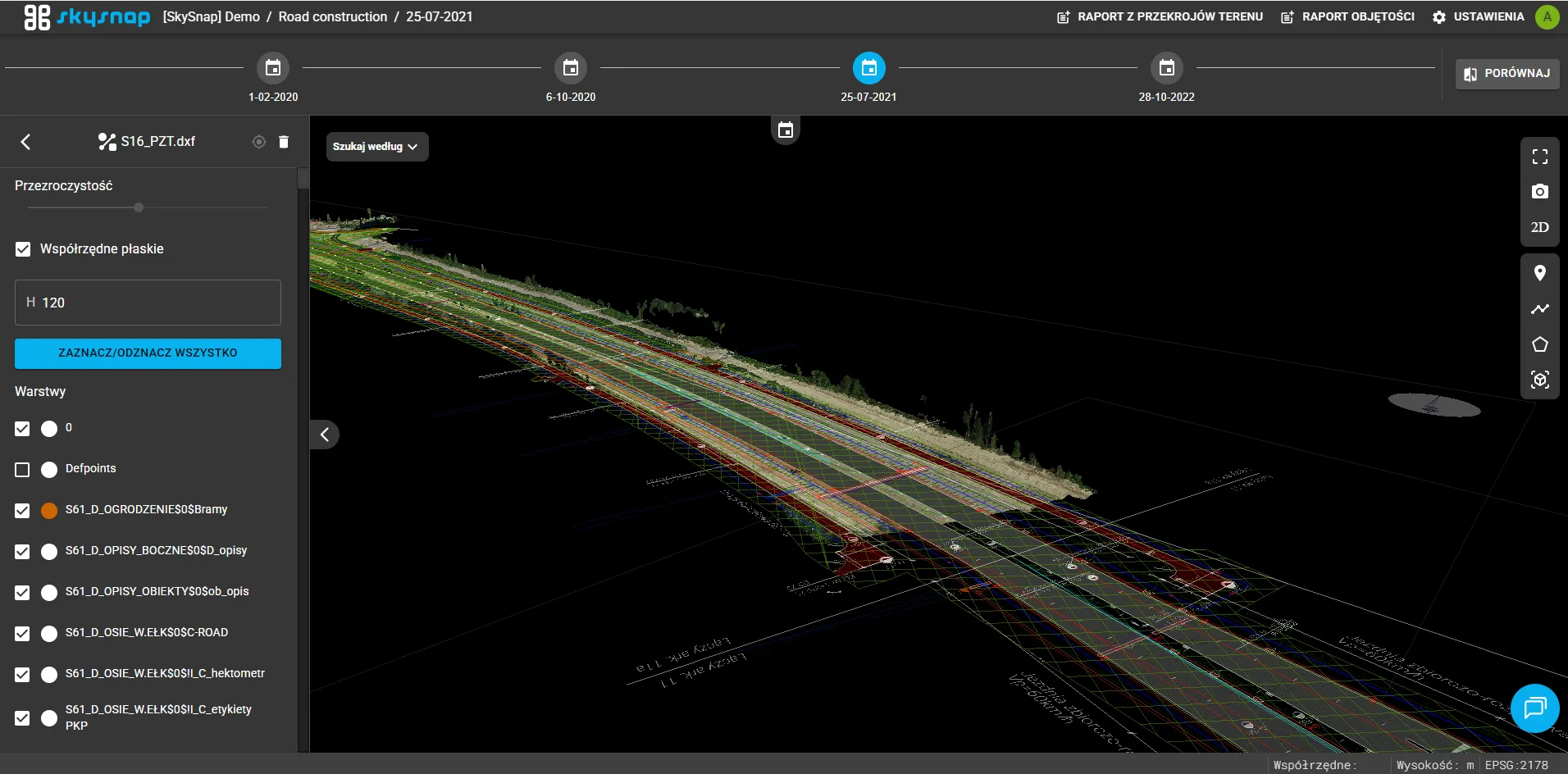
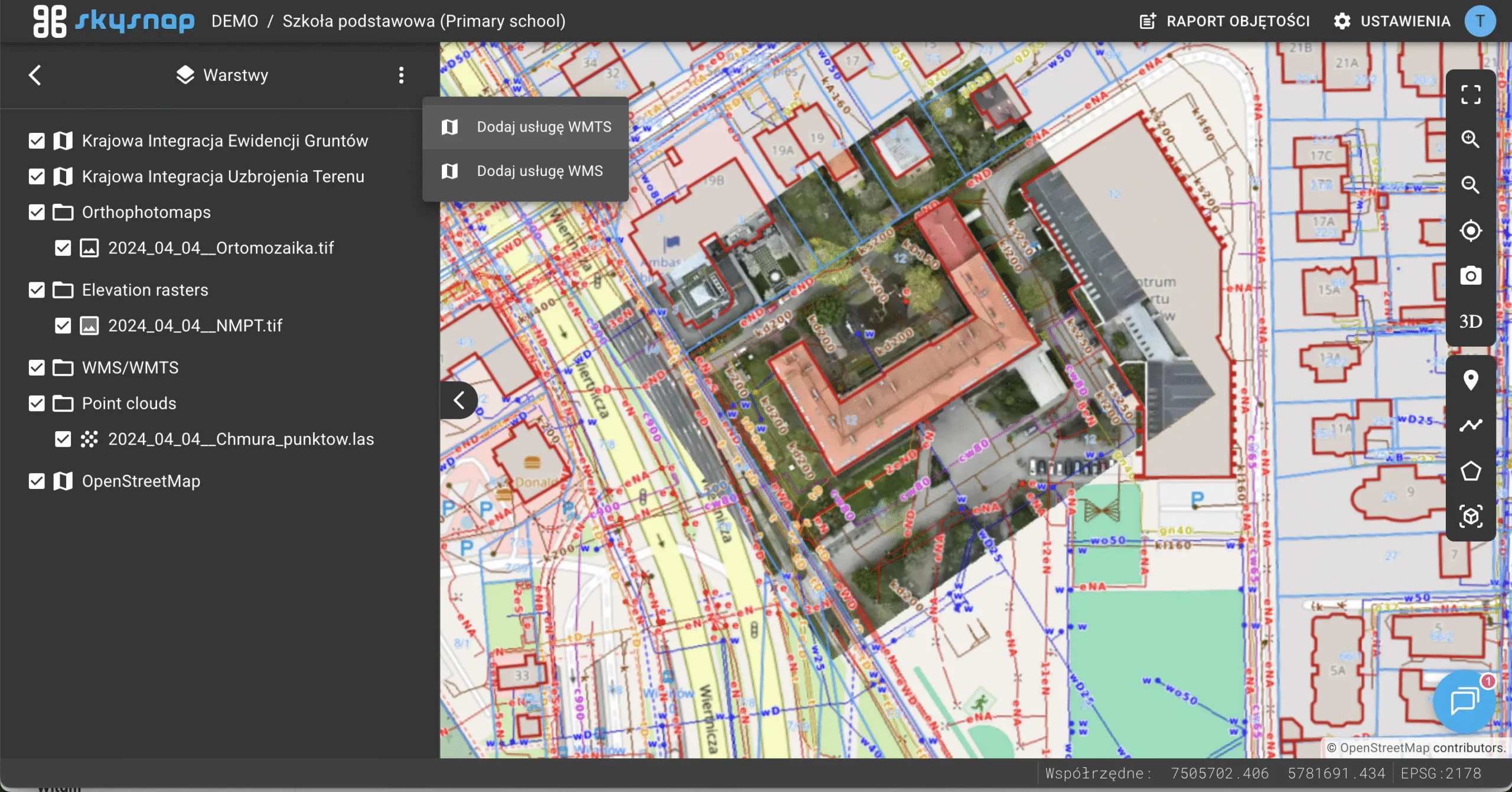
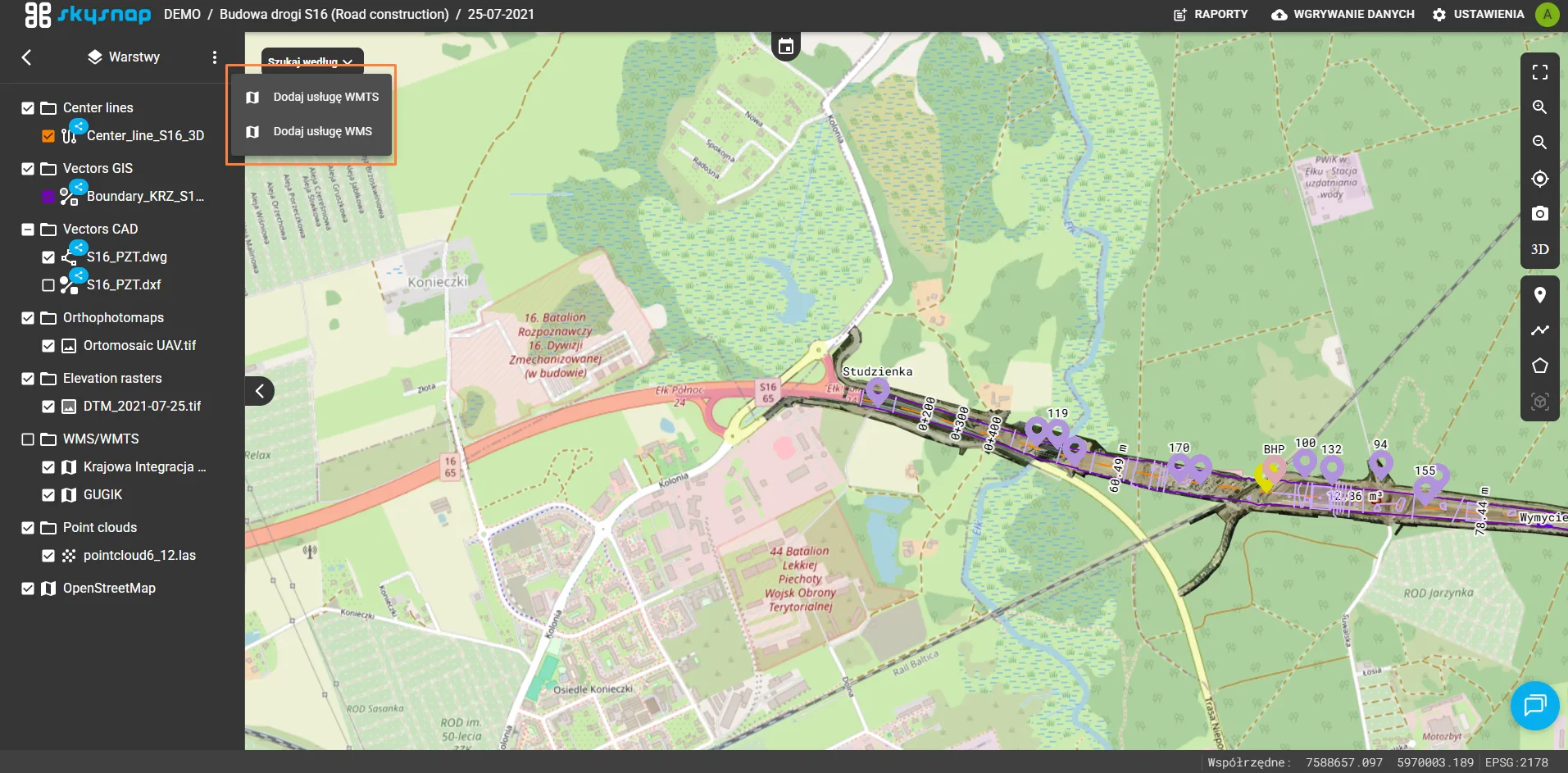
The creation of accurate terrain maps using drones is possible thanks to specialized sensors that enable the measurement of terrain parameters. The drones used for this purpose are equipped with cameras and sensors that allow the collection of terrain data. This data is then processed, making it possible to create accurate terrain maps.
Drones are used in surveying, forestry, agriculture and other industries where accurate land mapping is required. With drones, the mapping process is faster and more precise, benefiting various areas of life.
The future of commercial drones
The future of drones in commercial applications seems extremely promising. New technological opportunities and trends, as well as regulatory and security challenges, will shape the development of this industry.
New opportunities and trends
Drones are constantly evolving, and their applications are becoming more diverse. New technologies, such as artificial intelligence and automation, are opening up new opportunities for drones in many fields.
Examples of such innovations include autonomous drones, which can perform tasks without the need for direct human control. Integrating the technology with other systems, such as the Internet of Things, will further enhance their functionality.
Research and development shows that drones can find applications in new industries, such as energy and construction.
With continued innovation, drones will be able to meet increasingly complex challenges, benefiting both businesses and society.
Regulatory and safety challenges
The use of drones also comes with some challenges, especially in terms of regulation and safety. Drone regulations vary from country to country, and compliance with them is key to the safe use of these devices. The Civil Aviation Authority will need to implement new regulations to ensure safety in drone use.
One of the main challenges is privacy and airspace security. Regulations governing drone use must be flexible to keep up with the rapid development of technology.
The regulatory examples show how different countries approach drone safety and regulation.
In order for drones to develop and be used on a large scale, it is necessary to create clear and uniform regulations that protect both users and the public.
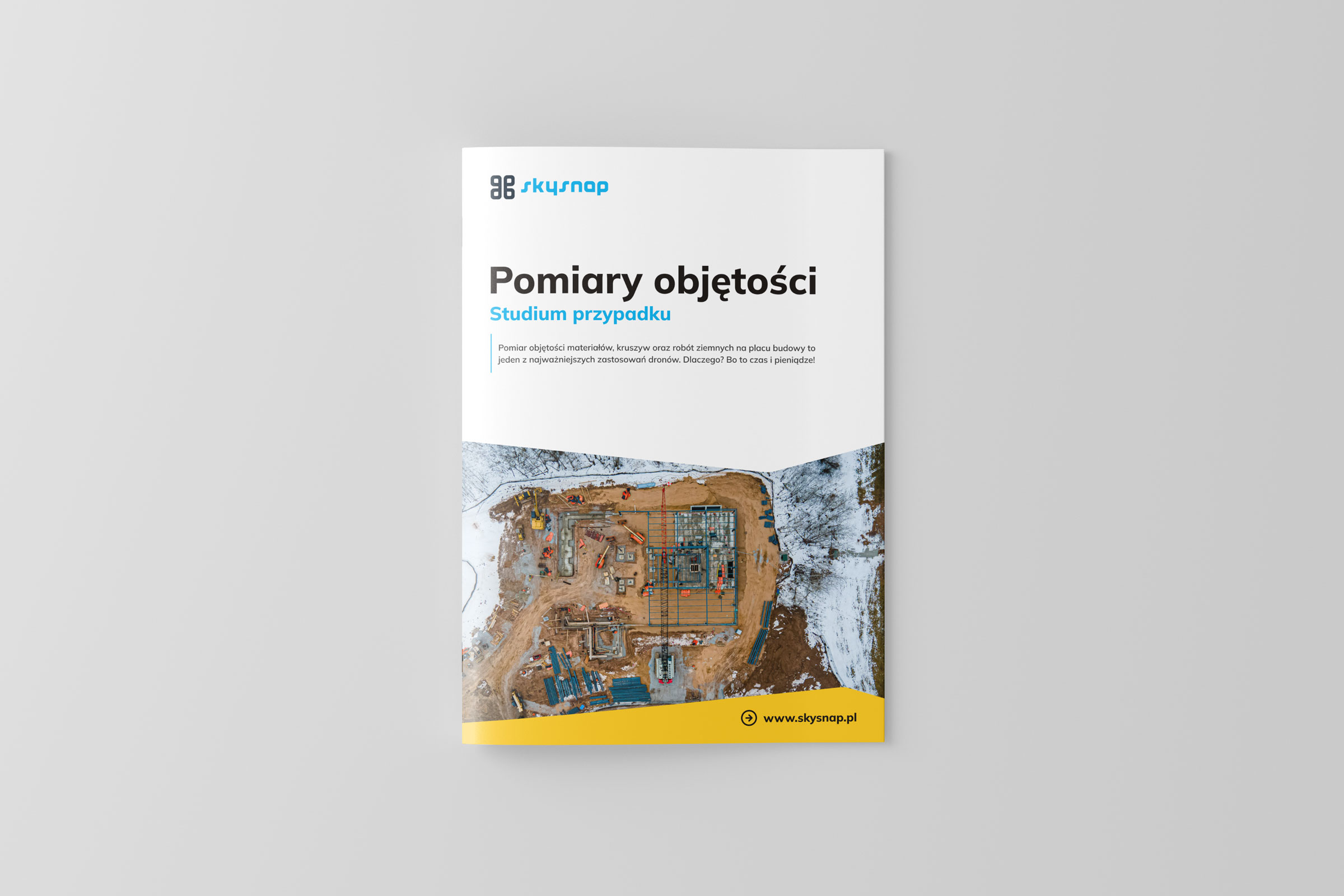
Free E-book
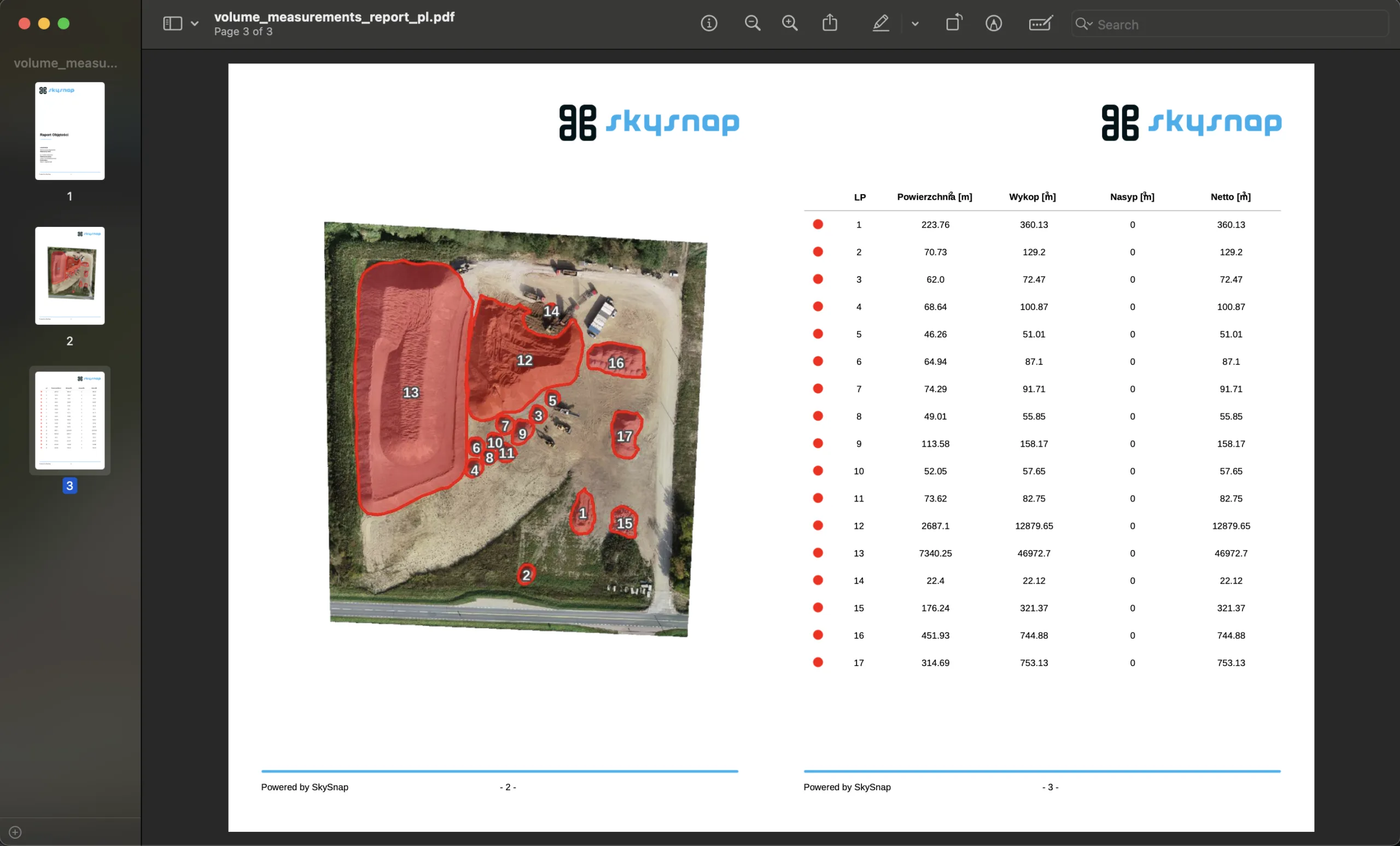
Measuring the volume of materials, aggregates and earthworks on a construction site is one of the most important uses of drones. Why? Because it’s time and money! Download our short e-book and learn how you can monetize your passion with drones.
Table of Contents:
Do you like the article? Share it with others!
Do you like the article? Share it with others!
Tips, news, insights
Related articles
Check out our articles and get the latest industry news.