Introduction to the Point Cloud
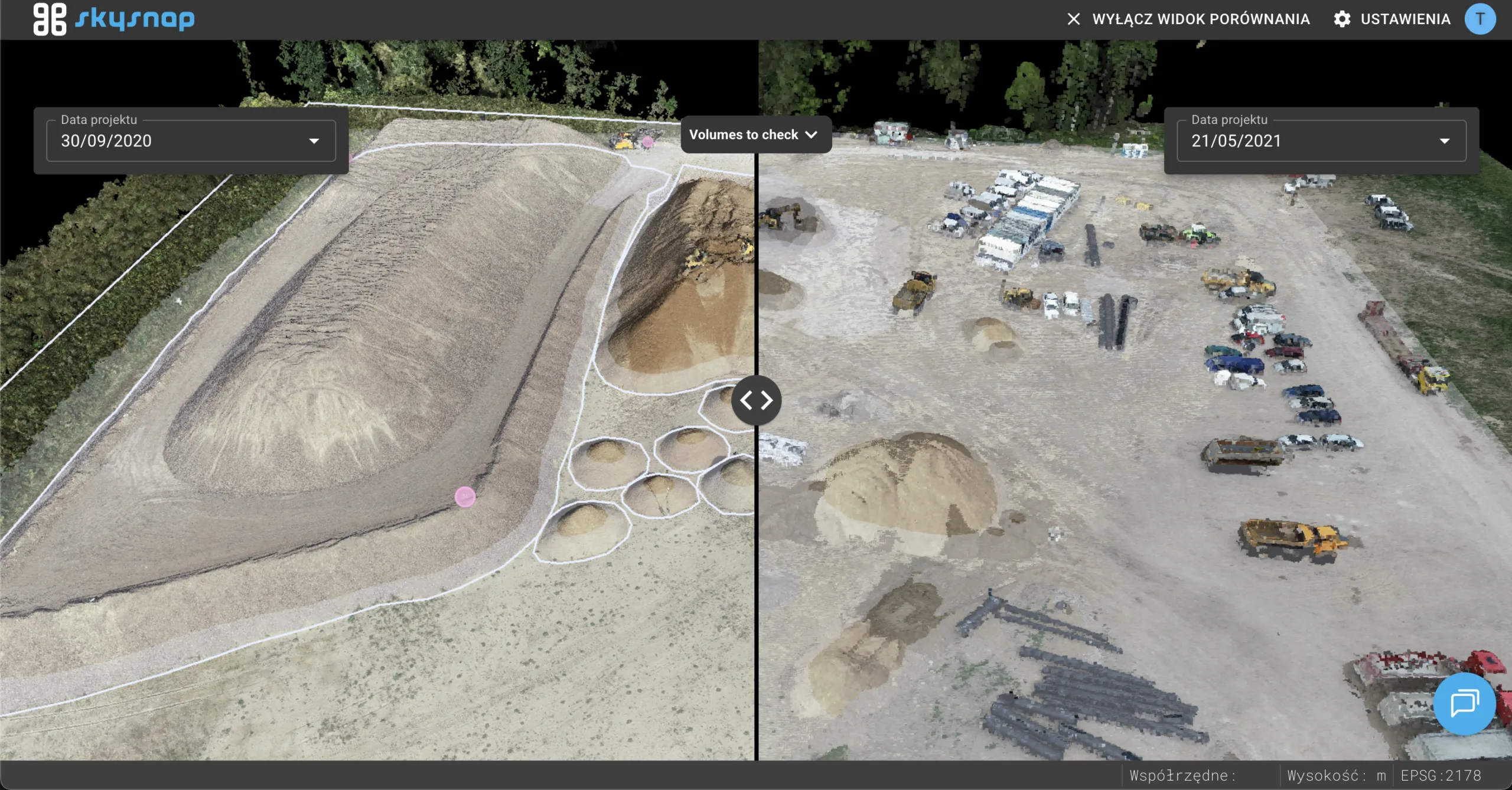
Online point cloud is a modern technology that is gaining popularity in many fields. It is a collection of three-dimensional points that represent the surface of an object or space, often created using laser scanners or photogrammetry. Thanks to their versatility and precision, point clouds are used in industries such as architecture, engineering, surveying and even entertainment. In this paper, we take a closer look at what exactly an online point cloud is, what its key features are, and how it can be used in different contexts to benefit users around the world.
What is a point cloud?
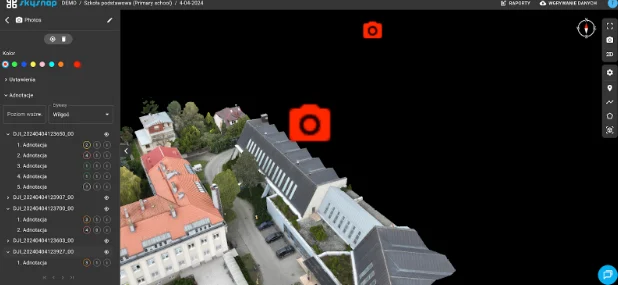
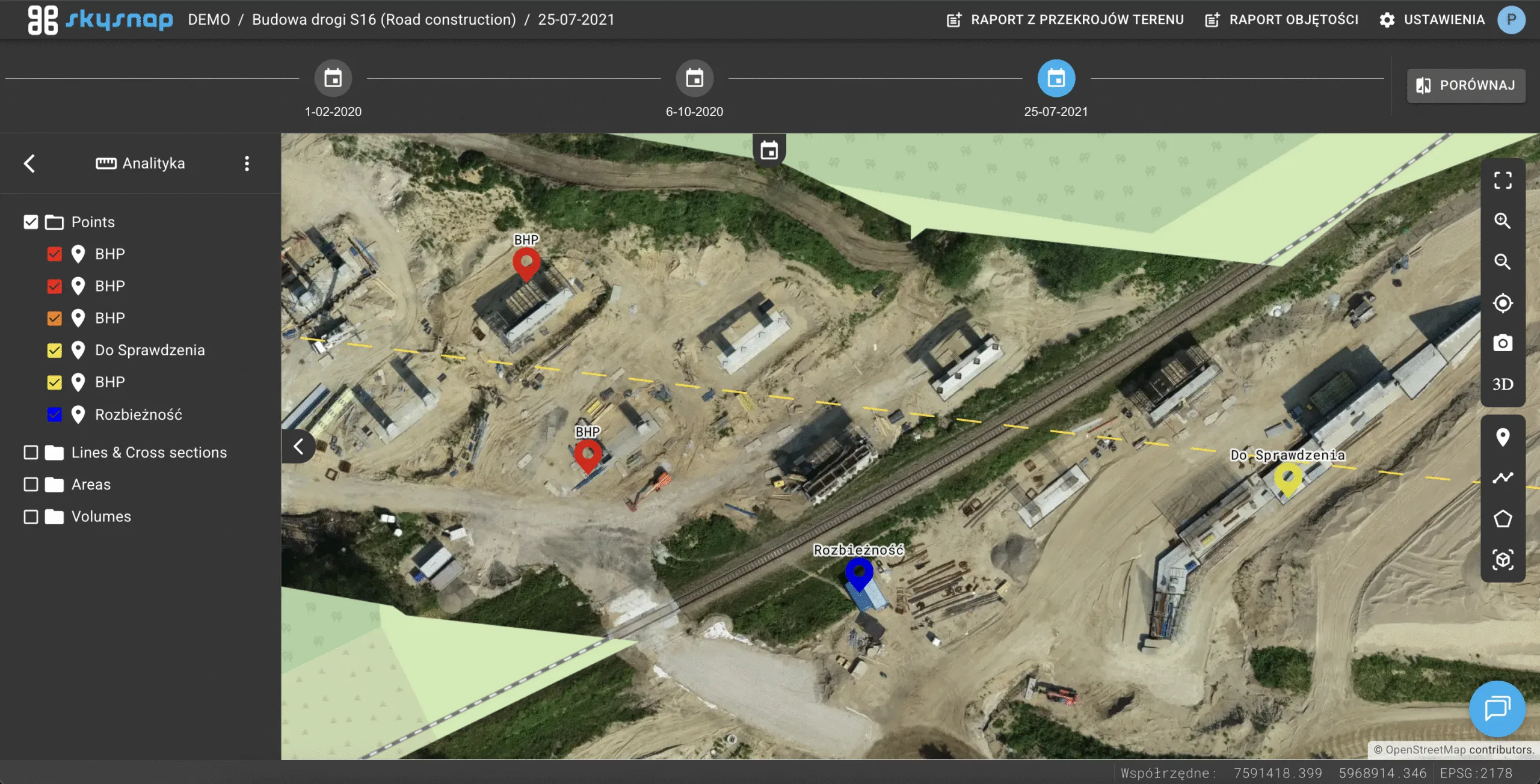
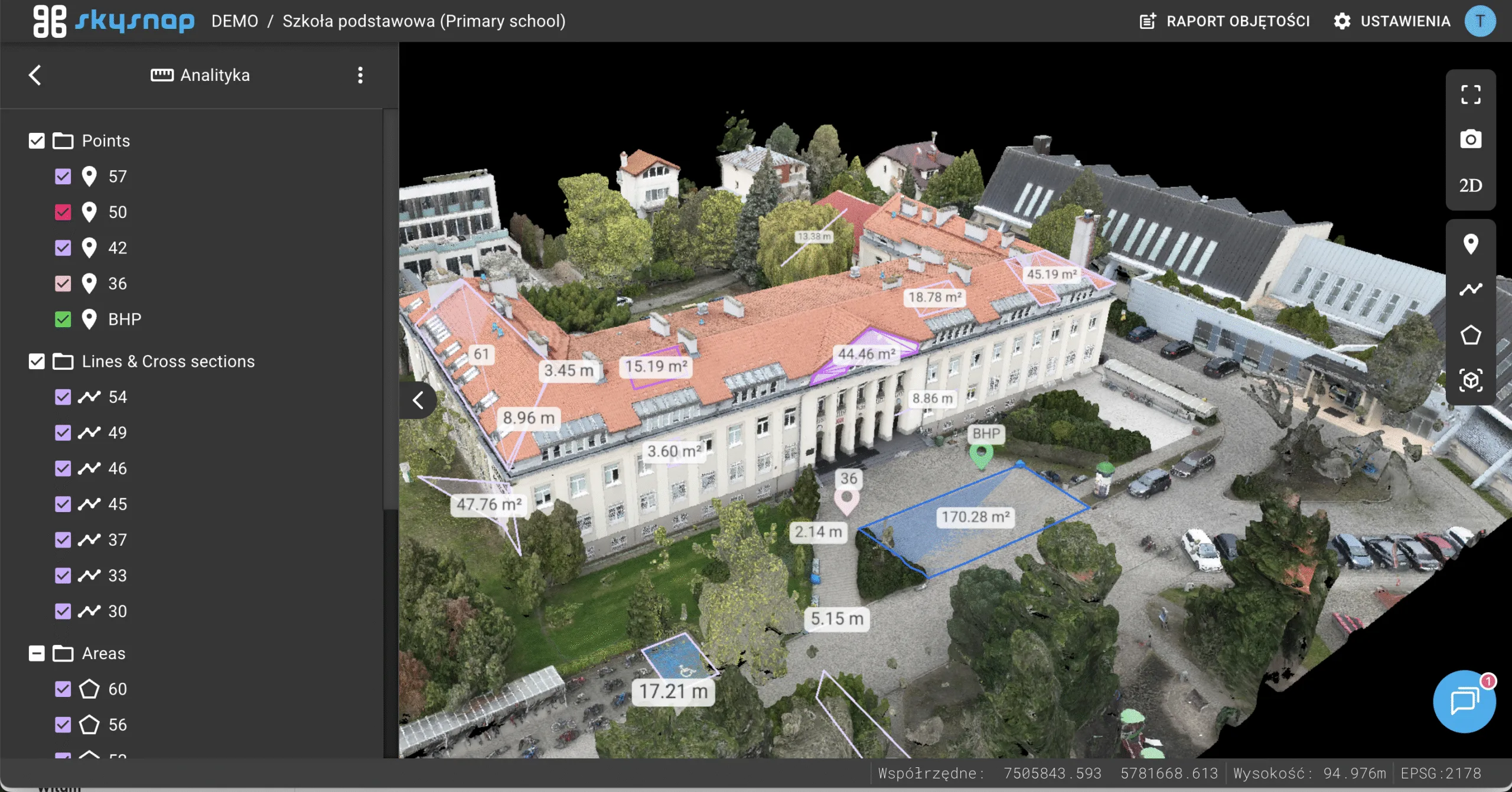
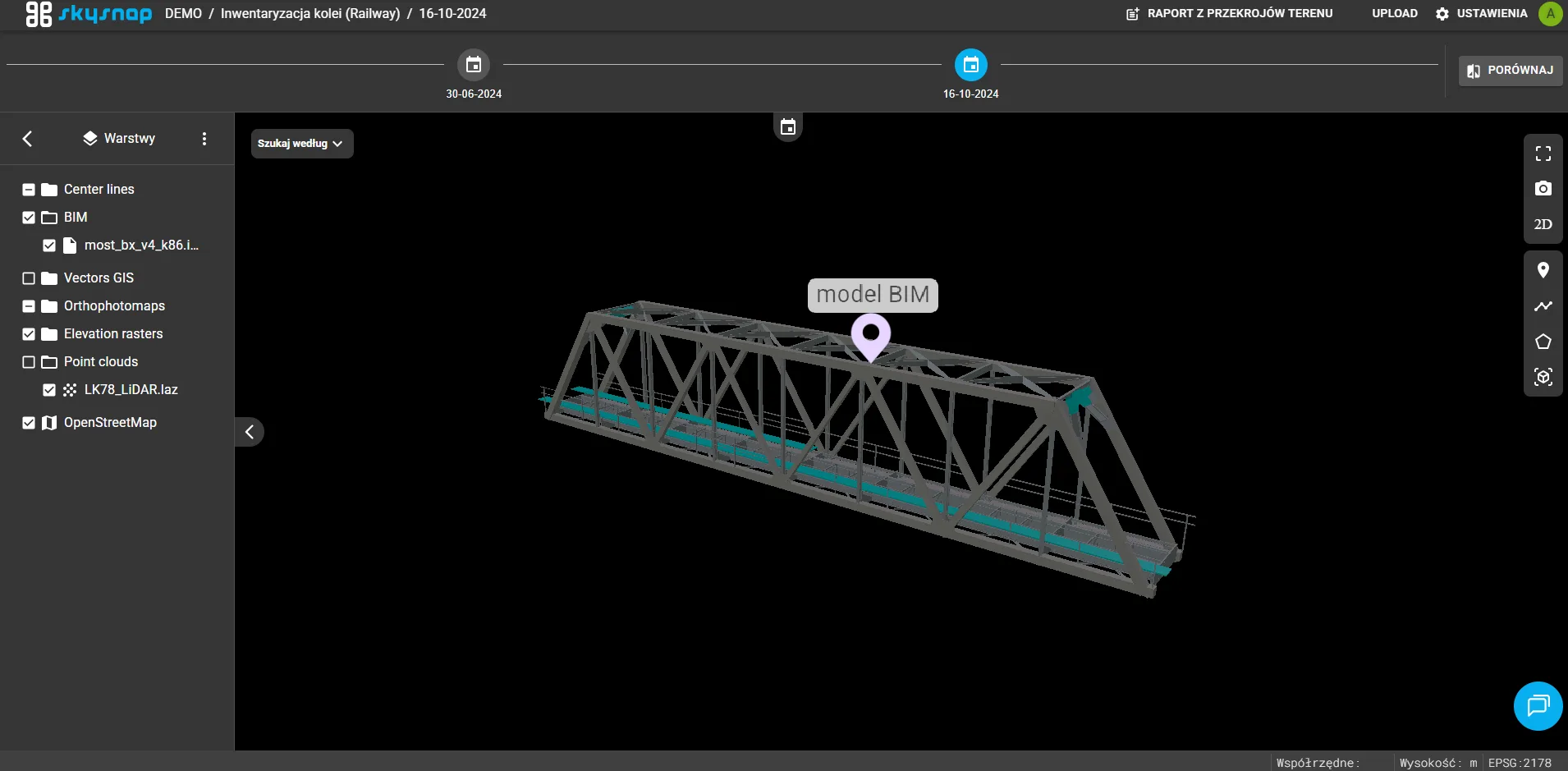
A point cloud is a digital representation of a space or object through a collection of three-dimensional points distributed in space. Each point in the cloud has its own XYZ coordinates, which allows for precise representation of the shape and structure of the scanned surface. Such data is usually collected using laser scanners or photogrammetric technology, which allows for quick and accurate capture of reality. As a result, the point cloud is becoming an essential tool in digitizing processes, which find applications in architectural design, engineering, or surveying analysis, among others. The important thing is that the point cloud provides high precision and detail, making it an extremely valuable tool for professionals in various industries who need accurate spatial data for their projects.
How does point cloud technology work?
Point cloud technology is based on precise distance measurement using devices such as laser scanners or photogrammetric scanners. A laser scanner emits a laser beam that bounces off the surface of an object and then returns to the scanner. By measuring the time the beam returns, the device calculates the exact distance to each point, thus creating a three-dimensional map of the space.
Photogrammetry, on the other hand , uses images taken from different perspectives to reconstruct a 3D image by analyzing differences in the image. Both methods generate a point cloud that can be further processed, analyzed and used in various applications. This makes it possible to create detailed digital models that reproduce real objects and spaces with high accuracy. This technology is widely used in a variety of fields, from engineering to entertainment, enabling accurate representation of reality.
Applications of the Point Cloud
Engineering and architecture
In engineering and architecture, point clouds are an invaluable tool used to accurately model and analyze structures. With the ability to accurately represent existing buildings and sites, architects and engineers can create realistic 3D models that are used to plan, design and evaluate projects. Point clouds also enable accurate measurements and analysis, which is crucial in the restoration of historic buildings, where it is important to preserve original proportions and details.
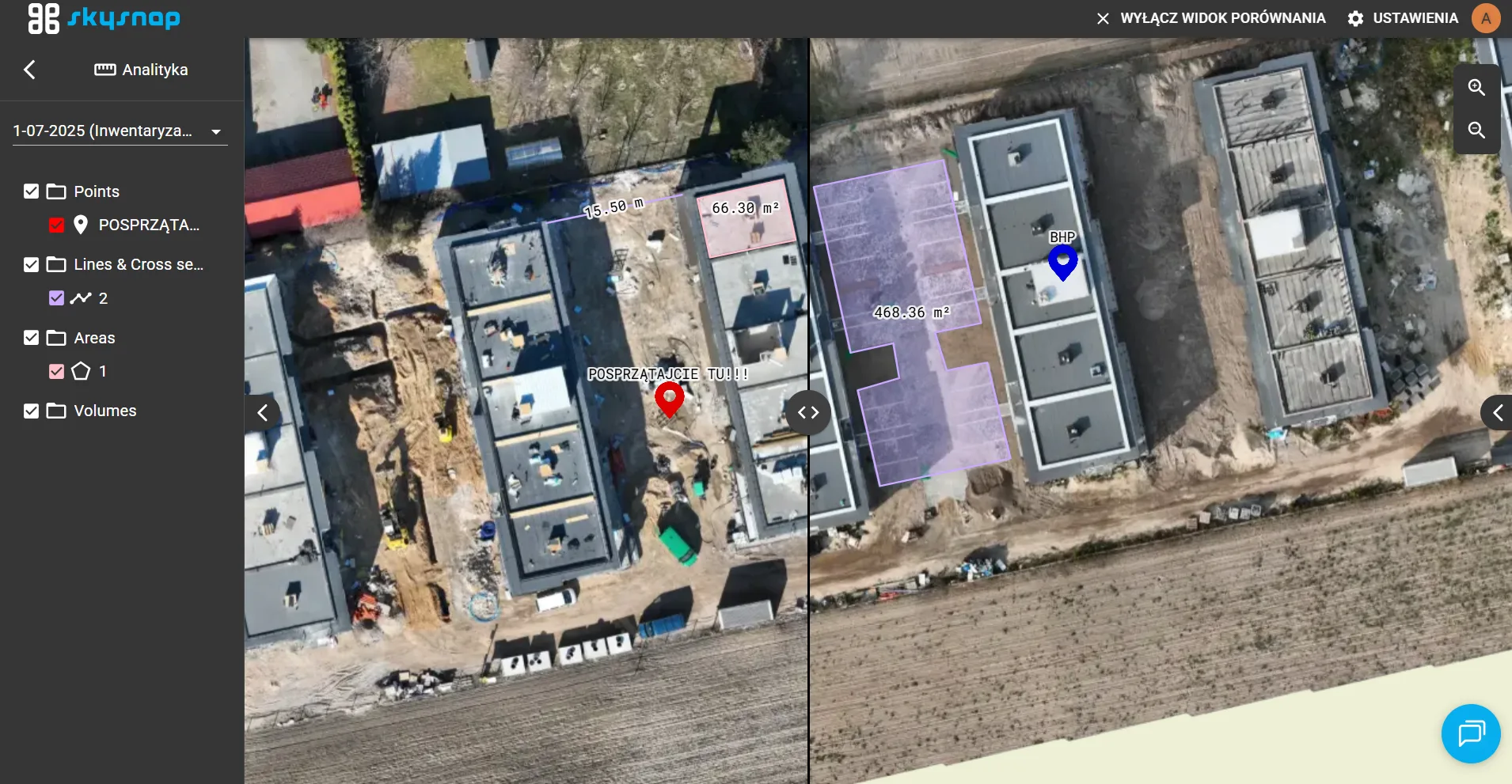
In addition, the technology is being used to monitor the progress of construction and inspect structures, helping to quickly detect and resolve potential problems. It also enables the creation of digital twins, which are virtual copies of physical objects, allowing simulation and testing of various scenarios without interfering with the actual facility.
City and infrastructure planning
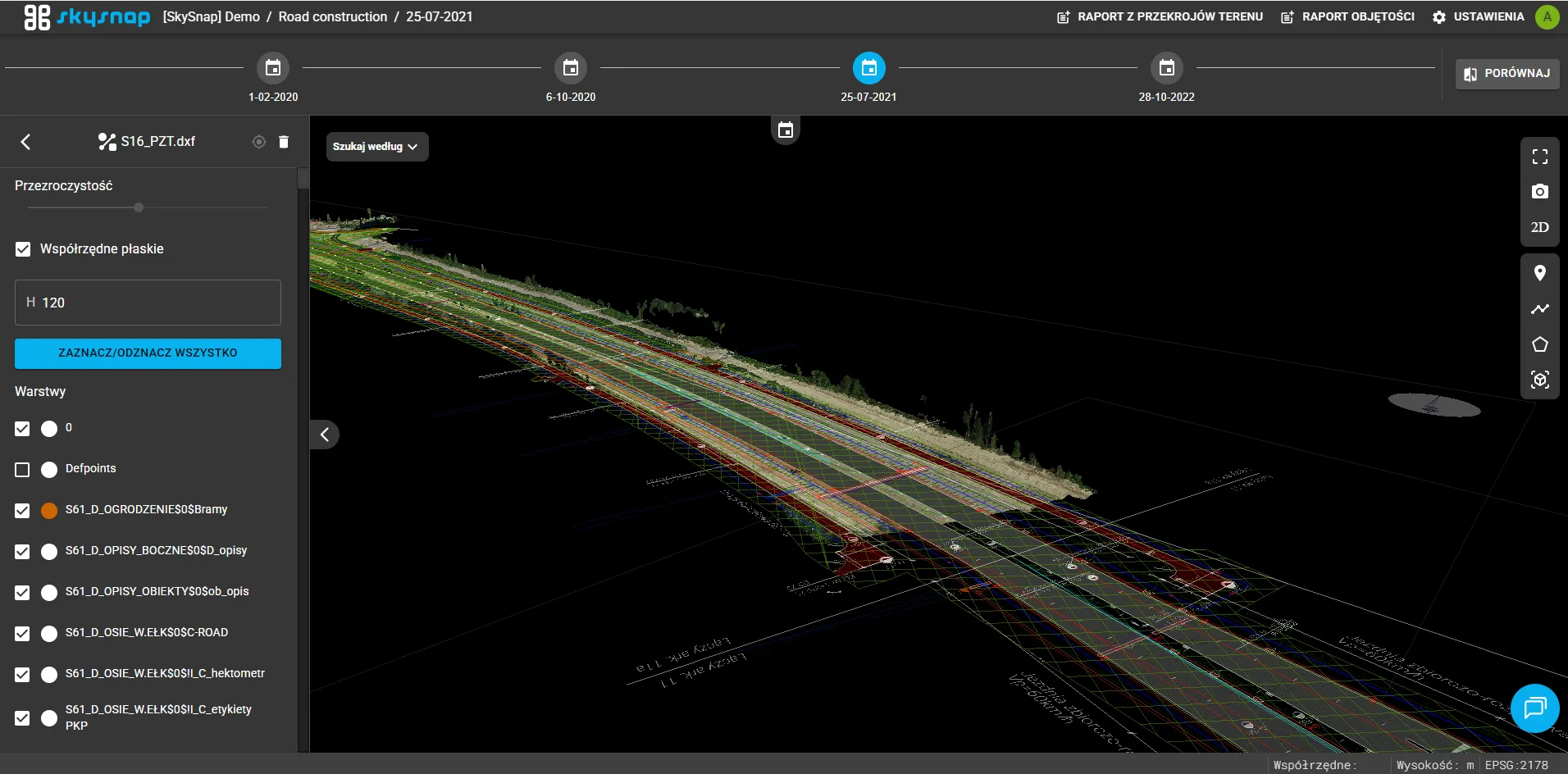
Point clouds play a key role in urban planning and infrastructure development. They enable urban planning and zoning to be carried out with exceptional precision, which is essential for creating harmonious and functional urban spaces. Using point cloud data, it is easier for planners to analyze existing buildings, green spaces and road infrastructure, which allows for a better understanding of urban space.
In addition, point clouds support the design of new facilities and the modernization of existing structures by providing detailed data that facilitates the assessment of potential environmental and social impacts of projects. The technology also makes it possible to create virtual models of cities that help visualize and simulate various development scenarios, which is extremely useful in the decision-making process regarding the future of cities and their infrastructure.
Benefits of Using the Points Cloud
Accuracy and precision of data
One of the most important advantages of using point clouds is their extreme accuracy and precision. Thanks to advanced scanning technologies such as laser scanners and photogrammetry, point clouds can map objects and spaces with millimeter-level accuracy.
This precision is crucial in many fields where even the smallest errors can lead to significant problems, such as engineering, architecture or surveying. The accuracy of point cloud data makes it possible to create detailed 3D models that are not only a faithful representation of reality, but also provide a solid basis for further analysis and simulation.
In addition, the high precision of the data allows for efficient planning and execution of projects, minimizing the risk of errors and ensuring compliance with the requirements of norms and standards. This makes point clouds an indispensable tool for professionals who strive for the highest quality and reliability in their projects.
Saving time and resources
The use of point clouds in design and analysis processes brings significant savings in time and resources. The process of laser scanning or photogrammetry is much faster than traditional surveying methods, allowing faster data collection and accelerating project implementation. As a result, professionals can focus on analyzing and interpreting the data instead of spending time acquiring it.
In addition, digital 3D models created from point clouds eliminate the need to repeatedly return to the measurement site, saving not only time but also logistics costs.
Additionally, with precise data, costly errors and rework that can result from inaccurate measurements can be avoided. As a result, the use of point clouds not only speeds up design and analysis processes, but also increases their efficiency, which is crucial in the context of limited budgets and tight project schedules.
Challenges and Limitations
Technical and hardware problems
While point clouds offer many benefits, their use also comes with some technical and hardware challenges.
- First of all, laser scanners and photogrammetric equipment are often expensive, which can be a barrier for smaller companies and projects with limited budgets.
- In addition, processing and analyzing large data sets generated by point clouds requires sophisticated software and powerful computer hardware, which can lead to increased operating costs.
- Another challenge is data quality issues in situations where environmental conditions, such as rain or fog, can interfere with the accuracy of measurements.
- In addition, the handling and interpretation of point clouds requires specialized knowledge and skills, which may require additional training for employees.
- Despite these challenges, proper resource management and staff training can significantly minimize these limitations, enabling the effective use of point cloud technology.
Data security and privacy
In the context of using point clouds, data security and privacy are important issues that require special attention. Collecting and storing large amounts of spatial data raises the risk of unauthorized access, which can lead to privacy violations or the misuse of sensitive information. Companies need to implement appropriate security measures, such as data encryption and access control systems, to protect collected data from potential threats.
In addition, the introduction of cloud solutions means that data may be stored across borders, requiring compliance with various data protection regulations.
Employees need to be aware of data security risks and receive regular information protection training. An effective security policy and proper procedures can significantly minimize privacy and data security risks in point cloud applications.
The Future of the Points Cloud
Innovation and technological development
The future of point clouds is promising thanks to continuous innovation and technological advances. Developments in laser scanning and photogrammetry are leading to the creation of increasingly sophisticated devices that offer higher precision and speed.
In addition, the integration of point clouds with technologies such as artificial intelligence and machine learning makes it possible to automate data analysis and draw more advanced conclusions.
- The development of point cloud software allows for more intuitive data management and visualization, making the technology more accessible to more users.
- In addition, advances in augmented and virtual reality are opening up new possibilities for the application of point clouds, such as in interactive spatial planning or simulations.
Further innovations are expected to contribute to even wider use of point clouds in various sectors, including construction, cultural heritage preservation and natural resource management.
Potential new applications
Point clouds have great potential to develop new applications in various industries.
- One area that can benefit from this technology is precision agriculture. With point clouds, accurate terrain maps can be created to support crop optimization and water management.
- In the healthcare sector, point clouds can be used to analyze and visualize medical data, allowing for more precise diagnoses and surgical planning.
- In the retail industry, point clouds can help create interactive shopping experiences by accurately replicating the store space in a virtual environment.
- In addition, in education, the technology can support learning by offering realistic simulations and teaching models.
Future applications of point clouds are limited only by the imagination, and their development can bring many benefits in various areas of daily and professional life.
Free E-book
Learn how to prepare a mission step-by-step, avoid raid mistakes and create accurate orthophotos and 3D models. The perfect guide before your first commercial assignments.
Table of Contents:
Do you like the article? Share it with others!
Do you like the article? Share it with others!
Tips, news, insights
Related articles
Check out our articles and get the latest industry news.