Modern technology in construction: how drones are changing the rules of the game
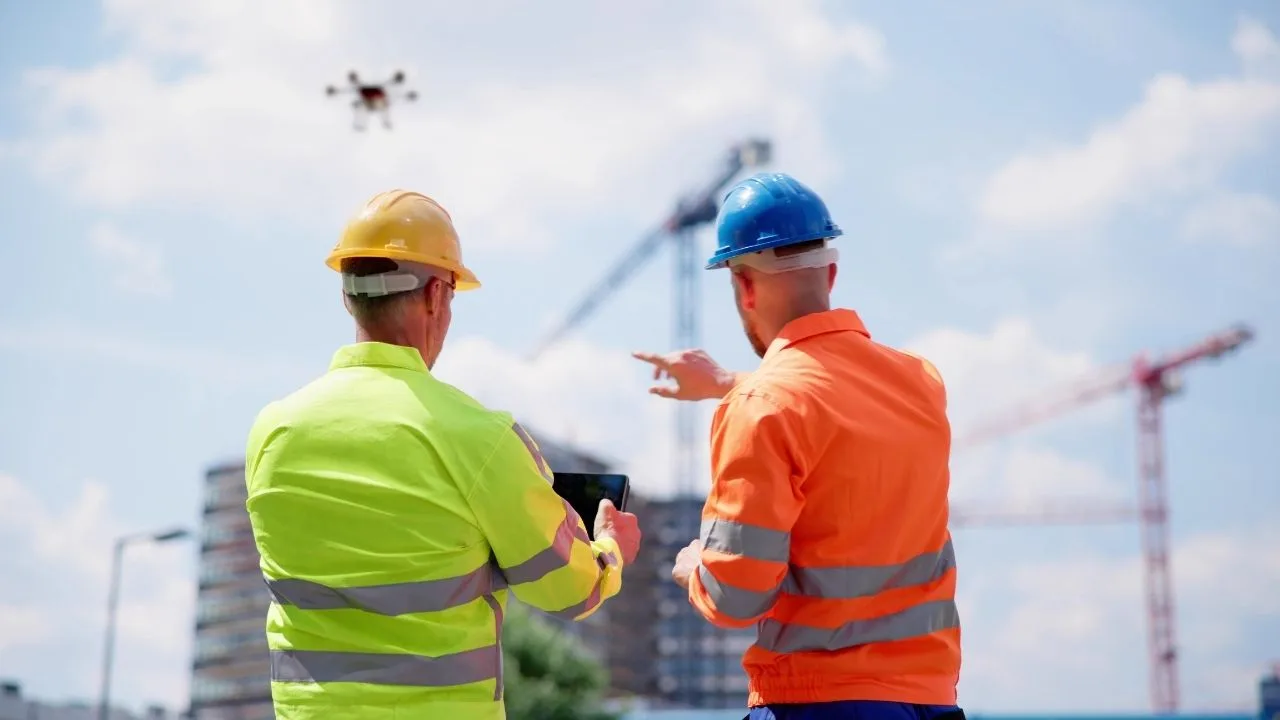
In recent years, modern technology has revolutionized many industries, and construction is no exception. The introduction of drones into everyday work on construction sites is not only changing the way projects are designed and executed, but also improving the efficiency and safety of the work. Drones enable fast and accurate data collection, which allows better planning and monitoring of work progress. They make it easy to inspect hard-to-reach areas, minimizing risks to workers. In this article, we take a look at how drones are transforming the construction industry and the benefits they bring to all parties involved.
Introduction to drones in construction
Drones have become a key element in the construction industry, transforming traditional work methods. Drones allow inspections and monitor the progress of work, helping to improve quality and reduce costs. Their development and growing popularity are bringing significant changes to the way construction projects are managed.
History and development of drone technology
The history of drones dates back to the early 20th century, when experimentation with unmanned aerial vehicles began. Unmanned aerial vehicles, also known as drones, were initially used mainly by the military, but over time they have found applications in various industries.
In the 2000s, drone technology has advanced significantly, becoming more accessible to commercial users. Investment in research and development has led to drones with a variety of functions and applications.
Nowadays, drones are increasingly being used in construction, so the industry is experiencing a significant transformation.
Drones in the construction industry enable the automation of many processes, which improves work efficiency. Their ability to quickly collect data and conduct inspections improves the management of construction projects.
Increasing popularity of drones in the construction industry
The popularity of drones in the construction industry has grown for several reasons. Due to their versatility, drones are playing an increasingly important role in the construction industry, especially in the context of property technical inspections.
First, drones offer quick access to data, which is crucial for decision-making. They also enable efficient monitoring of work progress, which increases precision and reduces the risk of errors.
With drones, construction companies can reduce operating costs by eliminating the need to hire expensive inspection equipment. Drones can also improve construction site safety by minimizing the need for human labor in dangerous conditions.
The rise in popularity of drones is also a result of their flexibility and versatility. They can be used for a variety of tasks, from inspections to site mapping, making them an indispensable tool for modern construction sites.
Drone applications on construction sites
Drones on construction sites perform a number of important functions, contributing to the efficiency and safety of work. Through the use of drones, it is possible to reach any place on the construction site. They make project management more precise and less time-consuming.
Monitoring the progress of the work
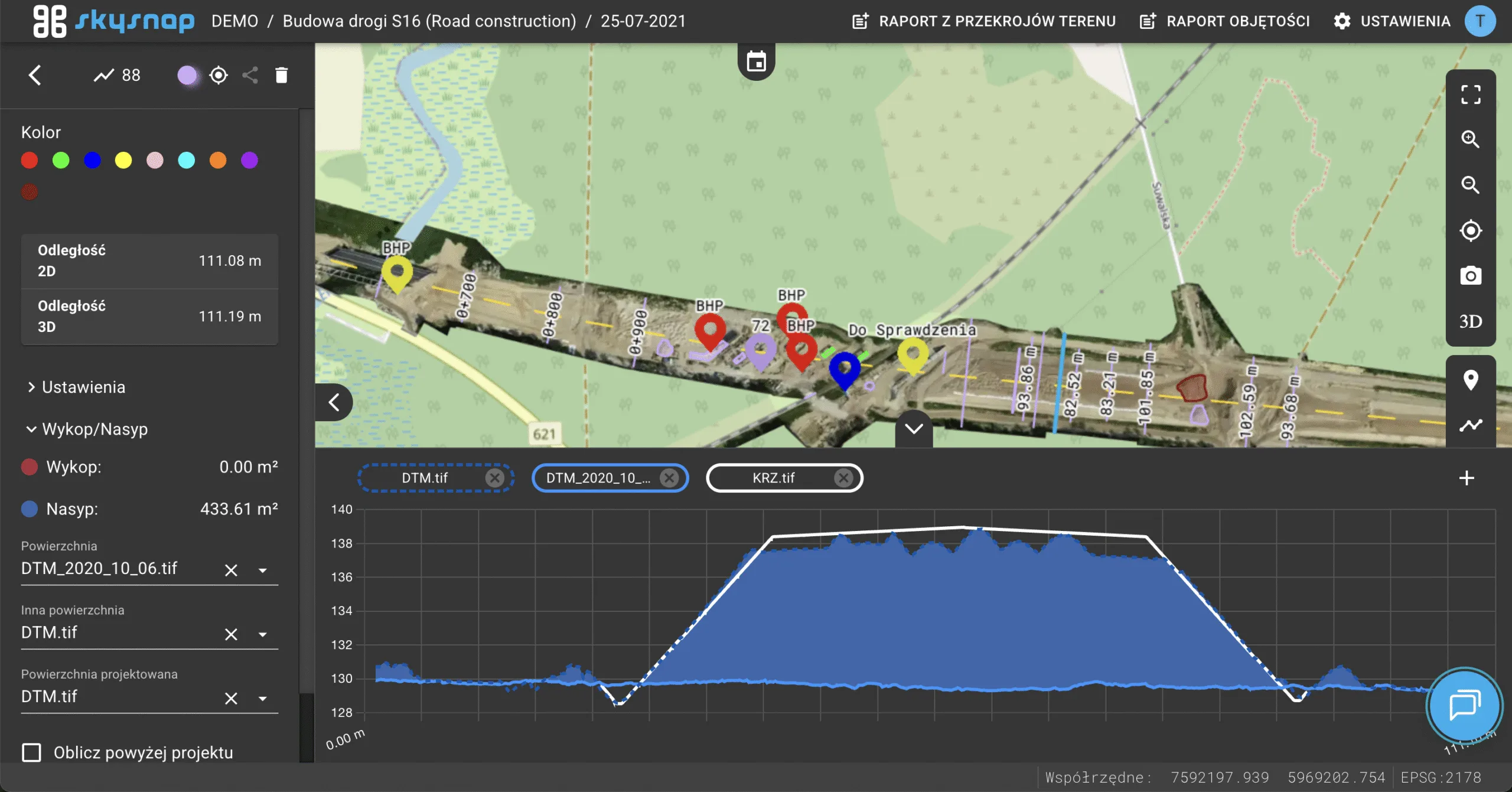
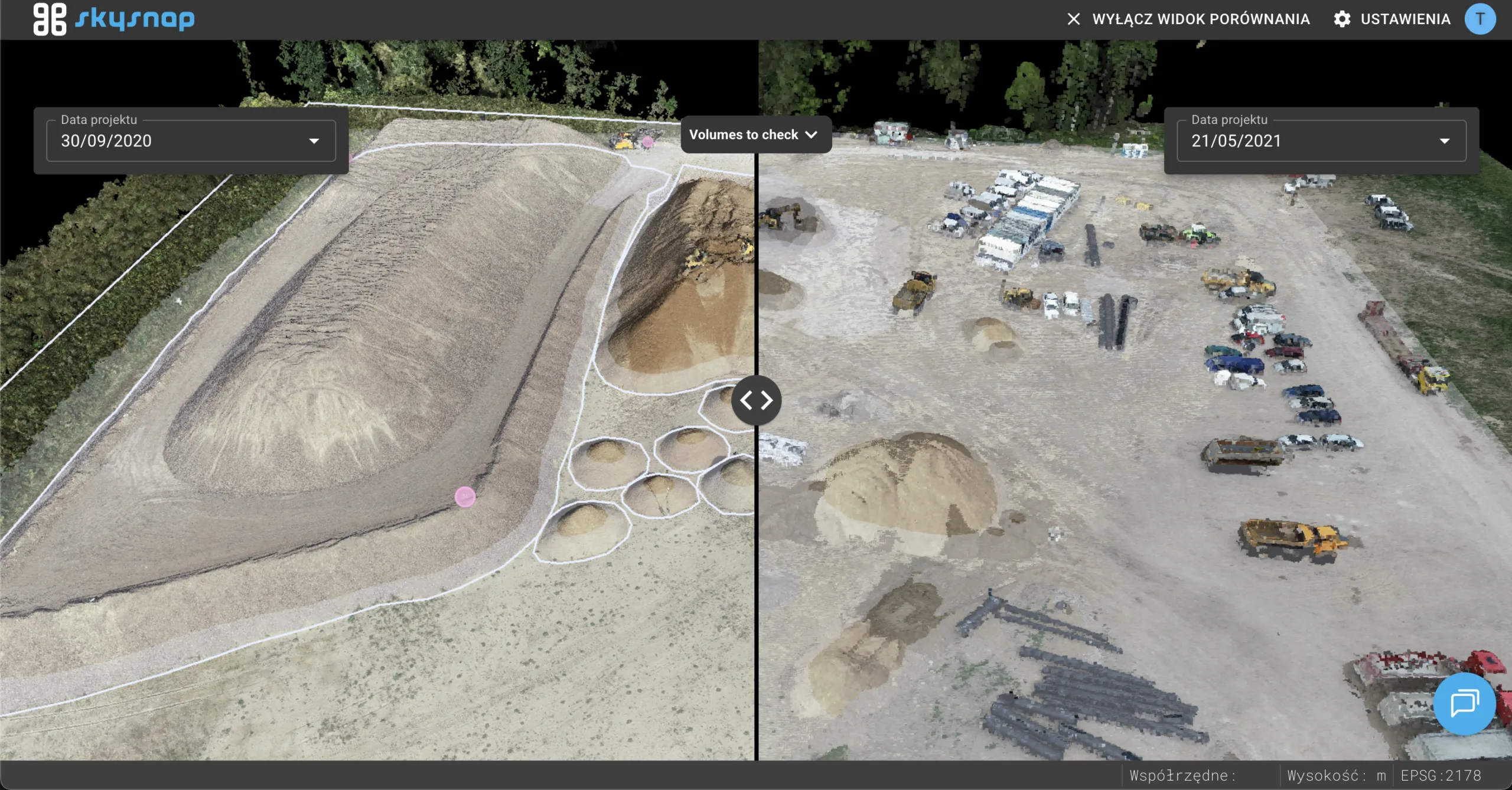
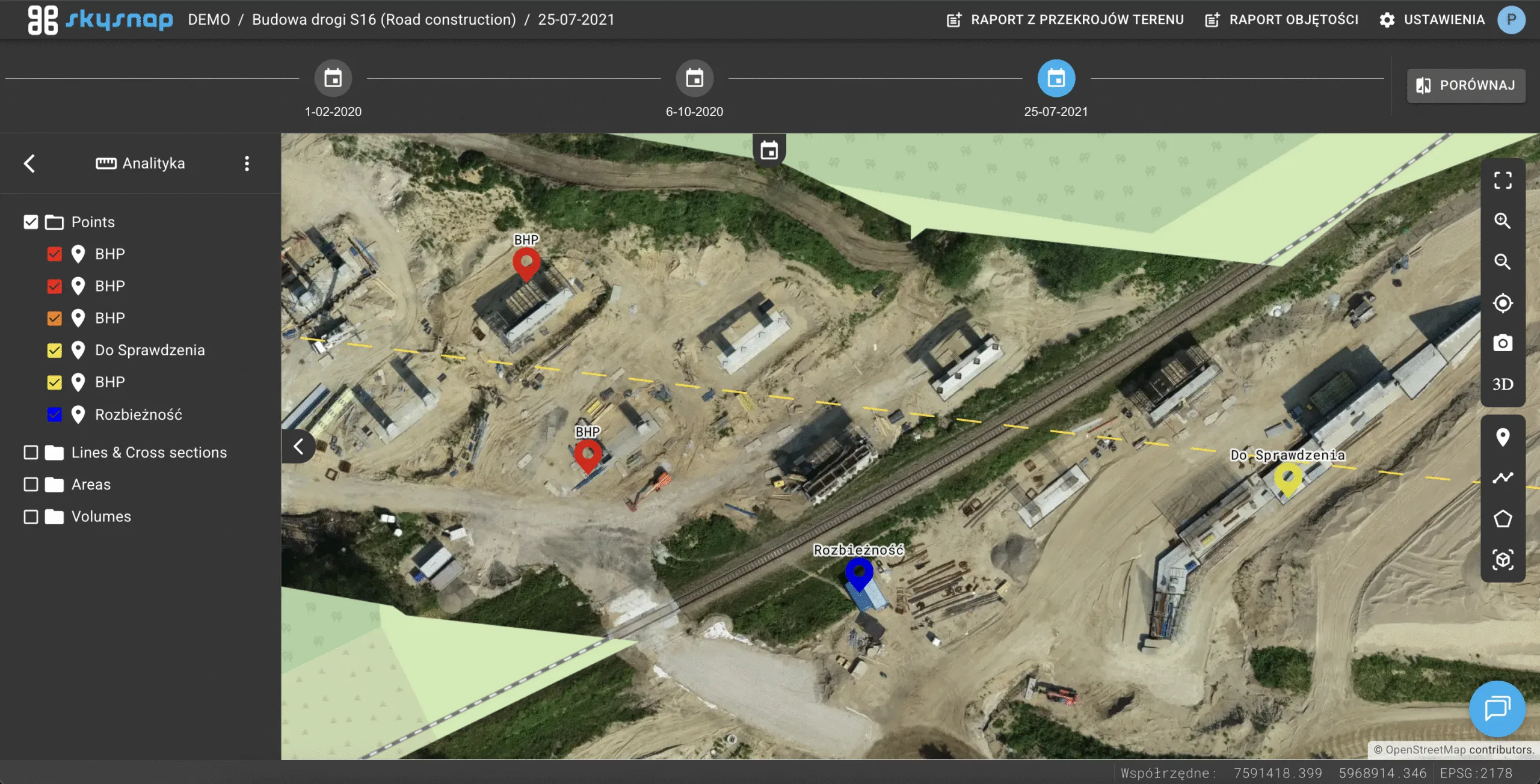
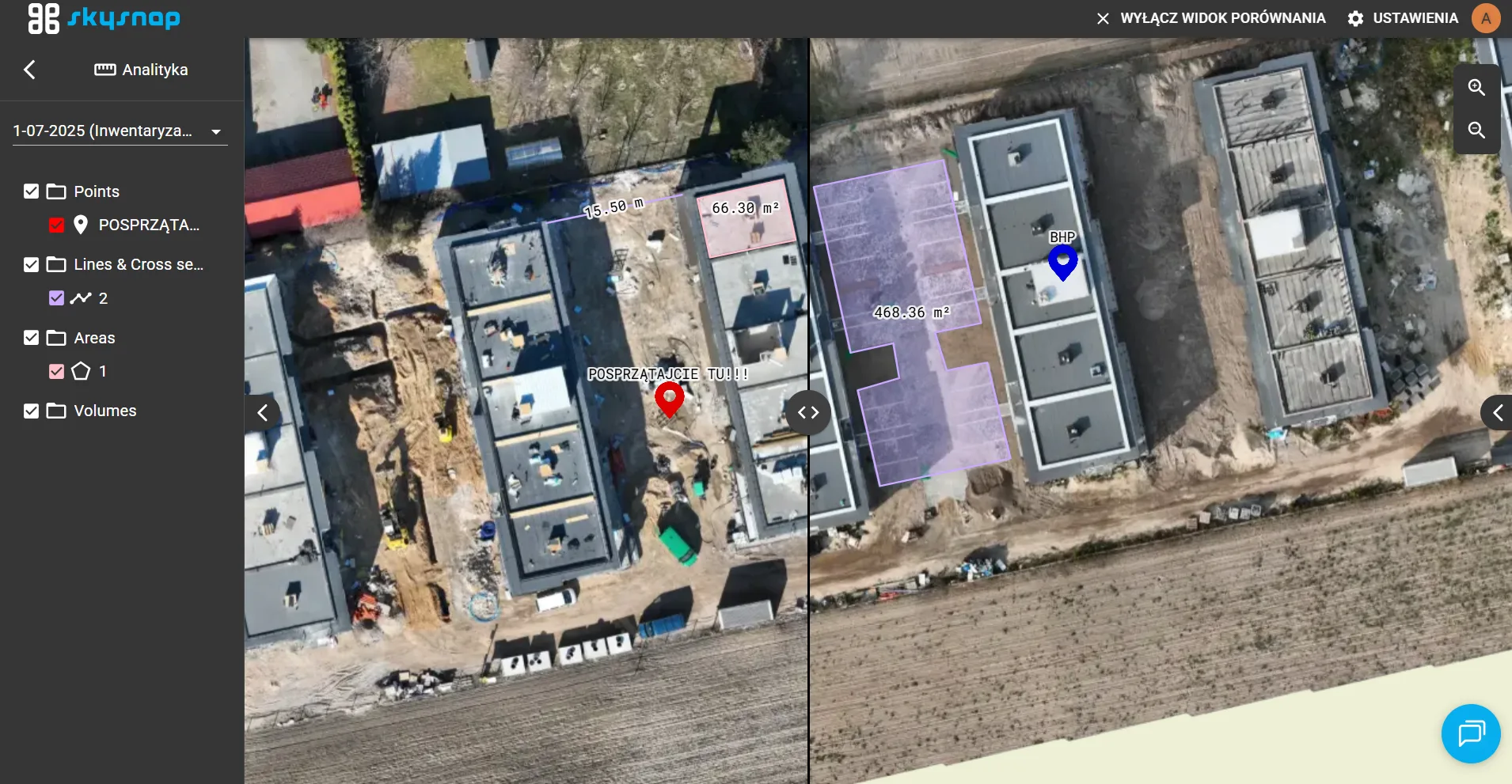
Drones provide a fast and accurate way to monitor the progress of work on a construction site. Their ability to collect real-time data allows for immediate adjustments to plans, which is key to maintaining the project schedule.
- Regular overflights: Drones can regularly fly over a construction site, recording changes and identifying areas that need attention.
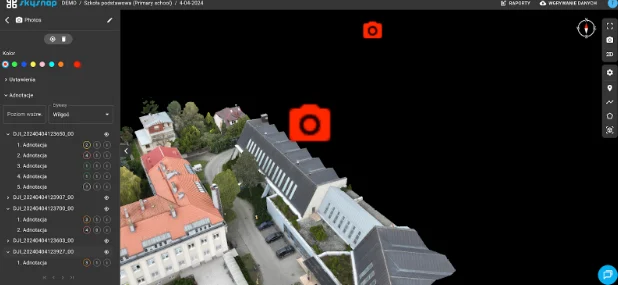
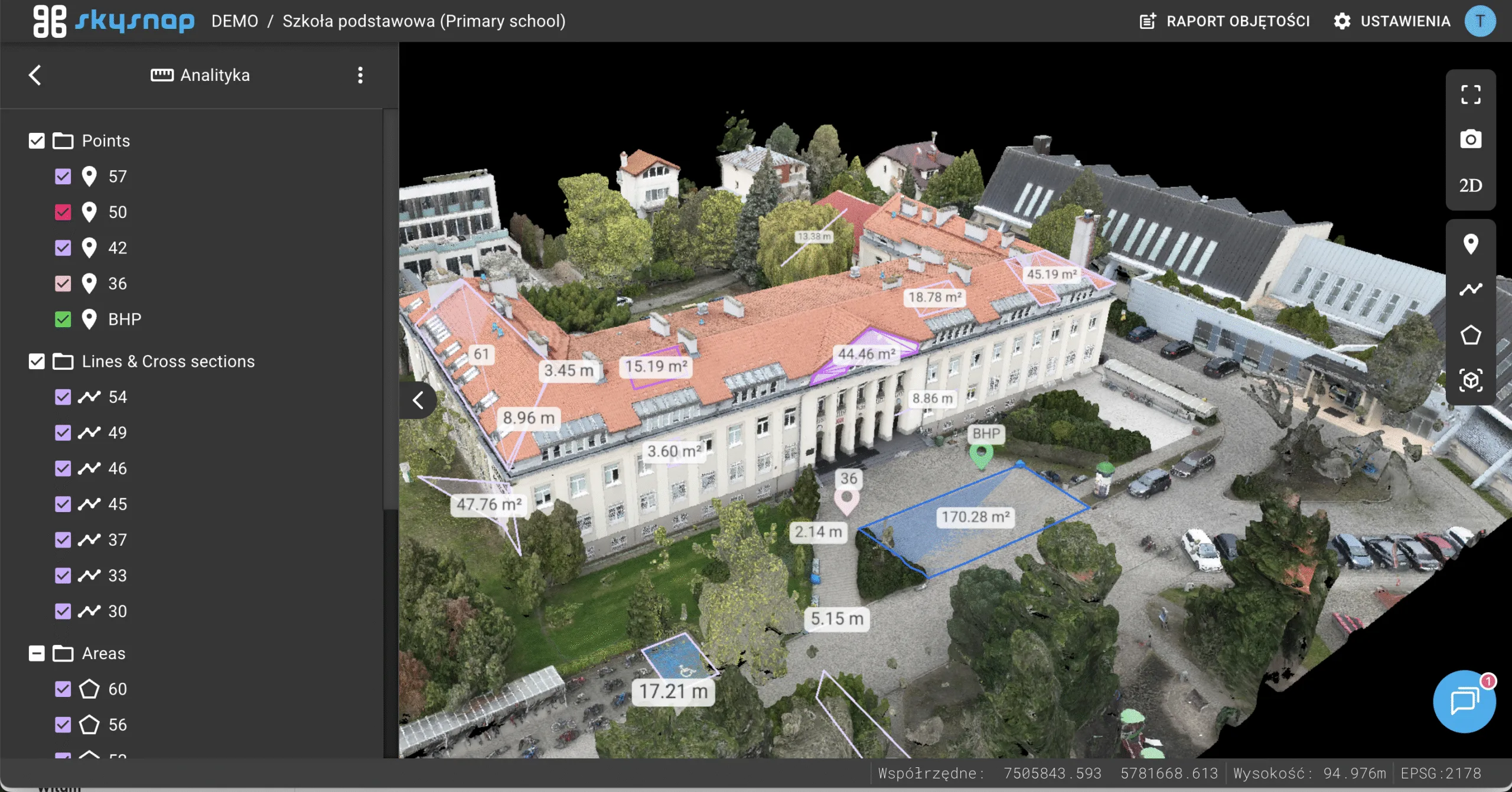
- Data analysis: The data collected by the drones is processed and analyzed to accurately track the progress of the work and identify potential problems.
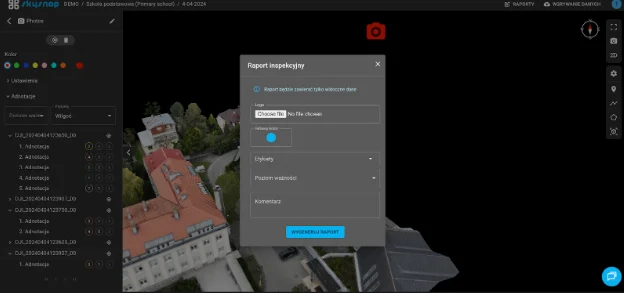
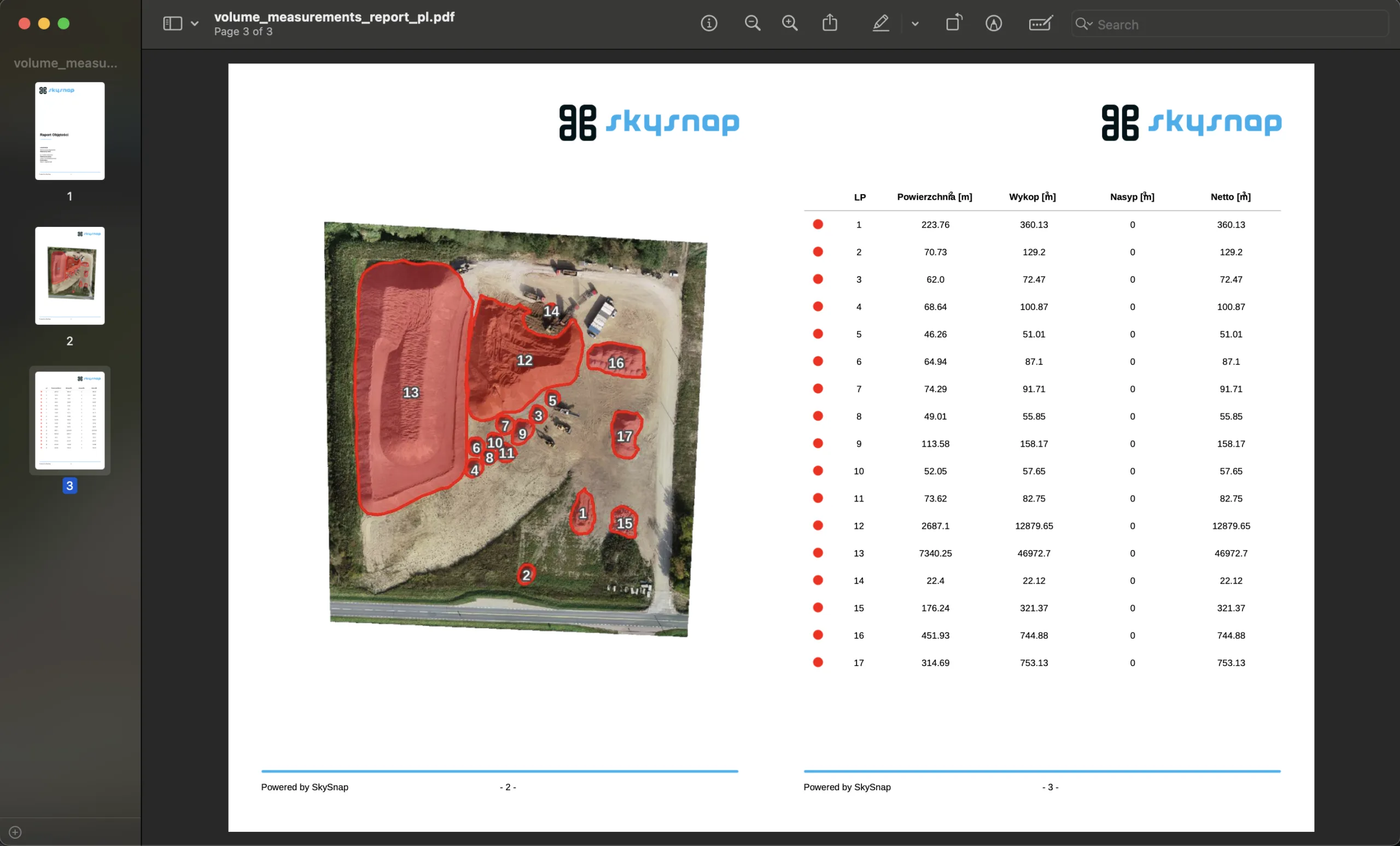
- Reporting: With drones, construction status reports can be easily generated, facilitating communication between project teams.
As a result, drones contribute to more efficient management of construction projects.
Inspections of hard-to-reach areas
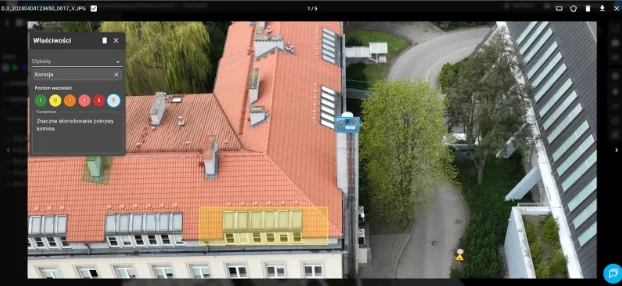
Inspections of hard-to-reach areas are an integral part of construction work. Drones enable such inspections to be carried out safely and efficiently, minimizing risks to workers. The use of drones allows inspections to be carried out remotely, reducing the risk of accidents and increasing worker safety, eliminating the need to work in unsafe areas, and enabling more accurate planning that reduces the risk of budget and schedule overruns.
- Accessibility: Drones can reach places that are difficult or impossible for humans to reach, such as tall structures or narrow spaces.
- Safety: Through the use of drones, the risks associated with working at heights or in dangerous conditions are greatly reduced.
- Accuracy: Drones equipped with high-resolution cameras provide detailed images of the areas being inspected, making it easier to identify any structural problems.
Drones are therefore an indispensable tool in conducting safe and accurate construction inspections.
Benefits of using drones
The use of drones brings numerous benefits to the construction industry. The use of drones can significantly reduce operating costs, which translates into financial savings. In addition to increasing efficiency and safety, they also help reduce project costs and time.
Cost and time reduction
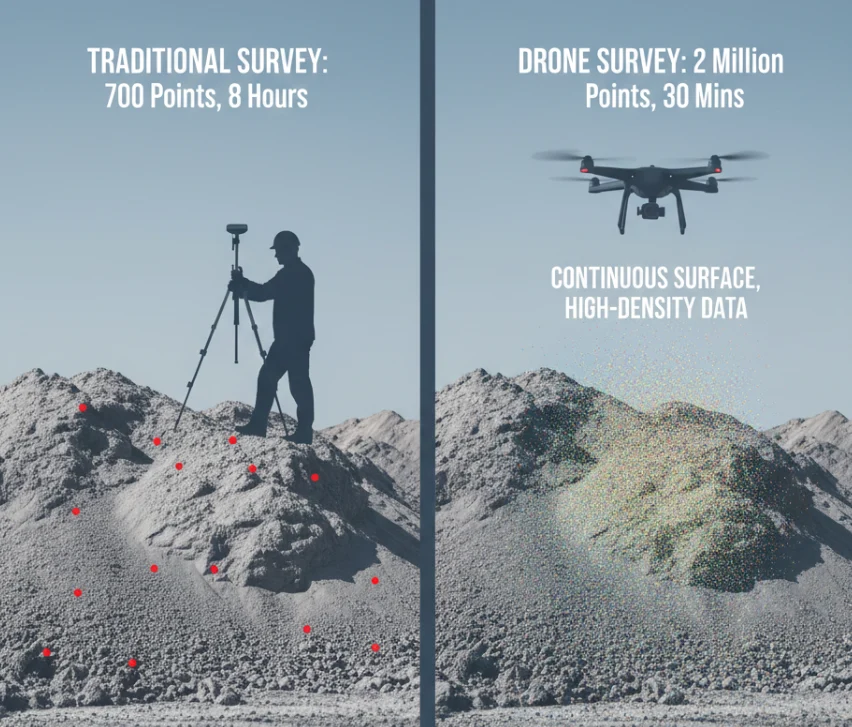
Drones can significantly reduce costs associated with construction projects. Traditional building inspection methods are costly and time-consuming, especially when working at height. First, they eliminate the need to hire expensive inspection and monitoring equipment. With them, work can be done faster and more efficiently.
- Efficiency: Drones allow inspections and monitoring to be carried out in less time than traditional methods. This, in turn, allows projects to be completed faster.
- Savings: Reduced time needed for inspections and monitoring translates into lower operating costs.
- Optimization: with precise drone data, better planning and resource allocation is possible, resulting in additional savings.
Drones are therefore becoming a key element in the drive to manage construction projects more efficiently and cost-effectively.
Improve worker safety
Worker safety is a priority on any construction site, and drones have a significant impact on minimizing risks. With the ability to monitor and inspect from the air, drones reduce the need for humans to perform risky tasks. This reduces the risk of exposing workers to potential hazards.
- Minimizing risks: Drones can conduct inspections in hazardous areas, eliminating the need to send personnel there.
- Immediate response: With drones, potential threats can be quickly identified and appropriate preventive action taken.
- Training and Awareness: Drones provide data that can be used to train employees and increase their security awareness.
The introduction of drones on construction sites significantly contributes to improving working conditions and the safety of those employed.
The future of drones in construction
The future of drones in the construction industry looks promising. Creating the perfect drone for the construction sector means using modern technologies such as RTK, photogrammetry and LiDAR to provide accurate measurements and efficiently manage construction processes. Their development and technological innovations are opening up new opportunities that could revolutionize traditional construction methods.
Innovation and new opportunities
Drones are becoming increasingly sophisticated, and their applications in the construction industry continue to grow. Modern drone technologies, such as those used by Prospection, enable even better monitoring and management of projects, increasing the precision, speed and safety of inspections.
- New features: Drones are being equipped with increasingly sophisticated cameras and sensors, making them more effective.
- Automation: Drones can be used to automate many tasks on site, speeding up projects.
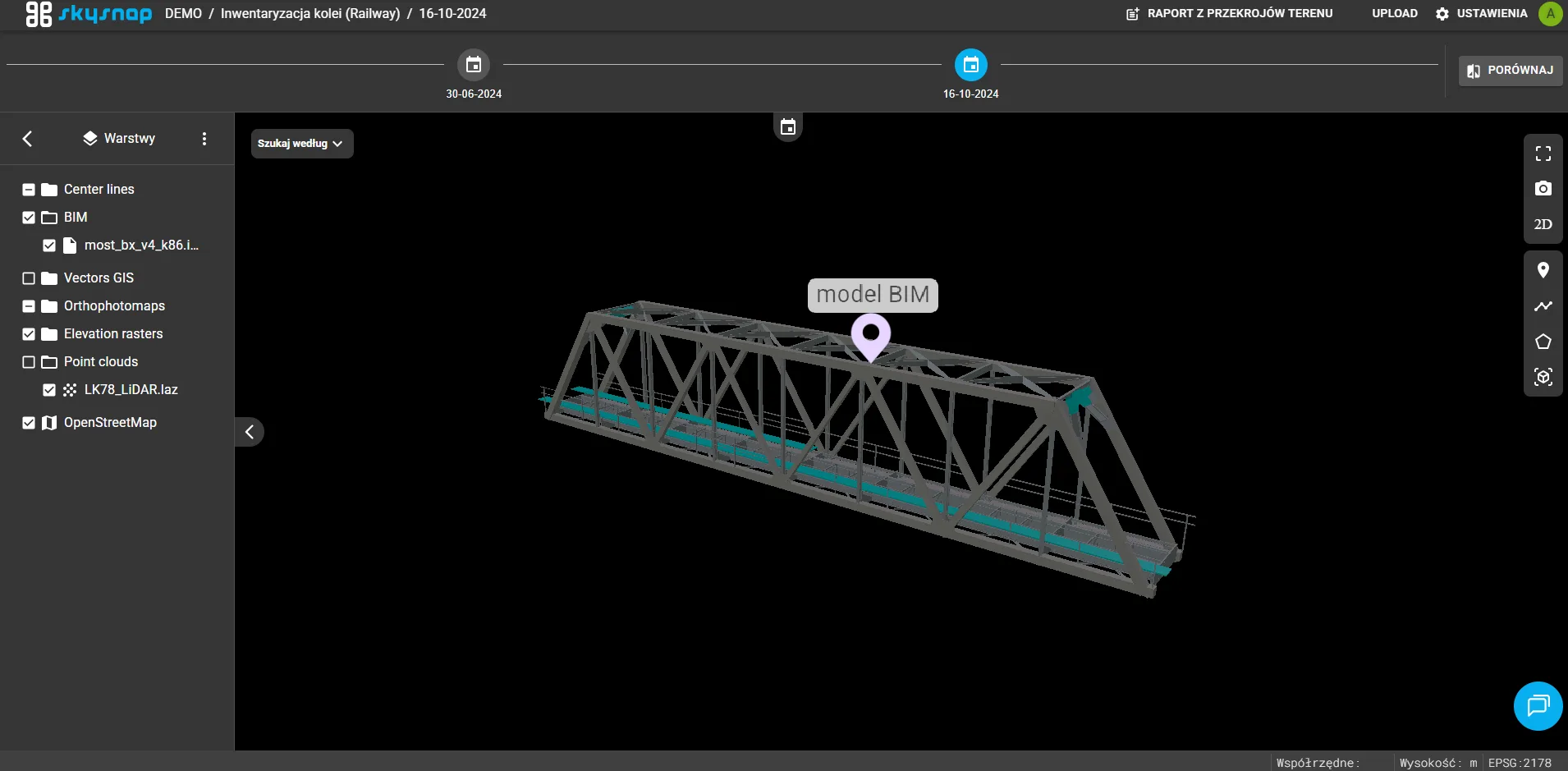
- Integration with other technologies: Drones can work with other systems, such as BIM (Building Information Modeling), to enable better planning and project management.
These innovations indicate that drones will play an increasingly important role in the future of construction.
Impact on traditional construction methods
Drones are having a significant impact on traditional construction methods. Their introduction is changing the way projects are planned and executed.
- Changed processes: Drones are changing traditional construction processes, making them more automated and efficient.
- Efficiency: With drones, it is possible to achieve better results in a shorter period of time, making the entire construction process more efficient.
- New standards: The introduction of drones is setting new standards in the construction industry, affecting expectations for the quality and speed of projects.
The impact of drones on construction is undeniable, and their role will only grow in the future.
Challenges and limitations of drone technology
Despite the numerous benefits that drones bring, their introduction also comes with some challenges and limitations. Both legal and technical aspects can hinder their widespread use.
Legal and regulatory aspects
The legal and regulatory aspects of drone use are one of the biggest challenges. Many countries have restrictive regulations on drone flights, which can hinder their use in construction.
- Licenses: Drone operators often need to obtain the appropriate licenses, which can be time-consuming and costly.
- Flight restrictions: In some areas, drone flights are restricted or banned altogether, which can pose challenges for construction companies.
- Privacy: Drones can invade people’s privacy, which involves additional regulations.
Companies need to be aware of these aspects and act in accordance with applicable laws to avoid potential problems.
Technical and logistical problems
Drones, while technologically advanced, can face technical and logistical problems that hinder their effective use.
- Malfunctions: Like any technical device, drones can break down, which can affect construction work.
- Range and flight time: Drones have limited range and flight time, which can be a challenge for large projects.
- Logistical requirements: The introduction of drones requires adequate logistical facilities, which can be a challenge for some construction companies.
Despite these challenges, drones in construction have the potential to significantly improve efficiency and safety, making them a valuable tool in the industry.

Free E-book
Learn how to prepare a mission step-by-step, avoid raid mistakes and create accurate orthophotos and 3D models. The perfect guide before your first commercial assignments.
Table of Contents:
Do you like the article? Share it with others!
Do you like the article? Share it with others!
Tips, news, insights
Related articles
Check out our articles and get the latest industry news.