How are drones changing the measurement of earthen heap volumes?
Technologia dronów zyskuje coraz większe uznanie w różnych dziedzinach, a jednym z obszarów, gdzie ich zastosowanie jest szczególnie widoczne, są pomiary objętości ziemnych hałd. Tradycyjne metody pomiarowe często wymagają dużego nakładu pracy i mogą być czasochłonne, podczas gdy drony oferują nowoczesną alternatywę, która jest zarówno szybsza, jak i bardziej efektywna. Dzięki zaawansowanym czujnikom i możliwości wykonywania zdjęć lotniczych, drony dostarczają dokładnych danych, pozwalając na precyzyjne obliczenia objętościowe. W niniejszym artykule przyjrzymy się, jak drony rewolucjonizują pomiary w tej dziedzinie, zwiększając dokładność i oszczędność czasu w procesie analizy.
Introduction to drone technology
Drone technology is transforming many sectors, including surveying. Drones have become an indispensable tool for collecting field data quickly and accurately. In this section, we will discuss their development and technical basics.
History of drones in surveying
The history of drone use in surveying dates back to the 2000s, when their potential in the field began to be recognized. Initially, they were used for simple photographic tasks, and over time their use expanded to more complex surveying tasks.
Early models were limited in range and accuracy, but technological advances quickly improved these aspects. As a result, drones have become popular among surveyors, offering new opportunities in data collection.
Nowadays, drones are widely used to create 3D maps, which has greatly accelerated surveying processes. The development of technology allows for increasing precision and flexibility in field work.
Basic principles of drone operation
Drones operate through a combination of GPS navigation systems, sensors and cameras. The basic principles of their operation are based on remote control and autonomous computer-programmed flight.
- GPS navigation allows drones to pinpoint positions and flight paths.
- Sensors monitor position and height to ensure stability.
- Cameras and other sensors record data, which is then processed.
Communication systems allow operators to control and monitor drones in real time. This makes it possible to adjust missions according to needs and field conditions.
Application of drones in volume measurements
Drones offer cutting-edge solutions in volume measurement. Traditional methods often require more time and resources. In this section, we compare them with modern drone technologies and present practical applications.
Traditional methods vs. modern technologies
| Aspect | Traditional methods | Modern technologies |
|---|---|---|
| Time | Long | Short |
| Costs | High | Low |
| Accuracy | Variable | High |
Tradycyjne metody polegają na ręcznych pomiarach i wymagają dużego nakładu pracy. Z kolei nowoczesne technologie dronowe pozwalają na szybkie i precyzyjne pomiary z lotu ptaka.
Drony dostarczają dokładniejszych danych w krótszym czasie, co jest kluczowe w dynamicznie zmieniających się środowiskach pracy. Dzięki nim można optymalizować procesy i redukować koszty operacyjne.
Examples of drone use in practice
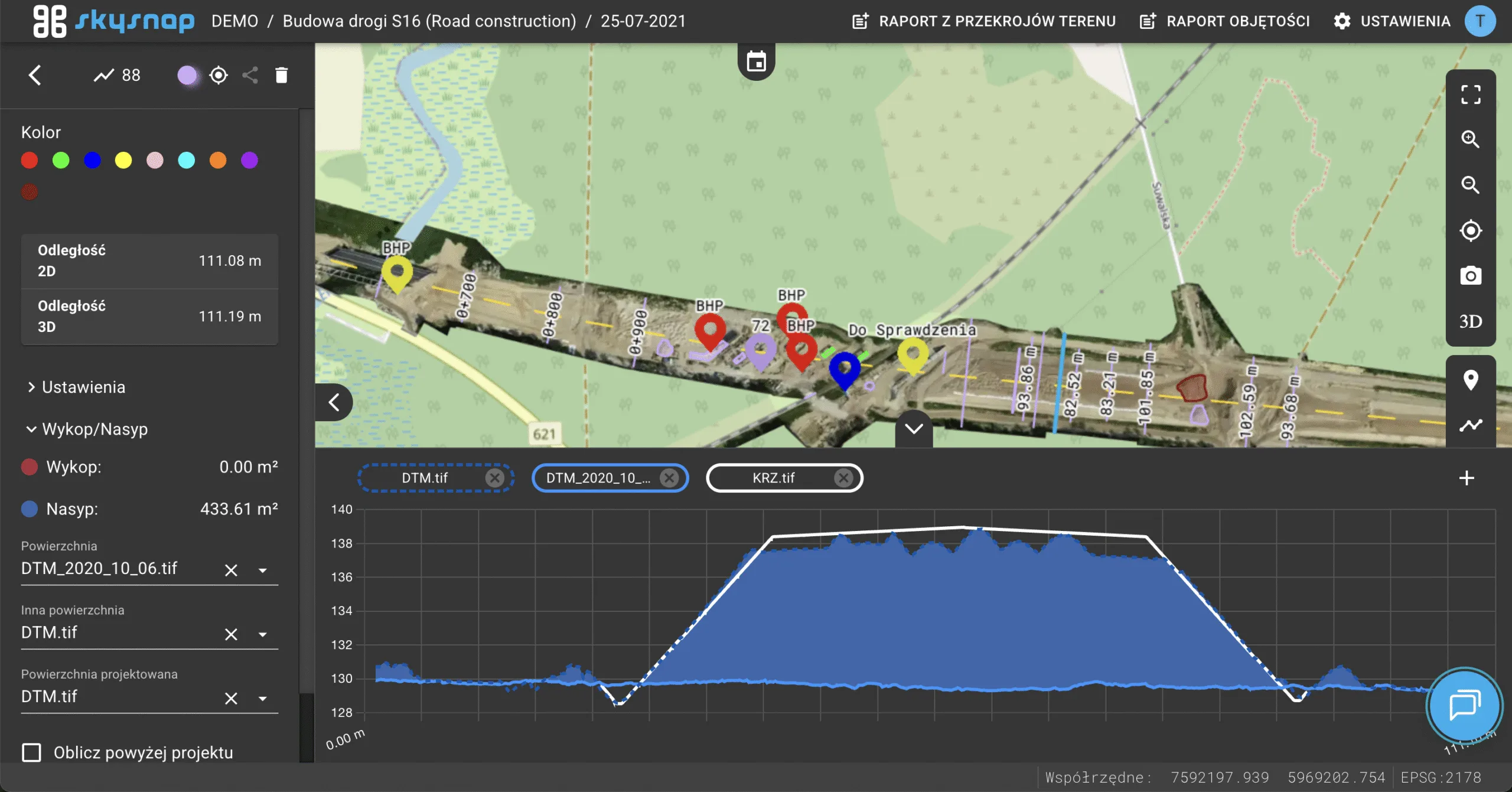
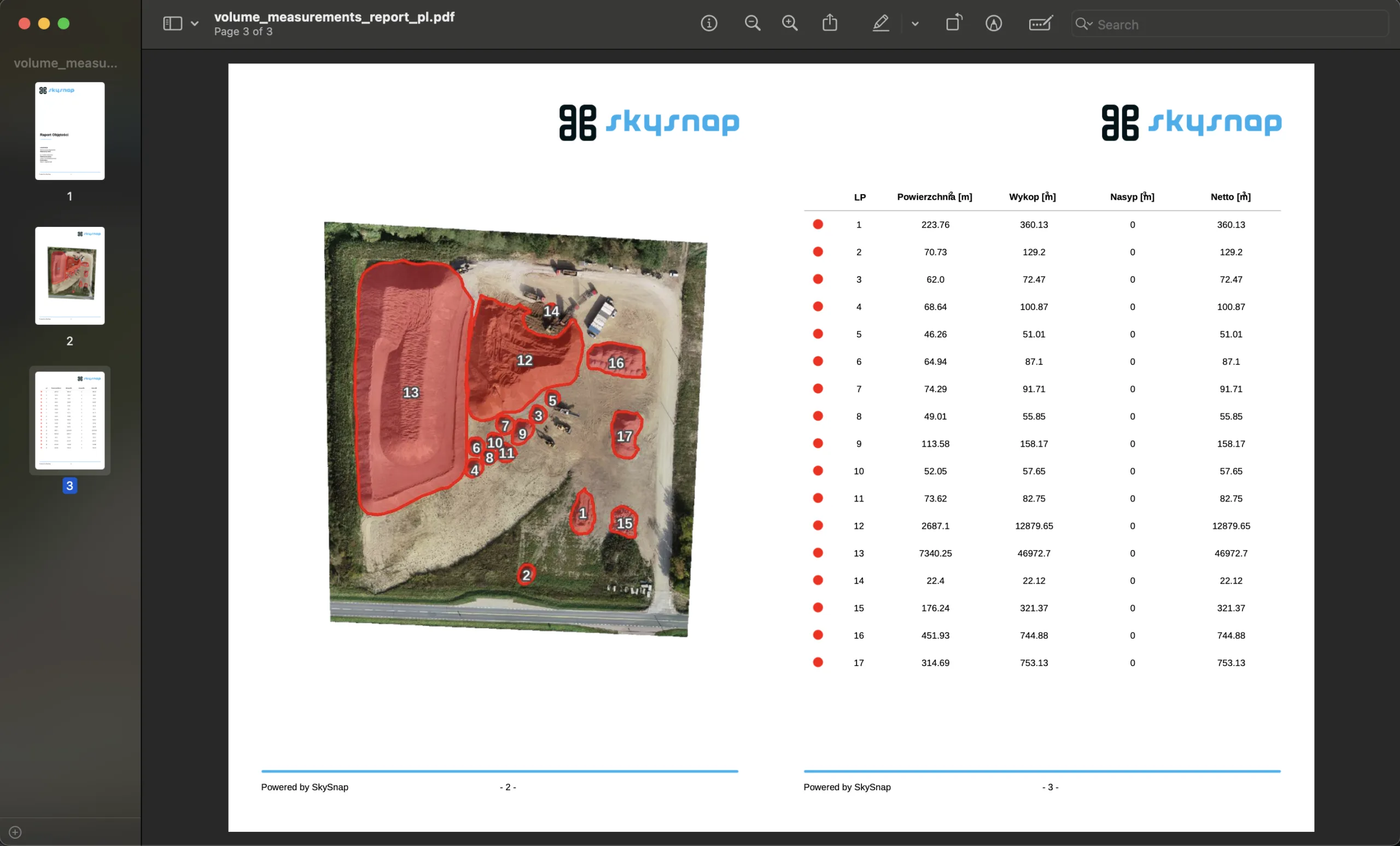
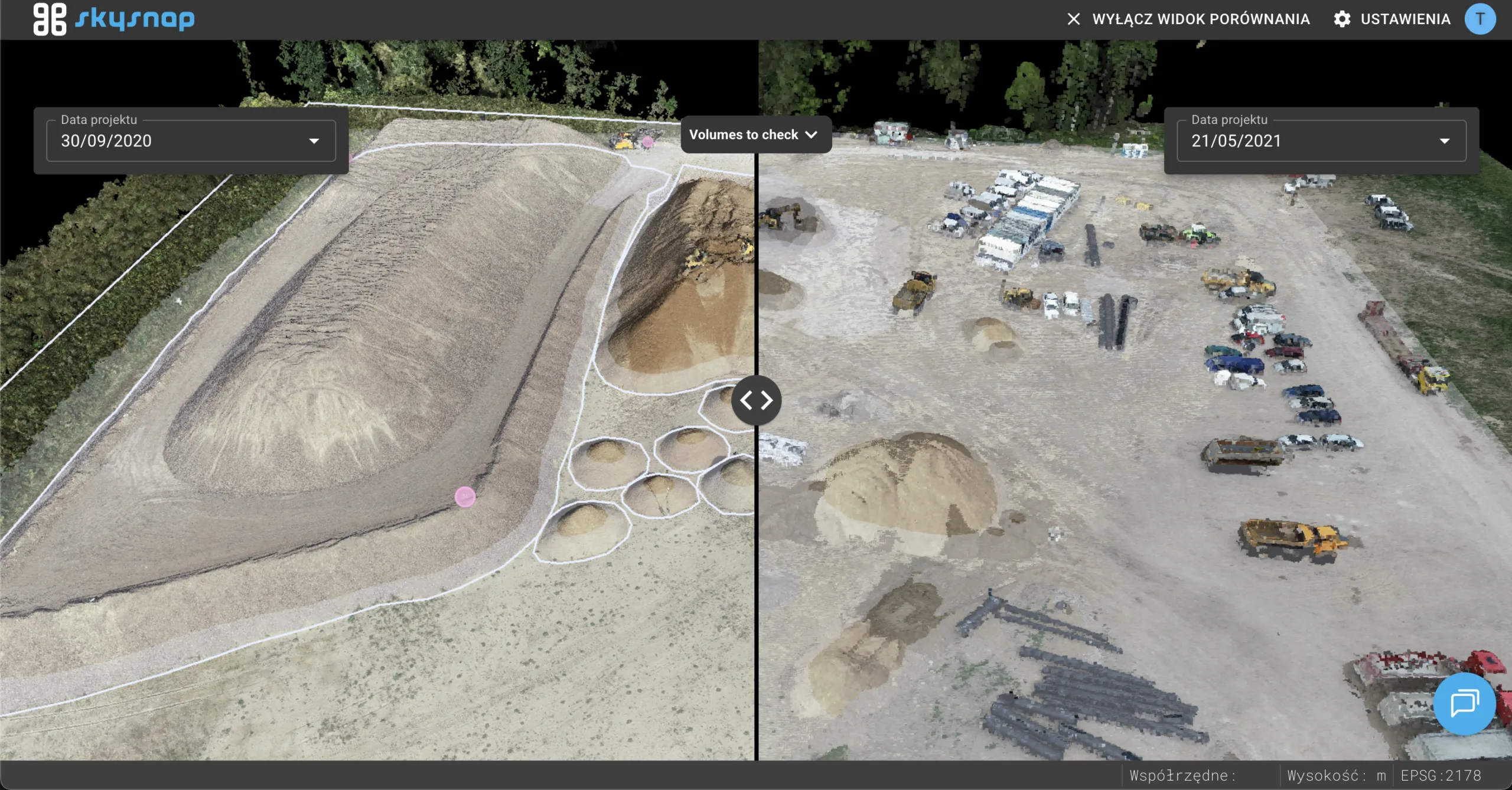
Practical applications of drones in volume measurement are extensive. One example is the monitoring of mine dumps. Drones can quickly and accurately determine volume and changes over time.
- Open-pit mines: Drones monitor changes in the landscape, providing data for planning.
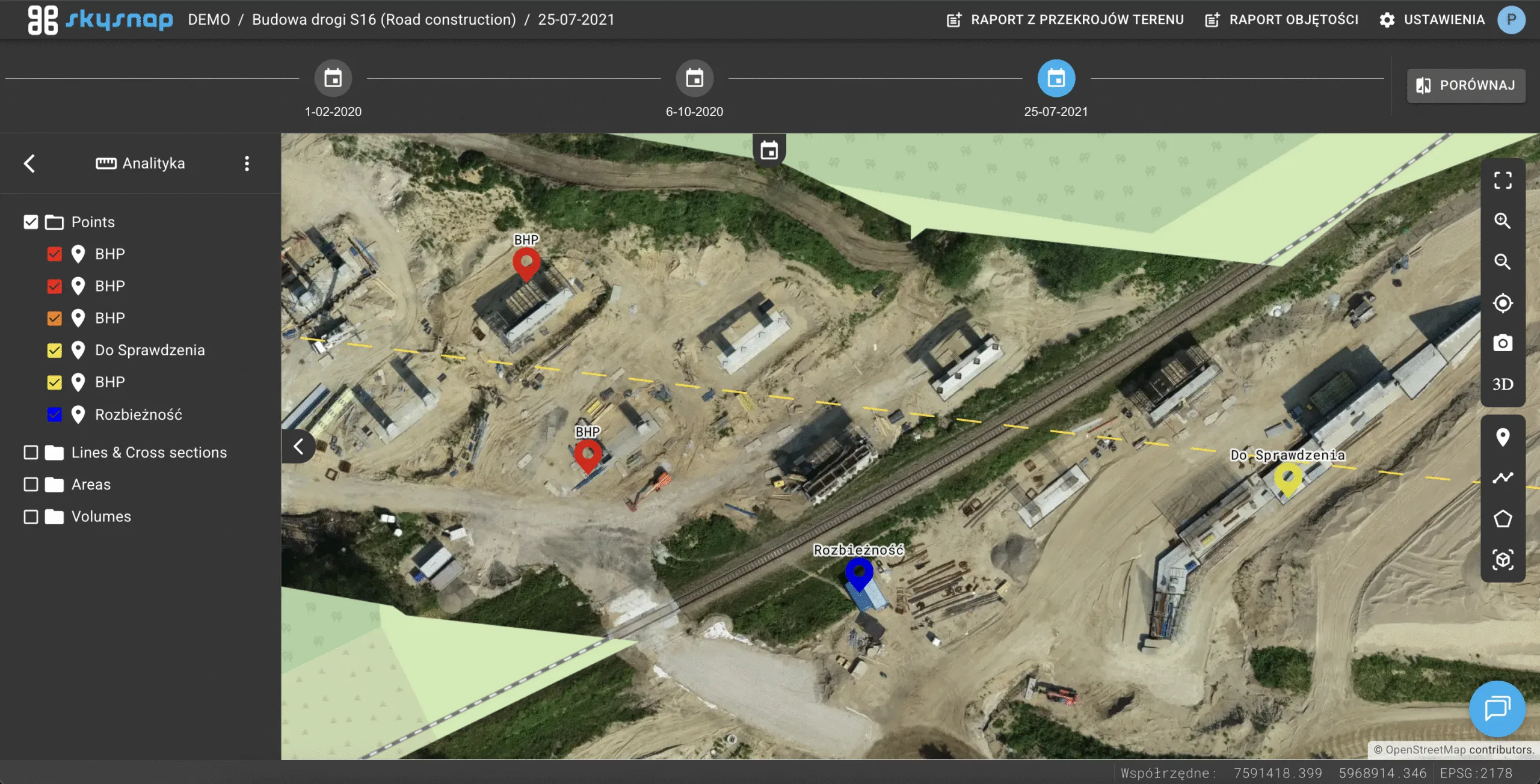
- Construction: Make it easier to assess the progress of work through regular aerial surveys.
- Agriculture: They help assess the condition of crops and plan harvests.
With these applications, drones are becoming an indispensable tool in many industries, offering efficiency and precision that cannot be achieved by traditional methods.
Advantages of using drones
Drones offer many advantages that make them an attractive choice for professionals working in the field. Speed, efficiency and precision are just some of the advantages, which we will discuss below.
Speed and efficiency of measurements
Drones significantly reduce the time required to take measurements. Operational speed allows comprehensive analyses to be performed in a short period of time, which is invaluable in dynamic work environments.
The efficiency of drones comes from their ability to take multiple measurements simultaneously. This allows a complete picture of the field situation to be quickly obtained, which is crucial for planning and decision-making.
- Shorter flight times mean faster data collection.
- Automating tasks eliminates the need for manual measurements.
- Remote access allows you to work in hard-to-reach places.
Accuracy and precision of data
Drones provide accurate and precise data, which is crucial to the quality of analysis. With advanced sensors and GPS technology, drones can record data with high precision.
The data collected by drones is detailed and can be used in advanced analytical models. This makes them invaluable in engineering and construction, where accuracy is crucial.
- Advanced sensors allow detailed analysis of the topography.
- Error correction systems minimize inaccuracies in the data collected.
- Real-time data logging enables immediate analysis.
Challenges and limitations
Despite its many advantages, drone use comes with some challenges and limitations. In this section, we will look at regulations and technical limitations and their solutions.
Regulations on the use of drones
Regulations are an important aspect of drone use. Drone regulations vary from country to country and can be complicated.
Many jurisdictions require permits for drone flights, which can be time-consuming. Additionally, operators must adhere to certain safety and privacy rules.
- Licenses: Many countries require licenses to operate commercial drones.
- No-fly zones: Drones are not allowed to fly in certain areas, such as airports.
- Privacy: Operators must comply with data protection laws.
Technical limitations and solutions
Despite technological advances, drones have some technical limitations. Flight time and range are two major challenges that can affect the efficiency of operations.
Battery life limits how long a drone can stay in the air, which can affect large projects. Technical solutions such as replaceable batteries can help overcome this problem.
- Battery development: new battery technologies can extend flight time.
- Communication range: Amplification of radio signals allows for further flights.
- Automatic charging stations: These can extend the drone’s operating time in the field.
The future of drone technology
Drone technology is evolving rapidly, offering new opportunities and applications. The future of drones is full of innovations that could change the way we work with field data.
Innovations and future applications
Innovations in drones show how they can transform many industries. As the technology evolves, drones can become even more integrated into daily operations.
Future applications include autonomous delivery systems, infrastructure inspection and more advanced analytical models. This will enable drones to carry out even more complex tasks.
- Autonomous drones: Autonomous mission planning and execution.
- Advanced data processing: Faster and more accurate analysis.
- New materials: Lighter designs that allow for longer flights.
Integration with other surveying technologies
Integrating drones with other surveying technologies can significantly increase the efficiency of field operations. Combining different technologies enables a more comprehensive approach to data collection and analysis.
Integration with GIS systems allows for better spatial planning and analysis. Drones can also work with lidar and other sensors to improve the accuracy of the data collected.
- GIS systems: Improved spatial data analysis.
- Lidars: More accurate terrain mapping.
- Satellites: Supplement data from global observation systems.
With these integrations, drones can become an invaluable tool in surveying and many other fields, offering new opportunities and making operations more efficient.
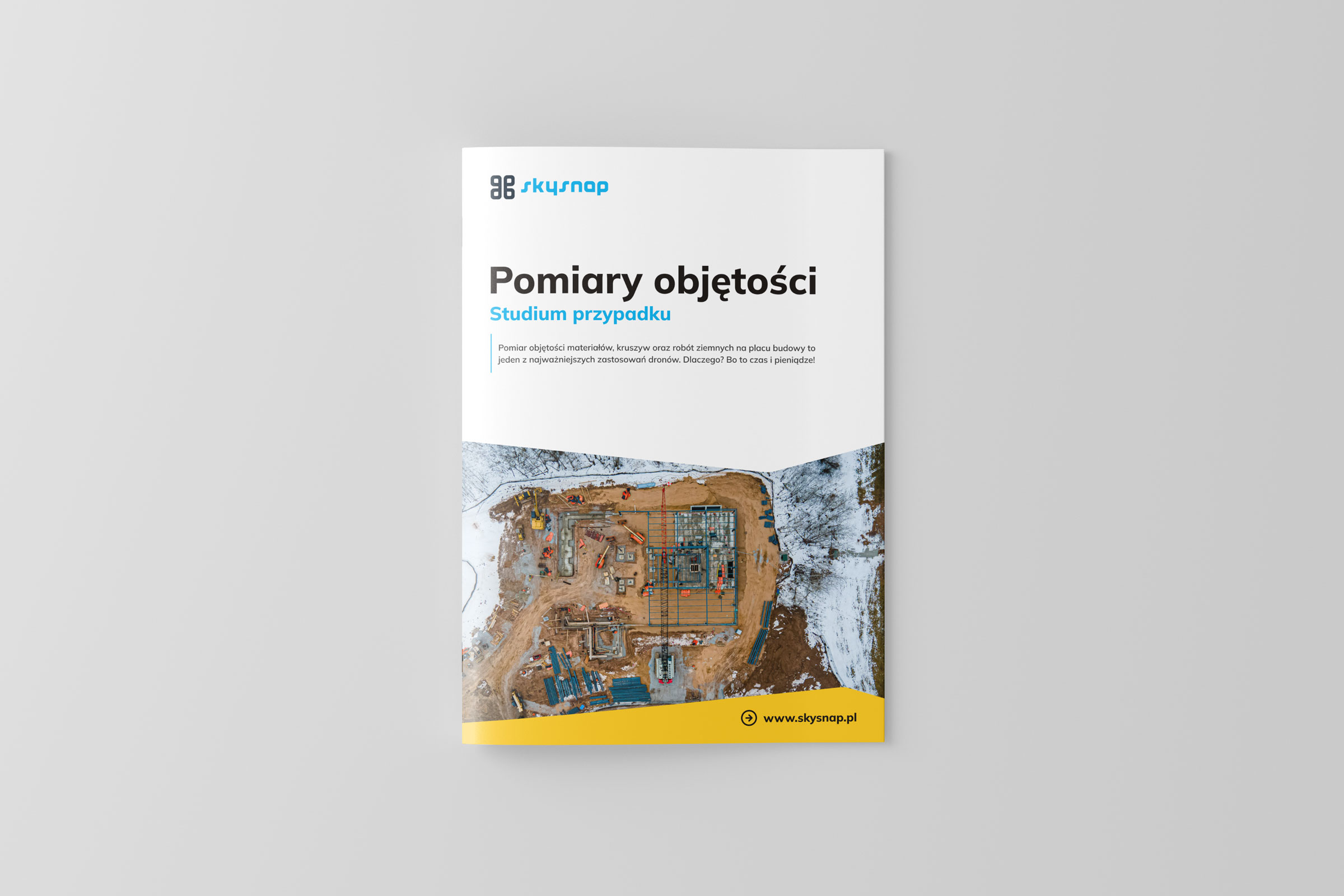
Free E-book
Measuring the volume of materials, aggregates and earthworks on a construction site is one of the most important uses of drones. Why? Because it’s time and money! Download our short e-book and learn how you can monetize your passion with drones.
Table of Contents:
Do you like the article? Share it with others!
Do you like the article? Share it with others!
Tips, news, insights
Related articles
Check out our articles and get the latest industry news.