Introduction to Earning with Drones
Drones have become not only a popular pastime but also a tool that can generate real profits. Thanks to technological advancements and increasing accessibility, more and more people are wondering how to turn their passion for flying into a profitable business. The possibilities are truly vast, ranging from aerial photography and videography, through construction or agricultural inspections, to package delivery. In this guide, we will present practical advice for beginners on how to start earning with your drone, while avoiding common pitfalls and misunderstandings. Prepare for a journey through a world of new opportunities opening up for every drone owner.
Why Should You Earn with a Drone?
Earning with a drone is not only a way to generate additional income but also an opportunity for professional and personal development. Drones offer a wide range of applications across various industries, allowing for their utilization in many creative ways. Working with a drone enables the acquisition of new skills, such as operating advanced equipment or editing video materials.
Furthermore, the drone services market is dynamically expanding, meaning the demand for such services is growing. The use of drones in fields such as photography, videography, technical inspections, and terrain mapping ensures a diversity of assignments.
Moreover, working with a drone offers the opportunity for outdoor work and flexibility that traditional office jobs do not. It is an ideal option for individuals seeking independence and a fulfilling career.
Basic Requirements and Skills
To begin earning with a drone, it is essential to first understand the basic requirements and skills needed to effectively utilize this tool.
- First and foremost, one must possess appropriate piloting skills, which can be acquired by participating in courses and training.
- In many countries, a license or certificate is also required for commercial drone use. It is advisable to familiarize yourself with local regulations concerning drone flights to avoid unnecessary legal issues.
- Knowledge of basic safety principles and the ability to operate equipment are key elements that will ensure a successful career in this field.
- Equally important is the ability to work with multimedia materials, such as photos and videos, as their quality often determines commercial success. Investing in these skills will undoubtedly bring benefits in the future.
Earning Opportunities with Drones
Aerial Photography and Videography
Aerial photography and videography are among the most popular drone applications, offering extensive earning opportunities. Drones equipped with high-quality cameras allow for capturing unique shots, which is particularly valued in the real estate industry, tourism, and during the organization of various events. Professional photos and videos can be used for marketing, promotional, and documentation purposes. Many photographers and video operators use drones to enhance their offerings and stand out from the competition.
The key to success in this field is not only piloting skills but also the ability to creatively perceive the world and edit multimedia materials. Investing in a drone with a good camera and developing editing skills can quickly bring tangible financial benefits and job satisfaction.
Technical and Industrial Inspections
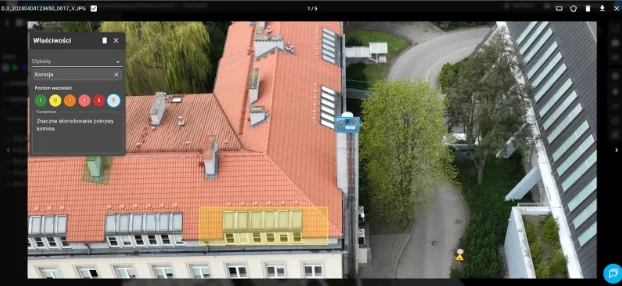
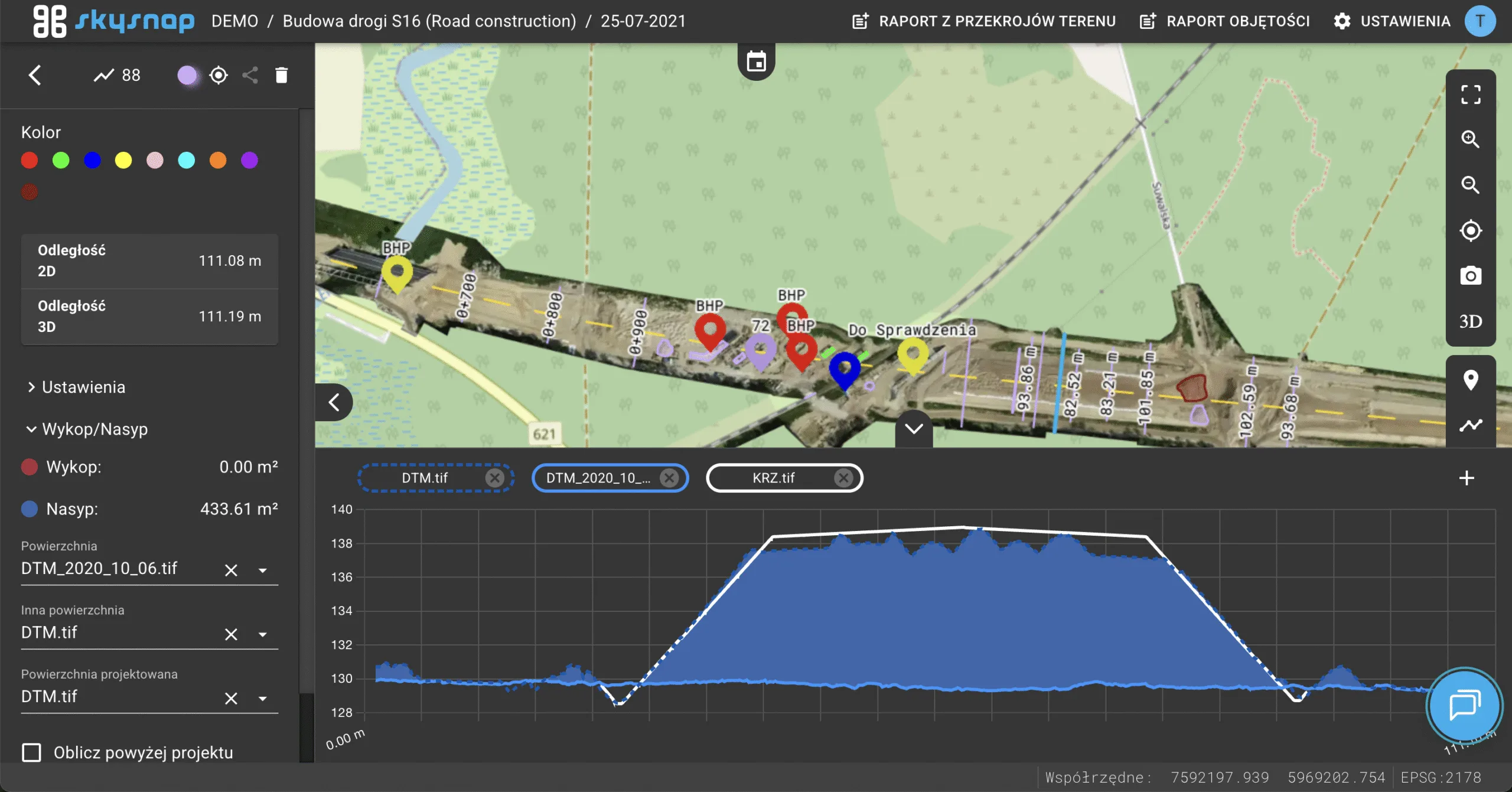
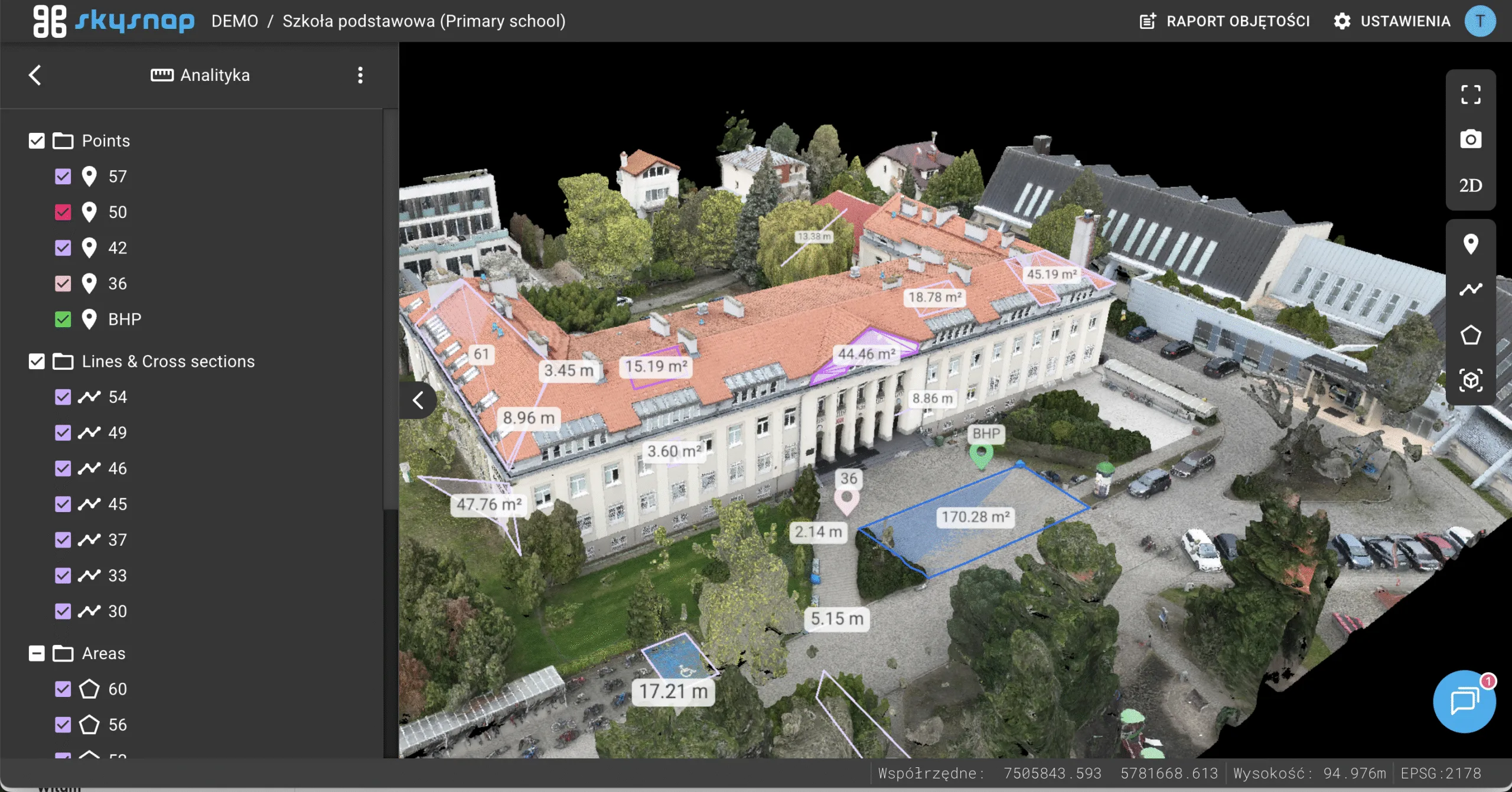
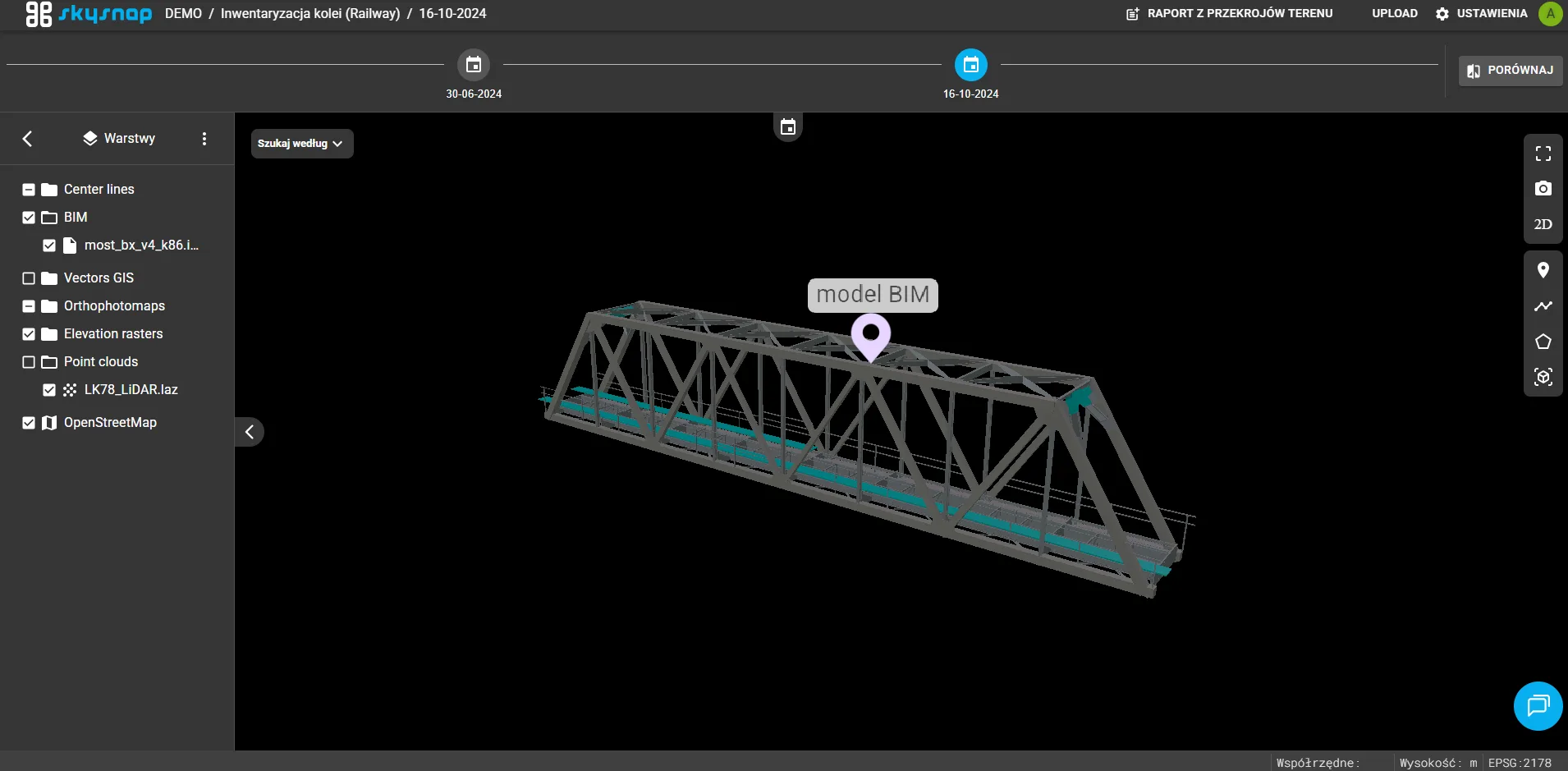
Technical and industrial inspections using drones represent another promising earning opportunity. Drones are increasingly used to conduct inspections of hard-to-reach areas, such as building roofs, power lines, wind farms, or bridges. They can significantly reduce costs and increase the safety of such operations, eliminating the need for specialized equipment like cranes or scaffolding.
In many cases, drones equipped with thermal cameras or measurement sensors provide data that is unattainable with traditional inspection methods. Work in this industry requires not only piloting skills but also knowledge of the technical specifics of a given object or infrastructure. For engineers, technicians, and individuals with experience in the construction or energy sectors, drones can become a valuable work tool that opens new avenues for professional and business development.
Delivery Services and Logistics
Drones are slowly revolutionizing the delivery and logistics sector, offering new earning opportunities. Thanks to their ability to quickly and efficiently transport small loads, drones are becoming an invaluable tool in areas where traditional delivery methods are difficult. Courier and logistics companies are beginning to use drones to deliver packages to hard-to-reach areas, significantly reducing delivery times. In some cities, drone delivery systems are already being tested and may become standard in the future.
Work in this sector requires knowledge of drone technology and the ability to plan routes and manage logistics. Potential applications also include medical deliveries, which can be crucial in emergency situations. The drone delivery and logistics industry is still developing, making it an attractive area for entrepreneurial individuals ready to introduce innovative solutions into daily operations.
Steps to Starting a Drone Business
Choosing the Right Equipment
Choosing the right equipment is a crucial step in starting a drone business. This decision should depend on the type of services you plan to provide.
- If you intend to focus on photography and videography, you will need a drone with a high-quality camera, image stabilization, and 4K recording capability.
- For technical and industrial inspections, a drone with additional sensors, such as a thermal camera, may prove essential.
- For deliveries, key parameters include payload capacity and range. It is also important to pay attention to flight time and the ease of drone operation.
When investing in equipment, also consider the availability of spare parts and service. Choosing a reputable manufacturer that offers solid technical support can facilitate daily work and minimize downtime due to malfunctions. The right equipment is the foundation for providing efficient and professional drone services.
Obtaining Licenses and Permits
Obtaining licenses and permits is an indispensable step in legally conducting business using drones. In most countries, commercial drone use requires appropriate authorizations that confirm piloting skills and knowledge of aviation law. The licensing process typically includes theoretical and practical training, concluded with an examination.
It is also advisable to familiarize yourself with local regulations regarding drone flights, which may include restrictions on flight altitude, no-fly zones, and privacy rules. In some cases, it may be necessary to obtain additional permits for flights in urban areas or near airports. Adhering to these regulations is crucial to avoid potential penalties and legal complications. Possessing the required licenses and permits not only guarantees the legality of operations but also builds client trust in the services provided.
Building a Portfolio and Marketing
Building a strong portfolio and effective marketing are crucial for achieving success in the drone industry.
A portfolio is a showcase of your skills and experience, so it is important that it is diverse and well-presented. Start by undertaking free assignments or projects for friends to gather materials for your portfolio. It is also worthwhile to participate in local events and competitions, which can increase your visibility.
Once you have created an attractive portfolio, focus on promoting your services. Use social media to showcase your work and connect with potential clients. Also consider creating your own website, which will serve as a professional information hub for your services.
Positive client reviews and recommendations are extremely valuable, so always strive to deliver services of the highest standard. This will help you build a reputation as a reliable and talented specialist in the drone industry.
Challenges and How to Overcome Them
Safety and Regulatory Compliance
Safety and regulatory compliance are key challenges that drone operators must address.
- First and foremost, every drone flight should be planned with safety principles in mind to minimize the risk of collisions and accidents.
- It is essential to regularly check the technical condition of the drone before each takeoff, which includes inspecting batteries, propellers, and navigation systems.
- Equally important is to stay updated with local regulations concerning drone flights, which may change. These rules often specify aspects such as permissible flight altitude, distance from people and buildings, and equipment registration requirements.
- It is also advisable to invest in third-party liability insurance, which protects against the financial consequences of potential damages.
Adhering to these principles not only ensures safe operations but also builds client trust in the professionalism of the services provided.
Competition in the Drone Market
Competition in the drone market is growing, posing one of the more significant challenges for new entrepreneurs in this industry.
- To compete effectively, it is important to differentiate yourself by offering unique services or exceptional quality.
- Market analysis and understanding client needs can help tailor your offerings to their expectations.
- Investing in skill development and the latest technologies, such as drones with advanced photographic features or sensors, can also provide a competitive edge.
- Additionally, building relationships with clients through personalized contact and high-quality service can contribute to increased loyalty and new referrals.
- It is also important to continuously monitor competitor activities and adapt marketing and pricing strategies in response to changing market conditions. This allows for maintaining market position and ensuring stable growth.
The Future of Earning with Drones
New Technologies and Their Impact
New technologies have a huge impact on the future of earning with drones, opening up entirely new possibilities for the industry.
- The introduction of artificial intelligence and machine learning enables the development of autonomous drones that can perform complex tasks without the need for constant operator control. Such technologies allow for more efficient route planning and analysis of data collected during flights.
- Drones equipped with advanced sensors and high-resolution cameras can provide detailed information in real-time, which is invaluable in sectors such as precision agriculture, industrial inspections, and rescue operations.
- Furthermore, the development of communication technologies, such as 5G, increases the operational range of drones and enables more reliable data transmission.
Investing in the latest technological solutions is becoming a key success factor for companies operating in the drone industry that want to maintain their competitiveness and dynamically develop their services.
Opportunities for Development and Expansion
Opportunities for development and expansion in the drone industry are impressive, especially in the context of dynamically changing technologies and growing demand for drone services. Companies can expand their service portfolio by introducing new solutions, such as drone deliveries, infrastructure inspections, or environmental monitoring. Market globalization also enables expansion into new geographical markets where drone services may be less developed, giving pioneers in this field an advantage.
Moreover, the developing drone sector offers increasing opportunities for cooperation with other industries, including agriculture, construction, and energy. Companies that invest in technology development and adaptability can quickly gain a significant market position.
It is also important to build strategic partnerships that can support expansion and innovation. This allows drone businesses not only to survive but also to grow dynamically in the future.

Free E-book
Learn proven methods for pricing jobs: From building structures to large linear and space raids. This guide will help you earn effectively and confidently.
Table of Contents:
Do you like the article? Share it with others!
Do you like the article? Share it with others!
Tips, news, insights
Related articles
Check out our articles and get the latest industry news.