3D drone photogrammetry: Basics and applications in everyday life
3D drone photogrammetry is a modern technology that is rapidly gaining popularity, offering a wide range of possibilities in various areas of life. 3D photogrammetry involves reconstructing three-dimensional models from input data, such as photographs or laser scans. It allows us to create precise 3D models that find applications in engineering, architecture and entertainment alike. Drones, equipped with advanced cameras, make it possible to quickly and accurately collect data that is transformed into realistic 3D images. This kind of technology not only facilitates the work of professionals, but also opens up new perspectives for individuals who want to better understand the world around them. In this publication, we will look at the basics of drone photogrammetry and its practical applications in everyday life.
Introduction to 3D Photogrammetry
3D photogrammetry is a method of creating three-dimensional models from photographs. It is a technology that is gaining prominence in fields ranging from engineering to entertainment. In this section, we take a look at what exactly photogrammetry is and how drones are changing the field.
Definition and Basics
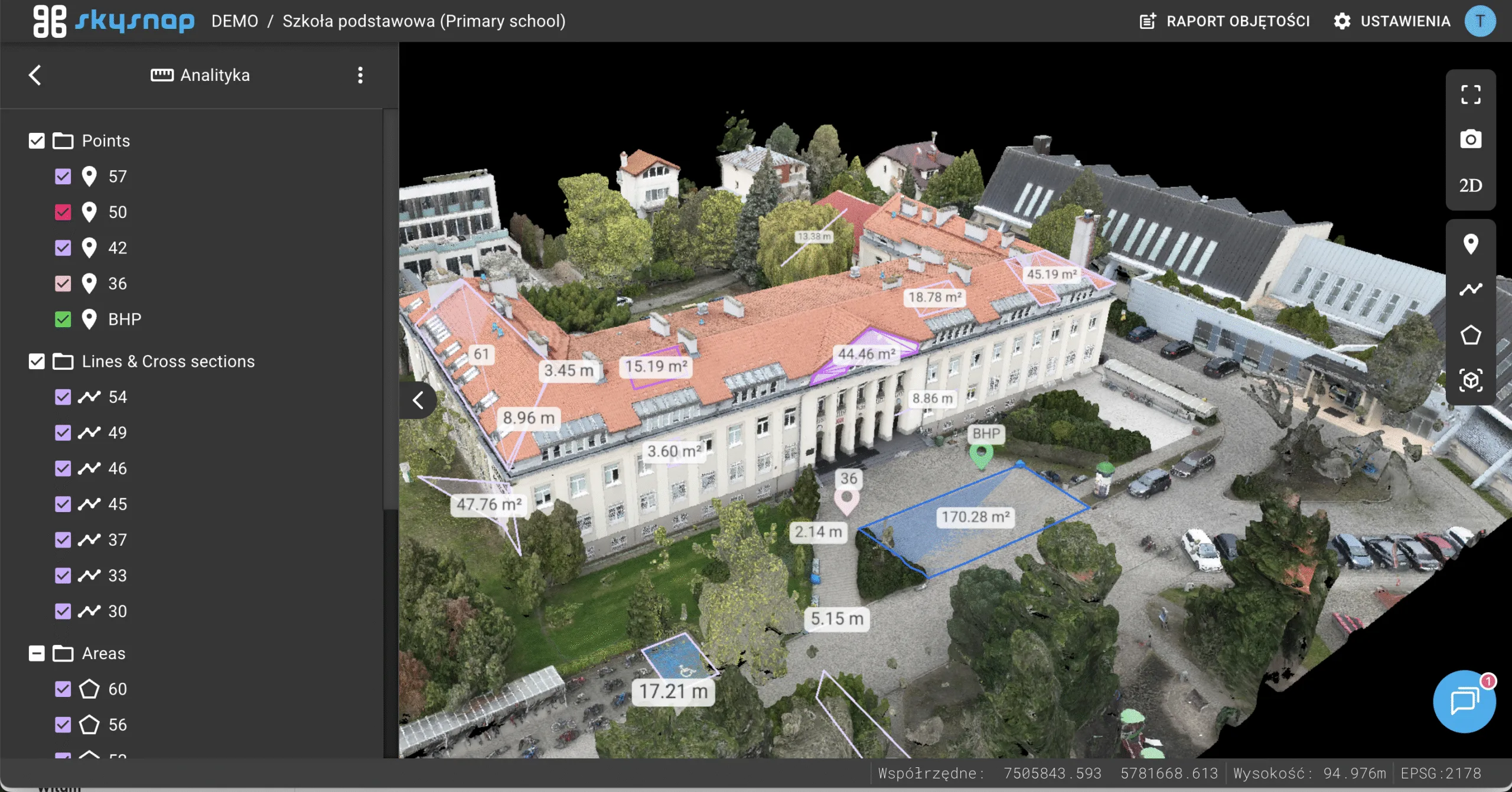
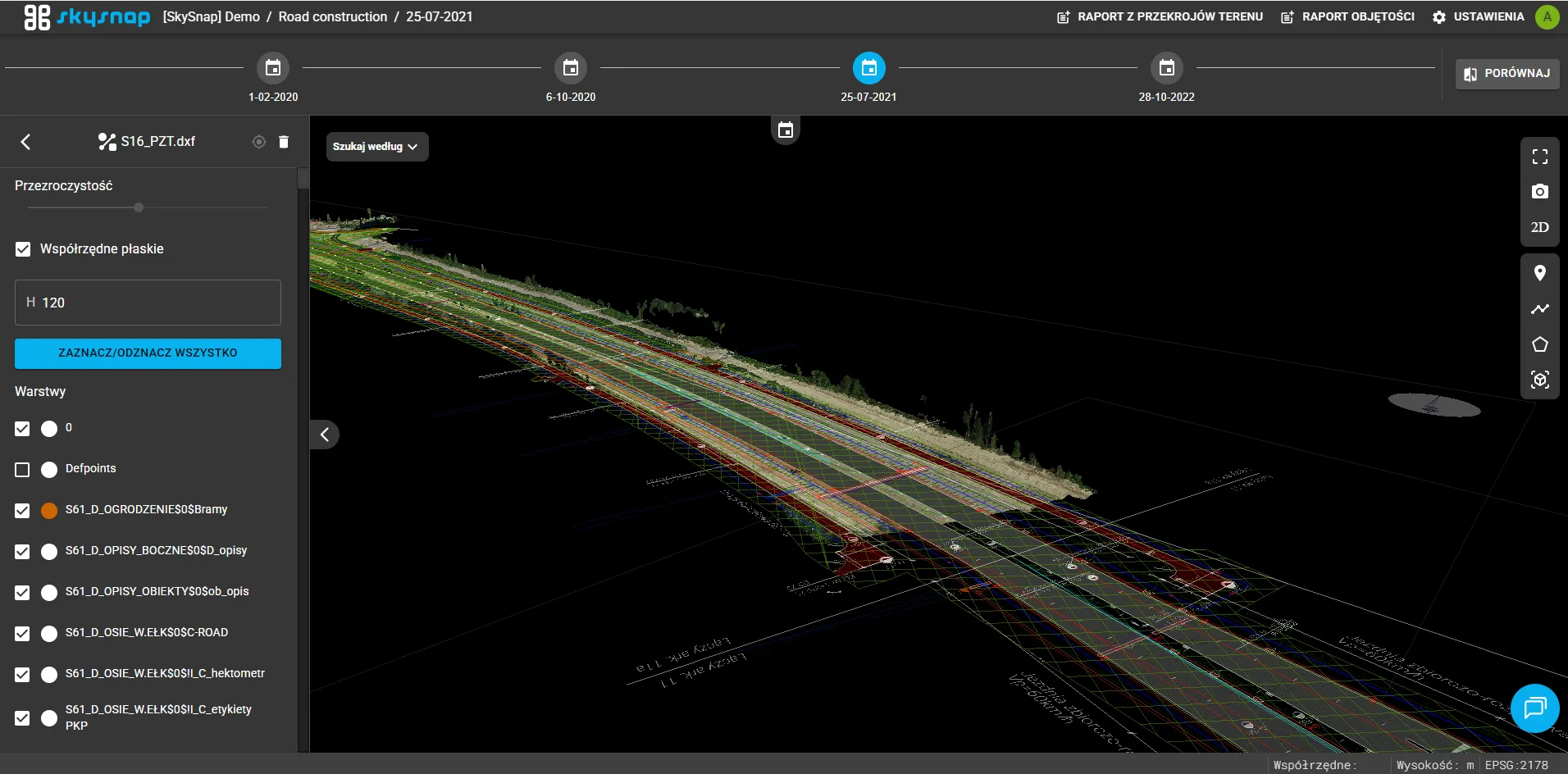
3D photogrammetry is the process of transforming photos into accurate three-dimensional models. The basis of this technology is the use of multiple photos from different angles to represent real space.
Thanks to advanced algorithms, photogrammetry enables accurate measurements and analysis of objects. The images are processed in specialized software that combines them into a unified model.
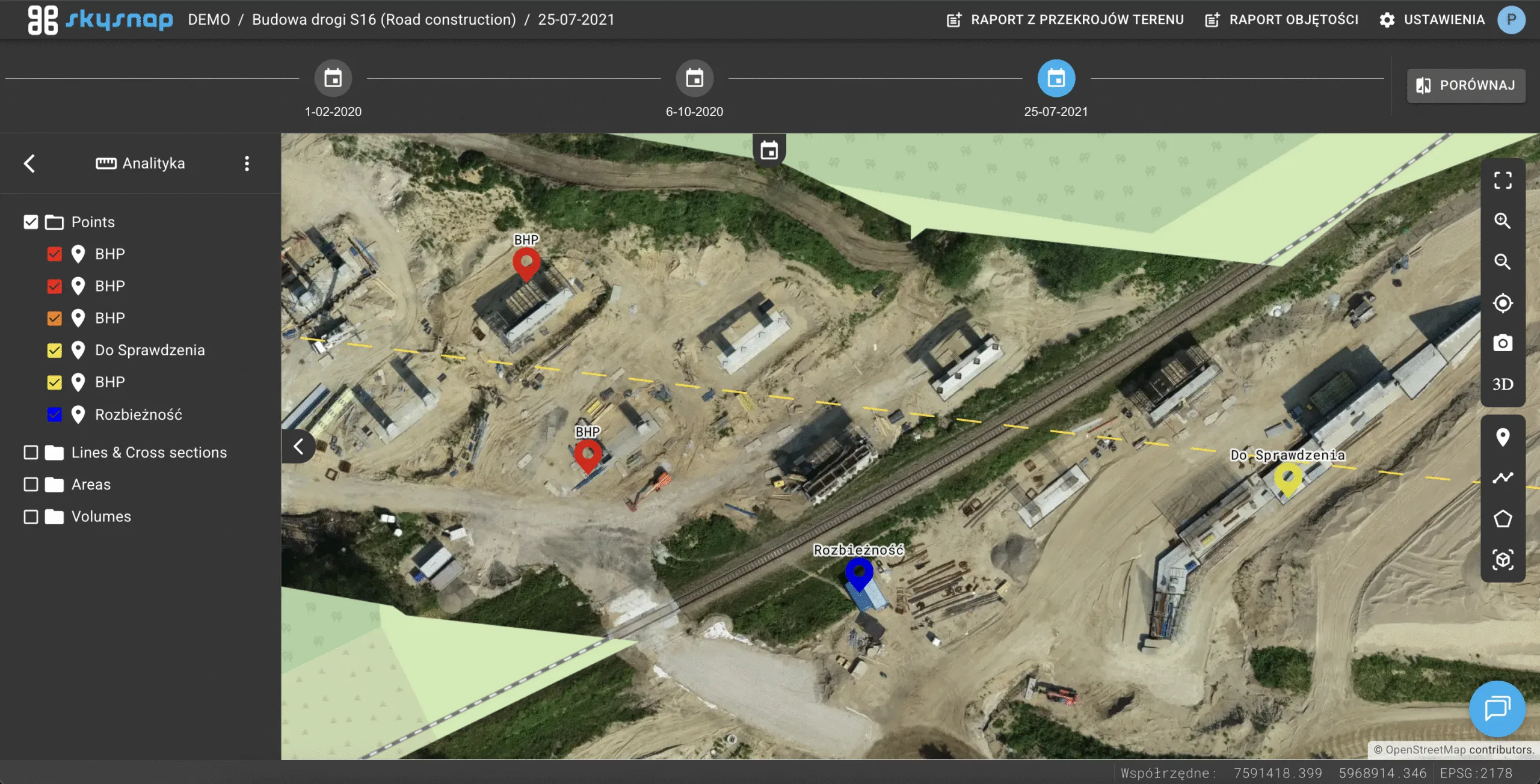
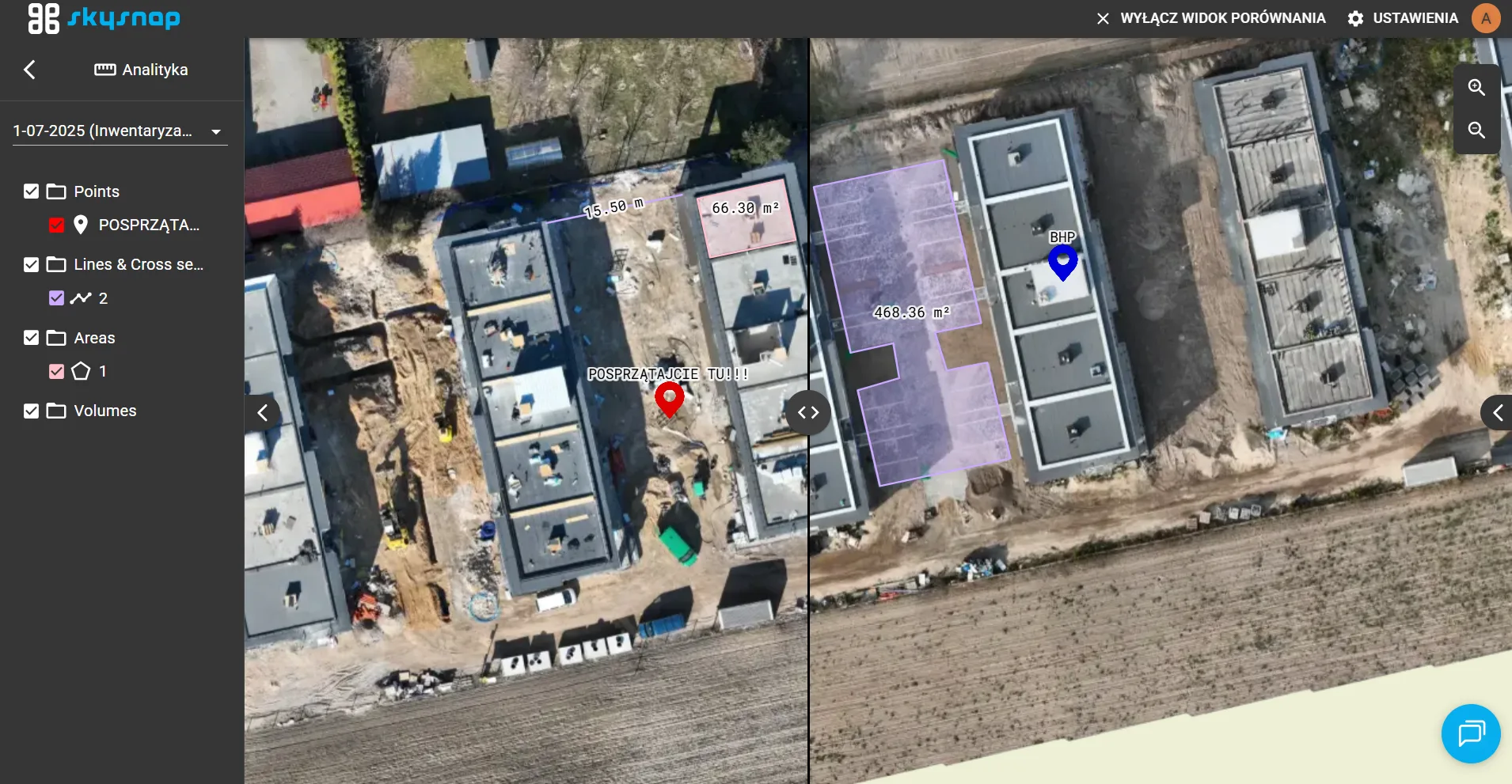
Photogrammetry allows the creation of high-precision models, which is crucial in fields such as architecture and engineering. Users can accurately measure distances, areas and volumes, which is invaluable for design and analysis.
How Drones Are Revolutionizing Photogrammetry
Drones are introducing new possibilities in photogrammetry, offering easy access to hard-to-reach locations. With them, data can be collected from high altitude and hard-to-reach locations.
- Flexibility: Drones can be used in almost any terrain, making it possible to collect data in places inaccessible to traditional methods.
- Precision: Equipped with state-of-the-art cameras, the drones provide high-resolution images that are processed into detailed 3D models.
- Speed: The drone data collection process is faster than traditional methods, saving time and resources.
Thanks to these advantages, drones are increasingly being used in a variety of industries, from construction to environmental surveys.
3D Model Creation Process
Creating 3D models with drones is a multi-step process that begins with data collection and ends with visualization. In this section, we will discuss what this process looks like in practice.
Drone Data Collection
Data collection is the first step in drone photogrammetry. Drones take pictures from different angles, allowing for a complete picture of an object or area.
- Flight planning: Before the drone takes to the air, a flight path is planned to cover the entire area of interest.
- Photography: the drone takes a series of photos taken from different angles, trying to capture every detail of the subject.
- Data transfer: After the flight, the images are transferred to a computer for further analysis.
It is important that the photos are taken at the right angle and in the right quality to create an accurate model.
Processing and Visualization
Once the data is collected, processing and visualization follows. The images are analyzed and combined into a coherent 3D model.
Calibration: images are calibrated to remove any distortion and ensure model accuracy.
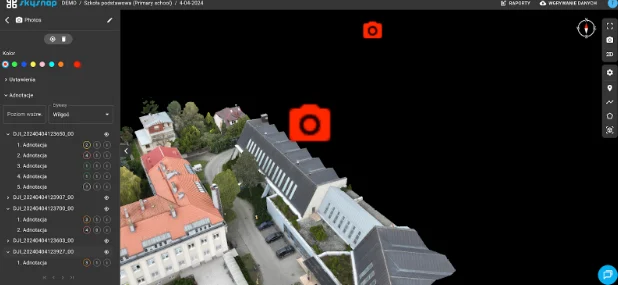
Mesh creation: The software combines images into a three-dimensional grid that forms the basis of the model.
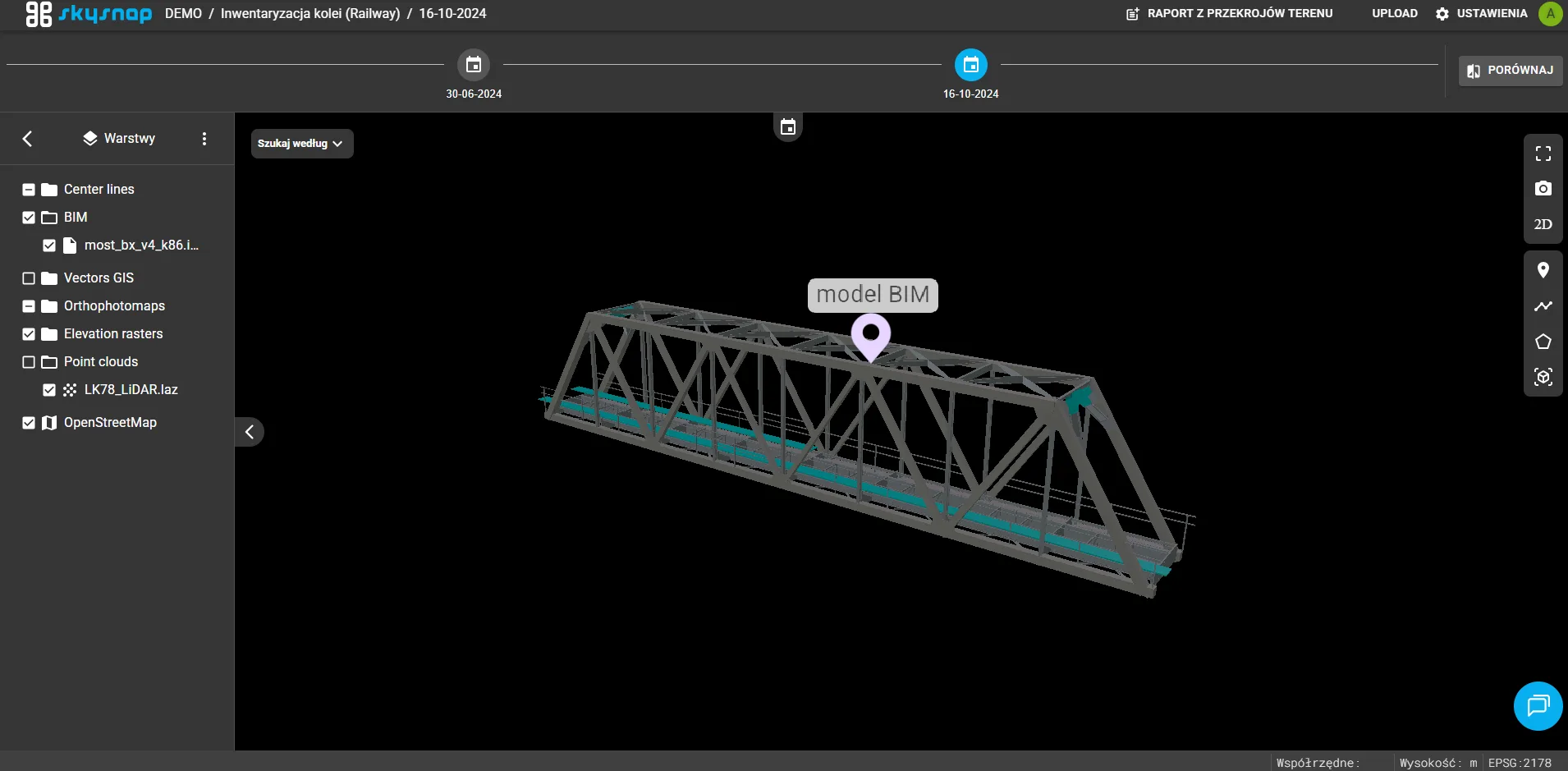
Visualization: the finished model can be visualized in various formats, allowing it to be analyzed from different perspectives.
Through this process, users can accurately examine and measure objects in virtual reality.
Applications of Photogrammetry in Everyday Life
Photogrammetry is widely used in everyday life, affecting a variety of fields. From architecture to city planning, its possibilities are endless.
Impact on Architecture and Construction
In the field of architecture and construction, photogrammetry offers new opportunities for design and analysis.
- Accuracy: 3D models allow architects to accurately plan and design buildings.
- Efficiency: The process of creating models is faster and more accurate than traditional methods.
- Analysis: Allows accurate structural and aesthetic analysis of designs.
As a result, architects can create more advanced and efficient designs that better meet the needs of users.
Role in Urban Planning
Photogrammetry is also indispensable in urban planning, helping to manage urban space.
- Site Inventory: Facilitates the collection of data on existing infrastructure and terrain.
- Urban planning: 3D models enable visualization and analysis of planned developments. Photogrammetry is also essential in cartography to create accurate maps and models for urban planning.
- Resource Management: Helps optimize urban spaces and manage resources.
With these capabilities, cities can better plan their infrastructure and development in a sustainable manner.
The Future of 3D Photogrammetry
With advances in technology, 3D photogrammetry will continue to evolve, offering new opportunities and challenges. In this section, we take a look at what the future holds.
Technology News and Innovations
The future of photogrammetry is all about developing technologies and innovations that will further improve the process.
- AI and machine learning: Integration with artificial intelligence algorithms will automate data processing. State-of-the-art software can also automatically combine laser scans and photographs, significantly increasing the efficiency of data processing.
- Modern sensors: The development of new types of sensors will enable more accurate data collection.
- Virtual and augmented reality: 3D models will be able to be used in a more interactive way thanks to VR and AR technologies.
With these innovations, photogrammetry will become even more accessible and useful in various fields.
Challenges and Development Opportunities
Despite its many benefits, photogrammetry faces many challenges that must be overcome to realize its full potential.
- Regulations: The use of drones entails compliance with regulations governing their use.
- Costs: Investments in hardware and software can be high.
- Data security: The storage and processing of data requires appropriate security measures.
Despite these challenges, 3D photogrammetry offers many opportunities for development that could significantly change the way we view space in the future.
Practical Tips for Beginners
For those who are just beginning their adventure with photogrammetry, we have prepared some practical tips. They will help you choose equipment and learn basic skills.
Choosing the Right Equipment
Choosing the right equipment is a crucial step for anyone who wants to get started with photogrammetry.
- Drone: Choose a drone with good camera quality and long flight time.
- Cameras: Using multiple cameras can significantly improve the quality of 3D models. By simultaneously capturing images from different angles, it is possible to capture the subject in a way that eliminates motion issues.
- Software: Invest in data processing software that is compatible with your hardware.
- Accessories: Remember spare batteries and memory cards, which will be essential for longer sessions.
With the right equipment, your work with photogrammetry will be more efficient and enjoyable.
Basic Skills and Tools
In addition to equipment, skills and tools are also important to realize the full potential of photogrammetry.
- Learning how to use the drone: Before starting, read the drone’s manual and conduct a few test flights.
- Software support: learn to use data processing software to create accurate 3D models.
- Data analysis: Understanding how to analyze and interpret data is key to creating valuable models.
With these skills, you will be able to take full advantage of the opportunities offered by drone photogrammetry.
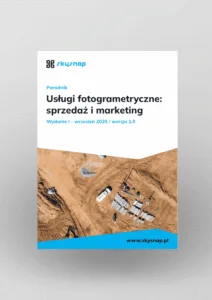
Free E-book
Learn what services to offer, who to sell them to, and how to write an effective offer email. Ready-made templates, tips and examples of campaigns that really work.
Table of Contents:
Do you like the article? Share it with others!
Do you like the article? Share it with others!
Tips, news, insights
Related articles
Check out our articles and get the latest industry news.